

The journey toward rehabilitation following a neurological event is often long and physically demanding. Many families are now researching alternative and regenerative options when traditional physical therapies reach a plateau. Stem cell therapy for stroke in Puerto Vallarta has emerged as a promising, albeit experimental, avenue for international patients seeking comprehensive care. By utilizing specialized cellular treatments, medical professionals aim to support the body’s natural healing mechanisms.
Mexican healthcare facilities, particularly those catering to an international audience, have invested heavily in regenerative medicine infrastructure. These modern clinics adhere to rigorous international protocols to ensure patient safety and comfort. Because wait times for specialized therapies in Canada can be lengthy, many patients are turning to stroke recovery treatment in Mexico for Canadians to access timely and innovative care.
According to recent medical tourism surveys, Mexico welcomes over one million international healthcare travelers annually, with regenerative medicine being one of the fastest-growing sectors.
- Cellular Regeneration: Focuses on minimizing inflammation and supporting neuroplasticity.
- Advanced Technology: Clinics utilize state-of-the-art laboratory equipment for cell processing.
- Multidisciplinary Approach: Combines cellular therapy with physical rehabilitation.
- Timely Access: Reduces the waiting period significantly compared to some public healthcare systems.
Why Canadians Choose Puerto Vallarta for Stroke Recovery
Navigating the post-stroke landscape in Canada often involves strict limits on the frequency and duration of publicly funded physical therapy. Once discharged from a rehabilitation hospital, patients frequently face significant out-of-pocket expenses for private care to maintain their progress. This reality drives many families to seek an affordable stem cell treatment in Puerto Vallarta, combining medical care with a serene healing environment. The mild climate and accessible infrastructure make it an attractive destination for mobility-challenged individuals.
Furthermore, geographic proximity plays a major role in the decision-making process for North American patients. Direct flights from major Canadian cities to the western coast of Mexico simplify the logistical burden of medical travel. When exploring a stem cell clinic in Puerto Vallarta, patients often find dedicated international patient departments that help coordinate seamless transitions from the airport to the medical facility.
When flying from Canada to Mexico for medical reasons, request wheelchair assistance at the airport at least 48 hours in advance to ensure a smooth, energy-conserving journey for the patient.
- Direct flights available from Vancouver, Calgary, and Toronto.
- Warm, therapeutic climate conducive to relaxation and recovery.
- Bilingual medical staff trained in North American patient care standards.
- Lower operational costs leading to highly competitive treatment pricing.
The Science Behind Stem Cell Treatment for Stroke Patients
To understand the potential benefits of this therapy, it is vital to look at how regenerative medicine interacts with the damaged brain. Following an ischemic or hemorrhagic event, brain tissue suffers from a lack of oxygen, leading to cell death and inflammation. Stroke rehabilitation with stem cells operates on the theory that introducing potent, naive cells into the body can modulate the immune system and decrease chronic neuroinflammation. These cells typically secrete growth factors that may encourage the brain to form new neural connections.
It is crucial to note that this therapy does not generally "replace" dead brain cells overnight. Instead, the process aims to optimize the brain's existing environment, potentially awakening dormant cells around the injury site. Patients looking for a reliable stroke treatment in Mexico should understand that while many experience improvements in spasticity and energy, the treatment relies heavily on the principles of neuroplasticity and ongoing physical effort.
Stem cells function much like "paramedics" for the body. Through a process called the paracrine effect, they release beneficial proteins and exosomes that signal native tissues to repair themselves.
- Neuroprotection: May help protect surviving neurons from secondary damage.
- Angiogenesis: Can stimulate the creation of new blood vessels for better circulation.
- Immunomodulation: Regulates the body's inflammatory response post-injury.
- Synaptic Plasticity: Encourages the brain to reroute functions to healthy areas.
Cost of Stem Cell Therapy for Stroke in Puerto Vallarta vs Canada
Financial considerations are often the primary catalyst for patients seeking healthcare options beyond their home borders. The cost of stem cell therapy for stroke in Mexico is generally a fraction of what private clinics charge in North America, where experimental regenerative treatments can be prohibitively expensive. This cost disparity is not due to a lack of quality, but rather differences in labor costs, facility overhead, and medical liability insurance structures.
When budgeting for a medical trip, it is essential to look at the comprehensive package rather than just the infusion price. A well-structured affordable stem cell treatment in Puerto Vallarta will typically include pre-treatment lab work, the cellular product, physician fees, and ground transfers. Below is a comparative look at estimated market ranges to help patients financially prepare for their journey.
| Procedure/Treatment Component | Average Cost in Puerto Vallarta (USD) | Estimated Private Cost in North America (USD) |
|---|---|---|
| Standard MSC IV Infusion Protocol | $5,000 - $8,000 | $15,000 - $25,000+ |
| Advanced Protocol (IV + Intrathecal) | $8,000 - $12,000 | $25,000 - $40,000+ |
| Comprehensive Evaluation & Lab Work | Included in package | $1,000 - $3,000 |
| Post-Treatment Physiotherapy Session | $40 - $80 per session | $150 - $300 per session |
Selecting the Right Stem Cell Clinic in Puerto Vallarta
Choosing a medical facility abroad demands thorough research, vetting, and an understanding of international healthcare standards. Patients must look beyond marketing materials to verify the credentials of the medical staff, the source of the biological materials, and the clinic's regulatory compliance. For instance, facilities like CellsTime Clinique Puerto Vallarta are highly regarded for their transparent protocols. Many families actively seek an advanced stem cell clinic in Puerto Vallarta to ensure they receive dedicated, specialist-led care.
A reputable clinic will always require a comprehensive medical history review before accepting a patient. They will clearly outline what stem cell therapy for stroke in Puerto Vallarta entails and will never offer guarantees regarding a cure. Engaging with a facility that prioritizes honest communication and safe, regulated cell sourcing is the most critical step in your medical tourism journey.
All legitimate stem cell banks and clinics in Mexico must be licensed and strictly regulated by COFEPRIS, the Mexican equivalent of the FDA or Health Canada.
- Verify the clinic's COFEPRIS certification and sanitary licenses.
- Ensure the medical team includes neurologists or specialized internal medicine doctors.
- Ask about the viability and count of the cells being administered.
- Request to speak with past patients regarding their clinical experience.
What to Expect During Stroke Rehabilitation in Mexico
The timeline for receiving regenerative care abroad is usually highly structured to maximize safety and efficiency. Upon arrival for your stroke recovery treatment in Mexico for Canadians, the first day is typically dedicated to consultations, blood tests, and vital sign monitoring to ensure you are fit for the procedure. The medical team will explain the specific administration method, which is often an intravenous (IV) drip, though sometimes an intrathecal injection (into the spinal canal) is recommended for neurological conditions.
The actual administration of the cells is generally painless and takes only a few hours in an outpatient setting. Following the procedure, patients are monitored for any immediate adverse reactions before returning to their hotel. Engaging in stroke rehabilitation with stem cells requires patients to rest adequately immediately after the infusion to allow the body to process the cellular introduction without stress.
Stem cell therapy is not a guaranteed cure for stroke. Results vary widely among individuals, and the procedure carries inherent risks such as mild fever, headache, or localized pain at the injection site. Always consult your primary care physician before traveling abroad for experimental medical treatments.
- Day 1: Arrival, clinical assessment, and baseline testing.
- Day 2-3: Administration of the cellular therapy and supportive IV nutrition.
- Day 4: Observation, follow-up consultation, and personalized discharge planning.
- Day 5: Medical clearance to travel back to Canada.
Patient Evaluation and Eligibility for Stem Cell Therapy
Safety is the cornerstone of any ethical regenerative medicine program, meaning not every individual is an ideal candidate for these procedures. To qualify for stem cell therapy for stroke in Puerto Vallarta, patients must undergo a rigorous remote evaluation process. This typically involves submitting recent MRI or CT scans, detailed medical reports, and an overview of current medications to the clinic's medical review board.
Medical professionals will look for strict contraindications that could make the treatment unsafe. For example, patients with active infections, a recent history of cancer, or severe bleeding disorders are typically disqualified. Ensuring proper eligibility is essential when planning a stroke recovery treatment in Mexico for Canadians, protecting the patient from unnecessary travel and financial expenditure if the treatment is deemed inappropriate.
Patient Case Summary: The Importance of Screening
A 65-year-old patient from Toronto initially sought treatment for right-side weakness. Thorough screening by the Mexican clinic revealed an undiagnosed, active blood clotting issue. The procedure was postponed until the patient could be safely stabilized back home, highlighting the clinic's commitment to patient safety over profit.
- Recent MRI/CT scans (usually within the last 6 months) are mandatory.
- Detailed lists of anti-coagulant and blood pressure medications must be provided.
- Approval by a multidisciplinary board is required before booking.
- Patients must be medically stable enough to endure commercial air travel.
The Role of Mesenchymal Stem Cells in Neurological Recovery
When researching this field, patients will frequently encounter the term Mesenchymal Stem Cells (MSCs). These are multipotent adult stem cells, most commonly ethically sourced from donated human umbilical cord tissue following healthy, full-term cesarean births. MSCs are the gold standard for an affordable stem cell treatment in Puerto Vallarta because they are highly proliferative and are generally considered immunoprivileged, meaning they typically do not provoke a rejection response in the recipient.
In the context of a stem cell clinic in Puerto Vallarta, MSCs are favored for their powerful paracrine effects. Once introduced into the patient's system, they navigate to areas of high inflammation—such as damaged brain tissue—and release growth factors. This biological response is what clinicians hope will aid in the recovery of motor skills, speech, and cognitive function over time.
Umbilical cord-derived MSCs are "Day 0" cells. Because they are brand new and have not been exposed to environmental toxins or aging, they possess a more robust regenerative capacity than cells harvested from older adults.
- Ethically harvested with maternal consent; no embryonic cells are used.
- Highly scalable in a laboratory setting to achieve the necessary therapeutic doses.
- Known for strong immunomodulatory properties that reduce systemic inflammation.
- Do not require human leukocyte antigen (HLA) matching between donor and recipient.
Post-Treatment Care and Ongoing Stroke Rehabilitation
The medical intervention in Mexico is only one phase of the comprehensive recovery journey. Returning to Canada marks the beginning of a crucial integration period where the cellular therapy works in tandem with daily effort. Stroke rehabilitation with stem cells is most effective when patients actively engage in physical, occupational, and speech therapy back home. The newly introduced cells need guidance, and physical therapy provides the necessary stimuli to help rewire the brain.
Patients are typically advised to maintain a healthy diet, avoid tobacco and excessive alcohol, and manage their blood pressure strictly to protect the healing brain. Reputable providers of stroke treatment in Mexico will schedule periodic follow-up calls or video consultations at the 3-month, 6-month, and 12-month marks to track progress and offer ongoing guidance.
Before traveling for treatment, pre-book your physical therapy appointments in Canada for the weeks immediately following your return to ensure continuity of care without delays.
- Commit to a minimum of 3-5 days a week of specialized physiotherapy.
- Maintain detailed journals of motor function and energy levels to track subtle changes.
- Focus on a neuro-protective diet rich in omega-3 fatty acids and antioxidants.
- Ensure all local Canadian physicians are kept in the loop regarding the treatment received abroad.
Navigating Medical Tourism for Stroke Care in Mexico
Planning international healthcare requires meticulous organization, especially for patients with mobility impairments. A vital aspect of minimizing the cost of stem cell therapy for stroke in Mexico without sacrificing quality is understanding medical tourism logistics. Reputable medical tourism platforms step in to bridge the gap, providing verified clinic options and facilitating secure communication between the patient in Canada and the medical team in Mexico.
Puerto Vallarta is uniquely positioned for medical travel due to its robust infrastructure. The city features modern private hospitals, accessible transport, and a deeply ingrained culture of hospitality. For those seeking an affordable stem cell treatment in Puerto Vallarta, combining top-tier medical protocols with a stress-free environment can significantly enhance the overall healing experience.
Puerto Vallarta is ranked as one of Mexico's safest and most accessible coastal cities, featuring an international airport located just minutes away from major healthcare centers.
- Utilize recognized medical travel facilitators to access vetted clinic profiles.
- Ensure all medical and consent documents are provided in English.
- Check your passport validity; it must be valid for at least six months beyond your travel dates.
- Organize comprehensive travel medical insurance that covers existing conditions and medical evacuation.
Safety and Efficacy of Stem Cell Clinics in Puerto Vallarta
Safety is the primary concern for any family exploring therapies outside their home healthcare system. Any respected stem cell clinic in Puerto Vallarta operates under stringent guidelines enforced by the Mexican government to ensure the biological materials are sterile, potent, and safely administered. Quality control measures include rigorous infectious disease testing of the donor tissue and advanced flow cytometry to verify cell counts before infusion.
While discussing the efficacy of stem cell therapy for stroke in Puerto Vallarta, medical professionals use cautious language. Most patients experience varying degrees of functional improvement, but some may see no significant change. The therapy is generally well-tolerated, with side effects typically limited to transient fatigue, mild chills, or a low-grade fever that subsides within 24 hours.
Modern laboratories use specialized cryopreservation techniques to transport and store cells, ensuring they maintain maximum viability and therapeutic potency right up until the moment of administration.
- Clinics must provide a Certificate of Analysis for the specific cell batch used.
- Treatments are performed in sterile, clinical environments, never in hotel rooms.
- Vitals are monitored continuously throughout the infusion process.
- Emergency medical protocols and equipment are always on standby on-site.
Real Patient Experiences with Stem Cells for Stroke Recovery
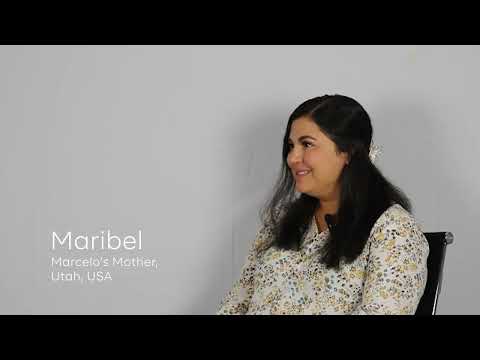
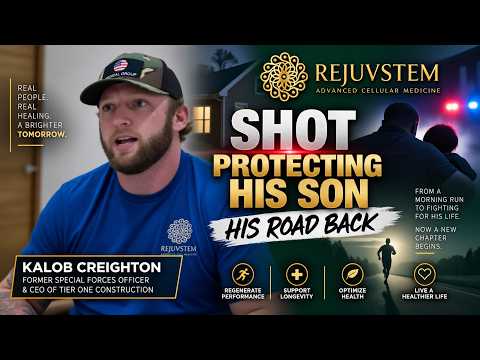
Hearing from others who have walked a similar path can provide profound comfort and insight for families making difficult healthcare decisions. Patient narratives regarding stroke recovery treatment in Mexico for Canadians often highlight not just the medical procedure, but the compassion of the staff and the ease of the process. While individual outcomes cannot be guaranteed, these shared experiences shed light on what to realistically expect.
Many families note that combining stroke rehabilitation with stem cells provided the necessary physical and psychological boost needed to continue arduous physical therapy. Below are specific case summaries detailing the diverse ways this treatment has impacted North American patients who traveled south for care.
Patient Case Summary: Regaining Independence
A 58-year-old Canadian patient suffered an ischemic stroke, resulting in severe left-side hemiparesis. Six months post-treatment in Mexico, combined with daily physiotherapy, the patient reported significantly improved grip strength and the ability to walk short distances with a cane, transitioning from full wheelchair reliance.
Patient Case Summary: Speech and Clarity
Following a hemorrhagic stroke, a 62-year-old female struggled with expressive aphasia. After receiving targeted cellular therapy and continuing her speech exercises, her family noted a distinct improvement in her ability to form complex sentences and a notable decrease in general cognitive fatigue.
Patient Case Summary: Energy and Spasticity Relief
A 70-year-old stroke survivor dealt with painful muscle spasticity in his right arm. Several weeks after his intravenous MSC infusion, he experienced a relaxation in muscle tone, allowing his Canadian physical therapist to finally manipulate the limb effectively and begin strength training.
Patient Case Summary: A Plateau Broken
A younger patient, aged 45, hit a frustrating recovery plateau two years post-stroke. Seeking a catalyst, they underwent an advanced protocol in Puerto Vallarta. Within three months, they reported renewed stamina, allowing them to double their weekly physical rehabilitation hours without exhaustion.
Preparing for Your Medical Travel Journey from Canada
Proper preparation is the key to minimizing anxiety when embarking on a health-focused trip abroad. Patients researching the cost of stem cell therapy for stroke in Mexico should budget not only for the medical procedure but for companion travel, accessible ground transportation, and appropriate post-care support back home. Being thoroughly prepared ensures that the patient’s energy is solely directed toward healing and recovery.
When selecting a stem cell clinic in Puerto Vallarta, ask the patient coordinator for a detailed packing list and itinerary. Carrying physical copies of important medical records, along with an emergency contact sheet and a list of all current prescriptions in their original bottles, ensures the medical team has all necessary context immediately upon your arrival.
Over 70% of medical tourists travel with a companion. Having a dedicated caregiver present during the trip significantly reduces patient stress and improves compliance with post-treatment rest protocols.
- Pack comfortable, loose-fitting clothing that allows easy access for IV placements.
- Notify your Canadian bank of your travel dates to avoid frozen credit cards.
- Carry all essential medications in your carry-on luggage, never in checked bags.
- Download translation apps, though clinic staff will be fully bilingual.
How PlacidWay Assists Your Stroke Care Journey in Puerto Vallarta
Finding the right international care requires trusted guidance and transparent information. PlacidWay connects Canadian patients with highly-rated medical providers, simplifying the research process for stem cell therapy for stroke in Puerto Vallarta. Our platform provides comprehensive clinic profiles, patient reviews, and direct access to medical coordinators.
We focus on empowering your healthcare decisions through reliable data and streamlined communication. By utilizing our resources, you can confidently evaluate the affordable stem cell treatment in Puerto Vallarta that aligns with your specific medical needs.
- Providing access to carefully vetted, certified clinic profiles in Mexico.
- Facilitating direct, secure communication between patients and international medical teams.
- Assisting with the secure transfer of medical records for initial doctor evaluations.
- Offering detailed, transparent treatment quotes directly from the medical providers.
- Supplying comprehensive educational resources regarding medical procedures abroad.
Frequently Asked Questions
Is stem cell therapy for stroke safe in Mexico?
When administered by certified professionals in regulated environments, stem cell therapy is generally considered safe. However, like any medical procedure, it carries inherent risks that must be discussed with your healthcare provider. Patients typically undergo extensive medical screening before being approved for treatment.
How much does stem cell therapy for stroke cost in Puerto Vallarta?
The cost typically ranges between $6,000 and $15,000 USD depending on the dosage, type of cells, and accompanying therapies. This is generally much more affordable than equivalent private treatments in North America. A detailed clinical evaluation is required for a precise quote.
What type of stem cells are used for stroke recovery?
Most international protocols use Mesenchymal Stem Cells (MSCs) derived from umbilical cord tissue or the patient's own bone marrow. These cells are preferred because they typically bypass ethical concerns and possess strong regenerative properties. The specific type used will depend on the clinic's protocol and patient needs.
Do Canadian patients need a visa for medical travel to Mexico?
Canadian citizens generally do not need a visa to enter Mexico for short medical trips under 180 days. You simply need a valid Canadian passport and a completed tourist card provided by the airline. Always verify the latest entry requirements before booking your travel.
Will provincial health insurance in Canada cover this treatment?
No, provincial health insurance plans in Canada do not cover elective, experimental stem cell treatments performed abroad. Patients must fund these therapies out-of-pocket or through private specialized health financing. It is crucial to budget accordingly for medical tourism procedures.
How soon might a patient notice improvements after treatment?
Recovery timelines vary significantly, and results can never be guaranteed for any patient. Some individuals report subtle improvements in energy and mobility within weeks, while others may notice gradual changes over several months. Continued physical therapy is essential to maximize potential benefits.
Is physical rehabilitation still necessary after receiving stem cells?
Absolutely. Stem cell therapy is not a standalone cure and works best when paired with rigorous physical, occupational, and speech therapy. Rehabilitation helps retrain the brain and muscles, reinforcing the potential neuroplasticity encouraged by the cellular treatment.
Can all stroke survivors qualify for stem cell treatment?
Not every patient is a suitable candidate. Strict contraindications exist, such as active infections, certain types of cancer, or severe bleeding disorders. A comprehensive medical board review of your recent MRI scans and medical history is required to determine eligibility.
How long is the typical stay in Puerto Vallarta for this procedure?
Most stroke recovery protocols require a stay of three to seven days in Mexico. This timeframe allows for preliminary testing, the cell infusion process, and observation for any immediate adverse reactions. Patients are usually cleared to travel home shortly after completion.
How do I securely share my Canadian medical records with a clinic abroad?
Your medical facilitator or chosen clinic will provide a secure, HIPAA-compliant digital portal to upload your records, MRI scans, and doctors' notes. It is also recommended to travel with physical copies or a USB drive containing your essential medical history.
Ready to explore your stroke recovery options in Puerto Vallarta? Contact PlacidWay today to connect with top-rated clinics and begin your personalized evaluation process.
References
- Heart and Stroke Foundation of Canada. Stroke Recovery and Rehabilitation. https://www.heartandstroke.ca/stroke/recovery-and-support
- Mayo Clinic. Stem cells: What they are and what they do. https://www.mayoclinic.org/tests-procedures/bone-marrow-transplant/in-depth/stem-cells/art-20048117
- U.S. Food and Drug Administration (FDA). Important Patient and Consumer Information About Regenerative Medicine Therapies. https://www.fda.gov/vaccines-blood-biologics/consumers-biologics/important-patient-and-consumer-information-about-regenerative-medicine-therapies
- American Stroke Association. Rehabilitation Therapy after a Stroke. https://www.stroke.org/en/life-after-stroke/stroke-rehab

.png)



.png)
.png)
.png)

.jpg)
.jpg)

.jpg)








Share this listing