


Stem Cell Therapy in Mexico
Yes, stem cell therapy in Tijuana, Mexico offers a non-surgical alternative for herniated discs. By injecting regenerative cells directly into the damaged area, it reduces inflammation and repairs tissue, helping patients avoid invasive back surgery.
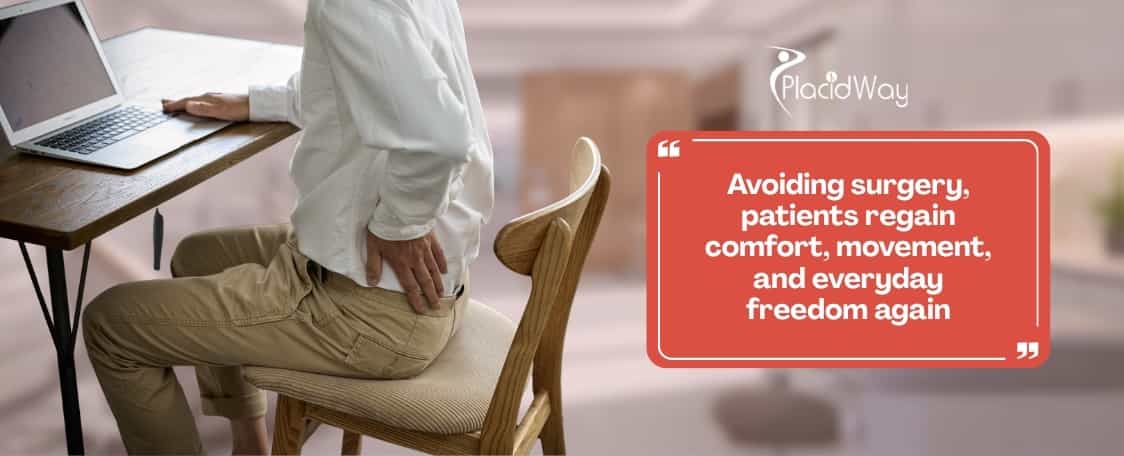
Key Takeaways: Avoiding Spinal Surgery in Tijuana
- Non-Invasive Healing: Cellular injections repair the outer ring of the disc, addressing the root cause of nerve compression.
- Massive Cost Savings: Procedures in Tijuana cost a fraction of US prices, making advanced regenerative care highly accessible.
- High-Potency Cells: Access to ethically sourced, expanded mesenchymal cells that provide superior tissue regeneration.
- Rapid Recovery: Walk out the same day with minimal downtime, avoiding the grueling months-long recovery of spinal fusion.
How does stem cell therapy work for herniated discs?
Regenerative cells are precisely injected into the damaged spinal disc using fluoroscopic guidance. These cells actively reduce severe nerve inflammation and stimulate the growth of new cartilage to seal disc tears.
A herniated disc occurs when the soft inner gel of a spinal disc pushes through a tear in the tough outer layer, pressing against sensitive spinal nerves. Traditional treatments often involve cutting away the herniated portion or fusing the spine together. Regenerative medicine takes a profoundly different approach by utilizing the body natural healing mechanisms. When concentrated cellular material is introduced into the compromised disc space, it immediately begins a complex biological signaling process.
The introduced cells act as microscopic repair technicians. Their first primary function is to release powerful anti-inflammatory proteins that soothe the irritated nerves causing sciatica or lower back pain. This initial phase provides patients with relatively quick symptomatic relief. Unlike steroid injections that merely mask the pain and can degrade tissue over time, this biological approach actively preserves the existing spinal anatomy.
Following the anti-inflammatory phase, the cells shift into a regenerative state. They encourage the local tissue to produce fresh collagen and cartilage, which works to patch the tear in the annulus fibrosus. As the outer wall strengthens and heals, the bulging inner material can retract, alleviating the physical pressure on the spinal cord. This comprehensive healing process is why stem cell therapy in Mexico is becoming a premier choice for patients refusing invasive orthopedic surgery.
Spinal discs are avascular, meaning they lack a direct blood supply. This is why a torn disc struggles to heal on its own. Injecting regenerative material directly into the disc bypasses this limitation, delivering nutrients and repair cells exactly where they are desperately needed.
What is the typical stem cell therapy cost in Mexico for back pain?
The average stem cell therapy cost in Mexico ranges from $4,000 to $8,000 for spinal treatments. This is significantly more affordable compared to the $15,000 to $25,000 commonly charged in the United States.
- Comprehensive Specialist Consultations: The base price always includes thorough pre-operative assessments by board-certified orthopedic or regenerative specialists who review your MRI scans.
- High Cell Count Vials: Treatment packages account for the exact dosage of millions of expanded mesenchymal cells, tailored specifically to the severity of your disc degeneration.
- State-of-the-Art Fluoroscopy: Costs cover the use of advanced real-time X-ray imaging, ensuring the needle reaches the exact millimeter of the torn spinal disc safely.
- Anesthesia and Facility Fees: Local anesthesia, light sedation, and the use of modern, sterile operating suites are bundled into the total package without surprise hospital bills.
- Post-Procedure Support: Many inclusive packages provide immediate post-care medications, dietary guidelines, and virtual follow-up appointments to track your recovery progress from home.
Why are U.S. patients choosing medical tourism in Mexico for spine care?
US patients travel south primarily to access highly expanded cellular treatments restricted domestically. The proximity of Tijuana to San Diego offers world-class care at a fraction of the financial burden.
The landscape of regenerative medicine in the United States is strictly regulated, meaning clinics are legally prohibited from culturing and expanding cellular material to yield high dosages. Consequently, domestic treatments often rely on harvesting cells directly from the patients own bone marrow or fat tissue, which can be painful and yields older, less potent cells. Medical tourism in Mexico thrives because Mexican regulatory frameworks allow for the safe, ethical expansion of donated umbilical cord cells in controlled laboratory environments.
This regulatory difference means patients crossing the border receive treatments containing tens of millions of vibrant, highly active cells that are biologically optimized for tissue repair. For a patient suffering from agonizing disc pain, the difference between an unexpanded domestic treatment and a high-dose international protocol can be the deciding factor between a successful recovery and an eventual surgical fusion.
Beyond the medical advantages, the logistics make Tijuana an incredibly appealing destination. Located just minutes away from San Diego International Airport, patients can easily fly into California and take a brief, secure medical shuttle directly to their clinic. This unparalleled convenience eliminates the stress of long-haul international flights, allowing patients with chronic back pain to travel comfortably and safely.
How do I select a reputable stem cell clinic in Mexico?
Choosing the right facility requires verifying medical board certifications, examining laboratory standards, and ensuring the clinic has dedicated orthopedic specialists administering the spinal injections.
Identifying a safe and effective stem cell clinic in Mexico is the most critical step in your medical journey. A reputable center will operate with complete transparency, openly sharing their laboratory certifications, the origin of their biological materials, and the specific medical background of their attending physicians. You must ensure that the doctor performing the spinal injection is a specialized orthopedic surgeon or interventional pain specialist, not a general practitioner, as the spine requires profound anatomical expertise.
A prime example of clinical excellence is the Immunity Therapy Center in Tijuana, Mexico. Facilities of this caliber differentiate themselves by providing integrated, patient-centric care that goes beyond a simple injection. They combine cellular treatments with holistic support therapies, ensuring your immune system and overall biological health are optimized to accept the regenerative materials effectively.
Patients seeking the highest standard of care often look for comprehensive programs tailored specifically to musculoskeletal degeneration. By choosing regenerative medicine programs for chronic back pain, individuals ensure they are partnered with experts who understand the complex biomechanics of herniated discs and possess the technological infrastructure to deliver life-changing results safely.
What types of stem cells are used for spinal regeneration in Tijuana?
Clinics predominantly utilize Mesenchymal Stem Cells harvested from donated human umbilical cords. These specific cells are exceptionally potent, ethically sourced, and carry zero risk of biological rejection.
- Wharton Jelly Extraction: The highest quality cells are derived from the Wharton Jelly of the umbilical cord, known to hold a massive concentration of robust, highly adaptable regenerative cells.
- Day Zero Vitality: Because these cells come from healthy, full-term births, they are essentially brand new. They possess much longer telomeres and replicate at a far faster rate than cells extracted from older adults.
- Immune Privilege Status: Umbilical cord mesenchymal cells do not express the antigens that trigger immune responses. This means anyone can safely receive these cells without requiring blood typing or facing rejection.
- Exosome Synergy: Premium treatments in Tijuana often include exosomes alongside the primary cells. These microscopic vesicles act as communication messengers, instructing local spinal cells to accelerate their natural repair processes.
- Strict Ethical Sourcing: Top clinics only source materials from healthy mothers who have given explicit, voluntary consent following rigorous infectious disease screening protocols.
Is the procedure painful and what is the recovery time?
The injection is minimally invasive and involves very little pain, as patients are provided with local anesthetics and mild sedation. Recovery is remarkably fast, with most patients walking independently the same day.
For patients who have endured the agonizing, radiating pain of a herniated disc, the injection procedure itself is generally described as highly tolerable. The medical team applies local numbing agents to the skin and deep tissues of your lower back before the procedure begins. Using an X-ray fluoroscope, the doctor carefully guides a thin needle to the exact site of the disc rupture. You might feel a brief pressure sensation as the fluid enters the disc space, but sharp pain is rare.
The immediate recovery window is incredibly brief compared to traditional spinal fusion surgery, which can leave patients bedridden for weeks. After a short observation period in the clinic lounge, you are cleared to walk out and return to your hotel. During the first forty-eight hours, it is normal to experience some mild, localized soreness at the injection site as the body reacts to the new cellular activity. Ice packs and over-the-counter pain relievers easily manage this temporary stiffness.
Long-term recovery and actual tissue remodeling occur gradually over three to six months. Patients are typically advised to avoid heavy lifting or high-impact sports during this critical growth phase. However, routine daily activities, office work, and light walking can usually be resumed within a week. As the cells continue to repair the disc wall, patients notice a progressive, steady decline in their daily back pain and sciatica symptoms.
What are the success rates for avoiding spinal fusion surgery?
Clinical data indicates that up to eighty percent of eligible patients who undergo cellular injections successfully avoid major spinal fusion surgery, experiencing profound long-term relief from chronic pain.
The primary goal of traveling for regenerative medicine is to cancel scheduled spinal surgeries. Fusion surgery permanently alters the biomechanics of your spine, locking vertebrae together and often leading to accelerated wear and tear on adjacent discs over time. By opting for a cellular approach first, patients give their bodies a chance to heal the original structure without permanently losing mobility or flexibility.
Success rates are heavily dependent on patient selection. Individuals with mild to moderate herniations, bulging discs, or early-stage degenerative disc disease see exceptional outcomes. Patients with severe spinal stenosis or entirely collapsed discs may still experience inflammation reduction, but full structural restoration is more challenging. This is why thorough MRI evaluations prior to booking your trip are absolutely critical to ensuring realistic expectations.
When the treatment is successful, the results are life-altering. Patients who previously could not stand for longer than ten minutes without shooting leg pain often find themselves hiking, playing golf, and returning to a pain-free life within six months. The biological repair created by the cells provides a lasting solution rather than a temporary fix.
| Treatment Aspect | Spinal Fusion Surgery (US) | Stem Cell Therapy (Tijuana) |
|---|---|---|
| Average Cost | $80,000 - $150,000+ | $4,000 - $8,000 |
| Hospital Stay | 3 to 5 days inpatient | Outpatient (Leave same day) |
| Recovery Time | 6 to 12 months | 1 to 3 weeks for daily activities |
| Spinal Mobility | Permanently reduced at fused segment | Fully preserved natural movement |
Are there any hidden fees with regenerative medicine in Tijuana?
While clinic packages are largely all-inclusive, patients should properly budget for independent pre-operative MRI scans, personalized post-care physical therapy at home, and specific travel accommodations.
- Updated MRI Imaging: Clinics require recent MRI scans (usually within the last three to six months). If you do not bring these from home, you will need to pay for imaging locally before treatment.
- Companion Accommodation: While the patient treatment is covered, hotels, meals, and logistical expenses for a traveling spouse or family member are typically out-of-pocket expenses.
- Nutritional Supplements: Doctors often recommend highly specific peptide supplements or anti-inflammatory vitamins to support cell growth post-procedure, which are usually purchased separately.
- At-Home Physical Therapy: The initial procedure is just phase one. Patients must fund their own physical rehabilitation programs once they return to the US to maximize their mobility outcomes.
- Secondary Treatment Areas: If the specialist discovers another joint requiring attention during consultation, adding a knee or shoulder injection will naturally increase the final clinic invoice.
Why Choose PlacidWay for your regenerative medicine journey?
PlacidWay connects you exclusively with top-tier, rigorously verified medical centers in Tijuana, ensuring you receive transparent pricing, expert medical evaluations, and guaranteed patient safety.
- Strict Cellular Lab Vetting: We partner only with clinics that maintain verifiable, internationally recognized laboratory standards for ethical cell extraction and safe expansion protocols.
- Direct Access to Specialists: We bypass general practitioners and connect you immediately with board-certified orthopedic surgeons who specialize exclusively in spinal health and regenerative medicine.
- Pre-Negotiated Treatment Packages: Our established clinic relationships allow us to secure transparent, all-inclusive pricing structures, preventing sudden price hikes or hidden medical fees upon arrival.
- Dedicated Medical Coordination: Our specialized team handles the secure transfer of your MRI scans and medical history, facilitating a comprehensive pre-evaluation by the Mexican medical team before you commit.
- Transparent Clinical Outcomes: We provide honest, unfiltered access to past patient testimonials, success rate data, and realistic medical expectations specific to herniated disc treatments.
Frequently Asked Questions
How many days should I stay in Tijuana for a spinal stem cell injection?
Most patients only need to stay in Tijuana for two to three days. The first day involves your arrival and a comprehensive medical consultation with diagnostic imaging review. The second day is dedicated to the actual injection procedure and immediate recovery monitoring, while the third day is for a final follow-up before you return home.
Do I need a passport to cross the San Diego border into Tijuana for medical care?
Yes, a valid United States passport or a passport card is required to cross the border back into the US from Tijuana. While Mexican authorities may sometimes allow entry without it, US Customs and Border Protection mandates a valid passport for reentry, regardless of whether you traveled for medical tourism or leisure.
Can stem cells fix a completely degenerated disc with zero cartilage left?
If a spinal disc is completely collapsed with bone-on-bone contact and zero cartilage remaining, cellular therapy alone may not fully restore the disc height. However, it can still significantly reduce joint inflammation and nerve pain. Specialists will evaluate your specific MRI to determine if you are a viable candidate or if surgical intervention is unavoidable.
Will my US health insurance cover any part of regenerative cellular injections in Mexico?
Standard US health insurance plans typically do not cover regenerative cellular injections, whether performed domestically or internationally, as they are often classified as experimental by insurance providers. Patients traveling to Tijuana pay out-of-pocket, but the significantly lower prices make it an affordable alternative to high domestic deductibles.
How soon after the injection can I start physical therapy for my back?
Physicians generally recommend waiting four to six weeks before beginning rigorous physical therapy. During the initial month, the injected cells are actively differentiating and repairing tissue, meaning the area needs rest. Light walking is encouraged immediately, but bending, lifting, and targeted spine exercises must wait until the biological integration is well underway.
Are umbilical cord stem cells used in Mexico screened for infectious diseases?
Yes, highly reputable laboratories in Mexico adhere strictly to international safety guidelines. Donor mothers undergo comprehensive blood testing for infectious diseases, genetic anomalies, and general health before the umbilical cord tissue is accepted. The cells are then tested multiple times during the expansion process to ensure absolute sterility and safety.
What happens if I sneeze or cough heavily right after a spinal injection?
Sneezing or coughing increases intra-abdominal and spinal pressure, which can cause temporary discomfort right after your procedure. However, the regenerative fluid is injected deep into the epidural space or disc nucleus and is safely contained. A sudden sneeze will not dislodge the cells or ruin the treatment outcome.
Is it safe to fly back home to the US the day after the disc procedure?
Flying the day after the procedure is generally safe and common for international patients. However, sitting in a restrictive airplane seat can cause stiffness in your lumbar spine. Doctors advise getting up to walk the aisle every hour, staying highly hydrated, and bringing a supportive lumbar cushion to protect your lower back during transit.
Can I combine cellular therapy with PRP for a lumbar disc herniation?
Combining cellular therapy with Platelet-Rich Plasma is a highly effective and frequently utilized protocol in Tijuana. The PRP acts as a biological catalyst, providing essential growth factors that nourish the injected stem cells. This combination accelerates the healing process, enhances tissue regeneration, and yields faster pain relief for patients with severe herniations.
What dietary restrictions should I follow before receiving stem cells in Tijuana?
Doctors strongly advise adopting an anti-inflammatory diet at least two weeks prior to your procedure. This means eliminating processed sugars, excessive alcohol, and refined carbohydrates, as systemic inflammation can hinder cellular performance. Patients are encouraged to eat whole foods, lean proteins, and omega-rich foods to create the best possible biological environment for tissue repair.
Start Your Journey to a Pain-Free Back Today
* Secure processing. Medical evaluations typically provided within 24 to 48 hours.
.jpg)










Share this listing