


Stem Cell Therapy in Japan
While stem cell therapy in Japan offers significant pain relief and cartilage regeneration for severe osteoarthritis, it is not always a permanent alternative to knee replacement. Results typically last 5 to 10 years, successfully delaying or completely preventing invasive joint surgery for many patients.

Key Takeaways: Knee Stem Cell Treatments
- Regenerative Potential: Harnesses the body naturally to repair damaged cartilage and reduce severe joint inflammation.
- Minimally Invasive: An outpatient procedure with no general anesthesia, eliminating the long recovery times associated with surgery.
- Regulatory Excellence: Japanese clinics operate under some of the strictest regenerative medicine laws globally, ensuring high safety standards.
- Longevity of Results: While not technically permanent for every patient, many experience a decade of relief and improved mobility.
- Custom Cultivation: Millions of high quality mesenchymal cells are expanded in advanced laboratories before injection.
How does stem cell therapy in Japan work for severe knee osteoarthritis?
The treatment involves extracting your own biological material, multiplying the reparative cells in a lab, and injecting them directly into the damaged knee joint. This initiates a profound healing response that rebuilds lost tissue.
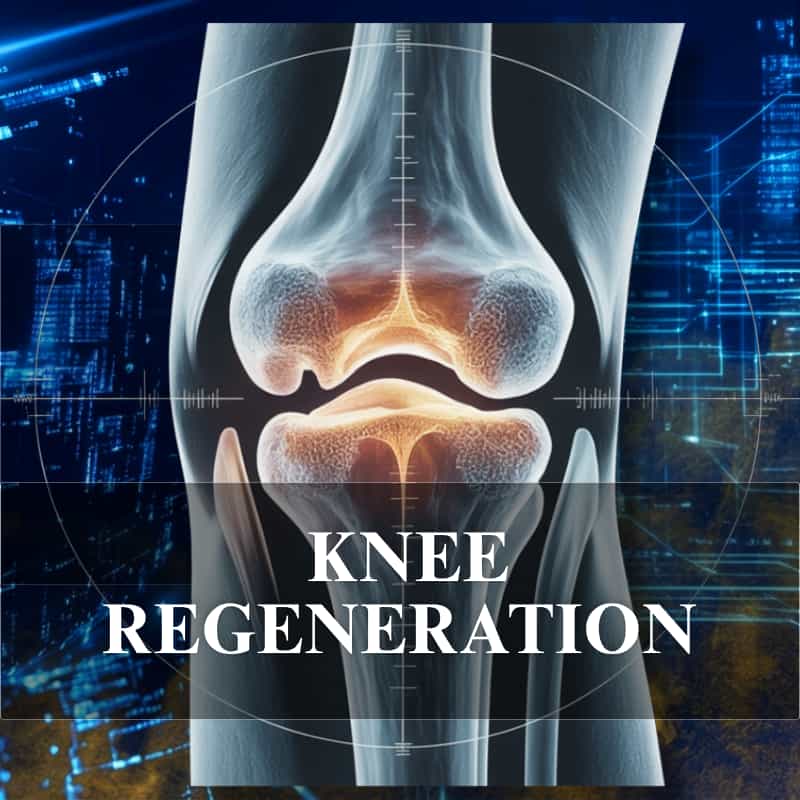
The biological mechanism behind stem cell therapy in Japan relies on the unique properties of Mesenchymal Stem Cells. These specialized cells act as the construction workers of the human body. When introduced into a degenerative knee joint environment, they immediately begin communicating with surrounding tissues to halt the inflammatory cascade that causes daily pain and stiffness.
Once the inflammation is neutralized, these cells differentiate into chondrocytes, which are the building blocks of new cartilage. Over a period of several months, this process can physically thicken the cartilage layer inside the knee. Japanese medical facilities utilize highly advanced ultrasound imaging to ensure the injection is delivered with pinpoint accuracy into the precise area of cartilage degradation.
Furthermore, the injected cells release growth factors and cytokines that stimulate your body existing repair mechanisms. This paracrine effect not only helps in rebuilding the joint cushioning but also improves the quality of the synovial fluid, which acts as the natural lubricant for the knee. This dual action approach is what makes the therapy so effective for long term mobility restoration.
What is the average stem cell therapy cost in Japan for knee treatments?
Patients can expect to invest between $12,000 and $25,000 for comprehensive regenerative joint treatments in Tokyo. This price includes extraction, multi week laboratory cultivation, and the final ultrasound guided injection.
When evaluating the stem cell therapy cost in Japan, it is crucial to understand that you are paying for laboratory precision and extensive cell culturing. Unlike basic same day procedures offered in some countries where cells are simply spun in a centrifuge, Japanese protocols involve expanding your cells into the tens of millions over several weeks in a highly sterile, government approved facility.
The final cost fluctuates based on the severity of your osteoarthritis, whether you are treating one knee or both unilaterally, and the specific type of cell harvesting required. Bone marrow extraction and adipose tissue extraction carry slightly different price tags due to the varying laboratory techniques required to isolate and multiply the highest quality reparative cells.
Despite being a premium medical destination, many North American and European patients find that the out of pocket expenses for this advanced regenerative care are highly competitive. When factoring in the avoidance of a total knee replacement surgery, lengthy physical therapy bills, and lost wages from extended surgical recovery, the investment in biological joint preservation is highly economical.
Who is the ideal candidate for a stem cell clinic in Japan?
The most successful patients are those in the moderate to severe stages of joint degeneration who still retain a minimal amount of cartilage space. They seek to avoid metallic joint implants and possess a healthy underlying immune system.
- Stage Two and Three Osteoarthritis: Patients experiencing moderate to severe joint space narrowing but who are not yet completely bone on bone see the highest rates of cartilage regeneration.
- Failed Conservative Therapies: Individuals who no longer find relief from corticosteroid injections, hyaluronic acid treatments, or extensive physical therapy regimens.
- Surgery Averse Individuals: Those who wish to delay or entirely avoid the risks associated with total knee arthroplasty, including blood clots and prosthesis failure.
- Active Lifestyles: Patients who want to return to high impact activities like golf, tennis, or hiking, which are often restricted after traditional metallic knee replacements.
- Good General Health: Candidates must be free of active cancers or severe systemic infections, as a robust immune system is necessary to support the cellular proliferation process.
The key to success in biological orthopedics is patient selection. A reputable stem cell clinic in Japan will rigorously evaluate your MRI scans before accepting you for treatment. If the joint is entirely collapsed, ethical specialists will advise that regenerative medicine may only offer pain management rather than full structural restoration.
Why is medical tourism in Japan becoming popular for regenerative medicine?
The country offers a unique combination of groundbreaking legislative support for cell therapies, state of the art laboratory infrastructure, and world renowned medical hospitality, making it a global hub for healing.
The surge in medical tourism in Japan is heavily driven by the government proactive stance on biological treatments. The Act on the Safety of Regenerative Medicine created a structured, legal pathway for clinics to offer innovative therapies without compromising patient safety. This framework mandates rigorous inspections of all cell processing centers, giving international patients immense peace of mind.
Furthermore, Japanese medical technology is considered second to none. The laboratories where patient cells are cultured utilize cleanroom environments that rival microchip manufacturing facilities. This ensures the viability, sterility, and potency of the final cellular product. High quality cultivation directly correlates with better clinical outcomes for joint repair.
Beyond the science, the cultural concept of Omotenashi, which translates to wholehearted hospitality, is deeply ingrained in the healthcare system. International patients experience a level of attentive, personalized care that is rare elsewhere. From comprehensive pre procedure health screenings to meticulous post injection follow ups, the patient experience is designed to be entirely stress free.
How do international patients choose the right stem cell clinic in Japan?
Selecting the best facility requires verifying government accreditation, assessing the quality of their cell processing center, and ensuring they have a dedicated international patient department to overcome language barriers.
Navigating healthcare options abroad can be complex, but focusing on facilities with a proven track record simplifies the process. Patients often seek top tier facilities like HELENE - Stem Cell Clinic in Tokyo, Japan, which is renowned for pioneering sophisticated biological protocols and maintaining impeccable safety records over years of operation.
For individuals seeking comprehensive joint restoration, exploring advanced stem cell therapy for knee osteoarthritis in Tokyo provides access to world class specialists dedicated entirely to cartilage regeneration. The best centers offer transparent success rates and detailed explanations of their specific cell expansion techniques prior to your arrival.
It is also essential to confirm that the chosen facility possesses a Class II or higher certification under Japanese medical law, which permits them to handle and culture somatic cells safely. Facilities that prioritize transparent communication, offer robust English speaking support, and provide comprehensive post treatment monitoring are the gold standard for global patients.
How long does recovery take after knee stem cell therapy in Japan?
Because the procedure is minimally invasive, acute recovery takes only a few days. However, the biological regeneration of cartilage occurs gradually, with peak mobility improvements manifesting over three to six months.
The immediate post procedure phase is remarkably swift compared to traditional orthopedic surgery. Most patients experience mild joint fullness or aching for forty eight to seventy two hours following the intra articular injection. During this brief window, doctors advise rest, elevation, and the avoidance of anti inflammatory medications, which can inadvertently suppress the healing response.
Within the first two to six weeks, patients typically notice a significant reduction in their baseline osteoarthritis pain. This early relief is primarily due to the potent anti inflammatory proteins released by the newly introduced cells. During this phase, light activities like walking or swimming are encouraged to promote blood flow without overloading the healing joint.
The true structural remodeling phase requires patience. Over the next three to six months, the cells actively differentiate and lay down new cartilage matrix. Adhering to a prescribed physical therapy routine during this time is vital to strengthen the surrounding quadriceps and hamstrings, ensuring the newly rejuvenated knee joint remains perfectly stabilized for years to come.
Are the results from stem cell therapy in Japan scientifically proven?
Yes, extensive clinical trials and peer reviewed studies conducted by leading Japanese research universities consistently demonstrate measurable cartilage growth and significant pain reduction in osteoarthritis patients.
- MRI Verification: Post treatment magnetic resonance imaging routinely shows increased cartilage thickness and improved joint space volume compared to baseline scans.
- Symptom Scoring: Patients consistently report dramatic improvements on the standardized WOMAC osteoarthritis index, highlighting decreased stiffness and increased physical function.
- Long Term Efficacy: Multi year follow up studies indicate that the regenerative benefits are sustained over time, drastically reducing the statistical need for delayed joint arthroplasty.
- Biochemical Analysis: Joint fluid analysis post therapy reveals a significant drop in degradative enzymes and an increase in protective lubricating proteins.
- Global Recognition: The scientific protocols developed in Tokyo are frequently published in leading international orthopedic journals, establishing the country as a pioneer in evidence based regenerative medicine.
The Nobel Prize in Physiology or Medicine was awarded to a Japanese researcher, Shinya Yamanaka, in 2012 for his groundbreaking work in cellular reprogramming. This prestigious legacy drives the continuous innovation found in every modern stem cell clinic in Japan today.
What types of cells are used at a typical stem cell clinic in Japan?
The standard of care involves using autologous Mesenchymal Stem Cells, which are harvested directly from the patient own adipose fat tissue or bone marrow, ensuring perfect biological compatibility.
Adipose derived cells are incredibly popular for knee joint regeneration due to their high yield and relatively simple extraction process. A physician performs a mini liposuction procedure, usually from the abdomen, to collect the fat tissue. This tissue is incredibly rich in regenerative properties and provides an excellent baseline for laboratory expansion.
Alternatively, some specialists prefer bone marrow derived cells, particularly for severe orthopedic cases. These are extracted from the iliac crest of the pelvis. While the extraction is slightly more involved, marrow cells have a long established track record in orthopedic medicine and possess a profound natural affinity for turning into bone and cartilage lineages.
Regardless of the source, the critical factor is the subsequent laboratory phase. In Tokyo, these raw cells are not just filtered and reinjected immediately. They are carefully incubated over three to four weeks until they multiply into the tens of millions. This massive cellular dosage is what ultimately bridges the gap between temporary pain relief and true anatomical repair.
How does stem cell therapy in Japan compare to knee replacement surgery?
Biological therapy preserves your natural joint anatomy without surgical trauma, whereas knee replacement involves amputating the damaged bone and inserting artificial metal and plastic components.
- Invasiveness: Regenerative injections require only a local anesthetic and a tiny needle puncture, entirely avoiding the massive surgical incisions and bone sawing of joint replacements.
- Recovery Timeline: Patients walk immediately after cellular injections and resume normal daily life within weeks, compared to the arduous three to six months of painful rehabilitation required after joint surgery.
- Complication Risks: Utilizing your own biology eliminates the severe risks of hospital acquired infections, deep vein thrombosis, or prosthetic joint rejection.
- Biomechanical Preservation: Retaining your natural bone, ligaments, and meniscus allows for normal joint mechanics, whereas artificial knees often feel unnatural and alter your natural gait.
- Future Options: Biological therapy does not burn bridges. If osteoarthritis progresses decades later, a surgical replacement is still possible, whereas revising a failed artificial knee is highly complicated.
Why Choose PlacidWay for stem cell therapy in Japan?
PlacidWay removes the complexity of seeking advanced international healthcare by connecting you directly with vetted, globally recognized regenerative specialists who prioritize ethical treatment and documented clinical outcomes.
- Rigorous Facility Vetting: We exclusively partner with fully licensed institutions that maintain the highest echelons of government certification, ensuring absolute compliance with all regenerative safety laws.
- Transparent Cost Structures: We eliminate hidden fees by providing crystal clear pricing regarding the stem cell therapy cost in Japan, including extraction, cultivation, and medical administration.
- Dedicated Medical Coordination: Our patient liaisons bridge all cultural and linguistic gaps, ensuring your medical history is accurately translated and comprehensively reviewed by your chosen specialist.
- Comprehensive Treatment Planning: We assist in scheduling all necessary diagnostic imaging, clinical consultations, and laboratory timelines to maximize the efficiency of your medical journey.
- Pre Consultation Facilitation: Before making any commitments, we arrange preliminary evaluations of your MRI reports so you receive honest, medically sound advice regarding your expected surgical alternatives.
Frequently Asked Questions
Is stem cell therapy in Japan legally regulated and safe?
Yes, regenerative medicine in this country is heavily regulated under the Act on the Safety of Regenerative Medicine. Facilities must pass rigorous government inspections to ensure maximum patient safety and ethical cell culturing protocols.
Do I need a special medical visa for stem cell therapy in Japan?
Many international patients can enter on a standard tourist visa for short outpatient treatments. However, if your specific cellular cultivation timeline requires a longer stay, you may apply for a designated medical stay visa with clinic sponsorship.
Can I receive stem cell therapy in Japan if I have bone on bone osteoarthritis?
While patients with severe stage four osteoarthritis can experience significant pain relief and reduced inflammation, regenerative capabilities are limited when absolutely no cartilage remains. Your specialist will review your MRI to determine realistic outcomes.
How long do I need to stay in Tokyo for knee stem cell treatment?
The entire process typically requires a stay of ten to fourteen days. This allows time for the initial consultation, fat or marrow harvesting, the laboratory cell cultivation phase, the final injection, and a post procedure follow up.
Are there age restrictions for receiving stem cell therapy in Japan?
There is no strict upper age limit, provided the patient is in good general health and has a competent immune system. Doctors evaluate biological age and cellular viability rather than chronological age alone.
Does health insurance cover stem cell therapy cost in Japan?
Most international health insurance plans consider regenerative joint treatments elective and experimental. Therefore, international patients should expect to pay out of pocket, though some specialized policies may cover partial diagnostic fees.
What are the potential side effects of knee stem cell therapy in Japan?
Side effects are generally mild and temporary. They may include localized swelling, mild pain at the injection or harvest site, and temporary stiffness. Because autologous cells are used, the risk of allergic reaction or immune rejection is virtually eliminated.
Can I get both knees treated simultaneously during medical tourism in Japan?
Yes, bilateral treatments are highly common and cost effective. Because the procedure is minimally invasive, treating both knees during the same session does not significantly increase recovery time or procedural risk.
How soon can I walk after receiving stem cell injections in Tokyo?
Patients can typically walk out of the clinic unassisted immediately following the injection. However, doctors advise limiting strenuous weight bearing activities and long walks for the first two weeks to allow the cells to attach and proliferate.
Are translators available at medical facilities in Japan?
Top tier regenerative facilities catering to international patients always provide dedicated medical interpreters. These professionals ensure seamless communication during consultations, procedures, and aftercare instructions.
Start Your Joint Healing Journey Today
* Responses typically within 24 hours. Privacy guaranteed.
.jpg)



.png)
.png)
.png)




Share this listing