


Stem Cell Therapy in Colombia
The quality of MS regenerative care in Colombia meets rigorous global standards through advanced protocols and certified laboratories. Patients access premium stem cell therapy at a fraction of international prices, ensuring excellent value and care.

Key Takeaways: Quality and Value in South America
- International Standards: Laboratories follow strict Good Manufacturing Practices identical to North American facilities.
- Cost Efficiency: Patients save up to sixty percent on procedures due to lower regional operational costs.
- Advanced Technology: Specialists utilize highly viable mesenchymal materials for optimal neurological repair.
- Comprehensive Care: Treatment packages include pre-evaluation, cellular administration, and extensive supportive therapies.
- Expert Medical Teams: Board-certified neurologists and biologists collaborate to design highly personalized patient protocols.
How does the safety of stem cell therapy for MS in Colombia compare internationally?
The safety protocols align perfectly with top global medical standards through rigorous laboratory testing and specialized medical oversight. Facilities adhere to strict international guidelines to ensure patient wellbeing.
When evaluating healthcare options abroad, patient safety remains the ultimate priority. The medical institutions providing regenerative treatments in this region maintain exceptionally high standards that rival those found in the United States and Europe. These facilities operate under strict bioethical frameworks and government regulations that mandate constant monitoring of all biological materials. The local health authorities conduct frequent inspections to guarantee that every clinic adheres strictly to proper sanitization and patient care protocols.
A critical component of this safety profile is the use of internationally certified laboratories for cell cultivation. These dedicated laboratories utilize advanced cleanroom technology to prevent any possibility of contamination. Before any biological material reaches the patient, highly trained biologists perform exhaustive screening for infectious diseases, genetic abnormalities, and overall cell viability. This meticulous preparation ensures that the final therapeutic product is exceptionally pure and highly active.
Furthermore, the medical professionals administering these therapies possess extensive specialized training. Many head physicians and neurologists have completed their fellowships in North America or Europe, bringing globally recognized expertise back to their local practices. They utilize state-of-the-art imaging and monitoring equipment during all procedures, ensuring precise delivery of the therapy and immediate response to any patient needs. This combination of pristine laboratory conditions and expert clinical application creates an incredibly secure environment for complex medical care.
The health infrastructure in major South American cities frequently ranks above many developed nations in terms of rapid access to specialized care and modern technological integration.
What factors determine the stem cell therapy for MS cost in Colombia?
The overall expense depends on the prescribed cell count, the number of required sessions, and laboratory cultivation techniques. Lower operational overhead allows providers to offer premium care affordably.
Understanding the pricing structure for these advanced biological treatments requires looking at several distinct elements that contribute to the final investment. The affordability of these therapies compared to North American prices does not indicate a reduction in quality, but rather reflects the highly favorable economic conditions of the region.
- Laboratory Cultivation Fees: Expanding cells to reach the millions required for neurological treatment demands sophisticated equipment and highly skilled biologists. The cost of running these cleanrooms forms a significant portion of the total price.
- Dosage and Cell Volume: Patients with advanced disease progression typically require a higher concentration of biological materials. Larger doses naturally increase the overall financial investment required for the protocol.
- Medical Facility Overhead: The general cost of maintaining a pristine hospital environment, including administrative staff and utility expenses, is remarkably lower in South America, savings which pass directly to the patient.
- Professional Medical Fees: While the specialists are internationally trained, their consultation and procedural fees align with the local economy, making their exceptional expertise highly accessible.
- Comprehensive Diagnostic Testing: Thorough pre-treatment evaluations, including detailed blood panels and magnetic resonance imaging, are essential for safety and are factored into comprehensive medical packages.
- Supportive Intravenous Therapies: Many clinics include powerful antioxidant infusions and specialized vitamin drips alongside the main treatment to boost the immune system and enhance cellular integration.
How do professionals prepare the treatment at a stem cell therapy for MS clinic in Colombia?
Specialists isolate high-quality cells and cultivate them in advanced cleanrooms to achieve the required therapeutic concentration. They conduct extensive quality control before any patient administration.
The preparation of regenerative materials is a highly complex biological process that requires extreme precision. When a patient arrives at the chosen medical center, the laboratory has already begun the meticulous work of securing the best possible therapeutic agents. For allogeneic treatments, technicians carefully select donated umbilical cord tissue, screening it rigorously for maximum vitality and complete safety. They isolate the specific mesenchymal elements known for their potent healing properties.
Once isolated, these biological building blocks enter the expansion phase. Inside specialized incubators that perfectly mimic the internal environment of the human body, the cells multiply over several weeks. Scientists monitor this growth daily, ensuring the cells maintain their pristine structural integrity and regenerative potential. They utilize advanced flow cytometry techniques to verify the exact characterization of the cells, guaranteeing the final product contains purely the desired therapeutic materials without any unwanted byproducts.
The final step before administration involves rigorous viability testing. Medical standards dictate that the cells must demonstrate excellent survival rates to be effective against neurological conditions. The laboratory staff suspends the expanded cells in a specialized sterile solution designed to protect them during transit to the treatment room. This exhaustive preparation process ensures that the patient receives a highly potent, exceptionally pure treatment capable of crossing the blood-brain barrier and initiating profound cellular repair.
Why is medical tourism in Colombia becoming popular for neurological treatments?
Patients seek this destination because it combines highly trained medical professionals with exceptionally modern healthcare infrastructure. The country offers a supportive environment for complex medical recoveries.
The global healthcare landscape has shifted dramatically over the past decade, with discerning patients actively seeking better alternatives for complex chronic conditions. This South American nation has rapidly emerged as a premier hub for health travelers. The primary driver of this trend is the unparalleled combination of absolute medical excellence and highly compassionate patient care. Medical centers here prioritize giving doctors ample time to spend with each individual, eliminating the rushed feeling so common in western hospital systems.
Beyond the clinical excellence, the geographical accessibility makes it highly attractive. Major cities boast direct flight connections from numerous international hubs, making travel relatively stress-free even for patients managing difficult neurological symptoms. Upon arrival, health travelers find a sophisticated urban environment offering premium accommodations specifically tailored to medical recovery. The hospitality sector works closely with healthcare providers to ensure dietary requirements and mobility needs are perfectly met.
Furthermore, the government has heavily invested in promoting health exports, leading to streamlined processes for international visitors. Bilingual patient coordinators are standard in top facilities, providing seamless communication from the initial inquiry through to post-treatment follow-up. This comprehensive support network allows patients to focus entirely on their healing journey rather than navigating logistical hurdles, making the destination highly sought after for those pursuing advanced regenerative solutions.
International health analysts consistently note that the personalized attention ratio in these Latin American facilities vastly exceeds typical global averages, significantly improving patient satisfaction and emotional well-being during intense therapies.
What specific types of stem cells do specialists use for Multiple Sclerosis treatments?
Providers primarily utilize Mesenchymal Stem Cells derived from umbilical cord tissue due to their powerful immunomodulatory properties. These cells actively reduce neurological inflammation.
The success of regenerative therapy depends entirely on selecting the correct biological tools for the specific disease mechanism. For autoimmune neurological conditions, the absolute gold standard is the Mesenchymal Stem Cell. Unlike other variants, these specific cells possess a unique ability to communicate directly with an overactive immune system. They act as biological managers, sending chemical signals that instruct aggressive immune cells to stop attacking the protective myelin sheath surrounding the nerves.
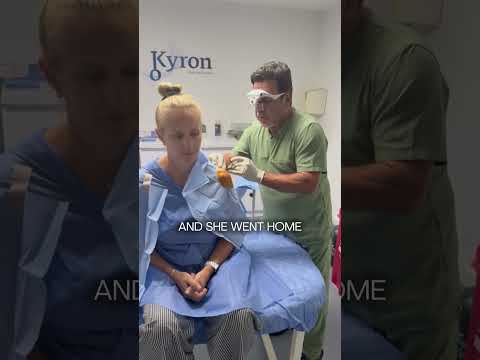
Patients seeking advanced MS regenerative care at Stem Cells Kyron Colombia often discover how these specific biological materials provide superior therapeutic benefits. Specialists prefer sourcing these cells from Wharton Jelly, a substance found inside donated umbilical cords. This tissue contains cells that are incredibly youthful, highly energetic, and completely naive, meaning they have not been exposed to environmental toxins or aging processes that degrade cellular quality.
Using this specific allogeneic source offers a massive advantage over extracting cells from the patient own body. In individuals with chronic autoimmune diseases, their own biological materials are often exhausted or carry the same genetic predispositions that caused the illness initially. By utilizing fresh, highly potent umbilical materials, doctors ensure the patient receives the maximum possible regenerative boost to halt disease progression and encourage tissue repair.
How do these regenerative therapies actively impact Multiple Sclerosis progression?
The administered cells migrate to areas of neurological inflammation to modulate the immune system and protect existing nerve tissues. This process helps slow disease progression and manages debilitating symptoms.
The biological mechanisms triggered by regenerative medicine are multifaceted and highly targeted toward repairing neurological damage. When introduced into the body, these cells perform several critical functions simultaneously.
- Targeted Homing Mechanism: The cells naturally detect inflammatory chemical markers in the body, migrating directly to the damaged areas within the central nervous system to begin their repair work.
- Profound Immunomodulation: They secrete specific proteins that re-educate the faulty immune system, halting the aggressive autoimmune attack on the brain and spinal cord without suppressing overall immune function.
- Myelin Repair Stimulation: By releasing neurotrophic factors, these cells encourage the body own specialized progenitor cells to wake up and begin rebuilding the damaged myelin sheaths around nerves.
- Scar Tissue Reduction: The therapy actively works to dissolve existing astrocytic scars in the neurological pathways, potentially clearing the way for improved electrical signal transmission.
- Cellular Protection: They create a highly protective microenvironment around surviving neurons, shielding them from further inflammatory damage and extending their functional lifespan.
- New Blood Vessel Formation: The biological materials promote angiogenesis, developing new capillary networks that improve blood flow and oxygen delivery to oxygen-starved neurological tissues.
What kind of clinical outcomes can MS patients expect after regenerative therapies?
While individual results vary based on disease stage, many individuals report significant improvements in energy levels and motor function. Patients frequently experience a reduction in overall relapse frequency.
Establishing realistic expectations is a fundamental part of the pre-treatment consultation process. It is vital to understand that while regenerative medicine offers profound healing potential, it is not an overnight cure. The healing process occurs gradually as the biological materials integrate and begin altering the internal immune landscape. During the first few weeks, the most commonly reported benefit is a dramatic reduction in debilitating chronic fatigue, allowing patients to participate more actively in daily life.
As the months progress, patients often note tangible improvements in specific neurological symptoms. This frequently includes better balance, increased walking endurance, and a reduction in painful muscle spasticity. Many individuals experience enhanced bladder control and improved cognitive clarity, effectively lifting the heavy mental fog associated with the condition. The primary clinical goal, however, is disease stabilization. Halting the progression and preventing future relapses is considered a massive therapeutic victory.
To maximize these outcomes, medical experts strongly emphasize the importance of rigorous post-treatment physical therapy. The newly forming neurological connections require constant stimulation to solidify and become functional. Patients who combine their biological treatments with dedicated neuro-rehabilitation exercises consistently report the highest levels of functional recovery and long-term symptom management.
How do Colombian medical facilities maintain internationally recognized quality controls?
Top institutions undergo rigorous audits and maintain certifications from esteemed global health organizations to guarantee pristine operational standards. They utilize state-of-the-art laboratory equipment identical to North American counterparts.
The commitment to excellence in these healthcare centers goes far beyond basic compliance. Premier facilities voluntarily subject themselves to rigorous third-party evaluations by independent global health boards. This dedication to transparency ensures every aspect of their operation, from patient admission protocols to laboratory sterilization techniques, meets or exceeds the strict criteria set forth by international medical tourism authorities. Maintaining these accreditations requires continuous improvement and massive investments in quality control infrastructure.
A major focus of this quality control lies within the continuous education of the medical staff. Clinics mandate ongoing training programs for their doctors, nurses, and laboratory technicians. These professionals regularly attend global regenerative medicine conferences and collaborate with international research institutions to stay at the absolute forefront of cellular science. This dedication to lifelong learning ensures patients always receive the most advanced, scientifically validated protocols available globally.
Furthermore, facilities utilize advanced digital tracking systems to monitor every single biological sample. From the moment tissue is sourced to the exact second it is administered to the patient, the entire chain of custody is meticulously documented. This flawless traceability prevents any possibility of cross-contamination and provides patients with absolute certainty regarding the origin, purity, and viability of their specific treatment materials.
Why Choose PlacidWay for organizing your regenerative medicine journey?
PlacidWay provides comprehensive support by connecting patients with fully vetted and internationally accredited medical facilities. Our dedicated team ensures a seamless and transparent healthcare experience.
Navigating international healthcare options for complex conditions requires expertise and trusted guidance. PlacidWay serves as your premier medical advocacy partner, ensuring your journey is completely secure and highly successful. Here is why patients globally trust our services:
- Rigorous Facility Vetting: We perform exhaustive background checks on every medical center, ensuring they possess valid government licenses, international accreditations, and spotless safety records.
- Transparent Medical Pricing: Our platform guarantees absolutely clear financial breakdowns. We negotiate highly competitive medical packages so you know exactly what your healthcare investment covers without any hidden clinical fees.
- Direct Specialist Access: We facilitate immediate communication between you and board-certified international neurologists, allowing you to ask vital clinical questions before making any treatment commitments.
- Comprehensive Record Review: Our team coordinates the secure transfer of your MRI scans and blood work to the foreign medical team, ensuring they evaluate your specific candidacy accurately prior to your arrival.
- Dedicated Patient Advocacy: You receive a personal medical coordinator who acts as your advocate, ensuring all ethical treatment standards are strictly upheld and your clinical expectations are thoroughly managed.
Frequently Asked Questions
Are stem cell treatments for Multiple Sclerosis legally regulated in Colombia?
Yes, regenerative medical treatments are strictly regulated by the National Food and Drug Surveillance Institute. This government body ensures all biological products and clinical protocols meet high safety standards. Clinics must pass rigorous inspections to maintain their operational licenses, providing patients with a secure and heavily monitored healthcare environment.
What is the recommended recovery period after receiving stem cells for MS?
Most patients can resume light activities within a few days of the procedure. However, specialists highly recommend resting for at least one to two weeks to allow the body to properly integrate the biological materials. Full therapeutic integration occurs over several months, during which patients should maintain a healthy lifestyle and attend scheduled follow-up consultations.
Can international patients use health insurance for regenerative medicine in Bogota or Medellin?
Generally, international health insurance providers consider regenerative protocols experimental and do not cover the expenses abroad. Patients typically pay out of pocket using savings or medical financing options. Fortunately, the highly affordable pricing structures in South American facilities make these advanced therapies accessible even without traditional insurance coverage.
Are there age limits for receiving stem cell therapies for neurological conditions?
While there is no strict universal age limit, medical teams evaluate each candidate individually based on their overall health and disease progression. Both younger adults and senior patients can benefit from these therapies provided they pass the comprehensive pre-treatment medical screening. The priority is always ensuring the patient is strong enough to respond positively to the regenerative process.
How many cell millions are typically administered during a standard MS protocol?
The exact dosage varies based on the patient body weight and disease severity. Protocols frequently utilize between one hundred million and three hundred million highly viable mesenchymal cells per treatment cycle. Doctors calculate this precise biological dosage to maximize immunomodulation and neuroprotection without overwhelming the system of the patient.
Do patients require a special medical visa to receive healthcare services in Colombia?
Citizens from the United States, Canada, and many European nations do not need a special medical visa for short stays under ninety days. They can enter using a standard tourist entry stamp. If a highly complex treatment requires a longer rehabilitation period, clinics will assist in applying for the appropriate temporary healthcare visitor visa.
What lifestyle changes are necessary before starting stem cell therapy?
Medical professionals strongly advise patients to stop smoking, eliminate alcohol consumption, and adopt an anti-inflammatory diet several weeks before the procedure. These vital lifestyle adjustments create an optimal internal environment for the biological materials to thrive. Reducing systemic toxins significantly improves the survival rate and functionality of the administered therapeutic cells.
Are the stem cells used ethically sourced and expanded in local laboratories?
Absolutely. Reputable facilities utilize ethically sourced Wharton Jelly from heavily screened, healthy, full-term umbilical cords donated by willing mothers. These materials undergo extensive expansion in certified local laboratories equipped with modern cleanrooms. This ensures maximum viability and prevents the ethical concerns historically associated with embryonic materials.
Can patients continue their regular MS medications during regenerative treatments?
The managing physician must carefully review all current medications during the initial consultation. While many symptom management drugs can be continued safely, certain immunosuppressants or disease-modifying therapies might need to be paused temporarily. This temporary suspension prevents the immune system from neutralizing the newly introduced therapeutic materials before they take effect.
What makes the climate and environment in Colombia suitable for medical recovery?
Cities like Medellin are known for their perpetual spring-like weather, which eliminates the physical stress of extreme temperatures on compromised immune systems. This gentle climate combined with access to fresh, nutrient-dense organic foods creates a highly restorative atmosphere. The relaxing environment significantly lowers patient stress levels, which is crucial for optimal neurological healing.
Start Your Neurological Healing Journey Today
* Clinical responses typically within 24 hours. Complete privacy guaranteed.
.jpg)




















Share this listing