


Why Japanese Patients Pick Shanghai for Knee Surgery
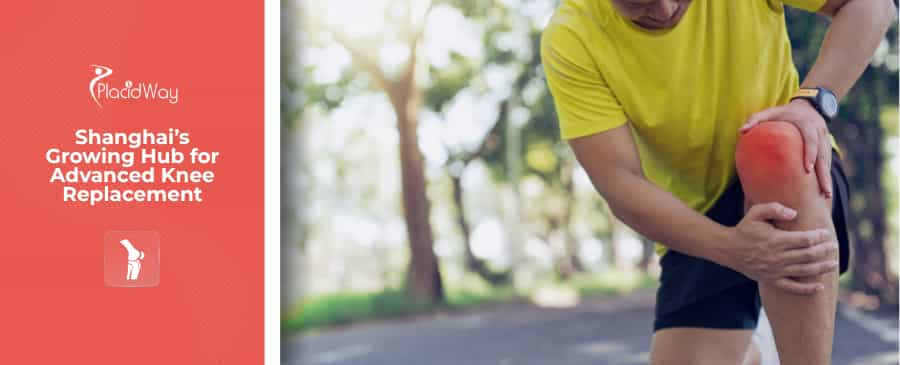
Living with severe knee osteoarthritis is exhausting. Every step feels like a negotiation with pain. You have likely given up hiking, playing with your grandchildren, or even just walking to the local market without wincing. But perhaps the most frustrating part is not the pain itself, it is the waiting. You sit in your doctor's office in Tokyo or Osaka, only to be told that due to the overwhelming demand on the healthcare system, your elective surgery is scheduled for six to twelve months from now.
You may be asking yourself, "Why Are Japanese Orthopedic Patients Choosing Shanghai for Knee Replacement Instead of Waiting at Home in 2026?" The truth is, people are tired of putting their lives on hold. You want honest answers about whether traveling a few hours across the sea is truly a safe, viable option. I understand the hesitation. Trusting foreign medical care can feel daunting. But this guide is here to walk you through exactly why thousands of Japanese medical tourists are making this choice, providing you with the facts, the numbers, and the reassurance you need to take control of your mobility.
Quick Facts: Knee Replacement (Japan vs. Shanghai)
What Exactly Is a Total Knee Replacement and How Does It Work?
When you have severe osteoarthritis, the protective cartilage in your knee wears away. The resulting bone-on-bone grinding causes severe pain, swelling, and stiffness. A knee replacement solves this by giving you a brand-new, smooth surface to walk on.
Here is step-by-step how the procedure works:
- Preparation: The surgeon makes an incision over the front of the knee to access the joint, pushing the kneecap aside.
- Bone Resurfacing: The damaged cartilage surfaces at the ends of the femur (thigh bone) and tibia (shin bone) are carefully removed along with a small amount of underlying bone.
- Implant Positioning: The metal components are attached to the bone. Often, a specialized surgical cement is used to secure the titanium or cobalt-chromium parts in place.
- Inserting the Spacer: A medical-grade plastic spacer is inserted between the metal components to create a smooth gliding surface.
- Testing and Closure: The surgeon bends and flexes the knee to ensure proper alignment and function before closing the incision with sutures or staples.
Unlike cortisone injections that only mask the pain temporarily, or arthroscopic clean-outs that often fail to provide long-term relief for severe arthritis, a complete replacement permanently removes the diseased joint. This means a return to pain-free movement.
Why Are Japanese Medical Tourists Choosing Knee Replacement in Shanghai Over Other Options?
- Immediate Access: You can schedule your surgery within weeks, not months. You stop suffering and start healing immediately.
- Robotic-Assisted Precision: Shanghai’s top international hospitals heavily utilize Mako SmartRobotics. This technology creates a 3D model of your knee, allowing the surgeon to place the implant with sub-millimeter accuracy, leading to a faster, less painful recovery than traditional manual surgery.
- Incredible Proximity: A flight from Tokyo to Shanghai is only about 2.5 hours, and the time difference is just 1 hour. It is a shorter trip than flying to Southeast Asia or the US.
- VIP Concierge Care: Unlike crowded public hospitals, international wings in Shanghai offer private suites, dedicated Japanese translators, and one-on-one daily physical therapy sessions directly in your room.
- World-Class Rehabilitation: Rather than discharging you in 3 days, these programs often keep you as an inpatient for 10-14 days, providing intensive, guided physiotherapy so you are confident on your feet before flying home.
How Much Does Knee Replacement Surgery Cost in Shanghai Compared to Japan?
Let us look closely at the numbers. While Japan has an excellent national health system, the backlog means you must wait. If you want surgery immediately in Japan at a premium private clinic using top-tier robotics, the out-of-pocket expenses skyrocket. Shanghai provides that premium, immediate experience at a much more accessible price point.
| Procedure / Service | Private Care (Japan) | International Hospital (Shanghai) | Savings % |
|---|---|---|---|
| Unilateral Total Knee Replacement | $25,000 - $35,000 | $9,000 - $14,000 | 50% - 60% |
| Bilateral Knee Replacement (Both Knees) | $45,000 - $60,000 | $16,000 - $22,000 | 60% - 65% |
| Robotic Surgical Surcharge | $3,000 - $5,000 | Often Included / $1,000 | 70%+ |
| Inpatient Rehab (10-14 days) | $5,000 - $8,000 | $1,500 - $3,000 | 60% - 70% |
Why is Shanghai more affordable? The savings are completely driven by lower administrative overhead, favorable exchange rates, and lower staff salaries compared to Tokyo. You are not paying less for the materials. A Stryker titanium knee implant costs the hospital roughly the same whether it is shipped to Japan or China. You are simply saving on the cost of the hospital's operational framework.
Is It Safe to Get Knee Surgery in China for Japanese Patients?
It is perfectly natural to worry about the safety of hospitals abroad. Language barriers, sanitation standards, and quality of care are valid concerns. However, the medical tourism sector in Shanghai is isolated from the general public healthcare system. These are ultra-modern, private facilities built specifically to cater to international diplomats, expatriates, and medical tourists.
| Quality Metric | Top Japanese Hospitals | Intl. Shanghai Hospitals | Notes |
|---|---|---|---|
| Hospital Accreditation | JCQHC / JCI | JCI (Gold Seal) | Held to the same rigorous global safety standard. |
| Implant Quality | Zimmer, Stryker, DePuy | Zimmer, Stryker, DePuy | Exact same serial-tracked components used. |
| Surgical Infection Rate | Under 1% | Under 1% | HEPA-filtered operating theaters. |
| Surgeon Qualifications | Board Certified | Board Certified + Intl Training | Many Shanghai surgeons trained in US/EU/Japan. |
When you book through a reputable medical tourism provider, you ensure:
- Language is not a barrier: You will be assigned a native or fluent Japanese interpreter who stays with you from the first X-ray to the final discharge.
- Materials are verifiable: You will receive the actual barcode and serial number of your implant box for your records back home.
- Aftercare is prioritized: Surgeons will coordinate with your local orthopedic doctor in Japan to ensure a seamless transition of care.
- No cross-contamination: Post-operative rooms are entirely private, ensuring maximum hygiene during the critical first few days of recovery.
Do not let outdated misconceptions keep you in pain. Choose a verified, internationally accredited hospital and secure your peace of mind.
What Is the Timeline for Orthopedic Surgery Abroad in Shanghai?
Planning the trip is easier than you might think. Here is the standard timeline for Japanese patients:
- Phase 1: Pre-op & Arrival (Days 1-3): You fly from Japan to Shanghai. A driver picks you up. You have in-person consultations, MRI/CT scans, and blood work to clear you for surgery.
- Phase 2: Surgery & Acute Recovery (Days 4-8): The knee replacement takes 1 to 2 hours. You will spend a few hours in recovery, then move to your private suite. You will be helped to stand or take a few steps within 24 hours.
- Phase 3: Intensive Rehabilitation (Days 9-18): You transition to daily physical therapy. You will learn how to use a walker, navigate stairs, and manage your new joint safely.
- Phase 4: Return Home (Day 19-21): Once cleared by your surgeon, you are driven to the airport. Special wheelchair assistance is arranged for your flight back to Japan.
Crucial considerations for your trip:
- Travel Visas: Check current visa requirements between Japan and China. Medical visa assistance is usually provided by the clinic.
- Follow-up Care: You will need a physical therapist back in Japan for 2 to 3 months to achieve full range of motion.
- Insurance: Japanese NHI might offer partial overseas medical reimbursement, but prepare to pay upfront. Confirm policies with your local ward office.
- Medical Records: Ensure you bring translated copies of your recent Japanese medical history, X-rays, and medication lists.
Who Is the Ideal Candidate for Joint Replacement in Shanghai?
Surgery abroad is a commitment. It is important to know if this path aligns with your medical profile.
You are likely a great candidate if you have:
- Severe, chronic knee pain from osteoarthritis, rheumatoid arthritis, or post-traumatic arthritis.
- Pain that keeps you awake at night or prevents you from walking more than a few blocks.
- Tried conservative treatments (medications, injections, physical therapy) without lasting success.
- Good cardiovascular health to safely undergo general or spinal anesthesia.
- A strong willingness to adhere to daily physical therapy exercises.
- Frustration with long waitlists in Japan and a desire to resolve the issue quickly.
You may need to reconsider or take extra precautions if you have:
- Severe heart or lung conditions: Traveling and surgery may pose too high a risk. Clear this with a Japanese cardiologist first.
- Active infections: Any infection in the body (even dental) must be completely resolved before joint replacement.
- Severe osteoporosis: Extremely brittle bones can make securing the implant difficult, though advanced bone cement techniques often solve this.
- Significant obesity: A high BMI (over 40) increases the risk of implant failure and infection.
- Lack of support at home: You will need someone to help you with groceries and chores for the first few weeks after returning to Japan.
- Uncontrolled diabetes: Blood sugar must be well-managed to ensure proper wound healing.
If you fit the profile, do not let fear keep you immobilized. Request a virtual consultation to speak directly with an orthopedic specialist.
Frequently Asked Questions
Making a decision about surgery abroad requires total transparency. Below are the most common questions Japanese patients ask before packing their bags for knee replacement in Shanghai, covering everything from costs and safety to flight logistics and physical therapy.
How much does knee replacement surgery cost in Shanghai?
A total knee replacement in Shanghai typically costs between $9,000 and $14,000 USD. This is significantly lower than private expedited care in Japan, which can exceed $25,000 to $35,000 when factoring in advanced robotic assistance and premium implants.
Is it safe to get knee surgery in China for Japanese patients?
Yes, it is extremely safe when choosing JCI-accredited international hospitals in Shanghai. These facilities use the exact same FDA-approved implants (like Stryker or Zimmer Biomet) and adhere to strict global sterilization and surgical protocols, yielding success rates of 96-98%.
What is the recovery time for knee replacement in Shanghai?
You will typically stand or walk with assistance within 24 hours of surgery. The hospital stay in Shanghai lasts 5 to 7 days, followed by 1 to 2 weeks of intensive inpatient physical therapy before flying back to Japan. Full recovery takes 3 to 6 months.
Do they use the same knee implants in Shanghai as in Japan?
Absolutely. International hospitals in Shanghai import premium titanium and polyethylene joint implants from leading global manufacturers such as DePuy Synthes, Zimmer Biomet, and Stryker the exact same brands used in top-tier Japanese hospitals.
What happens if complications arise after I return to Japan?
Reputable Shanghai hospitals provide comprehensive translated medical records, surgical reports, and implant warranties. Because they use standard global implant brands, your local orthopedic doctor in Japan can easily monitor your progress and handle routine follow-up care.
Can I get a knee replacement in Shanghai if I have osteoporosis?
Yes, in many cases. Surgeons in Shanghai utilize advanced techniques like bone grafting, specialized cemented implants, and robotic precision to securely attach the artificial joint even in patients with moderate bone density loss.
Why are wait times in Japan so long for joint replacement?
Japan's rapidly aging population has created a massive backlog for elective orthopedic surgeries. While urgent cases are prioritized, chronic osteoarthritis patients often wait 6 to 12 months for a surgical slot under the national healthcare system.
Will there be a language barrier for Japanese medical tourists in Shanghai?
Top medical tourism hospitals in Shanghai have dedicated international patient departments featuring fluent Japanese-speaking medical interpreters who stay by your side during consultations, surgery prep, and physical therapy sessions.
Is it safe to travel to Shanghai for orthopedic surgery alone?
While many patients do travel alone due to the VIP concierge services provided by international hospitals (including airport transfers and dedicated nursing), bringing a companion is recommended for emotional support and assistance during your flight back to Japan.
How many trips to Shanghai will I need for a knee replacement?
You only need one trip. Japanese patients typically stay in Shanghai for 14 to 21 days. This single trip covers the pre-op consultation, the surgery, acute hospital recovery, and initial physical therapy before you are medically cleared to fly home.
Will my Japanese national health insurance cover surgery in Shanghai?
Japan’s National Health Insurance (NHI) has an Overseas Medical Treatment Benefit system that may reimburse a portion of your surgery costs based on standard Japanese rates. However, patients primarily pay out-of-pocket and claim partial reimbursement later.
Ready to Walk Pain-Free Again?
References
- American Academy of Orthopaedic Surgeons (AAOS). "Total Knee Replacement."
- Joint Commission International (JCI). "JCI Accredited Organizations Database."
- Stryker Orthopaedics. "Mako SmartRobotics for Knee Replacement."
- PlacidWay Medical Tourism. "Orthopedic Knee Surgery Costs and Destinations Abroad."
.png)





.png)
.png)
.png)





.png)












Share this listing