


Comparing Cancer Immunotherapy in Mexico and the United States

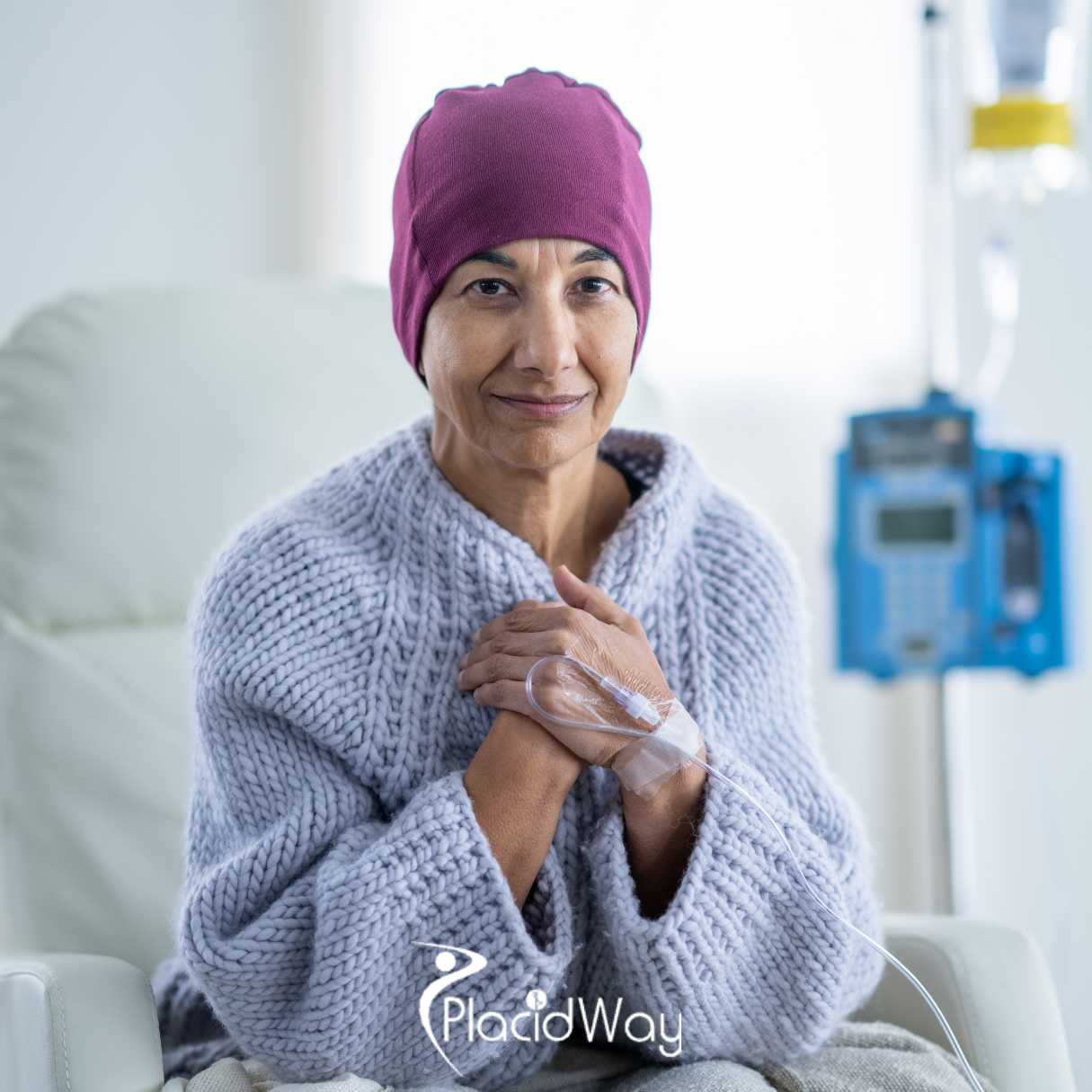
Hearing the word "cancer" stops your world in its tracks. Suddenly, you are thrust into a whirlwind of scans, biopsies, and terrifying conversations about the future. When your oncologist mentions immunotherapy a groundbreaking treatment that trains your own immune system to fight the cancer as you feel a surge of hope. But then, you are handed the estimated bill.
A single cycle of immunotherapy in the United States can cost $10,000 to $15,000. Over the course of a year, the financial burden can easily exceed $150,000. Even with insurance, copays and out-of-network fees can drain a family's life savings. It is a heartbreaking reality: fighting for your life shouldn't mean fighting bankruptcy at the same time.
If you are exploring cross-border healthcare, you are not alone. Thousands of patients travel each year asking the same vital question: Is immunotherapy for cancer in Mexico as effective as in the United States? You need honest, clear information, not false hope or medical jargon. This comprehensive guide will walk you through the facts, the costs, the safety protocols, and the exact steps you should take to get world-class cancer care without the crippling financial toxicity.
Quick Facts: Cancer Immunotherapy Comparison
What Is Cancer Immunotherapy and How Does It Work?
Your immune system is naturally designed to detect and destroy abnormal cells. However, cancer cells are incredibly sneaky. They develop proteins on their surface that act as a "disguise," essentially turning off your immune system's attack cells (T-cells) so the tumor can grow unchecked. Immunotherapy strips away that disguise.
Here is step-by-step how the most common form (checkpoint inhibitors) works in your body:
- Biomarker Testing: Before treatment begins, your tumor is biopsied to check for specific proteins (like PD-L1). This tells the doctor if your cancer is using this specific "disguise."
- The Infusion: You receive the immunotherapy drug intravenously. The medication travels through your bloodstream searching for the immune checkpoints.
- Blocking the Checkpoint: The drug binds to the proteins on the cancer cells or your T-cells. This essentially "takes the brakes off" your immune system.
- Immune Activation: Now able to "see" the cancer cells for what they truly are, your T-cells swarm the tumor and begin breaking it down naturally.
- Memory Building: Your immune system "remembers" the cancer cells, offering the potential for long-term protection even after the treatment stops.
Unlike chemotherapy, which indiscriminately attacks all rapidly dividing cells (causing hair loss and severe nausea), immunotherapy is targeted. It is revolutionizing the treatment of melanoma, lung cancer, kidney cancer, and many others.
Why Are Mexican Oncology Centers a Smart Choice for Immunotherapy?
If you are debating whether to cross the border for these advanced treatments, consider these compelling benefits over staying in the US medical system:
- Access without delay: The US system is often bogged down by insurance pre-authorizations and denials. In Mexico, once your oncologist determines you are a candidate, treatment can begin almost immediately.
- Identical authentic medications: You are not getting a "generic" or "knock-off." Reputable clinics use the exact same vials of Keytruda (pembrolizumab), Opdivo (nivolumab), and Yervoy (ipilimumab) manufactured by global pharmaceutical giants.
- Reduced financial toxicity: Studies show that financial stress physically hampers cancer recovery. Cutting your medical bills by 60% allows you to focus purely on healing.
- Holistic and integrative options: Many Mexican oncology centers combine cutting-edge immunotherapy with nutritional support, pain management, and complementary therapies that US hospitals rarely integrate seamlessly.
- Personalized physician attention: Mexican medical culture is highly patient-centric. You will likely spend significantly more face-to-face time with your oncologist than the standard 15-minute US appointment.
How Much Can You Save on Cancer Immunotherapy in Mexico?
Let us look at the real numbers. Cancer treatment is rarely a one-and-done procedure; it requires a sustained protocol over many months. The savings compound with every single cycle.
| Procedure / Treatment | United States | Mexico | Savings |
|---|---|---|---|
| Oncology Consultation | $500 - $1,200 | $100 - $250 | 70-80% |
| PET/CT Scan | $3,000 - $7,000 | $800 - $1,500 | 60-75% |
| Single Infusion Cycle (e.g., PD-1 Inhibitor) | $10,000 - $15,000 | $4,000 - $6,000 | 50-60% |
| Biomarker / Genetic Tumor Testing | $3,000 - $5,000 | $800 - $1,500 | 60-70% |
| Estimated Full Year Protocol | $150,000 - $250,000 | $60,000 - $80,000 | 50-60% |
Why is the medication so much cheaper in Mexico if it's the exact same drug? It comes down to systemic differences in healthcare economics. The US system relies on Pharmacy Benefit Managers (PBMs) and a complex web of middlemen who mark up drug prices exponentially. Furthermore, the US government does not regulate pharmaceutical prices. Mexico, like many other nations, negotiates drug prices at a federal level directly with pharmaceutical companies, capping the allowed markup. Combined with significantly lower hospital overhead and physician fees, the total cost plummets while the quality of the medication remains completely unchanged.
Evaluating the Safety and Quality of Mexican Oncology Centers
When you are fighting cancer, you cannot afford to cut corners. "Cheap" is not the goal; "affordable excellence" is. It is completely normal to be anxious about the safety standards of a foreign hospital. Let's compare exactly what you can expect regarding the quality of care.
| Quality Metric | US Hospitals | Top Mexican Hospitals | Notes |
|---|---|---|---|
| Treatment Guidelines | NCCN / ASCO standards | NCCN / ASCO standards | Doctors follow the same global scientific blueprints. |
| Hospital Accreditation | JCAHO | JCI & General Health Council | JCI is the global gold standard for hospital safety. |
| Drug Authenticity | FDA tracked | COFEPRIS tracked | Mexico's COFEPRIS strictly monitors pharmaceutical chains. |
| Physician Training | US Board Certified | Mexican Board (Many US/EU trained) | Top Mexican oncologists frequent international symposiums. |
| Emergency Care (ICU) | Level 1-3 Facilities | Fully equipped ICUs on-site | Crucial for managing severe immune reactions. |
The secret to a safe experience is verifying the facility. You must choose a hospital or clinic that is heavily regulated. Look for facilities that feature on-site ICUs, multi-disciplinary tumor boards (where several doctors review your case together), and strict cold-chain management for storing delicate biological drugs. When you select an established, top-tier facility, the safety and quality are indistinguishable from a premier US cancer center.
What Is the Timeline and Process for Immunotherapy Travel?
Managing cancer treatment across borders requires organization. Here is how the typical phased timeline unfolds for patients traveling to Mexico:
- Remote Evaluation (1-2 weeks prior): You will share your existing medical records, biopsy reports, and PET scans with the Mexican oncology team. They will assess if you are a viable candidate before you ever book a flight.
- First Visit & Diagnostics (3-5 days in Mexico): You will meet your oncologist in person, undergo any updated lab work or scans, and finalize the treatment plan. If cleared, you will receive your first intravenous immunotherapy infusion.
- Recovery & Monitoring (2-4 weeks at home): You return home. You will monitor for side effects like fatigue, skin rashes, or digestive issues, communicating virtually with your Mexican medical team.
- Maintenance Cycles (Ongoing): You will travel back to Mexico every 2, 3, or 4 weeks (depending on the drug) for subsequent infusions. Many clinics place ports or PICC lines to make these ongoing treatments faster and more comfortable.
Crucial considerations for your travel:
- Travel logistics: Living near the border (e.g., driving into Tijuana) makes frequent cycles much easier. If flying, ensure the destination city has direct flights from your home airport.
- Medical Records: Maintain a meticulous binder of all your lab results from both countries. You will be the vital link between your home doctor and your Mexican oncologist.
- Accommodation: Look for medical tourism facilitators who bundle hotel stays and hospital transportation. You will want a comfortable place to rest immediately after an infusion.
- Support system: Never travel for cancer treatment alone if you can avoid it. Bring a spouse, relative, or friend to advocate for you and assist with travel while you are fatigued.
Are You a Candidate for Immunotherapy in Mexico?
Immunotherapy is highly effective, but it is not a universal cure-all. Its success depends heavily on the genetic makeup of your specific cancer.
You are likely a great candidate if you have:
- Tumors that tested positive for specific biomarkers (e.g., high PD-L1 expression, MSI-H, or dMMR).
- Specific cancers known to respond well, such as advanced melanoma, non-small cell lung cancer, renal cell carcinoma, or Hodgkin's lymphoma.
- A cancer that has stopped responding to traditional chemotherapy or radiation.
- An adequate ECOG performance status (meaning you are generally mobile and capable of self-care).
- Healthy organ function (liver and kidneys) to process the medications.
- A realistic understanding that immunotherapy takes time—sometimes several months—to show visible reduction in tumor size on a scan.
You may need to reconsider or seek alternative treatments if you have:
- Severe autoimmune diseases: Conditions like lupus, rheumatoid arthritis, or Crohn's disease can be drastically worsened because immunotherapy stimulates the immune system.
- Organ transplants: Immunotherapy can cause your immune system to reject a transplanted organ.
- Cancers with no known targets: Some "cold" tumors do not have the receptors that immunotherapy drugs are designed to target, making the treatment ineffective.
- Extremely rapid physical decline: Because immunotherapy can take weeks or months to build a biological response, patients in active, rapid decline may need more immediate, aggressive interventions.
- Inability to travel frequently: If flying or driving every 3 weeks is physically impossible for you, a cross-border protocol may not be viable.
The only way to know for sure is a comprehensive review of your pathology reports by a qualified oncologist.
Frequently Asked Questions
When considering crossing the border for life-saving oncology care, you naturally have dozens of questions. We have compiled the 12 most critical answers covering cost, quality, recovery, and safety to help you make an informed choice.
Is immunotherapy for cancer in Mexico as effective as in the United States?
Yes, immunotherapy for cancer in Mexico is just as effective as in the United States. Reputable Mexican oncology centers use the exact same FDA-approved pharmaceutical brands (like Keytruda and Opdivo) and follow the same international clinical guidelines, ensuring the biological impact on your tumor is identical.
How much does cancer immunotherapy cost in Mexico compared to the US?
Immunotherapy in Mexico costs $4,000 to $6,000 per infusion cycle compared to $10,000 to $15,000+ in the US. A full year of treatment averages $60,000 to $80,000 in Mexico versus $150,000 to $200,000 in the US, offering a 50% to 60% savings.
Are the immunotherapy drugs used in Mexico the same as in the US?
Yes, the immunotherapy medications are identical. Reputable Mexican hospitals purchase their drugs directly from the same global pharmaceutical manufacturers, such as Merck, Bristol-Myers Squibb, and Roche. They adhere to strict international cold-chain standards to ensure the medicine's integrity.
What is the recovery time for immunotherapy treatments?
Unlike harsh chemotherapy, recovery from an immunotherapy infusion is often just 1 to 3 days of mild fatigue or flu-like symptoms. Most patients return to normal activities quickly, though immune-related side effects can occur at any point during the 6 to 12 month treatment cycle.
What happens if I have complications from cancer immunotherapy?
About 15% to 20% of patients experience immune-related adverse events, such as inflammation in the lungs or colon. Reputable Mexican clinics have comprehensive ICUs to manage severe immediate reactions. Once home, your local US oncologist or emergency department can treat delayed complications using standard, universal protocols.
Can I get cancer immunotherapy in Mexico if I have bone loss?
Yes. Whether you have natural bone density loss or bone metastases from advanced cancer, immunotherapy can still be administered safely. Your oncologist will coordinate bone-strengthening treatments (like bisphosphonates or denosumab) alongside your immunotherapy plan to protect your skeletal health.
Which Mexican cities are best for cancer immunotherapy?
Tijuana, Monterrey, Cancun, and Mexico City are the top destinations for oncology. Tijuana offers the closest proximity to the US border for easy driving, while Monterrey and Mexico City host some of the largest, JCI-accredited specialty hospitals in Latin America.
Will my US oncologist do follow-up care?
Many US oncologists are willing to co-manage your care if you provide comprehensive medical records translated to English. Have an open conversation with your local doctor before traveling to ensure they will handle interim blood work, deal with side effects, and order monitoring scans between your Mexico trips.
How do I know if a Mexican cancer clinic is reputable?
Look for JCI (Joint Commission International) accreditation, board-certified oncologists, transparency in the drug brands they use, and comprehensive diagnostic facilities on-site. Avoid standalone "alternative" clinics that promise unverified "miracle cures" without scientific backing or verifiable pathology.
Is it safe to travel to Mexico for medical treatment alone?
While many patients safely travel alone to established medical hubs, it is highly recommended to bring a companion for cancer treatments. Having emotional support, someone to manage travel logistics, and someone to help if you experience post-infusion fatigue is invaluable during oncology care.
How many trips to Mexico will I need?
Immunotherapy typically requires infusions every 2 to 4 weeks. Patients usually make 6 to 12 trips over a year, staying 2 to 3 days each time. Some patients opt to rent an apartment and stay in Mexico for an extended period during their initial 3-month cycle to avoid frequent flights.
Can I finance cancer immunotherapy in Mexico?
While international hospitals rarely offer in-house financing, third-party medical loan companies can help. Most patients use personal savings, home equity lines, or crowdfunding. Because costs are 50% to 60% lower than in the US, paying cash or securing a smaller loan is far more attainable.
Take the Next Step Toward Healing
References
- National Cancer Institute (NCI). "Immunotherapy to Treat Cancer."
- Joint Commission International (JCI). "Global Accredited Organizations - Mexico."
- World Health Organization (WHO). "Cancer Guidelines and Essential Medicines."
- PlacidWay Medical Tourism. "Guide to Alternative and Advanced Cancer Treatments Abroad."
.png)











Share this listing