
Navigating a medical trip for eyelid surgery in a foreign country requires careful research, especially when it comes to verifying clinical credentials and understanding true costs. You may be considering Seoul because of its global reputation for advanced cosmetic techniques, but choosing the right specialist is critical to achieving natural, safe results. This guide explains how to identify board-certified Korean surgeons, read the national accreditation systems like KAHF, and compare accurate pricing so you can make a fully informed healthcare decision.
Quick Summary: Eyelid Surgery in Seoul
- Estimated Cost: Typically ranges from $1,500 to $4,500 USD, depending on technique (incisional vs. non-incisional) and complexity.
- Safety Overview: South Korea has strict national healthcare regulations; however, patient safety relies heavily on choosing properly accredited facilities.
- Ideal Candidate: Healthy individuals seeking functional improvement for drooping eyelids or those desiring structural eyelid modification without active ocular diseases.
- Recovery Time: Initial swelling usually subsides within 1 to 2 weeks, while final tissue settling can take up to 3 to 6 months.
- Main Reason to Choose Seoul: Access to highly specialized surgeons utilizing advanced techniques specifically tailored to diverse eyelid anatomies.
- Important Caution: Always verify that your chosen doctor is fully board-certified by the Korean Society of Plastic and Reconstructive Surgeons (KSAPS) to avoid unauthorized practitioners.
Why International Patients Travel to Seoul for Eyelid Surgery
Deciding to travel across borders for a medical procedure is a significant commitment. Many international patients choose Seoul, South Korea, for eyelid surgery (blepharoplasty) because the city has developed a highly specialized healthcare ecosystem focused on facial aesthetics and reconstructive techniques.
The concentration of medical professionals performing high volumes of these specific procedures often translates into refined surgical methodologies. However, you must carefully evaluate your personal motivations and understand what the destination actually offers.
Primary reasons patients seek this procedure in South Korea include:
- High Case Volumes: Surgeons typically perform hundreds of eyelid surgeries annually, building extensive clinical experience.
- Advanced Techniques: Access to specialized methods, such as the double-suture non-incisional method and customized epicanthoplasty.
- Anatomical Expertise: Deep clinical understanding of diverse eyelid structures, particularly Asian eyelid anatomy and complex revision cases.
- Regulated Healthcare Environment: Facilities catering to foreigners must adhere to standards set by the Ministry of Health and Welfare.
- Comprehensive Care Cultue: Clinics often integrate advanced post-operative swelling management technologies into their standard care protocols.
Patients predominantly travel from the United States, Australia, Singapore, and China. Medical tourists from Western countries frequently seek revision surgeries or anti-aging blepharoplasty, while patients from Asian nations often travel for primary double eyelid creation.
Understanding Eyelid Surgery Options in South Korea
Eyelid surgery is not a single procedure but a category of surgical interventions designed to alter the function and appearance of the periorbital region. Your doctor may recommend a specific technique depending on your diagnosis, skin laxity, and fat distribution.
It is important to understand the biological differences between these procedures so you can have an informed discussion during your consultation.
| Procedure Type | Clinical Goal | Surgical Method |
|---|---|---|
| Upper Blepharoplasty | Remove excess sagging skin that may impair vision or cause heaviness. | Excision of skin and muscle, sometimes with fat repositioning. |
| Lower Blepharoplasty | Address under-eye fat prolapse (bags) and severe tear trough deformities. | Transconjunctival (inside eyelid) or subciliary (under lash line) incision. |
| Double Eyelid Surgery (Non-incisional) | Create a palpebral fold without a continuous linear scar. | Micro-punctures and permanent sutures used to tie the skin to the levator muscle. |
| Double Eyelid Surgery (Incisional) | Create a stable fold in patients with thick skin or excess fat. | Full incision along the crease, allowing for fat removal and secure tissue fixation. |
| Epicanthoplasty / Canthoplasty | Relieve tension from the medial epicanthal fold or lengthen the eye horizontally. | Strategic incisions at the inner or outer corners of the eye to release restrictive tissue. |
| Ptosis Correction | Strengthen a weakened eyelid lifting muscle to improve field of vision. | Tightening or advancing the levator aponeurosis or Müller's muscle. |
The Medical Consultation Process for Eyelid Surgery
The consultation is your most crucial diagnostic step. In Seoul, specialized clinics utilize comprehensive evaluation protocols to determine your eligibility and map out the surgical approach. During this phase, your surgeon will assess your facial symmetry, levator muscle function, and ocular health.
Language barriers can present a risk in medical settings. You should ensure that your chosen facility provides certified in-house medical interpreters rather than relying on standard translation apps, as precise anatomical terms must be communicated accurately.
Consultation Checklist: What to Ask Your Surgeon
- How will this procedure affect my tear production or dry eye symptoms?
- What specific surgical technique do you recommend for my tissue type, and why?
- Can you explain your protocol if an asymmetry or complication occurs?
- Who will be administering the anesthesia, and what type will be used?
Be prepared to provide your complete medical history, including any previous facial trauma, thyroid conditions, or dry eye syndromes, as these can be contraindications for certain eyelid surgeries.
Evaluating the Cost of Eyelid Surgery in Seoul, South Korea
Understanding the financial commitment is a vital part of your research. South Korea offers transparent medical pricing for international patients, though costs vary based on the clinical complexity, the surgeon's expertise, and the specific facility.
The prices listed below are typical estimates. Always request an itemized, written quote that clearly outlines what is included, such as anesthesia fees, facility charges, post-operative medications, and follow-up care.
| Procedure | Estimated Cost in Seoul (USD) | Estimated Cost in US/Aus (USD) |
|---|---|---|
| Non-Incisional Double Eyelid | $1,200 - $2,500 | $3,000 - $5,500 |
| Incisional Double Eyelid | $2,000 - $3,500 | $4,000 - $6,500 |
| Upper Blepharoplasty (Anti-aging) | $2,500 - $4,000 | $4,500 - $8,000 |
| Lower Blepharoplasty | $2,500 - $4,500 | $4,500 - $8,500 |
| Ptosis Correction | $2,500 - $4,500 | $5,000 - $9,000 |
| Revision Eyelid Surgery | $3,500 - $6,000+ | $7,000 - $12,000+ |
Remember to budget for associated travel costs, including flights, specialized medical tourism insurance, and accommodation for at least 7 to 10 days to allow for safe suture removal and initial recovery before flying.
How to Choose a Safe Hospital or Clinic in Seoul
Your safety depends heavily on the quality and regulatory compliance of the facility you choose. South Korea operates under the jurisdiction of the Ministry of Health and Welfare (MOHW), which strictly monitors healthcare standards.
When reviewing clinics in Seoul, you should prioritize facilities that hold specific national designations indicating they are legally permitted and equipped to treat international patients.
Essential Facility Credentials
- KAHF Accreditation: The Korean Accreditation Program for Hospitals Serving Foreign Patients. This is a crucial national indicator of safety, infection control, and foreign patient support.
- MOHW Registration: The clinic must possess a valid certificate of registration as a healthcare institution for foreign patients from the Ministry of Health and Welfare.
- Emergency Protocols: Confirm the clinic has automated external defibrillators (AEDs), uninterrupted power supplies, and established transfer protocols to tertiary hospitals.
While international accreditations like JCI are excellent indicators of quality, they are more common in large general hospitals. For specialized aesthetic clinics in Seoul, KAHF accreditation is the most relevant and stringent national standard to look for.
Verifying Your Surgeon: Credentials to Look For
The skill and medical background of your surgeon are the primary determinants of your outcome and safety. A known concern in the global medical tourism industry is the use of unauthorized practitioners. South Korea has strict professional bodies to ensure surgical competence.
You must ensure your chosen doctor is not just a general physician practicing cosmetic medicine, but a legally recognized specialist in plastic surgery.
Warning: Avoid "Ghost Surgeons"
Always confirm the surgeon who consults with you is the exact same doctor who will perform your procedure. Reputable clinics in Seoul offer CCTV in operating rooms and transparent surgical logs to guarantee the identity of the operating surgeon.
To verify a surgeon in Seoul, South Korea, look for these specific credentials:
- Board Certification: They must be certified by the Korean Society of Plastic and Reconstructive Surgeons (KSAPS). You can often verify their membership directly on the KSAPS portal.
- National Licensing: They must be fully registered with the Korean Medical Association (KMA).
- Specialized Experience: Inquire about their specific annual case volume for eyelid surgery, particularly in the exact technique you require (e.g., ptosis correction or revision surgery).
Eyelid Surgery Patient Demographics in South Korea (2024 Data)
Understanding who travels for this procedure can provide context for the clinical care environment in Seoul. Current data from national health institutes highlights a broad demographic spectrum seeking periorbital surgical interventions in South Korea.
According to 2024 healthcare utilization reports regarding foreign patients in South Korean plastic surgery departments, younger age brackets frequently present for primary structural modifications, whereas patients over 40 predominantly seek functional improvements and anti-aging interventions.
Age Distribution of Inbound Foreign Patients for Facial Plastic Surgery (2024)
*Data references documented 2024 inbound patient distributions for reconstructive and aesthetic facial interventions in South Korea.
This demographic spread demonstrates the versatility of the surgical techniques offered, catering to both youthful aesthetic modifications and restorative surgeries for older individuals facing age-related tissue ptosis.
Preparing for Your Trip and Eyelid Surgery in Seoul
Medical tourism requires meticulous travel and health planning. Because eyelid surgery affects your vision temporarily, you must arrange your logistics to minimize stress and physical strain during the immediate post-operative phase.
Your surgeon will provide specific pre-operative medical instructions. Generally, patients are required to cease taking blood-thinning medications, including aspirin and certain herbal supplements, at least two weeks prior to surgery to minimize bleeding risks.
Suggested Travel & Treatment Timeline
- Day 1: Arrival in Seoul, settle into your accommodation near the clinic.
- Day 2: In-person medical consultation, final anatomical assessment, and pre-operative blood tests.
- Day 3: Surgery day. Expect to rest completely at your hotel post-discharge.
- Days 4-6: Initial recovery. Attend scheduled clinical check-ups for wound cleaning and deswelling treatments.
- Day 7-8: Suture removal (if incisional technique was used). Final surgeon evaluation.
- Day 9+: Cleared for air travel. Continue aftercare protocols at home.
Check the current medical visa or electronic travel authorization (K-ETA) requirements for your specific nationality prior to booking your flights.
The Surgical Procedure: What Happens During Eyelid Surgery
Understanding the biological process of your surgery can significantly reduce pre-operative anxiety. On the day of your procedure, you will likely receive local anesthesia combined with intravenous (IV) sedation, meaning you will be relaxed and pain-free but breathing on your own.
If you are undergoing an incisional blepharoplasty, the surgeon creates a precise incision along the natural eyelid crease. The underlying orbicularis oculi muscle and excess fat pads are carefully modified or removed. The tissue is then meticulously sutured using micro-stitches to ensure minimal scarring.
Benefits of IV Sedation
- Rapid onset and quick recovery time.
- Lower risk profile compared to general anesthesia.
- Allows the surgeon to ask you to open and close your eyes during surgery to check symmetry.
Immediate Post-Op Reality
- Your vision will be blurry from protective ocular ointments.
- Tightness and moderate swelling are biologically normal responses.
- You will need assistance navigating back to your hotel.
For non-incisional techniques, the surgeon creates micro-punctures and loops a medical-grade suture through the tissues to bind the skin to the levator muscle, creating a fold without tissue excision. This process typically takes under an hour.
Clinical Outcomes and Tissue Healing Expectations
Setting realistic expectations regarding clinical outcomes is crucial. Eyelid tissue is exceptionally thin and vascular, meaning it swells easily but also heals relatively quickly compared to other bodily tissues.
Recent 2024 clinical evaluations emphasize that patient satisfaction relies heavily on understanding the prolonged nature of subtle tissue settling. While you may look socially presentable within a few weeks, cellular-level healing continues for months.
Post-Operative Edema (Swelling) Resolution Trajectory (12 Weeks)
*Visualized from 2024 standardized clinical recovery metrics for primary incisional blepharoplasty.
In many cases, surgeons in Seoul utilize advanced techniques to preserve lymphatic drainage, which aids in a smoother swelling resolution curve. However, personal healing rates depend heavily on your compliance with post-operative care protocols.
Recovery Timeline for Eyelid Surgery Patients in Seoul
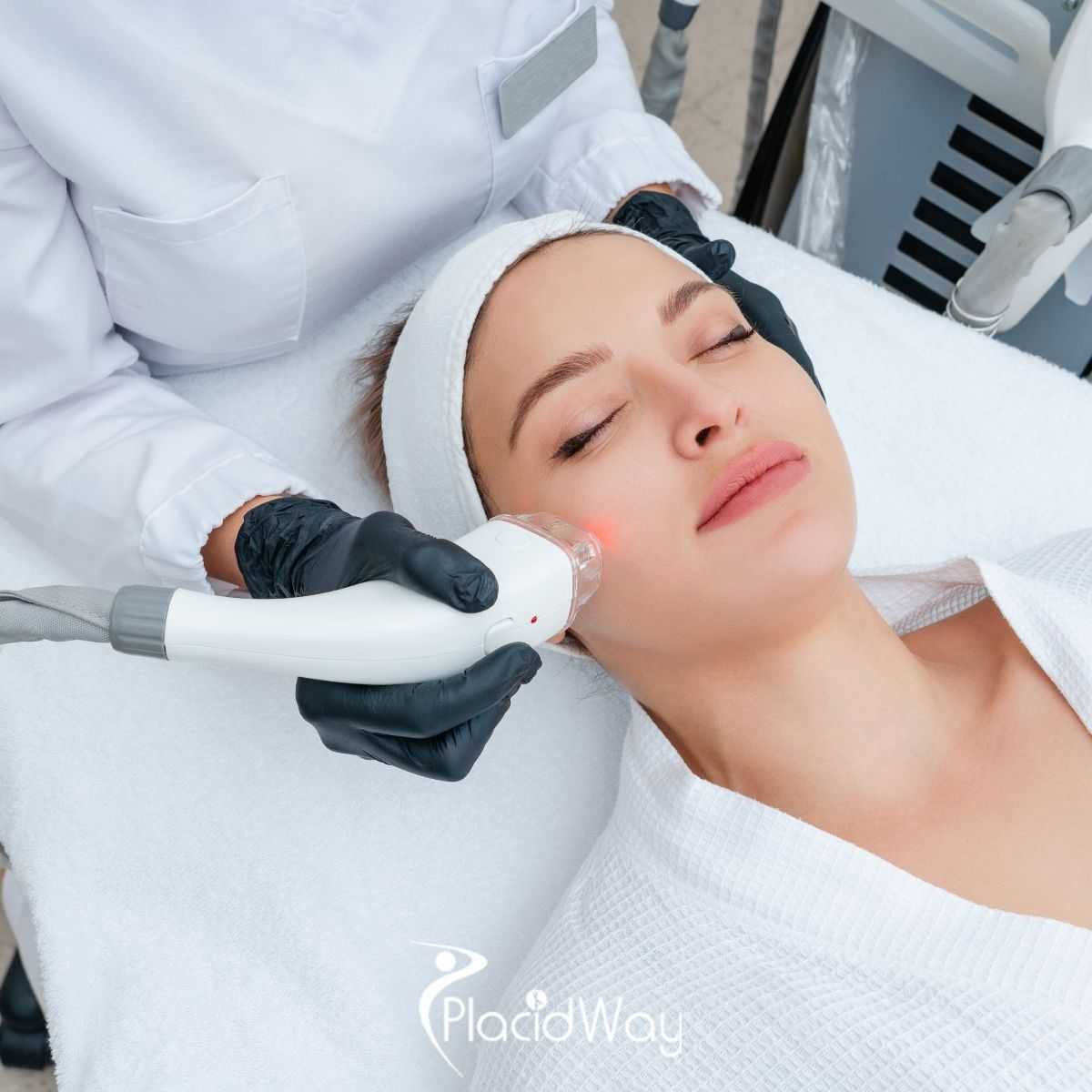
Proper aftercare is essential for optimal aesthetic results and medical safety. During your time in Seoul, clinics frequently offer post-operative care packages, including specialized LED light therapy and medical-grade cooling masks, to accelerate recovery.
Following this biological timeline will help you understand what sensations and activities are normal during your recovery period.
| Timeframe | Biological Process | Patient Sensation | Action Required |
|---|---|---|---|
| Days 1-3 | Peak acute inflammatory response. Tissue edema and potential ecchymosis (bruising). | Tightness, sensitivity to light, mild discomfort, watery eyes. | Apply prescribed cold compresses. Keep head elevated at 45 degrees. Rest strictly. |
| Days 4-7 | Vascular repair begins. Fluid begins to reabsorb into the lymphatic system. | Bruising may change to yellow/green. Itching at the incision site. | Transition to warm compresses if advised. Avoid rubbing eyes. Prepare for suture removal. |
| Weeks 2-4 | Collagen remodeling initiates. Majority of macroscopic swelling resolves. | Incision lines may appear red and feel slightly firm. Vision stabilizes. | Use prescribed scar gels. Avoid strenuous cardiovascular exercise. Wear sunglasses outdoors. |
| Months 3-6 | Deep tissue settling and scar maturation complete. | Eyelid feels natural. Crease height settles to its final position. | Maintain standard UV protection. Final evaluation of symmetry. |
Understanding Medical Risks and Complication Management
As with any invasive surgical procedure, eyelid surgery carries inherent clinical risks. While severe complications are uncommon when performed by a board-certified specialist, you must be fully aware of potential adverse events.
A reputable doctor will discuss these risks transparently during your consultation and outline their clinical protocols for managing them.
- Asymmetry: The most common aesthetic risk. Human faces are naturally asymmetrical, and subtle differences in crease height or shape may occur. Minor revisions are sometimes necessary.
- Dry Eye Syndrome: Temporary alterations to blink dynamics or lipid gland function can cause dry, irritated eyes. This typically resolves, but your doctor may recommend lubricating eye drops.
- Infection: Though rare due to the high vascularity of the eyelid, localized infections can occur. Adherence to post-operative hygiene and prescribed antibiotics mitigates this risk.
- Ptosis Recurrence: In ptosis correction cases, the levator muscle may loosen over time, requiring secondary intervention.
- Lagophthalmos: Difficulty fully closing the eyes, usually temporary due to swelling, but can be permanent if overly aggressive skin excision occurs.
Always seek immediate medical help if you experience sudden severe pain, rapidly increasing swelling on one side, or significant changes in your vision, as these are emergency warning signs.
Frequently Asked Questions About Eyelid Surgery in Seoul, South Korea
Below are detailed answers to common questions international patients ask when planning periorbital surgery in South Korea.
Am I too old to get eyelid surgery in Seoul?
There is no strict upper age limit for eyelid surgery, provided you are in good general health and pass pre-operative medical clearances. Patients in their 50s, 60s, and 70s frequently undergo upper or lower blepharoplasty in Seoul to correct age-related tissue sagging and functional vision impairment.
How long do the results of double eyelid surgery last?
Incisional double eyelid surgery typically yields permanent results by structurally altering the tissue and creating severe scar adhesions to the levator muscle. Non-incisional (suture) methods can last many years, though there is a small clinical risk of the suture loosening over time, potentially requiring a revision.
Can I wear contact lenses after my procedure?
You must strictly avoid wearing contact lenses for at least two to three weeks following surgery. Manipulating the eyelids to insert or remove lenses can disrupt delicate sutures and increase the risk of introducing bacteria to the healing incisions.
Is a medical visa required for treatment in South Korea?
Depending on your country of origin and the length of your stay, you may enter South Korea on a standard tourist visa or a visa waiver (K-ETA) if your recovery period is short. For extended medical treatments, clinics can assist you in applying for a specialized medical tourist visa (C-3-3 or G-1-10).
How soon can I fly home after eyelid surgery?
Most surgeons require international patients to remain in Seoul for at least 7 to 10 days. This allows sufficient time for the acute swelling to subside, the removal of any non-dissolvable sutures, and a final clinical evaluation to ensure you are safe to experience cabin pressure changes.
Will the surgical scars be visible?
Surgeons strategically place incisions within the natural anatomical folds of the eyelid or, in the case of lower blepharoplasty, sometimes completely inside the lower lid (transconjunctival). While a microscopic scar is biologically inevitable, they typically mature into faint, barely perceptible lines within a few months.
What happens if I need revision surgery?
Revision surgery is highly complex due to existing scar tissue. If required, surgeons usually recommend waiting at least six months for all internal healing and swelling to completely resolve before attempting a secondary structural modification.
Do clinics in Seoul provide translators?
Reputable clinics treating international patients employ dedicated, in-house medical coordinators who are fluent in English, Mandarin, and other languages. They act as certified interpreters during your consultation, surgery, and follow-up care to ensure accurate medical communication.
Is general anesthesia used for this procedure?
General anesthesia is rarely used for standalone eyelid surgery. Surgeons typically rely on a combination of targeted local anesthesia to numb the eye area and intravenous (IV) sedation to keep you completely comfortable and relaxed without the heavier risks of general intubation.
How do I verify a clinic's KAHF accreditation?
You can verify a clinic’s KAHF (Korean Accreditation Program for Hospitals Serving Foreign Patients) status through the official Ministry of Health and Welfare or the Korea Health Industry Development Institute (KHIDI) websites, which maintain public registries of all accredited and compliant healthcare facilities.
Need Help Planning Your Medical Trip to Seoul?
PlacidWay can help you compare board-certified providers, understand verified treatment costs, ask the right medical questions, and review clinic options in South Korea safely.
Request InformationDisclaimer
Disclaimer: This information is for educational purposes only and does not replace professional medical advice. Always consult a qualified healthcare provider before making medical decisions.
References
- Complications and Management in Asian Blepharoplasty (2024) – National Center for Biotechnology Information (NCBI)
- Statistics on International Patients in Korea (2024 Data Release) – Korea Health Industry Development Institute (KHIDI)
- Eyelid Surgery Safety and Risks – American Society of Plastic Surgeons (ASPS)
- Board Certification and Patient Safety Guidelines – Korean Society of Plastic and Reconstructive Surgeons (KSAPS)
- KAHF Accreditation System for Foreign Patients – Medical Korea / Ministry of Health and Welfare
- Blepharoplasty Procedure Overview and Global Standards – International Society of Aesthetic Plastic Surgery (ISAPS)
- Medical Licensing and Registration Verification – Korean Medical Association (KMA)















Share this listing