

You have probably spent years cycling through diets, gym memberships, and programs that promised change and delivered frustration. If you are comparing the best bariatric surgeons in Tijuana Mexico because surgery at home costs $15,000 to $30,000 out of pocket, you are not alone, and you are not taking a shortcut. You are making a practical decision that tens of thousands of Americans and Canadians make every year, typically paying between $2,500 and $4,500 in Tijuana for the same procedures performed by surgeons who trained for years and hold certifications from Mexico’s Consejo Mexicano de Cirugía General. The key is knowing which credentials actually matter, which questions to ask, and how to tell a genuinely qualified bariatric team from a slick marketing page. This guide walks you through all of it, step by step, so you can choose with confidence instead of hope.
Quick Answer: Bariatric Surgery in Tijuana Mexico at a Glance
- Typical cost: Gastric sleeve averages about $3,000, gastric bypass about $4,000, gastric balloon about $2,500, and lap band about $2,000, with an overall average near $3,700 per package.
- Who it suits: Adults with a BMI of 35 or higher, or a BMI of 30 to 34.9 with a weight-related condition such as type 2 diabetes, based on 2022 ASMBS and IFSO guidance.
- Safety baseline: Choose a hospital with current COFEPRIS sanitary authorization and, ideally, Consejo de Salubridad General (CSG) certification; JCI or SRC accreditation is a useful bonus, not a requirement.
- Surgeon credentials to verify: Cédula Profesional (license number), certification from the Consejo Mexicano de Cirugía General, and bariatric certification from CMCOEM, plus case volume in the exact procedure you need.
- Main reason patients choose Tijuana: Savings of roughly 60 to 75 percent compared with US self-pay prices, plus short travel from California, Arizona, and Texas.
- Recovery: Most patients stay 4 to 7 days in Tijuana, return to light activity in 1 to 2 weeks, and resume normal routines in about 4 to 6 weeks.
- Important caution: Prices vary with your health, procedure complexity, and package inclusions, and complications after returning home can be costly, so plan your follow-up care before you travel.
Why Patients Choose Tijuana Mexico for Bariatric Surgery
Tijuana sits directly on the US-Mexico border, about 20 minutes from San Diego, and that geography has quietly shaped it into one of the world’s busiest centers for bariatric medical tourism. You can drive across the border, have surgery the next morning, and recover within sight of the Pacific. For patients who have waited months or years for approval, scheduling, or savings in the United States or Canada, that proximity feels like a door opening.
The numbers explain the demand. In the United States, 40.3 percent of adults had obesity between August 2021 and August 2023, and 9.4 percent had severe obesity, according to CDC data. Yet surgical treatment reaches only a small fraction of eligible patients, partly because self-pay prices at home commonly reach five figures while the same operation in Tijuana often costs less than a used car.
Here are the primary reasons patients travel to Tijuana for bariatric surgery:
- Cost savings of 60 to 75 percent compared with typical US self-pay prices for sleeve gastrectomy and gastric bypass.
- Short travel time: direct highway access from San Diego and short flights from most western US and Canadian cities.
- Experienced surgical teams: many Tijuana bariatric surgeons perform hundreds of procedures per year and hold dual national certification.
- Fast scheduling: consultations to surgery often fit within two to four weeks instead of insurance-driven delays of many months.
- Established medical tourism infrastructure: bilingual coordinators, hospital hotels, and ground transport are standard offerings.
- Privacy and discretion: some patients prefer recovering away from their home community.
The chart below shows why so many potential patients exist in the first place: US adult obesity prevalence has remained near 40 percent across recent survey cycles, while severe obesity has trended upward.
Tip: Severe obesity, defined as a BMI of 40 or higher, rose from 7.7 percent to 9.7 percent between 2013–2014 and 2021–2023. This is the group most often evaluated for bariatric surgery, and it is growing faster than overall obesity.
Best Bariatric Surgeons in Tijuana Mexico
Tijuana’s bariatric community includes surgeons with decades of focused experience, national board certification, and international society memberships. The following surgeons are widely recognized in Tijuana for weight loss surgery, based on patient feedback, experience, and expertise. This list is a starting point for your own verification, not a ranking or an endorsement, and you should confirm every credential directly before booking.

Dr. Jorge Maytorena
An experienced bariatric surgeon who leads the Maytorena Obesity Center in Tijuana. He specializes in obesity surgery, including gastric sleeve, gastric bypass, and duodenal switch, and is known for personalized care and minimally invasive techniques. Ask his team for his Cédula Profesional and current Consejo Mexicano de Cirugía General certification.
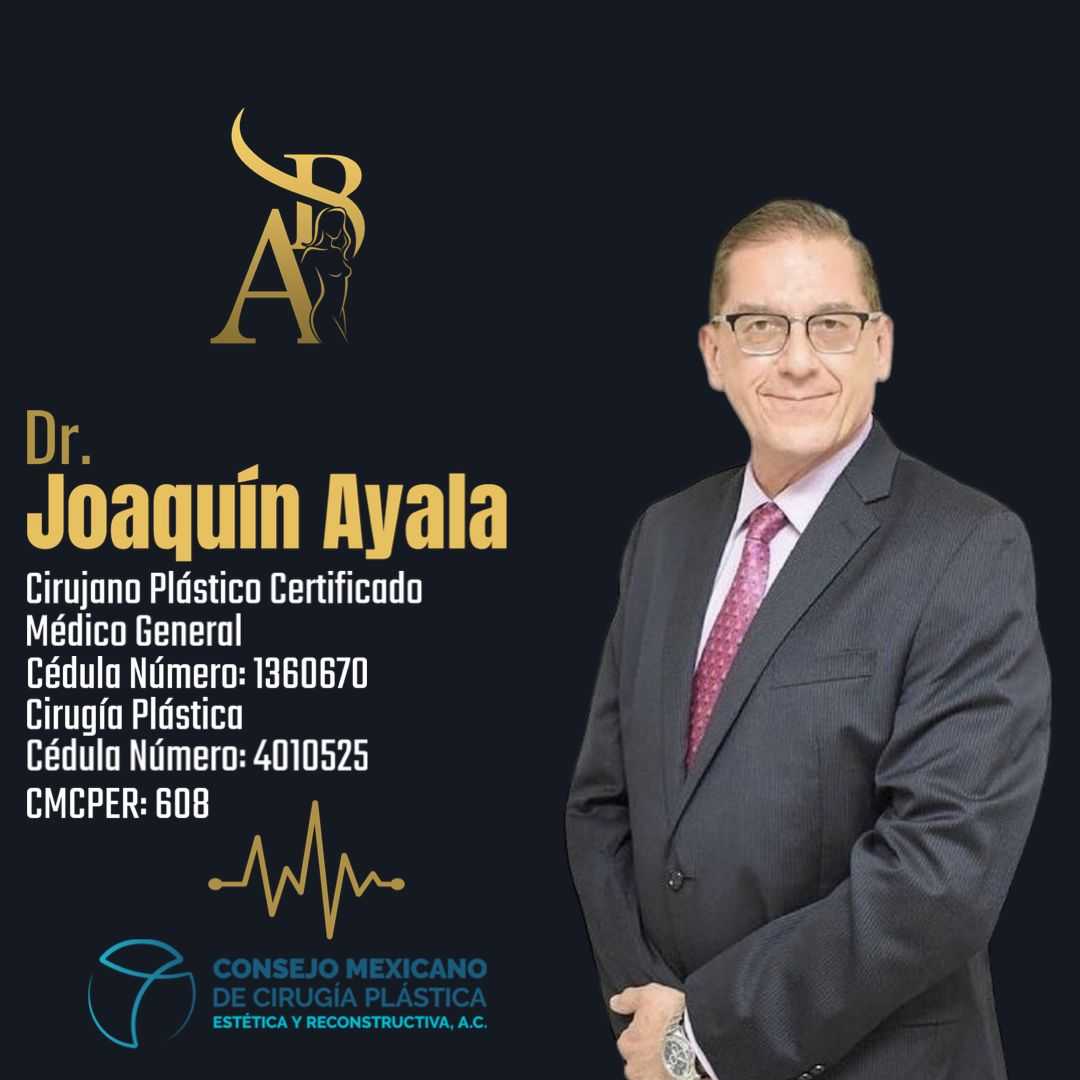
Dr. Joaquin Ayala
A well-known bariatric specialist in Tijuana who performs gastric bypass and sleeve gastrectomy using advanced surgical methods. He is described as working closely with each patient to match the procedure to their weight loss goals. Confirm his bariatric case volume and hospital privileges in writing.

Dra. Daniela Leon Lopez
A Tijuana bariatric surgeon focused on advanced weight loss procedures and individualized patient care. Her practice emphasizes durable results and structured recovery support. Request details of her specialist certification and annual case numbers before your consultation.

Dra. Jessica Sigler
A skilled weight loss surgery specialist in Tijuana with extensive experience in gastric bypass and sleeve gastrectomy. She is known for a thorough, patient-first approach to pre-operative evaluation and aftercare planning. Verify her certification status and complication management protocol directly.
Well-known Tijuana clinics and centers frequently chosen by international bariatric patients include the Dr. Jorge Maytorena Obesity Center, Alice Beauty Clinic, Obesity Out Bariatric Surgery Center, Do It Bariatrics, Hospital Excel, the practice of Dra. Jessica Sigler, and the Diabetes Obesity Clinic. Facilities vary widely in size and services, so evaluate the specific hospital where your operation will take place rather than the brand name of the package.
Warning: Never rely on a doctor’s photo, a testimonial, or a social media following as proof of qualification. Every credential mentioned above can be checked against an official registry, and a reputable surgeon will welcome the question.
How Much Does Bariatric Surgery Cost in Tijuana Mexico
Bariatric surgery in Tijuana typically costs a fraction of US self-pay prices. Based on package listings for Tijuana, gastric sleeve averages around $3,000, gastric bypass around $4,000, gastric balloon around $2,500, and lap band around $2,000, putting the overall average near $3,700. By comparison, US self-pay prices for bariatric surgery are commonly reported in the $10,000 to $30,000 range depending on the procedure and region.
| Procedure | Typical Tijuana Package Price | Commonly Reported US Self-Pay Range | Approximate Savings |
|---|---|---|---|
| Gastric sleeve (sleeve gastrectomy) | ~$3,000 | $10,000 – $20,000 | Often 60–75% |
| Gastric bypass (Roux-en-Y) | ~$4,000 | $18,000 – $30,000 | Often 65–80% |
| Gastric balloon | ~$2,500 | $6,000 – $9,000 | Often 55–70% |
| Lap band (adjustable gastric band) | ~$2,000 | $10,000 – $18,000 | Often 60–80% |
US figures in the chart above are broad market ranges drawn from published self-pay reports and can be higher in major metro areas; they are shown for comparison only. Your actual quote depends on your BMI, health conditions, the exact operation, the surgeon, and what the package includes. The histogram below uses representative midpoint estimates to visualize the typical gap between Tijuana packages and US self-pay pricing.
What a Tijuana Bariatric Package Usually Includes
Most Tijuana bariatric packages are all-inclusive at the medical level. A typical package covers your surgeon consultation, pre-operative blood work and imaging, the surgery itself, anesthesia, hospital stay of one to three nights, medications during your stay, and scheduled follow-up visits before you fly home.
| Package Element | Usually Included? | What to Confirm Before Paying |
|---|---|---|
| Surgeon and anesthesia fees | Yes | Named surgeon performing your operation |
| Pre-op labs, ECG, imaging | Yes | Which tests, and extra cost if results require more |
| Hospital stay (typically 1–3 nights) | Yes | Extra nights, ICU transfer policy |
| Ground transport and hotel | Sometimes | Airport pickup, hotel nights, companion costs |
| Post-op medication and vitamins | Sometimes | Prescriptions at home are usually your cost |
| Flights and travel insurance | No | Book flexible fares; consider complications coverage |
| Long-term follow-up care | Varies | Telehealth schedule and who reviews your labs at home |
Hidden costs to plan for: pre-op clearances from your home doctor, prescription medications and lifelong vitamins, possible extra hotel nights if your surgeon delays clearance to fly, revision care if complications arise after you return home, and time off work. Ask every clinic for a written, itemized quote before paying a deposit.
How to Choose a Safe Bariatric Hospital in Tijuana Mexico
A safe Tijuana bariatric hospital is a licensed hospital, not just a marketing brand. Mexico regulates healthcare facilities through the Federal Commission for Protection against Sanitary Risks, known as COFEPRIS, which issues the sanitary authorizations that allow a facility to operate. A current COFEPRIS authorization appropriate to surgical services is the non-negotiable starting point.
Beyond the license, look for these quality signals, in order of priority for Mexico:
- Government licensing: COFEPRIS sanitary authorization for the facility and its operating rooms. Ask for the license details and verify them.
- National certification: Consejo de Salubridad General (CSG) certification, Mexico’s national program for certifying hospitals and medical care facilities. CSG maintains a public directory of certified facilities you can check.
- Emergency capability: an emergency department, ICU access or a written hospital-transfer agreement, blood bank access, on-site imaging, and 24/7 anesthesia coverage.
- Bariatric-specific readiness: equipment sized for higher-weight patients, infection-prevention protocols, and a written complication management pathway.
- International accreditation (a bonus, not a requirement): Joint Commission International (JCI) accreditation or Surgical Review Corporation (SRC) Center of Excellence status indicates alignment with international standards, but many safe, high-quality Mexican hospitals operate under strong national regulation without it.
| Hospital Checklist Item | Why It Matters for You | How to Verify |
|---|---|---|
| COFEPRIS sanitary authorization | Legal permission to provide surgical care | Request license number; confirm with COFEPRIS |
| CSG certification | National quality certification of the facility | Search the CSG official certified-facilities directory |
| ICU and emergency coverage | Ability to manage serious complications immediately | Ask directly; get the transfer agreement in writing |
| Named medical record contact | Someone accountable for your records and discharge instructions | Confirm a named coordinator before arrival |
| Multilingual staff or interpreter | You must understand consent and discharge instructions fully | Ask who translates and whether it is in-house |
Takeaway: A clinic without international accreditation is not automatically unsafe. A clinic that cannot show a current government license, emergency capability, and a named complication protocol is a risk you do not need to take.
How to Verify Your Bariatric Surgeon’s Credentials in Mexico
Mexico has a structured specialist certification system, and you can verify it. Start with the surgeon’s professional identity: every Mexican physician holds a Cédula Profesional, a national professional license number issued after medical school, and specialists hold a separate Cédula de Especialidad documenting their surgical residency. Ask for both numbers and check them.
For bariatric surgery specifically, the two certifications that carry the most weight are:
- Consejo Mexicano de Cirugía General (CMCG): certification in general surgery, granted after residency and a national examination. This is the foundation credential for any surgeon operating on you.
- CMCOEM (Consejo Mexicano de Cirugía de Obesidad y Enfermedades Metabólicas): subspecialty certification in obesity and metabolic surgery. CMCOEM requires documented bariatric case experience, including a minimum number of stapling procedures, before certification.
Many leading Tijuana surgeons also hold international markers such as Fellowship of the American College of Surgeons (FACS), membership in IFSO, or affiliation with the American Society for Metabolic and Bariatric Surgery. These are genuinely positive signals of training consistent with North American standards, though national certification remains the core requirement.
| Credential | What It Proves | How to Check |
|---|---|---|
| Cédula Profesional | Graduate physician registered nationally | Mexican national professional registry (CedulaProfesional) |
| Cédula de Especialidad | Completed accredited surgical residency | Registry of the Secretaría de Educación Pública (SEP) |
| CMCG certification | Board-certified general surgeon | Consejo Mexicano de Cirugía General member directory |
| CMCOEM certification | Certified obesity and metabolic surgery specialist | CMCOEM official records; ask for certificate number |
| FACS / IFSO / ASMBS membership | International training and professional standing | Verify on the organization’s own member directories |
Finally, ask about experience in plain numbers: how many procedures of your exact type the surgeon performs each year, their most common complications, and how they manage them. High-volume bariatric surgeons in Tijuana may perform hundreds of cases annually. Case volume is one of the most consistent predictors of surgical quality, and an honest surgeon answers these questions without hesitation.
Types of Bariatric Surgery Available in Tijuana Mexico
Tijuana bariatric surgeons perform the full range of weight loss operations, most using minimally invasive laparoscopic or robotic-assisted techniques. The right procedure for you depends on your BMI, acid reflux history, diabetes status, prior surgeries, and your surgeon’s assessment. Worldwide, sleeve gastrectomy and gastric bypass together account for roughly 90 percent of all bariatric operations.
| Procedure | How It Works | Typical Tijuana Price | Often Considered For |
|---|---|---|---|
| Gastric sleeve (sleeve gastrectomy) | Removes about 80% of the stomach, leaving a narrow sleeve; also reduces hunger hormones | ~$3,000 | Most first-time patients; simpler anatomy, no intestinal rerouting |
| Gastric bypass (Roux-en-Y) | Creates a small stomach pouch and reroutes the small intestine; strongest metabolic effect | ~$4,000 | Type 2 diabetes, severe reflux, or higher weight loss targets |
| Duodenal switch (BPD-DS / SADI-S) | Combines sleeve with a significant intestinal bypass; greatest weight loss, highest nutritional demands | Varies; typically higher than bypass | Severe obesity or super-obesity under specialist guidance |
| Gastric balloon (intragastric) | A saline-filled balloon placed endoscopically occupies stomach space; temporary, non-surgical | ~$2,500 | Lower BMI patients wanting a reversible, less invasive option |
| Lap band (adjustable gastric band) | An inflatable band cinches the upper stomach; adjustable via a port | ~$2,000 | Less commonly recommended today; produces less weight loss and needs ongoing adjustments |
| Revision surgery | Converts or corrects a previous bariatric operation | Varies; usually higher than primary surgery | Complications, inadequate weight loss, or band removal |
Gastric Sleeve in Tijuana: Pros and Cons
Advantages
- No intestinal rerouting, so lower malabsorption risk than bypass
- Shorter, simpler operation with the most common technique worldwide
- Strong hunger reduction through removal of ghrelin-producing stomach tissue
- Typically the lowest package price in Tijuana (~$3,000)
- One-night hospital stay is often sufficient
Limitations
- Can worsen or trigger acid reflux in some patients
- Less metabolic effect than bypass for type 2 diabetes
- The sleeve can stretch over time if eating habits slip
- Staple-line leak, though uncommon, is a serious early complication
- Lifelong vitamins and follow-up labs remain necessary
Your surgeon may recommend a different operation after reviewing your history. That recommendation, and the reasoning behind it, is one of the most revealing parts of a quality consultation.
Who Travels to Tijuana for Bariatric Surgery: Patient Demographics
The typical medical traveler to Tijuana for bariatric surgery is a woman in her late thirties or forties from the United States, most often from California, Arizona, Texas, or other western states, with a smaller stream of Canadian patients, particularly from British Columbia and Alberta. The academic literature on bariatric tourism near the US-Mexico border reflects this pattern: in a 2025 study of patients presenting to a California academic center after surgery abroad, the average age was 41 years and 85.7 percent were women.
Across international registries, most bariatric patients are women, and median pre-surgery BMI typically falls between 40 and 45 kg/m². Men tend to seek surgery later and at higher BMI, often after weight-related conditions such as sleep apnea or diabetes have already appeared.
Why these patients travel breaks down into a few consistent motivations: out-of-pocket cost at home, insurance denials or long approval processes, waitlists, and the desire to combine surgery with discretion. Many patients also report that bilingual care teams and short flights make the journey feel far less intimidating than expected.
Tip: If you are male and considering surgery, do not let the demographic skew deter you. Men often see rapid improvement in blood pressure, diabetes, and sleep apnea after bariatric surgery, and outcomes are not determined by gender.
Your Recovery Timeline After Bariatric Surgery in Tijuana
Recovery from bariatric surgery follows a predictable biological rhythm, whether you have it in Tijuana or at home. You will typically spend one to three nights in the hospital, then recover at a hotel or recovery residence for several more days before your surgeon clears you to fly home. Most patients are walking within hours of surgery, which protects against blood clots and speeds healing.
| Timeframe | Biological Process | What You May Feel | Activity Level | Action Required |
|---|---|---|---|---|
| Day 0–1 (in hospital) | Staple lines and incisions begin healing; hydration restarted | Soreness, nausea, gas pain in the shoulder | Short, frequent walks with assistance | Sip water and protein as directed; report fever or severe pain at once |
| Day 2–7 (in Tijuana) | Swallowing re-trains to the smaller stomach; staple line matures | Tiredness, new fullness after a few sips | Light walking several times daily | Liquids only; attend follow-up; obtain flight clearance |
| Week 1–2 (at home) | Tissue healing continues; energy slowly returns | Low energy days, food boredom | Most patients return to desk work | Puréed diet; walk daily; start vitamins |
| Week 3–6 | Adaptation to soft foods; weight loss accelerates | Noticeably looser clothing, improved stamina | Light exercise as cleared by your surgeon | Soft then regular textured foods; lab checks |
| Month 2–12 | Steady weight loss, metabolic improvements | More energy; possible hair thinning around month 3–6 | Full normal activity | Protein-first eating, lifelong supplements, scheduled labs |
Seek urgent medical care if you develop: fever above 38°C (100.4°F), a racing heartbeat, persistent vomiting, severe or worsening abdominal pain, chest pain, shortness of breath, or foul-smelling discharge from an incision. These can signal leak, infection, or clot, and they require immediate evaluation, not a wait-and-see approach.
Risks and Safety Considerations for Bariatric Surgery in Tijuana
Bariatric surgery is major surgery, and location does not change the biology. Every procedure carries risks of bleeding, infection, blood clots, and anesthesia complications. Sleeve gastrectomy and gastric bypass are among the most studied operations in modern medicine and are generally considered safe when performed by qualified teams in equipped facilities, but no responsible provider will call any surgery risk-free.
The most discussed early complication is a leak at the staple line or intestinal connection. Published national data in the United States estimate leak rates at less than 1 percent in accredited programs. A 2025 study of patients who had bariatric surgery abroad and later presented to a California academic center found staple-line or anastomotic leaks in 33 percent of that complication group. The authors emphasize this cannot be read as Mexico’s true leak rate, because only sick patients present to US hospitals; still, it underlines two practical lessons: serious complications do occur in bariatric tourism, and short hospital stays abroad can complicate early detection.
| Risk | When It Typically Appears | How It Is Managed | How You Can Reduce It |
|---|---|---|---|
| Staple-line or anastomotic leak | First days to weeks | Hospital admission, drainage, sometimes reoperation | Stay near the surgical team for the recommended window; report fever and tachycardia immediately |
| Blood clots (DVT/PE) | Days to weeks, including the flight home | Blood thinners, compression, emergency care for PE | Walk hours after surgery; calf pumps on the plane; compression stockings; hydration |
| Dehydration | First weeks | IV fluids if severe | Constant small sips; a measured daily fluid target |
| Vitamin and mineral deficiencies | Months to years | Lifelong supplementation and annual labs | Take supplements daily; schedule lab work at home |
| Gallstones from rapid weight loss | First 6–18 months | Medication or cholecystectomy if symptomatic | Your surgeon may prescribe preventive medication |
| Weight regain | Years later | Nutrition support, evaluation for revision | Protein-first eating, follow-up visits, honest reporting |
Long-term nutritional follow-up is not optional, especially after bypass and duodenal switch. Build your home support team, ideally a primary care physician and a dietitian familiar with bariatric patients, before you travel. Your Tijuana surgeon handles the operation; your long-term health is a shared responsibility.
Planning Your Trip to Tijuana for Weight Loss Surgery
Good logistics protect your surgical result. Most patients spend four to seven days in Tijuana total: arrival day, pre-operative testing, surgery day, hospital recovery, and one to three days of hotel recovery before flight clearance. US, Canadian, and UK citizens do not need a visa for tourist stays in Mexico of up to 180 days, but carry a passport valid for your entire stay.
A Practical Travel Timeline
- 4–8 weeks before: collect medical records, begin your home physician conversation, arrange time off work, and request written itemized quotes from shortlisted clinics.
- 2–4 weeks before: confirm your surgeon and hospital, verify every credential on the checklists above, book refundable flights, and arrange a companion if possible.
- Arrival day: meet your surgeon and coordinator, complete blood work, ECG, and imaging, and sign consent forms you fully understand, in a language you fully understand.
- Surgery day and hospital stay: typically one to three nights; walking begins within hours.
- Recovery days in Tijuana: leak checks, drain removal if used, liquid diet progression, and a formal flight-clearance evaluation before departure.
- Home (first month): telehealth check-ins, lab work, vitamin routine, and a written emergency plan naming who you call and where you go.
Tip: For the flight home, choose an aisle seat, wear compression stockings, walk the cabin every 30 to 60 minutes, and keep sipping fluids. Avoid lifting anything heavier than about 4 to 5 kilograms (10 pounds) for the first few weeks.
Frequently Asked Questions About Bariatric Surgery in Tijuana Mexico
How much does gastric sleeve surgery cost in Tijuana Mexico?
Gastric sleeve packages in Tijuana commonly average around $3,000, with the overall average for weight loss surgery near $3,700. Your exact price depends on your BMI, health conditions, the surgeon, and package inclusions. Always request a written, itemized quote.
Is bariatric surgery in Tijuana Mexico safe?
It can be safe when you choose a COFEPRIS-licensed hospital with emergency capability and a certified, high-volume bariatric surgeon. Safety depends on your vetting, not the destination. Verify credentials, ask about complication protocols, and never select based on price alone.
How do I verify a bariatric surgeon’s credentials in Mexico?
Request the surgeon’s Cédula Profesional and Cédula de Especialidad numbers, confirm Consejo Mexicano de Cirugía General certification, and check CMCOEM bariatric certification. Reputable surgeons provide these willingly. Also ask for annual case volume in your exact procedure.
What certifications should a Tijuana bariatric hospital have?
At minimum, a current COFEPRIS sanitary authorization. Consejo de Salubridad General (CSG) national certification is a strong additional signal. JCI or SRC accreditation is a genuine quality bonus but is not required, and many safe Mexican hospitals operate without it.
How long do I need to stay in Tijuana after bariatric surgery?
Most patients stay four to seven days total, including one to three nights in the hospital and several recovery days at a hotel before flight clearance. Your surgeon confirms the exact window based on your procedure, recovery, and leak-check results.
Can I fly home right after bariatric surgery in Tijuana?
You can typically fly three to four days after surgery once your surgeon clears you. Flying increases clot risk, so wear compression stockings, walk the cabin regularly, do calf pumps, and stay hydrated throughout the journey.
Will my US or Canadian insurance cover bariatric surgery in Mexico?
Generally no. Most insurance plans treat surgery abroad as out of network or exclude it, so patients typically pay out of pocket in Tijuana. Confirm with your insurer before travel, and ask the clinic for documentation you could submit in case of any partial benefit.
What is included in an all-inclusive bariatric package in Tijuana?
Typically the surgeon and anesthesia fees, pre-operative tests, hospital stay, in-hospital medications, and post-op checks before departure. Flights, hotels, home prescriptions, and long-term follow-up are often separate. Read the written inclusions list carefully before paying any deposit.
How much weight can I lose after gastric sleeve or bypass?
Many patients lose a substantial share of excess weight in the first 12 to 24 months, with bypass often producing somewhat greater total loss than sleeve. Individual results vary widely and depend on adherence to diet, activity, and follow-up. No surgeon can guarantee a specific number for you.
What happens if I have a complication after returning home?
Contact your Tijuana team immediately and seek local care for emergencies. Academic studies show complication care after bariatric tourism can be lengthy and expensive, so before you travel, identify a local bariatric-experienced surgeon or hospital and ask your clinic about their revision and complication policies in writing.
Am I a candidate for bariatric surgery?
Under 2022 ASMBS and IFSO guidance, surgery is recommended for BMI 35 or higher regardless of other conditions, and should be considered for BMI 30 to 34.9 with a weight-related condition such as type 2 diabetes. Your surgeon makes the final determination after a full evaluation.
Why do so many Americans and Canadians choose Tijuana for weight loss surgery?
The combination of 60 to 75 percent cost savings, a short drive or flight from the border and western states, experienced certified surgeons, and fast scheduling. For patients facing five-figure self-pay prices or long insurance waits at home, Tijuana removes the two biggest barriers: cost and delay.
Ready to Compare Bariatric Surgeons in Tijuana?
Choosing a surgeon abroad is a big decision, and you should never make it from a price list alone. PlacidWay can help you compare providers, understand treatment costs, ask the right questions, review treatment options, and request information directly from clinics in Tijuana, so you decide with full information rather than guesswork.
Submit Your Request | Get Healthcare Providers Specific to Your NeedsDisclaimer: This information is for educational purposes only and does not replace professional medical advice. Always consult a qualified healthcare provider before making medical decisions.
References
- Obesity and Severe Obesity Prevalence in Adults: United States, August 2021–August 2023 – National Center for Health Statistics, CDC
- Bariatric Surgery Procedures Fall Below 200,000, First Time Since 2020, New Research Finds – American Society for Metabolic and Bariatric Surgery
- 2022 Indications for Metabolic and Bariatric Surgery: Joint Statement – ASMBS and IFSO
- 9th IFSO Global Registry Report – International Federation for the Surgery of Obesity and Metabolic Disorders
- Types of Weight-loss Surgery – National Institute of Diabetes and Digestive and Kidney Diseases
- Getting more than what you pay for? Managing complications of bariatric tourism at an academic center near the US-Mexico border – PMC / NIH
- Medical Tourism – CDC Yellow Book 2026

























Share this listing