
Contents
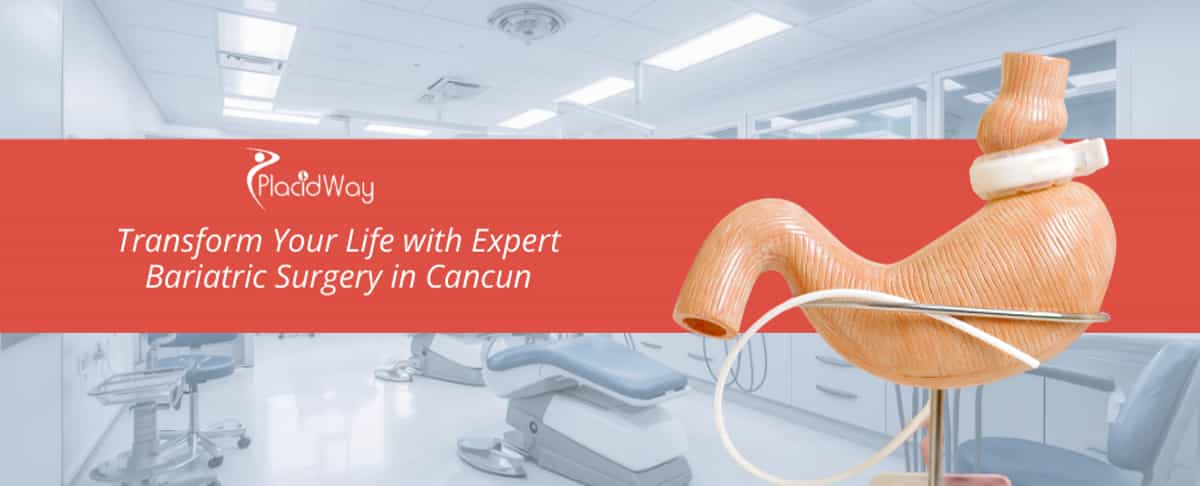
Tackling weight loss in the US or Canada often feels like a rigged game where your opponent is a wall of insurance denials, endless waiting periods, and deductibles the size of a down payment. You just want to reclaim your health, but instead, you are stuck jumping through administrative hoops while your motivation slowly drains away. It is no wonder so many people are looking past the border for a solution that does not require draining their life savings or waiting until next year.
That is exactly why bariatric surgery in Cancun has become such a practical alternative. For an average cost of around $4,500, you can bypass the red tape and get top-tier medical care while recovering near the Caribbean Sea. However, traveling for surgery means you need to do your homework. When researching facilities, look for those certified by the Consejo de Salubridad General (CSG), Mexico's national healthcare accreditation, to ensure strict safety standards are met.
Quick Facts at a Glance
Piecing together a medical trip on your own can quickly turn into a logistical nightmare. That is why most international patients opt for all-inclusive treatment bundles to simplify the process. A quality bariatric package covers more than just the operating room; it should include ground transfers, pre-op testing, hospital fees, medications, and hotel accommodations for your recovery.
Some even include specialized nutrition consultations to help you adjust to your new lifestyle. Always ask exactly what is excluded so you are not hit with surprise bills for post-op bloodwork or extra nights. Review the packages below to see which bundle makes the most sense for your journey.
Price starting from $8,833
Gastric Bypass Package by Costamed in Cancun, Mexico
Costamed Medical Group in Playa del Carmen Mexico
- Obesity/Bariatric Surgery
Tulum,Cancun,Playa Del Carmen,Cozumel, Mexico

Price starting from $3,745
Costamed Gastric Balloon Package in Cancun, Mexico
Costamed Medical Group in Playa del Carmen Mexico
- Obesity/Bariatric Surgery
Tulum,Cancun,Playa Del Carmen,Cozumel, Mexico

Price starting from $7,579
Gastric Sleeve Package by Costamed Medical Group in Cancun, Mexico
Costamed Medical Group in Playa del Carmen Mexico
- Obesity/Bariatric Surgery
Tulum,Cancun,Playa Del Carmen,Cozumel, Mexico
Bariatric surgery in Cancun typically costs between $4,500 and $5,500, depending on the exact procedure required. In the US or Canada, that same operation can easily exceed $15,000 out of pocket. This massive difference is not due to a drop in medical quality, but rather lower administrative overhead and differences in the local economy.
While the financial savings are undeniable, you still need to make sure the quoted price includes all essential fees like anesthesia and facility charges. Look closely at the pricing estimates below to help plan your budget and evaluate your options.
Obesity/Bariatric Surgery Centers Cost Comparison in Cancun, Mexico
| Provider | Procedure | Price |
|---|---|---|
| Costamed Medical Group in Playa del Carmen Mexico | Gastric Bypass, Obesity/Bariatric Surgery | $11162 |
| Costamed Medical Group in Playa del Carmen Mexico | Sleeve Gastrectomy, Obesity/Bariatric Surgery | $9809 |
| Costamed Medical Group in Playa del Carmen Mexico | Gastric Balloon, Obesity/Bariatric Surgery | $2976 |
Obesity/Bariatric Surgery Cost Comparison in Mexico
| Country | Procedure | Price |
|---|---|---|
| United States | Sleeve Gastrectomy, Obesity/Bariatric Surgery | $18000 |
| United States | Bariatric Surgery, Obesity/Bariatric Surgery | $19000 |
| United States | Gastric Bypass, Obesity/Bariatric Surgery | $25000 |
| Canada | Bariatric Surgery, Obesity/Bariatric Surgery | $17500 |
Finding a trustworthy hospital in another country requires looking past shiny lobbies and polished marketing brochures. You need to focus on verifiable safety standards and local credentials. When evaluating your options for weight loss surgery abroad, check if the facility holds a certification from the CSG (Consejo de Salubridad General), Mexico's highest medical standard.
Pay attention to how transparent they are about their surgical equipment, intensive care availability, and infection control protocols. A reputable center will gladly share these details and proof of their licensing without hesitation. Take a moment to compare the clinic profiles below to see which facilities meet your strict safety requirements.

Costamed Medical Group in Playa del Carmen Mexico
Tulum,Cancun,Playa Del Carmen,Cozumel, Mexico
It is completely natural to feel a bit anxious about traveling for a major medical procedure. Sometimes, reading about a hospital is not enough to calm those nerves; you need to see it for yourself to feel confident. Video walkthroughs offer a genuine look into the facility’s cleanliness, patient rooms, and the technology available in their operating suites.
They also give you a chance to hear directly from the doctors explaining their approach to patient care and safety. Take a look at the videos below to get a better sense of what your experience in Mexico will actually look like.
The medical brochures will always tell you what you want to hear, but former patients will tell you what you actually need to know. Firsthand accounts give you a raw, unfiltered look into the recovery process, the bedside manner of the nursing staff, and how well the clinic handles post-op care.
Pay close attention to reviews that mention communication barriers or dietary guidance, as these are critical parts of your journey. Browse through the patient experiences below to gauge the true quality of care and see which clinics consistently deliver on their promises.

Preparing for weight loss surgery abroad comes with a unique set of logistical and medical questions. Here are some of the most common concerns patients have before booking their flight to Mexico.
Is it safe to have bariatric surgery in Cancun?
Yes, it is generally safe if you choose a fully accredited hospital and a board-certified surgeon. Look for facilities with CSG or JCI accreditation, which ensures they follow strict international safety and hygiene protocols.
How soon can I fly home after a gastric sleeve in Mexico?
Most surgeons recommend waiting 3 to 5 days after surgery before flying back to the US or Canada. This allows time for your initial recovery and ensures your medical team can clear you for safe travel.
Do surgeons and nursing staff in Cancun speak English?
Yes, major clinics that cater to medical tourists require their surgeons, patient coordinators, and key nursing staff to be fluent in English to ensure clear communication.
What happens if I experience a complication after returning home?
You should always establish a relationship with a local primary care doctor before you leave. Reputable clinics will provide you with detailed, translated medical records to share with your local physician in case follow-up care is needed.
Which weight loss procedures are most commonly performed there?
The most common operations include the gastric sleeve, gastric bypass, mini-gastric bypass, and revision surgeries for patients who have had previous bariatric procedures.
Do I need a passport to travel to Cancun for medical reasons?
Yes, US and Canadian citizens need a valid passport to fly into Mexico. Make sure your passport is valid for at least six months past your planned date of return.
What is the typical recovery timeline while staying in Mexico?
Patients usually spend 1 to 2 nights in the hospital for monitoring, followed by 2 to 3 nights recovering in a comfortable hotel before being medically cleared to fly home.
Are the surgical tools used in Cancun clinics FDA-approved?
Top-tier bariatric centers import their surgical staples and laparoscopic equipment from the US, ensuring they meet strict FDA standards. You can always ask your clinic to confirm the brands they use.
How do I prepare for my procedure before flying down?
Your surgeon will require you to follow a strict pre-op liquid diet for 1 to 3 weeks before your flight. This shrinks your liver and reduces the risk of surgical complications.
Can I bring a companion with me to the hospital and hotel?
Yes, almost all medical packages in Cancun cover the hotel stay and ground transportation for one companion. Having a support person with you is highly recommended during your early recovery.
How Much is Mini Gastric Bypass Surgery in Cancun, Mexico?
Considering mini gastric bypass surgery is a significant step towards a healthier future. Cancun, Mexico, has emerged as a leading destination for this procedure, drawing patients from around the world due to its high-quality medical facilities, experienced surgeons, and remarkably affordable prices. This blog post aims to answer common questions about the cost, process, and benefits of undergoing mini gastric bypass surgery in Cancun, providing comprehensive information to help you make an informed decision. We will delve into what makes Cancun a preferred choice for medical tourism, the breakdown of costs, and what to expect before, during, and after your surgery. What is the average cost of Mini Gastric Bypass Surgery in Cancun, Mexico? "The average cost of mini gastric bypass surgery in Cancun, Mexico, ranges from $5,000 to $7,500." This price typically includes the surgeon's fees, anesthesia, hospital stay, pre-operative tests, and post-operative medications. It's important to note that this is a general range, and the exact cost can vary based on the specific clinic, the surgeon's experience, and the comprehensiveness of the package offered. Compared to countries like the United States or Canada, where the same procedure can cost upwards of $18,000 to $25,000, Cancun provides a much more accessible option without compromising on quality of care. Many clinics in Cancun are internationally accredited and adhere to strict medical standards, making it a safe and appealing choice for bariatric surgery. What factors influence the cost of Mini Gastric Bypass in Cancun? "Several factors influence the cost of mini gastric bypass in Cancun, including the clinic's reputation, the surgeon's experience, the type of facility, and the inclusions in the surgical package." The reputation of the medical facility plays a significant role. Highly-rated hospitals and clinics with state-of-the-art equipment and international accreditations might have slightly higher fees. Similarly, surgeons with extensive experience, specialized training, and a strong track record of successful mini gastric bypass procedures may also charge more. The type of facility, whether it's a dedicated bariatric center or a multi-specialty hospital, can also affect the price. Furthermore, comprehensive packages that include things like airport transfers, hotel stays, nutritional counseling, and extended post-operative care will naturally be priced higher than basic surgical fees. What is typically included in a Mini Gastric Bypass package in Cancun? "A typical mini gastric bypass package in Cancun often includes the surgeon's fees, anesthesiologist's fees, hospital stay, pre-operative lab work and diagnostics, post-operative medications, and follow-up consultations." Many clinics offer all-inclusive packages designed to simplify the medical tourism experience. Beyond the core medical services, these packages may also cover airport pick-up and drop-off, accommodation in a nearby hotel for a few nights before and after surgery, and dedicated patient coordinators. Some even include dietary guidance and support groups, which are crucial for long-term success after weight loss surgery. Always clarify what is explicitly covered in the package to avoid any unexpected expenses. Are there any hidden costs I should be aware of for Mini Gastric Bypass in Cancun? "While many clinics in Cancun offer transparent, all-inclusive packages for mini gastric bypass surgery, it's important to confirm what is covered to avoid potential hidden costs such as pre-existing condition evaluations, extended hospital stays, or unexpected complications." Although providers strive for transparency, patients should always ask for a detailed breakdown of costs. Potential hidden fees could include: Pre-operative evaluations for specific pre-existing conditions: If additional specialist consultations or tests are needed beyond standard screenings. Extended hospital stay: If complications arise or a longer recovery period is required in the hospital than initially planned. Medications not covered in the package: Specific prescriptions or supplements might incur extra charges. Travel insurance: While not a direct medical cost, it's a wise investment that can cover unforeseen travel or medical emergencies. Personal expenses: Food outside the provided meals, sightseeing, or shopping are not typically included. Always read the fine print and ask direct questions about what is not included in the quoted price. How does the cost of Mini Gastric Bypass in Cancun compare to the USA or Canada? "The cost of mini gastric bypass surgery in Cancun is significantly lower, typically 50-70% less than in the USA or Canada, where prices can range from $18,000 to $25,000 or more." This substantial price difference is a primary reason why many individuals choose Mexico for their bariatric surgery. The lower cost of living, reduced operational expenses for clinics and hospitals, and competitive medical tourism market contribute to these more affordable rates. Despite the lower price, the quality of care in reputable Cancun clinics often meets or exceeds international standards, with many surgeons having extensive experience and training from Western countries. This makes Cancun an attractive option for those seeking high-quality, affordable weight loss solutions. Is Mini Gastric Bypass in Cancun safe? "Yes, mini gastric bypass in Cancun is generally safe, especially when performed by experienced, board-certified surgeons in accredited medical facilities that adhere to international safety standards." Cancun has become a hub for medical tourism, attracting skilled surgeons and investing in modern hospital infrastructure. Many clinics catering to international patients hold international accreditations, such as those from the Joint Commission International (JCI), which signify adherence to rigorous patient safety and quality-of-care standards. Patients should always research their chosen clinic and surgeon thoroughly, checking credentials, patient reviews, and facility accreditations to ensure a safe and successful outcome for their mini gastric bypass procedure. What are the benefits of choosing Cancun for Mini Gastric Bypass Surgery? "Choosing Cancun for mini gastric bypass surgery offers numerous benefits, including significant cost savings, access to experienced surgeons and modern facilities, reduced wait times, and the opportunity for a recuperative getaway." Cost-Effectiveness: The primary draw is the substantial savings compared to Western countries, making life-changing bariatric surgery more accessible. High-Quality Medical Care: Many clinics boast internationally trained, board-certified surgeons and state-of-the-art equipment. Reduced Wait Times: Patients can often schedule their surgery much quicker than in their home countries. Medical Tourism Destination: Cancun offers a pleasant environment for recovery, allowing patients to combine their medical trip with a relaxing vacation. This can contribute positively to the healing process. Comprehensive Packages: Many providers offer all-inclusive packages that streamline the entire process, from arrival to departure. These combined factors make Cancun a highly appealing destination for individuals seeking effective and affordable weight loss solutions. What qualifications should I look for in a surgeon for Mini Gastric Bypass in Cancun? "When selecting a surgeon for mini gastric bypass in Cancun, look for board certification, extensive experience in bariatric surgery (specifically mini gastric bypass), membership in international bariatric associations, and positive patient testimonials." A board-certified surgeon demonstrates a high level of expertise and adherence to professional standards. Experience is crucial, so inquire about the number of mini gastric bypass procedures they have performed and their success rates. Membership in organizations like the American Society for Metabolic and Bariatric Surgery (ASMBS) or the Mexican Council of Bariatric and Metabolic Surgery (CMCOEM) indicates a commitment to staying current with best practices. Finally, reading patient reviews and asking for references can provide valuable insight into the surgeon's approach and patient outcomes, ensuring you choose a qualified and trustworthy professional for your weight loss surgery. What is the recovery process like after Mini Gastric Bypass in Cancun? "The recovery process after mini gastric bypass in Cancun typically involves a hospital stay of 1-3 days, followed by a gradual return to normal activities over 2-4 weeks, with full recovery taking several months." Immediately after the surgery, patients will be closely monitored in the hospital. The focus will be on pain management and starting the post-operative diet, which begins with clear liquids and gradually progresses to pureed foods, soft foods, and eventually solid foods. Patients are encouraged to start walking soon after surgery to aid recovery and prevent complications. Most international patients stay in Cancun for about a week to allow for initial recovery and a final check-up before returning home. Long-term recovery involves adhering to a strict diet, taking supplements, and incorporating regular exercise, all guided by the medical team. This commitment is vital for the long-term success of the mini gastric bypass. What are the potential risks and complications of Mini Gastric Bypass? "Like any major surgery, mini gastric bypass carries potential risks and complications, though they are generally rare. These can include bleeding, infection, leaks at the staple line, nutrient deficiencies, and complications related to anesthesia." While mini gastric bypass is considered a safer and less complex procedure than traditional gastric bypass, it's not without its potential downsides. Specific risks include: Bleeding and Infection: As with any surgery, there's a small risk of these complications. Anastomotic Leaks: A rare but serious complication where stomach contents leak from the staple lines. Nutrient Deficiencies: Due to the malabsorptive component, patients may experience deficiencies in vitamins and minerals, requiring lifelong supplementation. Dumping Syndrome: Rapid emptying of stomach contents into the small intestine, leading to symptoms like nausea, diarrhea, and dizziness, especially after eating sugary or fatty foods. Gallstones: Rapid weight loss can increase the risk of gallstone formation. Ulcers: Formation of ulcers at the surgical site. Reputable clinics in Cancun will thoroughly discuss these risks with patients and take all necessary precautions to minimize them. What kind of post-operative support is available after Mini Gastric Bypass in Cancun? "Post-operative support after mini gastric bypass in Cancun typically includes dietary guidance from a nutritionist, follow-up consultations with the surgeon, and sometimes access to online support groups or patient coordinators for remote assistance." The success of mini gastric bypass hinges on long-term lifestyle changes, and good post-operative support is critical. Reputable clinics understand this and provide resources to help patients adapt to their new eating habits and maintain weight loss. This usually involves detailed dietary plans, often spanning several phases, to guide patients through the reintroduction of various foods. Regular check-ups with the surgeon ensure proper healing and address any concerns. For international patients, many clinics offer virtual consultations or connect them with patient coordinators who can answer questions and provide support remotely. Some also facilitate online support groups where patients can share experiences and advice, fostering a sense of community. How long should I plan to stay in Cancun for Mini Gastric Bypass surgery? "Patients undergoing mini gastric bypass surgery in Cancun should plan to stay in the city for approximately 5 to 7 days, including pre-operative assessments, the surgery itself, and initial post-operative recovery." This timeframe allows for essential pre-surgical consultations and tests to ensure you are a suitable candidate and fully prepared for the procedure. The surgery typically requires a hospital stay of 1 to 3 nights. The remaining days are for initial recovery in a comfortable hotel, allowing the medical team to monitor your progress and provide final instructions before your return home. It's crucial to follow your surgeon's recommendations for the length of your stay to ensure a safe and smooth recovery. What are the eligibility requirements for Mini Gastric Bypass? "Eligibility for mini gastric bypass surgery generally requires a Body Mass Index (BMI) of 40 or higher, or a BMI of 35 or higher with at least one obesity-related comorbidity such as type 2 diabetes, high blood pressure, or sleep apnea." Beyond BMI, candidates for mini gastric bypass must also demonstrate a commitment to significant lifestyle changes, including adherence to a new diet and regular exercise, and be psychologically prepared for the surgery and its long-term implications. They should have a history of unsuccessful attempts at weight loss through diet and exercise alone. A comprehensive medical evaluation will also assess overall health to ensure the patient can safely undergo the procedure and recover well. Can I combine Mini Gastric Bypass with a vacation in Cancun? "While mini gastric bypass surgery in Cancun offers the appeal of a beautiful destination, the primary focus should be on your health and recovery. It is possible to combine it with a short, relaxing recuperation, but extensive sightseeing or strenuous activities are not recommended immediately after surgery." Many patients appreciate the opportunity to recover in a pleasant environment like Cancun. Some medical tourism packages even include stays in resort-like settings designed for post-operative rest. However, it's crucial to prioritize your recovery. Immediately after surgery, you'll need to rest, follow dietary restrictions, and limit physical activity. Any exploration should be gentle and short-lived. Planning a true "vacation" portion of your trip for a later date, once you're fully recovered, is advisable. Your medical team will provide specific guidelines on activity levels. How do I prepare for Mini Gastric Bypass surgery in Cancun? "Preparing for mini gastric bypass surgery in Cancun involves following your surgeon's pre-operative diet (often a liquid diet), stopping certain medications, and arranging travel logistics like flights and accommodation." Preparation is a critical component of successful bariatric surgery. Your medical team will provide detailed instructions, which typically include: Pre-operative Diet: This often involves a strict liquid diet for a period (e.g., 1-2 weeks) leading up to the surgery to shrink the liver and reduce fat around abdominal organs, making the surgery safer. Medication Adjustments: You may need to stop certain medications, especially blood thinners, a week or two before surgery. Medical Clearances: Ensuring all necessary medical tests and evaluations are completed and cleared by your local doctor or the Cancun clinic. Travel Arrangements: Booking flights, confirming accommodation, and arranging airport transfers, especially if not included in your package. Packing Essentials: Comfortable clothing, essential toiletries, and any personal items for your hospital and hotel stay. Mental Preparation: Understanding the changes ahead and committing to the new lifestyle. Following these guidelines meticulously will contribute to a smoother surgery and recovery. What are the long-term outcomes and weight loss expectations after Mini Gastric Bypass? "Patients can expect significant long-term weight loss after mini gastric bypass, typically losing 60-80% of their excess weight within 12-18 months, with sustained weight loss for many years through adherence to lifestyle changes." Mini gastric bypass is known for its effective and durable weight loss results. Beyond weight reduction, patients often experience significant improvements or even resolution of obesity-related health conditions such as type 2 diabetes, high blood pressure, sleep apnea, and high cholesterol. The exact amount of weight loss and the long-term success depend heavily on the individual's commitment to the post-operative dietary guidelines, regular physical activity, and consistent follow-up care. It's a powerful tool, but consistent effort is needed to maintain the positive outcomes. Will my insurance cover Mini Gastric Bypass in Cancun? "Generally, most private health insurance plans in the USA and Canada do not cover mini gastric bypass surgery in Cancun, as it is an elective procedure performed outside their network." While some insurance providers may have limited international coverage for emergencies, elective procedures like bariatric surgery are typically not covered. Patients usually pay out-of-pocket for their surgery in Mexico. However, it is always recommended to contact your insurance provider directly to inquire about any specific policies or potential for partial reimbursement, especially if you have a high deductible or an out-of-network benefits plan. Many clinics in Cancun offer financing options or payment plans to help manage the cost, making mini gastric bypass more financially accessible. If you're considering mini gastric bypass surgery, Cancun, Mexico, presents a compelling option, balancing affordability with high standards of care. By providing comprehensive answers to common questions, we hope to have shed light on the process, costs, and benefits of undergoing this life-changing procedure in this popular medical tourism destination. Making an informed decision is crucial for your health journey. To explore options for mini gastric bypass surgery or other healthcare services in Cancun and beyond, visit PlacidWay. We connect you with world-class medical facilities and experienced professionals, helping you find the right solution for your healthcare needs. .
How much is the gastric balloon in Cancun, Mexico?
The estimated cost of a gastric balloon in Cancun, Mexico typically ranges from $2,200 to $3,500. This price usually includes the balloon, endoscopic placement, removal, and basic medical fees, though exact costs vary by clinic and patient needs. For individuals struggling to manage their weight through traditional diet and exercise, finding an effective, non-surgical intervention can be a transformative step. The intragastric balloon has emerged as a widely utilized tool to support temporary portion control and lifestyle modification. If you are researching a gastric balloon in Cancun, Mexico, it is essential to understand not only the financial investment but also the medical realities, preparation requirements, and long-term commitments associated with the procedure. Key Takeaways Estimated procedural costs typically range between $2,200 and $3,500. The treatment is a temporary, non-surgical tool designed to assist with portion control. Suitable candidates generally have a Body Mass Index (BMI) of 30 to 40. Success heavily depends on long-term dietary changes and regular exercise. Potential temporary side effects include nausea and cramping, with rare risks like balloon deflation. What is a gastric balloon and how does it function? A gastric balloon is a temporary, non-surgical weight loss device placed in the stomach to reduce its capacity. It helps you feel full faster, encouraging portion control while you adapt to healthier eating habits. Unlike traditional bariatric surgeries that permanently alter the digestive tract, an intragastric balloon is a reversible intervention. The device, made of soft, durable silicone, is inserted into the stomach while empty and then filled with sterile saline solution. Once expanded, it occupies a significant portion of the stomach volume. This space-occupying effect works in two distinct ways. Physically, it restricts the amount of food you can consume in a single sitting, promoting early satiety. Physiologically, it delays gastric emptying, meaning food stays in the stomach longer, keeping you feeling fuller for extended periods. The device essentially acts as "training wheels" for behavioral change. Because it is usually removed after six months, the primary goal is to use this period of reduced appetite to build sustainable habits. Without concurrent nutritional counseling and lifestyle modifications, the physical benefits of the balloon will not translate into lasting health improvements. What factors affect the gastric balloon cost in Cancun, Mexico? The gastric balloon cost in Cancun, Mexico varies based on the type of balloon used, clinic facilities, included aftercare, and the specialist's experience. Package inclusions like nutrition counseling also impact the final price. While the typical estimate of $2,200 to $3,500 is notably lower than North American averages, several elements influence the exact quote you will receive. One of the primary drivers is the brand and type of balloon chosen. Some devices are single balloons, while others are dual balloons or adjustable models, each carrying different manufacturing costs. Furthermore, what is bundled into the treatment package can cause price variations. A comprehensive package might cover pre-procedure lab tests, the endoscopic insertion, mild sedation, the eventual endoscopic removal procedure six months later, and initial medications. Some providers also include a few sessions of nutritional counseling, which is critical for your overall progress. It is vital to request a detailed, itemized breakdown before committing to any facility. Patients must also remember that these medical estimates do not include travel-related expenses. Flights, accommodation for the required recovery days, passports, and local transportation will add to your total financial commitment. Who is generally considered a suitable candidate? Suitable candidates are usually adults with a Body Mass Index (BMI) between 30 and 40 who have not had success with diet and exercise alone. It is not recommended for individuals with prior stomach surgeries or certain gastrointestinal conditions. BMI Range: Typically aimed at those with mild to moderate obesity, bridging the gap between diet regimens and invasive bariatric surgery. Previous Efforts: Candidates should have documented, unsuccessful attempts at managing their weight through lifestyle changes. Medical History: A thorough medical evaluation is required. Those with a history of gastric bypass, hiatal hernias, severe liver disease, or bleeding disorders are generally ineligible. Commitment to Change: The ideal patient understands that the device is a temporary aid and is fully prepared to participate in a medically supervised lifestyle modification program. Psychological Readiness: Addressing underlying relationships with food through behavioral therapy or counseling is often necessary for long-term safety and success. Important Consideration: Never self-diagnose your eligibility. Only a qualified gastroenterologist or bariatric specialist can accurately determine if this intervention is medically appropriate based on comprehensive blood work and anatomical assessments. What are the potential risks and complications? Common temporary side effects include nausea, vomiting, and abdominal cramping during the first few days. More serious, though rare, risks include balloon deflation, bowel obstruction, or stomach ulceration. As with any medical intervention, placing a foreign object into the body carries inherent risks. About one-third of patients experience significant pain and nausea in the immediate days following insertion. The stomach registers the balloon as a large, undigested meal, leading to forceful cramping and vomiting as it attempts to pass the object. Medications are typically provided to manage these symptoms, but they can be severe enough to require early removal of the device in a small percentage of cases. More severe complications, while less common, require immediate medical attention. If a balloon deflates prematurely, it can pass into the intestines and potentially cause a dangerous bowel obstruction, which may necessitate emergency surgery. To help detect this early, the saline used to fill the balloon is often dyed blue; if a leak occurs, the patient's urine will change color, serving as a warning sign. Other risks include the development of gastric ulcers resulting from the balloon rubbing against the stomach lining, acid reflux, or hyperinflation (where the balloon fills with gas or fluid and expands). Proper medical screening before the procedure and adherence to post-care protocols are critical in mitigating these risks. How is the gastric balloon inserted and removed? The device is typically placed and removed endoscopically through the mouth while you are under mild sedation. The procedure usually takes about 20 to 30 minutes, requiring no incisions or overnight hospital stays. The insertion process is performed in an outpatient setting by a trained specialist, often a gastroenterologist. After administering mild sedation or a light anesthetic to ensure comfort, the deflated silicone balloon is guided down the throat and into the stomach using an endoscope—a flexible tube equipped with a small camera. Once the specialist confirms the balloon is positioned safely within the stomach, it is filled with sterile saline solution via a small catheter. The catheter is then detached and carefully removed, leaving the self-sealing balloon in place. Because there are no incisions, the physical trauma to the body is minimal compared to surgical options. Removal follows a similar endoscopic process. After approximately six months, the patient is lightly sedated again. The specialist passes an endoscope into the stomach, punctures the balloon to drain the saline, and then grasps the deflated silicone shell to gently extract it through the mouth. Both insertion and removal require coordination with your medical team to ensure fasting guidelines are strictly followed. What kind of weight loss results can patients typically expect? Patients typically lose between 10% and 15% of their total body weight during the six months the balloon is in place. However, long-term success depends heavily on maintaining dietary and lifestyle changes after removal. Initial Loss: The most rapid weight reduction often occurs within the first three months when the feeling of restriction is most prominent. Metabolic Improvements: Along with weight reduction, some patients experience improvements in obesity-related conditions such as high blood pressure, sleep apnea, or type 2 diabetes. Individual Variation: Results are not identical for everyone. Age, metabolic rate, physical mobility, and adherence to dietary plans heavily influence the outcome. The Rebound Risk: The device does not cure obesity. Once the restriction is removed, the physical sensation of fullness decreases, making patients vulnerable to weight regain if new habits are not solidified. Tool, Not a Cure: Medical professionals emphasize that the balloon is purely supportive. Patients must view the six-month window as a crucial training period for adopting lifelong health practices. What does the recovery and transition period involve? Recovery is generally quick, with most patients returning to normal activities within a few days. You will start on a strict liquid diet for the first week before gradually transitioning to pureed and then solid foods. The immediate post-procedure phase is often the most challenging. For the first three to five days, your body actively tries to expel the unfamiliar object. Nausea, intense cramping, and vomiting are highly typical. You will be prescribed anti-nausea medication and acid reducers to help manage this acute phase. During this time, rest is critical, and physical exertion should be avoided. Your dietary transition must be methodical to prevent dehydration and allow your stomach to adapt. The first few days consist entirely of clear liquids taken in very small, frequent sips. As tolerance improves, the diet progresses to full liquids (like protein shakes), then to soft, pureed foods, and eventually, around the two-week mark, back to regular solid foods. Even when solid foods are reintroduced, portion sizes must remain very small. Eating too much or too quickly, or consuming foods high in sugar or fat, can cause severe discomfort and reflux. Patients must learn to eat slowly, chew food thoroughly, and stop eating at the first sign of fullness. Why do patients choose medical tourism in Cancun, Mexico for bariatric care? Medical tourism in Cancun, Mexico is popular because it offers access to modern facilities and trained specialists at a lower estimated cost than in the US or Canada. The location also provides a convenient, short flight for North American patients. The decision to travel abroad for medical care is often driven by financial considerations. In the United States, an intragastric balloon procedure can cost anywhere from $7,000 to $10,000 and is rarely covered by health insurance, as it is frequently categorized as an elective or cosmetic intervention. By comparison, seeking treatment in Mexico offers significant economic relief while still providing access to modern medical technology. Cancun, in particular, has developed robust infrastructure tailored to international patients. Many facilities cater specifically to English-speaking visitors, employing bilingual staff and healthcare providers who have received portions of their medical training internationally. However, cross-border healthcare requires careful planning. Traveling immediately after a gastrointestinal procedure is uncomfortable and potentially risky. Patients must factor in the cost and time required to stay locally in Cancun for several days post-procedure to ensure their symptoms stabilize and they receive clearance from their treating physician before boarding a flight home. How should I evaluate a safe gastric balloon clinic in Cancun, Mexico? When researching a gastric balloon clinic in Cancun, Mexico, verify the medical team's credentials, look for international accreditations, and ask detailed questions about their complication rates and follow-up care protocols. Physician Qualifications: Ensure the procedure is performed by a board-certified gastroenterologist or a specialized bariatric surgeon, not a general practitioner. Facility Standards: Look for hospitals or clinics that hold recognized national or international accreditations, indicating adherence to strict safety and hygiene protocols. Emergency Preparedness: The facility must be equipped to handle unexpected medical emergencies, such as adverse reactions to sedation or early complications. Transparent Pricing: A reputable clinic will provide a clear, itemized quote detailing exactly what is—and isn't—included in the price, without hidden fees. Communication: Clear communication is vital for informed consent. Ensure you can converse directly with your medical team without language barriers hindering your understanding of risks and instructions. What ongoing care and dietary changes are required? The balloon is only a temporary tool, making comprehensive aftercare and lifestyle changes crucial for long-term weight maintenance. Patients must commit to ongoing nutritional counseling and regular physical activity to sustain their results. Because you will eventually return to your home country, establishing a local network of care is paramount. A clinic abroad can perform the physical placement, but they cannot monitor your daily nutritional habits or perform emergency medical interventions if complications arise months later. Before traveling, it is highly advised to secure a local physician who is aware of your procedure and willing to oversee your follow-up care. Your daily diet will require permanent adjustments. Even while the balloon is in place, consuming high-calorie liquids or soft sugary foods can bypass the restrictive benefits, leading to weight gain. A diet rich in lean proteins, vegetables, and complex carbohydrates is necessary to ensure you are receiving adequate nutrition despite smaller portion sizes. Physical activity must also become a routine part of your life. The six months the device is in your stomach should be utilized to build strength, improve cardiovascular health, and develop a sustainable exercise regimen that you can maintain long after the balloon is removed. Why Choose PlacidWay for Medical Tourism Research? Navigating international healthcare requires access to reliable, structured information. PlacidWay serves as an educational resource to help patients explore their options. Extensive Directory: PlacidWay provides a comprehensive directory of international medical providers, clinics, and hospitals across numerous specialties. Cost Transparency: The platform offers access to typical cost estimates for various procedures, allowing patients to compare financial expectations globally. Direct Communication: PlacidWay facilitates initial contact, helping patients ask direct questions to medical centers regarding their credentials and care protocols. Educational Resources: Users can access articles, guides, and patient resources focused on the realities and considerations of medical tourism. Global Reach: The platform connects individuals with medical centers in dozens of countries, including specialized bariatric facilities in Mexico. Frequently Asked Questions (FAQs) How long does the gastric balloon stay in the stomach? Most intragastric balloons are designed to remain in the stomach for a maximum of six months. Leaving the device in longer than recommended increases the risk of complications, such as balloon deflation or bowel obstruction. Some specialized models may be approved for longer durations, but this should be discussed with a specialist. Can the gastric balloon burst while inside me? While rare, a gastric balloon can deflate or leak. To help detect this, the balloon is typically filled with sterile saline mixed with a safe blue dye (methylene blue). If a leak occurs, the patient's urine will turn green or blue, signaling the need for immediate medical evaluation and removal of the device. Can I fly immediately after getting the balloon placed in Cancun? It is generally not advised to fly immediately after the procedure. Most specialists recommend waiting at least three to five days before traveling, as the first few days often involve nausea, cramping, and vomiting while your stomach adjusts to the device. Is the gastric balloon placement procedure painful? The placement itself is usually not painful because patients are under mild sedation. However, significant abdominal discomfort, cramping, and nausea are very common during the first few days following the procedure as the stomach attempts to digest the balloon. Can I drink alcohol with a gastric balloon? Healthcare professionals generally advise against consuming alcohol, especially in the early stages. Alcohol can irritate the stomach lining, increase the risk of ulcers, and adds empty calories that can hinder your overall weight loss goals. Do I need to take time off work for this procedure? Yes, most patients require at least three to five days off work to recover. The initial adjustment period frequently involves nausea and fatigue, making it difficult to maintain normal work activities immediately following placement. Are there different types of gastric balloons available in Mexico? Yes, there are several brands and types of intragastric balloons available, such as single balloons, dual balloons, and adjustable balloons. The most appropriate option depends on your medical history, BMI, and the specific offerings of the clinic you choose. What happens if I do not change my diet after getting the balloon? If you do not adopt healthier eating habits and incorporate physical activity, you are likely to experience minimal weight loss while the balloon is in place, and you face a high probability of regaining any lost weight once the balloon is removed. Can I take my regular medications with the gastric balloon? Many daily medications can still be taken, but you must discuss your complete medication list with your doctor beforehand. Certain medications, such as nonsteroidal anti-inflammatory drugs (NSAIDs), are often restricted because they increase the risk of stomach ulcers. Will I need to follow up with a local doctor back home? Yes, establishing care with a local physician or bariatric specialist in your home country is highly recommended. This ensures you have access to ongoing nutritional support, routine monitoring, and immediate medical care should any unexpected complications arise. Explore Your Medical Tourism Options If you are considering a gastric balloon procedure and want to compare accredited clinics, review estimated costs, or gather more factual information, PlacidWay can help connect you with international providers. Request Treatment Information References Intragastric balloon - Mayo Clinic Bariatric Surgery Procedures - American Society for Metabolic and Bariatric Surgery (ASMBS) Bariatric Surgery - National Institute of Diabetes and Digestive and Kidney Diseases (NIDDK) Intragastric Balloons - U.S. Food and Drug Administration (FDA) Medical Tourism - Centers for Disease Control and Prevention (CDC) Obesity and Overweight - World Health Organization (WHO) Medical Disclaimer: The information provided in this article is for educational purposes only and does not constitute medical advice, diagnosis, or treatment planning. All medical procedures, including the placement of a gastric balloon, carry inherent risks and require a comprehensive medical evaluation by a licensed healthcare professional. Prices mentioned are estimates and are subject to change. Always consult directly with a qualified doctor to discuss your individual health needs and suitability for any treatment.
How Much Does a Gastric Bypass Cost in Cancun, Mexico?
The average gastric bypass cost in Cancun, Mexico typically ranges between $5,500 and $7,500. This estimate generally includes the surgical procedure, anesthesia, a short hospital stay, and basic preoperative testing, though exact prices vary by patient. For individuals managing severe obesity and related health conditions, weight-loss surgery can be a helpful intervention when diet and exercise have not provided sustained results. However, the high out-of-pocket costs in North America often lead patients to explore international options. Pursuing a gastric bypass in Cancun, Mexico has become an increasingly common choice for those seeking more affordable healthcare alternatives in an established medical travel destination. While cost is a primary motivator, making an informed decision requires understanding exactly what the procedure involves, what is included in the quoted prices, and how to prioritize your health and safety when traveling abroad. This guide explores the financial aspects, medical considerations, and practical realities of medical tourism in Cancun, Mexico for bariatric patients. Key Takeaways The estimated cost for this procedure in Cancun ranges from $5,500 to $7,500. Prices typically cover surgery, anesthesia, and a 2-3 night hospital stay, but usually exclude flights. Gastric bypass is a major surgery that modifies how the body absorbs nutrients, requiring a lifelong commitment to dietary changes and vitamin supplements. Patients must plan for a 7 to 10-day total stay in Mexico for early recovery and medical clearance before flying. Establishing long-term follow-up care with a healthcare provider in your home country is highly recommended. What Exactly is a Gastric Bypass and How Does it Work? Gastric bypass, specifically the Roux-en-Y procedure, changes your digestive system by creating a small stomach pouch and connecting it directly to the small intestine. This restricts food intake and reduces calorie absorption. During the operation, a surgeon divides the stomach, leaving only a small pouch at the top. This pouch is then connected to a lower section of the small intestine, bypassing the rest of the stomach and the upper portion of the small intestine. By doing this, the procedure works in two distinct ways: restriction and malabsorption. First, the restricted stomach pouch means you feel full after eating much smaller portions. Second, because food bypasses part of the small intestine where calories and nutrients are typically absorbed, your body takes in fewer calories. This dual mechanism often leads to significant weight loss. However, altering the digestive tract means the body will also absorb fewer essential vitamins and minerals. Patients who undergo this procedure must commit to a lifelong regimen of taking specialized bariatric multivitamins, calcium, iron, and vitamin B12 to prevent serious nutritional deficiencies. What Factors Affect the Total Cost of This Surgery in Cancun? The final price you pay can fluctuate based on the specific facility, the complexity of your health history, room upgrades, and the length of your required hospital stay. When evaluating prices at a gastric bypass clinic in Cancun, Mexico, you will find that quotes vary. Several elements contribute to these differences: Facility Type: Procedures performed in large, multi-specialty hospitals tend to cost more than those in smaller, specialized ambulatory surgical centers due to higher overhead and extensive emergency resources. Surgical Complexity: Patients with a very high Body Mass Index (BMI) or significant medical conditions may require additional surgical time, specialized equipment, or prolonged monitoring, which can increase the cost. Revision Surgery: If you are having a previous bariatric surgery corrected or converted to a bypass, the procedure is more complex and will carry a higher price tag. Inclusions in the Package: Some quotes are comprehensive (covering hotel stays, ground transportation, and pre-op tests), while others are basic surgical fees only. Anesthesia Fees: Depending on the duration of the surgery, anesthesiologist fees can vary. Are There Hidden Fees I Should Watch Out For When Planning? While many clinics offer packaged pricing, certain out-of-pocket expenses are rarely included. You should budget for airfare, travel insurance, local medications, and potential medical complication coverage. To avoid financial surprises, request an itemized list of what is included in your surgical package before committing. Even with an "all-inclusive" label, patients frequently encounter additional expenses during their medical trip. Common additional costs often include: Prescription medications for your return home (pain relievers, acid reducers, and initial vitamins). Additional preoperative medical clearances if an unexpected issue arises during your initial bloodwork or EKG. Meals and accommodations for your travel companion. Medical travel insurance or specific bariatric complication insurance policies. Follow-up blood tests and consultations required once you return to your home country. How Does the Price in Cancun Compare to the US or Canada? Patients traveling to Mexico can often expect estimated savings of 50% to 70% compared to the out-of-pocket costs for the same procedure in the United States or Canada. In the United States, a gastric bypass typically costs between $15,000 and $25,000 without insurance coverage. In Canada, while the surgery may be covered by the public healthcare system, wait times can stretch for years, leading some patients to seek private care which costs upwards of $18,000 CAD. The lower price point in Mexico is largely driven by a lower cost of living, reduced administrative healthcare overhead, and different malpractice insurance structures. These economic factors allow medical facilities in Cancun to offer treatment at a more accessible rate without necessarily compromising the quality of the surgical equipment used. However, it is important to remember that these savings must be weighed against the logistical challenges of traveling abroad, the physical strain of flying after surgery, and the critical need to secure local follow-up care upon your return. Am I a Suitable Candidate for a Gastric Bypass Procedure? Suitability is generally determined by body mass index (BMI) and health history. Candidates typically have a BMI over 40, or a BMI over 35 coupled with obesity-related health conditions. Medical guidelines suggest that bariatric surgery is a viable option for individuals who have made serious attempts to lose weight through supervised diet and exercise programs without lasting success. A standard candidate has a BMI of 40 or higher. Individuals with a BMI between 35 and 39.9 may also be candidates if they suffer from serious weight-related health problems, such as type 2 diabetes, severe sleep apnea, or high blood pressure. In some cases, patients with severe diabetes and a BMI between 30 and 34.9 might also be evaluated for the procedure. Eligibility goes beyond just physical weight. A thorough medical and psychological evaluation is usually necessary. Patients must be prepared to adopt strict lifestyle changes, stop smoking, and manage the psychological impacts of rapid weight loss. Only a qualified healthcare provider can determine if this surgery is appropriate for your specific health profile. What Are the Potential Risks and Complications of This Surgery? Like all major operations, gastric bypass carries significant risks. Short-term complications can include bleeding or leaks, while long-term risks involve nutritional deficiencies and dumping syndrome. Understanding the risks is an essential part of the informed consent process. Immediate surgical risks include adverse reactions to anesthesia, excessive bleeding, blood clots, and infections. A specific and serious risk associated with gastric bypass is an anastomotic leak, which occurs when fluid leaks from the new surgical connections in the stomach or intestines. In the long term, patients may experience: Dumping Syndrome: This happens when food moves too quickly from the stomach into the small intestine, causing nausea, dizziness, sweating, and severe diarrhea, especially after consuming sugary or high-fat foods. Nutritional Deficiencies: Due to reduced absorption, a lack of iron, calcium, and B12 can lead to anemia, osteoporosis, and neurological issues if supplements are not strictly taken. Bowel Obstruction: Internal scarring or hernias can create blockages requiring emergency treatment. Gallstones: Rapid weight loss significantly increases the risk of developing gallstones. Ulcers: Developing marginal ulcers at the surgical connection is a risk, particularly for patients who smoke or take NSAIDs. What Should I Expect During Recovery in Cancun? Recovery begins with a 2-3 day hospital stay where you are monitored closely. After discharge, you will rest at a local hotel on a strict liquid diet while taking short, frequent walks to promote circulation. Directly after surgery, you will wake up in a recovery room where medical staff will manage your pain and monitor your vital signs. Over the next 48 to 72 hours in the hospital, you will be encouraged to get out of bed and walk. Movement is important to prevent blood clots and help clear anesthetic gases from your system. Once discharged to your hotel, your primary job is to rest, stay hydrated by slowly sipping clear liquids, and continue light walking. The medical team will usually schedule a follow-up appointment to check your incisions, remove any drains, and evaluate your hydration levels before giving you clearance to fly home. During this initial week, it is normal to experience fatigue, mild nausea, and surgical soreness. You will be provided with specific instructions on how to care for your incisions and what to do if you suspect a problem. Will I Need Long-Term Medical Follow-Up Back Home? Yes, long-term follow-up care is absolutely necessary. You will require regular blood tests and consultations with a primary care doctor or local bariatric specialist to monitor your ongoing health and nutrition. One of the biggest challenges for medical tourists is managing care after returning home. Bariatric surgery is not a standalone event; it requires lifetime monitoring. Before traveling, it is highly recommended to secure a local healthcare provider who agrees to oversee your post-operative care. Your local doctor will need to run periodic blood panels to check for vitamin and mineral deficiencies, monitor your blood pressure, and adjust any medications you were taking prior to surgery (such as diabetes or hypertension medications), as your dosage requirements will likely change as you lose weight. Additionally, having a local doctor ensures you have a reliable place to turn if you experience late-stage complications like abdominal pain, severe vomiting, or signs of an internal hernia months or years after your trip to Mexico. How Do I Prepare for Traveling to Cancun for Bariatric Surgery? Preparation involves adhering to a strict preoperative diet, organizing medical records, packing appropriately for recovery, and understanding the physical demands of international travel. Medical preparation starts weeks before your flight. Most clinics require patients to follow a specialized pre-op diet (often high protein and low carbohydrate) for 2 to 4 weeks prior to surgery. This diet aims to shrink the liver, making the abdominal surgery safer and more manageable for the surgical team. Logistically, ensure you have a valid passport, arrange for a companion to travel with you if possible, and coordinate your flight schedules to allow ample time for recovery before flying back. Pack loose, comfortable clothing, slip-on shoes, and a supportive travel pillow. You should also gather your complete medical history, a list of current medications, and any recent lab results. Bring physical copies of these documents with you to Cancun to ensure the local medical team has immediate access to your health background. Why is Cancun a Popular Destination for Medical Tourists? Cancun combines modern medical infrastructure with a comfortable recovery environment. The city offers direct international flights, bilingual healthcare professionals, and established medical tourism protocols. While many associate Cancun solely with vacations, it has developed into a notable hub for medical care. The area features numerous private hospitals and clinics equipped to treat international patients. Accessibility is a major factor. Cancun International Airport receives direct, relatively short flights from major cities across the US and Canada. This limits travel time, which is especially beneficial when navigating the discomfort of flying home shortly after abdominal surgery. Additionally, the medical tourism infrastructure in Cancun is well-developed. Many facilities provide bilingual patient coordinators who help bridge communication gaps between the medical staff and international patients, ensuring that questions about treatment and recovery are clearly answered. Why Choose PlacidWay for Medical Tourism in Cancun? Navigating international healthcare options can be complex. PlacidWay serves as a global medical tourism platform designed to help patients make informed, independent healthcare decisions. When exploring options in Mexico, PlacidWay offers the following resources: Access to Information: Provides directories of international hospitals and clinics to help patients research available facilities. Cost Comparisons: Offers access to estimated pricing structures from various clinics, helping patients formulate realistic budgets. Direct Communication: Facilitates initial contact between patients and international healthcare providers to discuss treatment options. Educational Resources: Supplies articles and guides on medical travel, procedure details, and preparation steps. Objective Exploration: Focuses on presenting options globally, allowing individuals to consult with their home doctors and choose the path that aligns with their medical needs. Frequently Asked Questions Is it safe to fly right after a gastric bypass in Cancun? Flying immediately after major abdominal surgery increases the risk of deep vein thrombosis (blood clots). Most bariatric teams require patients to stay in Cancun for 7 to 10 days post-surgery to monitor early recovery before issuing clearance for air travel. Do Cancun clinics accept US health insurance for this surgery? Typically, US and Canadian health insurance policies do not cover planned medical treatments performed in Mexico. Patients traveling for bariatric surgery usually pay out-of-pocket or use specialized medical financing. How long do I need to stay in Cancun for a gastric bypass? Patients usually stay in Cancun for about 7 to 10 days. This includes a day for pre-operative consultations, 2 to 3 days in the hospital for the surgery, and several days in a local hotel for initial recovery and follow-up appointments. What happens if I develop a complication while still in Mexico? If complications arise while you are still in Cancun, the local medical team will manage your care. It is important to ask the facility about their policies regarding extended hospital stays and whether medical complication insurance is available. Can I bring a companion with me to the hospital? Yes, most medical facilities in Cancun encourage patients to bring a companion for support. Many hospital rooms include a sleeper sofa or extra bed for one guest, though policies vary by facility. Do healthcare teams in Cancun speak English? Facilities catering to international patients typically employ bilingual staff. Surgeons, patient coordinators, and nursing managers generally speak English, though some floor nurses may have more limited English proficiency. What diet will I follow during my hotel recovery? During the first week after a gastric bypass, you will be on a strict clear liquid diet. This typically includes water, clear broth, sugar-free gelatin, and diluted juices. Your nutritionist will provide a specific plan before you leave the hospital. Are revision bariatric surgeries offered in Cancun? Yes, many experienced bariatric surgeons in Cancun perform revision surgeries for patients who had previous procedures (like a lap band or gastric sleeve) that resulted in complications or insufficient weight loss. Revisions are more complex and typically cost more than primary surgeries. How soon can I go to the beach or swim after my procedure? To prevent surgical site infections, you must avoid swimming in the ocean, pools, or using hot tubs until your incisions are completely closed and healed. This usually takes at least 3 to 4 weeks. Walking on the beach is generally fine once you feel up to it. What kind of medical clearance is required before traveling? Before traveling, the medical team in Cancun will review your health history, local blood work, and sometimes an EKG or chest X-ray. Patients with severe comorbidities often need written clearance from their local primary care doctor or cardiologist. Compare Treatment Options Gather the information you need to make an informed decision about bariatric surgery abroad. Request facility details and estimated pricing directly. Request Treatment Information References Bariatric Surgery Procedures – American Society for Metabolic and Bariatric Surgery (ASMBS) Bariatric Surgery – National Institute of Diabetes and Digestive and Kidney Diseases (NIDDK) Medical Tourism – Centers for Disease Control and Prevention (CDC) Yellow Book Gastric Bypass (Roux-en-Y) – Mayo Clinic Gastric bypass surgery – MedlinePlus Medical Encyclopedia Nutritional Deficiencies After Bariatric Surgery – National Institutes of Health (PubMed) Medical Disclaimer: The information provided in this article is for educational and informational purposes only and does not constitute medical advice. Treatment outcomes, recovery times, costs, and risks vary significantly depending on the individual patient, their health history, and the specific healthcare facility. Weight loss surgery is a serious medical procedure that requires individualized assessment. Always consult with a qualified local healthcare professional before making any medical travel decisions or undergoing surgery.
What is the Cost of Gastric Sleeve Surgery in Cancun?
The estimated gastric sleeve surgery cost in Cancun typically ranges from $4,200 to $6,000. This often includes the procedure, anesthesia, facility fees, and initial post-op hospital care. Prices vary based on medical needs and specific clinics. If you are researching weight loss options, you have likely noticed that navigating international healthcare prices can feel overwhelming. Many individuals look outside their home countries to find accessible care, and evaluating the gastric sleeve surgery cost in Cancun is often part of that process. By understanding what these estimates cover and the medical realities involved, you can make a more informed decision about your health journey. Undergoing any bariatric procedure is a major life event that requires careful consideration of both financial resources and medical safety. This guide explores the details of pursuing a gastric sleeve surgery in Cancun, helping you understand candidate requirements, expected recovery timelines, and the realities of traveling abroad for care. Key Takeaways Average estimated costs fall between $4,200 and $6,000, which is often lower than typical North American pricing. Candidates generally need a BMI of 35 or higher, or a BMI of 30 alongside obesity-related conditions. The procedure involves removing up to 80% of the stomach, making it a permanent, non-reversible change. Securing local medical follow-up care in your home country is essential for long-term health and monitoring. Safety heavily depends on a thorough pre-operative medical evaluation and strict adherence to post-surgery dietary rules. What does the average price package typically include? Most bariatric packages in Mexico cover the surgeon's fees, anesthesia, operating room charges, and your standard hospital stay. They usually do not cover international flights, extended hotel stays, or unexpected medical complications. When reviewing quotes from any gastric sleeve surgery clinic in Cancun, you need to ask for an itemized breakdown. While standard packages seem comprehensive, they are usually tailored for straightforward, uncomplicated recoveries. Standard inclusions often feature pre-operative blood work, the physical surgical procedure, anesthesiologist fees, and the prescribed nights in the hospital. However, it is crucial to budget for exclusions. You will need to cover your travel expenses, passport fees, and accommodations for the days you spend in the city before and after your hospital admission. Additionally, patients should budget for specialized post-op nutritional supplements, newly required medications, and the cost of lifelong follow-up appointments with primary care doctors back home. Important Consideration: Always clarify what happens financially if an unexpected medical complication occurs during or immediately after surgery. Some facilities offer supplemental medical complication insurance, which is worth discussing during your initial consultations. Am I medically eligible for a sleeve gastrectomy? Eligibility generally requires a Body Mass Index (BMI) over 35, or a BMI over 30 combined with weight-related conditions like hypertension or sleep apnea. Only a qualified healthcare provider can officially determine if you are a safe candidate. Not everyone who wishes to lose weight is a suitable candidate for bariatric surgery options. Medical guidelines typically reserve these major procedures for individuals who have unsuccessfully attempted to lose weight through supervised diet and exercise programs. The physical toll of severe obesity must outweigh the inherent risks of undergoing major abdominal surgery. Certain conditions may disqualify a patient from receiving a gastric sleeve. For instance, individuals suffering from severe Gastroesophageal Reflux Disease (GERD) might be advised against a sleeve, as the procedure can sometimes exacerbate acid reflux. Additionally, untreated psychological conditions, active eating disorders, or substance abuse issues are standard contraindications, as they can severely impact a patient's ability to adhere to the strict post-operative lifestyle. How does the estimated price in Cancun compare to the US and Canada? Patients engaging in medical tourism in Cancun often find estimates are 50% to 70% lower than in North America. While a US procedure might estimate at $15,000 to $25,000 without insurance, Cancun estimates usually sit around $4,200 to $6,000. The primary driver behind international healthcare travel is often financial. In the United States and Canada, bariatric surgeries are sometimes classified as elective, meaning health insurance might not cover them, or patients may face years-long waiting lists. The out-of-pocket costs in North America reflect higher administrative overhead, expensive malpractice insurance premiums, and higher general living costs. In contrast, the lower costs found in Mexico do not necessarily equate to lower quality, but rather reflect the local economy. The cost of labor, facility operations, and administrative duties are substantially lower. However, prospective patients must balance these upfront savings against the logistical complexities of international travel and the vital need for establishing post-operative care once they return home. Location Estimated Cost Range Insurance Coverage Typically Accepted? United States $15,000 - $25,000+ Yes, subject to strict policy limits Canada $14,000 - $20,000+ (Private) Covered publicly, but with long waitlists Cancun, Mexico $4,200 - $6,000 No (usually self-pay or independent financing) *Note: Prices are generalized estimates and vary widely based on individual circumstances, chosen facilities, and specific medical requirements. What are the common medical risks of undergoing bariatric surgery abroad? Like any major operation, a gastric sleeve carries risks such as bleeding, infection, and staple line leaks. Traveling shortly after surgery also introduces specific risks, like Deep Vein Thrombosis (blood clots), requiring strict precautions. Patient safety should always be the priority when considering a medical procedure. While the gastric sleeve is frequently performed worldwide, it remains a serious surgery with potential immediate and long-term complications. Immediate surgical risks include adverse reactions to anesthesia, excessive bleeding, and the potential for a leak where the stomach has been divided and stapled closed. Combining major surgery with air travel introduces another layer of risk. Long flights can reduce blood circulation, which, combined with the body's natural post-surgical inflammatory response, increases the risk of developing deep vein thrombosis (DVT). To mitigate this, medical teams usually require patients to wait several days before flying, walk frequently, stay hydrated, and sometimes use specialized compression garments or blood thinners. How long should I stay in Cancun for recovery before flying home? Patients typically need to stay in the destination for about 5 to 8 days in total. This timeframe allows for pre-op tests, the hospital stay, early recovery, and receiving medical clearance before boarding a plane. Recovery timelines can vary, but standard protocols suggest allocating at least a week for your medical trip. You will likely arrive a day or two before the surgery for in-person blood tests, an EKG, and a final surgical consultation. Following the procedure, patients generally spend 2 to 3 nights in the hospital for close monitoring, pain management, and hydration via IV. After discharge, you will transition to a local hotel to rest for a few more days. During this time, your surgical team will monitor your ability to tolerate clear liquids without nausea and ensure there are no signs of infection or leakage. Only after a final, satisfactory post-operative check-up will a doctor clear you for the flight home. What should I expect during the pre-operative evaluation process? The evaluation involves comprehensive health history checks, psychological screenings, and physiological testing. You will also be required to adhere to a strict liver-shrinking diet in the weeks leading up to the operation. Preparation begins weeks, if not months, before you pack your bags. Medical teams need detailed records from your local primary care physician to assess your baseline health. You will undergo blood panels, heart checks, and possibly an endoscopy to look inside your stomach. Transparent communication about your medical history, current medications, and past surgeries is vital for your safety. One of the most challenging but necessary preparatory steps is the pre-op diet. Usually starting two to three weeks prior to surgery, this high-protein, low-carbohydrate regimen is designed specifically to reduce fat around the liver. A smaller liver makes it much safer and easier for the surgeon to access your stomach during a laparoscopic procedure. How is the gastric sleeve procedure actually performed? The surgery is almost always performed laparoscopically under general anesthesia. The surgeon removes approximately 75% to 80% of the stomach, reshaping the remaining portion into a narrow tube resembling a banana. The sleeve gastrectomy alters your anatomy permanently. Using minimally invasive laparoscopic techniques, the surgeon makes several small incisions in the abdomen, inserting a camera and specialized instruments. They free the stomach from surrounding tissue and use a surgical stapler to divide it vertically. The larger portion of the stomach is then removed from the body completely. This physical restriction means you will feel full after eating very small portions of food. Additionally, the removed section of the stomach is largely responsible for producing ghrelin, often referred to as the "hunger hormone." With lower levels of ghrelin in your system, many patients report a significant decrease in appetite, which greatly aids in early weight loss efforts. What dietary changes are necessary immediately after the operation? The post-surgery diet is strict and progressive. It begins with a clear liquid diet, moves to thicker liquids and protein shakes, transitions to pureed and soft foods, and finally slowly reintroduces solid foods over several weeks. Phase 1 (Clear Liquids): Hydration is the only goal during the first few days. Patients sip water, clear broths, and sugar-free non-carbonated drinks to allow the staple line to heal. Phase 2 (Full Liquids): Usually starting a week after surgery, high-quality protein shakes and thin yogurts are introduced to aid recovery and maintain muscle mass. Phase 3 (Pureed/Soft Foods): A few weeks in, patients can eat mashed, blended, and very soft foods that require minimal digestion. Phase 4 (Solid Foods): Eventually, standard solid foods are reintroduced, but portions remain drastically smaller, and patients must chew food thoroughly and eat very slowly. Because the stomach capacity is drastically reduced, meeting daily nutritional needs requires conscious effort. Bariatric patients must commit to a daily regimen of specialized vitamins and minerals for the rest of their lives to prevent severe deficiencies in iron, calcium, and vitamin B12. How important is long-term medical follow-up after returning home? Establishing local medical care is absolutely critical. You will need ongoing monitoring, routine blood tests, and nutritional guidance from a primary care provider in your home country to ensure safe, sustainable weight loss. A common pitfall of international medical travel is the disconnect in post-operative care once a patient returns home. Surgery is only a tool, and long-term success requires a multidisciplinary support system. Before traveling, it is strongly advised to find a local physician who agrees to manage your post-bariatric health, monitor your vitamin levels, and assist with any bariatric recovery milestones. If you experience severe abdominal pain, persistent vomiting, fever, or shortness of breath after returning home, you must seek emergency medical care immediately at your nearest hospital. Be prepared to provide your local emergency room with your complete surgical records from Mexico, detailing exactly what procedure was performed and when. Why Choose PlacidWay for Medical Tourism? PlacidWay is a health and wellness platform designed to assist patients in navigating the complex world of international healthcare. Provider Networks Provides access to an extensive database of international healthcare providers and accredited medical facilities. Information Centralization Allows patients to review and compare estimated costs, facility details, and available treatments in one place. Direct Connections Helps patients connect directly with medical centers to request initial consultations and case reviews. Customer Support Offers multi-language customer support resources to help clarify international medical protocols. Destination Guides Centralizes factual information about various medical tourism destinations around the world. Frequently Asked Questions Will my home health insurance cover gastric sleeve surgery in Cancun? Most US and Canadian health insurance plans do not cover elective bariatric surgery performed outside of their domestic networks. Patients traveling to Cancun generally pay out-of-pocket or use independent medical financing options. Can a sleeve gastrectomy be reversed? No, a gastric sleeve is a permanent, non-reversible procedure. Because approximately 75% to 80% of the stomach is surgically removed from the body, it cannot be reconstructed. How much weight can I expect to lose after the operation? Weight loss varies significantly depending on the individual's starting weight, adherence to dietary guidelines, and exercise habits. Many patients lose a substantial portion of their excess body weight within the first 12 to 18 months, but long-term maintenance requires lifestyle changes. Does this procedure cure type 2 diabetes? While bariatric surgery is not a guaranteed cure, many patients experience significant improvement or remission of obesity-related type 2 diabetes following surgery. However, results vary, and ongoing medical management with an endocrinologist is often necessary. Can I travel alone for bariatric surgery in Mexico? While it is physically possible to travel alone, most medical professionals highly recommend bringing a trusted friend or family member. Having a companion helps with mobility, luggage handling, and emotional support during the early days of recovery. What exactly is a staple line leak? A staple line leak is a serious complication where stomach fluids escape through the surgical closure (staples) into the abdominal cavity. This requires immediate medical intervention and is one reason why pre-flight medical clearance is essential. Will I have loose skin after losing weight rapidly? Rapid and significant weight loss often results in excess or loose skin. The extent depends on your age, genetics, and total weight lost. Some patients later choose body contouring surgeries to address this, though it is usually delayed until weight stabilizes. Can I drink alcohol after recovering from a gastric sleeve? Alcohol should be strictly avoided during the initial recovery period. Long-term, patients must be very cautious, as alcohol absorption changes drastically after bariatric surgery, leading to faster intoxication and potential damage to the stomach lining. Is a passport required for medical tourism in Mexico? Yes. International patients traveling to Cancun by air must have a valid passport. It is also important to ensure your passport is valid for at least six months beyond your planned date of return. When can I typically return to a normal work schedule? Most patients with desk jobs can return to work within 2 to 3 weeks after surgery. Those with physically demanding jobs that require heavy lifting may need 4 to 6 weeks of recovery before safely resuming normal duties. Explore Your Healthcare Options Connect with trusted medical professionals and gather the information you need to make an informed decision about your health journey abroad. Request Treatment Information References Bariatric Surgery Procedures – American Society for Metabolic and Bariatric Surgery (ASMBS) Bariatric Surgery – National Institute of Diabetes and Digestive and Kidney Diseases (NIDDK) Sleeve Gastrectomy Overview – Mayo Clinic Medical Tourism Guidelines – Centers for Disease Control and Prevention (CDC) Sleeve Gastrectomy (Gastric Sleeve) – Cleveland Clinic Obesity and Overweight Fact Sheet – World Health Organization (WHO) Medical Disclaimer: The information provided in this article is for educational and informational purposes only and does not constitute medical advice. Treatment outcomes, recovery times, and risks vary by individual. Prices are estimated and subject to change. Never delay seeking professional medical advice or disregard medical guidance based on content found on this website. Always consult with a qualified, appropriately licensed healthcare provider to determine if bariatric surgery is safe and appropriate for your specific medical history and condition.
Your outcome depends entirely on the skill and experience of the person holding the scalpel. When vetting a bariatric surgeon, do not just settle for an impressive website. Verify their board certifications through the Mexican College of Bariatric and Metabolic Surgery (CMCOEM).
Ask about their specific complication rates and how many times they have performed the exact procedure you need. A dedicated specialist will also outline a clear post-op dietary plan rather than just sending you home. Compare the doctor profiles below to find a specialist whose credentials align with your expectations.
Cancun has transformed from a simple vacation hotspot into one of North America's leading hubs for medical tourism. Every year, thousands of patients from the United States and Canada take the short flight down to the Yucatan Peninsula. They are drawn by the unique combination of affordable healthcare, modern medical infrastructure, and a low-stress recovery environment.
Navigating the travel logistics is incredibly straightforward. Cancun International Airport (CUN) receives dozens of direct flights daily from major hubs like Houston, Chicago, Toronto, and New York. Most top-rated clinics are situated less than 30 minutes from the airport, meaning you will not have to endure a bumpy car ride after a long day of travel.
| Airport | Cancun International Airport (CUN) |
| Flight Time from US | 2 to 5 hours on average |
| Entry Requirements | Valid US or Canadian Passport |
| Local Currency | Mexican Peso (USD widely accepted) |
While you will not be sipping margaritas on the beach post-surgery, the calm, tropical atmosphere offers a far more relaxing setting than a sterile urban hospital. Most patients spend their initial recovery days resting in comfortable, resort-style accommodations tailored specifically for post-operative care.
Navigating international healthcare options does not have to be a confusing or overwhelming process. With the right information and proper planning, you can make a safe, informed decision about your weight loss journey abroad. Our team is here to help you coordinate your medical trip, verify clinic credentials, and ensure you have all the facts before you travel.
Take your time to review the options, ask questions, and compare the facilities that match your health needs. When you are ready to take the next step, we are here to support you.
References
- Traveler's Health: Mexico – Centers for Disease Control and Prevention (CDC)
- Bariatric Surgery Procedures – American Society for Metabolic and Bariatric Surgery (ASMBS)
- Quality and Safety Standards – Joint Commission International (JCI)
- Weight-Loss (Bariatric) Surgery – National Institute of Diabetes and Digestive and Kidney Diseases
- Medical Tourism Safety Guidelines – Centers for Disease Control and Prevention (CDC)




















Share this listing