
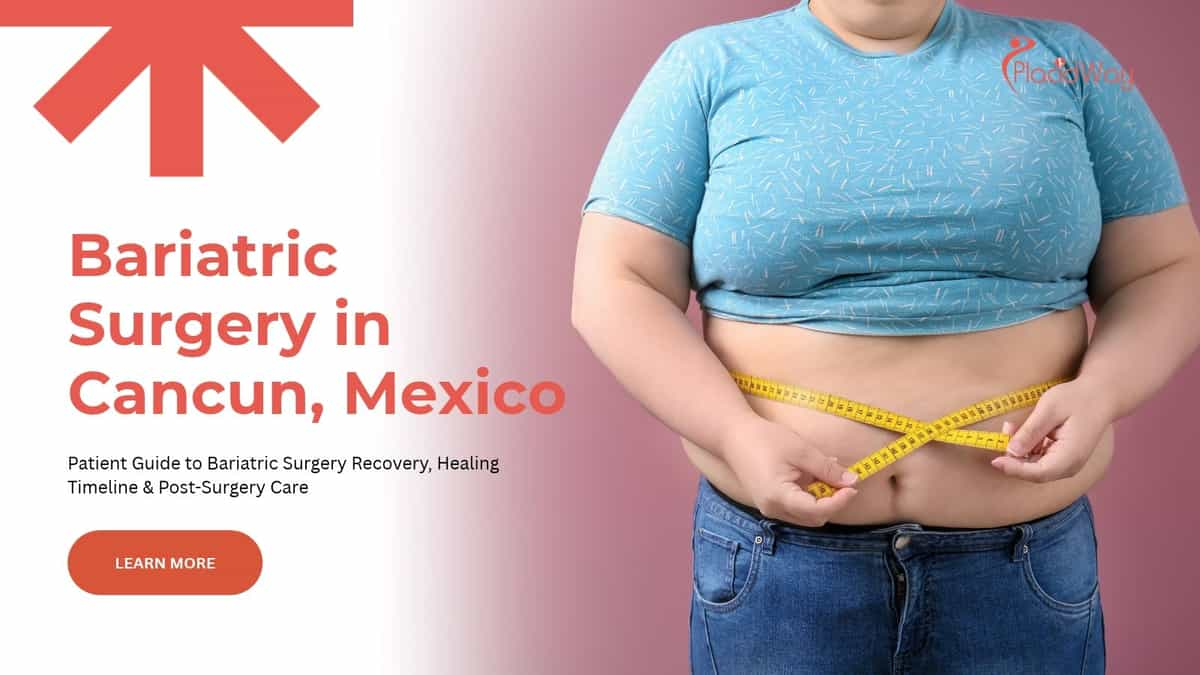
Navigating healthcare abroad requires careful research to ensure your weight loss journey is both medically safe and highly effective. When comparing treatment costs across different countries you must prioritize clinics that hold official Consejo de Salubridad General certification and surgeons registered with the national medical board. Understanding these critical credentialing factors and knowing exactly what to look for will help you make a secure and confident decision about your care.
- Estimated Cost: Typically ranges between $4,000 and $7,000 USD depending on the specific procedure and clinic package.
- Safety Overview: Generally safe when performed by board-certified surgeons in government-licensed facilities equipped with on-site intensive care units.
- Ideal Candidate: Adults with a BMI over 40 or a BMI over 35 experiencing obesity-related health conditions who have not succeeded with traditional weight loss methods.
- Recovery Time: Most patients stay in the country for 5 to 7 days before flying home with full recovery taking approximately 4 to 6 weeks.
- Main Reason Patients Choose Cancun Mexico: The combination of high-quality medical care regulated by national authorities and significantly lower treatment costs compared to North America.
- Important Caution: Always verify your surgeon is certified by the Colegio Mexicano de Cirugía para la Obesidad y Enfermedades Metabólicas before committing to any procedure.
Why Patients Choose Cancun Mexico For Weight Loss Procedures
International patients frequently seek medical care abroad to access specialty treatments that are either subject to long wait times or prohibitively expensive in their home countries. The healthcare infrastructure in this coastal city has developed significantly to accommodate the specific clinical and travel needs of cross-border patients. Clinics here often provide comprehensive care packages that integrate medical testing hospital stays and specialized postoperative support.
The primary motivations for traveling revolve around a combination of clinical excellence and transparent pricing structures. Many facilities cater specifically to North American standards employing multilingual medical staff and following rigorous national health protocols. You will typically find that hospitals prioritize patient safety by maintaining modern surgical technology and robust emergency response capabilities.
- Cost savings often exceed fifty percent compared to out-of-pocket expenses in the United States or Canada.
- Shorter wait times allow patients to undergo necessary procedures without prolonged delays.
- Access to highly experienced surgeons who perform a large annual volume of specialized metabolic procedures.
- Comprehensive packages frequently include local transportation hospital stays and dedicated recovery accommodations.
- Strict oversight by local health ministries ensures clinics adhere to recognized medical and safety standards.
- The geographical proximity to major North American travel hubs reduces flight times and travel fatigue.
Recent data indicates a consistent rise in the number of individuals traveling specifically for metabolic treatments. This trend is driven by increased transparency in clinic reporting and stronger regulatory frameworks governing international patient care. As national health authorities continue to enforce stringent licensing requirements patient confidence in cross-border medical travel remains strong.
Understanding Weight Loss Surgery Options Available In Cancun
Medical facilities in the region offer several types of metabolic procedures designed to restrict food intake and alter digestive absorption. Your doctor will carefully evaluate your anatomical structure medical history and long-term metabolic goals before recommending a specific surgical approach. The most common procedures involve laparoscopic techniques which utilize small incisions to minimize tissue trauma and accelerate the healing process.
Each surgical method operates on different biological mechanisms to induce weight loss and improve metabolic health. Some procedures permanently alter the size of the stomach while others reroute the digestive tract to change how your body absorbs calories and nutrients. Understanding the clinical differences between these interventions is crucial for setting realistic expectations regarding your postoperative lifestyle and dietary requirements.
| Procedure Type | Clinical Mechanism | Typical Hospital Stay | Expected Weight Loss Impact |
|---|---|---|---|
| Gastric Sleeve | Removes a large portion of the stomach to restrict volume and reduce hunger hormones. | One to two nights | Gradual steady reduction over twelve to eighteen months. |
| Gastric Bypass | Creates a small stomach pouch and reroutes the intestines to limit absorption. | Two to three nights | Often faster initial reduction with strong impact on metabolic markers. |
| Mini Bypass | Similar to traditional bypass but involves a simpler intestinal rerouting process. | One to two nights | Comparable to traditional bypass with potentially fewer surgical steps. |
| Revision Surgery | Corrects or alters a previous procedure that did not achieve desired clinical outcomes. | Varies by complexity | Depends heavily on the patient's individual biological response. |
How To Choose A Safe Bariatric Clinic In Cancun Mexico
Selecting a secure and professionally managed clinical environment is the most important step in your healthcare planning process. You must look beyond promotional materials and verify that the hospital holds official recognition from the national regulatory authorities governing healthcare facilities. A legitimate facility will prominently display its operating licenses and willingly provide documentation regarding its emergency transfer protocols and on-site intensive care capabilities.
In this region the Consejo de Salubridad General serves as the premier national accrediting body for hospitals and surgical centers. Facilities holding this accreditation adhere to strict guidelines regarding infection control surgical safety and medical documentation. You should also ask about the clinic's specific infection rates complication management strategies and the availability of specialized multidisciplinary support teams.
- Confirm current licensing with COFEPRIS the national health regulatory agency.
- Verify the facility holds Consejo de Salubridad General accreditation.
- Ensure the clinic operates a dedicated intensive care unit for emergency interventions.
- Ask for detailed written protocols regarding postoperative complication management.
- Request information about the medical staff's fluency in your primary language.
Evaluating Bariatric Surgeons In Cancun Mexico
The expertise of your operating physician directly influences both the safety of the procedure and the long-term success of your metabolic changes. You should evaluate a surgeon based on their verifiable medical credentials specific board certifications and their overall volume of experience with your chosen procedure. Experienced specialists focus heavily on comprehensive preoperative screening to ensure you are biologically and psychologically prepared for the physiological changes ahead.
The leading specialists in this field maintain active registration with the Colegio Mexicano de Cirugía para la Obesidad y Enfermedades Metabólicas. This professional body requires surgeons to undergo rigorous peer review and continuous medical education to maintain their standing. A trustworthy doctor will openly discuss potential surgical risks their personal complication rates and the exact surgical techniques they utilize during the operation.
Comparing Bariatric Surgery Costs Between Cancun Mexico And North America
Cost transparency is a significant factor driving international patient movement across borders. When evaluating treatment prices it is vital to distinguish between a base surgical fee and an all-inclusive medical package that covers necessary ancillary services. The financial difference generally stems from lower administrative overhead reduced malpractice insurance premiums and the localized cost of medical labor rather than a reduction in surgical quality.
A comprehensive medical quote should itemize expenses including anesthesia facility fees preoperative laboratory tests and postoperative nutritional consultations. You must carefully review these financial documents to identify any excluded services such as specialized cardiovascular clearance tests or extended hotel stays. Understanding exactly what your payment covers prevents unexpected financial burdens during your recovery period.
| Expense Category | Estimated Cost In Cancun | Estimated Cost In US Or Canada |
|---|---|---|
| Gastric Sleeve Procedure | $4,000 to $5,500 | $15,000 to $25,000 |
| Gastric Bypass Procedure | $5,500 to $7,000 | $20,000 to $35,000 |
| Preoperative Diagnostics | Often included in package | $500 to $2,000 |
| Postoperative Medications | $100 to $300 | $300 to $800 |
Hidden Costs To Watch For When Traveling To Cancun For Treatment
While the initial medical quote may appear highly attractive patients must budget for auxiliary expenses related to international travel and surgical recovery. Flight fluctuations local transportation specialized medical insurance and required travel documents can incrementally increase your total financial commitment. You should also account for the cost of a travel companion since most clinics strongly advise against recovering in a foreign city alone.
Additionally long-term aftercare requires ongoing financial investment once you return to your home country. This includes purchasing specialized nutritional supplements scheduling follow-up blood work and potentially consulting with local dietitians or metabolic specialists. Failing to budget for these essential postoperative requirements can compromise your health and hinder your overall clinical progress.
Medical Tourism Demographics For Cancun Mexico Weight Loss Procedures
Understanding the demographic profile of patients traveling for these procedures provides valuable insight into international healthcare trends. Recent clinical registries indicate that a significant majority of inbound patients originate from the United States and Canada seeking interventions they cannot easily access domestically. The patient population typically skews toward individuals who have struggled with chronic metabolic conditions for many years without successful intervention.
Data from 2024 to 2025 highlights specific age brackets that most frequently utilize cross-border healthcare services for weight management. These demographics reflect a mature patient base making calculated healthcare decisions often driven by a desire to resolve obesity-related comorbidities such as hypertension or sleep apnea. Analyzing these patterns helps clinics tailor their support services to meet the psychological and physical needs of an older international demographic.
Assessing Your Eligibility For Bariatric Surgery Abroad
Not every individual is a suitable candidate for surgical weight loss intervention. The medical evaluation process is rigorous and relies on established international clinical guidelines to ensure patient safety and optimize long-term outcomes. Your prospective surgeon will review your comprehensive medical history current body mass index and history of previous weight loss attempts to determine if your body can safely tolerate surgical modification.
Patients with uncontrolled psychological conditions severe cardiovascular disease or certain gastrointestinal disorders may face surgical contraindications. You will likely be required to undergo a battery of preoperative tests including blood panels electrocardiograms and psychological evaluations. Honest communication about your complete medical history and any daily medications is imperative to prevent severe intraoperative complications.
| Clinical Requirement | Evaluation Standard | Action Required By Patient |
|---|---|---|
| Body Mass Index | Typically BMI over 40 or over 35 with severe related comorbidities. | Provide accurate height and weight records to the medical team. |
| Medical History | Documentation of prior non-surgical weight loss attempts. | Submit clinical records from your primary care physician. |
| Cardiovascular Health | Stable heart function capable of tolerating general anesthesia. | Undergo an EKG and obtain surgical clearance if required. |
| Psychological Readiness | Understanding of permanent lifestyle and dietary changes. | Complete a virtual or in-person psychological assessment. |
Preparing For Your Bariatric Surgery Trip To Cancun Mexico
Thorough preparation ensures your transition from your home country to the surgical facility is smooth and stress-free. You will need to coordinate your travel logistics securely while simultaneously adhering to your surgeon's strict preoperative dietary guidelines. Most medical teams mandate a specific preoperative liver reduction diet designed to shrink the liver and safely expose the stomach area during the laparoscopic operation.
You must also finalize your travel documentation including a valid passport and any necessary entry visas well in advance of your departure date. Communicating with your primary care physician at home is essential so they are fully aware of your surgical plans and prepared to assist with your long-term postoperative blood work. Organizing your recovery space at home before you leave will make your return much more comfortable.
- Four Weeks Prior: Finalize flight bookings confirm clinic dates and initiate discussions with your local primary care doctor.
- Two Weeks Prior: Begin the mandatory preoperative liver reduction diet as explicitly instructed by your surgical team.
- One Week Prior: Pack comfortable loose-fitting clothing necessary travel documents and any prescribed daily medications.
- Three Days Prior: Stop taking any blood-thinning medications or specific supplements strictly as advised by your surgeon.
Step By Step Bariatric Surgery Timeline In Cancun Mexico
Understanding the daily schedule of your medical trip helps alleviate travel anxiety and sets clear expectations for your clinical experience. Upon arrival you are typically greeted by a clinic coordinator who manages your local transportation and assists with initial hospital admissions. The first day is usually dedicated entirely to finalizing medical evaluations drawing blood samples and completing in-person surgical consultations.
The operative day follows strict hospital protocols starting with anesthesia administration and concluding in a specialized recovery ward where nurses closely monitor your vital signs. Your immediate postoperative days involve gradual mobilization pain management and supervised transition to liquid nutrition. The clinical team will continuously assess your hydration levels and surgical incisions before clearing you for hospital discharge.
Transfer to the clinic for comprehensive blood work EKG testing and an extensive physical examination with your surgeon.
Admission to the hospital administration of general anesthesia and completion of the laparoscopic surgery followed by ICU observation.
Focus on early walking guided hydration pain management and thorough discharge education before flying home.
What To Expect During Bariatric Surgery Recovery In Cancun
The initial healing phase requires intense medical supervision and a strict adherence to clinical guidelines regarding movement and nutrition. Your body is adjusting to significant anatomical modifications which often causes temporary fatigue localized abdominal soreness and mild nausea. Medical staff will encourage you to walk frequently within the hospital corridors as this activity drastically reduces the risk of dangerous blood clots and helps dissipate surgical gas pain.
You will remain in the city for several days following hospital discharge resting in an approved recovery house or partnered hotel. During this time nurses or medical coordinators typically perform daily check-ins to monitor your incision sites and ensure you are staying adequately hydrated. You must follow the exact liquid consumption protocols provided by your team to protect your healing stomach pouch.
| Timeframe | Clinical Process | Patient Sensation | Activity Level | Action Required |
|---|---|---|---|---|
| Days 1 to 3 | Acute tissue healing and anesthesia clearance. | Significant fatigue and mild to moderate surgical pain. | Very low activity mostly resting with assisted short walks. | Focus entirely on sipping water and resting as instructed. |
| Days 4 to 7 | Initial reduction of internal inflammation. | Decreasing pain with noticeable improvement in energy. | Light independent walking around the recovery facility. | Attend final clinic check-up and prepare for the flight home. |
| Weeks 2 to 4 | Progressive internal healing of the digestive tract. | Occasional physical weakness as calorie intake remains very low. | Moderate daily walking but avoiding any heavy lifting. | Strict adherence to the transitional dietary phases. |
| Months 1 to 3 | Metabolic stabilization and rapid initial weight loss. | Increasing energy levels and adaptation to new eating habits. | Return to standard daily activities and light exercise. | Begin taking daily specialized bariatric vitamins. |
Long Term Dietary Changes After Bariatric Surgery
The operation is merely a mechanical tool the true success of your metabolic transformation relies on permanent behavioral and dietary adjustments. Following the procedure your stomach capacity is drastically reduced meaning you must prioritize nutrient-dense foods to prevent severe malnutrition. The progression from a clear liquid diet back to solid foods takes several weeks and requires intense discipline to allow your surgical staple lines to heal completely.
You will need to learn completely new eating mechanics such as chewing food extensively eating very slowly and never drinking liquids simultaneously with your meals. Your body will also require lifelong supplementation of specific vitamins including B12 iron and calcium because your altered digestive tract can no longer absorb these nutrients efficiently. Working closely with a registered bariatric dietitian is highly recommended to manage these complex long-term changes.
| Dietary Stage | Timeline Phase | Allowed Nutrition Types | Primary Clinical Goal |
|---|---|---|---|
| Clear Liquids | Days 1 to 7 | Water clear broths sugar-free gelatin and diluted juices. | Maintain basic hydration without stretching the stomach. |
| Full Liquids | Weeks 2 to 3 | Protein shakes very thin soups and smooth low-fat yogurt. | Introduce necessary protein while keeping digestion effortless. |
| Pureed Foods | Weeks 4 to 5 | Blended lean meats mashed soft vegetables and scrambled eggs. | Slowly test the digestive system's tolerance to thicker textures. |
| Solid Foods | Week 6 and beyond | Lean proteins soft cooked vegetables and careful chewing. | Establish a permanent balanced and healthy eating routine. |
Managing Medical Risks And Complications Abroad
Like any major surgical intervention these procedures carry inherent medical risks that must be carefully considered before traveling. Potential complications include staple line leaks severe bleeding internal infections and deep vein thrombosis. While reputable clinics maintain excellent safety records your geographical distance from the operating surgeon complicates the management of late-onset postoperative issues that may arise once you return home.
To mitigate these risks you must select a facility that implements robust preoperative screening and possesses the necessary infrastructure to handle acute surgical emergencies. It is also crucial to establish a connection with a local physician in your home country who is willing to take over your postoperative care and monitor your blood panels. Securing specialized medical tourism complication insurance provides an additional layer of financial protection should you require emergency interventions.
| Potential Risk Factor | Clinical Warning Signs | Prevention Strategy |
|---|---|---|
| Staple Line Leak | Sudden severe abdominal pain rapid heart rate and high fever. | Strictly adhere to the liquid diet to avoid stomach pressure. |
| Deep Vein Thrombosis | Intense leg pain localized swelling and redness in the calf. | Walk frequently post-surgery and wear prescribed compression socks. |
| Severe Dehydration | Dark urine extreme dizziness and profound ongoing fatigue. | Sip fluids constantly throughout the day in very small amounts. |
| Nutritional Deficiencies | Hair loss persistent weakness and neurological symptoms. | Take all prescribed specialized bariatric vitamins daily without fail. |
Safety Guidelines For Medical Tourists In Cancun
Navigating a foreign medical environment requires acute situational awareness and careful logistical planning. Patient safety extends beyond the operating room to include safe transportation secure accommodations and secure handling of medical documents. Reputable clinical packages often include dedicated transportation from the airport directly to the hospital minimizing your need to navigate local public transit systems while recovering.
You should prioritize facilities that provide a dedicated patient coordinator who can assist with language translation and daily logistical needs. Keep physical copies of your surgical reports translated into English readily available in your luggage. Ensure you have direct emergency contact numbers for your surgical team and the local embassy before you undergo anesthesia.
- Utilize only the official transportation services arranged by your medical clinic.
- Ensure your recovery hotel has easy physical access without requiring extensive stair climbing.
- Keep your emergency contact information and detailed medical history on your person at all times.
- Do not consume any local tap water stick strictly to bottled water provided by your care team.
Traveling Back Home Safely After Weight Loss Surgery
The journey back to your home country presents unique physical challenges due to recent surgical trauma and altered digestive mechanics. Sitting in a pressurized airplane cabin for extended periods increases the risk of blood clots so strict adherence to your surgeon's flight clearance protocol is non-negotiable. You must ensure you are physically stable fully hydrated and capable of walking comfortably before attempting to board an aircraft.
During the flight you must make a conscious effort to stay hydrated by taking continuous small sips of bottled water. Wear any prescribed compression garments and take regular walks up and down the airplane aisle to maintain proper blood circulation. If you require physical assistance navigating the airport terminals coordinate wheelchair services with your airline well in advance of your travel date.
| Flight Phase | Action Required For Safety |
|---|---|
| Airport Navigation | Utilize a wheelchair if necessary and avoid carrying any heavy luggage. |
| During The Flight | Walk the aisle every hour to promote circulation and prevent blood clots. |
| Hydration Strategy | Bring an empty bottle through security and fill it with safe water before boarding. |
| Upon Arrival Home | Rest immediately schedule your local follow-up and monitor incision sites. |
Exploring Cancun Before Your Procedure
While the primary purpose of your trip is medical intervention many patients utilize the days leading up to surgery to relax in a calming environment. Minimizing psychological stress prior to an operation can positively impact your surgical experience and early recovery phases. However you must strictly balance this relaxation with your mandatory preoperative dietary guidelines and required medical consultations.
You should completely avoid intense physical activities prolonged sun exposure or swimming in public pools immediately prior to your surgical date to minimize infection risks. The focus should remain entirely on gentle walking mental preparation and ensuring you are fully rested before entering the hospital environment.
Frequently Asked Questions About Bariatric Surgery In Cancun
Is bariatric surgery in Cancun safe for international patients?
The procedure can be highly safe when performed in certified hospitals by experienced board-certified surgeons. You must carefully verify that the clinic holds national accreditation from the Consejo de Salubridad General and that the facility is equipped with dedicated intensive care units to handle any potential medical emergencies.
How long do I need to stay in Mexico for the procedure?
Most clinical teams require you to remain in the region for approximately five to seven days. This timeframe generally includes one preoperative evaluation day a two-night hospital stay following the operation and a few days of observation in a designated recovery hotel before obtaining final flight clearance.
Will my local doctor provide aftercare when I return home?
You must establish a relationship with a local primary care physician or specialist before you travel. Many local doctors are willing to order required postoperative blood panels and monitor your nutritional progress provided you present clear medical documentation and surgical reports from your operating clinic abroad.
What happens if I experience complications after flying home?
If you experience a medical emergency upon returning you must immediately seek care at your nearest local emergency department. It is highly recommended to purchase specialized medical tourism complications insurance prior to your trip to help cover unexpected domestic treatment costs related to surgical complications.
Are the surgical techniques different from those used in North America?
Leading surgeons in this region utilize the same modern laparoscopic techniques and standardized medical equipment found in the United States and Canada. Many top providers undergo international medical training and strictly adhere to the global clinical guidelines established by recognized bariatric surgical societies.
How much weight can I expect to lose after the operation?
Weight loss outcomes vary widely depending on the specific procedure performed your starting biological metrics and your strict adherence to postoperative dietary modifications. Many patients lose between sixty and eighty percent of their excess body weight within the first twelve to eighteen months following surgery.
Why are treatment costs significantly lower in this destination?
The reduced pricing structure primarily reflects lower national administrative costs reduced real estate overhead and lower regional medical liability insurance premiums. The cost difference generally does not indicate lower quality medical technology or less rigorous clinical hygiene standards when utilizing accredited facilities.
Can I travel alone for this medical procedure?
While possible it is strongly discouraged by medical professionals. Navigating a foreign hospital managing heavy luggage and handling postoperative fatigue is difficult alone. Having a reliable travel companion ensures you have necessary emotional support and logistical assistance during the most vulnerable early stages of recovery.
Will I have noticeable scars after the operation?
Because the procedures are typically performed laparoscopically the incisions are very small usually less than an inch in length. Over time these small marks generally fade significantly although individual scar healing depends heavily on your personal skin biology and proper postoperative wound care.
Do clinic staff and surgeons speak fluent English?
Facilities that actively cater to the international medical tourism market employ bilingual medical staff and dedicated patient coordinators. During your vetting process you should communicate directly with the clinic to ensure you feel entirely comfortable with their communication skills and ability to explain complex medical terms.
Ready To Start Your Healthcare Journey?
PlacidWay can help you evaluate certified providers understand your treatment options and request detailed quotes from top-rated clinics.
Request Information NowDisclaimer: This information is for educational purposes only and does not replace professional medical advice. Always consult a qualified healthcare provider before making medical decisions.
References
- Bariatric Surgery Procedures – American Society for Metabolic and Bariatric Surgery
- Medical Tourism Safety Guidelines – Centers for Disease Control and Prevention
- Hospital Certification Standards – Consejo de Salubridad General (Mexico)
- Surgeon Certification Requirements – Colegio Mexicano de Cirugía para la Obesidad y Enfermedades Metabólicas
- Mexico Healthcare Profile – Medical Tourism Index (2024-2025 Data)
- Potential Candidates for Weight-loss Surgery – National Institute of Diabetes and Digestive and Kidney Diseases

























Share this listing