
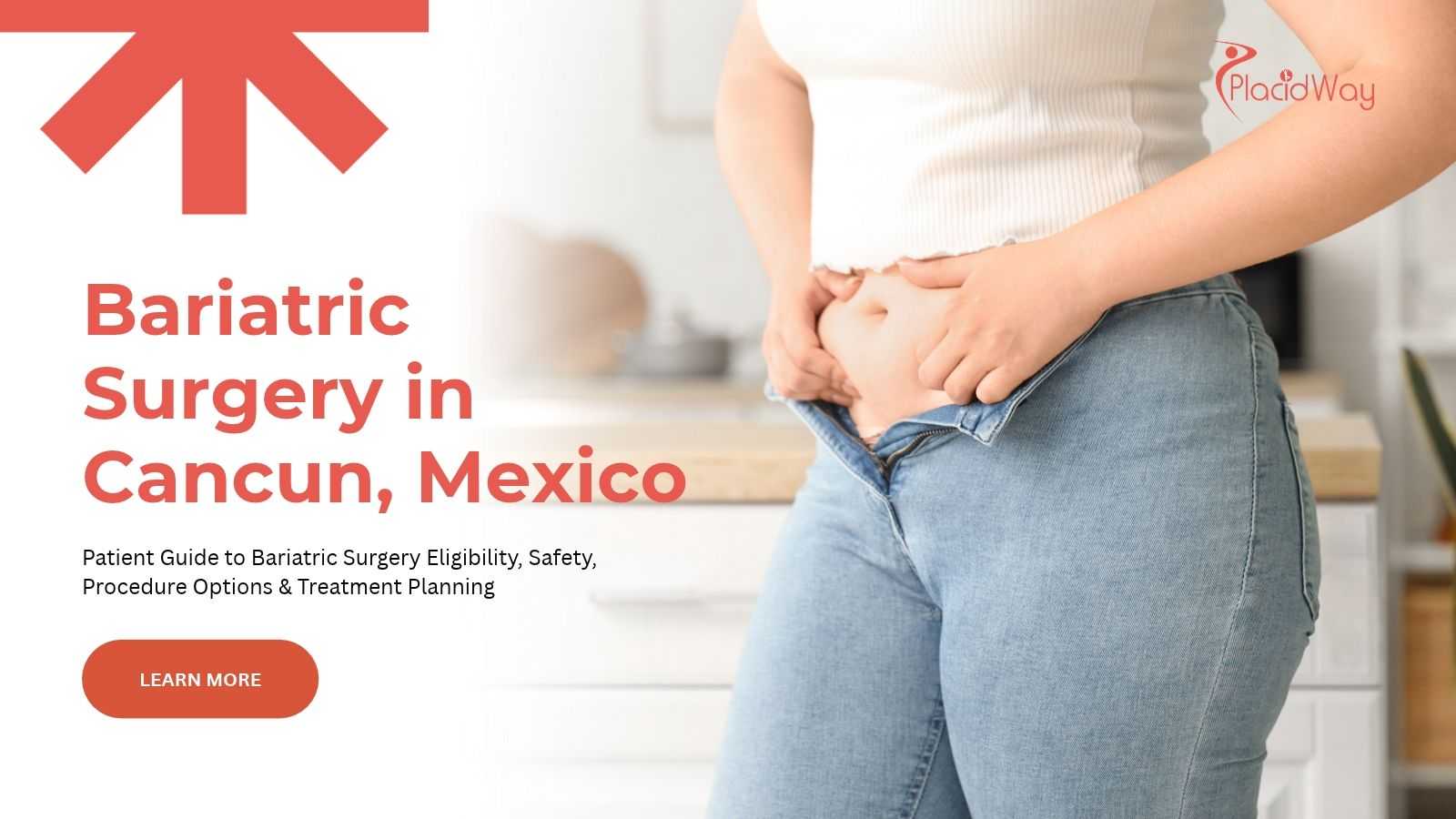
Struggling with weight loss and facing high out-of-pocket medical expenses at home often leaves you searching for accessible, safe alternatives. Many international patients look toward Cancun, Mexico, as a premier medical destination because it offers a unique combination of highly experienced bariatric surgeons, globally recognized hospital certifications, and significant cost savings. By understanding specific local credentials, such as Cofepris licensing and CMCOEM board certification, alongside transparent pricing structures, you can confidently plan a life-changing procedure in a supportive and medically advanced environment.
- Estimated treatment cost ranges from $4,000 to $6,500 USD depending on the specific procedure and package inclusions.
- Cancun offers highly regulated medical care, with top facilities holding certifications from Cofepris and the Consejo de Salubridad General.
- Ideal candidates have a Body Mass Index over 30 and have struggled to achieve sustained weight loss through diet and exercise alone.
- Initial recovery in Cancun typically requires a 4 to 6-day stay, while a complete return to normal daily activities takes about two to four weeks.
- Patients primarily choose Cancun for the significant cost savings, direct flights from the US and Canada, and the availability of highly specialized bariatric surgeons.
- Caution is advised regarding hidden fees; always ensure your surgeon is board-certified by the Mexican College of Surgery for Obesity and Metabolic Diseases.
Why Patients Travel for Bariatric Surgery in Cancun Mexico
Making the decision to undergo weight loss surgery is a major life event that requires careful consideration of medical quality, timing, and financial impact. Patients from the United States and Canada frequently explore cross-border healthcare because domestic procedures can carry prohibitive costs or involve extended waiting periods. Cancun has emerged as a preferred destination because it directly addresses these barriers while providing a specialized healthcare infrastructure dedicated to international patients.
When you choose this coastal city for your treatment, you gain access to comprehensive bariatric centers that focus entirely on metabolic health and patient recovery. The local medical system has adapted to international expectations, ensuring that facilities feature English-speaking staff, modernized surgical equipment, and structured medical tourism packages.
Primary motivations for traveling to Cancun for weight loss surgery include:
- Average cost savings of 60% compared to typical North American private healthcare pricing.
- Immediate access to surgical dates without enduring months-long insurance approval waits.
- High concentration of surgeons who perform hundreds of specialized bariatric procedures annually.
- All-inclusive packages that seamlessly cover hospital fees, hotel recovery, and ground transportation.
- Geographic proximity offering short, direct flights from major US and Canadian airports.
Recent 2024 medical tourism tracking data indicates a steady upward trend in North American patients seeking metabolic treatments in regulated Mexican states. The steady increase reflects growing confidence in Mexican medical standards, specifically in established hubs that cater to international health travelers.
Understanding Weight Loss Surgery Options in Cancun
Every patient requires a unique surgical approach depending on their starting weight, medical history, and long-term metabolic goals. In Cancun, bariatric specialists offer the full spectrum of modern weight loss procedures. The two most common techniques are the Gastric Sleeve, which reduces stomach size, and the Gastric Bypass, which alters both the stomach and the digestive tract to reduce calorie absorption.
During your initial consultations, your surgeon will carefully evaluate your Body Mass Index and screen for comorbidities like type 2 diabetes or hypertension. Based on this clinical assessment, they will recommend the safest and most effective procedure to help you achieve sustainable results without compromising your nutritional health.
| Procedure Type | Clinical Mechanism | Ideal Candidate Profile | Estimated Excess Weight Loss |
|---|---|---|---|
| Gastric Sleeve (Sleeve Gastrectomy) | Removes approximately 80% of the stomach, restricting food intake and reducing hunger hormones. | Patients looking for a less complex surgery with steady weight loss and fewer nutritional deficiencies. | 55% to 70% over 18-24 months |
| Gastric Bypass (Roux-en-Y) | Creates a small stomach pouch and reroutes the intestines to limit both capacity and calorie absorption. | Patients with severe obesity, uncontrolled acid reflux, or significant metabolic diseases like type 2 diabetes. | 60% to 80% over 12-18 months |
| Mini Gastric Bypass | A simplified bypass that creates a tube-like stomach and a single intestinal connection. | Patients seeking strong metabolic results with potentially shorter operating times than standard bypass. | 60% to 75% over 12-18 months |
| Bariatric Revision Surgery | Corrects or alters a previous weight loss surgery that failed to produce results or caused complications. | Patients experiencing weight regain, severe acid reflux, or structural issues from a past procedure. | Varies highly based on individual case |
Evaluating Treatment Costs for Bariatric Surgery in Cancun
Financial transparency is one of the most critical factors for international patients evaluating healthcare options abroad. While prices in Mexico are substantially lower, understanding exactly what those fees cover protects you from unexpected expenses upon arrival. The estimated base price for a gastric sleeve in this region typically begins around $4,000 USD, whereas more complex procedures like a gastric bypass or revision surgery may exceed $6,000 USD.
It is important to remember that medical tourism quotes are often structured as all-inclusive packages. A reputable bariatric center will provide an itemized breakdown that separates the surgical fees from the logistical costs. Knowing the difference between a standalone clinical fee and a comprehensive medical travel package ensures you can accurately budget for your entire journey.
| Standard Package Inclusions | Potential Hidden Costs to Verify |
|---|---|
| Surgeon, anesthesiologist, and nursing staff fees | Preoperative specialized cardiovascular clearance if required |
| Operating room time and hospital stay (typically 2 nights) | Medical complication insurance (often highly recommended) |
| Standard pre-operative blood panels and ECG | Additional nights in the hospital due to delayed recovery |
| Ground transportation (airport, hotel, hospital) | Post-operative nutritional supplements and vitamins |
| Hotel accommodation for initial recovery (typically 2-3 nights) | Companion fees for meals and extra hotel nights |
Comparing Bariatric Surgery Costs Between Countries
When planning your healthcare journey, comparing regional pricing provides valuable context for the financial benefits of cross-border treatment. In the United States and Canada, patients without comprehensive bariatric insurance coverage often face out-of-pocket costs exceeding $15,000 to $25,000 USD for hospital and surgical fees alone. These domestic prices rarely include extended nursing care, dietary consultations, or facility amenities.
By contrast, the pricing model in Mexican healthcare hubs integrates multidisciplinary care into a single, predictable price point. The reduced cost does not indicate a reduction in medical quality; rather, it reflects lower operational overhead, localized pharmaceutical costs, and different national economic structures that favor the patient.
| Country | Average Gastric Sleeve Cost (USD) | Average Gastric Bypass Cost (USD) |
|---|---|---|
| United States | $15,000 - $25,000 | $20,000 - $30,000 |
| Canada (Private Cash Pay) | $14,000 - $19,000 | $18,000 - $24,000 |
| United Kingdom | $10,000 - $14,000 | $12,000 - $18,000 |
| Cancun Mexico | $4,000 - $5,500 | $5,500 - $7,000 |
How to Select a Safe Bariatric Hospital in Cancun
Your physical safety and surgical outcome depend heavily on the clinical environment where your procedure takes place. While Cancun features many luxurious recovery resorts, your primary focus must be on the surgical facility's medical infrastructure. A dedicated bariatric hospital or specialized clinic should be equipped with modern surgical suites, an on-site intensive care unit, and specialized medical equipment designed to safely support larger patients.
Navigating foreign medical credentials can feel challenging, but focusing on recognized national regulatory bodies simplifies the process. Always look for facilities strictly regulated by the Mexican government. Licensing proves that the hospital undergoes regular health and safety inspections and operates legally under federal medical guidelines.
Ensure your chosen facility holds these essential operational credentials:
- Cofepris License: The Federal Commission for the Protection against Sanitary Risk (Cofepris) is Mexico's national health regulator. A valid license is mandatory for any surgical facility.
- CSG Certification: The Consejo de Salubridad General operates the national hospital accreditation program in Mexico. It is equivalent to advanced national safety standards.
- On-Site Emergency Infrastructure: Confirm the hospital has an active Intensive Care Unit (ICU) and a dedicated blood bank for immediate complication management.
Verifying Your Bariatric Surgeon Qualifications in Mexico
Choosing an internationally located surgeon requires a methodical verification process to ensure they possess the necessary specialized training. A general surgeon is not a bariatric specialist. Weight loss surgery involves highly intricate gastrointestinal modifications that demand targeted fellowship training and dedicated daily practice in metabolic care.
You can safeguard your health by requesting your surgeon's professional registration numbers and verifying their standing with recognized medical boards. High-volume bariatric surgeons in Mexico typically hold credentials that mirror the stringent requirements found in North American medical systems, ensuring they remain updated on the latest minimally invasive laparoscopic techniques.
Essential Board Certification
Look for active membership in the CMCOEM (Colegio Mexicano de Cirugía para la Obesidad y Enfermedades Metabólicas). This national college ensures the surgeon meets strict ongoing educational and case-volume requirements specifically for bariatric procedures.
Cedula Profesional
Every licensed doctor in Mexico possesses a Cedula Profesional (federal medical license number). A highly qualified specialist will have two numbers: one for their general medical degree and a second specifically for their surgical specialization.
Essential Steps for Planning Your Medical Journey to Cancun
Organizing a surgical trip abroad involves coordinating medical clearances, travel logistics, and dedicated recovery periods simultaneously. Proper planning reduces travel-related stress, which can positively impact your preoperative blood pressure and overall readiness for surgery. Begin coordinating your trip at least six to eight weeks in advance to allow ample time for pre-op testing and dietary adjustments.
Communication with your clinic's patient coordinator is vital during this phase. They will guide you through passport requirements, flight booking parameters, and hospital admission paperwork. Ensure you follow their flight arrival instructions closely, as most clinics prefer you arrive a full day before surgery to complete in-person lab work and physical evaluations.
| Timeline | Actionable Patient Steps |
|---|---|
| 6 to 8 Weeks Prior | Select your clinic, verify surgeon credentials, and place your deposit to secure the surgery date. |
| 4 to 6 Weeks Prior | Complete required blood work in your home country and send results to the surgical team for medical clearance. |
| 2 to 4 Weeks Prior | Begin the mandatory preoperative liquid or low-carb diet as directed by the clinic's nutritionist. |
| 1 Week Prior | Finalize packing, confirm airport transfer details with your coordinator, and review postoperative recovery instructions. |
Patient Demographics and Recent Medical Travel Trends
Understanding who typically travels for metabolic treatments can provide reassurance that you are joining a well-established pathway. Data from 2024 healthcare travel analyses demonstrates that cross-border bariatric surgery serves a diverse demographic, heavily populated by individuals aged 35 to 55 who are taking proactive steps to resolve obesity-related health challenges. Women currently make up the substantial majority of this patient population.
The primary clinical motivation for these patients is not solely cosmetic weight loss, but rather the resolution of serious metabolic conditions. By studying the demographic patterns of 2024, it is clear that medical travelers are highly motivated individuals seeking lasting health improvements that are simply inaccessible or unaffordable in their local healthcare systems.
Preparing for Your Bariatric Surgery Consultation in Mexico
Your surgical consultation, which typically takes place partially online prior to travel and fully in-person upon arrival, is your opportunity to establish medical trust. A responsible bariatric surgeon will review your medical records, listen to your weight loss history, and explain the anatomical changes required for your chosen procedure. They will also discuss the permanent lifestyle commitments necessary to maintain surgical results.
Do not hesitate to ask direct questions about the surgeon’s clinical outcomes, specific complication rates, and the hospital's emergency protocols. An experienced specialist operating in a regulated environment will provide straightforward, medically accurate answers without pressuring you into immediate decisions.
Key questions to ask your surgeon:
- How many times have you performed this specific bariatric procedure in the last year?
- What is your protocol if a surgical leak or severe complication occurs while I am in Cancun?
- Will you provide a detailed, written breakdown of all medical fees before I travel?
- What specific pre-existing conditions would make me an unsuitable candidate for this surgery?
Navigating the Preoperative Diet and Testing Phase
The preoperative phase is critical for surgical safety. Several weeks before your scheduled date, your medical team will prescribe a strict dietary regimen. This diet is designed specifically to shrink your liver, which sits directly over the stomach. A smaller liver provides the surgeon with clear visibility and safer access to your digestive tract during the laparoscopic procedure.
Upon arriving at the clinic, you will undergo standard preoperative testing, regardless of tests completed at home. This redundancy is a safety standard in high-quality hospitals. Blood panels, electrocardiograms, and vital sign assessments ensure your body is fully prepared to handle general anesthesia and surgical stress.
| Preoperative Diet Phase | Purpose and Biological Impact | Typical Restrictions |
|---|---|---|
| 2 to 4 Weeks Prior | Initiates liver shrinkage and depletes stored glycogen to create a safer surgical field. | High protein, low carbohydrate, low fat. Elimination of sugary drinks and refined carbs. |
| 3 to 7 Days Prior | Accelerates liver fat reduction and prepares the digestive system for the upcoming procedure. | Strict full liquid diet. Protein shakes, broth, sugar-free gelatin, and ample water. |
| 24 Hours Prior | Clears the stomach completely to prevent aspiration risks during general anesthesia. | Clear liquids only. Complete fasting (nothing by mouth) after midnight before surgery. |
Understanding Your Bariatric Procedure and Anesthesia Care
Bariatric surgery is performed under general anesthesia, ensuring you are completely unconscious and pain-free throughout the operation. In modern Mexican hospitals, dedicated bariatric anesthesiologists closely monitor your vital signs, oxygen levels, and cardiovascular responses. Because severe obesity can complicate airway management, having specialized anesthesia care is just as crucial as the surgeon’s skill.
Most weight loss surgeries in this region utilize advanced laparoscopic techniques. Instead of a single large incision, the surgeon creates several tiny keyhole punctures in your abdomen. Using high-definition cameras and specialized instruments, they meticulously alter your stomach anatomy. This minimally invasive approach drastically reduces tissue trauma, lowers the risk of infection, and accelerates your physical recovery.
The Surgical Timeline:
- Preparation (1 Hour): IV placement, final vitals check, and administration of general anesthesia.
- Surgery (1 to 2.5 Hours): Laparoscopic resizing of the stomach or rerouting of the intestines, depending on your specific procedure.
- Recovery Room (2 Hours): Close monitoring as you wake up from anesthesia; initial pain management and nausea control protocols are applied.
Postoperative Care and Recovery Timeline in Cancun
The immediate days following your surgery require careful medical supervision as your body adjusts to its new digestive anatomy. You will typically spend two to three nights in the hospital, where nurses will monitor you for signs of bleeding, infection, or staple line leaks. Pain management and hydration are the primary clinical focuses during this time.
After discharge from the hospital, most medical tourism packages include a transfer to a nearby recovery hotel. Staying in Cancun for an additional three to four days allows you to attend a crucial follow-up appointment. During this visit, your surgeon will evaluate your healing, remove any surgical drains if used, and clear you for air travel.
| Recovery Timeframe | Biological Process | Patient Sensation | Required Action |
|---|---|---|---|
| Days 1 to 3 (Hospital) | Initial tissue healing and inflammation reduction at staple lines. | Surgical soreness, fatigue, potential nausea from anesthesia. | Frequent short walks to prevent blood clots; sipping tiny amounts of water. |
| Days 4 to 7 (Hotel) | Stomach swelling begins to decrease; initial hydration tolerance improves. | Mild discomfort, tight sensation when sipping liquids, improving energy. | Adhere strictly to clear liquid diet; rest; attend final surgical follow-up. |
| Weeks 2 to 4 (Home) | Internal tissues stabilize; body adjusts to dramatic caloric deficit. | Rapid early weight loss, fluctuating energy levels, adaptation to new stomach size. | Transition from full liquids to pureed foods as directed by your nutritionist. |
| Months 2 to 6 | Major metabolic shifts occur; significant body composition changes. | Increased vitality, feeling full quickly after eating small portions. | Maintain daily vitamin regimen; focus on protein intake; incorporate exercise. |
Potential Risks and Complication Management in Mexico
All major surgical interventions carry inherent clinical risks, and bariatric surgery is no exception. While severe complications are uncommon in highly regulated environments, you must understand what they entail. Potential risks include staple line leaks, internal bleeding, deep vein thrombosis (blood clots), and surgical site infections. Long-term risks include vitamin deficiencies and acid reflux, particularly with the gastric sleeve.
High-quality clinics in Cancun proactively manage these risks through rigorous preoperative screening and meticulous surgical technique. Furthermore, reliable hospitals enforce strict complication protocols. Before traveling, it is essential to discuss medical complications insurance, which can financially cover unexpected extended hospital stays or emergency interventions if an adverse event occurs.
Warning Signs Requiring Immediate Medical Attention:
- Persistent, severe abdominal pain that does not improve with prescribed medication.
- Heart rate consistently above 120 beats per minute while resting.
- Fever exceeding 101°F (38.3°C) or signs of infection around incision sites.
- Inability to keep liquids down for more than 12 hours, risking severe dehydration.
Traveling Home Safely After Weight Loss Surgery
Flying home after major abdominal surgery requires specific safety precautions to protect your health. The combination of recent surgery, restricted mobility, and pressurized airplane cabins slightly elevates your risk for Deep Vein Thrombosis (DVT). Your surgical team will provide clear guidelines to mitigate these travel risks before you leave the clinic.
To ensure a safe journey, wear medical-grade compression socks during your flight and commit to standing up and walking the aisle every hour. Staying hydrated is challenging with a newly reduced stomach, but continuously sipping water throughout the travel day is vital. Avoid lifting heavy luggage and rely on wheelchair assistance at the airport to conserve your energy.
Travel Day Checklist:
- Secure clearance to fly written by your bariatric surgeon.
- Pack all prescribed medications, specifically blood thinners and pain relievers, in your carry-on bag.
- Wear loose, comfortable clothing that does not press against your abdominal incisions.
- Request early boarding and airport transport assistance in advance.
Ensuring Long Term Success After Bariatric Surgery
The surgery performed in Cancun is merely the first tool in your lifelong weight management journey. Sustaining your results requires profound and permanent behavioral changes. If old dietary habits creep back, or if you neglect physical activity, weight regain is biologically possible, even with a reduced stomach capacity.
Your postoperative success relies heavily on adhering to a structured nutritional plan and committing to lifelong vitamin supplementation to prevent deficiencies. Establish a relationship with a local primary care physician or a bariatric specialist in your home country who can monitor your nutritional blood panels annually and support your ongoing metabolic health.
| Long-Term Commitment | Medical Importance |
|---|---|
| Daily Bariatric Vitamins | Prevents severe deficiencies in Iron, B12, Calcium, and Vitamin D due to reduced absorption and smaller food intake. |
| Protein Prioritization | Consuming 60 to 80 grams of protein daily prevents muscle loss during rapid fat reduction phases. |
| Hydration Monitoring | Sipping 64 ounces of water daily prevents dehydration, which is a leading cause of post-op emergency room visits. |
| Routine Blood Work | Annual lab panels allow your local doctor to catch and treat metabolic imbalances before they cause symptoms. |
Frequently Asked Questions About Bariatric Surgery in Cancun
Is bariatric surgery in Cancun safe for international patients?
Yes, when performed at licensed facilities regulated by Cofepris and by board-certified surgeons. Thousands of international patients safely undergo procedures each year. Safety depends entirely on thorough vetting of the facility's credentials and the surgeon's specialized bariatric experience.
How much weight can I expect to lose after a gastric sleeve?
In many cases, patients lose between 55% and 70% of their excess body weight within the first 18 to 24 months. Your exact results will depend on your starting weight, adherence to the postoperative diet, and commitment to a regular exercise routine.
What is included in an all inclusive weight loss surgery package?
Packages typically include the surgical fee, anesthesia, hospital stay, pre-op testing, ground transportation between the airport, hotel, and clinic, and a few nights at a recovery hotel. Always request an itemized list to confirm exactly what is covered.
Do doctors in Cancun speak English?
Yes, bariatric specialists and patient coordinators in highly rated medical tourism clinics are typically fluent in English. They are accustomed to treating North American patients and effectively communicating complex medical instructions.
How soon can I fly home after surgery?
Most surgeons require you to stay in Cancun for 4 to 6 days after your surgery. This allows time for hospital observation and an in-person follow-up appointment to ensure you are medically cleared to safely handle the pressures of air travel.
What happens if I experience complications once I return home?
If you experience an emergency, you must visit your local hospital immediately. It is highly recommended to arrange follow-up care with a local physician prior to traveling, and to purchase medical complication insurance that covers unforeseen interventions.
Will I need a passport to travel to Mexico for surgery?
Yes, all international patients traveling to Mexico by air must have a valid passport. Ensure your passport does not expire within six months of your planned travel date to avoid issues at immigration and customs.
Why do I have to follow a preoperative diet?
The preoperative diet shrinks your liver and reduces abdominal fat, which gives your surgeon clear, safe access to your stomach. Failing to follow this diet can make the procedure dangerous and may result in the surgeon canceling the operation.
Are bariatric surgeries in Mexico performed laparoscopically?
Yes, reputable bariatric surgeons use advanced minimally invasive laparoscopic techniques. This approach utilizes small keyhole incisions, resulting in less pain, lower infection risks, and a faster overall recovery compared to open surgery.
How do I know if I qualify for a gastric bypass instead of a sleeve?
Your surgeon will recommend the best procedure based on your medical history. A gastric bypass is often recommended if you suffer from severe acid reflux, uncontrolled type 2 diabetes, or have a significantly higher Body Mass Index requiring stronger metabolic intervention.
Ready to take the next step toward a healthier life? PlacidWay can help you compare certified bariatric providers in Cancun, review comprehensive treatment costs, and ask the right questions before making your decision.
Request Free InformationDisclaimer: This information is for educational purposes only and does not replace professional medical advice. Always consult a qualified healthcare provider before making medical decisions.
References
- Bariatric Surgery Procedures – American Society for Metabolic and Bariatric Surgery (ASMBS)
- Federal Commission for the Protection against Sanitary Risk – Cofepris Mexico
- National Board Certification Standards – Colegio Mexicano de Cirugía para la Obesidad y Enfermedades Metabólicas (CMCOEM)
- Hospital Certification Standards – Consejo de Salubridad General Mexico
- Patient Safety Guidelines for Medical Tourism – Centers for Disease Control and Prevention (CDC)
- Bariatric Surgical Patient Education – American College of Surgeons
- Metabolic Surgery Misconceptions and Facts (2024 Update) – American Society for Metabolic and Bariatric Surgery






















Share this listing