
The Average Cost of Gastric Sleeve in Cancun, Mexico
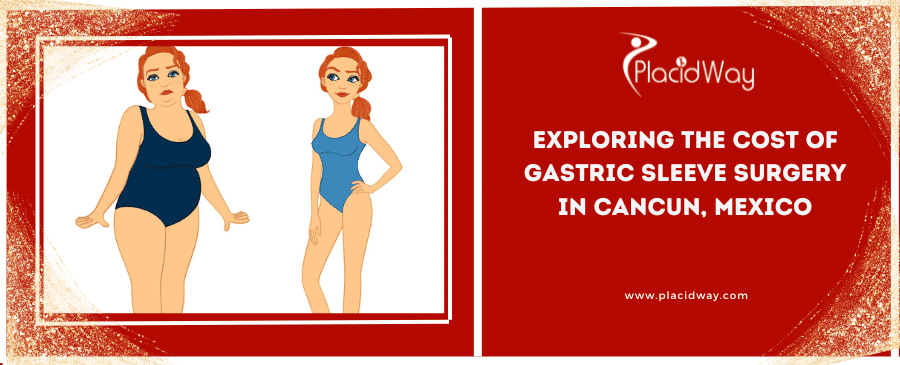
If you are researching weight loss options, you have likely noticed that navigating international healthcare prices can feel overwhelming. Many individuals look outside their home countries to find accessible care, and evaluating the gastric sleeve surgery cost in Cancun is often part of that process. By understanding what these estimates cover and the medical realities involved, you can make a more informed decision about your health journey.
Undergoing any bariatric procedure is a major life event that requires careful consideration of both financial resources and medical safety. This guide explores the details of pursuing a gastric sleeve surgery in Cancun, helping you understand candidate requirements, expected recovery timelines, and the realities of traveling abroad for care.
Key Takeaways
- Average estimated costs fall between $4,200 and $6,000, which is often lower than typical North American pricing.
- Candidates generally need a BMI of 35 or higher, or a BMI of 30 alongside obesity-related conditions.
- The procedure involves removing up to 80% of the stomach, making it a permanent, non-reversible change.
- Securing local medical follow-up care in your home country is essential for long-term health and monitoring.
- Safety heavily depends on a thorough pre-operative medical evaluation and strict adherence to post-surgery dietary rules.
What does the average price package typically include?
When reviewing quotes from any gastric sleeve surgery clinic in Cancun, you need to ask for an itemized breakdown. While standard packages seem comprehensive, they are usually tailored for straightforward, uncomplicated recoveries. Standard inclusions often feature pre-operative blood work, the physical surgical procedure, anesthesiologist fees, and the prescribed nights in the hospital.
However, it is crucial to budget for exclusions. You will need to cover your travel expenses, passport fees, and accommodations for the days you spend in the city before and after your hospital admission. Additionally, patients should budget for specialized post-op nutritional supplements, newly required medications, and the cost of lifelong follow-up appointments with primary care doctors back home.
Am I medically eligible for a sleeve gastrectomy?
Not everyone who wishes to lose weight is a suitable candidate for bariatric surgery options. Medical guidelines typically reserve these major procedures for individuals who have unsuccessfully attempted to lose weight through supervised diet and exercise programs. The physical toll of severe obesity must outweigh the inherent risks of undergoing major abdominal surgery.
Certain conditions may disqualify a patient from receiving a gastric sleeve. For instance, individuals suffering from severe Gastroesophageal Reflux Disease (GERD) might be advised against a sleeve, as the procedure can sometimes exacerbate acid reflux. Additionally, untreated psychological conditions, active eating disorders, or substance abuse issues are standard contraindications, as they can severely impact a patient's ability to adhere to the strict post-operative lifestyle.
How does the estimated price in Cancun compare to the US and Canada?
The primary driver behind international healthcare travel is often financial. In the United States and Canada, bariatric surgeries are sometimes classified as elective, meaning health insurance might not cover them, or patients may face years-long waiting lists. The out-of-pocket costs in North America reflect higher administrative overhead, expensive malpractice insurance premiums, and higher general living costs.
In contrast, the lower costs found in Mexico do not necessarily equate to lower quality, but rather reflect the local economy. The cost of labor, facility operations, and administrative duties are substantially lower. However, prospective patients must balance these upfront savings against the logistical complexities of international travel and the vital need for establishing post-operative care once they return home.
| Location | Estimated Cost Range | Insurance Coverage Typically Accepted? |
|---|---|---|
| United States | $15,000 - $25,000+ | Yes, subject to strict policy limits |
| Canada | $14,000 - $20,000+ (Private) | Covered publicly, but with long waitlists |
| Cancun, Mexico | $4,200 - $6,000 | No (usually self-pay or independent financing) |
*Note: Prices are generalized estimates and vary widely based on individual circumstances, chosen facilities, and specific medical requirements.
What are the common medical risks of undergoing bariatric surgery abroad?
Patient safety should always be the priority when considering a medical procedure. While the gastric sleeve is frequently performed worldwide, it remains a serious surgery with potential immediate and long-term complications. Immediate surgical risks include adverse reactions to anesthesia, excessive bleeding, and the potential for a leak where the stomach has been divided and stapled closed.
Combining major surgery with air travel introduces another layer of risk. Long flights can reduce blood circulation, which, combined with the body's natural post-surgical inflammatory response, increases the risk of developing deep vein thrombosis (DVT). To mitigate this, medical teams usually require patients to wait several days before flying, walk frequently, stay hydrated, and sometimes use specialized compression garments or blood thinners.
How long should I stay in Cancun for recovery before flying home?
Recovery timelines can vary, but standard protocols suggest allocating at least a week for your medical trip. You will likely arrive a day or two before the surgery for in-person blood tests, an EKG, and a final surgical consultation. Following the procedure, patients generally spend 2 to 3 nights in the hospital for close monitoring, pain management, and hydration via IV.
After discharge, you will transition to a local hotel to rest for a few more days. During this time, your surgical team will monitor your ability to tolerate clear liquids without nausea and ensure there are no signs of infection or leakage. Only after a final, satisfactory post-operative check-up will a doctor clear you for the flight home.
What should I expect during the pre-operative evaluation process?
Preparation begins weeks, if not months, before you pack your bags. Medical teams need detailed records from your local primary care physician to assess your baseline health. You will undergo blood panels, heart checks, and possibly an endoscopy to look inside your stomach. Transparent communication about your medical history, current medications, and past surgeries is vital for your safety.
One of the most challenging but necessary preparatory steps is the pre-op diet. Usually starting two to three weeks prior to surgery, this high-protein, low-carbohydrate regimen is designed specifically to reduce fat around the liver. A smaller liver makes it much safer and easier for the surgeon to access your stomach during a laparoscopic procedure.
How is the gastric sleeve procedure actually performed?
The sleeve gastrectomy alters your anatomy permanently. Using minimally invasive laparoscopic techniques, the surgeon makes several small incisions in the abdomen, inserting a camera and specialized instruments. They free the stomach from surrounding tissue and use a surgical stapler to divide it vertically. The larger portion of the stomach is then removed from the body completely.
This physical restriction means you will feel full after eating very small portions of food. Additionally, the removed section of the stomach is largely responsible for producing ghrelin, often referred to as the "hunger hormone." With lower levels of ghrelin in your system, many patients report a significant decrease in appetite, which greatly aids in early weight loss efforts.
What dietary changes are necessary immediately after the operation?
- Phase 1 (Clear Liquids): Hydration is the only goal during the first few days. Patients sip water, clear broths, and sugar-free non-carbonated drinks to allow the staple line to heal.
- Phase 2 (Full Liquids): Usually starting a week after surgery, high-quality protein shakes and thin yogurts are introduced to aid recovery and maintain muscle mass.
- Phase 3 (Pureed/Soft Foods): A few weeks in, patients can eat mashed, blended, and very soft foods that require minimal digestion.
- Phase 4 (Solid Foods): Eventually, standard solid foods are reintroduced, but portions remain drastically smaller, and patients must chew food thoroughly and eat very slowly.
Because the stomach capacity is drastically reduced, meeting daily nutritional needs requires conscious effort. Bariatric patients must commit to a daily regimen of specialized vitamins and minerals for the rest of their lives to prevent severe deficiencies in iron, calcium, and vitamin B12.
How important is long-term medical follow-up after returning home?
A common pitfall of international medical travel is the disconnect in post-operative care once a patient returns home. Surgery is only a tool, and long-term success requires a multidisciplinary support system. Before traveling, it is strongly advised to find a local physician who agrees to manage your post-bariatric health, monitor your vitamin levels, and assist with any bariatric recovery milestones.
If you experience severe abdominal pain, persistent vomiting, fever, or shortness of breath after returning home, you must seek emergency medical care immediately at your nearest hospital. Be prepared to provide your local emergency room with your complete surgical records from Mexico, detailing exactly what procedure was performed and when.
Why Choose PlacidWay for Medical Tourism?
PlacidWay is a health and wellness platform designed to assist patients in navigating the complex world of international healthcare.
Frequently Asked Questions
Will my home health insurance cover gastric sleeve surgery in Cancun?
Most US and Canadian health insurance plans do not cover elective bariatric surgery performed outside of their domestic networks. Patients traveling to Cancun generally pay out-of-pocket or use independent medical financing options.
Can a sleeve gastrectomy be reversed?
No, a gastric sleeve is a permanent, non-reversible procedure. Because approximately 75% to 80% of the stomach is surgically removed from the body, it cannot be reconstructed.
How much weight can I expect to lose after the operation?
Weight loss varies significantly depending on the individual's starting weight, adherence to dietary guidelines, and exercise habits. Many patients lose a substantial portion of their excess body weight within the first 12 to 18 months, but long-term maintenance requires lifestyle changes.
Does this procedure cure type 2 diabetes?
While bariatric surgery is not a guaranteed cure, many patients experience significant improvement or remission of obesity-related type 2 diabetes following surgery. However, results vary, and ongoing medical management with an endocrinologist is often necessary.
Can I travel alone for bariatric surgery in Mexico?
While it is physically possible to travel alone, most medical professionals highly recommend bringing a trusted friend or family member. Having a companion helps with mobility, luggage handling, and emotional support during the early days of recovery.
What exactly is a staple line leak?
A staple line leak is a serious complication where stomach fluids escape through the surgical closure (staples) into the abdominal cavity. This requires immediate medical intervention and is one reason why pre-flight medical clearance is essential.
Will I have loose skin after losing weight rapidly?
Rapid and significant weight loss often results in excess or loose skin. The extent depends on your age, genetics, and total weight lost. Some patients later choose body contouring surgeries to address this, though it is usually delayed until weight stabilizes.
Can I drink alcohol after recovering from a gastric sleeve?
Alcohol should be strictly avoided during the initial recovery period. Long-term, patients must be very cautious, as alcohol absorption changes drastically after bariatric surgery, leading to faster intoxication and potential damage to the stomach lining.
Is a passport required for medical tourism in Mexico?
Yes. International patients traveling to Cancun by air must have a valid passport. It is also important to ensure your passport is valid for at least six months beyond your planned date of return.
When can I typically return to a normal work schedule?
Most patients with desk jobs can return to work within 2 to 3 weeks after surgery. Those with physically demanding jobs that require heavy lifting may need 4 to 6 weeks of recovery before safely resuming normal duties.
Explore Your Healthcare Options
Connect with trusted medical professionals and gather the information you need to make an informed decision about your health journey abroad.
Request Treatment InformationReferences
- Bariatric Surgery Procedures – American Society for Metabolic and Bariatric Surgery (ASMBS)
- Bariatric Surgery – National Institute of Diabetes and Digestive and Kidney Diseases (NIDDK)
- Sleeve Gastrectomy Overview – Mayo Clinic
- Medical Tourism Guidelines – Centers for Disease Control and Prevention (CDC)
- Sleeve Gastrectomy (Gastric Sleeve) – Cleveland Clinic
- Obesity and Overweight Fact Sheet – World Health Organization (WHO)





















Share this listing