
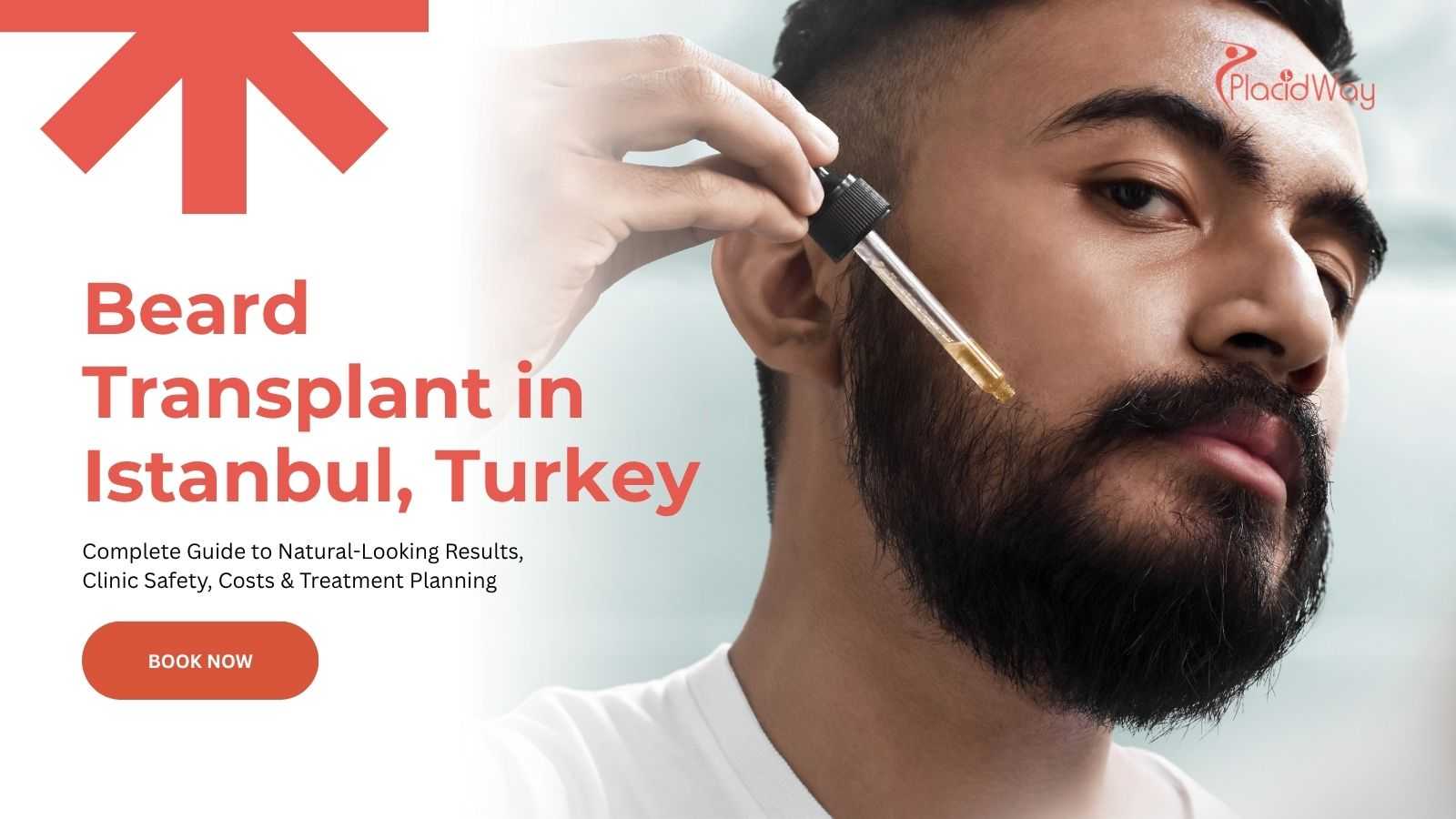
Struggling with a patchy or thin beard can be frustrating, which is why thousands of men travel for a beard transplant in Istanbul, Turkey, seeking natural density without the extreme price tags of their home countries. While comprehensive packages typically range between $1,500 and $3,500, finding a safe and ethical provider requires looking past flashy marketing to verify critical credentials like Turkish Ministry of Health licensure and International Society of Hair Restoration Surgery (ISHRS) membership. This guide will help you navigate your options safely, understand the realistic outcomes of facial hair restoration, and choose a qualified medical team for your procedure.
Quick Summary: Beard Transplant in Istanbul, Turkey
- Estimated Cost: Typically ranges from $1,500 to $3,500 USD, often including accommodation and local transfers.
- Safety Overview: Generally safe when performed in clinics licensed by the Turkish Ministry of Health and led by board-certified dermatologists or plastic surgeons.
- Ideal Candidate: Men over 25 with patchy facial hair, facial scarring, or genetic thinning, provided they have sufficient healthy donor hair on the back of the scalp.
- Recovery Time: Initial healing takes 7 to 10 days, with full graft integration and mature hair growth visible between 9 to 12 months.
- Why Choose Istanbul: High concentration of experienced surgical teams utilizing advanced FUE and techniques at a fraction of US or UK costs.
- Important Caution: Avoid "black market" clinics where unlicensed technicians perform the incisions; always demand that an ISHRS-registered or board-certified doctor oversees the critical steps.
Why Patients Travel for a Beard Transplant in Istanbul, Turkey
Medical travel for hair restoration is a growing global trend, and Istanbul has established itself as a central hub for these procedures. Men seeking facial hair density often find that local treatments are either prohibitively expensive or lack specialized surgical expertise. You may be considering this destination because it offers a unique combination of high clinical volume and advanced follicular techniques.
Patients choose this specific treatment and location for several medically and financially driven reasons. Understanding these factors can help you decide if traveling aligns with your personal healthcare goals.
- Surgical Experience: High daily patient volumes allow local surgical teams to refine their skills specifically in facial graft angulation.
- Cost Accessibility: Favorable exchange rates and lower operational overhead reduce patient costs without necessarily compromising clinical standards.
- Advanced Techniques: Widespread adoption of Hair Transplant and Sapphire Follicular Unit Extraction (FUE) methods.
- Comprehensive Care: Many licensed facilities provide coordinated care, managing lab tests, consultations, and postoperative reviews in one location.
- Specialized Focus: Turkish clinics frequently dedicate entire departments exclusively to facial and scalp hair restoration.
Understanding the Beard Transplant Procedure and Techniques
A beard transplant is a delicate microsurgical procedure that relocates healthy hair follicles from a donor area to your face. The donor site is typically the back of your scalp, where hair is genetically resistant to thinning. Once extracted, these grafts are meticulously implanted into the beard, mustache, or sideburn areas to create natural-looking density.
The success of this procedure relies heavily on the surgeon's ability to mimic the natural angle, depth, and direction of facial hair growth. Two primary extraction and implantation techniques are utilized during a beard transplant in Istanbul, Turkey.
| Technique | Extraction Method | Implantation Method | Best Suited For |
|---|---|---|---|
| Sapphire FUE | Individual follicles extracted via micro-punch | Incisions made with sapphire blades before graft placement | Extensive coverage, full beard restorations, larger graft counts |
| (Hair Transplant) | Individual follicles extracted via micro-punch | Implanted directly using a specialized Choi Implanter Pen (no prior incisions) | Targeted density, filling small patches, minimizing skin trauma |
Your doctor will recommend the most appropriate technique based on your skin elasticity, donor hair quality, and desired facial hair density.
Patient Demographics and Travel Trends for Istanbul, Turkey
The demographic profile of men traveling for facial hair restoration has evolved over recent years. According to 2024 international healthcare travel data, a significant portion of patients seeking beard transplants in Turkey originate from the United Kingdom, North America, and Western Europe. This shift is largely driven by younger men seeking aesthetic refinements and older men addressing age-related or genetic thinning.
Analyzing recent age distributions provides insight into the typical patient profile. Many patients are in their late twenties to early forties, a period when facial hair growth patterns have fully matured and stabilized.
Age Distribution of Men Seeking Hair & Beard Restoration in Turkey (2024 Clinical Data)
*Data reflects verified 2024 cross-border patient demographics for cosmetic hair procedures.
Evaluating Your Eligibility for a Beard Transplant
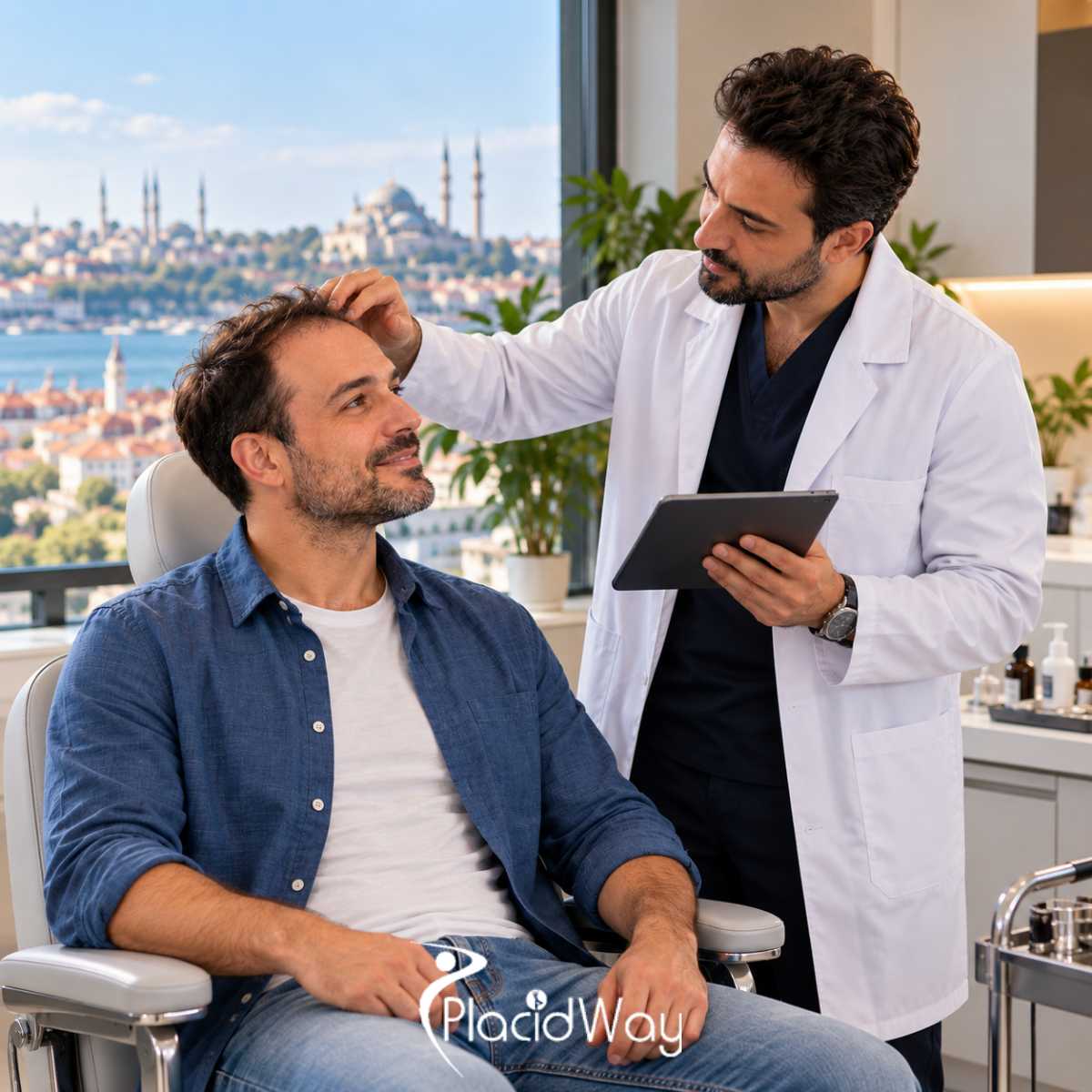
Not every patient is an ideal candidate for facial hair restoration. Before making travel arrangements, you must undergo a thorough medical evaluation, often beginning with an online consultation. Your doctor will assess the density of your donor area, the health of your facial skin, and your underlying medical history.
Understanding your eligibility early in the process helps manage expectations and ensures patient safety. A responsible clinic will decline patients if the procedure poses unnecessary medical risks or if the desired aesthetic outcome is clinically impossible to achieve.
Patient Suitability Checklist
- Adequate Donor Hair: You must have sufficient healthy hair on the back of the scalp or under the chin to harvest without creating bald patches.
- Age Factor: You should ideally be over 25, as facial hair continues to develop naturally throughout your early twenties.
- Skin Health: Your face must be free from active infections, severe cystic acne, or inflammatory skin conditions.
- Realistic Goals: You must understand that matching the exact texture and color of natural beard hair is complex, and results vary.
- General Health: You must not have bleeding disorders, uncontrolled diabetes, or autoimmune conditions that affect hair growth.
Estimated Costs of a Beard Transplant in Istanbul, Turkey
Financial transparency is critical when planning medical travel. The cost of a beard transplant in Istanbul, Turkey is generally much lower than in Western nations, but prices vary significantly depending on the clinic's reputation, the surgeon's involvement, and the total number of grafts required. Most reputable providers offer comprehensive packages rather than charging per graft.
When reviewing quotes, you must clarify exactly what is included. Some exceptionally low-priced clinics use unlicensed technicians rather than certified doctors, which severely increases the risk of complications.
| Country | Average Estimated Cost (USD) | Typical Inclusions |
|---|---|---|
| United States | $7,000 - $15,000 | Procedure only (often charged per graft) |
| United Kingdom | $6,000 - $12,000 | Procedure only |
| Istanbul, Turkey | $1,500 - $3,500 | Procedure, hotel, local transfers, aftercare kit, translator |
Always request a written, itemized breakdown of your treatment package. Ask if the quote covers pre-operative blood tests, post-operative medications, and follow-up consultations. Be cautious of hidden fees for specialized techniques like or Sapphire blades if they were not agreed upon initially.
How to Verify Hospital Licensing in Istanbul, Turkey
Your safety during a surgical procedure depends entirely on the clinical environment. While Turkey has a robust healthcare infrastructure, the boom in medical tourism has led to the opening of many unregulated facilities. You must actively verify that your chosen clinic or hospital meets strict national and international safety standards.
A legitimate facility will readily provide its registration details upon request. Do not rely solely on online reviews or social media imagery to judge a clinic's medical capability.
Essential Clinic Certifications to Look For
- Turkish Ministry of Health (Sa?l?k Bakanl???): The clinic must possess an official license to perform surgical procedures. This is a non-negotiable legal requirement.
- Health Tourism Authorization Certificate: The Turkish government requires facilities treating international patients to hold this specific accreditation.
- JCI Accreditation (Optional but valuable): Joint Commission International accreditation indicates the hospital meets rigorous global safety and hygiene protocols.
- Emergency Protocols: Ensure the facility is equipped with emergency resuscitation equipment or has direct transfer agreements with a fully equipped general hospital.
Choosing a Qualified Surgeon for Your Beard Transplant
The most important decision you will make is selecting your doctor. A common risk in medical tourism destinations is the "ghost clinic" phenomenon, where a prominent doctor's name is heavily marketed, but the actual surgery is performed by underqualified assistants. You must ensure a licensed physician oversees and actively participates in your procedure.
Facial hair extraction and implantation require a deep understanding of facial anatomy, blood supply, and aesthetic symmetry. Check your surgeon’s professional registrations before paying any deposit.
- Board Certification: Look for a specialist in dermatology or plastic surgery registered with the Turkish Medical Association (TTB).
- ISHRS Membership: The International Society of Hair Restoration Surgery is the leading global authority. Membership indicates a commitment to ethical, physician-led surgery.
- Specialized Experience: Ask how many beard transplants the surgeon performs monthly. Facial hair restoration requires different angulation techniques than scalp procedures.
- Before and After Portfolios: Request to see long-term (12+ months) results of previous patients with similar skin types and hair characteristics.
Preparing for Your Beard Transplant Journey to Istanbul
Proper preparation minimizes surgical risks and ensures a smoother travel experience. Traveling internationally for surgery requires coordinating medical clearance, travel logistics, and specific lifestyle modifications weeks in advance of your flight.
Your clinical coordinator should provide a strict pre-operative guideline. Failing to follow these instructions can lead to excessive bleeding during surgery or poor graft survival afterward.
| Timeframe | Action Required by Patient |
|---|---|
| 2 Weeks Before | Stop taking blood thinners, aspirin, herbal supplements, and multivitamins. Cease smoking, as nicotine constricts blood vessels and impedes healing. |
| 1 Week Before | Eliminate alcohol consumption. Confirm your flight details, hotel bookings, and airport transfer arrangements with your clinic. |
| 3 Days Before | Avoid strenuous exercise and caffeine. Prepare loose, button-down shirts to wear after surgery to avoid pulling clothing over your face. |
What to Expect on the Day of Your Beard Transplant
Understanding the clinical timeline can help reduce anxiety on the day of your procedure. A beard transplant typically takes between 5 to 8 hours, depending on the number of grafts required. Because the procedure is performed under local anesthesia, you will remain awake but should not feel pain.
The day follows a highly structured medical protocol to ensure graft viability and patient comfort. Here is a typical sequence of events when you arrive at the clinic.
- Final Consultation: The surgeon will map out the new beard line on your face using a surgical marker, ensuring symmetry and alignment with your aesthetic goals.
- Blood Tests: Routine screening for infectious diseases and bleeding markers is performed to confirm you are safe for surgery.
- Anesthesia Application: Local anesthetic is injected into both the donor area (scalp) and the recipient area (face).
- Extraction Phase: The surgeon extracts follicular units individually from the back of the head.
- Implantation Phase: The grafts are meticulously implanted into the facial incisions at specific angles to mimic natural beard growth.
Beard Transplant Recovery and Aftercare in Istanbul, Turkey
The postoperative period is crucial for graft survival. Facial skin is highly vascular and mobile, meaning you must be exceptionally careful during the first week to avoid dislodging the newly implanted follicles. Most patients stay in Turkey for 3 to 4 days after the procedure to attend follow-up washing sessions.
You can expect redness, swelling, and scabbing around the implanted area. Adhering strictly to your doctor's aftercare protocol is the best way to prevent infections and ensure optimal density.
| Timeframe | Biological Process | Patient Sensation | Action Required |
|---|---|---|---|
| Days 1-3 | Follicles secure themselves. Swelling peaks. | Tightness, mild soreness, facial swelling. | Sleep elevated on your back. Spray saline as directed. Eat soft foods to minimize jaw movement. |
| Days 4-7 | Scabs begin to form and harden. | Itchiness in donor and recipient sites. | Do NOT scratch. Follow the clinic's gentle washing protocol to soften scabs. |
| Weeks 2-4 | "Shock loss" phase begins (implanted hair falls out). | Face feels smoother; sudden loss of implanted hair. | Remain calm. This shedding is a normal biological response. The root remains secure. |
Understanding the Risks of a Beard Transplant
Like any surgical procedure, a beard transplant carries inherent medical risks. While severe complications are rare when performed by qualified professionals, you must be aware of potential adverse outcomes before consenting to treatment. The unique anatomy of the face requires specific clinical precautions.
Understanding these risks allows you to identify early warning signs during your recovery and seek prompt medical attention if necessary.
Potential Surgical Complications
- Infection and Folliculitis: The risk of bacterial infection in the recipient area, which can present as inflamed, pus-filled bumps.
- Poor Graft Angulation: If implanted incorrectly, hairs may grow straight out rather than lying flat against the face, resulting in an unnatural appearance.
- Scarring: Although FUE punch marks are tiny, hypertrophic scarring can occur in the donor area, or pinpoint scarring can remain on the face.
- Asymmetry or Low Density: Failure of grafts to survive can result in patchy areas that may require a secondary touch-up procedure.
Long-Term Results After a Beard Transplant in Istanbul, Turkey
Patience is essential when evaluating the outcome of your surgery. The transplanted hairs will fall out within the first month, and the face may look exactly as it did before the surgery. True, permanent growth typically begins around the third or fourth month post-operation.
The hairs initially grow in fine and thin but will thicken and mature over the course of a year. By month 12, the grafts will have fully integrated, and you can trim, shave, and style your beard as if it had always been there.
Key Takeaway for Patients
A successful beard transplant depends on choosing a heavily vetted, board-certified surgeon in a licensed facility. Do not base your decision solely on the lowest price. Prioritize clinical hygiene, clear communication, and verifiable medical credentials to ensure your safety and achieve a natural-looking facial profile.
Frequently Asked Questions
Is a beard transplant painful?
The procedure itself is typically painless because it is performed under local anesthesia. You may feel a brief stinging sensation during the initial anesthetic injections. Postoperative soreness is generally mild and managed with over-the-counter pain relievers.
How long should I stay in Istanbul for a beard transplant?
Doctors typically recommend staying in Istanbul for 3 to 5 days. This timeframe allows for the surgery, a post-operative checkup, and the crucial first hair wash administered by the clinical staff before you fly home.
Will the transplanted beard hair match my natural facial hair?
Because the donor hair is taken from your scalp, it may initially have a slightly different texture or color than native beard hair. However, over time, the transplanted hair adapts closely to the characteristics of facial hair, and the visual difference becomes minimal.
When can I start shaving after a beard transplant?
You must wait for your surgeon's clearance, which is usually around 4 to 6 weeks post-surgery. Shaving too early can dislodge grafts or irritate the healing skin. Scissors may be used earlier to trim native hair carefully.
Can I use body hair for a beard transplant?
In cases where scalp donor hair is insufficient, surgeons may extract hair from the chest or neck. However, body hair has a different growth cycle and texture, so scalp hair remains the preferred choice for optimal density and appearance.
Are the results of a facial hair transplant permanent?
Yes, the results are generally permanent. The follicles extracted from the back of the head are resistant to the hormone DHT, which causes hair loss. Once they take root in the face, they will continue to grow for a lifetime in most cases.
What is shock loss after a beard transplant?
Shock loss is a normal phase occurring 2 to 4 weeks after surgery where the newly transplanted hair shafts shed and fall out due to surgical trauma. The follicle root remains safely anchored beneath the skin and will generate new hair in a few months.
How do I wash my face after the procedure?
Your clinic will provide specific lotion and shampoo. You will typically apply the lotion to soften scabs, gently pat the shampoo foam onto the area without rubbing, and rinse with low-pressure, lukewarm water.
Is a beard transplant safe in Turkey?
It is safe when you choose a facility licensed by the Turkish Ministry of Health and a surgeon recognized by boards such as the ISHRS or TTB. Patient risk significantly increases if you opt for unregulated, technician-led "black market" clinics.
Will I have visible scars on my face?
Advanced FUE and techniques use micro-punches and fine blades, meaning scarring is microscopic. Once the skin heals and the beard hair grows, any micro-scarring is typically entirely hidden beneath the facial hair.
Ready to Plan Your Beard Transplant?
PlacidWay can help you compare licensed providers, review surgeon credentials, and understand comprehensive treatment packages in Istanbul, Turkey. Our team assists you in making informed, safe healthcare choices.
Request Information TodayDisclaimer: This information is for educational purposes only and does not replace professional medical advice. Always consult a qualified healthcare provider before making medical decisions.
References
- Beard and Mustache Transplant Patient Information – International Society of Hair Restoration Surgery (ISHRS)
- Follicular Unit Extraction (FUE) for Facial Hair Restoration Clinical Outcomes (2024 Updates) – National Center for Biotechnology Information (NCBI)
- Health Tourism Authorization and Accreditation Standards – Republic of Turkey Ministry of Health
- Beware of the Hair Transplant Black Market Patient Safety Campaign – ISHRS
- Physician Registration and Ethical Guidelines – Turkish Medical Association (TTB)
- Complications in Hair Restoration Surgery and Management Strategies – PubMed Central





















Share this listing