
Losing your hair can deeply impact your self esteem and finding a lasting restorative solution that balances quality and affordability is crucial for many international patients. Understanding the true hair transplant in Mumbai India cost helps you confidently plan your medical journey without encountering unexpected financial surprises along the way. Securing a safe procedure requires verifying that your chosen clinic holds active National Accreditation Board for Hospitals and Healthcare Providers certification and that your surgeon is formally registered with the National Medical Commission.
- Estimated Cost: Typically ranges between $800 and $2,500 USD depending on the graft count and technique used.
- Safety Overview: Mumbai features numerous internationally and nationally accredited facilities regulated by the National Medical Commission ensuring strict clinical safety standards.
- Ideal Candidate: Men and women experiencing androgenetic alopecia with sufficient healthy donor hair on the back or sides of the scalp.
- Recovery Time: Most patients return to light activities within three to five days while complete healing of the recipient area takes about two weeks.
- Why Choose Mumbai: Patients travel here for the combination of highly experienced board-certified surgeons and significantly lower procedural costs compared to Western countries.
- Important Caution: Always confirm your surgeon is an active member of the Association of Hair Restoration Surgeons India rather than relying solely on a clinic brand name.
What Drives Patients to Mumbai India for Hair Restoration
Every year thousands of international patients travel to India seeking effective treatments for hair loss. The primary motivation for this travel is the exceptional balance of specialized surgical expertise and cost efficiency found in major metropolitan hubs. Mumbai has positioned itself as a premier destination for medical tourists who demand high clinical standards without the prohibitive pricing seen in North America or Europe.
Patients carefully evaluate their options before booking flights and accommodations. Selecting a destination involves more than just comparing price tags. You must feel confident in the clinical infrastructure and the postoperative support systems available to you.
- Access to specialized surgeons registered with the National Medical Commission.
- Cost savings of up to seventy percent compared to Western healthcare markets.
- English speaking medical staff and dedicated international patient coordinators.
- State of the art clinical facilities maintaining strict hygiene protocols.
- Comprehensive medical tourism packages that include airport transfers and hotel stays.
Understanding How Hair Transplantation Works
Hair restoration is a delicate microsurgical process that redistributes your existing healthy hair to areas experiencing thinning or baldness. The fundamental principle relies on donor dominance which means hair follicles taken from the back of your scalp are genetically resistant to the hormones that cause male or female pattern baldness. Once relocated these follicles retain their genetic resistance and continue to grow naturally.
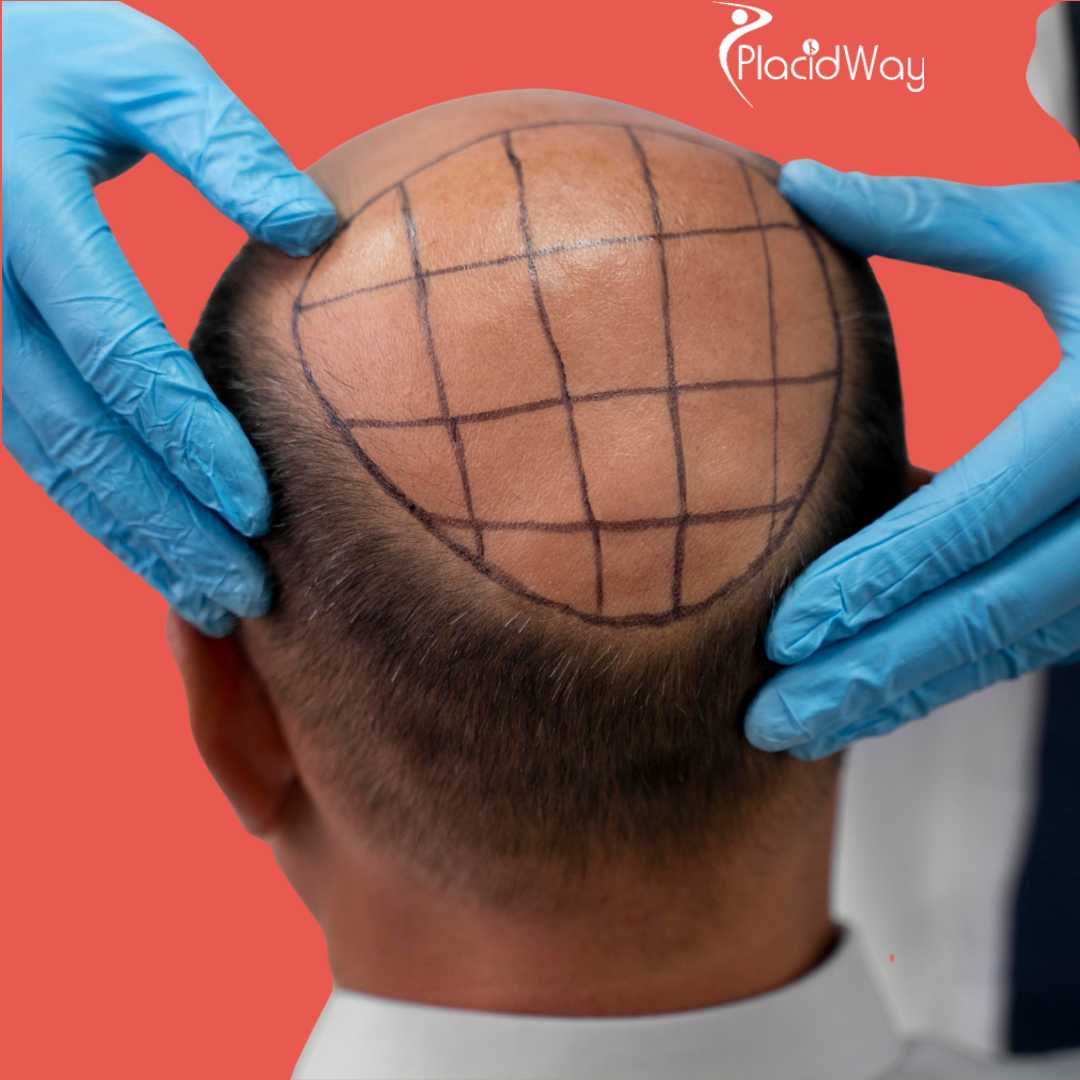
Your surgeon must carefully design the hairline to match your facial structure and natural growth pattern. The angle depth and density of each implanted follicle determine how seamless and undetectable the final result will appear.
Comparing FUE and FUT Techniques
When discussing surgical options your doctor will present two primary methods for extracting donor follicles. The choice between these methods depends heavily on your scalp laxity the number of grafts required and your personal styling preferences. Neither method is universally superior but one may be more appropriate for your specific clinical needs.
Your surgeon will evaluate your donor area density to recommend the safest approach. Understanding the fundamental differences helps you align your expectations with the surgical reality.
| Feature | Follicular Unit Extraction FUE | Follicular Unit Transplantation FUT |
|---|---|---|
| Extraction Method | Individual follicles are removed one by one using a micro punch tool. | A single strip of scalp tissue is removed and dissected under microscopes. |
| Scarring | Leaves tiny scattered dot scars that are easily hidden by short hair. | Leaves a linear scar across the back of the head requiring slightly longer hair to conceal. |
| Recovery Speed | Typically faster with less initial discomfort in the donor zone. | Requires slightly more downtime due to sutures in the donor area. |
| Graft Yield | Excellent for moderate loss but limited by avoiding over-harvesting. | Often yields a high number of intact grafts in a single extensive session. |
Expected Biological Timeline for Hair Growth
Patience is essential when undergoing restorative surgery because visible results do not appear overnight. The transplanted follicles undergo a natural resting phase shortly after being moved. You will likely experience shedding of the implanted hair shafts within the first month which is a completely normal biological response to surgical trauma.
True growth begins beneath the scalp as the follicle establishes a new blood supply. Monitoring this timeline helps alleviate anxiety during the initial months when your appearance may temporarily look worse before improving.
| Timeframe | Biological Process | Patient Sensation | Action Required |
|---|---|---|---|
| Days 1 to 5 | Initial wound healing and graft anchoring. | Mild tenderness and swelling around the forehead. | Sleep with your head elevated and take prescribed anti-inflammatory medications. |
| Weeks 2 to 4 | Shock loss phase where transplanted hairs fall out. | Anxiety over shedding hair but physical discomfort resolves. | Continue gentle washing routine and avoid sun exposure. |
| Months 3 to 4 | New hair cycles begin and fine hairs break the surface. | Excitement as tiny hairs become visible resembling a light shadow. | Attend follow up consultations to monitor progress. |
| Months 12 to 15 | Full maturation of hair shafts increasing in thickness. | Renewed confidence with the final cosmetic outcome visible. | Maintain a healthy scalp routine and enjoy the results. |
Determining Your Eligibility for Surgery
Not everyone who experiences hair loss is an immediate candidate for surgical intervention. Your doctor must evaluate the stability of your current hair loss pattern before recommending a procedure. Operating on a patient whose balding is rapidly progressing can lead to unnatural looking gaps as native hair continues to recede behind the implanted zone.
Additionally you must have adequate density in your donor area to supply the balding regions safely. Over-harvesting a weak donor zone can leave the back of your head looking noticeably sparse.
- Over the age of twenty five with a stabilized pattern of hair loss.
- Diagnosed with androgenetic alopecia rather than stress induced shedding.
- Possesses a healthy vascular system without uncontrolled diabetes.
- Maintains realistic expectations regarding density and coverage limits.
- Willing to follow strict postoperative care instructions for optimal healing.
Analyzing Global Patient Demographics
Medical tourism data from 2024 to 2025 indicates a steady influx of international patients traveling to Mumbai specifically for restorative procedures. This demographic shift highlights a growing trust in Indian healthcare infrastructure among Western and Middle Eastern populations. Patients generally seek treatments abroad to bypass long wait times and secure substantial cost savings.
The majority of these inbound travelers are males between the ages of thirty and fifty although female patient numbers have grown significantly in recent years. Reviewing current cross border healthcare data illustrates the global nature of this surgical market.
2025 Patient Origin Distribution for Mumbai Clinics
Source: Adapted from 2025 Global Medical Travel Registries for Mumbai Healthcare Facilities
Calculating the Cost of Treatment in Mumbai India
Financial planning is critical when organizing medical travel. The pricing structure in Mumbai is primarily driven by the number of grafts required to achieve your desired coverage rather than a flat procedural fee. While clinics may quote an initial price per graft it is essential to request a comprehensive written estimate that encompasses the entire clinical experience.
Most reputable centers offer package deals to international patients. These packages simplify the billing process by bundling surgical fees with necessary medications and diagnostic blood work.
| Procedural Element | Estimated USD Cost Range |
|---|---|
| Small Session 1000 to 1500 Grafts | $800 to $1,200 |
| Medium Session 2000 to 3000 Grafts | $1,300 to $2,000 |
| Large Session 3500+ Grafts | $2,200 to $3,000 |
| Pre-operative Blood Tests | $30 to $50 |
| Post-operative Medication Kit | $20 to $40 |
Comparing Treatment Expenses Internationally
Understanding the global price variations helps validate why traveling to India is financially advantageous. In highly regulated Western markets the high cost of medical malpractice insurance operational overhead and administrative salaries significantly inflate the price of elective cosmetic procedures. You are often paying a premium for the geographical location of the clinic rather than an increase in surgical quality.
Indian clinics maintain high clinical standards while operating within an economy that features a lower cost of living and reduced administrative overhead resulting in substantial savings passed directly to the patient.
United States
Average Cost: $8,000 - $15,000
Wait times for top surgeons can exceed six months. High consultation fees often apply.
United Kingdom
Average Cost: $6,000 - $10,000
Strict clinical regulations but very high per-graft pricing limits dense coverage options for patients.
Mumbai India
Average Cost: $1,200 - $2,500
Offers board-certified surgical expertise and comprehensive VIP packages at a fraction of Western prices.
Identifying Hidden Costs in Medical Travel
While the surgical fees in India are highly competitive patients must account for logistical expenses to create an accurate budget. Failing to consider indirect costs can cause financial stress during a period when you should be focusing entirely on healing. Accommodations flights and specialized dietary needs will add to your total expenditure.
Always verify exactly what is included in your clinic quote. Some facilities provide all inclusive concierge services while others bill solely for the medical time in the operating room.
- Calculate round trip airfare to Chhatrapati Shivaji Maharaj International Airport.
- Budget for Indian E-Medical Visa application fees.
- Account for five to seven nights of hotel accommodation post surgery.
- Ask if taxes and operating room facility fees are included in the quoted price.
- Confirm if airport transfer services require an additional charge.
Evaluating Clinic Quality and Safety Standards
Safety should remain your absolute priority when navigating medical tourism options. Unlike heavily regulated hospital surgeries many aesthetic procedures occur in private clinics making independent accreditation essential for verifying safety protocols. You must confirm that the facility strictly adheres to international sterilization standards and possesses emergency protocols.
In India the most critical quality indicator is accreditation by the National Accreditation Board for Hospitals and Healthcare Providers. A clinic holding this credential demonstrates a proven commitment to patient safety infection control and ethical billing practices.
| Accreditation Type | Significance for Patients |
|---|---|
| NABH Certification | Ensures the Indian facility meets rigorous national healthcare safety and hygiene standards. |
| JCI Accreditation | Indicates the hospital follows global gold standards in international patient care and emergency management. |
| Local Municipal License | Verifies the clinic is legally authorized to operate as a medical center within Mumbai. |
Verifying Surgeon Credentials and Expertise
The success of your outcome relies entirely on the skill and artistic eye of your operating surgeon. A fancy clinic aesthetic cannot compensate for a lack of surgical experience. You must personally verify the credentials of the specific doctor performing your procedure rather than trusting the brand name of a large medical franchise.
In India a qualified specialist should be permanently registered with the National Medical Commission. Furthermore membership in dedicated aesthetic societies demonstrates a commitment to ongoing education in restorative techniques.
- Active registration number with the National Medical Commission of India.
- Diplomate certification or membership with the Association of Hair Restoration Surgeons India.
- Affiliation with the International Society of Hair Restoration Surgery.
- Documented case volume of at least several hundred specific restorative procedures.
- Clear before and after portfolios matching your specific hair loss pattern.
Preparing for Your Trip to India
Proper preparation minimizes stress and sets the stage for a smooth clinical experience abroad. Traveling across time zones can impact your immune system so you must arrive well rested and hydrated. Before leaving home you need to organize your medical documents and coordinate arrival logistics with your clinic coordinator.
Most international travelers require a visa to enter India for clinical procedures. Applying for an E-Medical Visa in advance ensures there are no bureaucratic delays when you arrive at immigration.
- 4 Weeks Out: Apply for your Indian E-Medical Visa using the official government portal.
- 3 Weeks Out: Book flights and arrange hotel accommodations near the clinic location.
- 2 Weeks Out: Stop taking blood thinning supplements and alcohol as advised by your doctor.
- 1 Week Out: Pack comfortable button down shirts to prevent pulling clothing over your healing scalp.
Managing Postoperative Care and Recovery
Your responsibility for achieving a dense natural result begins the moment you leave the clinic. The freshly implanted grafts are extremely fragile during the first week and require meticulous care to prevent dislodging. Your surgeon will provide a detailed physical protocol covering how to sleep wash and protect the recipient area.
Infection is rare but can occur if hygiene instructions are ignored. Strictly following the provided medication schedule ensures rapid healing and minimizes scalp inflammation.
| Recovery Phase | Clinical Objective | Patient Action Required |
|---|---|---|
| First 48 Hours | Prevent graft dislodgement and manage localized swelling. | Sleep at a forty five degree angle using a travel neck pillow. Do not touch the grafts. |
| Days 3 to 7 | Cleanse the scalp and soften dried scabs safely. | Pour soapy water gently over the head using a cup. Do not use high pressure shower heads. |
| Days 8 to 14 | Facilitate the natural shedding of healing scabs. | Gently massage the recipient area with fingertips while shampooing to loosen debris. |
| Weeks 3 to 4 | Protect the dormant follicles from environmental stress. | Avoid direct prolonged sun exposure and heavy cardiovascular exercise causing excessive sweat. |
Understanding Potential Surgical Risks
Every surgical intervention carries inherent biological risks even when performed by highly trained professionals in sterile environments. Educating yourself about these complications allows you to recognize early warning signs and seek prompt medical attention. While severe complications are uncommon minor side effects are a normal part of the healing trajectory.
Your doctor will evaluate your medical history to minimize risk factors prior to surgery. Being transparent about your health background is vital for preventing adverse reactions to local anesthesia.
Common Mild Reactions
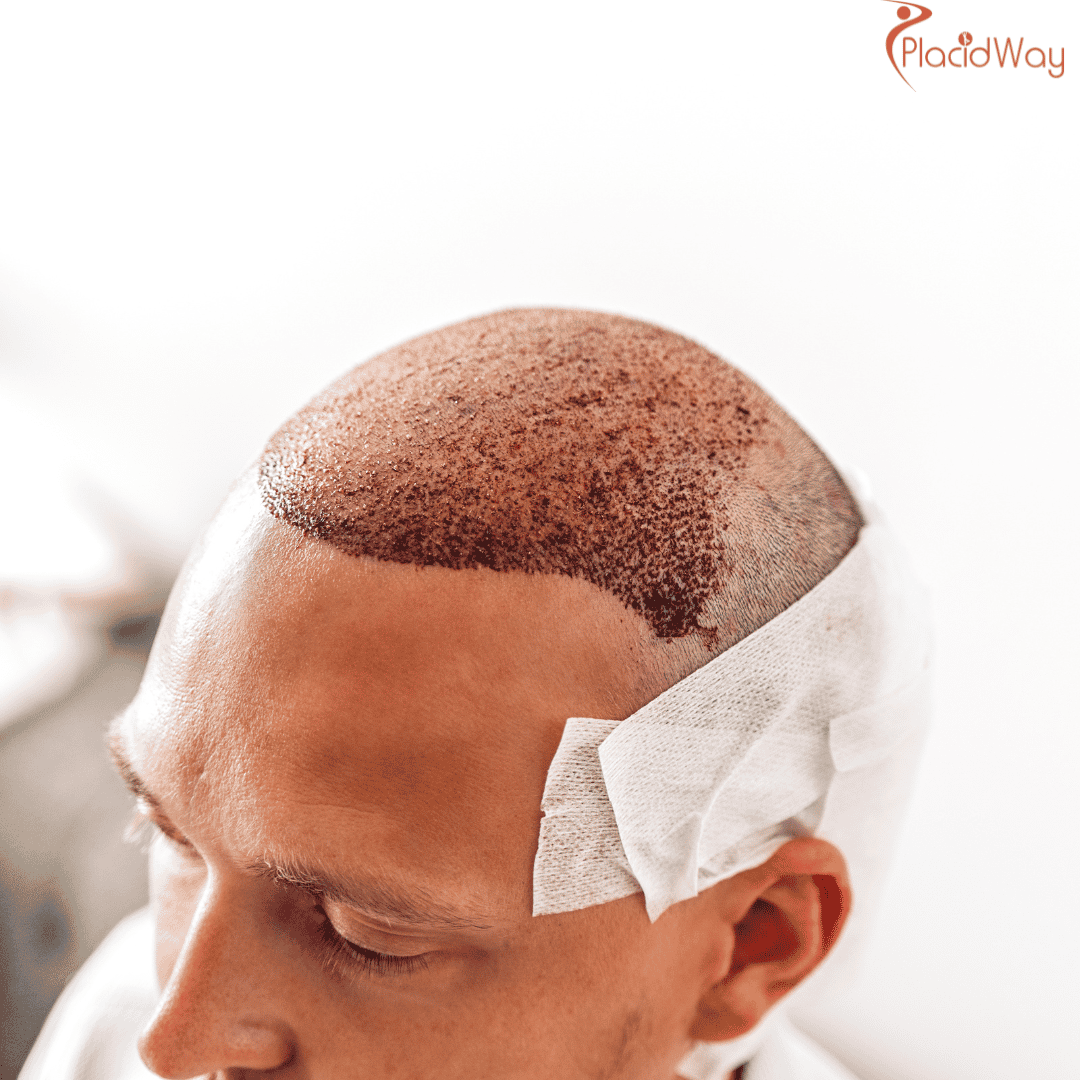
Patients typically experience temporary swelling of the forehead and around the eyes on the third day. Mild localized itching and temporary numbness in the donor zone may also occur and usually resolve within weeks.
Rare Complications
Folliculitis which is an inflammation of the hair follicles can occur if hygiene is poor. In extremely rare instances over-harvesting can cause long term donor area depletion or visible scarring patches.
Tracking Long Term Implant Survival Rates
A successful surgery depends not only on immediate graft placement but on long term follicular survival. Clinical data published between 2024 and 2026 demonstrates that when procedures are performed by board-certified specialists using advanced microscopic tools cumulative graft survival rates are exceptionally high. The biology of the scalp supports deep vascularization which allows the relocated tissues to thrive.
Following strict postoperative care guidelines directly influences these survival percentages. Patients who smoke or expose their healing scalp to early trauma consistently see lower retention rates over a two year period.
2024 to 2026 Cumulative Graft Survival Timeline
Source: Adapted from 2026 Clinical Outcome Reviews of Follicular Unit Procedures
Frequently Asked Questions
Patients planning a medical trip to India understandably have specific concerns regarding safety outcomes and logistics. Reviewing clear answers to these common questions can help you make an informed and confident decision about your healthcare journey.
How much does a hair transplant in Mumbai India typically cost
Depending on the number of grafts and the clinical technique utilized the cost generally ranges from 800 to 2500 USD. This pricing often includes preoperative diagnostic tests and local anesthesia but patients must confirm if hotel accommodations are included in their specific package quote.
Are clinics in Mumbai safe for international patients
Yes many clinics in Mumbai maintain exceptionally high safety standards verified by the National Accreditation Board for Hospitals and Healthcare Providers. You should always personally verify that the clinical facility holds active accreditation and that your surgeon is formally registered with the National Medical Commission.
How long should I plan to stay in India after my procedure
International patients typically stay in the city for five to seven days post surgery. This duration allows the medical team to conduct necessary follow up evaluations wash your scalp safely and ensure that initial healing is progressing without signs of infection before you board a long flight.
Will the transplanted hair look completely natural
When performed by a highly skilled specialist the results can appear virtually undetectable. The key to a natural appearance relies on proper angulation of the grafts and designing an irregular age appropriate hairline that matches your facial structure rather than a perfectly straight artificial line.
Is the surgical procedure painful
The procedure is performed under local anesthesia meaning you will not feel sharp pain during the actual graft extraction or implantation. You may experience minor discomfort and pressure during the initial numbing injections and mild soreness in the days following the surgery which is managed with basic pain medication.
What is the main difference between FUE and FUT methods
FUE involves extracting individual hair follicles one by one using a micro punch leaving tiny scattered marks. FUT involves removing a thin strip of scalp tissue from the back of the head which is then dissected leaving a linear scar. Your doctor will recommend the safest method based on your donor density.
When will I start seeing the final results of the surgery
Visible new growth typically begins around the third or fourth month after the initial shedding phase. The hair shafts will continue to mature thicken and blend with your natural hair over the course of twelve to fifteen months providing the final cosmetic outcome.
Can women undergo hair restoration procedures safely
Absolutely women who suffer from female pattern hair loss or thinning hairlines can achieve excellent results from restorative surgery. The doctor must first rule out temporary hormonal imbalances or vitamin deficiencies as the root cause before confirming eligibility for surgical intervention.
How do I know if I have enough donor hair
Your surgeon will use specialized digital magnification tools during your physical consultation to measure the density and thickness of the hair on the back and sides of your head. If the donor supply is insufficient the doctor may decline to perform the procedure to avoid creating unnatural sparse patches.
Do I need a special visa to travel to India for this treatment
Most international patients are required to obtain an E-Medical Visa before arriving in India. The application process is handled online through the official government portal and requires a formalized invitation letter from your chosen registered hospital or clinic stating the purpose of your visit.
Ready to Plan Your Restorative Journey to Mumbai
Let PlacidWay help you compare leading clinics understand itemized treatment costs and review board certified surgeon profiles to make a confident secure decision for your healthcare needs.
Request Free Clinic InformationDisclaimer: This information is for educational purposes only and does not replace professional medical advice. Always consult a qualified healthcare provider before making medical decisions.
References
- Indian Medical Register Verification – National Medical Commission
- Hospital Accreditation Standards – National Accreditation Board for Hospitals and Healthcare Providers
- Patient Guide to Hair Transplantation – International Society of Hair Restoration Surgery
- Surgeon Membership and Ethics – Association of Hair Restoration Surgeons India
- E-Medical Visa Application Portal – Government of India Ministry of Home Affairs
- Complications in Hair Transplantation: A Review – National Center for Biotechnology Information
- International Patient Safety Goals – Joint Commission International
























Share this listing