
Choosing a rhinoplasty surgeon in Tijuana is less about finding the loudest “best surgeon” claim and more about verifying training, current specialty certification, nose-surgery experience, and the facility where your procedure would take place. For patients traveling from the United States or Canada, Tijuana can be geographically convenient and may offer different pricing, but the safest decision still starts with medical credentials, realistic goals, and a clear plan for follow-up care.

Quick Summary
- Credential check: Verify current specialist certification through CONACEM and the Mexican Council of Plastic, Aesthetic and Reconstructive Surgery (CMCPER).
- Facility check: Confirm that the exact hospital or surgical center has the required COFEPRIS authorization for surgical procedures.
- Cost: A final rhinoplasty price should be based on your anatomy, primary versus revision surgery, anesthesia, facility fees, testing, and included follow-up. Avoid comparing quotes that include different services.
- Ideal candidate: Suitability depends on your nasal anatomy, health, breathing concerns, previous surgery, goals, and a surgeon-led assessment.
- Recovery: Swelling, bruising, activity restrictions, and the pace of visible refinement vary. Your surgeon should give you an individualized postoperative plan rather than a guaranteed recovery date.
- Important caution: “Best” is a search term, not an official medical designation. No ranking can replace independent credential verification and an individualized consultation.
Why Patients Research Rhinoplasty in Tijuana, Mexico?
Tijuana's location directly across the U.S.–Mexico border makes it a natural comparison point for people researching cosmetic surgery outside the United States. Medical tourism can involve lower quoted treatment prices, shorter travel distance for some U.S. residents, and access to surgeons whose training or aesthetic approach matches a patient's goals. At the same time, international surgery introduces extra decisions about travel, continuity of care, medical records, facility regulation, and what happens if a problem develops after you return home.
Recent international data also show why Mexico is relevant in aesthetic-surgery discussions. The International Society of Aesthetic Plastic Surgery reported an estimated 1,294,946 aesthetic procedures in Mexico during 2024, including 734,082 surgical procedures. Rhinoplasty accounted for an estimated 45,196 procedures in Mexico in that survey. These are national estimates, not Tijuana-only figures, so they should be used to understand the broader market rather than to estimate a specific surgeon's volume.
Estimated rhinoplasty procedures in Mexico in the 2024 ISAPS survey.
Estimated surgical aesthetic procedures in Mexico in 2024.
Estimated total surgical and non-surgical aesthetic procedures in Mexico in 2024.
Recent Rhinoplasty Trends Patients Should Understand
The newest full ISAPS dataset currently available reports 1,083,631 rhinoplasty procedures worldwide in 2024. The same report provides historical comparison figures of 852,554 procedures in 2020 and 1,201,908 in 2023. The 2024 estimate was 9.8% lower than 2023 but still 27.1% above 2020. The line graph below uses those values exactly as reported in the latest published ISAPS report.
Global Rhinoplasty Procedure Trend
Worldwide estimated procedures performed by plastic surgeons; historical comparison contained in the 2024 ISAPS report.
Source: International Society of Aesthetic Plastic Surgery, Global Survey 2024, published June 2025. The ISAPS 2025 survey results were announced for a future release, but a public 2025 results report was not available in the source set reviewed for this update.
Rhinoplasty Surgeons in Tijuana to Research
The surgeons below are the only doctors included in this guide. They are not presented as a numerical ranking, and inclusion does not mean that one is automatically the right surgeon for every nose or every patient. Rhinoplasty is highly individualized, so the useful comparison is whether a surgeon's verified credentials, experience, consultation process, facility, and proposed surgical plan fit your needs.
Dr. Xavier Toscano
Dr. Xavier Toscano is a plastic surgeon whose supplied professional information describes medical training at the University of Guadalajara, general-surgery training, and specialization in plastic, aesthetic and reconstructive surgery. His professional information also identifies certification through the Mexican Council of Plastic, Aesthetic and Reconstructive Surgery.
For a patient specifically considering rhinoplasty in Tijuana, the important next step is to confirm his current Tijuana availability, the exact facility where nose surgery would be performed, whether rhinoplasty is part of his active surgical practice, and how frequently he treats primary or revision rhinoplasty cases. Those questions are necessary because general plastic-surgery training alone does not establish procedure-specific case volume.
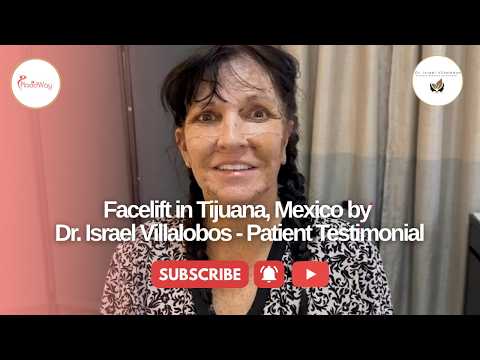
Dr. Israel Villalobos
Dr. Israel Villalobos Blásquez is described as a plastic, aesthetic and reconstructive surgeon practicing in Tijuana, Mexico. His supplied professional information reports more than 16 years of experience, CMCPER certification, and professional affiliations that include AMCPER, FILACP, and ISAPS. His training background includes general surgery, plastic surgery, and advanced facial plastic surgery.
The material reviewed describes facial plastic surgery but does not clearly quantify rhinoplasty-specific case volume. If you are considering him for nose surgery, ask directly whether he currently performs primary rhinoplasty, revision rhinoplasty, functional nasal surgery, or a combination of these, and request examples relevant to your anatomy rather than relying on broad facial-surgery experience.
Dr. Joaquin Ayala
Dr. Joaquin Ayala is a plastic surgeon in Tijuana whose supplied professional information specifically includes reconstructive and cosmetic rhinoplasty among the procedures he performs. His background is described as including plastic, aesthetic and reconstructive surgery training and an international fellowship at the Ivo Pitanguy Clinic in Brazil. His professional information identifies certification through the Mexican Council of Plastic and Reconstructive Surgery.
Patients considering Dr. Ayala for rhinoplasty should still verify the current status of that certification, ask about recent rhinoplasty volume, review cases comparable to their own anatomy, and understand how aesthetic goals are balanced with nasal support and breathing. Revision cases deserve separate discussion because previously operated tissue may require a different surgical strategy.
How to Verify a Rhinoplasty Surgeon in Tijuana, Mexico?
Mexico has formal systems that patients can use to check specialist credentials. CONACEM provides a public physician search that asks whether a medical specialist holds current certification. CMCPER also explains that patients can search a plastic surgeon by full name or certificate number and notes that certification is renewed periodically.
This matters because advertising terms such as “cosmetic surgeon,” “aesthetic doctor,” or “nose specialist” do not by themselves tell you whether someone completed recognized plastic-surgery specialty training. COFEPRIS also states that specialists performing plastic and reconstructive surgical procedures require an appropriately issued specialist credential and a current specialist certificate.
| What to Verify? | How to Check? | Why It Matters? |
|---|---|---|
| Specialist certification | Search the doctor's full name through CONACEM and CMCPER. | Helps confirm recognized specialty training and current certification status. |
| Professional license | Ask for professional and specialty cédula information and verify it through official channels. | Confirms legally recognized education and professional credentials. |
| Rhinoplasty experience | Ask for recent case volume and experience with primary, revision, cosmetic, or functional cases. | General plastic-surgery certification does not measure procedure-specific experience. |
| Complication plan | Ask who manages urgent problems and where hospital transfer would occur if necessary. | International patients need a clear plan that continues after discharge and travel home. |
How to Check the Hospital or Surgical Facility in Tijuana?
The surgeon's credentials are only one part of surgical safety. In 2025 and 2026, COFEPRIS continued publishing guidance explaining that facilities where surgical procedures are performed require sanitary authorization. Its current materials identify a specific sanitary-license pathway for establishments where surgical or obstetric acts are performed.
For aesthetic surgical facilities, COFEPRIS guidance also addresses infrastructure, operating areas, responsible health personnel, anesthesia standards, and arrangements with facilities capable of providing a higher level of care when required. Patients should therefore ask for the exact legal name of the facility and its authorization details rather than assuming a consultation office and an operating room have the same status.
Ask whether the facility has the COFEPRIS sanitary license required for surgical procedures.
Request the name of the facility's responsible health professional and current authorization information.
Confirm who provides anesthesia, that person's qualifications, and the monitoring standards used during surgery.
Ask which hospital would receive you if a complication requires services beyond the surgical center's capability.
How Much Does Rhinoplasty in Tijuana Cost?
There is no single authoritative government price for rhinoplasty in Tijuana, and a safe article should not invent one. The final quotation can change with primary versus revision surgery, the amount of structural work required, anesthesia, operating-room charges, preoperative testing, functional correction, grafting needs, and postoperative services. A surgeon should assess your case before presenting a definitive fee.
For context, the American Society of Plastic Surgeons currently reports an average U.S. rhinoplasty cost of $7,637. ASPS specifically notes that this figure is only part of the total price and does not include anesthesia, operating-room facilities, or other related expenses. That makes it unsuitable for direct comparison with an all-inclusive Tijuana quote unless you first compare exactly what each price contains.
| Cost Item | What to Confirm in Writing? | Why It Changes the Total? |
|---|---|---|
| Surgeon's fee | Whether the quote covers the complete planned operation. | Revision and technically complex cases may require more operating time or reconstruction. |
| Anesthesia | Anesthesiologist fee and anesthesia-related charges. | Some quotations separate anesthesia from the surgical fee. |
| Facility | Operating-room, recovery-room, and hospital or surgical-center fees. | Different facility settings have different charges and resources. |
| Testing | Which laboratory tests, imaging, or medical evaluations are included. | Testing needs vary according to age, medical history, and procedure plan. |
| Follow-up and revision policy | Number of follow-up visits, remote reviews, and financial terms if revision is considered. | Postoperative care is important for international patients and may not be included equally in every quote. |
What Rhinoplasty in Tijuana Can Address?
Rhinoplasty changes nasal shape and structure. According to ASPS patient guidance, it may address nasal size, bridge width or contour, tip shape, nostril size or position, and asymmetry. In some patients, surgery can also be part of correcting structural problems that contribute to impaired breathing.
The operation is not standardized. Your surgeon may need to evaluate the nasal bones, upper and lower lateral cartilages, septum, skin thickness, support mechanisms, previous trauma, scar tissue, and breathing function before deciding which approach is appropriate. Revision surgery can be more complex because prior operations may change anatomy and available cartilage.
| Rhinoplasty Type | Typical Focus | Key Consultation Question |
|---|---|---|
| Primary rhinoplasty | First surgical reshaping of the nose. | How will the plan change shape while maintaining appropriate structural support? |
| Revision rhinoplasty | Addresses concerns after previous nose surgery. | What experience do you have with scar tissue, altered anatomy, and cartilage grafting? |
| Functional rhinoplasty | May address structural contributors to airflow problems. | What examination is needed to identify the cause of my breathing symptoms? |
| Septorhinoplasty | Combines nasal reshaping with septal surgery when clinically indicated. | Does my case require septal correction, aesthetic reshaping, or both? |
Patient Demographics for Rhinoplasty and Medical Travel to Mexico
The strongest recent public data describe global rhinoplasty demographics and national medical-tourism patterns rather than a Tijuana-only patient profile. In the 2024 ISAPS survey, 60.1% of rhinoplasty procedures were performed in patients aged 18–34, followed by 29.0% among ages 35–50. Women accounted for 73.5% of global rhinoplasty procedures in the same dataset and men for 26.5%.
For Mexico's broader aesthetic market, surveyed practices reported a median of 12.0% and an average of 23.4% of patients attending from other locations. The most frequently cited origins of international patients were the United States, Canada, and Colombia. These figures cover aesthetic practices nationally and should not be presented as exact Tijuana rhinoplasty percentages.
What Risks Should You Discuss Before Rhinoplasty in Tijuana?
Rhinoplasty is elective for many patients, but it remains surgery. Potential complications can include bleeding, infection, anesthesia-related problems, scarring, asymmetry, changes in sensation, persistent or new breathing problems, dissatisfaction with appearance, and the possibility that further treatment may be considered. Your individual risk can differ according to anatomy, health, smoking or nicotine use, previous surgery, and the planned technique.
International travel adds practical risks. CDC guidance on medical tourism emphasizes continuity of care, access to physician licensing and facility information, transfer of medical records, and planning for follow-up before travel. Patients also need to think about how travel shortly after surgery interacts with their surgeon's restrictions and the possibility that a complication could emerge after returning home.
| Issue | What to Ask? | Practical Safeguard |
|---|---|---|
| Bleeding or acute complication | What emergency resources are available at the facility? | Know the escalation and hospital-transfer pathway before surgery. |
| Infection | How are infection control and postoperative concerns managed? | Use a properly authorized surgical setting and follow wound-care instructions. |
| Breathing concerns | How will nasal airflow and structural support be evaluated? | Report pre-existing obstruction, trauma, septal issues, and earlier operations. |
| Unsatisfactory result | What is the written revision policy? | Understand how concerns are evaluated and which costs could apply later. |
| Problem after returning home | Who will respond and what medical records will be provided? | Coordinate local follow-up and obtain operative documents before leaving. |
What to Expect Around Rhinoplasty Surgery in Tijuana?
Your exact pathway should be determined by your surgeon and medical team, but a responsible process usually starts well before the operating room. The surgeon should review your goals, relevant medical history, previous nasal trauma or surgery, breathing concerns, medications and supplements, nicotine exposure, allergies, and any factors that could change anesthesia or surgical risk.
After surgery, you should receive written instructions covering wound or splint care, activity restrictions, warning signs, medications prescribed by the treating team, and follow-up arrangements. Avoid relying on a generic internet recovery calendar as a promise. Swelling and visible refinement vary between patients, and revision cases may behave differently from first-time rhinoplasty.
Complete consultation, credential checks, facility verification, medical assessment, and written cost review.
Confirm the final plan, anesthesia team, consent, testing, and emergency arrangements.
Follow individualized instructions and attend the postoperative reviews your surgeon schedules.
Obtain records, emergency contact details, and a plan for local or remote follow-up.
Questions to Ask a Tijuana Rhinoplasty Surgeon Before Booking
A good consultation should help you evaluate both the surgeon and the system around your care. Keep the answers in writing when possible, especially credential information, the treatment plan, costs, cancellation terms, and follow-up arrangements.
- What is your current specialist certification, and where can I independently verify it?
- How frequently do you perform rhinoplasty?
- How many recent cases are comparable to my anatomy and goals?
- Is my procedure primarily cosmetic, functional, revision, or a combination?
- How will you evaluate nasal breathing and internal structure?
- Where exactly will the procedure take place?
- Does that facility hold the appropriate COFEPRIS authorization for surgical procedures?
- Who will provide anesthesia, and how can I verify that person's qualifications?
- What exactly is included and excluded from my written quote?
- How are unexpected complications managed?
- What is your written revision policy?
- What symptoms should make me seek urgent medical attention?
- How will follow-up work after I return to my home country?
- Will I receive copies of my operative report, relevant test results, and postoperative instructions?
Frequently Asked Questions
Who are the rhinoplasty surgeons in Tijuana covered in this guide?
This guide discusses Dr. Xavier Toscano, Dr. Israel Villalobos, and Dr. Joaquin Ayala. They are presented as surgeons to research, not as a numerical ranking. Confirm each doctor's current certification, rhinoplasty experience, practice location, and surgical facility before booking.
How do I choose the best rhinoplasty surgeon in Tijuana?
Start with verifiable specialist credentials, then compare rhinoplasty-specific experience, similar cases, communication, facility authorization, anesthesia planning, complication management, and follow-up. “Best” is not an official credential, and the most suitable surgeon depends on your anatomy and medical needs.
How can I verify a plastic surgeon in Mexico?
Search the doctor's full name through CONACEM and CMCPER and confirm that specialty certification is current. You can also request professional and specialty cédula information. Recheck credentials close to your surgery date because certification status can change.
What should a rhinoplasty facility in Tijuana have?
Ask whether the exact surgical facility has the sanitary authorization required by COFEPRIS for surgical procedures, who serves as the responsible health professional, how anesthesia is managed, and what emergency transfer arrangements are available if higher-level care becomes necessary.
How much does rhinoplasty in Tijuana, Mexico cost?
A reliable city-wide price cannot be established from a single authoritative source. Your quote depends on primary or revision surgery, structural complexity, anesthesia, facility fees, testing, and follow-up. Ask for a complete itemized quotation after medical assessment.
Is rhinoplasty cheaper in Tijuana than in the United States?
Some Tijuana quotations may be lower, but compare equivalent services. ASPS reports an average U.S. rhinoplasty cost of $7,637 and states that this figure excludes anesthesia, operating-room facilities, and other related expenses. Compare complete written totals rather than headline prices.
Can rhinoplasty also help breathing problems?
Rhinoplasty can be combined with structural correction when medically appropriate, but breathing problems need evaluation to identify their cause. Tell your surgeon about obstruction, previous trauma, septal problems, allergies, and earlier nasal surgery before choosing a treatment plan.
What is revision rhinoplasty?
Revision rhinoplasty is additional surgery after a previous rhinoplasty. These cases may involve scar tissue, altered support, or limited cartilage. Ask how often the surgeon performs revision cases because primary-rhinoplasty experience does not automatically equal revision expertise.
Are before-and-after photos enough to choose a surgeon?
No. Photos may help you understand a surgeon's aesthetic approach, but they cannot prove current certification, facility safety, complication management, or suitability for your case. Review images together with independently verified credentials and a detailed surgical consultation.
Which age group most commonly gets rhinoplasty?
In the 2024 ISAPS global survey, 60.1% of rhinoplasty procedures occurred in patients aged 18–34, followed by 29.0% among ages 35–50. These are global estimates and should not be interpreted as Tijuana-specific patient demographics.
Where do international patients traveling to Mexico commonly come from?
In the ISAPS 2024 survey, practices in Mexico most frequently cited the United States, Canada, and Colombia as origins of medical-tourism patients. The data describe Mexico's broader aesthetic market rather than Tijuana rhinoplasty alone.
What should I arrange before returning home after surgery?
Obtain written postoperative instructions, emergency contact information, relevant medical records, and a follow-up plan. CDC medical-tourism guidance emphasizes continuity of care and planning for follow-up before travel so your local healthcare team can respond if concerns develop.
Compare Rhinoplasty Options in Tijuana
PlacidWay can help you compare providers, understand available treatment information, organize questions for surgeons, and request individualized details from clinics. Always independently verify professional credentials, facility authorization, and the final medical plan before making a decision.
Disclaimer: This information is for educational purposes only and does not replace professional medical advice. Always consult a qualified healthcare provider before making medical decisions.
References
- ISAPS International Survey on Aesthetic/Cosmetic Procedures Performed in 2024 – International Society of Aesthetic Plastic Surgery
- Global Survey 2024 Results – International Society of Aesthetic Plastic Surgery
- Self-Verification Guide for Facilities Offering Aesthetic Surgical Procedures – COFEPRIS
- Sanitary License for Health-Service Establishments – COFEPRIS
- Medical Specialist Certification Search – CONACEM
- How to Verify a Plastic Surgeon – CMCPER
- Medical Tourism – CDC Yellow Book
- Rhinoplasty Cost and Cost Components – American Society of Plastic Surgeons
.jpg)





.png)
.png)



.jpg)
.jpg)
.jpg)
.jpg)








Share this listing