


All on 4 Dental Implants in Mexico: Complete Patient Guide
.png)
For individuals suffering from extensive tooth loss or severe periodontal disease, restoring a fully functional smile can often feel financially out of reach in their home countries. Fortunately, international options have emerged that provide high-quality restorative dentistry at a fraction of the traditional price. Opting for affordable All on 4 dental implants in Mexico has become a highly popular pathway for North American and European patients. This modern approach to dental tourism generally allows individuals to receive world-class care while enjoying a comfortable recovery in a welcoming environment.
The combination of geographic proximity, advanced dental education, and favorable exchange rates makes this destination incredibly appealing to international patients. Rather than settling for traditional removable dentures, individuals can typically secure fixed, permanent-feeling prosthetics that significantly improve chewing efficiency and aesthetic appeal. Choosing medical tourism in Mexico for dental care means gaining access to specialized implantologists who routinely handle complex cases. Patients often find that the overall value far exceeds their initial expectations.
- Access to board-certified and internationally trained implant specialists.
- State-of-the-art clinics equipped with modern diagnostic imaging technology.
- Substantial cost savings compared to domestic healthcare markets.
- Geographic proximity allowing for convenient travel and straightforward follow-up care.
Understanding the All on 4 Dental Implants Procedure in Mexico
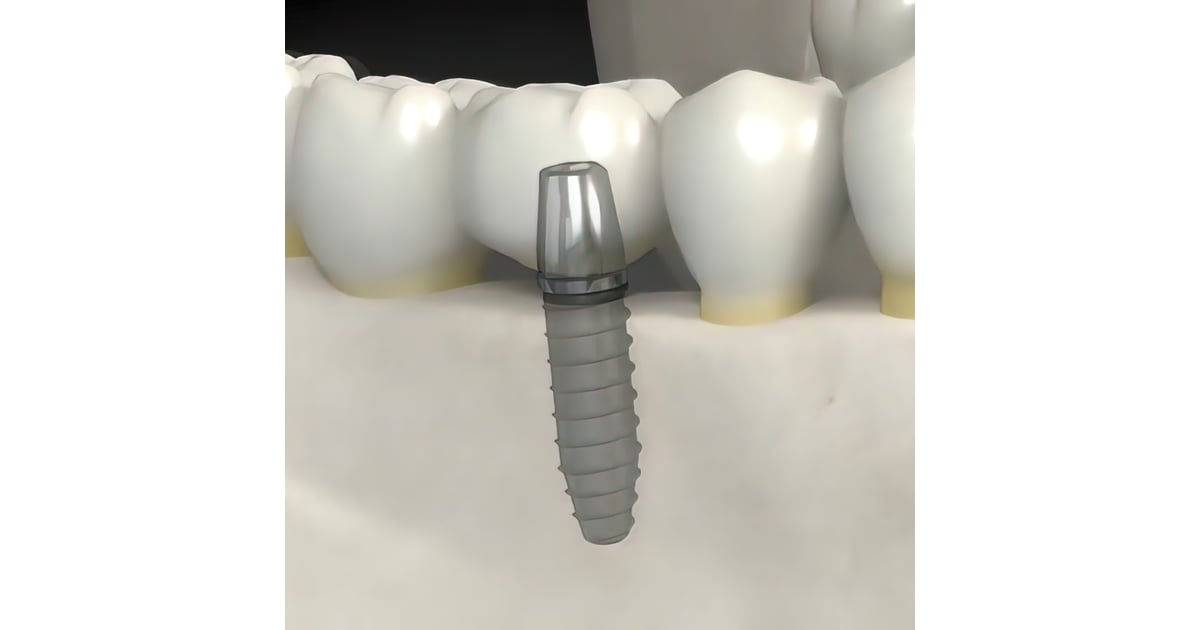
This innovative full-arch restoration technique is specifically designed to maximize the use of available jawbone, often eliminating the need for extensive bone grafting. By placing four strategically angled titanium posts into the jaw, dentists can generally provide a stable foundation for a complete row of prosthetic teeth. The procedure is usually performed under local anesthesia or IV sedation, ensuring patient comfort throughout the surgical process. Understanding the mechanical advantages of this method helps patients appreciate why it has become the standard of care for total tooth replacement.
During the initial surgical visit, any remaining failing teeth are extracted, and the implants are carefully embedded into the bone structure. Most patients experience the immediate placement of a temporary, fixed acrylic bridge, meaning they rarely leave the clinic without a functional smile. Over the subsequent months, the titanium posts typically fuse with the natural bone through a process known as osseointegration. Once healing is complete, the final, highly durable prosthetic is permanently attached to complete the restoration.
- Assessment: Comprehensive 3D imaging to map nerve pathways and assess bone density.
- Placement: Surgical insertion of two anterior vertical implants and two posterior angled implants.
- Provisionalization: Immediate attachment of a temporary dental bridge for aesthetics and function.
- Finalization: Placement of the permanent zirconia or porcelain arch after complete healing.
Top Benefits of Medical Tourism in Mexico for Dental Care
Traveling across borders for healthcare is no longer a niche concept; it has evolved into a highly regulated, patient-centric industry focused on delivering exceptional outcomes. One of the primary advantages is the personalized, unhurried care patients generally receive from international specialists. Dentists catering to foreign visitors often dedicate significant time to comprehensive consultations, ensuring that all clinical questions are thoroughly answered. This high level of attentive service greatly enhances the overall comfort and confidence of the visiting patient.
Furthermore, undergoing a major procedure like full mouth restoration in Mexico often allows patients to recover in a serene, stress-free environment away from daily domestic pressures. Many major clinical hubs are located in areas with robust tourism infrastructure, offering comfortable lodging and accessible transportation. Patients typically find that combining comprehensive healthcare with a restorative getaway positively impacts their mental and physical recovery. This holistic approach to wellness is a defining characteristic of modern health travel.
- Streamlined concierge services facilitating airport transfers and clinical appointments.
- Bilingual medical staff ensuring clear, transparent communication regarding treatment plans.
- Shorter wait times for major surgical scheduling compared to domestic systems.
- The opportunity to recover privately in a specialized, hospitality-driven setting.
All on 4 Dental Implants Cost in Mexico vs US and Canada
Financial considerations are frequently the deciding factor for individuals exploring international avenues for extensive restorative dentistry. The primary appeal of medical travel is the ability to achieve significant cost savings without compromising on the quality of clinical care or the materials used. The All on 4 cost in Mexico is generally much more accessible due to variations in regional economies, lower administrative overhead, and favorable currency exchange rates. These economic differences allow elite providers to offer premium services at incredibly competitive price points.
When analyzing these costs, it is crucial to consider the comprehensive nature of the treatment, which typically includes consultations, imaging, surgery, and prosthetics. While domestic clinics often quote prices incrementally, international packages are generally bundled for transparency. Patients should always request itemized estimates to accurately compare the value of their intended care. The following table provides a general overview of market averages, though individual patient needs will typically influence the final investment.
| Procedure Name | Average Cost in Mexico | Cost Comparison (US/Canada) |
|---|---|---|
| All on 4 Dental Implants (Per Arch) | $5,000 - $8,000 | $15,000 - $30,000+ |
| All on 6 Dental Implants (Per Arch) | $7,000 - $10,000 | $20,000 - $35,000+ |
| Initial Consultation & 3D CBCT Scan | $100 - $300 (Often included) | $300 - $800 |
| Extractions (Per Tooth) | $50 - $150 | $200 - $600 |
| Bone Grafting (If Required) | $200 - $500 | $800 - $2,500 |
Candidacy and Qualifications for Affordable All on 4 in Mexico
While this restorative technique is highly versatile, an extensive medical and oral evaluation is strictly necessary to determine true patient suitability. Ideal candidates typically include those suffering from widespread tooth decay, severe periodontal disease, or those who find traditional removable dentures intolerably uncomfortable. The prospective patient must generally possess enough jawbone density to securely anchor the titanium posts, though advanced angling techniques mitigate some bone loss issues. A comprehensive review of systemic health is also essential to ensure a safe surgical experience.
Conditions such as uncontrolled diabetes, active autoimmune disorders, or recent radiation therapy to the head and neck can pose significant risks to the healing process. Clinicians will typically require blood work and detailed medical histories to rule out any potential contraindications before approving a patient for travel. Smoking is also highly detrimental to osseointegration, and most surgeons will require patients to abstain from tobacco use weeks prior to and following the operation. Proper patient selection is the cornerstone of ensuring long-term restorative success.
- Adequate baseline health to safely undergo moderate sedation or local anesthesia.
- Commitment to strict post-operative oral hygiene and regular professional maintenance.
- Willingness to cease smoking or heavy alcohol consumption during the critical healing phases.
- Realistic expectations regarding the timeline and biological realities of bone healing.
Patients with a history of intravenous bisphosphonate therapy for osteoporosis or certain cancers may not be suitable candidates for dental implants due to a high risk of bone healing complications. Always disclose all current and past medications to your provider.
The Step-by-Step Patient Journey for Dental Implants in Mexico
Navigating cross-border healthcare generally follows a highly structured, predictable pathway designed to maximize patient safety and clinical efficiency. The journey typically begins with a remote consultation, where patients send their local panoramic X-rays or CBCT scans to the international provider for an initial feasibility assessment. Once a preliminary treatment plan and cost estimate are mutually agreed upon, the logistical phases of scheduling travel and accommodations commence. This remote groundwork ensures that expectations are aligned long before the patient boards an airplane.
Upon arriving at the destination, the patient generally undergoes an extensive in-person clinical evaluation to confirm the preliminary surgical plan. Following the surgery, patients typically remain in the local area for a few days to facilitate essential post-operative check-ups and modifications to their temporary prosthetic. After returning home to heal for several months, a second trip is usually required to capture final impressions and securely place the permanent, highly resilient dental bridge. This phased approach allows the body ample time to securely integrate the implants into the jawbone.
- Phase 1: Digital file transfer and remote video consultation with the surgical team.
- Phase 2: In-person clinical diagnostics, 3D scanning, and final treatment confirmation.
- Phase 3: Surgical extraction, implant placement, and fitting of the temporary prosthesis.
- Phase 4: The return trip (3-6 months later) for the attachment of the customized permanent arch.
Advanced Dental Technology and Materials Used in Mexico Clinics
A common misconception regarding medical travel is the assumption that lower costs equate to inferior clinical technology or outdated materials. In reality, premier dental implants clinics in Mexico actively invest in state-of-the-art diagnostic equipment, such as Cone Beam Computed Tomography (CBCT) scanners and intraoral digital cameras. These advanced tools generally allow for precise 3D surgical planning, minimizing surgical invasiveness and enhancing predictability. The use of guided implant surgery is common practice among top-tier international specialists.
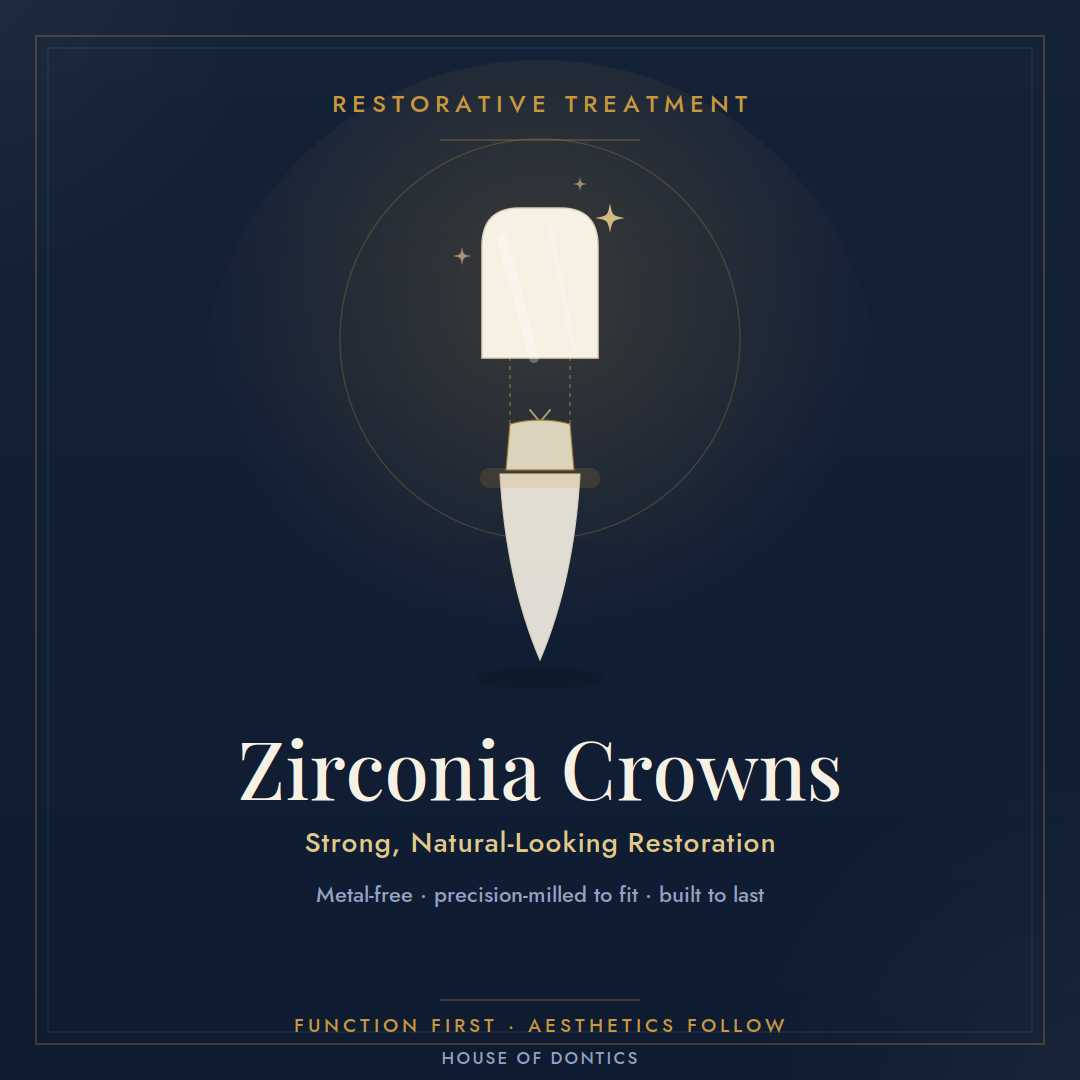
When it comes to restorative materials, reputable facilities utilize universally recognized implant brands crafted from highly biocompatible titanium alloys. For the visible prosthetic teeth, patients are typically offered options ranging from durable acrylic to premium, ultra-lifelike zirconia. Zirconia is widely favored for the permanent restoration due to its exceptional resistance to fracturing and its natural translucency. Understanding the quality of materials used should provide peace of mind that the investment is built for longevity.
- Titanium Implants: Known for their strength and superior ability to fuse with human bone tissue.
- Zirconia Crowns: Highly durable, stain-resistant material that mimics natural tooth enamel.
- CAD/CAM Technology: Computer-aided design systems used to craft precise, perfectly fitting prosthetics.
- Surgical Guides: 3D-printed templates that direct the exact angle and depth of implant placement.
Recovery Timeline and Aftercare for Mexican Dental Procedures
Managing expectations regarding the post-surgical healing phase is critical for any patient undergoing comprehensive restorative work. The immediate aftermath generally involves localized swelling, minor bruising, and manageable discomfort, which typically peak around the third post-operative day. Clinics routinely prescribe a regimen of antibiotics, anti-inflammatories, and pain relievers to ensure a smooth, comfortable initial recovery. Adhering strictly to these pharmaceutical protocols is essential for preventing infection and minimizing discomfort.
The long-term recovery focuses primarily on the biological process of osseointegration, which usually spans three to six months. During this extended period, patients must typically adhere to a modified diet, progressing slowly from pureed foods to softer solids to avoid exerting undue pressure on the integrating implants. Meticulous oral hygiene, utilizing gentle brushing and prescribed antibacterial rinses, is non-negotiable for keeping the surgical sites clean. Proper aftercare significantly dictates the long-term success and stability of the new dental arch.
- Days 1-3: Rest, applying ice packs, and consuming a strictly liquid or pureed diet.
- Weeks 1-2: Subsiding swelling, suture removal or dissolution, transitioning to very soft foods.
- Months 1-3: Avoidance of hard, crunchy, or chewy foods while the bone naturally heals around the posts.
- Month 4+: Return visit for final prosthetic fitting and gradual resumption of a normal, unrestricted diet.
Potential Risks and Safety Measures in Mexico Dental Tourism
As with any invasive surgical intervention, full-arch dental restorations carry inherent, though generally minimal, medical risks. The most frequently cited complications include localized infection, nerve irritation, or the failure of an implant to successfully fuse with the jawbone. To mitigate these risks, it is imperative that patients provide complete transparency regarding their medical history and strictly follow all post-operative instructions. Responsible international clinics proactively utilize advanced 3D imaging to map out nerve pathways, substantially reducing the likelihood of surgical trauma.
Safety in medical tourism relies heavily on patient diligence and the selection of accredited, highly vetted clinical facilities. Prospective patients should generally seek out specialists who possess international board certifications or active memberships in global implantology organizations. Verifying strict sterilization protocols and understanding the clinic's policy regarding surgical revisions provides necessary peace of mind. While adverse events are rare, choosing a facility with robust safety measures and clear complication protocols is vital.
- Risk of peri-implantitis (infection around the implant), usually prevented by excellent oral hygiene.
- Potential for minor prosthetic fractures during the temporary phase if dietary restrictions are ignored.
- Importance of selecting facilities that use hospital-grade sterilization equipment (autoclaves).
- The necessity of obtaining medical clearance from a primary care physician prior to traveling abroad.
How to Prepare for Your Dental Trip to Mexico
Thorough logistical and medical preparation is the key to a stress-free international healthcare experience. Patients should begin by gathering all relevant medical records, current medication lists, and any recent dental imaging to securely share with their chosen international provider. Ensuring that travel documents, such as a valid passport, are up-to-date well in advance of the anticipated surgical date prevents last-minute disruptions. Communication with your domestic primary care physician regarding your travel and surgical plans is also highly recommended.
Packing intelligently can vastly improve the post-operative recovery experience in a hotel setting. Patients are generally advised to pack loose, comfortable clothing, localized ice packs, and any specialized oral hygiene products recommended by the surgeon. Furthermore, notifying financial institutions about upcoming international travel will prevent unexpected credit card freezes when settling medical bills or purchasing meals. A well-organized approach allows the patient to focus entirely on relaxation and physiological healing.
- Secure high-resolution panoramic X-rays or CBCT scans for the initial remote evaluation.
- Confirm all flight details, hotel reservations, and ground transportation logistics in writing.
- Arrange for a travel companion, if possible, to assist with communication and care immediately after surgery.
- Stock up on necessary post-op items like soft travel pillows, gauze, and liquid nutrition supplements.
Comparing Top Destinations for Dental Implants Clinics in Mexico
This vibrant country offers several highly specialized geographic hubs, each uniquely tailored to different types of medical travelers. Border towns are incredibly popular for North American patients seeking the ultimate convenience of driving across the border or taking a short, inexpensive flight. These northern locales are densely populated with clinics specializing exclusively in catering to foreign dental patients, often accepting US currency seamlessly. For those prioritizing efficiency and proximity, these border hubs are generally the preferred choice.
Conversely, patients looking to combine their restorative procedure with a tranquil vacation often gravitate toward coastal resort cities. These destinations typically offer world-class clinical facilities surrounded by luxurious resorts, beaches, and serene recovery environments. While travel to these coastal regions requires a longer flight, the integration of top-tier healthcare with a restorative holiday atmosphere is a powerful draw. Selecting the right destination depends entirely on the patient's individual travel preferences, budget, and desired recovery aesthetic.
- Los Algodones: Known globally as "Molar City," offering unparalleled density of clinics right on the US border.
- Tijuana: A massive metropolitan hub just south of San Diego, featuring ultra-modern hospitals and clinical centers.
- Cancun: Ideal for patients seeking a resort-style recovery, combining elite dental care with Caribbean tourism.
- Mexico City: The capital offers access to some of the country's most esteemed academic dental specialists.
Real Patient Experiences with All on 4 Dental Implants in Mexico
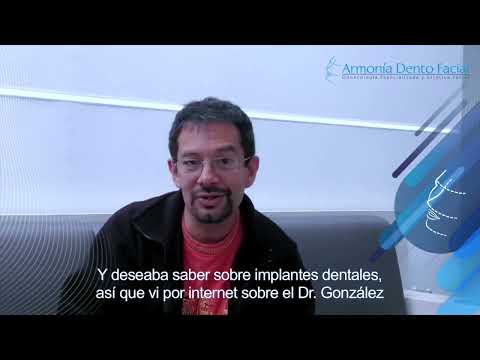
Understanding the firsthand experiences of former medical tourists can provide invaluable insight and emotional reassurance for prospective patients. Reading varied patient testimonials generally helps individuals set realistic expectations regarding the surgical discomfort, the clinical environment, and the final aesthetic outcomes. While every biological response is unique, observing the common themes of restored confidence and significant financial savings is highly encouraging. Prospective travelers should actively seek out video diaries or detailed written reviews from verified international patients.
Authentic patient narratives often highlight the profound psychological impact of resolving long-standing dental issues. Beyond the mechanics of chewing, many individuals report a sudden, dramatic improvement in their self-esteem and willingness to engage in social settings. Hearing how others navigated the logistical hurdles of international travel can also demystify the process, transforming apprehension into proactive excitement. Below are summaries of typical patient experiences highlighting different facets of the journey.
Restored Confidence and Chewing Function
After struggling with ill-fitting dentures for five years, a patient from Texas opted for a full upper arch restoration abroad. They noted that within weeks of receiving the final prosthetic, they were able to eat crisp fruits and complex proteins, significantly improving their overall nutrition and quality of life.
Overcoming Dental Anxiety
A Canadian patient detailed their lifelong fear of dental chairs. They reported that the highly communicative bilingual staff and the use of modern IV sedation made the extensive extractions and implant placements surprisingly tranquil and completely pain-free during the procedure.
Exceptional Clinic Hygiene and Modernity
An executive from New York expressed initial skepticism regarding cross-border healthcare. Upon arrival, they were thoroughly impressed by the facility's advanced 3D scanning technology and strict adherence to hygiene protocols, noting the clinic rivaled any they had visited domestically.
Life-Changing Financial Relief
Facing quotes exceeding $50,000 in their home state, a couple traveled together for dual full-mouth restorations. They successfully completed both comprehensive treatments, including flights and a week of hotel stay, for significantly less than the cost of a single arch back home, without sacrificing material quality.
Why Choose PlacidWay for Your Mexico Medical Tourism Journey
Coordinating complex healthcare logistics in a foreign country can understandably feel overwhelming for an independent traveler. Partnering with a specialized medical tourism facilitator streamlines the discovery process, connecting patients exclusively with rigorously vetted, internationally recognized clinical centers. PlacidWay acts as a crucial informational bridge, ensuring patients have access to transparent provider profiles, comprehensive treatment details, and verified patient reviews. This structured support empowers individuals to make highly informed decisions regarding their physiological health.
By leveraging established global healthcare networks, patients generally experience a much smoother transition from initial inquiry to post-operative follow-up. Facilitators focus on optimizing the clinical matching process, prioritizing patient safety, educational resources, and clear provider communication. Relying on specialized expertise allows patients to bypass the confusion of overwhelming internet searches and focus directly on their path to restorative wellness. Navigating international healthcare is remarkably easier with dedicated, professional guidance.
- Access to an extensive directory of pre-screened, board-certified dental professionals and modern facilities.
- Comprehensive educational resources to help patients thoroughly understand procedure mechanics and timelines.
- Assistance in procuring transparent, itemized treatment estimates directly from chosen clinical providers.
- Dedicated support in facilitating initial remote consultations and establishing direct communication with medical teams.
Frequently Asked Questions About All on 4 Dental Implants in Mexico
When preparing for major international restorative dentistry, having accurate, concise answers to common queries is essential for building patient confidence. Many prospective travelers share similar concerns regarding clinical safety, logistical requirements, and post-operative biological expectations. Addressing these foundational questions upfront typically helps dispel myths and clarifies the reality of cross-border medical care. Education is the most effective tool for mitigating travel anxiety.
The following section addresses some of the most pressing questions regarding full-arch dental restorations abroad. From understanding the nuances of passport requirements to deciphering the longevity of prosthetic materials, these answers are designed to provide immediate clarity. Patients are always encouraged to discuss these topics in greater depth with their selected healthcare provider during formal consultations.
Yes, undergoing dental procedures abroad is generally safe when you select certified, internationally accredited facilities. It is crucial to verify the credentials and specialized training of your chosen dental provider.
The initial surgical placement typically takes one to three days, allowing patients to leave with temporary functional teeth. A second visit is generally required three to six months later to attach the permanent prosthetic.
Yes, a valid passport is required for international travel from the United States or Canada. Some land border crossings may accept alternative approved border crossing cards, but a passport is highly recommended.
Reputable clinics typically use high-grade titanium for the implant posts due to its excellent biocompatibility. The visible prosthetic crowns are generally crafted from durable materials like zirconia or porcelain.
Most facilities catering to international medical tourists employ fluent English-speaking dentists and patient coordinators. You can usually communicate your needs and understand medical instructions without issue.
Many international clinics partner with third-party medical financing companies to offer flexible payment plans. Patients can typically apply for these loans prior to their travel to cover surgical costs.
Top-tier clinics generally provide warranties or guarantees on the implant materials and restorative work. It is vital to discuss follow-up care and revision policies thoroughly before undergoing any surgery.
Most patients experience mild to moderate swelling and discomfort for the first few days following surgery. This is typically well-managed with prescribed medications and localized ice application.
Routine oral hygiene, including brushing, specialized flossing, and using a water flosser, is essential for long-term success. Regular professional cleanings and check-ups are also typically required to maintain tissue health.
Age is generally not a restrictive factor, provided the patient is in good overall health and has sufficient bone density. A thorough medical evaluation will determine individual candidacy regardless of age.
References
- Mayo Clinic. (n.d.). Dental implant surgery. https://www.mayoclinic.org/
- WebMD. (n.d.). Dental Implants: Procedure, Cost, Types, and More. https://www.webmd.com/
- U.S. Food and Drug Administration (FDA). (n.d.). Dental Implants: What You Should Know. https://www.fda.gov/
- PubMed. (n.d.). Clinical outcomes of All-on-4 treatment concept. https://pubmed.ncbi.nlm.nih.gov/














Share this listing