

If knee pain is limiting your walking, daily activities, or independence, you may be exploring knee replacement surgery in Tijuana, Mexico as an option outside your home country. Many patients from the United States and Canada consider Tijuana because of its proximity to the U.S. border and the availability of orthopedic services. Before making a decision, it is important to understand the procedure, expected costs, surgeon qualifications, hospital credentials, recovery requirements, and questions to ask before traveling.
When evaluating a knee replacement provider in Tijuana, look beyond price alone. Ask about the orthopedic surgeon’s board certification, medical registration, hospital licensing, implant manufacturer information, infection prevention protocols, emergency support, and follow-up plans. Knee replacement costs in Tijuana vary depending on the implant type, surgical complexity, hospital setting, and services included in the treatment package.
This information is designed to help you prepare better questions and understand what factors matter when considering knee replacement surgery abroad.
Quick Summary: Knee Replacement Surgery in Tijuana, Mexico
- Estimated cost: Knee replacement surgery in Tijuana commonly varies by provider, implant selection, and included services. Published package examples range from approximately $13,000 to $16,000+, but prices require individual evaluation and may differ by case.
- Safety consideration: Safety depends on the surgeon’s qualifications, hospital standards, implant quality, infection control practices, and your individual health condition—not only the destination.
- Ideal candidates: Patients with advanced knee arthritis, severe joint damage, persistent pain, and limited improvement from non-surgical treatments may be evaluated for knee replacement.
- Recovery expectation: Recovery varies, but many patients require several weeks of rehabilitation and continued physical therapy after surgery.
- Why Tijuana: Its location near San Diego makes travel easier for many U.S. patients who want access to orthopedic care closer to home.
- Important caution: A medical evaluation, imaging review, and discussion of risks are necessary before deciding whether surgery is appropriate.
- Credentials to review: Check surgeon certification, medical registration, facility licensing, accreditation status where applicable, implant information, and aftercare arrangements.
Understanding Knee Replacement Surgery in Tijuana, Mexico
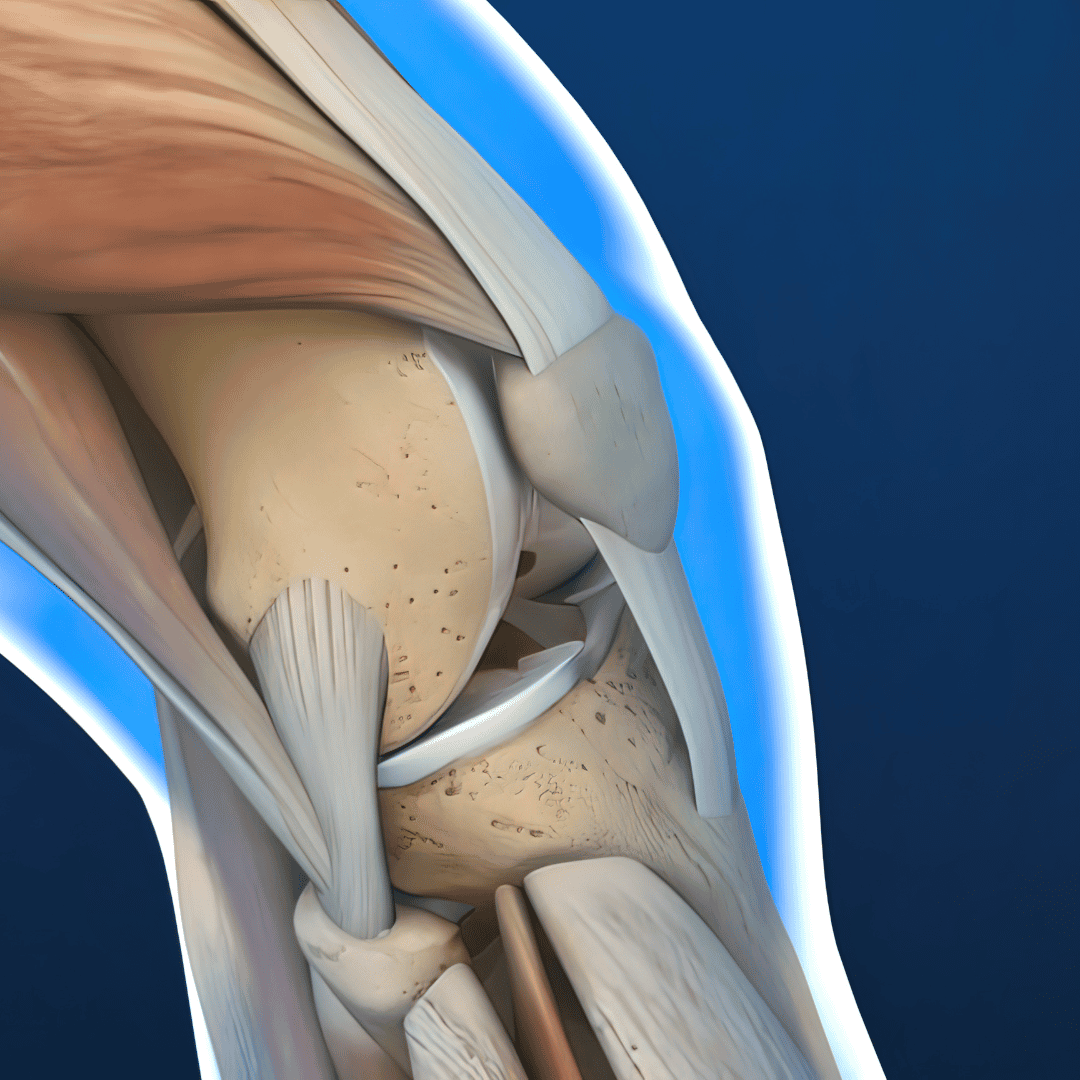
Knee replacement surgery, also called knee arthroplasty, is a procedure that replaces damaged parts of the knee joint with artificial components. The goal is to reduce pain caused by severe joint damage and improve the ability to perform daily movements such as walking, standing, or climbing stairs.
The knee is made up of the femur (thigh bone), tibia (shin bone), patella (kneecap), cartilage, ligaments, and surrounding tissues. Over time, conditions such as osteoarthritis, previous injuries, inflammatory arthritis, or joint degeneration can damage the cartilage that allows smooth movement.
During total knee replacement, damaged surfaces of the femur, tibia, and sometimes the underside of the kneecap are reshaped and replaced with metal and polyethylene components. Partial knee replacement may be considered when damage is limited to one compartment of the knee.
| Procedure Type | What It Involves | Common Reason Considered |
|---|---|---|
| Total Knee Replacement | Replacement of most damaged joint surfaces | Advanced arthritis affecting multiple areas |
| Partial Knee Replacement | Replacement of one damaged knee compartment | Localized joint damage |
| Revision Knee Replacement | Replacement or repair of a previous knee implant | Implant wear, loosening, or complications |
Why Patients Consider Knee Replacement Surgery in Tijuana, Mexico
Patients from the United States and Canada often explore Tijuana for orthopedic procedures because they are looking for alternatives when treatment access, scheduling, insurance limitations, or out-of-pocket costs create challenges at home.
- Short travel distance for many patients from California and the western United States
- Potential differences in healthcare costs compared with U.S. private healthcare pricing
- Availability of orthopedic specialists who treat joint replacement cases
- Options to combine medical care with coordinated travel arrangements
- Interest in obtaining another medical opinion before major joint surgery
Who Travels for Knee Replacement Surgery in Tijuana, Mexico?
Patients considering knee replacement surgery in Tijuana often come from nearby regions where travel is practical, especially the United States and Canada. Many international patients are older adults experiencing chronic knee pain, reduced mobility, and difficulty managing daily activities because of advanced joint degeneration.
The decision to travel for knee replacement is usually influenced by several personal factors, including healthcare access, waiting times, insurance coverage, treatment availability, and the ability to recover near home after surgery.
| Patient Group | Common Reason for Considering Tijuana | Important Considerations |
|---|---|---|
| United States Patients | Cost differences, proximity, scheduling options | Insurance coverage, border travel, follow-up planning |
| Canadian Patients | Potential wait time concerns in some healthcare systems | Medical records transfer and rehabilitation planning |
| Regional Mexican Patients | Access to specialized orthopedic services | Provider qualifications and hospital standards |
Knee Replacement Surgery Cost in Tijuana, Mexico Compared With Other Countries
The cost of knee replacement surgery in Tijuana varies depending on the hospital, surgeon experience, implant brand, anesthesia, length of hospital stay, rehabilitation needs, and whether additional services are included.
Patients should compare complete treatment plans rather than only comparing the surgical fee. Some quotes may include hospital charges and implants, while others may separate these expenses.
| Location | Typical Knee Replacement Cost Range (USD) | Factors Affecting Price |
|---|---|---|
| United States | Varies widely; private hospital charges may reach tens of thousands of dollars | Insurance coverage, hospital network, surgeon fees |
| Canada | Public coverage varies by province; private options differ | Province rules, private healthcare availability |
| Tijuana, Mexico | Varies by provider and treatment package | Implant type, hospital, surgeon, included services |
Possible Knee Replacement Treatment Expenses
| Expense Category | What It May Include |
|---|---|
| Orthopedic Surgeon Fees | Surgical consultation and procedure fees |
| Hospital Charges | Operating room, nursing care, hospital stay |
| Implant Components | Artificial knee replacement components selected for the procedure |
| Anesthesia | Anesthesia services during surgery |
| Rehabilitation | Physical therapy and recovery support |
| Travel Expenses | Transportation, accommodation, and companion costs |
How to Choose a Hospital for Knee Replacement Surgery in Tijuana
Choosing the right hospital for knee replacement surgery in Tijuana requires reviewing licensing, orthopedic capabilities, safety processes, and patient support systems.
Mexico’s healthcare facilities operate under national health regulations overseen by Mexican health authorities. Patients should confirm that the selected hospital or surgical facility is properly licensed and follows required healthcare standards.
Hospital Evaluation Checklist for Knee Replacement in Mexico
| Credential or Feature | Why Patients Should Review It |
|---|---|
| Government Licensing | Confirms the facility operates under Mexican healthcare regulations |
| Medical Facility Accreditation | May indicate structured quality and safety processes |
| Operating Room Standards | Important for infection prevention and surgical safety |
| Emergency Support | Patients should understand available emergency response systems |
| Post-Surgical Care | Recovery planning is important after joint replacement |
How to Choose an Orthopedic Surgeon for Knee Replacement in Tijuana, Mexico
Selecting an orthopedic surgeon for knee replacement surgery in Tijuana requires careful review of medical qualifications, surgical experience, communication, and follow-up planning. The surgeon you choose should have appropriate training in joint replacement procedures and be registered according to Mexican medical regulations.
Before scheduling surgery, ask for information about the surgeon’s orthopedic specialty training, experience with knee arthroplasty, professional registration, hospital privileges, and approach to managing possible complications.
Questions to Ask a Knee Replacement Surgeon in Mexico
| Question | Why It Matters |
|---|---|
| Are you certified and registered to practice orthopedic surgery in Mexico? | Helps verify professional qualifications. |
| How frequently do you perform knee replacement procedures? | Procedure-specific experience is important when evaluating providers. |
| Which implant systems do you use? | Allows discussion of implant options and manufacturer information. |
| What happens if complications occur after surgery? | Helps you understand emergency and revision planning. |
| How will follow-up care work after returning home? | Important for international patients requiring continued rehabilitation. |
Knee Replacement Recovery Timeline After Surgery in Tijuana
Recovery after knee replacement surgery varies between patients. Your age, overall health, physical condition, surgical technique, rehabilitation participation, and medical history can influence healing time.
Physical therapy is an important part of recovery because it helps restore movement, strength, balance, and function after the knee joint has been replaced.
| Timeframe | Biological or Clinical Process | Patient Experience | Recommended Action |
|---|---|---|---|
| First Days | Initial healing begins after surgery | Pain, swelling, and limited movement may occur | Follow medical instructions and begin approved movement exercises |
| Weeks 1–6 | Soft tissues continue healing and strength improves | Walking ability may gradually improve | Continue rehabilitation and attend follow-up appointments |
| Months 2–6 | Functional recovery continues | Many activities may become easier depending on progress | Maintain exercises and monitor symptoms |
| Long-Term | Implant function is monitored over time | Patients continue adapting to the artificial joint | Maintain orthopedic follow-up when recommended |
Risks and Safety Considerations for Knee Replacement Surgery in Mexico
Like any major surgery, knee replacement has potential risks. Understanding these risks allows you to ask better questions and prepare appropriately before treatment.
| Possible Concern | Prevention and Planning Questions |
|---|---|
| Infection | Ask about infection prevention protocols and hospital standards. |
| Blood clots | Discuss personal risk factors with your healthcare provider. |
| Implant-related issues | Ask about implant manufacturer, materials, and follow-up plans. |
| Delayed recovery | Understand rehabilitation requirements before traveling. |
Preparing for Knee Replacement Travel to Tijuana, Mexico
International patients should prepare both medically and logistically before traveling for knee replacement surgery. Good preparation helps reduce avoidable challenges during treatment and recovery.
- Collect medical records, imaging studies, and previous treatment information.
- Discuss your medical history, medications, and existing health conditions with your surgical team.
- Confirm the hospital location, admission process, and required documents.
- Understand what your treatment quote includes and excludes.
- Arrange transportation and accommodation plans if needed.
- Create a follow-up plan with your local healthcare provider after returning home.
Frequently Asked Questions About Knee Replacement Surgery in Tijuana, Mexico
Patients considering knee replacement surgery in Tijuana often have questions about costs, surgeon qualifications, recovery, safety, and medical travel planning. The answers below address common concerns to help you prepare before speaking with a healthcare provider.
How much does knee replacement surgery cost in Tijuana, Mexico?
The cost of knee replacement surgery in Tijuana varies depending on the orthopedic surgeon, hospital, implant type, anesthesia, length of stay, rehabilitation needs, and services included in the treatment plan. Patients should request an itemized written estimate before scheduling surgery.
Why do patients choose knee replacement surgery in Tijuana, Mexico?
Some patients from the United States and Canada consider Tijuana because of its geographic proximity, access to orthopedic services, and interest in comparing treatment options. Patients should evaluate provider credentials, hospital standards, and follow-up plans before making decisions.
Who is a candidate for knee replacement surgery in Tijuana?
Patients with advanced knee arthritis, significant joint damage, persistent pain, and reduced mobility may be evaluated for knee replacement surgery. An orthopedic surgeon should review medical history, imaging results, and overall health before recommending surgery.
How can I verify a knee replacement surgeon in Tijuana?
Before selecting a surgeon, review orthopedic training, medical registration, board certification where applicable, experience with knee arthroplasty, hospital affiliation, and the surgeon’s approach to managing possible complications.
What hospital credentials should I check before knee replacement surgery in Mexico?
Patients should confirm that the facility is properly licensed and review available accreditation information, infection prevention practices, emergency support capabilities, orthopedic services, and post-operative care arrangements.
How long should I stay in Tijuana after knee replacement surgery?
The recommended stay depends on recovery progress, surgeon recommendations, medical condition, and follow-up requirements. International patients should discuss travel timing before surgery.
What risks should I understand before knee replacement surgery abroad?
Like any major surgery, knee replacement has possible risks including infection, blood clots, implant-related problems, stiffness, and delayed recovery. Discuss your personal risk factors with a qualified healthcare provider.
How long does recovery take after knee replacement surgery in Tijuana?
Recovery varies between patients. Physical therapy, gradual activity progression, and follow-up appointments are important parts of rehabilitation after knee replacement surgery.
Explore Knee Replacement Surgery Options in Tijuana, Mexico
Choosing knee replacement surgery abroad requires careful evaluation of treatment options, provider credentials, costs, and recovery planning. PlacidWay can help patients compare available providers, understand treatment costs, prepare important questions, and review options based on their individual needs.
If you are considering knee replacement surgery in Tijuana, Mexico, you can request information to discuss available options and connect with healthcare providers for further evaluation.
Request InformationDisclaimer
Disclaimer: This information is for educational purposes only and does not replace professional medical advice. Always consult a qualified healthcare provider before making medical decisions.
References
- Total Knee Replacement – American Academy of Orthopaedic Surgeons
- Total Knee Replacement – OrthoInfo, American Academy of Orthopaedic Surgeons
- Knee Replacement – National Institute of Arthritis and Musculoskeletal and Skin Diseases
- Healthcare-Associated Infections – Centers for Disease Control and Prevention
- Patient Safety – World Health Organization
- Secretaría de Salud – Government of Mexico


























Share this listing