

Understanding the Reality of Knee Replacement Cost in Tijuana
For thousands of aging adults, chronic joint pain creates an immediate need for orthopedic intervention, but domestic healthcare prices often present an insurmountable barrier. The reality of the knee replacement cost in Tijuana has fundamentally changed how American and Canadian patients approach their physical health and financial stability. By looking just south of the border, individuals are discovering that restoring their mobility does not require draining their life savings or going into overwhelming medical debt. This region has systematically developed into a premier destination for high-quality, specialized orthopedic care.
However, navigating the financial landscape of medical tourism in Mexico requires careful due diligence and a clear understanding of healthcare billing practices. Patients must differentiate between transparent, upfront pricing models and disjointed billing structures that can lead to unexpected financial burdens. The growing popularity of border clinics is largely driven by their ability to provide exceptional medical value, but informed patients must know exactly what they are paying for. Understanding the nuances of international healthcare economics is the first crucial step toward a successful medical journey.
Data suggests that uninsured or underinsured American patients can typically save between 50% and 70% on major orthopedic surgeries by choosing accredited facilities in Mexico over domestic hospitals.
The Core Differences Between Hidden Fees and All-Inclusive Packages
When researching affordable knee replacement in Tijuana, patients will generally encounter two very distinct billing philosophies: traditional a-la-carte pricing and comprehensive bundled packages. A-la-carte pricing mirrors the typical US hospital system, where the surgical facility, the anesthesiologist, the primary surgeon, and the pharmacy all bill the patient separately. While the base surgical fee might appear astonishingly low, this fragmented approach often leaves patients vulnerable to compounding extra charges that quickly inflate the final medical bill. Understanding this distinction is vital for accurate financial planning.
Conversely, the modern standard for orthopedic clinics in Tijuana catering to international visitors is the all-inclusive package model. These structured bundles are designed specifically to eliminate the stress of financial unpredictability during a vulnerable medical recovery. By consolidating the essential components of the procedure into one transparent price, clinics empower patients to budget with confidence. This model generally fosters a much stronger sense of trust between the international patient and the healthcare provider.
- A-La-Carte Billing: Charges are itemized separately for the surgeon, facility, anesthesia, and materials, which can typically obscure the final total.
- All-Inclusive Bundles: Combines major medical necessities into a single quote, generally providing immense financial predictability.
- Financial Transparency: Packaged pricing significantly reduces the anxiety of receiving unexpected hospital bills weeks after returning home.
Never assume a low initial quote covers everything. Always demand a formally written, itemized breakdown of exactly what medical services, medications, and clinical days are included before transferring any funds to an international facility.
What Typically Drives the Price of Orthopedic Surgery in Mexico
To accurately evaluate an orthopedic surgery package in Mexico, one must understand the underlying components that influence the final price tag. The most significant variable is often the type of artificial joint utilized during the arthroplasty; high-end, FDA-approved titanium implants naturally command a higher premium than standard materials. Furthermore, the surgeon's specialized expertise, including any fellowship training in the United States or Europe, will justifiably impact their professional fee. These factors ensure that patients are receiving care that aligns with stringent global medical standards.
Another major factor influencing the knee surgery cost in Mexico is the accreditation level and technological infrastructure of the surgical facility. Hospitals that have invested heavily in computerized navigation systems, robotic-assisted surgical arms, and state-of-the-art infection control measures generally charge slightly higher rates. However, these investments directly correlate to enhanced patient safety and typically yield more precise, durable surgical outcomes. Patients must weigh these qualitative factors against their budget rather than merely seeking the lowest absolute price.
The lower cost of living and favorable currency exchange rates in Mexico allow top-tier medical facilities to operate with significantly lower overhead, passing massive savings directly to international patients.
When evaluating clinic options, explicitly ask if their quoted price utilizes computer-assisted navigation, as this advanced technology generally improves the long-term alignment and lifespan of the new joint.
Detailed Breakdown: Affordable Knee Replacement in Tijuana Versus the US
Analyzing the exact financial variance between domestic healthcare and cross-border options reveals why so many pursue affordable knee replacement in Tijuana. In the United States, the exorbitant costs of liability insurance, administrative layers, and inflated pharmaceutical pricing result in staggering patient invoices. Even with comprehensive Medicare, the out-of-pocket deductibles and copays for a joint replacement can easily exceed a retiree's annual budget. Mexico offers a streamlined, highly efficient alternative without sacrificing the quality of the primary surgical intervention.
Below is a comparative look at standard market pricing for common orthopedic interventions. While individual medical complexity will naturally alter these figures, this table provides a realistic baseline for patients engaging in medical tourism in Tijuana. It vividly illustrates the financial leverage patients gain by stepping outside their local healthcare networks and embracing international options.
| Orthopedic Procedure Name | Average Cost in Tijuana (USD) | Average Cost in the USA (USD) |
|---|---|---|
| Total Knee Replacement (Unilateral) | $8,000 - $12,000 | $35,000 - $50,000 |
| Partial Knee Arthroplasty | $7,000 - $9,500 | $25,000 - $35,000 |
| Bilateral Knee Replacement (Both Knees) | $14,500 - $18,000 | $65,000 - $90,000 |
| Knee Revision Surgery | $10,000 - $15,000 | $45,000 - $70,000 |
A recent economic analysis indicated that a standard knee replacement in the US can incur upwards of $10,000 in facility fees alone—a cost that is typically bundled entirely within a standard Mexican surgical package.
Identifying Potential Hidden Costs in Orthopedic Medical Tourism
Even when pursuing deeply discounted joint replacement in Mexico, patients must remain vigilant about identifying potential financial blind spots. The most common source of hidden fees stems from complex medical situations requiring unforeseen interventions, such as emergency blood transfusions or specialized cardiac monitoring during surgery. Furthermore, if a patient's post-operative recovery is slower than anticipated, incurring extra nights in the clinical recovery bay will typically generate additional daily charges. Recognizing these variables allows patients to build a sensible financial buffer.
Another area where costs can quietly accumulate is in the realm of specialized pharmaceuticals and customized mobility aids. While standard pain management is usually included, discharge medications—such as premium blood thinners or specialized antibiotics—may require separate out-of-pocket payments at a local pharmacy. When organizing a Tijuana medical travel itinerary, clarity is your ultimate defense against unexpected financial stress during the delicate healing process.
- Pre-Surgical Clearance: Additional cardiovascular stress tests or specialized bloodwork requested at the last minute.
- Extended Hospital Stays: Per-night fees for patients requiring prolonged inpatient monitoring beyond the standard package.
- Discharge Medications: The cost of take-home prescriptions, specifically strong anticoagulants, is sometimes excluded from base quotes.
Always ask the clinic for a written contingency plan outlining exact pricing for potential complications, such as extra ICU nights or unforeseen blood transfusions, to ensure you are fully prepared.
The True Value of All-Inclusive Knee Surgery Packages in Tijuana
Embracing a comprehensive knee surgery package in Tijuana transforms a potentially chaotic medical process into a highly structured, manageable experience. These packages are meticulously designed by experienced medical coordinators who understand the holistic needs of an international patient. Beyond the operating room, these bundles generally cover pre-operative consultations, standard anesthetic protocols, the operating theater fees, and the critical first days of inpatient nursing care. This unified approach eliminates the anxiety of deciphering multiple invoices from different medical departments.
The true value of this structured approach extends far beyond mere financial convenience. By opting for a bundled service in the realm of medical tourism in Mexico, patients are usually assigned a dedicated medical coordinator who acts as a liaison between the surgical team and the patient. This continuous support system ensures that all clinical logistics run seamlessly, allowing the patient to focus their mental and physical energy entirely on recovery and rehabilitation rather than administrative friction.
Premium all-inclusive packages often integrate initial in-patient physical therapy sessions, ensuring patients learn safe mobility techniques from licensed professionals before they are ever discharged.
How Prosthetic Choice Impacts Your Knee Arthroplasty Expenses
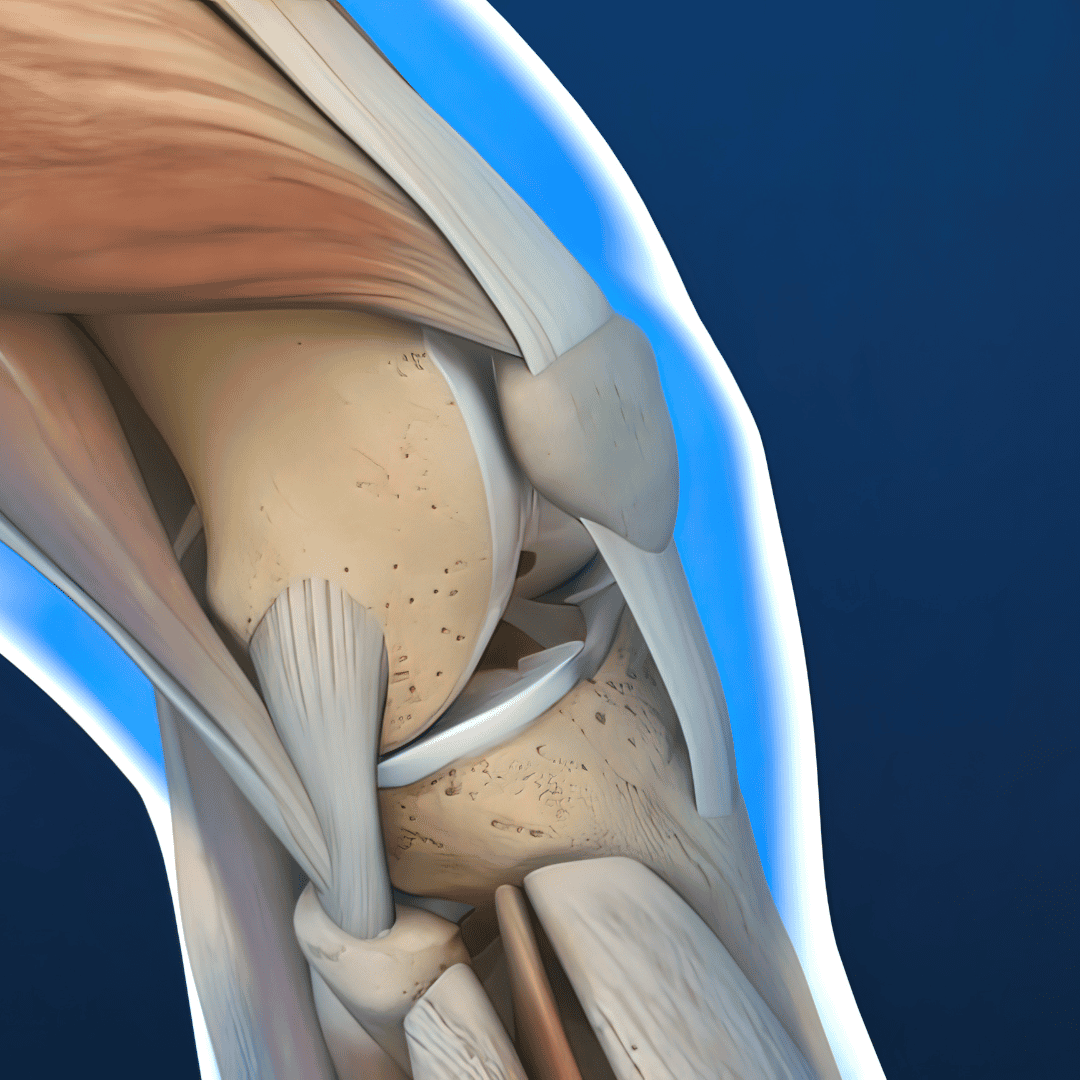
A critical discussion to have when determining your total knee replacement cost in Tijuana revolves around the selection of the prosthetic implant. Modern orthopedics offers a variety of implant materials, ranging from durable cobalt-chromium alloys to advanced, highly biocompatible titanium and specialized polyethylene plastics. The specific brand and material complexity of the joint directly influence the base package price. Reputable surgeons will generally recommend an implant based on the patient’s age, bone density, and anticipated activity level to ensure maximum longevity.
It is a common misconception that seeking orthopedic procedures in Mexico means settling for inferior medical hardware. In reality, the top-tier destination clinics exclusively utilize the exact same FDA-approved prosthetics manufactured by global leaders like Zimmer Biomet, Stryker, and DePuy Synthes. Ensuring your package explicitly names a globally recognized prosthetic brand is paramount for long-term safety, as these materials have decades of peer-reviewed clinical data supporting their durability.
Modern knee prosthetics are engineered to withstand incredible biological stress, and clinical studies generally indicate that 85% to 90% of high-quality implants remain fully functional 20 years after the initial surgery.
Request the exact brand and model of the proposed prosthetic implant during your virtual consultation. You can then independently research its track record and confirm its FDA approval status before committing.
Quality Standards and Safety in Tijuana Orthopedic Clinics
The primary concern for any individual researching medical tourism in Tijuana is invariably the clinical safety and sanitary standards of the surgical facilities. The most reputable orthopedic centers operating near the border proactively seek out international accreditations to validate their clinical excellence. These facilities generally adhere to stringent protocols matching those found in North America, featuring state-of-the-art HEPA filtration in operating rooms, rigorous instrument sterilization processes, and comprehensive emergency rapid-response teams.
Evaluating the safety of an orthopedic clinic in Mexico also requires verifying the credentials of the presiding medical staff. Elite surgeons catering to international patients typically hold active board certifications and maintain memberships in prestigious organizations like the American Academy of Orthopaedic Surgeons (AAOS). This dedication to continuous medical education ensures that the surgical techniques deployed are evidence-based, modernized, and inherently designed to minimize post-operative complications.
Facilities accredited by major international joint commissions generally report surgical site infection rates of less than 1%, which is statistically comparable to top-rated orthopedic hospitals within the United States.
Many specialized clinics in Mexico feature dedicated "clean rooms" for orthopedic procedures, ensuring that joint replacements are never performed in the same surgical suites used for infectious disease treatments.
Navigating Pre-Surgical Diagnostics and Post-Operative Care Costs
A comprehensive view of the knee replacement cost in Tijuana must account for the bookends of the surgical procedure: the diagnostic preparation and the rehabilitation phase. Prior to clearing a patient for surgery, facilities generally require a recent battery of tests, including extensive blood panels, electrocardiograms, and high-resolution MRIs or X-rays. While some all-inclusive packages cover these baseline diagnostics if performed on-site, patients who arrive without proper pre-clearance may encounter additional testing fees upon arrival.
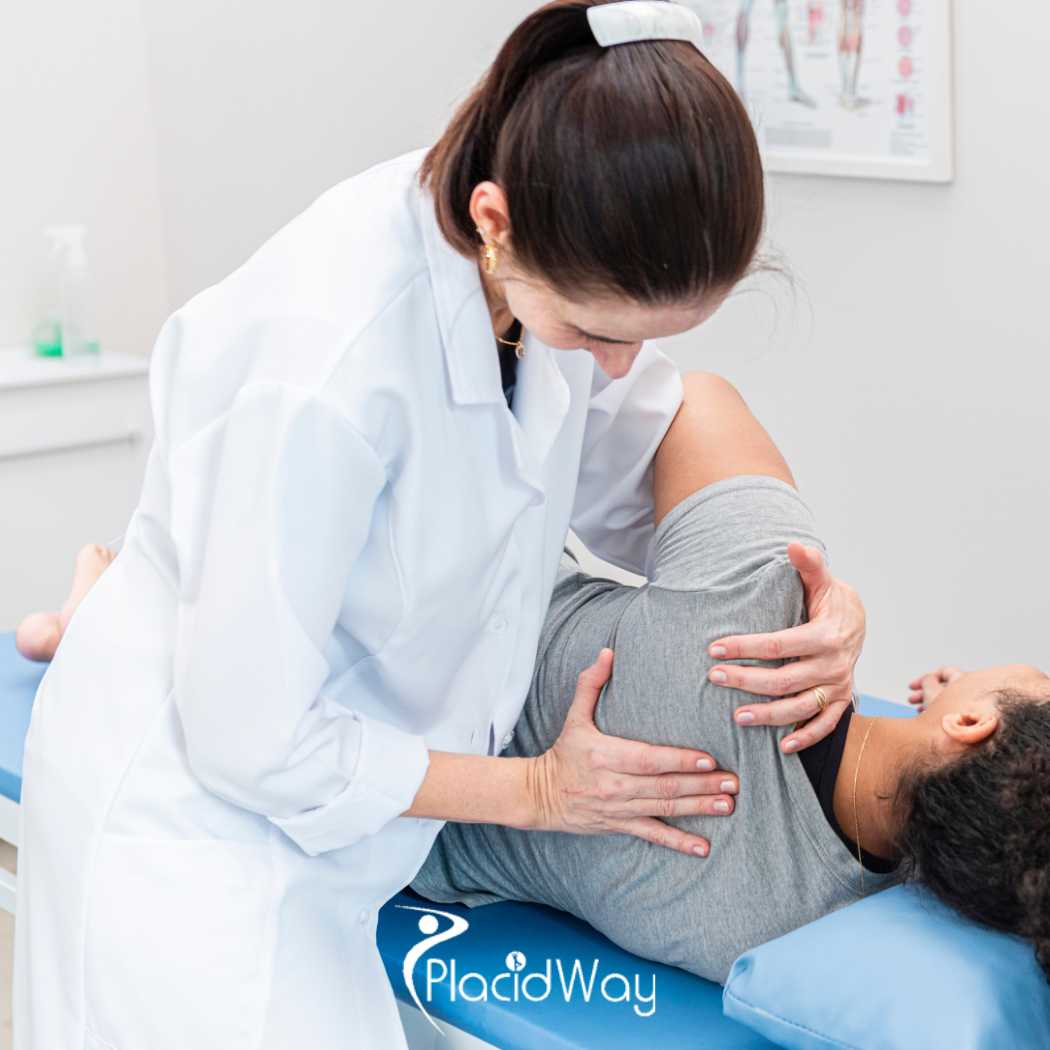
The post-operative phase is arguably the most crucial determinant of long-term surgical success. While the initial inpatient physical therapy is usually wrapped into a Tijuana orthopedic package, patients must budget for extensive outpatient rehabilitation once they return home. Consistent, localized physical therapy is generally required for several months to restore full range of motion and muscle strength. Failing to factor these domestic, post-travel healthcare costs into your overall budget can lead to significant financial strain during recovery.
To save time and potential extra clinic fees, have your local primary care physician perform all necessary cardiovascular clearances and blood tests two weeks prior to your international travel.
Financial Planning for Your Medical Journey Across the Border
Establishing a concrete financial strategy is essential when committing to affordable orthopedic surgery in Mexico. Because standard US health insurance and Medicare typically do not provide coverage for elective procedures abroad, patients are usually operating on a self-pay basis. It is highly recommended to secure all funding well in advance to prevent transactional delays. Many international clinics accept major credit cards, wire transfers, and even specific medical financing companies that specialize in funding healthcare abroad.
Effective financial planning for a medical trip to Tijuana also involves preparing for currency fluctuations and banking protocols. Patients should proactively inform their banking institutions about their intent to process large international transactions to avoid unexpected fraud alerts that could freeze accounts. Creating a padded budget that includes a 10% to 15% contingency fund generally provides tremendous peace of mind, ensuring any minor, unforeseen medical needs can be handled without stress.
While standard insurance rarely covers the overseas surgery itself, some patients successfully petition their providers to cover the extensive physical therapy required upon returning to the United States.
Financial reports indicate that over 60% of medical tourists utilize specialized healthcare financing, personal medical loans, or health savings accounts (HSAs) to comfortably fund their cross-border joint replacements.
Assessing Patient Experiences with Knee Procedures in Mexico
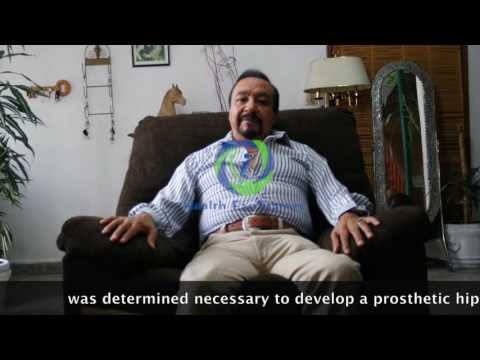
Analyzing real-world outcomes is vital when evaluating the efficacy of a knee replacement in Tijuana. Historical narratives from previous medical tourists typically provide deep insights into the clinical environment, the bedside manner of the staff, and the realities of cross-border rehabilitation. These stories often highlight the stark contrast between the rushed, impersonal nature of domestic healthcare and the highly attentive, individualized care frequently experienced in premier destination facilities.
While every medical case is biologically unique and a perfect outcome can never be guaranteed, the collective consensus among informed travelers points toward highly positive medical tourism experiences. Patients repeatedly praise the transparent communication regarding pricing and the profound relief of reclaiming their mobility without facing financial ruin. Reading diverse patient perspectives helps ground expectations and validates the rigorous research process.
John's Pathway to Pain-Free Walking
Facing a $40,000 domestic estimate for a total joint replacement, 68-year-old John sought care in Mexico. He reported that his all-inclusive package provided immense predictability, and he appreciated the strict sterilization protocols maintained by the bilingual surgical team.
Mary Reclaims Her Independence
Mary required partial knee resurfacing but was delayed by endless insurance pre-approvals. She opted for a highly credentialed clinic across the border, noting that the comprehensive pre-surgical diagnostics and attentive nursing care exceeded her expectations.
Robert Navigates Bilateral Surgery
Requiring replacements on both legs, Robert utilized a bundled package that saved him over $45,000. He highlighted the facility's dedication to immediate post-operative physical therapy, which generally allowed him to begin his rehabilitation safely before traveling home.
Linda's Seamless Recovery Experience
Uninsured and living on a fixed income, Linda found an affordable orthopedic solution in Mexico. She praised the clear, transparent pricing structure that successfully protected her from hidden fees, allowing her to focus entirely on healing her joint.
Why American Patients Trust Tijuana for Joint Restoration
The sustained influx of patients seeking orthopedic clinics in Tijuana is not merely a product of low pricing; it is a testament to the region's hard-earned clinical reputation. Over the past two decades, the local medical infrastructure has purposefully evolved to cater to the exacting standards of North American consumers. The close geographic proximity provides an immense psychological comfort, allowing patients to undergo major surgery without the added stress of a long-haul transoceanic flight during their recovery phase.
Furthermore, the cultural integration of medical tourism in Mexico means that overcoming language barriers is rarely an issue in top-tier facilities. Medical staff are typically fluent in English, ensuring that nuanced conversations about anesthesia, pain management, and surgical risks are perfectly understood. This commitment to clear, empathetic communication generally fosters a deeply trusted patient-provider relationship, which is essential for a positive surgical outcome.
Tijuana features dedicated, expedited medical border lanes, which are specifically designed to allow recovering surgical patients to cross back into the United States swiftly and comfortably.
Patient satisfaction metrics consistently show that over 85% of individuals who travel to Mexico for major joint replacements state they would confidently recommend the experience to friends and family.
How PlacidWay Facilitates Your Orthopedic Care Abroad
Organizing a cross-border medical journey for a complex procedure like joint replacement in Mexico requires specialized knowledge and meticulous coordination. PlacidWay serves as an authoritative informational bridge, connecting prospective patients with a curated network of highly vetted international medical providers. By streamlining the research process, patients can bypass the overwhelming volume of internet data and focus strictly on evaluating qualified, credentialed specialists.
Navigating the complexities of medical tourism demands transparency and support at every stage. PlacidWay is dedicated to empowering patients through comprehensive education, ensuring individuals have the necessary insights to make confident, autonomous health decisions. From facilitating initial communications to providing detailed procedural overviews, the focus remains entirely on delivering value-based assistance for your medical needs.
- Provider Vetting: Access to a network of specialized orthopedic centers recognized for adhering to stringent international healthcare protocols.
- Direct Clinical Connections: Facilitating seamless introductory consultations between patients and experienced, bilingual surgical teams.
- Transparent Information: Supplying comprehensive details regarding procedure techniques, estimated clinical timelines, and provider credentials.
- Patient Education: Offering robust resources to help individuals thoroughly understand the realities and requirements of global healthcare.
PlacidWay has successfully assisted thousands of patients globally in discovering high-quality medical alternatives, acting as a trusted resource for cross-border healthcare solutions.
Utilize specialized facilitation platforms to easily compare multiple clinical quotes side-by-side, ensuring you fully understand the medical inclusions before making a final commitment.
Frequently Asked Questions About Knee Surgery Costs in Tijuana
Before committing to an affordable knee replacement in Tijuana, patients naturally harbor numerous practical and medical questions. Understanding the logistics, safety protocols, and true financial expectations is a critical part of the pre-surgical preparation. Comprehensive knowledge generally reduces pre-travel anxiety and sets a realistic framework for the recovery journey.
Below is a curated list of essential insights addressing the most common concerns regarding orthopedic medical tourism to Mexico. These concise answers provide immediate clarity on everything from border requirements to post-operative safety, ensuring you can proceed with confidence and a clear clinical picture.
The average cost typically ranges from $8,000 to $12,000 for a total knee replacement. This generally represents a 50% to 70% savings compared to standard pricing in the United States.
Most all-inclusive packages cover the surgeon's fee, operating room, standard prosthetics, anesthesia, and routine medications. However, patients should generally verify if pre-surgical imaging and extended hospital stays are included.
Yes, when utilizing accredited facilities and board-certified surgeons, orthopedic surgery in Mexico is generally considered safe. Reputable clinics typically adhere to strict international hygiene and safety protocols.
Standard US health insurance and Medicare generally do not cover elective medical procedures performed outside the country. Patients typically pay out-of-pocket, though the costs are often lower than stateside deductibles.
Leading orthopedic surgeons in Mexico typically use high-quality, FDA-approved implants from major global medical manufacturers. Brands like Zimmer Biomet and Stryker are commonly utilized in these facilities.
Most orthopedic specialists recommend staying in the destination for 7 to 10 days post-surgery. This period allows for close medical monitoring, initial physical therapy, and clearance for safe travel.
Yes, facilities catering to international medical tourists generally employ fully bilingual staff and doctors. This typically ensures seamless communication regarding surgical risks, protocols, and recovery expectations.
Yes, a valid US passport or passport card is legally required to cross the international border and return. It is strongly advised that your passport be valid for at least six months beyond your travel dates.
Reputable clinics typically provide emergency support protocols and prolonged monitoring during your initial recovery stay. Once home, patients are generally advised to work with a local primary care doctor for continued oversight.
With modern surgical techniques, most patients are encouraged to stand and walk with a supportive device within 24 hours of surgery. Consistent physical therapy is generally required to regain full mobility.
Ready to explore transparent pricing and highly accredited orthopedic options abroad? Connect with experienced medical providers through PlacidWay.
- Mayo Clinic. (2026). Knee replacement - Risks and Costs. https://www.mayoclinic.org/
- WebMD. (2026). What to Know About Knee Replacement Surgery. https://www.webmd.com/
- PubMed. (2026). Economic Evaluation of Total Knee Arthroplasty. https://pubmed.ncbi.nlm.nih.gov/
- U.S. Food and Drug Administration (FDA). (2026). Orthopedic Devices and Implants. https://www.fda.gov/

.jpg)





.png)
.png)
.png)
.png)



.jpg)
.png)
.jpg)
.jpg)








Share this listing