


If you live in Texas and a major dental quote feels difficult to manage, Mexico can look practical because several crossings are only a drive away. The real decision, however, is not simply where the lowest price appears. You need to verify the dentist's Mexican professional license, understand the clinic's sanitary status, confirm who will manage complications and follow-up, and check current U.S. travel guidance before you cross the border.
The featured dentist list below follows the PlacidWay source you supplied. Importantly, that source includes dentists in Los Algodones, Tijuana, Mexicali and Puerto Vallarta, so this guide labels Best Dentists in Mexico Near the Texas Border, each location clearly rather than presenting every doctor as physically located on the Texas-Mexico border.
Quick Summary for Dental Care Near the Texas Border
- Planning prices: the supplied PlacidWay article lists a single implant with crown at about $900-$1,500 in Mexico versus $3,500-$5,000 in the U.S.; All-on-4 is listed at about $8,000-$12,000 versus $24,000-$35,000. These are comparison estimates, not treatment quotes.
- License check: verify the dentist's cédula profesional in Mexico's Registro Nacional de Profesionistas. Ask for a specialty cédula as well when a provider presents themselves as a specialist.
- Clinic check: ask for the clinic's COFEPRIS sanitary paperwork, responsible clinician information and infection-control procedures. COFEPRIS oversight is not the same thing as a private quality award.
- Texas-border caution: the U.S. Department of State currently lists Tamaulipas at Level 4, “Do Not Travel.” Nuevo Progreso has a limited exception for U.S. government employees who enter on foot through the Progreso crossing during specified daytime hours.
- Follow-up matters: implants, extractions and other surgical dental procedures can require healing and additional visits. Plan who will manage pain, infection, bite problems or prosthetic adjustments after you return home.
- Best fit: cross-border dental care may appeal most to patients facing high out-of-pocket restorative costs who can safely travel and complete the full treatment and follow-up plan.
Why Texans Look for Dentists in Mexico Near the U.S. Border
For many Texans, the attraction is straightforward: a border crossing can make international dental care feel more accessible than flying to a distant country. The CDC notes that dental care is the most common form of medical tourism among U.S. residents, with cost and gaps in dental coverage among the reasons people seek care abroad.
That convenience does not make every border destination equivalent. Travel risk, clinic regulation, dentist credentials, treatment complexity and the need for repeat visits can matter more than the first quoted price.
Lower out-of-pocket dental costs, especially for implants, crowns, veneers and full-arch reconstruction.
South Texas residents can reach Mexico by land, while other Texans may fly to California or Arizona border hubs.
Travel advisories differ by Mexican state and can change. Check them again immediately before departure.
What we can and cannot say about patient demographics
Reliable 2025-2026 public data that break Texas-border dental tourists down by age, gender and specific dental procedure were not identified. Rather than invent a demographic profile, this guide uses the evidence that is available: U.S. residents commonly travel for dental care, cost is a major driver, and the supplied PlacidWay source is written primarily for American and Canadian patients.
Evidence availability for Texas-border dental tourism demographics
Supported by CDC medical-tourism guidance
Supported by CDC and the supplied source
Recent Texas-border dental-specific data not available
Recent Texas-border dental-specific data not available
Featured Dentists in Mexico From the Supplied PlacidWay List
The seven dentists below are taken from the PlacidWay article you specified. This is a source-based featured list, not an independent clinical ranking, and inclusion should not replace license verification, a review of the proposed treatment plan or an assessment of the clinic's safety processes.
| Dentist | Source-listed specialty | Associated center | Location relevance for Texans |
|---|---|---|---|
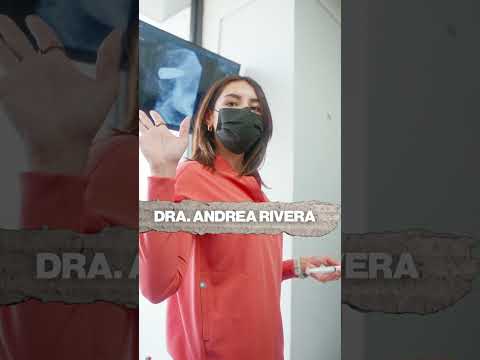
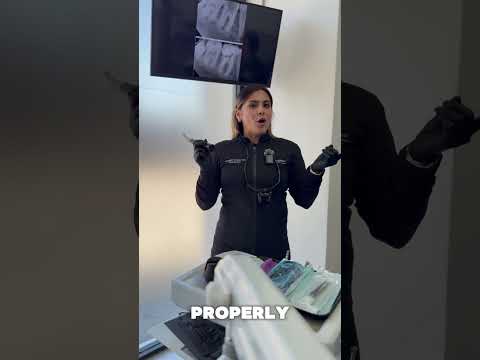
| Dr. Luis Armando Melendez Martinez, DDS | Dentist, Implantology | All On X Dental Studio | Los Algodones, Baja California; U.S.-border destination near Arizona/California |
| Dr. Arturo Leon | Maxillofacial Surgeon | PV Smile | Puerto Vallarta, Jalisco; requires a flight or long-distance travel and is not a border city. |
| DDS. Alejandro Mendez Llamas | Holistic & Biological Dentist | ODONTOMEDIK | Tijuana, Baja California; U.S.-border city near San Diego, not Texas. |
| Dr. Kiabbett Lois | General Dentist | Best Dental Care | Los Algodones; accessible through the Arizona/California border region. |
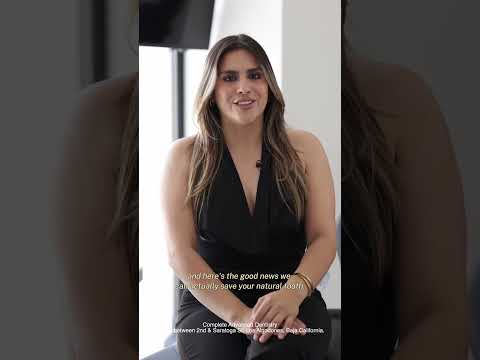
| Dr. Ernesto Alonso Yanez Torres | Dentist, Prosthodontist, Implantology | Complete Advanced Dentistry | Los Algodones |
| Dr. Santiago Angulo | Prosthodontist | Care Smile Center | The supplied source names the center but does not clearly identify a city in the dentist entry; verify location before planning travel. |
| Dr. Carlos Suarez | Dentist | Smiletec® | Mexicali, Baja California; opposite Calexico, California, not Texas. |
Dental Costs in Mexico vs. the United States for Texas Patients
The supplied PlacidWay article presents comparison ranges for six common dental services. These numbers are useful for early budgeting, but your final price can change after X-rays or CBCT imaging, diagnosis, implant brand selection, bone-graft needs, anesthesia, laboratory work and the number of visits required.
| Dental procedure | U.S. comparison range | Mexico comparison range | Ask whether quote includes |
|---|---|---|---|
| Single dental implant with crown | $3,500-$5,000 | $900-$1,500 | Implant fixture, abutment, crown, imaging and grafting |
| All-on-4 full arch restoration | $24,000-$35,000 | $8,000-$12,000 | Extractions, temporary teeth, final prosthesis, sedation and grafting |
| Porcelain or zirconia crown | $1,000-$1,800 | $250-$450 | Core buildup, temporary crown and laboratory fees |
| Porcelain veneer per tooth | $1,200-$2,500 | $350-$550 | Consultation, preparation, temporary veneer and final bonding |
| Root canal treatment | $800-$1,500 | $200-$350 | Imaging, buildup and whether a crown is separate |
| Surgical tooth extraction | $250-$600 | $50-$150 | Imaging, sedation, grafting and post-op checks |
2026 planning comparison: midpoint savings by procedure
The graph below is calculated from the midpoint of the ranges in the supplied PlacidWay article, which was modified in 2026. It is a mathematical comparison of listed planning ranges, not a claim about what any individual patient will save.
Histogram of midpoint savings percentages
Method: midpoint savings = (U.S. midpoint ? Mexico midpoint) ÷ U.S. midpoint. Source ranges: supplied PlacidWay article, modified June 2026.
How to Verify a Dentist in Mexico Before You Travel From Texas
A polished website, English-speaking coordinator or expensive-looking clinic does not establish professional credentials. Before paying a deposit, ask for the treating dentist's full legal name and professional license number, then confirm the record in Mexico's Registro Nacional de Profesionistas maintained through the Secretaría de Educación Pública.
For specialty care, ask what formal specialty credential supports the title being used. A dentist may have continuing education in implants without holding the same type of formal specialty qualification as a prosthodontist, periodontist or oral and maxillofacial specialist, so match the credential to the complexity of your case.
| Verification item | What to request | Why it matters |
|---|---|---|
| Professional cédula | Full name and cédula number; verify in the SEP national registry | Confirms a registered professional title in Mexico |
| Specialty credential | Specialty cédula or other formal specialist documentation where applicable | Helps distinguish formal specialty training from short courses |
| Treatment plan | Diagnosis, tooth numbers, materials, alternatives, stages and expected follow-up | Reduces misunderstandings and makes quotes comparable |
| Complication plan | Written pathway for infection, bleeding, implant failure, pain or prosthetic breakage | Important when you live hours away or in another country |
| Records | Copies of imaging, procedure notes, implant labels and laboratory information | Supports continuity of care after you return to Texas |
How to Check a Dental Clinic in Mexico: COFEPRIS, Sanitary Rules and Infection Control
Mexico's COFEPRIS is the federal health-risk regulator. Patients should ask the clinic which sanitary notice, license or authorization applies to that establishment and who is named as the responsible health professional when required.
Do not treat the phrase “COFEPRIS certified” as a substitute for documentation. COFEPRIS registration or sanitary authorization is regulatory oversight, not a guarantee that a clinic is better than another clinic. Dental establishments also operate within Mexican health standards, including NOM-013-SSA2-2015 for oral disease prevention and control and broader rules governing healthcare records, infrastructure and infection-control practices.
- How are handpieces and instruments sterilized between patients?
- Is sterilization monitored and documented?
- Who performs implant surgery and who restores the final teeth?
- What implant system, crown material or prosthetic material will be used?
- Can the clinic provide your imaging and treatment records before you leave?
- What happens if you have swelling, fever, uncontrolled bleeding or severe pain after returning to the U.S.?
For implant patients, ask for the exact manufacturer and model rather than relying on a generic phrase such as “premium implant.” The FDA regulates dental implant devices sold in the United States, but an “FDA-approved clinic” is not a meaningful clinic credential.
Texas-Mexico Border Travel Safety Before a Dental Appointment
Travel safety is a medical-tourism issue because missed appointments, unsafe ground transportation or difficulty accessing emergency care can affect treatment continuity. The U.S. Department of State's May 29, 2026 Mexico advisory lists different risk levels by state, so patients should check the exact destination rather than relying on a general statement that a “border town is safe.”
| Destination | Texas/U.S. gateway | Current State Department context | Dental travel implication |
|---|---|---|---|
| Nuevo Progreso, Tamaulipas | Progreso/Weslaco area, Texas | Tamaulipas is Level 4: Do Not Travel. U.S. government employees have a narrow exception allowing limited-radius access to Nuevo Progreso on foot via the Progreso crossing between 7 a.m. and 6 p.m. | Convenience should be weighed against the current advisory. Re-check before every trip, especially if multiple implant visits are planned. |
| Matamoros / Nuevo Laredo, Tamaulipas | Brownsville / Laredo, Texas | Tamaulipas remains Level 4 with specific restrictions for U.S. government employees. | Do not assume a clinic's proximity to the bridge removes broader state-level travel risk. |
| Piedras Negras, Coahuila | Eagle Pass, Texas | Coahuila is Level 3: Reconsider Travel. U.S. government employee travel to Piedras Negras is permitted through the Eagle Pass Port of Entry under listed restrictions. | Plan daylight movement and confirm current restrictions before travel. |
| Ciudad Juárez, Chihuahua | El Paso, Texas | Chihuahua is Level 3: Reconsider Travel, with defined permitted areas for U.S. government employees in Ciudad Juárez. | Use the current advisory to plan transport, lodging and clinic access. |
| Tijuana / Mexicali / Los Algodones, Baja California | California/Arizona border | Baja California is Level 3: Reconsider Travel, with additional restrictions in parts of Mexicali Valley. | These cities appear in the supplied dentist list but are not near the Texas border; Texans usually need a flight or longer drive. |
Dental Implant and Full-Mouth Treatment: What Texas Patients Should Plan For
Dental implants are not simply “new teeth in one day.” The implant fixture is placed in bone, and healing may take months while bone integrates with the implant. Some patients also need extractions or bone grafting, and final prosthetic work may occur later.
That timeline is especially important for a cross-border patient. A low first-trip price can become less attractive if the treatment requires unplanned return visits, replacement temporaries or a U.S. dentist to manage complications.
| Timeframe | Biological or clinical process | Patient sensation | Activity level | Action required |
|---|---|---|---|---|
| Consultation and planning | Exam, imaging and treatment planning determine whether implants, grafting or alternatives are appropriate. | Usually diagnostic rather than recovery-focused. | Normal unless other treatment is performed. | Review diagnosis, alternatives, costs and number of required trips. |
| Immediately after surgery | Soft tissue begins healing around the surgical site. | Swelling, bruising, discomfort or minor bleeding can occur. | Follow the treating clinician's activity instructions. | Know whom to contact if symptoms worsen. |
| Healing phase | Osseointegration, the connection between bone and implant, develops over time. | Symptoms should generally improve; persistent or worsening problems require assessment. | Diet and chewing instructions depend on the case and temporary prosthesis. | Attend planned follow-up and maintain oral hygiene. |
| Final restoration | The final crown, bridge or full-arch prosthesis is fitted when clinically appropriate. | Bite and comfort may require adjustment. | Progressive return to normal function based on clinical advice. | Obtain implant details, final records and a long-term maintenance plan. |
Hidden Costs to Compare Before Choosing Dental Care in Mexico
A useful quote separates the dental procedure from travel and from optional services. Ask for an itemized written estimate so you can compare like with like instead of comparing one clinic's procedure-only fee with another clinic's bundled package.
CBCT imaging, extractions, bone grafting, sinus procedures, sedation, temporary restorations and laboratory upgrades.
Fuel, flights, parking, border transportation, hotel nights, meals and a companion if sedation is used.
Adjustment visits, replacement temporaries, remakes, second-stage implant visits and care in Texas if a problem develops.
If a clinic offers a warranty, read the conditions. A written warranty may require regular hygiene visits, return travel to the original clinic or exclusions for smoking, grinding, trauma or failure to follow maintenance instructions.
When Cross-Border Dental Care May Not Be the Right Choice
The lowest-cost destination is not automatically the safest or most practical option. If you have a complex medical history, difficulty healing, limited ability to return for follow-up, an unstable travel route or an urgent dental infection that needs immediate local care, delaying treatment for international travel may create unnecessary risk.
- You can verify the provider and clinic.
- You have a clear multi-visit plan.
- You can travel safely and return if needed.
- You understand the complete cost.
- The quote changes without explanation.
- The clinic will not share the dentist's cédula.
- No complication or aftercare plan is provided.
- Travel guidance for the destination is restrictive.
Questions to Ask a Mexico Dentist Before Paying a Deposit
- What is your full legal name and Mexican cédula profesional number?
- If you are treating me as a specialist, what specialty credential can I verify?
- What is my diagnosis, and what treatment alternatives should I consider?
- Who will actually perform each stage of surgery and restorative work?
- What implant system, crown material or prosthetic material are you proposing?
- Which charges are included and which could be added after imaging or examination?
- How many trips and treatment days should I plan for?
- How will you manage complications after I return to Texas?
- Can I receive copies of X-rays, CBCT files, procedure notes and implant labels?
- What are the written terms for remakes, adjustments or warranties?
Match the Mexico Dentist's Training to the Dental Treatment You Need
The right credential depends on the work being proposed. Routine exams, fillings and straightforward restorative care may be managed by a general dentist, while complex implant reconstruction can involve several disciplines. The important question is not whether a clinic has many titles on its website; it is whether the clinician performing your procedure has documented training appropriate to that procedure.
For a full-mouth case, ask who diagnoses the periodontal condition, who performs extractions or grafting, who places implants, who designs the prosthesis and who handles maintenance. One clinician may perform several stages, but you should still understand their role and verifiable qualifications before treatment begins.
| Treatment need | Clinician expertise to ask about | Questions that improve transparency |
|---|---|---|
| Single crown or bridge | Restorative dentistry and prosthetic planning | What material is proposed, how much tooth is being prepared, and what happens if the bite needs adjustment? |
| Root canal | Endodontic diagnosis and treatment experience | Who performs the root canal, what imaging is used, and is the final crown included or separate? |
| Dental implant | Implant surgery, bone assessment and restorative planning | Who places the implant, what system is used, and who will manage grafting or complications if needed? |
| All-on-4 or full-arch reconstruction | Surgical and prosthodontic coordination | What is temporary versus final, how many trips are expected, and what happens if an implant does not integrate? |
| Complex jaw surgery or major grafting | Oral and maxillofacial surgical expertise where clinically indicated | Where is the procedure performed, what anesthesia is planned, and what emergency resources are available? |
Texas-to-Mexico Dental Travel Checklist Before and After Treatment
A cross-border dental trip works best when the travel plan and clinical plan are treated as one project. Before departure, confirm the exact clinic address, the dentist who will treat you, the current travel advisory, border documents, appointment length and whether sedation affects your ability to drive or travel alone.
Before you leave the clinic, make sure you know what normal recovery should look like for your procedure and what symptoms require a call or urgent evaluation. Do not rely on messaging apps as your only safety plan; keep a written clinic contact, your treatment records and a local Texas dental or medical option for problems that cannot wait.
- Verify cédula and clinic details.
- Confirm written treatment and itemized price.
- Review State Department guidance.
- Carry compliant border documents.
- Collect imaging and procedure records.
- Get implant or prosthetic component details.
- Understand follow-up dates.
- Ask how urgent concerns are handled.
- Follow the written recovery instructions.
- Keep planned hygiene and review appointments.
- Seek local assessment for concerning symptoms.
- Do not delay urgent care just to preserve a warranty.
Frequently Asked Questions About Dentists in Mexico Near Texas
Is it safe to get dental work in Mexico near the Texas border?
Safety depends on both clinical quality and the destination. Verify the dentist's Mexican professional license and the clinic's sanitary status, and review current U.S. travel guidance. Tamaulipas is currently listed by the U.S. State Department at Level 4, so location-specific travel risk should be part of your decision.
Which Mexico border town is closest for dental care from South Texas?
Nuevo Progreso is directly across from the Progreso/Weslaco area and is geographically convenient for Rio Grande Valley patients. However, it is in Tamaulipas, which currently carries a Level 4 U.S. travel advisory. Check current guidance before planning any elective dental trip.
Are the dentists listed here actually on the Texas-Mexico border?
Not all of them. The user-supplied PlacidWay source includes featured dentists in Los Algodones, Tijuana, Mexicali and Puerto Vallarta. Those locations are disclosed in this guide so patients do not mistake a U.S.-border dentist in Baja California for a dentist practicing next to Texas.
How can I verify a Mexican dentist's license?
Ask for the dentist's full legal name and cédula profesional number, then check Mexico's Registro Nacional de Profesionistas. If a dentist presents as a specialist, ask for the specialty credential that supports that title as well. Keep screenshots or records of your verification before paying.
What does COFEPRIS mean for a dental clinic in Mexico?
COFEPRIS is Mexico's federal sanitary-risk regulator. A clinic may need sanitary notices, licenses or other authorizations depending on its services. Patients should ask what applies to the specific facility, but COFEPRIS oversight should not be described as a guarantee of clinical excellence.
How much is a dental implant in Mexico compared with Texas?
The supplied PlacidWay article lists a single dental implant with crown at roughly $900-$1,500 in Mexico versus $3,500-$5,000 as a U.S. comparison range. Your actual quote can change with bone grafting, imaging, implant components, anesthesia and the final crown material.
Can All-on-4 dental implants be completed in one trip to Mexico?
Some patients receive implants and a temporary prosthesis during an initial visit, but biological healing and osseointegration can take months. A final prosthesis may require a later stage. Ask for a written timeline that clearly separates temporary teeth, healing and final restoration.
Do I need a passport to return to Texas after dental work in Mexico?
U.S. citizens returning through a land border should carry a Western Hemisphere Travel Initiative-compliant document. A U.S. passport book or passport card are common options for land travel. Check current U.S. Customs and Border Protection requirements before your trip.
What records should I bring back to my Texas dentist?
Request copies of diagnostic images, treatment notes, implant manufacturer and component information, laboratory details, prescriptions and the final treatment plan. Complete records help a U.S. dentist understand what was done if you later need maintenance, adjustment or urgent evaluation.
What warning signs after dental surgery require prompt medical attention?
Contact the treating clinician promptly if swelling, soreness or another problem is getting worse rather than improving. Significant bleeding, fever, breathing or swallowing difficulty, severe uncontrolled pain, spreading swelling or other alarming symptoms may require urgent local assessment rather than waiting to return to Mexico.
Compare Dental Care Options in Mexico With PlacidWay
PlacidWay can help you compare providers, understand what is included in a dental quote, organize questions for clinics and request information about treatment options. Use the provider list as a starting point, then independently verify credentials, travel guidance and the treatment plan before making a medical decision.
Submit Your Request | Get Healthcare Providers Specific to Your Needs
Disclaimer
Disclaimer: This information is for educational purposes only and does not replace professional medical advice. Always consult a qualified healthcare provider before making medical decisions.
References
- Best Dentists in Mexico Near Texas Border – PlacidWay (user-specified source for featured dentist list and comparison prices)
- Registro Nacional de Profesionistas – Secretaría de Educación Pública, Mexico
- Aviso de Funcionamiento y Responsable Sanitario – COFEPRIS, Government of Mexico
- NOM-013-SSA2-2015, Prevención y Control de Enfermedades Bucales – Diario Oficial de la Federación
- Medical Tourism – CDC Yellow Book
- Mexico Travel Advisory – U.S. Department of State
- Western Hemisphere Travel Initiative – U.S. Customs and Border Protection
- Dental Implants: What You Should Know – U.S. Food and Drug Administration







.png)

.png)
.png)

-(2).png)
.png)
-1.png)








Share this listing