
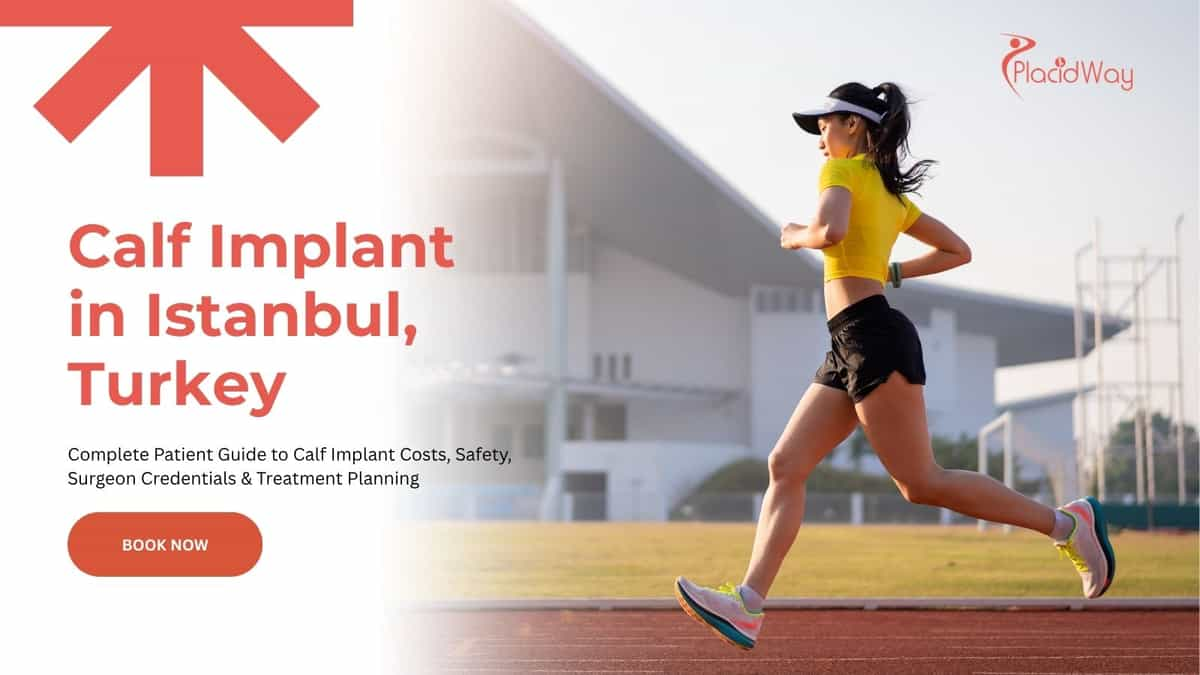
Are you feeling self-conscious about thin lower legs or muscle asymmetry and considering traveling for a calf implant in Istanbul, Turkey? This comprehensive guide explains everything you need to know about the procedure, including expected costs typically ranging between $3,000 and $4,500, and how to verify crucial credentials like Turkish Ministry of Health licensing and TSPRAS board certification. We understand that choosing to undergo plastic surgery abroad is a major decision, so we are here to help you evaluate the safety, risks, and realistic results before you finalize your treatment plans.
Quick Summary: What You Need to Know
- Estimated Cost: Typically $3,000 to $4,500 USD, often including hospital stays and transfers.
- Safety Overview: Generally safe when performed by board-certified plastic surgeons in licensed facilities, but carries risks like infection or implant shifting.
- Ideal Candidate: Individuals with underdeveloped calf muscles, asymmetries from conditions like clubfoot or polio, who are in good overall health.
- Recovery Time: Initial recovery takes 1 to 2 weeks, while full physical activity resumption requires 4 to 6 weeks.
- Why Choose Istanbul: A combination of highly experienced surgeons, modern hospitals, and more affordable healthcare costs compared to Western Europe or the US.
- Important Caution: Always verify that your clinic holds a Turkish Ministry of Health license and your surgeon is registered with TSPRAS.
Why Do Patients Travel to Istanbul, Turkey for Calf Implants?
Many patients feel insecure about the size or shape of their lower legs. Despite rigorous exercise, the calf muscles can be incredibly difficult to build. This anatomical challenge leads many individuals to seek calf augmentation using silicone implants. Istanbul, Turkey has emerged as a primary destination for this specialized procedure.
International patients choose Istanbul for several distinct reasons. The medical infrastructure is heavily regulated by the government, ensuring high standards of care. Furthermore, Turkish plastic surgeons frequently handle high volumes of body contouring procedures, giving them exceptional practical experience. When you combine this expertise with lower operational costs, the destination becomes highly appealing.
Here are the primary reasons patients travel to Istanbul for calf implants:
- Significant cost savings compared to healthcare systems in the UK, USA, or Germany.
- Access to specialized plastic surgeons with extensive experience in lower-body contouring.
- All-inclusive medical packages that handle airport transfers, hotel stays, and clinic transport.
- High-quality medical facilities licensed by the Turkish Ministry of Health.
- The ability to combine a medical procedure with a comfortable recovery in a well-known cultural hub.
Patients traveling for this procedure predominantly arrive from the United Kingdom, Germany, the Middle East, and North America. They seek reliable results without the financial burden typically associated with aesthetic surgery in their home countries.
Understanding the Calf Implant Procedure
A calf implant, clinically known as calf augmentation, is a surgical procedure designed to enhance the size and shape of the lower leg. The process involves placing soft, solid silicone implants over the gastrocnemius muscle. This muscle is responsible for the bulk of the calf's appearance.
From a biological perspective, the surgeon creates a small incision in the natural crease behind the knee. Through this opening, they form a pocket either above or below the muscle fascia. Inserting the implant directly over the muscle allows it to mimic the natural contour and firmness of a developed calf.
Medical evidence suggests that solid silicone implants are preferable for this area. Unlike the liquid or cohesive gel implants used in breast augmentation, solid silicone cannot rupture or leak. This durability is crucial because the legs endure significant daily stress from walking and standing.
Treatment Tip: Ask your surgeon whether they recommend subfascial (under the muscle casing) or submuscular (under the muscle) placement. The anatomical placement affects both your recovery timeline and the final aesthetic result.
Ideal Candidates for Calf Augmentation
Not everyone is a suitable candidate for calf implants. Your surgeon must evaluate your medical history, lower limb anatomy, and primary motivation for surgery. Determining eligibility is a critical step for patient safety and ensuring realistic expectations.
There are two main categories of patients who seek this treatment: cosmetic patients and reconstructive patients. Cosmetic candidates typically suffer from "skinny leg syndrome" and simply want a more muscular or balanced appearance. Reconstructive candidates usually have muscle asymmetries caused by congenital defects or past medical issues.
Conditions that may warrant reconstructive calf augmentation include:
- Poliomyelitis (Polio) causing muscle atrophy in one leg.
- Spina bifida affecting lower limb development.
- Clubfoot (talipes equinovarus) resulting in uneven calf sizes.
- Traumatic injuries that resulted in muscle tissue loss.
To qualify for surgery, you must be a non-smoker, have healthy blood circulation in your legs, and maintain a stable weight. Poor circulation can severely impact wound healing in the lower extremities.
Patient Demographics and Travel Trends (2024 Data)
Medical tourism data from 2024 highlights distinct patterns among patients traveling to Turkey for body contouring procedures. Understanding these demographics can help you see how your own situation aligns with broader international healthcare trends.
According to recent clinical registry insights, calf augmentation appeals to a younger and middle-aged demographic. Men frequently seek this procedure to achieve a more athletic physique, while women often request it to improve the way their legs look in certain clothing or footwear.
The motivations driving these patients also shift over time. While cosmetic enhancement remains the primary driver, reconstructive procedures for congenital leg conditions continue to make up a steady portion of the surgical volume in Istanbul's specialized clinics.
Cost of Calf Implants in Istanbul vs. Other Countries
Understanding the financial commitment is one of the most crucial parts of your research. The estimated cost of a calf implant in Istanbul varies, but it generally remains highly competitive compared to Western healthcare systems. Patients can typically expect to pay between $3,000 and $4,500 USD for the entire procedure.
Prices fluctuate based on the surgeon's reputation, the exact type of solid silicone implant used, and the complexity of your anatomy. Additionally, whether you require a custom-carved implant for a severe reconstructive case or standard symmetrical implants will influence the final hospital bill.
To help you evaluate your options, here is a general comparison of estimated procedure costs across different countries.
| Country | Estimated Cost (USD) |
|---|---|
| Turkey (Istanbul) | $3,000 - $4,500 |
| United States | $7,000 - $10,000 |
| United Kingdom | $6,500 - $9,000 |
| Germany | $5,500 - $8,000 |
| Mexico | $4,000 - $5,500 |
Keep in mind that prices in the USA and UK often represent the surgeon's fee alone. Facility fees, anesthesia, and medical garments are usually billed separately in those countries, whereas Turkish clinics frequently bundle these into a single package.
What is Included in a Treatment Package?
One of the main reasons patients select Istanbul for medical tourism is the convenience of all-inclusive packages. Instead of navigating an unfamiliar city and booking multiple separate services, medical tourism providers coordinate the logistics for you.
A typical package will cover your surgical fees, anesthesia, pre-operative blood tests, and the silicone implants themselves. Many clinics also include a few nights in a hotel, VIP airport transfers, and an English-speaking patient coordinator to assist you during medical consultations.
Common Inclusions
- Pre-operative medical tests
- Surgeon and anesthesia fees
- Solid silicone calf implants
- 1-2 nights hospital stay
- Compression garments
- Airport and clinic transfers
Typical Exclusions
- International flight tickets
- Travel health insurance
- Medical complications insurance
- Personal meals and sightseeing
- Extended hotel stays beyond the package
Choosing the Right Hospital or Clinic in Istanbul, Turkey
Your safety during surgery depends heavily on the facility where the procedure is performed. Istanbul has a robust private healthcare sector, but you must still vet facilities carefully. Not all clinics hold the same levels of licensing and safety protocols.
Prioritize clinics that operate under strict government oversight. The Turkish Ministry of Health (Sa?l?k Bakanl???) issues specific operational licenses to hospitals and medical centers. Ensure the facility you choose holds a valid medical tourism authorization certificate from the government.
When reviewing a hospital in Istanbul, look for these quality indicators:
- A current license from the Turkish Ministry of Health.
- On-site Intensive Care Unit (ICU) capabilities in case of rare emergencies.
- 24/7 medical support and nursing staff for post-operative care.
- Clear protocols for managing potential surgical complications.
While international accreditations like JCI (Joint Commission International) are excellent indicators of standard compliance, national accreditations and Ministry of Health licenses are the primary legal requirement for safety in Turkey.
Verifying Your Surgeon's Credentials
The skill of your plastic surgeon directly dictates the aesthetic outcome and safety of your calf augmentation. This is a highly specialized procedure; therefore, general surgical experience is not enough. You must verify that your doctor is explicitly trained in plastic and reconstructive surgery.
In Turkey, qualified plastic surgeons must complete extensive medical training and register with the national medical council. Look for doctors who are members of the Turkish Society of Plastic Reconstructive and Aesthetic Surgeons (TSPRAS). This membership proves they have passed rigorous national standards.
Additionally, many top-tier surgeons in Istanbul hold international certifications. Membership in the European Board of Plastic Reconstructive and Aesthetic Surgery (EBOPRAS) or the International Society of Aesthetic Plastic Surgery (ISAPS) demonstrates a commitment to global safety standards.
Patient Takeaway: Never hesitate to ask a clinic for your surgeon's registration number and a portfolio of past calf implant procedures. A reputable doctor will proudly share their board certifications and long-term patient results.
Risks and Potential Complications
No surgical procedure is entirely risk-free. While calf implants are generally safe when performed by qualified professionals, you must understand the potential clinical complications. Being aware of these risks helps you monitor your recovery effectively and seek prompt medical attention if needed.
One specific risk associated with this procedure is capsular contracture. This occurs when the body's immune system forms a tight capsule of scar tissue around the silicone implant. It can cause the calf to feel unnaturally hard or look distorted. Though less common in calves than in breasts, it remains a biological possibility.
Other potential complications include:
- Infection at the incision site behind the knee.
- Implant displacement or shifting, requiring revision surgery.
- Seroma (fluid accumulation) or hematoma (blood pooling) near the implant.
- Temporary or permanent nerve damage affecting sensation in the lower leg.
Warning Sign: If you experience severe, throbbing pain in your calf, excessive swelling in one leg, or a high fever during your recovery in Istanbul, contact your surgeon's emergency line immediately.
The Recovery Timeline
Healing from a calf implant requires patience. Because the implants are placed in an area that bears your entire body weight, the initial recovery is notoriously uncomfortable. You will feel tightness and soreness as the muscle and skin stretch to accommodate the new silicone volume.
For the first few days, your surgeon will likely advise you to keep your legs elevated to minimize swelling. You will also need to wear specialized compression garments. Walking will be difficult initially, and you may need crutches or assistance during your hotel stay in Istanbul.
| Timeframe | Biological Process | Patient Sensation | Action Required |
|---|---|---|---|
| Days 1 - 3 | Acute inflammation and tissue stretching. | Severe tightness, soreness, and limited mobility. | Rest, elevate legs, take prescribed medication, use crutches. |
| Weeks 1 - 2 | Incision begins to close; swelling peaks and starts to subside. | Moderate discomfort when standing or walking. | Wear compression garments; walk short distances to promote circulation. |
| Weeks 3 - 4 | Implant begins to settle into the pocket; scar tissue forms. | Mild tightness; skin feels stretched. | Resume light daily activities; avoid heavy lifting or running. |
| Weeks 6+ | Deep tissue healing; capsule stabilization around the implant. | Normal sensation returns; leg feels natural. | Clearance from doctor to resume lower body exercises and gym activity. |
Always follow the exact post-operative protocol provided by your Turkish medical team. Returning to vigorous exercise too early can cause the implant to migrate, leading to costly revision surgeries.
Preparing for Your Trip to Turkey
Proper travel preparation is essential for a smooth medical tourism experience. Because you will be recovering from lower body surgery, navigating airports and flights on your way back home requires advanced planning. You will have reduced mobility, so comfort is paramount.
Before traveling to Istanbul, check your country's visa requirements. Many patients can easily obtain a Turkish e-Visa online prior to departure. You should also consult with your primary care physician at home to ensure you are healthy enough for international travel and surgery.
When packing your suitcase, prioritize loose-fitting trousers or sweatpants that can easily fit over swollen calves and compression garments. Bring slip-on shoes with a slight heel, as flat shoes can increase tension on the calf muscle during the early healing phase. Finally, consider arranging wheelchair assistance with your airline for your return flight.
Alternatives to Silicone Calf Implants
If the idea of a permanent silicone implant makes you uneasy, you may want to discuss alternative treatments with your surgeon. Depending on your anatomy and goals, there are other methods to enhance the lower leg.
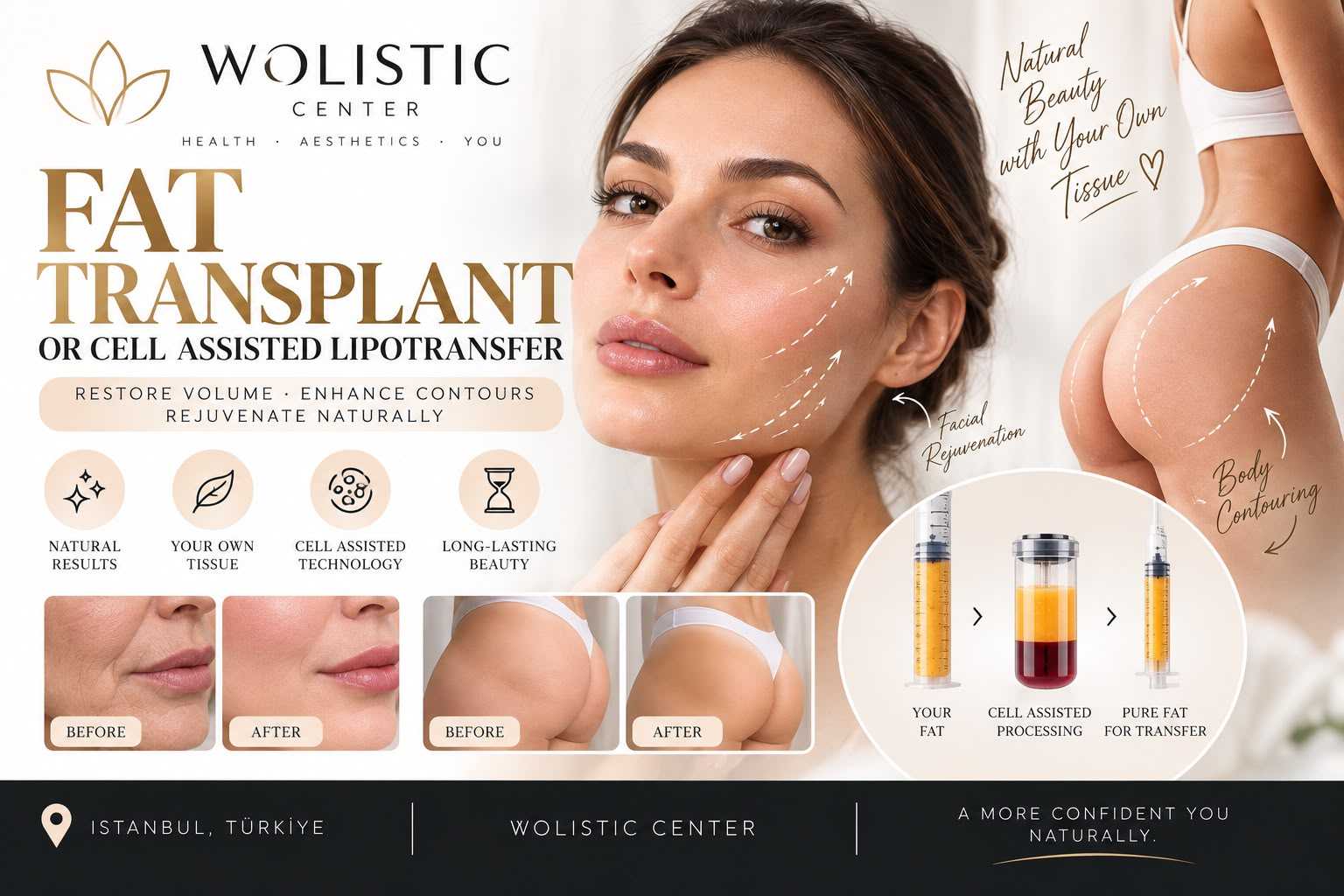
The most common alternative is autologous fat transfer, also known as fat grafting. In this procedure, the surgeon uses liposuction to harvest fat from another area of your body—such as the abdomen or thighs. This fat is then purified and injected into the calf muscles.
Fat transfer provides a very natural look and feel, and it eliminates the risk of capsular contracture or implant rejection. However, the results are less predictable. The body naturally absorbs a portion of the injected fat over time, meaning you may require multiple sessions to achieve your desired volume. Your doctor can help you weigh the pros and cons of implants versus fat grafting based on your specific diagnosis.
Frequently Asked Questions
Below are common questions patients ask when researching calf implants in Istanbul, Turkey. These answers can help you prepare for your initial consultation with a specialist.
Are calf implants noticeable to the touch?
When placed correctly under the muscle fascia by a skilled surgeon, solid silicone calf implants feel very similar to natural, flexed muscle tissue. However, if you have extremely thin skin or very little natural fat padding, the edges of the implant may be slightly palpable.
How long do calf implants last?
Unlike liquid breast implants, solid silicone calf implants do not rupture or leak. In many cases, they can last a lifetime. However, complications like capsular contracture or shifting over time may necessitate removal or replacement down the line.
How long should I stay in Istanbul after my procedure?
Surgeons typically recommend staying in Istanbul for at least 7 to 10 days post-surgery. This timeframe allows the medical team to monitor your initial healing, remove any surgical drains, and ensure you are fit to fly back home safely.
Can calf implants correct severe asymmetry from polio?
Yes, calf implants are frequently used in reconstructive surgery to improve symmetry in patients who have suffered from polio or clubfoot. Your surgeon may use custom-sized implants for each leg to achieve the most balanced appearance possible.
Will I have visible scars after calf augmentation?
The surgeon makes an incision about two inches long in the natural crease behind your knee. While a scar will be present, its location in the natural skin fold usually hides it quite well once fully faded after 12 to 18 months.
Is the recovery process painful?
Patients generally experience significant tightness and soreness during the first week, as the legs bear body weight. Your clinic will provide pain management medication. Using crutches and keeping your legs elevated greatly reduces the discomfort.
Can I combine a calf implant with other procedures?
Depending on your overall health, surgeons may combine calf augmentation with procedures like liposuction or fat grafting. However, combining multiple major surgeries increases anesthesia time and recovery difficulty, which your doctor must carefully evaluate.
What happens if the implant shifts?
Implant displacement is a known risk, often caused by returning to physical activity too early. If an implant shifts significantly, it can cause visible distortion or discomfort, and revision surgery may be required to reposition it securely.
Why is surgery in Turkey more affordable?
The cost difference is driven by lower overall living and operational costs, favorable exchange rates, and a highly competitive medical sector. It is not a reflection of lower medical standards, provided you choose a fully licensed and accredited facility.
When can I go back to the gym?
You can usually resume upper body workouts after 3 to 4 weeks. However, strenuous lower body exercises, running, or heavy lifting should be avoided for at least 6 to 8 weeks, strictly pending your surgeon’s medical clearance.
Ready to Explore Your Options in Istanbul?
Navigating international healthcare can be overwhelming. PlacidWay can help you compare highly rated clinics, understand treatment costs, and request personalized information from board-certified surgeons in Turkey.
Request Free Clinic Quotes TodayDisclaimer: This information is for educational purposes only and does not replace professional medical advice. Always consult a qualified healthcare provider before making medical decisions.
References
- Global Survey on Aesthetic/Cosmetic Procedures – International Society of Aesthetic Plastic Surgery (ISAPS)
- Official Medical Tourism Portal – Republic of Turkey Ministry of Health
- Calf Augmentation Safety and Risks – American Society of Plastic Surgeons (ASPS)
- Complications in Calf Augmentation Surgery – National Center for Biotechnology Information (NCBI)
- Surgeon Accreditation and Guidelines – Turkish Society of Plastic Reconstructive and Aesthetic Surgeons (TSPRAS)
- European Standards in Plastic Surgery – European Board of Plastic Reconstructive and Aesthetic Surgery (EBOPRAS)
- Treatment Abroad Guidelines – National Health Service (NHS)

























Share this listing