
Quick Summary
- Estimated Cost: Typically ranges from $4,000 to $8,000 USD per session, varying by clinic and protocol.
- Safety Overview: Generally well-tolerated when utilizing autologous (your own) cells, though it is considered an experimental treatment requiring careful clinical oversight.
- Ideal Candidate: Patients with moderate rheumatoid arthritis who have not found adequate relief from standard disease-modifying antirheumatic drugs (DMARDs) or biologics.
- Recovery Time: Most patients resume light activities within a few days, but biological tissue repair and immune modulation may take 3 to 6 months to evaluate fully.
- Why Patients Choose India: Access to highly skilled specialists, advanced laboratory infrastructure, and significant cost savings compared to North America or Europe.
- Credentials to Verify: Always look for NABH (National Accreditation Board for Hospitals & Healthcare Providers) accreditation and ensure the doctor holds an active National Medical Commission (NMC) license.
- Important Caution: Stem cell therapy is not a guaranteed cure for rheumatoid arthritis; results vary widely, and it should be integrated into a comprehensive joint health plan.
Introduction to Stem Cell Therapy for Rheumatoid Arthritis in India
International patients increasingly look to India for advanced medical care when traditional treatments for autoimmune joint conditions fall short. The country has developed a robust medical tourism infrastructure, combining specialized clinical expertise with state-of-the-art medical technology. For those battling rheumatoid arthritis, the prospect of immunomodulatory treatments offers a new avenue of hope for managing chronic joint inflammation.
Understanding why thousands of patients make this journey requires looking at both the clinical and economic realities of regenerative medicine today. Patients typically travel to India for this specific procedure due to several compelling factors:
- Significant Cost Savings: Procedures often cost 50% to 70% less than comparable treatments in the USA, UK, or Australia.
- Accredited Facilities: Many specialized hospitals maintain rigorous NABH or international quality certifications.
- Expert Medical Professionals: Indian rheumatologists and regenerative specialists often hold international fellowships and extensive clinical experience.
- No Wait Times: Private healthcare in India allows international patients to schedule treatments promptly without public healthcare backlogs.
- Comprehensive Care Packages: Clinics frequently provide end-to-end services, including airport transfers, translation, and post-treatment monitoring.
Understanding Rheumatoid Arthritis and Regenerative Medicine
Rheumatoid arthritis is a systemic autoimmune disorder where the immune system mistakenly attacks the synovium, the lining of the membranes that surround your joints. Over time, this chronic inflammation can lead to bone erosion, cartilage destruction, and severe joint deformity. Standard treatments rely heavily on immunosuppressants and biologics to slow disease progression and manage painful flare-ups.
Stem cell therapy approaches this condition differently by aiming to reset the immune system and promote tissue repair. Mesenchymal stem cells (MSCs) are primarily used because of their unique immunomodulatory properties. These cells can potentially calm the aggressive autoimmune response and secrete growth factors that support the healing of damaged joint tissues.
Types of Stem Cells Used for Rheumatoid Arthritis Treatment
The success and safety of regenerative medicine heavily depend on the type of stem cells utilized during the procedure. In India, leading clinics typically prioritize minimally manipulated adult stem cells to comply with ethical guidelines and maximize patient safety. Your specialist will recommend a specific source based on your medical history, age, and disease severity.
The two most common sources for rheumatology applications are adipose tissue (fat) and bone marrow. Below is a comparison of the primary stem cell types you may encounter during your research.
| Stem Cell Type | Source Material | Primary Clinical Advantage |
|---|---|---|
| Autologous Adipose-Derived | Patient's own belly or thigh fat | Yields a very high number of mesenchymal stem cells with a minimally invasive extraction. |
| Autologous Bone Marrow-Derived | Patient's own pelvic bone | Rich in various growth factors and hematopoietic cells, traditionally well-researched for orthopedics. |
| Allogeneic Umbilical Cord (Wharton's Jelly) | Donated umbilical cord tissue | Contains highly robust, young cells without requiring a surgical extraction from the patient. |
The Regulatory Landscape for Stem Cell Therapy in India
Patient safety in India is governed by national regulatory bodies that oversee medical practices and biological products. The Indian Council of Medical Research (ICMR) and the Department of Biotechnology (DBT) issue strict National Guidelines for Stem Cell Research. These guidelines clearly differentiate between established standard-of-care treatments and those considered experimental or investigational.
For rheumatoid arthritis, stem cell therapy currently falls under the investigational category in India. This means that while clinics can legally offer the treatment, it must be performed under strict clinical protocols with full informed consent from the patient. The Central Drugs Standard Control Organization (CDSCO) also regulates the processing and culturing of cellular products to ensure they meet sterile manufacturing standards.
Patient Demographics and Healthcare Travel Trends for India
Medical tourism data from 2024 to 2025 highlights a steady increase in international patients seeking advanced regenerative therapies in India. Historical reliance on traditional joint replacement surgeries is slowly shifting as younger populations seek joint preservation options. Patients primarily travel from regions where these therapies are either prohibitively expensive or heavily restricted.
Recent reports tracking cross-border healthcare trends show consistent growth in therapeutic travel for autoimmune conditions. The graph below illustrates the upward trajectory of inbound medical travelers seeking regenerative treatments in India over recent quarters, reflecting growing global awareness and trust in Indian clinical infrastructure.
Cross-Border Patient Volume Index for Regenerative Therapies in India (2024-2025)
Data source reflects index growth in therapeutic medical visas issued for biological treatments (Baseline 100 = Jan 2024).
Age and Clinical Profiles of Rheumatoid Arthritis Patients
Rheumatoid arthritis can strike at any age, but clinical data from 2024 indicates that patients seeking advanced regenerative therapies tend to fall into specific age brackets. Many of these patients have lived with the disease for several years and have experienced waning efficacy from traditional biologic medications.
Understanding the demographic spread helps clinics tailor their protocols, as older patients may require different stem cell sources or pre-treatment conditioning compared to younger patients. The histogram below outlines the typical age distribution of international rheumatoid arthritis patients pursuing these therapies based on recent clinical registries.
Age Distribution of RA Patients Pursuing Regenerative Care (2024 Data)
Based on documented international patient intake profiles for advanced rheumatology therapies in 2024.
Evaluating the Cost of Stem Cell Therapy in India
Financial transparency is a crucial part of your medical travel planning. The cost of stem cell therapy in India typically ranges from $4,000 to $8,000 USD per treatment cycle. This estimated range fluctuates based on the complexity of your joint involvement, the specific stem cell harvesting method required, and the inclusion of supportive therapies.
While this represents a significant investment, it remains highly competitive when compared to North American or European healthcare markets. It is vital to request a fully itemized written quote from your chosen clinic before traveling so you understand exactly what is included in your package.
| Country Location | Estimated Cost Range (USD) | Typical Healthcare Setting |
|---|---|---|
| India | $4,000 - $8,000 | Private accredited specialty hospitals |
| United States | $12,000 - $25,000+ | Private regenerative clinics |
| United Kingdom | $10,000 - $18,000 | Private specialty practices |
Itemized Cost Breakdown and Hidden Expenses
When reviewing treatment proposals, ensure you know the difference between a procedure-only price and an all-inclusive medical tourism package. Many Indian clinics bundle services together to make travel easier for international patients. However, you must clarify which medical and logistical elements are covered to avoid unexpected expenses.
Standard medical packages usually cover the core clinical procedures, but patients should budget for potential hidden costs. Pre-treatment diagnostic imaging, specialized blood work, and extended hotel stays for recovery are frequently billed separately.
- Consultation Fees: Initial assessments and specialist reviews.
- Diagnostic Tests: MRI scans, X-rays, and extensive autoimmune blood panels.
- Cell Harvesting & Processing: The laboratory cost to extract, isolate, and culture the cells.
- Facility Fees: Operating room time or specialized injection suite costs.
- Logistics: Flights, medical visa fees, accommodation, and daily meals.
How to Choose the Right Hospital in India
Selecting a safe and well-equipped facility is the most important decision you will make. In India, you should prioritize hospitals that hold licensing from the national or state Ministry of Health. More importantly, look for voluntary quality accreditations that prove the clinic maintains rigorous clinical standards.
The National Accreditation Board for Hospitals & Healthcare Providers (NABH) is the highest domestic quality indicator in India. For clinical laboratories handling your stem cells, NABL (National Accreditation Board for Testing and Calibration Laboratories) certification is essential to ensure biological safety and sterility.
- Does the facility hold active NABH accreditation?
- Is the cellular laboratory NABL certified or GMP compliant?
- Does the hospital have a dedicated rheumatology and immunology department?
- Is there a clear, written protocol for managing medical emergencies or complications?
Selecting a Qualified Doctor for Your Procedure
The success of your treatment relies heavily on the expertise of the physician administering it. Your primary doctor should be a specialized rheumatologist or an orthopedic specialist with dedicated training in regenerative medicine. Ensure they are fully registered with the National Medical Commission (NMC) of India.
Do not hesitate to ask doctors about their specific experience treating rheumatoid arthritis with cellular therapies. Inquire about their annual case volume, their adherence to ICMR ethical guidelines, and whether they publish their clinical outcomes in peer-reviewed medical journals.
- Verify their NMC registration number online.
- Review their postgraduate degrees (MD, MS) and specialized fellowships.
- Ask about their specific protocol for targeting systemic joint inflammation.
- Request to see long-term follow-up data from previous rheumatoid arthritis patients.
Typical Treatment Protocol and Timeline in India
A standard medical trip to India for stem cell therapy usually requires a stay of 10 to 14 days. This allows ample time for comprehensive pre-procedure evaluations, the treatment itself, and essential post-treatment monitoring. Rushing this timeline can compromise your safety and the viability of the treatment.
The exact protocol will vary, but most clinics follow a structured pathway. Below is a general timeline of what you can expect during your medical journey.
Realistic Results and Clinical Evidence
It is vital to maintain realistic expectations when pursuing advanced regenerative care. Stem cell therapy may reduce systemic inflammation, decrease joint pain, and improve your daily mobility, but it is not currently classified as a cure for rheumatoid arthritis. Clinical evidence suggests that results can vary significantly depending on your age, overall health, and the severity of joint damage.
Many patients report feeling improvements within 4 to 12 weeks as the immunomodulatory effects take hold. However, some patients may experience only mild relief or require subsequent treatment cycles to maintain the clinical benefits over the long term.
Potential Benefits
- May reduce systemic joint inflammation.
- Can potentially delay the need for joint replacement surgery.
- May improve overall mobility and joint function.
Important Limitations
- Cannot reverse severe, existing bone deformity.
- Results are not permanent and may require boosters.
- Does not guarantee freedom from traditional RA medications.
Potential Risks and Safety Protocols
While utilizing your own adult stem cells generally carries a low risk of rejection, no medical procedure is entirely risk-free. Common mild side effects include temporary swelling, redness at the injection sites, and mild fatigue in the days following the procedure. More severe complications, though rare in accredited clinics, can include joint infections or adverse immune reactions.
To mitigate these risks, top-tier Indian hospitals employ stringent safety protocols. This includes processing cells in cleanroom environments and using image-guided technology (like ultrasound or fluoroscopy) to ensure precise needle placement during joint injections.
| Potential Risk | Clinical Prevention Strategy |
|---|---|
| Infection at the injection site | Strict sterile processing in NABL-certified labs and operating rooms. |
| Allergic or adverse reaction | Comprehensive pre-treatment allergy screening and continuous vitals monitoring. |
| Post-procedure flare-up | Careful coordination with your rheumatologist to manage baseline medications during treatment. |
Recovery Expectations and Post-Treatment Aftercare
The immediate physical recovery from the stem cell extraction and injection is usually rapid. Most patients can walk and perform light activities within 24 to 48 hours. However, the biological repair and immunomodulation occurring inside your body require time, rest, and proper nutritional support.
Your Indian specialist should provide a detailed aftercare plan before you travel home. This plan will typically restrict strenuous exercise, outline physical therapy recommendations, and establish a schedule for telemedicine follow-ups to track your progress.
- Week 1-2: Focus on rest. Expect mild soreness at harvesting or injection sites.
- Week 3-6: Begin gentle, low-impact physical therapy as approved by your doctor.
- Months 2-3: Patients often begin to evaluate the initial reduction in joint stiffness.
- Months 3-6: Optimal timeframe to assess the broader immunomodulatory benefits and mobility improvements.
Essential Joint Health Considerations Before Travel
Traveling internationally with rheumatoid arthritis requires careful pre-planning to protect your joint health. Long-haul flights to India can exacerbate joint stiffness and trigger painful flare-ups due to prolonged immobility and cabin pressure changes. It is crucial to prepare your body for the journey.
Consult with your local rheumatologist to ensure your condition is stable enough for long-distance travel. They may adjust your medication slightly or recommend specific travel aids to keep you comfortable during the flight.
Travel Health Takeaways
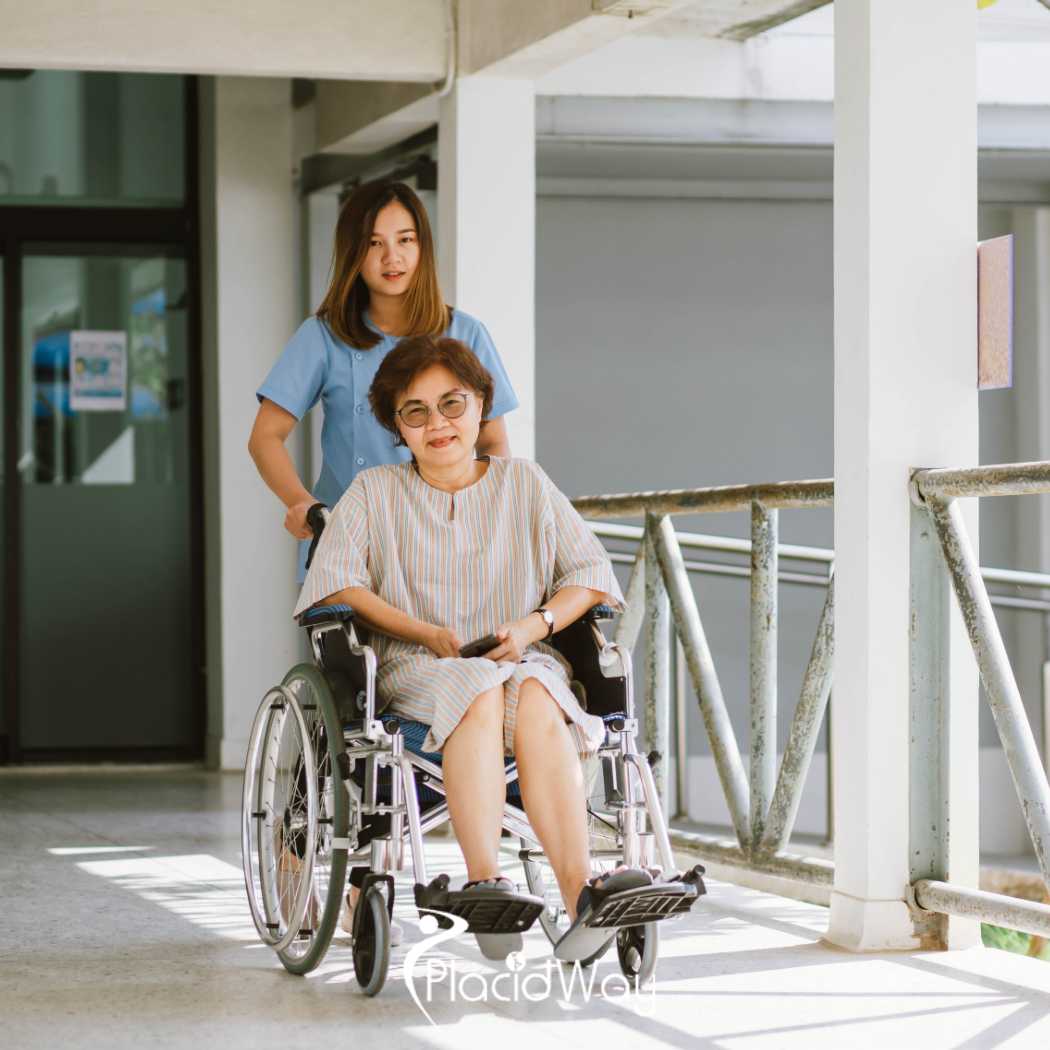
- Request wheelchair assistance at the airport to conserve joint energy.
- Wear compression garments during the flight to reduce peripheral swelling.
- Carry all current RA medications in their original, clearly labeled prescription bottles in your carry-on luggage.
- Book accommodations in India that offer elevator access or ground-floor rooms.
Medical Visa and Logistics for Traveling to India
To undergo stem cell therapy in India legally, international patients must apply for an Indian Medical Visa (M-Visa). Tourist visas are strictly not permitted for invasive medical procedures. The Indian government has streamlined the Medical Visa process to support global healthcare travelers.
Your chosen hospital must provide a formal visa invitation letter on their official letterhead to support your application. This letter confirms your diagnosis, the proposed treatment plan, and your acceptance as a patient at their facility.
- Select an accredited hospital and finalize your treatment plan.
- Obtain the official Medical Visa Invitation Letter from the hospital.
- Apply for the e-Medical Visa online through the official Indian government portal.
- Purchase comprehensive travel medical insurance that covers medical evacuation.
- Coordinate airport pickup and local accommodation with your clinic's international patient department.
Frequently Asked Questions
Is stem cell therapy a permanent cure for rheumatoid arthritis?
No, stem cell therapy is not a permanent cure. It is an advanced treatment designed to modulate the immune system and reduce inflammation. While many patients experience significant relief for months or years, rheumatoid arthritis remains a chronic condition that may require ongoing management.
Are mesenchymal stem cells safe for autoimmune diseases?
Mesenchymal stem cells (MSCs) are generally considered safe and are favored for autoimmune conditions due to their unique immunomodulatory properties. They have a low risk of immune rejection, especially when utilizing autologous (your own) cells, though they should only be administered by trained specialists.
How long do I need to stay in India for the treatment?
Most clinics recommend a stay of 10 to 14 days. This timeframe allows for thorough pre-procedure blood work, the cell harvesting and administration process, and essential post-treatment observation to ensure your safety before flying home.
Can I stop taking my DMARDs or biologics after the procedure?
You must never stop or alter your prescribed rheumatoid arthritis medications without direct approval from your primary rheumatologist. Stem cell therapy is typically used alongside standard care, and any tapering of medications must be done gradually under medical supervision.
Does Indian health insurance cover stem cell procedures?
For international patients, neither your domestic health insurance nor Indian medical insurance will typically cover stem cell therapy for rheumatoid arthritis, as it is classified as an investigational procedure. Patients must plan to pay out-of-pocket.
What is the difference between autologous and allogeneic stem cells?
Autologous stem cells are harvested from your own body, usually from fat or bone marrow, minimizing rejection risks. Allogeneic stem cells come from a screened donor, most commonly ethically sourced umbilical cord tissue, providing robust, young cells without requiring patient extraction.
How is the stem cell treatment administered for joint pain?
For rheumatoid arthritis, doctors typically use a dual approach. Cells are administered via a systemic intravenous (IV) drip to target widespread immune dysfunction, combined with targeted intra-articular injections directly into the most painfully affected joints.
What certifications should my Indian stem cell clinic have?
You should verify that the hospital holds National Accreditation Board for Hospitals (NABH) certification. Additionally, ensure their cell processing laboratory is NABL certified, and that your treating physician is registered with the National Medical Commission (NMC).
Are there age limits for receiving regenerative joint treatments?
While there are no strict age limits, older patients may yield fewer viable autologous stem cells. In such cases, specialists might recommend donor umbilical cord cells. Your eligibility depends more on your overall health and disease severity than your chronological age.
What are the warning signs of a complication after treatment?
Seek immediate medical help if you experience a high fever, severe or worsening pain at the injection site, excessive joint swelling, or redness radiating from the treated area. These can be signs of an infection requiring prompt antibiotic intervention.
Next Steps for Your Treatment Journey
Navigating international medical options can be complex. PlacidWay can help you compare accredited providers in India, understand treatment costs, review doctor credentials, and request detailed information directly from specialized clinics.
Request InformationDisclaimer: This information is for educational purposes only and does not replace professional medical advice. Always consult a qualified healthcare provider before making medical decisions.
References
- National Guidelines for Stem Cell Research – Indian Council of Medical Research (ICMR)
- Stem Cell and Blood Products Regulatory Framework – Central Drugs Standard Control Organization (CDSCO)
- Hospital Accreditation Standards – National Accreditation Board for Hospitals & Healthcare Providers (NABH)
- Indian Medical Register Verification – National Medical Commission (NMC)
- Mesenchymal Stem Cells in Rheumatoid Arthritis: Mechanisms and Clinical Trials (2024 Update) – National Center for Biotechnology Information (NCBI)
- e-Medical Visa Guidelines for International Patients – Government of India
- Medical Value Travel and Healthcare Demographics Report (2024) – Ministry of Tourism, India






















Share this listing