

When breast cancer has not responded as hoped, or you have been diagnosed with triple-negative breast cancer, you may start looking beyond your local treatment options. For patients considering immunotherapy for triple-negative breast cancer in Tijuana, Mexico, the most important question is not simply which clinic offers immunotherapy. It is whether immunotherapy is medically appropriate for your specific tumor biology.
Treatment decisions may depend on your breast cancer subtype, stage, PD-L1 status, previous treatments, pathology results, and overall health. Before traveling, verify the treating oncologist's Mexican professional license and current oncology specialty credentials, confirm the facility's regulatory status, and ask exactly which approved drug or investigational therapy is being proposed. A standardized Tijuana immunotherapy price cannot be responsibly stated without knowing the specific drug, treatment schedule, and accompanying therapies.
Quick Summary: Breast Cancer Immunotherapy in Tijuana
- Who may qualify: Immunotherapy has an established role mainly in specific triple-negative breast cancer settings. It is not a standard treatment for every breast cancer diagnosis.
- Main established immunotherapy: Pembrolizumab is an immune checkpoint inhibitor used in defined TNBC treatment settings, often as part of combination treatment rather than by itself.
- Testing matters: Stage, ER, PR, HER2 status, pathology and sometimes PD-L1 or other biomarker results can influence treatment decisions.
- Estimated cost: A reliable standardized Tijuana price is not available from an authoritative public source. Ask for an individualized written quote in USD showing drugs, laboratory testing, oncology visits, infusion fees and supportive care.
- Doctor verification: Check the oncologist's cédula profesional and current specialty certification through recognized Mexican professional systems such as CONACEM and the appropriate specialty council.
- Facility verification: Ask the provider for applicable COFEPRIS authorization or licensing information and verify who is responsible for oncology treatment and emergency care.
- Important caution: Do not assume every treatment marketed as "immunotherapy" is equivalent to evidence-based checkpoint immunotherapy used in established breast cancer protocols.
Why Patients Consider Breast Cancer Immunotherapy in Tijuana
A breast cancer diagnosis can force you to make several difficult decisions quickly. If your cancer has returned, spread, or belongs to the triple-negative subtype, you may hear about immunotherapy while researching additional options. Tijuana attracts international patients partly because it sits directly across the U.S.-Mexico border and has a healthcare sector serving both Mexican and international patients.
However, location should come after clinical suitability. Before comparing clinics in Tijuana, determine whether your diagnosis falls within a setting where immunotherapy is supported by established evidence or whether the proposed treatment is experimental.
- You may want another oncology opinion after recurrence or progression.
- You may have triple-negative breast cancer and want to understand whether checkpoint immunotherapy applies to your disease.
- You may be comparing treatment plans offered in the United States, Canada and Mexico.
- You may want access to an oncology consultation without committing to treatment immediately.
- You may be exploring an investigational treatment and need to distinguish research from established care.
- You may want a detailed written cost estimate before making a cross-border decision.
Which Breast Cancer Patients May Receive Immunotherapy?
Immunotherapy is not routinely used across all breast cancer subtypes. Current evidence and regulatory indications concentrate primarily on triple-negative breast cancer, commonly abbreviated as TNBC.
Triple-negative means the cancer does not express estrogen receptors, progesterone receptors or excess HER2. Because these tumors lack several targets used by hormone therapy and HER2-directed treatment, systemic treatment decisions differ from those used for hormone-receptor-positive or HER2-positive cancers.
| Breast Cancer Situation | Role of Immunotherapy | Questions to Ask |
|---|---|---|
| High-risk early-stage TNBC | Pembrolizumab may form part of a treatment plan with chemotherapy before surgery and may continue after surgery in appropriate patients. | What stage do I have? Is the proposed regimen consistent with established TNBC treatment? |
| Locally advanced or metastatic TNBC | Checkpoint immunotherapy may be appropriate in selected patients. Biomarker results and prior therapy can affect eligibility. | Was PD-L1 tested? Which assay and score were used? What therapies have I already received? |
| Hormone-receptor-positive breast cancer | Immunotherapy is not routinely interchangeable with standard endocrine and targeted treatment pathways. | Why is immunotherapy being proposed for my subtype? |
| HER2-positive breast cancer | HER2-targeted therapies have an established role. A treatment described broadly as "immune therapy" should be precisely identified. | Is the proposed drug an established HER2-targeted therapy, checkpoint inhibitor or investigational therapy? |
In June 2026, the U.S. FDA also approved sacituzumab govitecan in combination with pembrolizumab for first-line treatment of certain adults with unresectable locally advanced or metastatic TNBC whose tumors express PD-L1 at CPS 10 or higher. U.S. FDA approval does not determine Mexican regulation, but it is relevant when American patients compare treatment plans across countries.
How Breast Cancer Immunotherapy Works
Checkpoint immunotherapy helps remove signals that cancer can use to suppress immune responses. Pembrolizumab targets PD-1, a checkpoint protein found on certain immune cells. Blocking this pathway may allow immune cells to recognize and attack cancer more effectively.
This does not mean immunotherapy simply "boosts" your immune system. Cancer immune biology is complex, and checkpoint inhibition can activate immune responses against healthy tissues as well as tumor cells. That explains both its potential benefit and some of its distinctive side effects.
Checkpoint Immunotherapy
Uses drugs such as pembrolizumab to interfere with immune checkpoint pathways. This is the main established immunotherapy approach currently relevant to breast cancer.
Cancer Vaccines
Therapeutic cancer vaccines are being investigated in several cancers. A vaccine offered for breast cancer should not automatically be considered established standard treatment.
Cell-Based Therapies
NK-cell, dendritic-cell, T-cell and other cellular approaches may be described as immunotherapy. Their evidence, regulatory status and role vary considerably by product and indication.
Tests Needed Before Breast Cancer Immunotherapy in Tijuana
Your oncology team needs considerably more information than a breast cancer diagnosis before deciding whether immunotherapy is appropriate. Send complete records before you travel whenever possible so the oncologist can determine whether an in-person consultation is worth pursuing.
| Record or Test | Why It Matters | What to Confirm |
|---|---|---|
| Pathology report | Confirms cancer type and key tumor characteristics. | Original pathology and any later biopsies. |
| ER, PR and HER2 testing | Determines the main biological subtype. | Whether the tumor is genuinely triple-negative. |
| PD-L1 testing | May influence treatment selection in certain advanced TNBC settings. | Test method, specimen and scoring system. |
| Imaging | Helps establish current disease extent and treatment response. | Bring reports and actual imaging files when possible. |
| Previous treatment history | Prior chemotherapy, immunotherapy, radiation, surgery and targeted therapy influence later choices. | Names, dates, cycles and reason treatment stopped. |
| Current laboratory tests | Organ and blood-cell function can affect treatment safety. | Ask which labs need repeating before treatment. |
Questions to Send Before Booking Travel
- What exact breast cancer subtype and stage are you treating?
- What exact immunotherapy drug or biological product are you proposing?
- Is this standard treatment, off-label treatment or investigational treatment?
- Which biomarker results make me a candidate?
- What treatment would you recommend if I do not qualify for immunotherapy?
How Mexico Regulates Clinics and Oncologists in Tijuana
For medical travel, credentials should be checked through Mexican regulatory and professional systems rather than relying on website awards, testimonials or statements such as "top cancer center."
COFEPRIS, Mexico's Federal Commission for Protection against Health Risks, oversees health-related regulatory matters that include relevant healthcare establishment authorizations. Medical professional credentials can also be checked through Mexico's professional registration systems, while specialist certification can be verified through the recognized specialty-board framework overseen by CONACEM.
| What to Verify | Where to Verify | What to Request |
|---|---|---|
| Medical facility regulatory status | COFEPRIS and relevant health authorities | Applicable license or authorization details and responsible physician information. |
| Physician professional registration | Registro Nacional de Profesionistas / SEP | Doctor's full legal name and cédula profesional. |
| Oncology specialist certification | CONACEM-recognized specialty board, including the applicable oncology council | Specialty and current certification status. |
| Medication identity | Treating facility and authorized pharmacy processes | Generic name, manufacturer, formulation, lot traceability and regulatory status when relevant. |
International accreditation can provide additional information about organizational processes when genuinely applicable, but it should not replace Mexican licensing and professional verification. A hospital without international accreditation should not automatically be considered unsafe, and accreditation alone does not prove that a specific breast cancer treatment is appropriate.
How to Choose a Tijuana Clinic for Breast Cancer Immunotherapy
The safest way to compare Tijuana cancer centers is to evaluate what they can document. A polished website or extensive patient testimonials cannot establish clinical appropriateness.
Clinical Capability
- Medical oncology oversight
- Pathology review process
- Infusion facilities
- Laboratory monitoring
- Imaging access
- Multidisciplinary review when needed
Safety Capability
- Emergency response protocol
- Hospital transfer pathway
- Management of immune-related toxicity
- After-hours contact process
- Documented follow-up plan
- Coordination with your home oncologist
Financial Transparency
- Written USD quote
- Exact medication included
- Number of planned cycles
- Laboratory fees
- Imaging and consultation fees
- Policy for complications or schedule changes
How to Verify a Breast Cancer Oncologist in Tijuana
The doctor directing systemic cancer treatment should have appropriate oncology training and valid professional credentials. Ask for the oncologist's full name before sending payment or arranging treatment.
| Credential Check | Why It Matters |
|---|---|
| Cédula profesional | Helps verify registered professional qualifications in Mexico. |
| Oncology specialty certification | Confirms specialist certification through the applicable recognized specialty board. |
| Experience treating TNBC | Relevant because breast cancer treatment varies substantially by subtype and stage. |
| Experience managing checkpoint-inhibitor toxicity | Immune-related complications may require rapid recognition and specialist care. |
| Multidisciplinary coordination | Breast cancer treatment may involve medical oncology, surgery, radiation oncology, pathology, genetics and other specialties. |
You can also ask how many patients with your specific breast cancer subtype the oncologist manages, but case-volume figures should come directly from the physician or hospital and should not be assumed from marketing materials.
Breast Cancer Immunotherapy Costs in Tijuana
There is no single medically meaningful price for breast cancer immunotherapy in Tijuana. The total depends on the exact drug, your body size where weight-based drugs are involved, treatment duration, combination therapy, laboratory monitoring, imaging, physician fees and management of complications.
Because an authoritative standardized 2026 Tijuana price was not identified, providing an exact figure would risk creating a misleading estimate. Request patient-specific quotes instead.
| Cost Component | Expected Pricing Method | Ask Whether Included |
|---|---|---|
| Oncology consultation | Patient-specific USD quote | Initial and follow-up visits |
| Pathology review | Patient-specific USD quote | Slides, blocks and biomarker review |
| PD-L1 or molecular testing | Patient-specific USD quote | Test type and laboratory fees |
| Immunotherapy medication | Depends on drug and treatment schedule | Generic name, quantity and cycles |
| Chemotherapy or other combination treatment | Regimen-specific USD quote | Drug, infusion and supportive medication fees |
| Laboratory monitoring | Per-test or package quote | Blood counts, organ function and other required tests |
| Imaging | Scan-specific USD quote | CT, PET/CT, MRI or other imaging if needed |
| Complication care | Usually dependent on services required | Emergency assessment and hospitalization policy |
Comparing Tijuana with Treatment at Home
Do not compare only the price of one infusion. For a U.S. or Canadian patient, the financially meaningful comparison includes the entire treatment plan, insurance or public-system coverage at home, travel, accommodation, repeated border trips, testing, medications and management of complications.
Breast Cancer Immunotherapy Risks and Emergency Planning
Checkpoint inhibitors can cause immune-related adverse events because activating immune responses against cancer can also trigger inflammation in healthy organs. Common effects can include fatigue, diarrhea and rash, while less common inflammatory complications can involve organs such as the lungs, bowel, liver, kidneys, endocrine glands, heart, skin or nervous system.
Some immune-related complications can become serious. Patients traveling internationally therefore need a written plan describing who to contact after treatment, where emergency evaluation will occur in Tijuana, and what their medical team at home should know.
| Possible Problem | Possible Symptoms | Patient Action |
|---|---|---|
| Lung inflammation | New cough, chest discomfort or shortness of breath | Contact the oncology team promptly; severe breathing difficulty requires urgent medical assessment. |
| Bowel inflammation | Persistent or severe diarrhea, abdominal pain or blood in stool | Report symptoms promptly rather than treating prolonged diarrhea without medical guidance. |
| Liver inflammation | Sometimes detected on blood tests; possible jaundice, dark urine or abdominal symptoms | Follow laboratory-monitoring instructions and seek assessment for concerning symptoms. |
| Hormone-gland inflammation | Unusual fatigue, weakness, headache, temperature intolerance or other hormonal symptoms | Contact the treating team because blood testing may be needed. |
| Neurological or cardiac symptoms | New severe weakness, confusion, chest pain, fainting or breathing difficulty | Seek urgent medical assessment. |
Before leaving Tijuana after treatment, carry the generic names of all cancer drugs you received, treatment dates, oncologist contact information, recent laboratory results and instructions for possible immune-related symptoms.
Planning Travel to Tijuana During Breast Cancer Treatment
Cancer treatment travel is different from ordinary medical tourism because systemic therapy may continue over weeks or months. One consultation in Tijuana does not necessarily mean the entire treatment course should occur there.
| Timeframe | Clinical Process | What You May Experience | Activity | Action Required |
|---|---|---|---|---|
| Before travel | Record review and treatment assessment | No treatment-related effects yet | Normal according to your current health | Send pathology, scans, labs and treatment history. |
| Consultation | Diagnosis and treatment-plan review | Depends on current cancer symptoms | Individual | Ask whether proposed therapy is standard, off-label or investigational. |
| Treatment day | Infusion or combination therapy if medically indicated | Varies considerably by regimen | Follow clinical instructions | Keep medication and emergency information available. |
| After treatment | Monitoring for expected and immune-related side effects | Individual response varies | Based on symptoms and physician guidance | Know who to contact before crossing the border or flying home. |
| Between cycles | Laboratory monitoring and treatment reassessment | Some effects may develop between appointments | Individual | Coordinate follow-up with both Tijuana and home oncology teams. |
Breast Cancer Patient Demographics and TNBC Context
There is no authoritative 2025 or 2026 public dataset identified that reports the age, gender and country of origin specifically for people traveling to Tijuana for breast cancer immunotherapy. Publishing precise traveler demographics would therefore require guessing.
For context, current U.S. SEER statistics are useful because Tijuana borders the United States. SEER estimates 321,910 new female breast cancer cases in the United States during 2026. Its underlying 2019–2023 incidence data show breast cancer is diagnosed most frequently among women aged 65–74, although TNBC can occur at younger ages as well.
Percentage of U.S. Female Breast Cancer Cases by Age
The chart below provides general U.S. breast cancer epidemiology context. It does not represent the demographics of patients traveling to Tijuana for treatment.
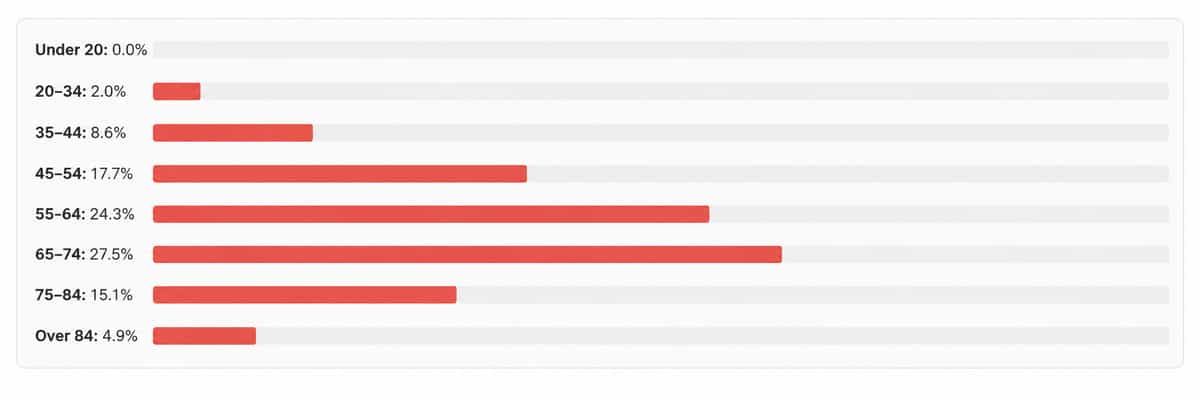
Source data: U.S. National Cancer Institute SEER 21, 2019–2023. Percent of new female breast cancer cases: under 20, 0.0%; ages 20–34, 2.0%; ages 35–44, 8.6%; ages 45–54, 17.7%; ages 55–64, 24.3%; ages 65–74, 27.5%; ages 75–84, 15.1%; over 84, 4.9%.
U.S. Breast Cancer Incidence by Biological Subtype
SEER data also show why breast cancer subtype must be established before discussing immunotherapy. HR-negative/HER2-negative disease, corresponding to the triple-negative category, represents a smaller portion of breast cancer than HR-positive/HER2-negative disease.
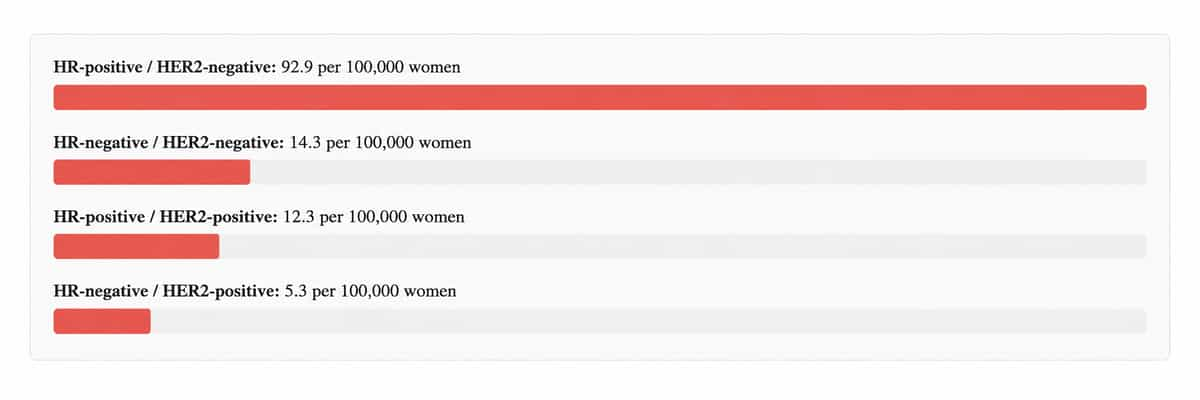
Source data: NCI SEER 21, 2019–2023, age-adjusted incidence rates per 100,000 women. HR-positive/HER2-negative: 92.9; HR-negative/HER2-negative: 14.3; HR-positive/HER2-positive: 12.3; HR-negative/HER2-positive: 5.3.
Frequently Asked Questions About Breast Cancer Immunotherapy in Tijuana
Is immunotherapy available for breast cancer in Tijuana, Mexico?
Cancer centers may offer different systemic and investigational therapies, but availability alone does not establish whether immunotherapy is appropriate. Ask for the exact drug, regulatory status, breast cancer indication and oncologist responsible for treatment before making travel arrangements.
Does immunotherapy work for every type of breast cancer?
No. The established role of checkpoint immunotherapy in breast cancer is primarily associated with specific triple-negative breast cancer settings. Your stage, tumor subtype, biomarker results, previous treatment and health history must be reviewed individually.
What is the main immunotherapy used for triple-negative breast cancer?
Pembrolizumab is a PD-1 checkpoint inhibitor with established breast cancer indications in defined TNBC settings. It is often used as part of a treatment strategy involving other therapies rather than simply as a stand-alone treatment for any breast cancer patient.
Do I need PD-L1 testing before breast cancer immunotherapy?
PD-L1 testing can be important in certain advanced TNBC treatment decisions, but requirements depend on the clinical setting and proposed regimen. Ask your oncologist which biomarker test applies and how the result affects the recommended treatment.
How much does breast cancer immunotherapy cost in Tijuana?
A standardized verified Tijuana price is not available because costs depend on the exact medication, treatment schedule, combination therapy, testing and monitoring. Request an individualized USD quote that separates medication, oncology, laboratory, imaging and infusion charges.
How do I verify an oncologist in Tijuana?
Request the doctor's full legal name, professional license number and oncology specialty information. Check the professional registration through Mexico's official professional registry and verify current specialty certification through the applicable CONACEM-recognized specialty board.
How can I verify a cancer clinic in Tijuana?
Ask for the facility's applicable health authorization information, responsible medical director and emergency-care arrangements. Regulatory documentation should be checked through Mexican health authorities such as COFEPRIS rather than relying only on website badges or testimonials.
Are NK cells or dendritic-cell vaccines the same as pembrolizumab?
No. These are different approaches. Pembrolizumab is a checkpoint inhibitor with established uses in defined TNBC settings. Cell-based therapies and therapeutic vaccines may have different evidence and regulatory status, so ask whether the proposed approach is standard, off-label or investigational.
What medical records should I send to a Tijuana oncologist?
Typically send pathology reports, ER/PR/HER2 results, biomarker testing, imaging reports and files, recent laboratory results, surgery details and a complete list of previous cancer treatments. The clinic can tell you if additional records are required.
Can immunotherapy cause serious side effects after I return home?
Yes. Immune-related effects can sometimes develop during treatment or later. Before traveling home, obtain written instructions, drug names, treatment dates, emergency warning signs and contact information that you can share with your local oncology or emergency-care team.
Should I stop my current breast cancer treatment before going to Mexico?
Do not stop, postpone or replace prescribed cancer treatment based only on online information. Discuss any planned second opinion or treatment abroad with a qualified oncologist who can consider disease stage, treatment timing and potential consequences of interruption.
What should I ask if a Tijuana clinic claims a high immunotherapy success rate?
Ask for the exact cancer subtype, stage, treatment protocol, number of patients, outcome definition, follow-up period and source of the data. A generalized success percentage without these details should not be used to predict your personal outcome.
Compare Breast Cancer Treatment Options with PlacidWay
PlacidWay can help you compare providers, request treatment information, understand written cost estimates and prepare questions for clinics. Any treatment decision should be made with qualified healthcare professionals who have reviewed your medical records.
Request Treatment InformationDisclaimer
Disclaimer: This information is for educational purposes only and does not replace professional medical advice. Always consult a qualified healthcare provider before making medical decisions.
References
- Immunotherapy for Breast Cancer – National Cancer Institute
- Immune Checkpoint Inhibitors – National Cancer Institute
- FDA Approval of Sacituzumab Govitecan and Pembrolizumab for Triple-Negative Breast Cancer – U.S. Food and Drug Administration
- Female Breast Cancer Statistics – National Cancer Institute SEER Program
- Female Breast Cancer Subtype Statistics – National Cancer Institute SEER Program
- Health Services Establishment Licensing – COFEPRIS, Government of Mexico
- Specialist Certification Verification – CONACEM
- National Registry of Professionals – Secretaría de Educación Pública, Mexico



























Share this listing