

Facing the high emotional and financial toll of fertility struggles can be difficult, which is why many patients are exploring IVF in Cancun, Mexico for high-quality care at a more manageable price. This guide will help you understand the treatment costs, which range significantly lower than in the US and Canada, and show you exactly how to verify clinic safety by looking for specific credentials like COFEPRIS licensing and RedLara certification. Read on to navigate your international fertility journey with confidence and find the right specialists to support your family-building goals.
Quick Answer Summary
- Estimated Cost: $4,500 to $7,000 USD per standard IVF cycle (medications and genetic testing are usually billed separately).
- Safety Overview: Clinics operate safely when strictly regulated by COFEPRIS and monitored by international bodies like RedLara.
- Ideal Candidate: Individuals or couples facing tubal factor infertility, male factor infertility, diminished ovarian reserve, or those requiring donor gametes.
- Recovery Time: 1 to 2 days of localized rest following egg retrieval and embryo transfer.
- Why Cancun: Patients choose this destination for substantial cost savings, advanced embryology laboratories, and a low-stress, restorative environment.
- Important Caution: Always ask for an itemized written quote and verify that your fertility specialist is board-certified by the Mexican Council of Gynecology and Obstetrics.
Understanding In Vitro Fertilization and Why Patients Choose Cancun
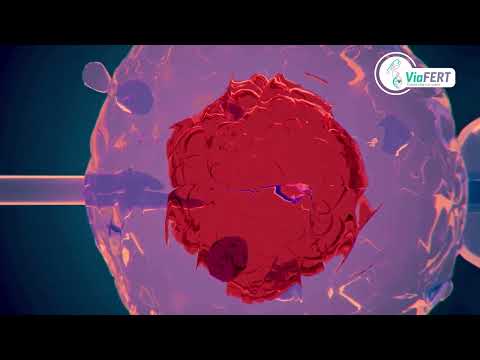
In Vitro Fertilization (IVF) is a complex series of medical procedures designed to assist with the conception of a child. During this treatment, mature eggs are retrieved from ovaries and fertilized by sperm in a specialized laboratory. The resulting embryos are closely monitored, and one or more healthy embryos are subsequently transferred into the uterus.
For many international patients, the decision to undergo fertility care abroad stems from both financial necessity and the desire for high-quality medical support. Cancun, Mexico has developed a robust healthcare infrastructure specifically tailored to reproductive medicine.
- Substantial cost savings: Patients often save thousands of dollars per cycle, making multiple attempts or advanced add-ons more accessible.
- Advanced laboratory technology: Leading clinics utilize state-of-the-art incubators, HEPA-filtered clean rooms, and time-lapse embryo imaging.
- Geographic convenience: Direct, short flights from major North American cities minimize travel fatigue.
- Comprehensive donor programs: Mexico offers diverse and accessible egg and sperm donor registries with shorter waiting periods.
- Restorative environment: The coastal setting provides a calming atmosphere, which many patients find beneficial for managing treatment-related stress.
- Specialized medical expertise: Many local reproductive endocrinologists complete fellowships internationally and actively participate in global fertility societies.
The Biological Process of IVF
The IVF process attempts to replicate and optimize natural human reproduction in a controlled clinical setting. It requires precise synchronization between laboratory science and your body's natural hormonal cycles.
First, synthetic hormones stimulate the ovaries to produce multiple eggs simultaneously, rather than the single egg typically developed during a natural menstrual cycle. The goal is to maximize the number of mature oocytes available for fertilization, which increases the statistical probability of producing a viable blastocyst.
| Treatment Stage | Biological Process | Patient Sensation | Action Required |
|---|---|---|---|
| Ovarian Stimulation | Injectable gonadotropins stimulate follicle growth in the ovaries. | Mild bloating, fatigue, heaviness in the lower abdomen. | Administer daily injections and attend ultrasound monitoring. |
| Trigger Shot | hCG injection initiates the final maturation and release of eggs. | Increased fullness; potential breast tenderness. | Administer injection at an exact time prescribed by the doctor. |
| Egg Retrieval | Transvaginal ultrasound-guided aspiration of follicular fluid. | Mild cramping post-procedure (performed under mild sedation). | Rest for 24 hours; avoid strenuous physical activity. |
| Embryo Transfer | Catheter placement of a developing embryo into the uterine lining. | Similar to a routine pelvic exam; minimal to no discomfort. | Follow exact progesterone protocols to support implantation. |
Cost of IVF in Cancun, Mexico Compared to Other Countries
Financial transparency is critical when planning cross-border healthcare. The cost of IVF in Cancun, Mexico is generally lower due to reduced administrative overhead, lower medical liability insurance costs, and differences in the local cost of living.
However, it is vital to understand that an initial quote may not cover every aspect of a complete IVF cycle. Fertility medications, preimplantation genetic testing (PGT-A), intracytoplasmic sperm injection (ICSI), and embryo freezing often incur additional fees. Always request an itemized breakdown before traveling.
| Country of Treatment | Estimated Base IVF Cycle Cost (USD) | Estimated Medication Cost (USD) |
|---|---|---|
| United States | $12,000 - $17,000 | $4,000 - $7,000 |
| Canada | $8,000 - $12,000 | $3,000 - $5,000 |
| Cancun, Mexico | $4,500 - $7,000 | $1,500 - $3,000 |
Financial Planning Tip
When comparing clinic prices in Cancun, clarify whether blood work, ultrasound monitoring, and the initial consultation are included in the base package. Ask specifically about the cost of freezing and storing surplus embryos for future use.
Patient Demographics and Cross-Border Fertility Travel
Recent data from 2024 to 2026 highlights a consistent pattern in cross-border reproductive care. The majority of international patients seeking IVF in Cancun, Mexico travel from the United States, followed closely by Canada and parts of Western Europe.
Patients often share similar clinical profiles: many have experienced prior unsuccessful IVF cycles in their home countries or require specialized third-party reproduction services, such as egg donation, which are heavily regulated or prohibitively expensive at home.
Age Distribution of International IVF Patients in Mexico (2024-2025 Data)
Based on recent Latin American Assisted Reproduction trends showing maternal age at the time of cross-border treatment.
Fertility Clinic Standards and Healthcare Regulations in Mexico
Safety and clinical excellence are maintained through national regulatory bodies. In Mexico, the Federal Commission for the Protection against Sanitary Risk (COFEPRIS) oversees the licensing and operation of medical facilities, including specialized embryology laboratories.
In addition to mandatory government licensing, reputable IVF centers in Cancun voluntarily undergo evaluation by the Latin American Network of Assisted Reproduction (RedLara). RedLara sets stringent standards for laboratory air quality, gamete handling, and clinical success reporting across Latin America.
Mandatory Credentials
- Current COFEPRIS operating license for specialized medical facilities.
- COFEPRIS approval specifically for human tissue/cell management (embryos).
- Licensed operating theater and recovery area.
Voluntary Quality Indicators
- RedLara (Red Latinoamericana de Reproducción Asistida) accreditation.
- ISO 9001 certification for administrative and clinical processes.
- Active reporting to international fertility data registries.
How to Choose the Right IVF Clinic in Cancun
Selecting the right medical facility requires thorough research. Not all clinics offer the same level of embryology expertise or patient support. Because the success of IVF relies heavily on the environment where embryos are cultured, the laboratory's quality is just as important as the doctor's skill.
You should request detailed information regarding their lab equipment, specifically asking if they use time-lapse incubators and HEPA filtration systems to eliminate airborne toxins. Additionally, evaluate the clinic's communication style during your initial research phase.
Patient Safety Warning
Avoid clinics that guarantee pregnancy results or promise 100% success rates. Ethical fertility clinics will provide honest, individualized probability assessments based on your specific age, ovarian reserve, and medical history.
Evaluating Your Fertility Specialist: Credentials to Verify
Your treatment protocol must be designed by a highly qualified physician. In Mexico, medical professionals must hold a valid professional license (Cédula Profesional). However, practicing reproductive endocrinology requires specialized post-graduate training beyond general obstetrics and gynecology.
Ensure that your primary doctor holds a subspecialty in Biology of Reproduction (Biología de la Reproducción). Furthermore, they should be an active, board-certified member of the Mexican Council of Gynecology and Obstetrics.
Many top specialists in Cancun also maintain memberships with international organizations such as the American Society for Reproductive Medicine (ASRM) or the European Society of Human Reproduction and Embryology (ESHRE), ensuring their methods align with global standards.
Treatment Timeline and Travel Planning
IVF is a time-sensitive procedure that dictates your travel itinerary. While some patients complete the initial ovarian stimulation phase in their home country (flying to Cancun only for the retrieval and transfer), others prefer to spend the entire two-to-three-week cycle in Mexico.
A full cycle typically requires 12 to 18 days on-site. During this time, you will visit the clinic every few days for blood tests and follicular ultrasounds to monitor egg development. The embryo transfer occurs either 3 or 5 days after the egg retrieval.
Average Days Required per IVF Stage in Cancun (2024 Data)
Safety Protocols and Potential Risks of IVF
While IVF is a widely practiced and standardized treatment, it carries inherent medical risks. Your chosen clinic should have clear protocols for complication management, including access to emergency medical care or hospital transfer capabilities.
A primary concern during stimulation is Ovarian Hyperstimulation Syndrome (OHSS), a condition where the ovaries swell and leak fluid into the body. Ethical clinics monitor hormone levels rigorously and may adjust medication doses or recommend freezing all embryos to allow the ovaries to recover before a transfer.
| Potential Risk | Biological Cause | Prevention Strategy |
|---|---|---|
| Ovarian Hyperstimulation Syndrome (OHSS) | Over-response to fertility medications causing fluid retention and swelling. | Frequent ultrasound monitoring; use of Lupron trigger shots; freeze-all cycles. |
| Multiple Pregnancy | Transferring more than one embryo, which can split or both implant. | Elective Single Embryo Transfer (eSET) combined with genetic testing. |
| Ectopic Pregnancy | Embryo implants outside the uterus, typically in the fallopian tube. | Careful catheter placement during transfer; early pregnancy ultrasound monitoring. |
| Egg Retrieval Bleeding | Puncture of a blood vessel during ultrasound-guided aspiration. | Pre-operative blood work to check clotting factors; highly skilled surgical technique. |
Success Factors and Realistic Expectations
Predicting the exact outcome of an IVF cycle is clinically impossible. Success rates depend heavily on maternal age, the quality of the sperm and eggs, the underlying cause of infertility, and the expertise of the embryology lab.
Younger patients using their own eggs generally see higher implantation rates. For women over 40, clinics in Cancun often discuss the option of donor eggs, which can significantly increase the chances of a healthy pregnancy. PGT-A testing is frequently recommended to ensure only chromosomally normal embryos are transferred, reducing the risk of miscarriage.
Post-Transfer Care and Returning Home
After the embryo transfer, you will receive a specific protocol for progesterone and estrogen supplementation. These medications are crucial to support the uterine lining and facilitate implantation. You must continue taking them exactly as prescribed, even after returning home.
Flying shortly after an embryo transfer is generally considered safe and does not negatively impact implantation rates. However, clinics usually recommend resting for one to two days in Cancun before embarking on a long flight. You will take a blood test for pregnancy (Beta hCG) approximately 10 to 14 days after the transfer, which can be done at a local lab in your home city.
Key Takeaway for International Patients
Coordinate carefully with your local OB/GYN before traveling. You will need a physician at home who is willing to take over your prenatal care once a pregnancy is confirmed. Obtain copies of all laboratory reports, stimulation sheets, and embryology updates from your clinic in Cancun before departure.
Frequently Asked Questions
Is IVF in Cancun, Mexico safe for international patients?
Yes, it can be safe when you choose a fully licensed facility. Clinics must be regulated by COFEPRIS. Many top clinics adhere to international standards and are accredited by organizations like RedLara, which ensures safe laboratory practices and ethical patient care.
How much does IVF cost in Cancun compared to the US?
A basic IVF cycle in Cancun typically costs between $4,500 and $7,000 USD, whereas the same procedure in the US often ranges from $12,000 to $17,000 USD. Keep in mind that medications, genetic testing, and donor fees will add to the total cost in both countries.
What certifications should I look for in a Mexican fertility doctor?
Your specialist should have a valid Cédula Profesional, post-graduate training in Reproductive Biology, and be board-certified by the Mexican Council of Gynecology and Obstetrics. Memberships in ASRM or ESHRE are also strong indicators of ongoing medical education.
Do clinics in Cancun offer egg donor programs?
Yes, many clinics have established, comprehensive donor programs. Mexican regulations permit egg donation, and wait times are typically much shorter than in Canada or parts of Europe. Donors undergo rigorous medical and psychological screening.
Can I choose the gender of my baby in Mexico?
Gender selection is typically performed using Preimplantation Genetic Testing (PGT-A). While many clinics in Cancun offer this service to screen for chromosomal abnormalities, local legal frameworks and clinic ethics policies determine if it can be used strictly for family balancing.
How long do I need to stay in Cancun for an IVF cycle?
If you undergo the entire stimulation phase locally, expect to stay for 12 to 18 days. If your local physician monitors your initial stimulation and you fly in just for the retrieval and transfer, the stay can be reduced to 7 to 10 days.
Are IVF medications cheaper in Mexico?
Yes, fertility medications are generally more affordable in Mexico than in the United States. However, prices vary by pharmacy and specific protocols. Your clinic will typically write a prescription that can be filled locally.
Is it safe to fly home after an embryo transfer?
Flying is generally safe and does not affect embryo implantation. Most reproductive endocrinologists recommend resting for 24 to 48 hours post-transfer before taking a flight to minimize travel stress and fatigue.
What happens if I develop Ovarian Hyperstimulation Syndrome (OHSS)?
If OHSS is detected, your doctor may freeze all resulting embryos instead of performing a fresh transfer. You will receive fluids, monitoring, and medical support until your ovaries return to their normal size, allowing for a safer frozen embryo transfer later.
Will I face language barriers at IVF clinics in Cancun?
Clinics catering to international patients typically employ bilingual staff and medical professionals who speak fluent English. In-house patient coordinators are often available to translate documents and assist with communication throughout your treatment.
Ready to Begin Your Fertility Journey?
PlacidWay can help you compare highly qualified fertility providers in Cancun, review treatment costs, and request essential information from certified clinics to make an informed decision.
Request InformationDisclaimer: This information is for educational purposes only and does not replace professional medical advice. Always consult a qualified healthcare provider before making medical decisions.
References
- Guidelines and Practice Committee Documents – American Society for Reproductive Medicine (ASRM)
- Assisted Reproductive Technology (ART) Data – Centers for Disease Control and Prevention (CDC)
- Latin American Registry of Assisted Reproduction – Red Latinoamericana de Reproducción Asistida (RedLara)
- Health Regulation and Licensing Guidelines – Federal Commission for the Protection against Sanitary Risk (COFEPRIS)
- Clinical Guidelines for Human Reproduction – European Society of Human Reproduction and Embryology (ESHRE)
- Board Certification Directory – Mexican Council of Gynecology and Obstetrics



























Share this listing