

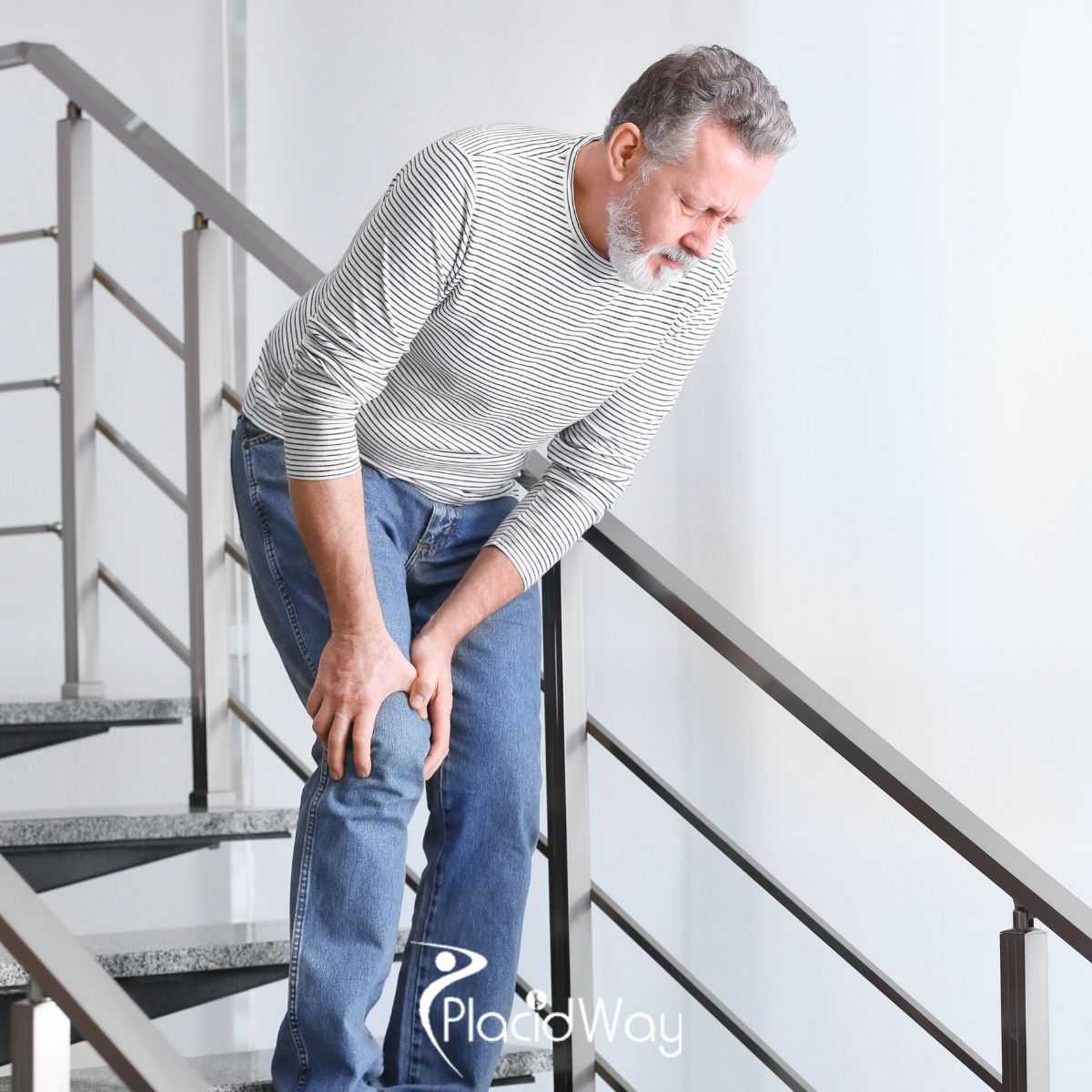
When hip or knee pain starts affecting sleep, walking, work, or independence, joint replacement may become part of the conversation. Joint replacement surgery in Mexico attracts self-pay patients with competitive costs, shorter waiting times, experienced orthopedic surgeons, and modern hospital facilities.
Before traveling, compare the surgeon’s experience, hospital credentials, implant and treatment details, rehabilitation plan, and follow-up care.
Quick Summary: Joint Replacement Surgery in Mexico
- Knee replacement cost: current verified total-or-partial knee replacement quotes average about $11,190, with most clinics between $7,380 and $15,000.
- Hip replacement cost: current verified partial-or-total hip replacement quotes average about $12,607, with most clinics between $8,500 and $16,715.
- Potential medical benefit: appropriately selected patients may experience substantial pain relief and improved ability to perform everyday activities after hip or knee replacement.
- Potential Mexico-specific benefit: lower private prices, private scheduling, shorter North American travel, and bundled international-patient services may improve access for some self-pay patients.
- Hospital credential: verify the COFEPRIS sanitary license for surgical procedures for the exact operating facility.
- Surgeon credential: verify orthopedic specialist credentials and current CMOT certification where applicable.
- Recovery: early walking and physiotherapy are important, but full recovery takes weeks to months and return travel requires individualized clearance.
- Main caution: low cost does not prove quality. Confirm implant traceability, infection prevention, anesthesia, emergency resources, complication policy, and home follow-up.
Why Patients Consider Joint Replacement Surgery in Mexico
Patients usually consider Mexico because it can combine lower self-pay prices with private scheduling and geographic access from the United States and Canada. That can matter when arthritis has already limited mobility and the patient does not want to delay treatment for financial or scheduling reasons.
The CDC identifies Mexico as one of the countries commonly visited by U.S. residents seeking medical care. Border access, frequent flights, established private hospitals, English-speaking coordinators, and package-based pricing can make the logistics easier than travelling to more distant destinations.
- Lower self-pay hip and knee replacement prices than many U.S. private cash-pay pathways
- Shorter travel from the United States and Canada than many Asian or European destinations
- Private scheduling may shorten the time between consultation and surgery
- Some providers bundle the surgeon, hospital, implant, anesthesia, transfers, and early rehabilitation
- Major orthopedic markets include Tijuana, Guadalajara, Mexico City, Monterrey, and Los Cabos
- Patients can often send X-rays, MRI, CT, and medical records for preliminary review before travel
What Benefits Can Joint Replacement Surgery Provide?
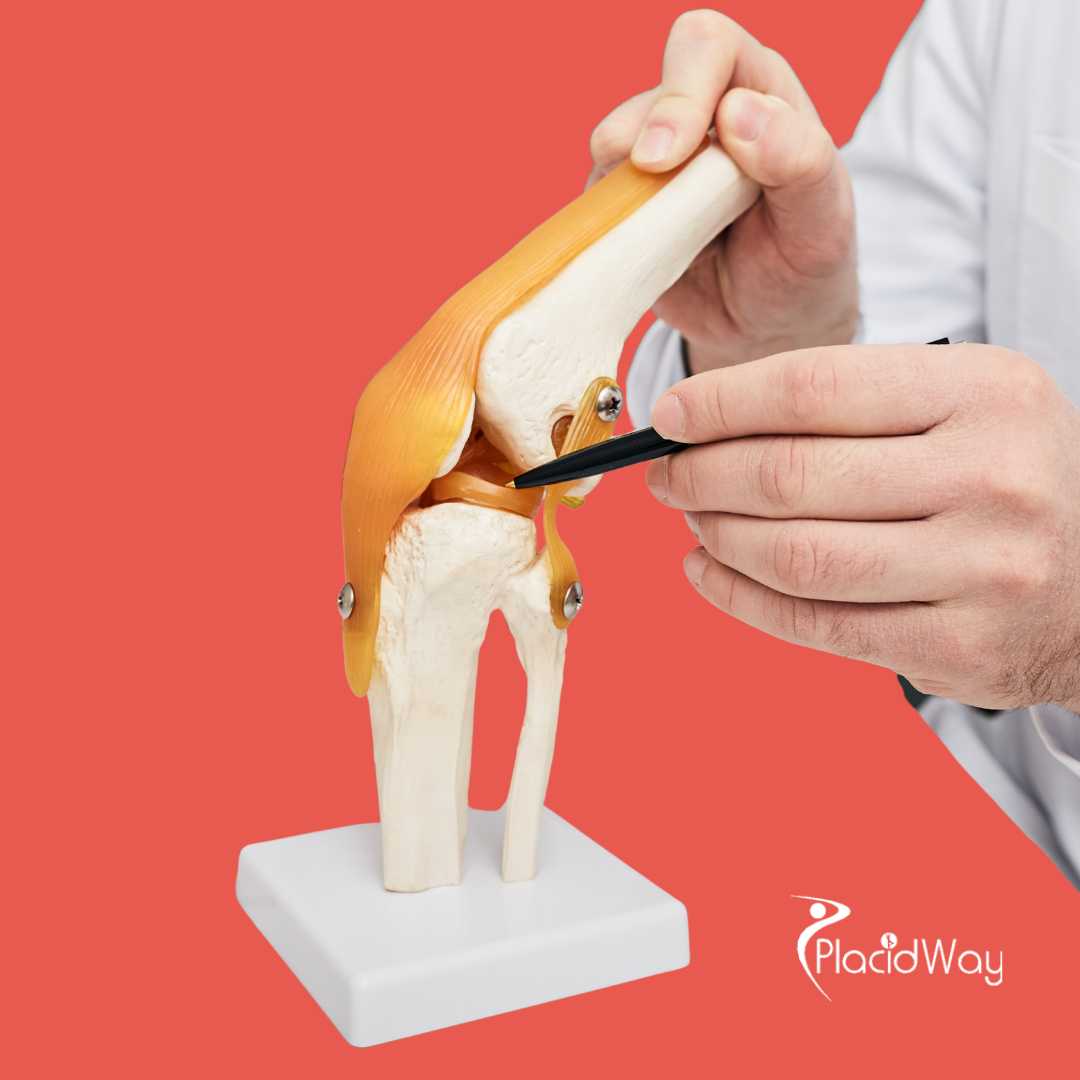
Joint replacement is designed to relieve pain and improve function when a hip or knee has been severely damaged by arthritis, injury, or another destructive condition. It does not create a new natural joint. Damaged joint surfaces are replaced or resurfaced with prosthetic components.
AAOS notes that most patients are able to perform daily activities more easily after total joint replacement. For knee replacement, realistic goals include reducing severe pain, improving walking and stair function, correcting some deformity, and restoring useful motion. Hip replacement can similarly improve mobility and allow return to many everyday and low-impact activities.
The result is still individual. Some patients continue to experience stiffness, numbness, weakness, or residual pain. Prosthetic joints also have a finite lifespan and may eventually require revision, particularly in younger or highly active patients.
| Potential benefit | What it may mean | Important limitation | Question to ask |
|---|---|---|---|
| Pain relief | Less arthritis-related pain during walking and daily activity | Complete pain relief is not guaranteed | Which part of my pain is actually coming from this joint? |
| Improved mobility | Walking, stairs, transfers, and daily tasks may become easier | Rehabilitation is still required | What mobility level is realistic for me? |
| Improved joint function | A damaged joint is mechanically reconstructed | Motion may not return to normal | What range of motion can I realistically expect? |
| Greater independence | Less dependence on walking aids or caregivers may be possible | Temporary help is often needed during recovery | What home support will I need after discharge? |
| Return to low-impact activity | Many patients can resume walking, cycling, swimming, or similar activities | High-impact activity may remain discouraged | Which activities should I avoid long term? |
Joint Replacement Surgery Cost in Mexico
Current verified knee replacement cost in Mexico average about $11,190, while hip replacement averages about $12,607. Knee quotes generally fall between $7,380 and $15,000, while hip replacement quotes commonly fall between $8,500 and $16,715.
Procedure type changes the price. Current Mexico estimates place partial knee replacement around $7,500–$11,000 and total knee replacement around $8,500–$14,000. For the hip, partial replacement is currently around $9,000–$12,500 and total hip replacement around $10,500–$16,000.
Tijuana is not automatically the cheapest option. Current verified Tijuana averages are about $12,850 for knee replacement and $14,107 for hip replacement. City, hospital, implant, surgeon, room type, rehabilitation, and medical complexity all affect the final quote.
| Joint replacement in Mexico | Current price range | Current average | What changes the price |
|---|---|---|---|
| Total or partial knee replacement | $7,380–$15,000 | $11,190 | Partial vs total, implant, robotics, deformity, hospital |
| Partial knee replacement | $7,500–$11,000 | Varies | Compartment, implant, surgeon, technology |
| Total knee replacement | $8,500–$14,000 | Varies | Implant, alignment, hospital stay, medical risk |
| Partial or total hip replacement | $8,500–$16,715 | $12,607 | Implant, fixation, surgical approach, hospital |
| Partial hip replacement | $9,000–$12,500 | Varies | Implant design and clinical indication |
| Total hip replacement | $10,500–$16,000 | Varies | Bearing surface, fixation, surgeon, complexity |
2026 Mexico Joint Replacement Price Line
Current verified PlacidWay Mexico and Tijuana pricing, last verified June 2026.
Histogram of Typical Cost Components
Illustrative midpoint calculation from current listed knee and hip component ranges; actual packages may not itemize charges this way.
Who May Be a Good Candidate for Joint Replacement in Mexico?
A good medical-tourism candidate is not simply someone who has arthritis and can afford the procedure. The diagnosis should match the symptoms, the joint damage should be advanced enough to justify replacement, and reasonable nonsurgical options should have been considered unless the condition requires more urgent surgery.
For knee replacement, patients often report severe pain or stiffness that limits walking, stairs, getting out of chairs, work, sleep, or basic independence. For hip replacement, similar limitations may come from osteoarthritis, inflammatory arthritis, osteonecrosis, fracture-related damage, or other joint destruction. Your orthopedic surgeon should explain why replacement is more appropriate than physical therapy, injections, weight management, walking aids, arthroscopy, osteotomy, or continued observation.
Medical fitness matters even more when you travel. Diabetes, anemia, smoking, obesity, heart or lung disease, kidney disease, active infection, poor dental health, blood-clot history, anticoagulant use, osteoporosis, and limited caregiver support can change the timing or setting of surgery. Some conditions can be optimized before travel; others may make a local high-resource hospital or a delay in elective surgery safer.
| Candidate factor | Favors proceeding | Needs more review | Action before travel |
|---|---|---|---|
| Symptoms and imaging | Severe symptoms match advanced joint damage | Mild imaging or pain source is unclear | Obtain diagnosis-specific orthopedic review |
| Nonsurgical care | Appropriate conservative care no longer provides enough relief | Reasonable alternatives have not been discussed | Ask why replacement is appropriate now |
| Medical fitness | Chronic conditions are stable and optimized | Uncontrolled diabetes, anemia, infection, major heart/lung risk | Complete medical and anesthesia clearance |
| Home support | Caregiver and rehabilitation are arranged | No help, therapy, or follow-up clinician at home | Build the aftercare plan before booking |
What Is Usually Included in a Mexico Joint Replacement Package?
A strong Mexico joint replacement package should make the medical bill more predictable, but “all-inclusive” is not a standardized medical term. Some quotes include only surgery and hospital care. Others also bundle transfers, hotel nights, medication, imaging, and physiotherapy.
Before paying a deposit, ask for the exact implant manufacturer and model, hospital name, surgeon name, number of hospital nights, rehabilitation sessions, and financial policy if your stay is extended or a complication develops.
| Package item | Often included | Possible extra cost | What to confirm |
|---|---|---|---|
| Surgeon and anesthesia | Primary surgeon, anesthesiologist, operating team | Additional specialist consultations | Are all professional fees included? |
| Implant | Standard prosthesis | Premium, revision, constrained, dual-mobility, robotic-compatible components | Which manufacturer and model are included? |
| Hospital stay | Specified ward nights | Extra nights, ICU, blood products | What is the daily extension rate? |
| Tests and medicines | Routine labs, X-rays, inpatient medicines | Cardiac workup, specialist clearance, additional imaging | Which tests can change the quote? |
| Rehabilitation | Early inpatient physiotherapy | Extended outpatient therapy or rehab center | How many sessions are included? |
| Travel support | Some local transfers and coordination | Airfare, companion costs, extended hotel stay | Is transport wheelchair-accessible? |
| Complication care | Usually routine postoperative care only | Readmission, infection, manipulation, revision | Who pays for unplanned treatment? |
How to Choose a Joint Replacement Hospital in Mexico
The most important Mexico-specific hospital check is a valid COFEPRIS sanitary license for facilities where surgical procedures are performed. COFEPRIS states that every establishment performing surgical procedures requires a sanitary license and a designated responsible health professional.
Mexico’s Consejo de Salubridad General also certifies healthcare establishments through a national quality framework. Current certified facilities can be checked through SIMOCE. This is a useful additional signal, but it does not replace the required COFEPRIS surgical authorization.
International accreditation can add context when current, but it should remain secondary to Mexican regulation. For joint replacement, verify operating-room infection control, anesthesia coverage, blood support, ICU capability, imaging, internal medicine, physiotherapy, and urgent revision access.
Request the exact facility name, address, and current sanitary authorization.
Verify a current certificate when the hospital claims national certification.
Confirm ICU, blood support, imaging, and emergency reoperation resources.
Ask about sterilization, antibiotic timing, wound surveillance, and prosthetic-joint infection management.
Request manufacturer, model, lot or serial records, and implant stickers before discharge.
Confirm early physiotherapy, assistive-device training, and home rehabilitation handoff.
How to Verify a Joint Replacement Surgeon in Mexico
Verify the surgeon as an orthopedic specialist and then verify experience with the exact joint replacement you need. Mexico’s specialist-certification system includes the Consejo Mexicano de Ortopedia y Traumatología, whose certification and recertification pathway operates within the CONACEM-recognized framework.
Certification alone does not establish expertise in hip or knee arthroplasty. Ask how many primary total knees, partial knees, total hips, robotic cases, bilateral cases, and revisions the surgeon performs each year. Revision replacement requires different experience from uncomplicated primary surgery.
Hospital privileges should also be confirmed. A doctor may consult at one clinic but operate in another hospital. Ask the hospital directly whether that surgeon is authorized to perform your exact procedure there.
| Surgeon check | Why it matters | What to request | Red flag |
|---|---|---|---|
| Orthopedic specialty certification | Confirms recognized specialist status | Current CMOT certificate details where applicable | Unverifiable specialty claims |
| Annual arthroplasty volume | Shows current procedure exposure | Hip, knee, partial, robotic, revision numbers separately | Only years of experience are provided |
| Hospital privileges | Confirms permission for the exact operation | Written hospital confirmation | Operating hospital disclosed only after payment |
| Complication data | Shows how outcomes are monitored | Definitions for infection, VTE, readmission, reoperation, revision | Guaranteed success claim |
| Implant experience | Shows familiarity with the proposed system | Manufacturer, model, surgeon experience | Implant brand withheld |
Who Travels to Mexico for Joint Replacement?
U.S. and Canadian patients are a natural audience for Mexico because of geography and private treatment costs, but current national data separating joint replacement medical tourists by age, gender, and country of origin is not available. It would be inaccurate to invent a demographic profile.
CDC medical-tourism guidance confirms that Mexico is one of the most common destinations for U.S. residents seeking healthcare abroad. Mexico’s tourism authorities also identify medical tourism as a distinct segment, particularly in northern border states and major cities. These sources describe medical tourism broadly rather than hip- or knee-replacement travelers specifically.
Joint-replacement-specific traveler age and gender data: information not available. Clinically, suitability depends more on arthritis severity, function, medical fitness, bone quality, infection risk, clot risk, caregiver support, and ability to complete rehabilitation than on nationality.
| Demographic question | Reliable current Mexico joint-replacement data | What can be said safely |
|---|---|---|
| Main origin countries | No national joint-replacement breakdown available | Mexico is a common medical-tourism destination for U.S. residents |
| Age distribution | Information not available | Age alone should not determine candidacy |
| Gender distribution | Information not available | Treatment should be diagnosis-driven |
| Why people travel | No joint-specific national percentages | Cost, access, geography, provider choice, and private scheduling may influence decisions |
Recovery After Joint Replacement Surgery in Mexico
Recovery requires active rehabilitation whether surgery is performed in Mexico or at home. Early goals usually include pain control, safe walking, blood-clot prevention, wound monitoring, and exercises that restore strength and movement.
AAOS notes that hospital discharge after uncomplicated total hip replacement may occur after one to two days, while knee replacement hospital stays can range from same-day discharge to several days depending on recovery and patient factors. International patients may need to remain in Mexico longer than the hospital stay because flying and long-distance travel add mobility and blood-clot concerns.
| Timeframe | Biological or clinical process | Patient sensation | Activity level | Action required |
|---|---|---|---|---|
| First 1–3 days | Inflammation, pain control, wound and clot monitoring | Pain, swelling, stiffness, fatigue | Supervised standing and walking | Learn walker use, exercises, and warning signs |
| Days 4–14 | Early wound healing and mobility gains | Bruising, sleep disruption, stiffness | Daily exercises and progressive walking | Remain near the surgical team until cleared |
| Weeks 2–6 | Strength, gait, and range improve | Swelling and fatigue may persist | Increasing independence and physiotherapy | Continue local follow-up after returning home |
| Weeks 6–12 | Functional recovery and conditioning | Improving mobility with possible stiffness | Longer walks and strengthening | Review persistent limitations with surgeon |
| Months 3–12 | Long-term strength and joint adaptation | Function may continue improving | Low-impact activity as approved | Maintain implant and orthopedic follow-up |
Risks of Joint Replacement and Medical Travel to Mexico
Joint replacement has recognized surgical risks, and medical travel adds risks related to distance, insurance, records, and long-distance mobility. Potential complications include infection, blood clots, bleeding, nerve or vessel injury, dislocation after hip replacement, stiffness or instability after knee replacement, implant loosening, fracture, persistent pain, and revision surgery.
CDC medical-tourism guidance warns that standards and infection-control practices can vary between facilities. It also notes that surgery and prolonged air or ground travel independently raise venous-thromboembolism risk. This is especially important after hip or knee replacement because mobility is reduced during early recovery.
Patients should also understand financial risk. Overseas packages may exclude major complications, and U.S. insurance or Medicare may not cover planned treatment abroad. Check travel medical insurance, complication coverage, evacuation terms, and local follow-up before surgery.
Questions to Ask Before Joint Replacement Surgery in Mexico
- What exact diagnosis is causing my pain, and do my symptoms match the X-rays or other imaging?
- Why is joint replacement recommended now, and what reasonable nonsurgical options remain?
- Do I need total or partial replacement, and why?
- Who is the surgeon, and how can I verify current orthopedic specialty certification?
- How many hip or knee replacements like mine does the surgeon personally perform each year?
- Which hospital will be used, and can I verify its COFEPRIS surgical license?
- Which implant manufacturer, model, bearing, and fixation method will be used?
- What are the infection, blood-clot, readmission, and revision protocols?
- What is included in the written quote and what could increase the final bill?
- How many hospital nights and physiotherapy sessions are included?
- How long should I remain in Mexico before travelling home?
- Who will manage rehabilitation, wound checks, X-rays, and complications after I return home?
Frequently Asked Questions About Joint Replacement Surgery in Mexico
How much does joint replacement surgery cost in Mexico?
Current verified knee replacement quotes average about $11,190, with most clinics between $7,380 and $15,000. Hip replacement averages about $12,607, with most quotes between $8,500 and $16,715. Final cost depends on the joint, procedure, implant, surgeon, hospital, city, and package inclusions.
What are the main benefits of joint replacement surgery?
For appropriately selected patients, hip or knee replacement may substantially reduce arthritis-related pain and improve walking, daily activity, and independence. It does not guarantee complete pain relief or normal motion. Rehabilitation, medical fitness, implant position, muscle strength, and diagnosis all influence the final result.
Why is joint replacement less expensive in Mexico?
Private medical pricing in Mexico reflects a different cost structure from the United States, including hospital operating costs, labor, administration, and local market pricing. Lower cost does not itself prove lower or higher quality, so verify the surgeon, hospital, implant, and complication plan independently.
Is joint replacement surgery in Mexico safe?
It can be performed safely when the operation is appropriate and a qualified orthopedic surgeon operates in a properly licensed hospital with strong infection prevention, anesthesia, emergency resources, implant traceability, rehabilitation, and follow-up. Safety should be verified at the individual provider level rather than assumed from the destination.
How do I verify a joint replacement hospital in Mexico?
Ask for the exact operating hospital and its COFEPRIS sanitary license for surgical procedures. If the hospital claims certification from Mexico’s Consejo de Salubridad General, verify the current certificate through SIMOCE. Also confirm ICU, blood support, imaging, infection control, physiotherapy, and emergency revision capability.
How do I verify an orthopedic surgeon in Mexico?
Confirm recognized orthopedic specialist credentials and current CMOT certification where applicable. Ask the hospital to verify surgical privileges and request annual procedure volume for your exact operation. Separate primary total hip, total knee, partial knee, robotic, bilateral, and revision experience because these require different expertise.
How much does a knee replacement cost in Mexico?
Current verified total-or-partial knee replacement quotations average about $11,190, with most clinics between $7,380 and $15,000. Current planning estimates are about $7,500–$11,000 for partial knee replacement and $8,500–$14,000 for total knee replacement.
How much does a hip replacement cost in Mexico?
Current verified partial-or-total hip replacement quotations average about $12,607, with most clinics between $8,500 and $16,715. Current planning estimates are about $9,000–$12,500 for partial replacement and $10,500–$16,000 for total hip replacement.
What should a Mexico joint replacement package include?
A clear package should identify the surgeon, hospital, anesthesia, implant, tests, routine medicines, hospital nights, early physiotherapy, and follow-up. Travel services may also be included. Ask separately about premium implants, robotics, extra nights, ICU care, complications, readmission, and revision surgery.
How long should I stay in Mexico after hip or knee replacement?
There is no universal safe stay. Hospital discharge may occur within several days after an uncomplicated replacement, but international travel requires additional assessment. Your surgeon should consider wound healing, walking ability, pain control, blood-clot risk, medical conditions, rehabilitation progress, and travel time.
Can I fly home soon after joint replacement surgery in Mexico?
Do not rely on a fixed online timeline. Surgery and long periods of sitting can both increase blood-clot risk. Fly only after individualized medical clearance that considers mobility, wound healing, blood-clot risk, medicines, medical conditions, flight duration, and access to emergency care after arrival.
What medical records should I bring home after surgery?
Request the operative report, discharge summary, implant manufacturer and model, implant stickers or serial details, pre- and postoperative imaging, medication list, wound instructions, rehabilitation plan, activity restrictions, emergency contacts, and a written follow-up schedule that your home doctors can use.
Compare Joint Replacement Options in Mexico
PlacidWay can help you share medical records, compare current treatment estimates, ask about surgeon and hospital credentials, and understand package inclusions before requesting information from Mexican providers.
Request InformationDisclaimer
Disclaimer: This information is for educational purposes only and does not replace professional medical advice. Always consult a qualified healthcare provider before making medical decisions.
References
- Sanitary Licensing for Facilities Performing Surgical Procedures – COFEPRIS
- Certified Healthcare Establishments – Consejo de Salubridad General
- Orthopedic Specialist Certification – Consejo Mexicano de Ortopedia y Traumatología
- Total Knee Replacement – American Academy of Orthopaedic Surgeons
- Total Joint Replacement – American Academy of Orthopaedic Surgeons
- Activities After Total Hip Replacement – American Academy of Orthopaedic Surgeons
- Medical Tourism – Centers for Disease Control and Prevention Yellow Book
- Deep Vein Thrombosis and Pulmonary Embolism – CDC Yellow Book




























Share this listing