



Hip pain has a way of shrinking your world one step at a time. If you're considering hip replacement in Mexico, it's often because surgery at home comes with a high self-pay bill, a long wait, or limited appointment choices.
Mexico can look like a practical alternative not because every hospital is automatically excellent, but because qualified orthopedic care, shorter travel routes, and bundled pricing may be available when you verify the details carefully.
Quick Summary: Why Patients Consider Hip Replacement in Mexico
- Estimated price: current verified provider quotes commonly range from approximately $8,500 to $16,715, with an average price of about $12,607. Total hip replacement procedures are commonly quoted between $11,000 and $14,500, depending on the hospital, implant, and treatment package.
- Main appeal: Mexico can offer substantial self-pay savings, direct scheduling, and easier travel from the United States and Canada.
- Potential candidate: a patient with severe hip arthritis, osteonecrosis, fracture-related damage, or another condition causing major pain and disability after appropriate nonsurgical care.
- Hospital verification: confirm the facility’s COFEPRIS license for surgical services and check whether it holds current certification through Mexico’s General Health Council when claimed.
- Surgeon verification: check the professional and specialty license, current certification through the Mexican Board of Orthopedics and Traumatology, hospital privileges, and personal hip-replacement volume.
- Typical local recovery: hospital stays and activity plans vary, but international patients should expect a period near the surgical team before flying and arrange rehabilitation at home in advance.
- Important caution: surgery and long-distance travel both increase blood-clot risk. Do not choose a return flight date until your surgeon provides individualized clearance.
- Safety is provider-specific: Mexico is not one uniform healthcare environment. The surgeon, hospital, infection-control system, implant, location, and follow-up plan matter more than the destination label.
The Direct Answer: Why Mexico Stands Out for Hip Replacement
Mexico stands out because it can make private hip replacement more financially and logistically accessible to North American patients. The country offers established orthopedic centers in border cities, major metropolitan areas, and tourist destinations. Many providers work with English-speaking coordinators and organize imaging review, hospital admission, transportation, lodging, and postoperative checks as one pathway.
Hip replacement in Mexico cost is the most visible advantage, but it is not the only one. Patients may also value shorter scheduling windows, direct communication with the surgeon’s team, and the ability to reach cities such as Tijuana, Mexicali, Ensenada, Guadalajara, Mexico City, Puerto Vallarta, and Los Cabos by relatively short flights or a land crossing from the United States.
Those benefits do not remove the medical risks. Hip replacement remains major surgery. A strong Mexico option should offer the same fundamentals you would demand anywhere: a verified orthopedic surgeon, a properly licensed surgical hospital, traceable implants, evidence-based infection and clot prevention, safe anesthesia, rehabilitation, emergency capability, and reliable follow-up.
Lower Hip Replacement Costs Make Mexico More Accessible
The cost difference is a major reason patients investigate hip replacement in Mexico. A current market snapshot based on verified quotations from more than 16 clinics places the average around $12,607, with most quotes between $8,500 and $16,715. Published total hip replacement estimates commonly range from $10,500 to $16,000, depending on the implant, surgeon, hospital, city, technique, and package inclusions.
These figures should be treated as planning estimates rather than promises. A healthy patient having a straightforward first replacement may receive a different quote from someone with severe deformity, obesity, heart disease, previous surgery, a fracture, bone loss, infection risk, or the need for a specialized implant.
Visible Provider Quotes in Mexico
Seven provider prices displayed in the current Mexico pricing snapshot, ordered from low to high.
Source note: current PlacidWay pricing page, verified June 1 and updated July 2026. Prices are not adjusted for differences in implant, patient complexity, or package content.
Distribution of the Visible Quotes
Number of displayed providers within each $2,000 price band.
Interpret carefully: this small market sample describes visible quotations, not national outcomes or a quality ranking.
| Cost component | Common Mexico estimate | What changes the amount | What to request |
|---|---|---|---|
| Surgeon’s fee | About $3,500–$5,500 | Experience, complexity, assistants, revision work | Names and roles of every operating surgeon |
| Hospital and operating room | About $4,000–$6,000 | Hospital level, room, nights, ICU, supplies | Licensed facility name and included nights |
| Anesthesia | About $800–$1,500 | Case duration, anesthesia plan, medical risk | Anesthesiologist credentials and monitoring |
| Hip implant | About $1,500–$3,500 | Manufacturer, bearing surface, fixation, special components | Brand, model, approvals, implant stickers, serial information |
| Pre- and postoperative care | About $500–$1,000 | Imaging, tests, consultations, medicines | Itemized tests, therapy, and follow-up schedule |
Mexico Offers Faster and More Flexible Scheduling
Patients do not always travel because care is unavailable at home. Many travel because the timing does not match the pace of their pain, work, caregiving, or daily function. Private hospitals in Mexico may be able to review imaging remotely, arrange a consultation, and offer elective surgery dates without the same public-system queue.
This matters to Canadians in particular. The Canadian Institute for Health Information reported that 65% of hip and knee replacements met the national six-month benchmark in 2025. Canada also completed more hip replacements in 2024 than in 2019, yet longer waits persisted in many areas. That does not mean every Canadian should travel, but it helps explain why some patients compare private international options.
American patients face a different pressure. A person with no insurance, an exclusion, a high deductible, or substantial coinsurance may have access to surgery but not to a manageable price. Mexico can convert a difficult-to-predict domestic bill into an upfront self-pay estimate, provided the patient examines every inclusion and exclusion.
Many international pathways begin with DICOM images, radiology reports, and a video consultation.
Private scheduling may offer more date choices, but medical optimization should not be rushed.
Some packages organize airport transfer, hospital admission, hotel recovery, and follow-up appointments.
A family member or caregiver can be included in travel and accommodation planning from the start.
Geographic Access Makes Mexico Practical for North Americans
Mexico’s proximity is a practical advantage that distant medical destinations cannot easily match. Patients in the western and southern United States may reach border cities by car or a short flight. Major Mexican destinations also have regular air links to the United States and Canada, reducing total travel time compared with destinations in Asia or Europe.
The right destination depends on more than distance. Border cities may simplify access and postoperative ground travel, while large metropolitan centers may provide broader tertiary-care resources. Resort destinations may feel attractive, but a beach is not a rehabilitation plan. You still need accessible lodging, a walker-friendly environment, reliable transport, emergency care, and enough time near the operating hospital.
| Destination type | Potential advantage | What to verify | Examples |
|---|---|---|---|
| Border city | Shorter access from the U.S. and possible ground transport | Safe border route, wheelchair access, hospital capability, state advisory | Tijuana, Mexicali, Nuevo Laredo |
| Major metropolitan center | Large hospitals and wider specialist backup | Airport transfer, traffic, local lodging, named surgical facility | Mexico City, Guadalajara |
| Coastal or resort destination | Direct flights and established international-patient services | Emergency resources, mobility-friendly hotel, heat, distance from hospital | Los Cabos, Puerto Vallarta |
| Smaller regional city | Potentially quieter recovery and lower local costs | ICU, blood bank, advanced imaging, urgent revision and transfer plan | Ensenada and other regional centers |
Experienced Orthopedic Surgeons and Modern Implants Are Available in Mexico
Mexico trains orthopedic surgeons through recognized residency programs, and specialists can pursue certification and periodic recertification through the Consejo Mexicano de Ortopedia y Traumatología, commonly abbreviated CMOT. CMOT operates within Mexico’s official specialist-certification framework overseen by CONACEM.
Certification is important, but it is only one layer of due diligence. A surgeon may be a qualified orthopedist without maintaining a high-volume hip-replacement practice. Ask specifically about primary total hip replacement, direct anterior or posterior approaches, fracture-related replacement, dysplasia, complex primary cases, and revision surgery.
Implant quality also needs documentation. The brand name alone does not prove that the implant is right for you. The surgeon should explain the stem and cup design, bearing surface, cemented or uncemented fixation, component sizing, regulatory status, and what happens if a compatible revision component is needed years later.
Request the surgeon’s general medical and orthopedic specialty cédula numbers and verify them through Mexico’s professional registry.
Use the board’s search function or request a current certificate with validity dates.
Confirm that the surgeon is authorized to perform total hip replacement at the named surgical hospital.
Ask how many primary and revision hip replacements the surgeon personally completes each year.
Request definitions and rates for infection, dislocation, fracture, blood clots, readmission, and revision.
Receive manufacturer, model, size, lot or serial details, stickers, and the operative report before leaving Mexico.
Mexico Hip Replacement Packages Can Simplify Planning
Bundled packages are another reason Mexico appeals to international patients. Instead of negotiating separate bills with a surgeon, anesthesiologist, hospital, implant supplier, laboratory, driver, and hotel, you may receive one provisional package. This can reduce administrative stress and make comparison easier.
The word “all-inclusive” should never end the conversation. It has no universal medical definition. Some packages cover the implant and two or three hospital nights but exclude outpatient physiotherapy, upgraded components, extra tests, medications after discharge, hotel recovery, companion expenses, insurance, or complications.
| Commonly included | Often separate or limited | Question to ask |
|---|---|---|
| Surgeon and standard assistant fees | Additional specialist or revision fees | Who may bill separately? |
| Anesthesia and routine monitoring | ICU, cardiology clearance, complex anesthesia | What happens if my medical risk changes the plan? |
| Standard hip prosthesis | Premium, dual-mobility, constrained, or custom components | Which exact implant is included? |
| Operating room and stated hospital nights | Extended stay, readmission, emergency revision | What daily rate applies if discharge is delayed? |
| Routine tests and inpatient medicines | Unexpected imaging, blood products, long-term medication | Which tests and medicines are excluded? |
| Airport and hospital transfers | Flights, hotel, meals, companion and mobility equipment | Is transport wheelchair-accessible? |
How to Verify a Hip Replacement Hospital in Mexico
A facility performing hip replacement should hold the appropriate Mexican health authorization for surgical services. COFEPRIS states that establishments performing surgical or obstetric procedures require a sanitary license and a designated health-responsible professional. Ask for the hospital’s license details rather than accepting a general business registration or clinic brochure.
Mexico’s General Health Council also operates a national certification system for healthcare establishments. Its SIMOCE platform allows users to locate facilities with current certification. This certification can be a useful quality signal, but it is not the only legitimate pathway. A hospital without that certificate is not automatically unsafe; it still must meet applicable licensing and regulatory requirements.
International accreditation may provide additional information, but it should not distract from basics such as surgeon privileges, sterile processing, operating-room standards, transfusion support, intensive care, pharmacy, laboratory, imaging, and a written emergency-transfer or revision plan.
Request the facility name, address, license number, scope, and responsible health professional.
Check the General Health Council’s certified-establishment system when the hospital claims certification.
Ask about sterile processing, environmental cleaning, surgical checklist use, and implant handling.
Confirm transfusion capability, ICU access, emergency imaging, and internal-medicine coverage.
Discuss screening, antibiotic timing, skin preparation, surveillance, wound care, and revision access.
Require a written plan for wound review, therapy, X-rays, blood-clot prevention, and new symptoms.
Who May Be a Candidate for Hip Replacement in Mexico?
A patient may consider total hip replacement when hip-joint damage causes persistent pain, stiffness, sleep disruption, walking difficulty, or loss of independence, and appropriate nonsurgical treatment no longer provides enough relief. Common causes include osteoarthritis, inflammatory arthritis, osteonecrosis, developmental abnormalities, and severe fracture-related damage.
Travel eligibility and surgical eligibility are separate questions. A person may benefit from replacement yet be unsafe to fly soon after surgery. Heart or lung disease, uncontrolled diabetes, anemia, obesity, smoking, kidney disease, active infection, poor skin condition, prior blood clots, anticoagulant use, and limited caregiver support can change the plan.
Features That May Support Evaluation
- Severe pain or stiffness linked to clear hip-joint damage
- Major limitation in walking, work, sleep, or daily activities
- Reasonable nonsurgical treatment has not provided enough relief
- Imaging and examination support the diagnosis
- Medical conditions can be optimized for surgery and travel
- A reliable caregiver and local follow-up plan are available
Reasons Surgery May Need to Wait
- Active skin, dental, urinary, respiratory, or other infection
- Uncontrolled diabetes, heart failure, lung disease, or anemia
- Unexplained pain that may come from the spine or another joint
- No safe plan for blood thinners or clot prevention
- Insufficient local stay or pressure to fly home too early
- No identified doctor or physiotherapist for follow-up at home
Recovery After Hip Replacement in Mexico Requires a Travel Plan
A successful operation is only the beginning. Early recovery focuses on pain control, wound protection, movement, blood-clot prevention, safe transfers, walking with an aid, and understanding any precautions associated with the surgical approach. Neuromuscular strength and confidence improve gradually rather than overnight.
The exact timeline varies. Some patients walk with assistance soon after surgery, but that does not mean they are ready for an airport, a long line, a crowded flight, or several hours of sitting. Your surgeon should decide when you can travel based on the wound, mobility, medical status, clot risk, flight length, and access to emergency care.
| Timeframe | Biological or clinical process | Patient sensation | Activity level | Action required |
|---|---|---|---|---|
| First 24–72 hours | Inflammation, wound checks, pain and clot prevention | Soreness, swelling, fatigue, weakness | Supervised standing, walking, transfers | Learn precautions, medication plan, and warning signs |
| Days 4–14 | Early soft-tissue healing and mobility progression | Bruising, stiffness, variable pain and sleep | Walking aid and prescribed exercises | Remain near the surgical team for the minimum required period |
| Weeks 2–6 | Strength, balance, and gait improve | Reduced pain with ongoing fatigue or swelling | Progressive walking and therapy | Follow individualized driving, work, and travel restrictions |
| Weeks 6–12 | Muscle recovery and functional adaptation continue | More confidence with occasional stiffness | Broader daily activity and low-impact exercise | Continue surgeon and physiotherapy review |
| Months 3–12 | Long-term conditioning and implant adaptation | Functional gains may continue gradually | Approved low-impact recreation and strengthening | Maintain scheduled X-rays and long-term surveillance |
Risks of Hip Replacement and Medical Travel
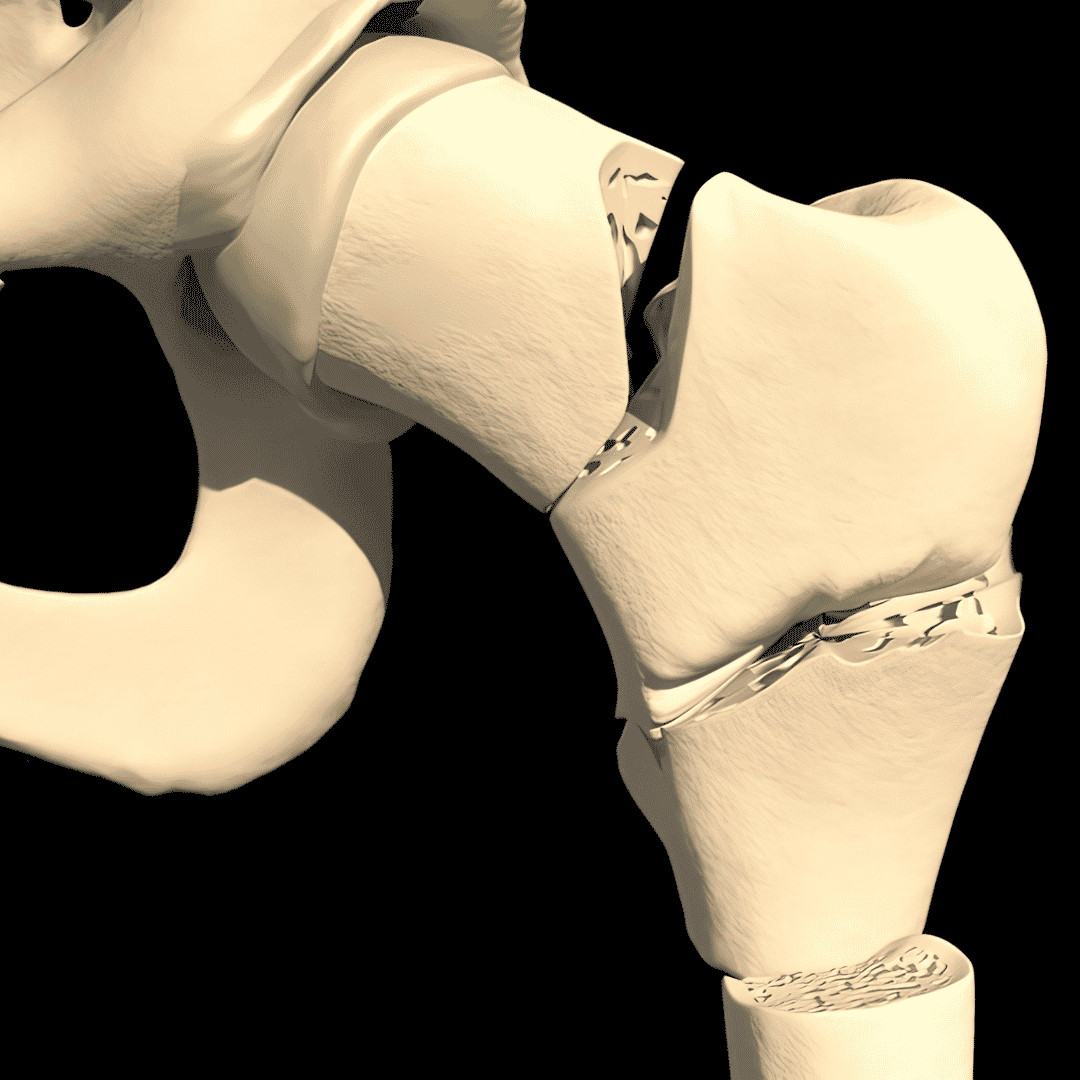
Hip replacement can reduce pain and restore function, but complications can occur in any country. Important surgical risks include infection, blood clots, dislocation, fracture, nerve or blood-vessel injury, leg-length difference, loosening, wear, persistent pain, and the possibility of revision surgery.
Medical travel adds another layer. Long journeys can increase immobility, follow-up may be fragmented, legal remedies differ, and an infection or implant problem may become expensive after you return home. The CDC also warns that healthcare received abroad can expose travelers to antimicrobial-resistant organisms when infection-control systems fail.
| Risk | Possible warning signs | Questions for the provider | Travel implication |
|---|---|---|---|
| Infection | Fever, drainage, increasing redness or pain | What is the prevention, culture, antibiotic, and revision protocol? | Know where you will be readmitted and who pays |
| Blood clot or pulmonary embolism | Calf swelling, chest pain, shortness of breath | How is my individual risk assessed and prevented? | Flight timing must be medically approved |
| Dislocation | Sudden pain, deformity, inability to move or bear weight | Which precautions apply to my approach and implant? | Lodging and transport must support safe movement |
| Fracture or implant problem | Fall, severe pain, instability, inability to walk | Is urgent imaging and revision available locally? | Keep implant documentation accessible |
| Fragmented follow-up | Unclear answers, delayed wound or X-ray review | Who communicates with my home doctor? | Arrange local care before leaving home |
Medical Records to Prepare Before Requesting a Mexico Hip Replacement Quote
- Recent pelvis and hip X-rays, including weight-bearing views when requested
- MRI or CT files in DICOM format if the diagnosis, bone loss, fracture, tumor, or prior surgery requires them
- Radiology reports and a concise timeline of pain, stiffness, walking limits, falls, and night symptoms
- Records of physical therapy, injections, medicines, walking aids, and the response to each treatment
- Previous surgical reports, implant information, culture results, or details of any past joint infection
- A complete list of medicines, blood thinners, supplements, allergies, and previous anesthesia problems
- Information about diabetes, heart or lung disease, kidney problems, anemia, obesity, smoking, sleep apnea, and prior blood clots
- Your home setup, caregiver availability, local physiotherapist, and proposed travel dates
Questions to Ask Before Booking Hip Replacement in Mexico
- What exact diagnosis is causing my hip pain, and does the imaging match my symptoms?
- Why is total hip replacement appropriate now, and what reasonable alternatives remain?
- What are the surgeon’s professional license, specialty license, and current CMOT certification details?
- How many primary and revision hip replacements does the surgeon personally perform?
- Which surgical approach is recommended, and why does it suit my anatomy and risks?
- Which implant manufacturer, model, bearing surface, and fixation method will be used?
- What are the hospital’s COFEPRIS license details and current certification or accreditation status?
- How does the team prevent and manage infection, blood clots, dislocation, fracture, and unexpected blood loss?
- What is included in the written price, and who pays if I need ICU care, extra nights, readmission, or revision?
- How long must I remain near the hospital, and what clinical criteria determine safe travel home?
- Who will coordinate physiotherapy, wound review, X-rays, and new symptoms after I return home?
- Will I receive my operative report, discharge summary, imaging, implant stickers, and medication plan in English?
Frequently Asked Questions About Hip Replacement in Mexico
Why is Mexico popular for hip replacement surgery?
Mexico appeals to patients because private hip replacement can be less expensive, scheduling may be more flexible, and travel is relatively convenient from the United States and Canada. Some providers also coordinate the hospital, implant, local transport, lodging, and follow-up in one package.
How much does hip replacement cost in Mexico?
Current verified quotations commonly range from about $8,500 to $16,715, with an observed average near $12,607. Total hip replacement estimates often fall around $10,500–$16,000. The final price depends on implant, surgeon, hospital, complexity, medical risk, and package inclusions.
Is hip replacement surgery in Mexico safe?
It may be performed safely by a qualified surgeon in a properly licensed hospital with strong infection control, anesthesia, implant traceability, emergency support, and follow-up. Safety cannot be assumed from the country, city, price, accreditation logo, or online reviews alone.
How do I verify an orthopedic surgeon in Mexico?
Request the doctor’s general and orthopedic specialty cédula numbers and verify them through Mexico’s professional registry. Check current CMOT or CONACEM-recognized certification, hospital privileges, personal hip-replacement volume, revision experience, and procedure-specific complication data.
How do I check a Mexican hospital’s license?
Ask for the hospital’s COFEPRIS sanitary license for establishments performing surgical procedures, including its legal name, address, and responsible health professional. When the hospital claims General Health Council certification, verify that the certificate is current through the SIMOCE system.
What is normally included in a Mexico hip replacement package?
A package may include the surgeon, anesthesia, operating room, standard implant, preoperative tests, inpatient medicines, and two or three hospital nights. Flights, hotel recovery, outpatient therapy, premium components, insurance, extended stays, and complication treatment may be excluded.
How long should I stay in Mexico after hip replacement?
There is no safe universal number of days. The surgeon should set a minimum local stay based on wound healing, mobility, medical conditions, blood-clot risk, flight length, caregiver support, and access to emergency treatment. Do not schedule an early return flight without clearance.
Can I fly soon after hip replacement surgery?
Recent hip surgery and prolonged sitting can both increase blood-clot risk. Your surgeon must assess your personal risk and provide travel instructions. The plan may include timing, mobility during travel, compression measures, medication, hydration, airport assistance, and emergency precautions.
Are the same hip implant brands available in Mexico?
Mexican hospitals may use internationally recognized implant systems, but availability varies by provider. Request the manufacturer, exact model, bearing surface, fixation method, regulatory documentation, and implant stickers. Confirm that replacement components and revision support will remain accessible in your home country.
Does Medicare or Canadian provincial insurance cover hip replacement in Mexico?
Coverage is generally limited and depends on the specific program, emergency status, prior authorization, and policy terms. Do not assume reimbursement. Obtain written confirmation from the payer before treatment and clarify coverage for complications, evacuation, rehabilitation, and follow-up at home.
What happens if I develop a complication after returning home?
Your plan should identify a local orthopedic doctor and emergency hospital before travel. Take your operative report, implant records, cultures, imaging, discharge summary, and medication list home. Ask the Mexican team who provides remote advice and whether any revision or complication costs are covered.
What are the biggest red flags when choosing a provider?
Red flags include guaranteed results, pressure to pay before imaging review, no named surgeon or hospital, unverifiable credentials, refusal to identify the implant, no COFEPRIS license information, no infection or emergency plan, and a package that avoids responsibility for complications.
Compare Hip Replacement Options in Mexico
PlacidWay can help you share medical records, compare orthopedic providers, review estimated costs, and prepare questions about surgeon credentials, hospital licensing, implants, rehabilitation, local stay, and follow-up.
Request InformationDisclaimer
Disclaimer: This information is for educational purposes only and does not replace professional medical advice. Always consult a qualified healthcare provider before making medical decisions.
References
- Wait Times for Priority Procedures in Canada – Canadian Institute for Health Information
- Sanitary Licensing for Surgical Establishments – COFEPRIS, Government of Mexico
- Orthopedic Specialist Certification – Consejo Mexicano de Ortopedia y Traumatología
- Certified Healthcare Establishments – Consejo de Salubridad General
- Total Joint Replacement – American Academy of Orthopaedic Surgeons
- Medical Tourism – Centers for Disease Control and Prevention Yellow Book
- Healthcare-Associated Blood-Clot Risk – Centers for Disease Control and Prevention
- Mexico Travel Advisory – U.S. Department of State
.png)




.png)
.png)











Share this listing