
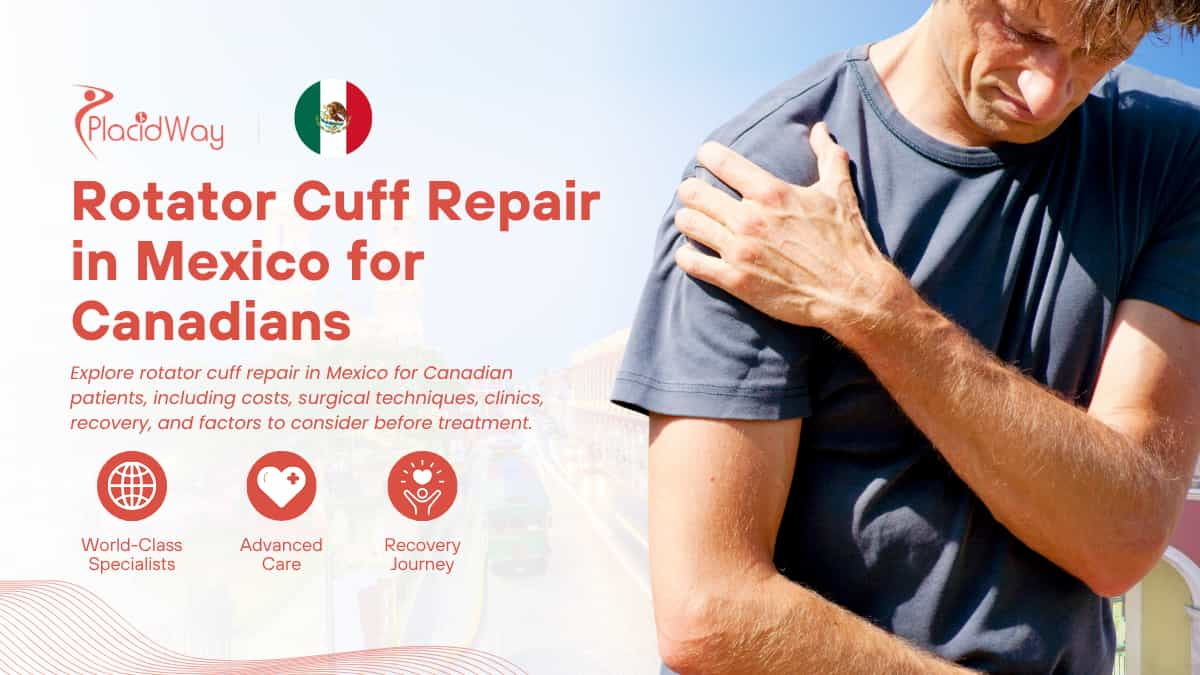
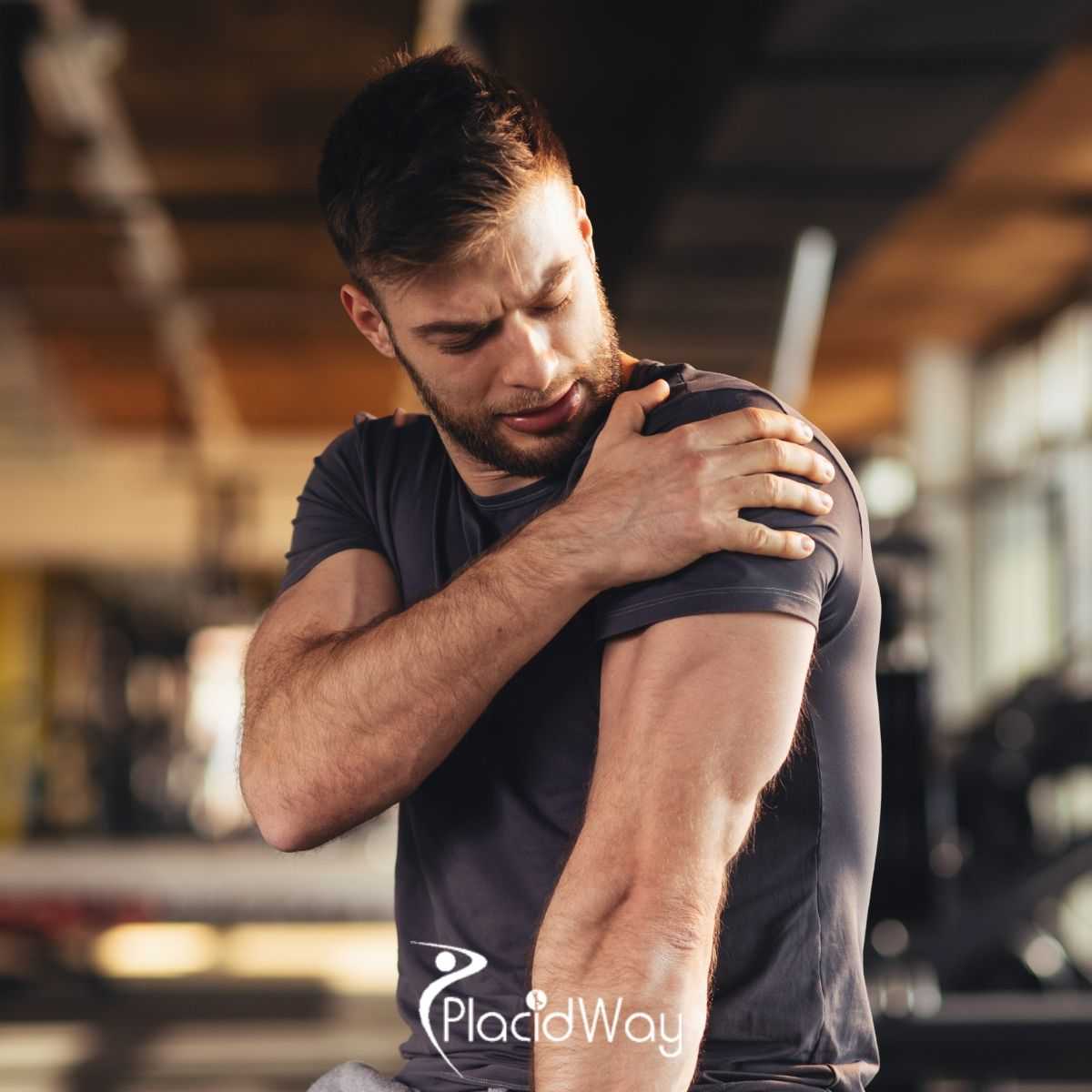
Persistent shoulder pain can make everyday activities such as lifting your arm, reaching overhead, sleeping comfortably, or returning to work difficult. For Canadians exploring rotator cuff repair, Mexico has become a destination some patients consider when comparing treatment availability, scheduling options, and healthcare costs. Understanding the procedure, surgeon qualifications, hospital standards, and recovery expectations is essential before planning treatment abroad.
Rotator cuff repair in Mexico may involve arthroscopic or open surgical techniques depending on the type and severity of the tendon injury. Before choosing a provider, Canadian patients should review the orthopedic surgeon’s credentials, medical registration, experience with shoulder procedures, hospital licensing, implant or surgical equipment information, and the follow-up plan after returning home.
The total cost of rotator cuff repair in Mexico varies depending on the city, hospital, surgeon, surgical approach, anesthesia, rehabilitation requirements, and services included. A complete evaluation helps patients compare options based on medical factors rather than price alone.
Quick Summary: Rotator Cuff Repair in Mexico for Canadians
- Procedure: Rotator cuff repair is a shoulder surgery that repairs torn tendons connecting shoulder muscles to the upper arm bone. The repair may involve arthroscopic techniques using a small camera and specialized instruments.
- Estimated cost: Costs vary by provider, location, surgical complexity, and included services. Canadian patients should request an itemized estimate covering surgeon fees, hospital charges, anesthesia, and rehabilitation planning.
- Safety considerations: Treatment decisions should focus on surgeon qualifications, hospital licensing, infection prevention practices, emergency support, and appropriate follow-up arrangements.
- Ideal candidates: Patients with significant shoulder pain, weakness, reduced movement, or tendon tears that have not improved with non-surgical treatment may be evaluated for repair.
- Recovery: Recovery requires rehabilitation and gradual return of shoulder movement and strength. The timeline depends on tear severity, surgical approach, and individual healing.
- Why Canadians consider Mexico: Some Canadian patients explore Mexico because of geographic proximity, healthcare comparisons, and interest in alternative treatment options.
- Important caution: A shoulder specialist should determine whether surgery is appropriate based on imaging, symptoms, medical history, and physical examination.
Understanding Rotator Cuff Repair Surgery in Mexico
Rotator cuff repair is a surgical procedure used to repair torn or damaged tendons in the shoulder. The rotator cuff is a group of four muscles and tendons that help stabilize the shoulder joint and allow movements such as lifting, rotating, and reaching.
A rotator cuff tear can develop from an injury, repetitive overhead activity, aging-related tendon changes, or gradual wear. Symptoms may include shoulder pain, weakness, difficulty lifting the arm, and discomfort during sleep or daily activities.
When surgery is recommended, the goal is usually to reconnect the damaged tendon to the upper arm bone (humerus). Depending on the condition of the tendon and the type of tear, surgeons may perform arthroscopic repair through small incisions or use an open surgical approach in selected cases.
| Type of Rotator Cuff Procedure | Description | When It May Be Considered |
|---|---|---|
| Arthroscopic Rotator Cuff Repair | Uses a small camera and instruments inserted through small incisions to repair the tendon. | Commonly used for many repairable tendon tears. |
| Open Rotator Cuff Repair | Uses a larger incision to access and repair the damaged tendon. | May be considered for certain complex tears. |
| Debridement or Additional Procedures | Removal of damaged tissue or treatment of related shoulder problems. | Depends on findings during evaluation. |
Why Canadian Patients Explore Rotator Cuff Repair in Mexico
Canadian patients considering rotator cuff repair abroad often compare multiple factors, including treatment timelines, personal healthcare needs, travel distance, and expected costs. Mexico’s location makes it accessible for many patients from Canada and North America.
The decision to travel for orthopedic surgery is personal and should be based on medical suitability, provider evaluation, and a clear understanding of aftercare requirements.
- Access considerations: Some patients explore international options when comparing appointment availability or treatment timelines.
- Geographic convenience: Cities such as Tijuana are closer to North America compared with many overseas destinations.
- Orthopedic specialization: Patients may compare surgeons with experience in shoulder procedures and sports medicine.
- Cost evaluation: Some patients compare private healthcare expenses across countries.
- Travel planning: Patients can evaluate treatment alongside accommodation, transportation, and recovery arrangements.
| Canadian Patient Concern | What to Evaluate Before Traveling |
|---|---|
| Finding an experienced shoulder surgeon | Review orthopedic training, surgical experience, and professional credentials. |
| Understanding total costs | Request a complete estimate including surgery, hospital, anesthesia, and recovery-related expenses. |
| Planning recovery after returning home | Confirm rehabilitation requirements and communication with your medical team. |
Rotator Cuff Repair Cost in Mexico Compared With Canada
The cost of rotator cuff repair in Mexico varies depending on the surgical technique, orthopedic surgeon, hospital location, anesthesia, diagnostic tests, rehabilitation needs, and services included in the treatment plan. Canadian patients should compare complete treatment estimates rather than only comparing the surgical fee.
Private healthcare costs in Canada and Mexico can differ significantly depending on location, insurance coverage, and individual circumstances. Patients considering surgery abroad should understand what is included in each estimate and ask about possible additional expenses.
| Location | Cost Considerations | Factors That Influence Price |
|---|---|---|
| Canada | Costs vary depending on province, healthcare coverage, private options, and individual circumstances. | Insurance status, facility type, surgeon fees, rehabilitation needs. |
| Mexico | Private treatment costs vary by city, provider, hospital, and included services. | Surgical approach, anesthesia, hospital stay, imaging, physical therapy. |
| United States Comparison | Private orthopedic surgery expenses may vary widely depending on insurance and healthcare setting. | Hospital charges, surgeon fees, insurance coverage, location. |
Possible Expenses Included in Rotator Cuff Repair Packages
| Expense | What It May Include |
|---|---|
| Orthopedic Surgeon Fees | Consultation, surgical planning, and procedure fees. |
| Hospital or Surgical Facility | Operating room, nursing services, and recovery monitoring. |
| Anesthesia | Anesthesia services required during the procedure. |
| Diagnostic Testing | Imaging studies and medical evaluations before treatment. |
| Rehabilitation | Physical therapy and recovery support after surgery. |
| Travel-Related Costs | Flights, accommodation, transportation, and companion expenses. |
Choosing a Hospital for Rotator Cuff Repair in Mexico
Selecting a hospital for rotator cuff repair in Mexico requires reviewing facility credentials, orthopedic capabilities, safety processes, and patient support systems. Canadian patients should confirm that the facility meets applicable Mexican healthcare requirements and provides appropriate surgical and emergency resources.
Hospital Evaluation Checklist for Shoulder Surgery in Mexico
| What to Review | Why It Matters |
|---|---|
| Facility Licensing | Confirms the facility operates under Mexican healthcare regulations. |
| Orthopedic Surgery Services | Ensures the facility supports the type of shoulder procedure being considered. |
| Operating Room Safety | Important for infection prevention and surgical safety practices. |
| Emergency Support | Patients should understand how complications are managed. |
| Post-Surgical Follow-Up | Important for international patients returning home after treatment. |
- Is the facility licensed according to Mexican healthcare regulations?
- Who manages anesthesia and surgical care?
- What infection prevention protocols are followed?
- How are emergency situations handled?
- What follow-up support is available after returning to Canada?
How to Choose a Rotator Cuff Repair Surgeon in Mexico
The orthopedic surgeon’s training and experience are important factors when considering rotator cuff repair abroad. Patients should review qualifications related specifically to shoulder surgery rather than relying only on general orthopedic experience.
| Credential or Information | Why Patients Should Check It |
|---|---|
| Medical Registration | Helps confirm authorization to practice medicine. |
| Orthopedic Training | Shows specialized education in musculoskeletal conditions. |
| Shoulder Surgery Experience | Provides insight into experience with similar procedures. |
| Hospital Affiliation | Shows where the surgeon performs procedures and available resources. |
| Follow-Up Plan | Important for patients returning to Canada after surgery. |
Recovery After Rotator Cuff Repair Surgery in Mexico
Recovery after rotator cuff repair varies depending on the size and location of the tear, surgical technique, tissue quality, overall health, and rehabilitation progress. Canadian patients traveling to Mexico should understand that returning home after surgery requires careful planning because recovery continues for weeks or months after the procedure.
Physical therapy is an important part of recovery because the repaired tendon needs time to heal while the shoulder gradually regains movement and strength. Your orthopedic surgeon and rehabilitation team should provide guidance based on your individual condition.
| Timeframe | Clinical Process | Patient Experience | Recommended Focus |
|---|---|---|---|
| First Days After Surgery | Initial healing begins and the repaired tendon requires protection. | Pain, swelling, and limited shoulder movement may occur. | Follow surgical instructions and protect the shoulder. |
| First Several Weeks | Healing continues while controlled movement is introduced. | Shoulder function may gradually improve. | Attend rehabilitation appointments and follow activity restrictions. |
| Several Months | Strength and mobility continue improving with rehabilitation. | Daily activities may gradually become easier. | Continue exercises and follow-up care. |
| Long-Term Recovery | The shoulder continues adapting after repair. | Recovery outcomes vary between patients. | Maintain healthy shoulder habits and recommended follow-up. |
Risks and Safety Considerations for Rotator Cuff Repair in Mexico
Rotator cuff repair is a surgical procedure with possible risks, similar to shoulder surgery performed in any country. Understanding these considerations can help Canadian patients ask informed questions before treatment.
| Possible Concern | Questions to Discuss Before Surgery |
|---|---|
| Infection | Ask about infection prevention procedures and facility safety protocols. |
| Incomplete Healing or Re-tear | Discuss tendon condition, repair expectations, and rehabilitation requirements. |
| Shoulder Stiffness | Ask how rehabilitation will address movement and flexibility. |
| Pain or Delayed Recovery | Understand realistic recovery expectations and follow-up plans. |
| Travel-Related Challenges | Discuss when travel is appropriate after surgery. |
Preparing for Rotator Cuff Repair Travel From Canada to Mexico
Canadian patients traveling for rotator cuff repair should prepare medical records, travel arrangements, and recovery plans before leaving home. Proper preparation can help make communication and follow-up easier.
| Before Traveling | Why It Matters |
|---|---|
| Collect MRI scans, X-rays, and medical records | Allows the orthopedic team to review your condition. |
| Confirm the complete treatment estimate | Helps identify included and excluded expenses. |
| Arrange accommodation and transportation | Supports recovery after discharge. |
| Plan rehabilitation after returning to Canada | Recovery continues after international treatment. |
Frequently Asked Questions About Rotator Cuff Repair in Mexico for Canadians
How much does rotator cuff repair surgery cost in Mexico for Canadian patients?
The cost of rotator cuff repair in Mexico varies depending on the surgeon, hospital, city, surgical technique, anesthesia, diagnostic tests, rehabilitation needs, and services included in the treatment plan. Canadian patients should request an itemized quote that clearly explains what is included and any possible additional expenses.
Why are Canadians considering rotator cuff repair surgery in Mexico?
Some Canadians explore rotator cuff repair in Mexico because they want to compare healthcare options, treatment availability, travel convenience, and private healthcare costs. Patients should evaluate surgeon qualifications, hospital standards, and follow-up arrangements before deciding where to receive treatment.
Who is a good candidate for rotator cuff repair surgery?
Patients with a confirmed rotator cuff tear, persistent shoulder pain, weakness, reduced movement, or limited improvement from non-surgical treatments may be evaluated for repair. An orthopedic shoulder specialist should determine whether surgery is appropriate based on imaging, symptoms, and overall health.
How do I choose a rotator cuff surgeon in Mexico?
Before selecting a surgeon in Mexico, review orthopedic training, medical registration, experience with shoulder procedures, hospital affiliation, surgical approach, complication management process, and how follow-up care will be handled after you return to Canada.
What hospital credentials should I check before rotator cuff repair in Mexico?
Patients should confirm that the hospital or surgical facility is licensed according to Mexican healthcare regulations and review available accreditation information, infection prevention procedures, emergency support, and orthopedic surgery capabilities.
Is rotator cuff repair in Mexico safe for Canadian patients?
The safety of rotator cuff repair depends on multiple factors, including the surgeon’s qualifications, hospital standards, surgical protocols, patient health conditions, and appropriate follow-up care. Canadian patients should carefully evaluate providers before treatment.
How long is recovery after rotator cuff repair surgery?
Recovery after rotator cuff repair varies depending on tear size, surgical technique, healing response, and rehabilitation progress. Many patients require a structured physical therapy program to gradually restore shoulder movement and strength.
How long should Canadian patients stay in Mexico after rotator cuff repair?
The recommended stay depends on the patient’s recovery progress, surgeon recommendations, follow-up requirements, and travel considerations. Patients should confirm the expected timeline before arranging flights and accommodation.
Can I return to Canada immediately after rotator cuff repair surgery in Mexico?
Patients should not plan immediate travel without discussing timing with their healthcare provider. Factors such as wound healing, mobility, pain management, and medical follow-up needs can affect when returning home is appropriate.
What questions should I ask before choosing rotator cuff repair in Mexico?
Before scheduling surgery, ask about surgeon credentials, hospital licensing, surgical technique, expected recovery timeline, total costs, rehabilitation requirements, emergency procedures, and how communication will continue after returning to Canada.
Explore Rotator Cuff Repair Options in Mexico
Choosing rotator cuff repair abroad requires careful evaluation of medical qualifications, treatment details, costs, recovery expectations, and follow-up planning. Canadian patients can compare available options by reviewing provider credentials, understanding what is included in treatment plans, and preparing questions before making healthcare decisions.
PlacidWay can help patients compare providers, understand treatment costs, review treatment options, ask important questions, and request information from clinics offering orthopedic procedures in Mexico.
Request InformationDisclaimer
Disclaimer: This information is for educational purposes only and does not replace professional medical advice. Always consult a qualified healthcare provider before making medical decisions.
References
- Rotator Cuff Tears – American Academy of Orthopaedic Surgeons (AAOS)
- Rotator Cuff Injury Diagnosis and Treatment – Mayo Clinic
- Rotator Cuff Injuries – National Institute of Arthritis and Musculoskeletal and Skin Diseases (NIAMS)
- Healthcare-Associated Infections – Centers for Disease Control and Prevention
- Patient Safety – World Health Organization
- Secretaría de Salud – Government of Mexico
























Share this listing