
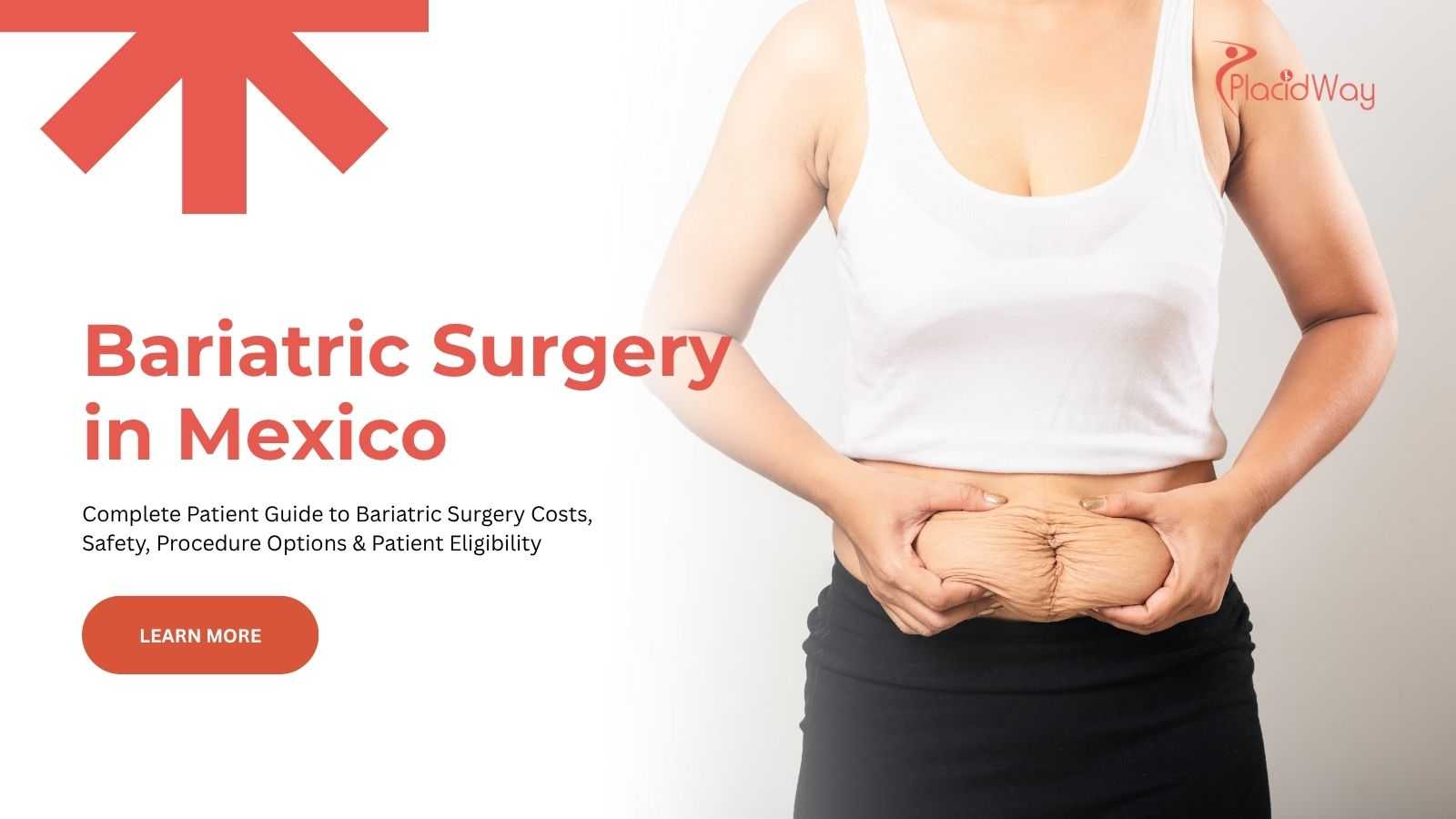
If you are struggling to manage severe obesity and facing incredibly high healthcare costs in your home country, traveling for metabolic treatment might feel like your only option. Many international patients look across the border to access life-changing weight loss procedures, but navigating foreign healthcare systems requires careful research and planning. This guide will help you understand the estimated costs, identify crucial Mexican medical certifications, and evaluate board-certified surgeons so you can make an informed and confident decision about your health.
- Estimated Cost: Treatment generally ranges between $4,000 and $7,000 USD depending on the specific procedure, hospital amenities, and geographic location within Mexico.
- Safety Overview: Treatment can be performed safely when you select hospitals licensed by COFEPRIS and surgeons certified by the Mexican Council of Surgery for Obesity and Metabolic Diseases (CMCOEM).
- Ideal Candidate: You typically need a Body Mass Index (BMI) over 40, or a BMI over 35 combined with obesity-related conditions such as type 2 diabetes or severe sleep apnea.
- Recovery Time: Most patients stay in Mexico for four to seven days for medical monitoring before flying home, with full internal healing taking roughly six to eight weeks.
- Main Reason Patients Choose Mexico: International patients primarily travel to access specialized bariatric care at a fraction of North American prices while benefiting from modern, all-inclusive medical packages.
- Important Caution: Never choose a clinic based on price alone. Always verify that the facility has a dedicated intensive care unit (ICU) and a clear post-operative complication protocol.
Why Patients Travel to Mexico for Bariatric Surgery
Managing severe obesity often requires medical intervention when diet and exercise are no longer effective. In countries like the United States and Canada, weight loss procedures can carry prohibitive out-of-pocket costs, or patients may face years-long waiting lists in public healthcare systems. This financial and logistical strain drives thousands of patients to research cross-border care options. Mexico has developed a robust medical tourism infrastructure, offering specialized metabolic care that aligns closely with international surgical standards.
When traveling for medical care, you are not simply paying for the operation itself. Comprehensive packages typically include pre-operative cardiology clearances, nutritional counseling, hospital stays, and ground transportation. This structured approach helps alleviate the logistical stress of navigating a foreign city. However, the quality of care varies widely between regions, making careful provider selection essential to your long-term success and safety.
Potential Advantages
- Significant reduction in out-of-pocket medical expenses
- Access to highly experienced bariatric specialists
- Shorter wait times for surgical scheduling
- Comprehensive packages designed for international travelers
Important Considerations
- Traveling shortly after major abdominal surgery can be uncomfortable
- Managing long-term follow-up care requires coordination with your local doctor
- Legal recourse for medical malpractice varies from your home country
- Language barriers may exist if the clinic lacks dedicated interpreters
Common Bariatric Surgery Procedures Available in Mexico
Metabolic treatments fall into two main categories based on how they alter your digestive system. Restrictive procedures physically reduce the size of your stomach, limiting the volume of food you can consume before feeling full. Malabsorptive procedures combine stomach reduction with an alteration of your intestinal tract, which limits the number of calories and nutrients your body can absorb. Your surgeon will recommend a specific technique based on your starting weight, metabolic health, and personal medical history.
The gastric sleeve and gastric bypass are the two most frequently performed procedures. During a gastric sleeve operation, the surgeon removes roughly eighty percent of the stomach, leaving a narrow tube that significantly reduces the production of the hunger hormone ghrelin. The gastric bypass involves creating a small stomach pouch and attaching it directly to the small intestine, bypassing a portion of the digestive tract. Both methods require general anesthesia and are typically performed laparoscopically through small abdominal incisions.
| Procedure Type | Mechanism of Action | Average Hospital Stay | Metabolic Impact |
|---|---|---|---|
| Gastric Sleeve | Primarily restrictive | One to two nights | Reduces stomach volume and hunger hormones |
| Gastric Bypass | Restrictive and malabsorptive | Two to three nights | Alters digestion and limits nutrient absorption |
| Mini Gastric Bypass | Restrictive and malabsorptive | Two nights | Creates a longer pouch with a single intestinal connection |
| Gastric Banding | Strictly restrictive | Outpatient or one night | Places an adjustable silicone band around the upper stomach |
Patient Demographics and Travel Trends for Bariatric Surgery in Mexico
Understanding the demographics of patients who travel for metabolic treatment provides valuable context for your own decision-making process. The vast majority of international patients seeking cross-border care originate from the United States and Canada, driven primarily by the high cost of uninsured domestic care. Recent clinical registries indicate that patients typically fall between the ages of thirty and fifty-five, a period when obesity-related comorbidities like hypertension and type 2 diabetes often begin to severely impact daily life.
Recent data from 2024 and 2025 highlights a steady increase in patient volume, reflecting growing confidence in properly certified Mexican surgical centers. The demographic breakdown shows that female patients consistently make up a larger percentage of the bariatric surgical population, though male participation has been steadily rising as awareness of metabolic health improves. The following visualizations illustrate recent age distributions and the upward trend in international patient volume.
Age Distribution of International Bariatric Patients in Mexico (2025 Data)
In addition to demographic shifts, cross-border healthcare reports project continued growth in the medical tourism sector through 2026. This sustained patient influx emphasizes the critical importance of utilizing verified medical boards and regulatory resources to identify safe, high-volume surgical centers rather than relying on promotional marketing alone.
Medical Tourism Patient Volume for Metabolic Surgery in Mexico (2024-2026 Trend)
Estimated Cost of Bariatric Surgery in Mexico Compared to the United States
When evaluating the financial aspects of metabolic treatment, the stark difference in healthcare pricing becomes immediately apparent. In North America, the lack of standardized surgical pricing means hospitals often charge vastly different amounts for the exact same operation, heavily padded by administrative fees and room charges. Cross-border clinics typically bundle these expenses into a single, comprehensive price, providing transparency that allows international patients to budget accurately before booking flights.
These lower costs do not necessarily indicate inferior quality. The difference in pricing reflects the lower cost of living, reduced administrative overhead, and different malpractice insurance models in Latin America. However, you must meticulously review what your quoted package includes. Hidden fees for additional nights in the hospital, pre-operative blood work, or post-operative medications can quickly inflate an initially low estimate.
| Treatment Type | Estimated Cost in USA (USD) | Estimated Cost in Mexico (USD) |
|---|---|---|
| Gastric Sleeve | $15,000 - $25,000 | $4,000 - $6,000 |
| Gastric Bypass | $20,000 - $30,000 | $5,500 - $7,500 |
| Revision Surgery | $25,000 - $35,000 | $6,000 - $8,500 |
Budgeting Warning
Never wire money or pay a non-refundable deposit without receiving an itemized, written quote. Ensure the estimate explicitly states whether it covers the anesthesiologist fees, nutritional consultations, and emergency intervention protocols.
How to Verify Hospital Safety and Certifications in Mexico
Patient safety must remain your highest priority when traveling abroad for major abdominal surgery. The regulatory environment in Mexico relies heavily on national governing bodies to enforce health and sanitation standards. The primary federal health regulator is COFEPRIS (Federal Commission for the Protection against Sanitary Risk), which issues operational licenses to medical facilities. Any hospital or clinic performing surgical procedures must hold an active COFEPRIS license to operate legally.
Beyond basic licensing, you should look for facilities accredited by the Consejo de Salubridad General (CSG). This is Mexico's national healthcare accreditation system, which closely mirrors the stringent requirements of international bodies like the Joint Commission International (JCI). Hospitals holding CSG accreditation undergo rigorous external audits regarding infection control, equipment maintenance, and emergency responsiveness.
Hospital Vetting Checklist
- Request the clinic's official COFEPRIS operating license number.
- Ask if the hospital has a dedicated, on-site Intensive Care Unit (ICU).
- Verify if the facility is accredited by the Consejo de Salubridad General (CSG).
- Confirm the availability of a dedicated blood bank or direct transfer agreements.
- Check if the clinic employs continuous, 24/7 medical monitoring staff.
Essential Credentials to Look for in a Mexican Bariatric Surgeon
Choosing the right surgeon is arguably the most critical decision in your medical tourism journey. A beautiful hospital means very little if the person operating on your digestive tract lacks specialized training. In Mexico, medical professionals must hold a valid medical license and a specialist certificate. More importantly, bariatric surgeons should be board-certified by the primary national organization dedicated to metabolic procedures.
You must verify that your prospective doctor is certified by the Consejo Mexicano de Cirugía de Obesidad y Enfermedades Metabólicas (CMCOEM). This council requires surgeons to prove ongoing education, maintain a high volume of successful surgeries, and adhere to strict peer-reviewed safety standards. Membership in international societies, such as the American Society for Metabolic and Bariatric Surgery (ASMBS) or the International Federation for the Surgery of Obesity (IFSO), serves as an excellent additional indicator of clinical dedication.
Important Question to Ask Your Surgeon
"How many times have you specifically performed this exact procedure, and what is your personal protocol for managing post-operative leaks or bleeding?" A qualified specialist will answer this calmly and provide transparent data regarding their complication rates.
How to Know if You Are a Good Candidate for Bariatric Surgery in Mexico
Metabolic treatment is not a cosmetic quick fix for minor weight loss. It is a major medical intervention designed to treat severe obesity and resolve dangerous metabolic conditions. International clinics follow rigorous medical guidelines to determine patient eligibility. These guidelines closely mirror the criteria established by global health organizations, prioritizing patient safety and long-term clinical viability over immediate financial gain.
Your candidacy relies heavily on your Body Mass Index (BMI) and your overall health profile. Reputable surgeons will require extensive pre-operative blood panels, electrocardiograms, and psychological evaluations to ensure your body can safely handle general anesthesia and the demanding post-operative dietary restrictions. Patients with severe uncontrolled cardiovascular disease, severe active eating disorders, or significant gastrointestinal issues may be advised against undergoing treatment.
| Patient Criteria | Clinical Assessment |
|---|---|
| BMI over 40 | Generally qualifies as a primary candidate for surgical intervention. |
| BMI of 35 to 39.9 | May qualify if combined with comorbidities like diabetes, sleep apnea, or hypertension. |
| Previous Abdominal Surgeries | Requires detailed medical review; extensive scar tissue can complicate laparoscopic methods. |
| Psychological Readiness | Patient must demonstrate the ability to adhere to strict lifetime nutritional changes. |
Step by Step Travel and Treatment Timeline for Bariatric Surgery in Mexico
Planning medical travel requires coordinating your health evaluation, travel logistics, and surgical scheduling seamlessly. Understanding the typical chronological flow of a cross-border medical journey helps alleviate anxiety and ensures you do not miss critical preparatory steps. The process begins weeks before you board an airplane, with extensive medical history reviews conducted remotely by the surgical team.
Once you arrive at your destination, the pace moves quickly but methodically. Reputable clinics will assign you a patient coordinator who manages your transportation from the airport to the hospital or hotel. Before you enter the operating room, you will undergo final in-person consultations, laboratory testing, and meetings with the anesthesiologist to confirm your physical readiness for the intervention.
Typical Patient Journey
- Weeks 1-4 Before Travel: Submit health questionnaires, complete remote consultations, and start the mandatory pre-op liquid diet to shrink your liver.
- Day 1 (Arrival): Airport pickup, transfer to the clinic, final blood work, EKG, and in-person surgeon consultation.
- Day 2 (Surgery): Admission, surgical preparation, general anesthesia, the procedure, and initial overnight hospital monitoring.
- Days 3-4 (Recovery): Post-operative leak tests, fluid intake monitoring, walking to prevent blood clots, and transition to a specialized hotel if approved.
- Day 5-6 (Departure): Final surgical clearance, removal of drains if applicable, and clearance to fly home.
Understanding the Potential Risks and Complications of Bariatric Surgery in Mexico
All surgical procedures carry inherent risks, and metabolic interventions are no exception. Altering your digestive anatomy introduces the possibility of internal complications that require immediate medical attention. When traveling abroad, these risks are compounded by the logistical challenge of returning home shortly after surgery. You must possess a clear understanding of potential complications to advocate for your own health effectively.
The most severe immediate risk following digestive surgery is an anastomotic leak, which occurs when digestive fluids escape through the surgical staple line into the abdominal cavity. This can cause dangerous infections and requires urgent medical intervention. Other potential complications include deep vein thrombosis (blood clots), bleeding, and strictures. Your surgeon should thoroughly explain their complication management protocol before you agree to treatment.
| Potential Complication | Biological Mechanism | Prevention and Management Strategy |
|---|---|---|
| Staple Line Leak | Tissue fails to heal properly at the incision line, allowing fluid escape. | Surgeons perform leak tests during surgery and closely monitor early fluid intake. |
| Deep Vein Thrombosis | Blood clots form in the legs due to surgical trauma and immobility. | Patients are required to wear compression socks and begin walking shortly after waking up. |
| Vitamin Deficiency | Altered digestion prevents the body from naturally absorbing adequate nutrients. | Patients must commit to a lifelong regimen of specialized bariatric vitamins. |
| Dumping Syndrome | Food moves too quickly into the small intestine, causing nausea and dizziness. | Avoid high-sugar foods and carefully manage meal pacing and portion sizes. |
What to Expect During Your Bariatric Surgery Recovery in Mexico
The recovery process requires immense discipline and patience, as your body must heal internally while adapting to a drastically reduced caloric intake. Your immediate recovery phase takes place under close medical supervision in Mexico. During the first forty-eight hours, you will experience abdominal soreness, fatigue, and gas pains from the carbon dioxide used to inflate your abdomen during laparoscopy. Medical staff will encourage you to walk frequently, which is the most effective way to dissipate internal gas and prevent blood clots.
Once you are cleared to travel home, the long-term nutritional recovery begins. Your digestive system needs time to heal before it can process solid foods. You will progress through a strictly phased diet, beginning with clear liquids, moving to protein shakes, transitioning to pureed foods, and eventually incorporating soft solids over the course of several weeks. Deviating from this dietary timeline can cause severe pain, vomiting, and damage to your healing stomach.
| Recovery Phase | Nutritional Stage | Expected Physical Sensations | Patient Action Required |
|---|---|---|---|
| Days 1 to 7 | Clear liquids only (water, broth, sugar-free gelatin). | Significant fatigue, gas pain, soreness at incision sites. | Sip fluids extremely slowly; walk frequently; monitor incisions. |
| Weeks 2 to 3 | Full liquids (protein shakes, thin strained soups). | Decreasing pain, rapid initial weight loss, emotional fluctuations. | Focus on reaching daily protein and hydration goals. |
| Weeks 4 to 5 | Pureed foods (blended meats, soft scrambled eggs). | Slightly increased energy, learning physical hunger cues. | Chew thoroughly; stop eating at the very first sign of fullness. |
| Weeks 6 and Beyond | Transition to soft solids, then long-term maintenance diet. | Stabilizing energy levels, continuous physical adaptation. | Maintain daily vitamin regimen and follow up with local doctors. |
Frequently Asked Questions About Bariatric Surgery in Mexico
Is it safe to fly home after bariatric surgery in Mexico?
In many cases, surgeons clear patients to fly within four to seven days post-operation. You must walk frequently during the flight, wear compression stockings, and stay hydrated to mitigate the risk of deep vein thrombosis. Always secure official medical clearance from your surgeon before traveling.
What happens if I experience a complication after returning to my home country?
If a severe emergency occurs, you must immediately visit your local emergency room. It is highly recommended to establish communication with a local primary care physician or bariatric specialist before traveling, so they are prepared to manage your long-term follow-up and any late complications.
Do medical packages in Mexico include medical complications insurance?
Some premium clinics offer or include third-party medical tourism insurance that covers revision procedures or prolonged hospital stays in the event of an immediate complication. You should ask your provider explicitly if complications insurance is included in your written quote.
Will language barriers affect my medical care in Mexico?
Most facilities that cater to international medical tourists employ bilingual surgeons and dedicated patient coordinators who speak fluent English. However, some nursing staff may have limited English proficiency, so having a translation app and relying on your coordinator is advisable.
Can I travel alone for metabolic surgery in Mexico?
While clinics often provide extensive logistical support, traveling with a companion is generally recommended. A companion can assist with your luggage, help you navigate the airport during your vulnerable recovery phase, and provide essential emotional support.
How do I verify a Mexican bariatric surgeon's medical credentials?
You can ask the surgeon for their professional license number (Cédula Profesional) and verify it through the Mexican government's educational registry. Furthermore, you should confirm their active certification status directly on the official CMCOEM website.
Why is a pre-operative liquid diet required before treatment?
Your doctor may recommend a strict liquid diet for one to four weeks prior to surgery to reduce the fat surrounding your liver. A smaller liver makes it significantly safer and easier for the surgeon to access your stomach during the laparoscopic procedure.
How much weight can I expect to lose after a gastric sleeve?
Weight loss outcomes vary depending on your starting weight and strict adherence to post-operative dietary guidelines. Typically, patients may lose between fifty to seventy percent of their excess body weight within the first twelve to eighteen months following surgery.
Do Mexican clinics reuse medical equipment during bariatric procedures?
Certified and accredited hospitals strictly mandate the use of new, sealed surgical materials, such as laparoscopic staples and trocars, for every patient. You have the right to request confirmation that all single-use items are properly discarded after your operation.
Are medical records from Mexico accepted by doctors in the United States?
Yes, reputable clinics will provide you with a comprehensive medical file translated into English upon discharge. This file details the surgical technique used, medications administered, and implant details, which your local physician will need for accurate follow-up care.
Ready to Explore Your Treatment Options?
PlacidWay can help you compare certified providers, understand estimated treatment costs, and ask the right questions before making a decision.
Request InformationDisclaimer: This information is for educational purposes only and does not replace professional medical advice. Always consult a qualified healthcare provider before making medical decisions.
References
- Bariatric Surgery Procedures – American Society for Metabolic and Bariatric Surgery (ASMBS)
- Patient Information and Surgical Guidelines – International Federation for the Surgery of Obesity (IFSO)
- Official Directory of Certified Bariatric Surgeons – Consejo Mexicano de Cirugía de Obesidad y Enfermedades Metabólicas (CMCOEM)
- National Health Regulation and Clinic Licensing – Federal Commission for the Protection against Sanitary Risk (COFEPRIS)
- Potential Candidates for Weight-loss Surgery – National Institute of Diabetes and Digestive and Kidney Diseases
- Medical Tourism Health and Safety Guidelines – Centers for Disease Control and Prevention (CDC)
- Obesity and Overweight Medical Fact Sheet – World Health Organization (WHO)























Share this listing