
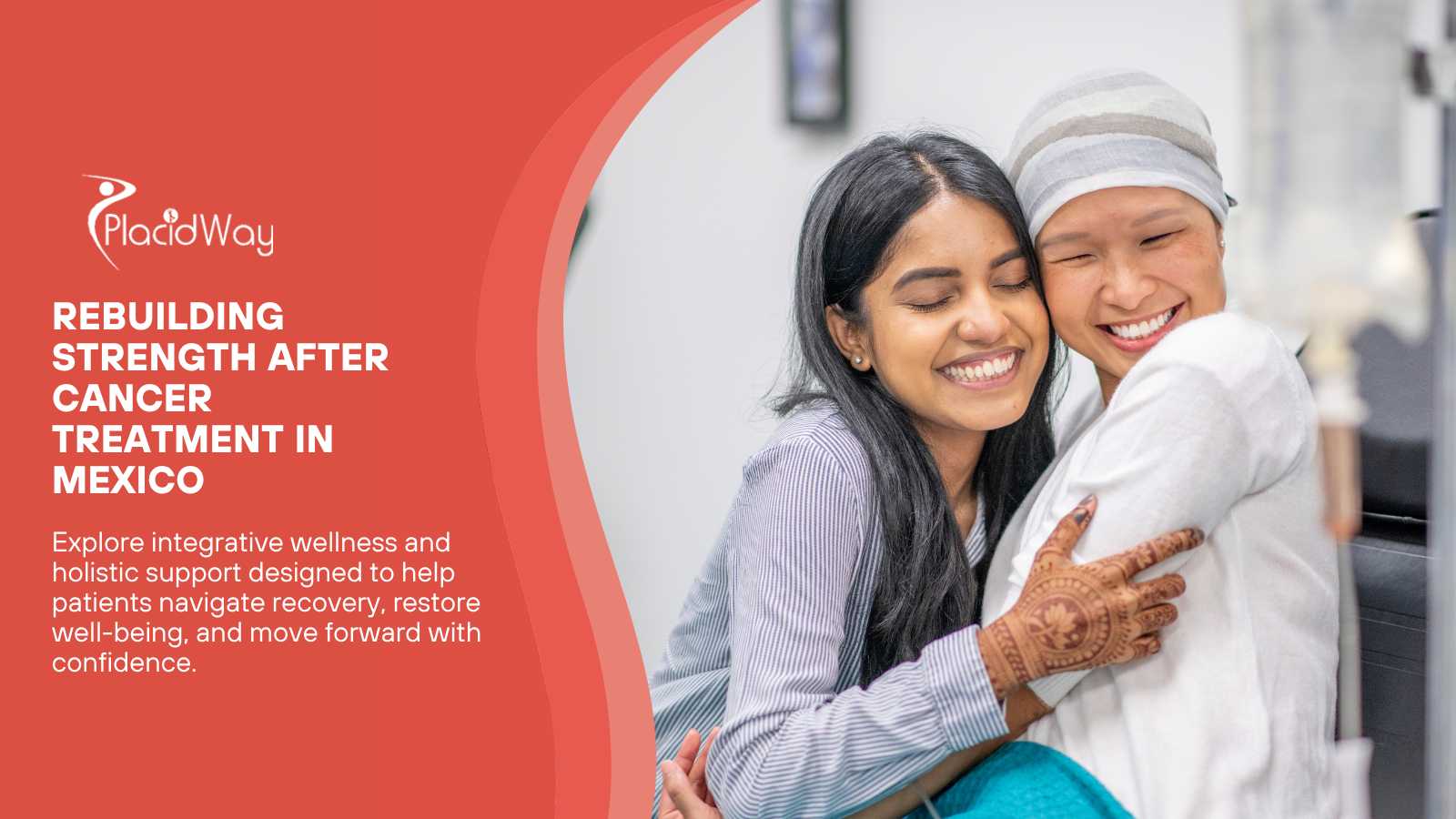
After cancer treatment ends, recovery often continues through rehabilitation, symptom management, nutrition support, emotional care, and survivorship planning. Post-cancer treatment recovery in Mexico may provide international patients access to supportive healthcare services while maintaining coordination with their oncology team. Before traveling, patients should evaluate provider licensing, physician credentials, emergency support, and whether recovery services complement—not replace—standard cancer follow-up.
Quick Summary: Post-Cancer Treatment Recovery in Mexico
- Estimated recovery support cost: Costs vary widely depending on the type of rehabilitation, medical supervision, accommodation, therapy frequency, and individual health needs. Patients should request itemized estimates in USD.
- Safety consideration: Recovery programs should complement—not replace—follow-up care from your oncology team.
- Who may consider recovery support: Cancer survivors who need assistance with physical recovery, emotional adjustment, nutrition, mobility, fatigue management, or survivorship planning.
- Healthcare credentials to verify: Check that facilities operate under Mexican health regulations, physicians are registered with Mexico’s medical authorities, and specialists have appropriate oncology or rehabilitation qualifications.
- Common recovery services: Physical rehabilitation, psychological support, nutritional counseling, symptom management, and supportive wellness programs.
- Important caution: Complementary therapies should be discussed with qualified healthcare providers, especially after chemotherapy, radiation therapy, immunotherapy, or surgery.
Introduction to Post-Cancer Treatment Recovery in Mexico
Finishing cancer treatment is an important milestone, but many patients discover that recovery continues long after the final chemotherapy session, radiation appointment, or surgery. Fatigue, changes in physical ability, emotional stress, nutritional challenges, and concerns about returning to normal activities can remain part of the survivorship journey.
Post-cancer treatment recovery in Mexico focuses on supportive services designed around the patient’s needs after cancer therapy. These services may include rehabilitation programs, psychological care, nutrition support, physical activity planning, symptom management, and other wellness approaches that are used alongside standard medical follow-up.
Mexico has healthcare institutions providing oncology and supportive care services under national healthcare regulations. Patients should verify the specific qualifications, services, and follow-up capabilities of each facility.
Why International Patients Consider Recovery Support in Mexico
- Access to rehabilitation and supportive healthcare services after completing cancer treatment.
- Opportunity to combine medical follow-up with recovery-focused wellness planning.
- Potentially lower healthcare-related expenses compared with some countries, depending on services selected.
- Availability of multidisciplinary approaches involving physicians, therapists, nutrition professionals, and mental health specialists.
- Travel options from North America and other international regions.
- Interest in supportive therapies that address quality of life after cancer treatment.
Who Travels to Mexico for Post-Cancer Treatment Recovery Support?
Patients seeking recovery support in Mexico come from different regions and backgrounds. Many international patients travel from countries where rehabilitation services, supportive therapies, or extended wellness programs may involve significant costs or waiting periods.
The decision to travel usually depends on personal factors including diagnosis history, completed treatments, physician recommendations, financial considerations, available services, and family support arrangements.
| Patient Region | Common Reason for Considering Mexico | Important Considerations |
|---|---|---|
| United States | Seeking supportive recovery options, rehabilitation, or wellness services. | Confirm continuity with existing oncology care. |
| Canada | Interest in additional recovery support or shorter access pathways. | Review travel timing after treatment. |
| Latin America | Access to specialized healthcare services. | Verify specialist credentials and facility licensing. |
Understanding Integrative Recovery Support After Cancer Treatment in Mexico
Integrative recovery combines conventional medical follow-up with supportive approaches that may help address physical, emotional, and lifestyle challenges after cancer treatment. The goal is not to replace cancer treatment but to support overall wellbeing during survivorship.
Depending on individual needs, recovery planning may include rehabilitation exercises, nutritional assessment, psychological support, fatigue management, and strategies for returning to daily activities.
Healthcare providers should evaluate each patient individually because recovery needs differ based on cancer type, treatment history, age, overall health, and previous complications.
| Support Area | Possible Focus | Provider to Consult |
|---|---|---|
| Physical Recovery | Strength, mobility, endurance, daily activities | Rehabilitation specialist or physical therapist |
| Nutrition Support | Diet assessment and recovery nutrition planning | Qualified nutrition professional |
| Emotional Recovery | Stress management and adjustment after cancer | Mental health professional |
Post-Cancer Treatment Recovery Services Available in Mexico
Post-cancer recovery programs in Mexico may include different supportive services depending on your diagnosis, treatment history, and recovery goals. These services are generally designed to help patients manage the physical and emotional effects that can continue after cancer treatment.
The specific combination of services should be determined with qualified healthcare professionals. A recovery plan after cancer treatment is usually based on factors such as cancer type, treatments received, current symptoms, mobility level, nutritional status, and personal health goals.
| Recovery Service in Mexico | Purpose | Questions Patients Should Ask |
|---|---|---|
| Cancer Rehabilitation | Supports physical function, movement, strength, and independence after treatment. | Does the program include licensed rehabilitation professionals? |
| Nutritional Counseling | Addresses nutrition needs during survivorship and recovery. | Is nutrition planning supervised by a qualified professional? |
| Psychological Support | Helps patients adjust emotionally after cancer diagnosis and treatment. | Are licensed mental health professionals available? |
| Pain and Symptom Management | Addresses treatment-related symptoms under medical supervision. | Who manages symptoms and communicates with your oncology team? |
| Wellness Programs | May include lifestyle-focused activities supporting overall wellbeing. | How does the program complement standard cancer follow-up? |
Post-Cancer Treatment Recovery Costs in Mexico Compared With Other Countries
The cost of post-cancer treatment recovery in Mexico depends on the type of support you receive, the length of your stay, provider qualifications, location, accommodation needs, and whether services are provided individually or as part of a structured program.
Unlike a single medical procedure, cancer recovery support often involves multiple services. A patient receiving rehabilitation, nutrition support, psychological counseling, and medical supervision may have different costs compared with someone receiving only one type of supportive therapy.
| Country | Typical Recovery Support Cost Considerations | Factors Affecting Final Cost |
|---|---|---|
| Mexico | Varies depending on rehabilitation, medical oversight, therapies, and duration. | City, provider, services included, accommodation. |
| United States | Costs may vary significantly based on insurance coverage and healthcare system. | Insurance benefits, rehabilitation coverage, provider fees. |
| Canada | Public coverage varies by province and service type. | Access pathways and private supportive services. |
| United Kingdom | Recovery services may involve NHS pathways or private options. | Availability, private rehabilitation needs. |
Common Items That May Affect Recovery Expenses in Mexico
- Initial medical evaluation and health history review.
- Specialist consultations.
- Physical therapy sessions.
- Nutrition assessment and follow-up.
- Mental health support services.
- Laboratory testing or imaging if medically indicated.
- Accommodation and transportation expenses.
- Travel insurance considerations.
- Request an itemized written estimate.
- Ask which services are included and excluded.
- Confirm whether physician consultations are separate.
- Understand cancellation and follow-up policies.
- Ask about emergency care arrangements.
Choosing Hospitals and Recovery Facilities in Mexico After Cancer Treatment
Selecting a recovery facility in Mexico requires careful review of licensing, medical qualifications, and available services. Patients should focus on whether the facility can provide appropriate supportive care while maintaining communication with their existing oncology providers.
Mexico’s healthcare facilities operate under national health regulations overseen by government authorities. Patients should verify that hospitals and clinics are legally authorized to provide healthcare services and that medical professionals have appropriate registrations.
Healthcare Credentials to Review Before Choosing a Mexican Facility
| Credential or Verification | Why It Matters |
|---|---|
| Facility License | Confirms the healthcare facility operates under Mexican healthcare regulations. |
| COFEPRIS Compliance | COFEPRIS is Mexico’s Federal Commission for Protection against Health Risks, responsible for health regulation oversight. |
| Medical Professional Registration | Helps verify that physicians are legally authorized to practice medicine. |
| Specialty Certification | Shows relevant specialist training where applicable. |
| Hospital Accreditation | May provide additional information about quality systems and patient safety processes. |
- Who supervises the recovery program?
- What healthcare professionals are involved?
- How is emergency care handled?
- Can you communicate with my oncologist?
- What happens if my health condition changes during recovery?
How to Choose a Doctor for Post-Cancer Recovery Care in Mexico
The physician involved in your recovery planning should have qualifications relevant to your medical situation. Depending on your needs, this may include oncology, rehabilitation medicine, internal medicine, pain management, nutrition, or another specialty.
Patients should verify credentials rather than relying only on advertisements or online descriptions. A qualified healthcare provider should be able to explain their training, registration, experience, and role in your recovery plan.
| Doctor Verification Step | What Patients Should Confirm |
|---|---|
| Medical License | Current registration allowing medical practice in Mexico. |
| Specialty Training | Training related to the required area of care. |
| Experience | Experience managing patients with similar recovery needs. |
| Communication | Ability to explain treatment plans clearly and coordinate care. |
Post-Cancer Treatment Recovery Timeline in Mexico
Recovery after cancer treatment does not follow one universal timeline. The healing process depends on the type of cancer, treatment received, overall health, age, complications, and the support services included in your recovery plan.
Some patients focus on rebuilding physical strength after surgery, while others need support managing fatigue, emotional changes, nutrition challenges, or returning to daily activities after chemotherapy or radiation therapy.
| Timeframe | Biological or Clinical Process | Patient Experience | Recommended Action |
|---|---|---|---|
| First Weeks After Treatment | The body continues recovering from surgery, chemotherapy, radiation, or other therapies. | Fatigue, weakness, appetite changes, or emotional adjustment may occur. | Maintain oncology follow-up and discuss appropriate rehabilitation needs. |
| 1–3 Months | Physical recovery and rebuilding routines may become a focus. | Patients may gradually increase activity depending on medical advice. | Consider supervised rehabilitation and lifestyle support. |
| 3–12 Months | Long-term survivorship planning continues. | Patients may focus on confidence, independence, and quality of life. | Continue recommended monitoring and supportive care. |
Safety Considerations for Post-Cancer Treatment Recovery in Mexico
Safety planning is one of the most important parts of choosing recovery support abroad. Patients should understand that supportive recovery services are different from cancer treatment itself and should be integrated with medical follow-up.
Before traveling, discuss your plans with your oncology team. Your doctor can help determine whether travel is appropriate, what medical information you should carry, and what monitoring may be needed during recovery.
| Potential Concern | Why It Matters | Patient Action |
|---|---|---|
| Medical Records Transfer | Recovery providers need accurate information about previous treatments. | Carry treatment summaries, medication lists, and relevant reports. |
| Emergency Planning | Unexpected health changes can occur after cancer treatment. | Confirm emergency facilities and hospital access. |
| Treatment Coordination | Recovery plans should align with oncology recommendations. | Ensure communication between healthcare providers. |
Warning Signs That Require Medical Attention
- New or worsening severe pain.
- Difficulty breathing or chest symptoms.
- Persistent fever or signs of infection.
- Sudden neurological changes.
- Unexpected bleeding.
- Rapid worsening of overall health.
Planning Your Medical Travel to Mexico After Cancer Treatment
Travel planning after cancer treatment requires more preparation than a standard vacation. Patients should consider medical readiness, transportation, accommodation, insurance, and communication with healthcare providers.
| Planning Stage | Recommended Steps |
|---|---|
| Before Choosing a Provider | Review qualifications, services offered, medical supervision, and communication options. |
| Before Travel | Obtain medical records, discuss travel with your physician, and arrange medications. |
| During Recovery Stay | Follow the recovery plan and report health changes promptly. |
| After Returning Home | Continue follow-up care with your local healthcare team. |
Advantages and Limitations of Seeking Post-Cancer Recovery Support in Mexico
Potential Advantages
- Access to different supportive healthcare programs.
- Opportunity to combine recovery services with travel arrangements.
- Potential access to multidisciplinary care teams.
- May provide additional options for rehabilitation and wellness planning.
Important Limitations
- Travel requires additional medical planning.
- Care coordination with home physicians is necessary.
- Costs vary and require detailed evaluation.
- Supportive therapies do not replace cancer treatment.
Frequently Asked Questions About Post-Cancer Treatment Recovery in Mexico
What is included in post-cancer treatment recovery programs in Mexico?
Post-cancer treatment recovery programs in Mexico may include rehabilitation, nutrition support, psychological care, symptom management, and wellness-focused services. The exact services depend on your cancer history, previous treatments, current health condition, and recovery goals.
Is post-cancer recovery in Mexico a replacement for oncology treatment?
No. Recovery support programs are designed to complement cancer follow-up care. They should not replace recommended oncology treatments, surveillance appointments, medications, or monitoring from your cancer care team.
How much does post-cancer treatment recovery in Mexico cost?
The cost varies depending on the services required, length of stay, location, provider qualifications, medical supervision, and whether rehabilitation, consultations, accommodation, or additional services are included.
Who may benefit from post-cancer recovery support in Mexico?
Patients who have completed cancer treatment and need support with physical recovery, fatigue management, emotional adjustment, nutrition, mobility, or returning to daily activities may consider supportive recovery services after discussing options with their healthcare provider.
How can I verify a cancer recovery facility in Mexico?
Patients should review facility licensing, healthcare authorization, physician credentials, specialist qualifications, emergency support arrangements, and the ability to coordinate care with their existing oncology team.
Can cancer survivors travel to Mexico after chemotherapy or radiation therapy?
Travel timing depends on individual health status, treatment history, immune function, and medical advice. Patients should discuss travel plans with their oncology team before arranging recovery services abroad.
What healthcare credentials should I check before choosing a recovery provider in Mexico?
Patients should confirm healthcare facility authorization, physician registration, specialty training, relevant certifications, and the provider’s ability to manage recovery needs safely and coordinate follow-up care.
Does Mexico offer rehabilitation after cancer surgery?
Yes, rehabilitation services may be available in Mexico depending on the provider and location. These programs may focus on mobility, strength, functional recovery, and adapting to changes after surgery.
What questions should I ask before selecting post-cancer recovery care in Mexico?
Ask about provider qualifications, included services, medical supervision, emergency procedures, communication with your oncology team, costs, follow-up arrangements, and what happens if your health condition changes.
Can complementary therapies be combined with cancer recovery care in Mexico?
Some complementary approaches may be used as supportive care, but patients should discuss them with qualified healthcare professionals to understand possible benefits, limitations, interactions, and safety considerations.
How PlacidWay Helps Patients Explore Post-Cancer Recovery Options in Mexico
Choosing healthcare abroad involves comparing providers, understanding available services, and asking the right questions before making decisions.
PlacidWay helps patients explore healthcare options by providing information about available providers, treatment approaches, estimated costs, and questions to discuss with healthcare professionals. Patients can review options and request information based on their individual needs.
Explore Post-Cancer Recovery Options in Mexico
Explore recovery support options, understand questions to ask providers, and request information based on your healthcare needs.
Disclaimer
Disclaimer: This information is for educational purposes only and does not replace professional medical advice. Always consult a qualified healthcare provider before making medical decisions.
References
- Cancer Survivorship – National Cancer Institute (NCI)
- Cancer Treatment Side Effects – National Cancer Institute (NCI)
- Cancer Fact Sheet – World Health Organization (WHO)
- Healthy Living After Cancer Treatment – American Cancer Society
- Patient Guidelines and Cancer Care Information – National Comprehensive Cancer Network (NCCN)
- Federal Commission for Protection against Health Risks (COFEPRIS) – Mexico Health Regulation Authority























Share this listing