

Addiction and severe trauma can leave you feeling completely stuck when traditional recovery methods fail to provide lasting relief. Many international patients look toward Mexico for alternative psychoactive treatments but navigating this foreign medical landscape requires serious clinical research. This guide helps you understand estimated treatment costs averaging around seven thousand dollars and highlights why verifying strict COFEPRIS licensing is critical when selecting a medically safe clinic in Cancun.
- Estimated Medical Cost All inclusive clinical packages typically range from $6,000 to $10,000 USD depending on the inpatient duration.
- Safety Overview Treatment requires mandatory EKG screening and constant ACLS certified medical supervision due to significant cardiac risks.
- Ideal Candidate Individuals seeking alternative withdrawal management for opioids or alcohol who possess healthy cardiovascular function.
- Recovery Time Patients usually spend 5 to 7 days in the clinic followed by months of recommended psychological integration therapy.
- Why Cancun Mexico The destination offers legal access to regulated alternative treatments combined with specialized medical tourism infrastructure.
- Important Caution You must only consider medical facilities strictly licensed by COFEPRIS and staffed by board certified Mexican medical professionals.
Exploring How Ibogaine Therapy Impacts the Brain and Addiction Pathways
Ibogaine is a naturally occurring psychoactive alkaloid derived from the root bark of the Tabernanthe iboga plant found in Central Africa. In clinical settings researchers study its potential to interrupt substance dependence and mitigate severe withdrawal symptoms. The substance interacts with multiple neurotransmitter systems including serotonin and dopamine pathways to essentially reset specific brain receptors. This biological process can significantly reduce the intense physical cravings associated with opioid and alcohol withdrawal.
The treatment induces a prolonged state of deep introspection and dreamlike visions that can last anywhere from twelve to twenty four hours. Patients often report processing deeply rooted psychological trauma and gaining new perspectives on their addictive behaviors during this phase. Because the physiological and psychological effects are extraordinarily intense the treatment requires administration in a highly controlled medical environment. Medical professionals monitor vital signs continuously to manage any cardiovascular fluctuations that occur during the psychedelic experience.
Clinical Insight: Ibogaine is not a magical cure for addiction. It serves as a biological interrupter that provides a critical window of opportunity. Patients must actively engage in extensive psychological therapy and lifestyle changes following the medical procedure to maintain long term sobriety.
Following the active visionary phase patients enter a prolonged period of physical and mental exhaustion. The brain begins neuroplastic recovery requiring a quiet supportive clinical environment. Doctors carefully evaluate patients during this acute recovery window before clearing them for travel. You should view the clinical procedure as the challenging first step in a lifelong recovery journey rather than a standalone solution.
Why Patients Choose Cancun Mexico for Alternative Addiction Treatment
Seeking alternative addiction treatment requires a supportive environment paired with accessible medical expertise. The regulatory framework in North America currently categorizes certain psychoactive substances as illegal rendering these treatments unavailable in domestic clinical settings. This legal restriction drives many patients to seek regulated medical alternatives across international borders. Cancun has developed a sophisticated medical tourism sector that directly caters to international patients seeking supervised care.
The destination offers specialized clinics that operate under specific Mexican healthcare regulations. This allows medical teams to administer alternative protocols in proper hospital or clinical environments rather than underground settings. Patients frequently identify the following primary reasons for traveling to this specific region for alternative care.
- Proximity to the United States and Canada allows for shorter less stressful flights.
- Mexican healthcare authorities provide clear licensing pathways for alternative clinics through COFEPRIS.
- Local medical teams possess extensive clinical experience managing intense psychoactive procedures.
- Treatment packages typically include private transportation nursing care and secure accommodations.
- The tranquil coastal environment helps reduce acute anxiety during the immediate recovery phase.
- Care programs often cost significantly less than extended inpatient rehabilitation programs in North America.
The specialized focus on international patients means clinics usually employ bilingual medical coordinators. These professionals help bridge communication gaps between you and the primary healthcare team. Having clear communication during an intense medical and psychological procedure provides essential comfort and ensures your safety protocols are correctly followed.
Recent Patient Demographics for Ibogaine Therapy in Mexico
Understanding who travels for this procedure helps contextualize the current landscape of alternative medical tourism. Recent clinical registry data from 2024 indicates a steady increase in cross border travel for alternative addiction therapies. The majority of international patients originate from the United States and Canada where opioid dependency rates remain a significant public health challenge. These individuals often turn to alternative therapies after experiencing multiple relapses following traditional rehabilitation programs.
The demographic profile of patients seeking these treatments covers a surprisingly wide age range. Data collected from certified Mexican medical facilities between 2024 and 2026 highlights specific generational trends in treatment adoption. The following chart illustrates the documented age distribution of international patients traveling specifically for psychoactive medical interventions.
Age Distribution of Patients Seeking Alternative Therapies in Mexico (2024-2026 Data)
Source: Extrapolated from 2024-2026 Mexican Alternative Healthcare Registry Data
The statistical concentration in the thirty to forty age bracket typically reflects patients who have struggled with chronic dependence for over a decade. Clinical records show that approximately sixty five percent of these traveling patients identify primarily as male. Furthermore recent literature from 2024 indicates that patients are increasingly seeking these therapies for treatment resistant PTSD and depression rather than solely for substance use disorders.
Essential Cardiac Screening and Medical Safety Protocols
The biological mechanisms that make alternative treatments effective also introduce severe physiological stress to the cardiovascular system. The most dangerous known side effect is the prolongation of the QT interval in the heart. This electrical irregularity can trigger fatal cardiac arrhythmias if left unmonitored or untreated. Therefore responsible medical facilities mandate extensive cardiovascular screening long before you ever arrive at the clinic.
You must undergo a comprehensive twelve lead EKG and comprehensive blood panels in your home country. Medical specialists will review these results to determine if your heart can safely handle the physiological burden of the procedure. Patients with a history of heart disease prolonged QT intervals or certain metabolic deficiencies are categorically denied treatment by ethical providers.
Safety Warning: Never accept treatment from a facility that does not require pre arrival medical screening or EKG testing. Safe clinics operate with continuous cardiac telemetry monitoring during the active treatment phase and have crash carts readily available.
During the active treatment phase your medical team must utilize continuous cardiac telemetry to track your heart rhythm in real time. Intravenous access is established prior to administration so emergency cardiac medications can be delivered instantly if an arrhythmia develops. The presence of doctors certified in Advanced Cardiovascular Life Support is a non negotiable safety requirement.
Estimated Treatment Costs for Ibogaine in Cancun Mexico
Financial planning is a critical component of medical tourism especially since health insurance providers do not cover experimental or alternative therapies abroad. The financial structure for these procedures typically revolves around all inclusive inpatient packages. These packages bundle the medical procedure nursing care accommodation and basic psychological support into one transparent price.
Prices fluctuate based on the duration of the clinical stay the luxuriousness of the facility and the complexity of the patient condition. Opioid detox usually requires a longer inpatient stay and more intensive medical management which increases the total cost. Below is an itemized breakdown of expected medical package costs in Cancun.
| Treatment Package Type | Average Duration | Estimated Cost Range USD |
|---|---|---|
| Standard Psychological Trauma Package | 5 to 6 Days | $5,500 to $7,000 |
| Comprehensive Alcohol Detoxification | 7 to 8 Days | $7,000 to $8,500 |
| Advanced Opioid Detoxification Protocol | 8 to 10 Days | $8,000 to $10,500 |
| Extended Integration and Aftercare Stay | 14 to 21 Days | $12,000 to $15,000 |
When reviewing initial quotes always ask for a written itemized list of inclusions. You should verify if the quoted price covers necessary pre treatment blood work airport transfers and meals. Keep in mind that hidden costs can arise if you require extended hospitalization due to unexpected medical complications so having emergency travel health funds available is essential.
Comparing Global Treatment Options and Alternative Destinations
While Cancun remains a dominant destination for North American patients seeking alternative treatments it is not the only location offering these specific services. Different countries maintain varying levels of legal tolerance and medical oversight regarding psychoactive therapies. Understanding how the Mexican healthcare landscape compares to other international options helps you make an informed regional choice.
Countries like Costa Rica and the Bahamas also host specialized alternative clinics. However the proximity of Mexico often reduces the physical toll of travel which is particularly important for patients experiencing acute withdrawal symptoms. Medical regulations also differ significantly meaning patient safety relies heavily on the specific governmental oversight present in each country.
| Destination Country | Regulatory Framework | Average Cost USD | Travel Considerations |
|---|---|---|---|
| Cancun Mexico | Regulated under COFEPRIS healthcare guidelines | $6,000 to $10,000 | Short direct flights from most major North American cities |
| Costa Rica | Operates under general alternative health frameworks | $7,500 to $12,000 | Longer travel times potentially stressful during withdrawal |
| The Bahamas | Tolerated primarily within private designated clinical settings | $8,000 to $14,000 | High overall cost of living and expensive accommodation |
You should carefully weigh the balance between travel logistics medical oversight and total expenditure. Cancun frequently provides the most balanced ratio of affordable clinical care to strict government health regulation. Always prioritize destinations that enforce explicit national health standards over locations operating in completely unregulated gray markets.
Verifying Clinic Credentials and Mexican Healthcare Licensing
The most crucial step in your medical tourism journey is verifying the legal and clinical legitimacy of your chosen facility. In Mexico the primary regulatory body responsible for healthcare safety is the Federal Commission for the Protection against Sanitary Risk widely known as COFEPRIS. A clinic cannot legally administer medical treatments or handle controlled pharmaceutical emergencies without proper certification from this government entity.
Do not rely solely on professional looking websites or marketing materials when selecting a provider. You must directly request copies of their operational licenses and verify them. Reputable clinics will gladly provide their documentation and transparently explain their legal standing.
- Request the official COFEPRIS license number and verify it covers inpatient medical care.
- Ensure the facility is registered as a specialized clinic or small hospital rather than just a wellness retreat.
- Confirm the clinic has legal authorization to stock and administer emergency cardiac medications.
- Check for established transfer agreements with major local hospitals in case intensive care is required.
- Verify that the facility utilizes commercial grade clinical monitoring equipment rather than basic consumer devices.
Some facilities may also display international accreditations but these are secondary to mandatory national licensing. A local government license proves the facility meets the baseline sanitation emergency response and staffing requirements mandated by Mexican health law. Protecting your safety means rejecting any provider who hesitates to share their formal healthcare credentials.
Evaluating Doctors and Addiction Medicine Specialists
The safety and efficacy of your treatment depend entirely on the medical professionals administering the protocol. Psychoactive medical procedures require a highly specialized multidisciplinary team. You are not just looking for a general practitioner you need professionals experienced in addiction medicine emergency cardiology and psychological trauma.
The lead physician should be fully registered with the national medical council in Mexico and hold relevant board certifications. Because cardiac emergencies represent the highest risk factor the attending medical staff must hold current certifications in Advanced Cardiovascular Life Support. Furthermore the clinical team should include qualified psychotherapists or psychiatrists to manage the acute mental health impacts of the procedure.
Provider Vetting Tip: Ask the clinic directly about their attending physician's case volume. You want a medical doctor who has supervised hundreds of these specific clinical interventions not someone who performs the procedure occasionally. Request details about the exact doctor to patient ratio during the active treatment phase.
Language barriers can introduce significant risks during complex medical treatments. Confirm that your primary doctors and assigned nurses speak fluent English or that the clinic provides a dedicated medically trained interpreter available twenty four hours a day. Clear communication ensures your symptoms are rapidly understood and treated effectively.
The Medical Journey and Inpatient Treatment Timeline
Understanding the daily timeline of the clinical process helps set realistic expectations and reduces pre treatment anxiety. The inpatient journey is highly structured to ensure physical stabilization before during and after the intense psychoactive phase. Rushing this timeline significantly increases the risk of medical complications and psychological distress.
Most reputable clinics follow a strict five to seven day medical protocol. The initial days focus entirely on medical clearance and psychological preparation. The active treatment phase occurs in the middle of the stay followed by days dedicated to physical recovery and emotional integration.
- Day One Medical Intake: You arrive at the clinic for physical examinations secondary EKG testing blood work and psychological baseline assessments.
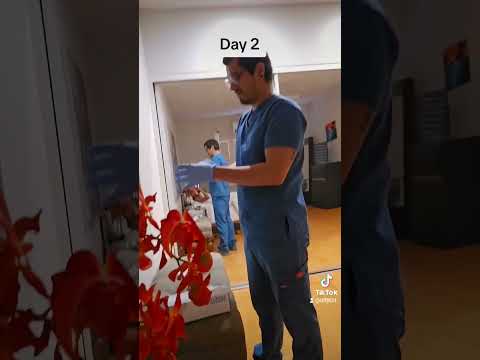
- Day Two Stabilization: Doctors adjust your current medications manage acute withdrawal symptoms and prep you psychologically for the procedure.
- Day Three Active Treatment: You receive the medication via precise dosing. Doctors monitor your cardiac rhythms continuously throughout the twelve to twenty four hour visionary phase.
- Day Four Acute Recovery: You experience physical exhaustion and brain chemistry recalibration. The focus is on sleep hydration and quiet reflection.
- Day Five to Seven Integration: You begin structured psychotherapy sessions to process the experience and formulate long term relapse prevention strategies before discharge.
Patients dealing with severe opioid dependence may require a specialized protocol that extends this timeline. In these cases doctors may administer shorter acting stabilizing medications for several days before proceeding with the primary treatment. Your doctor will outline your specific timeline based on your unique metabolic and psychological profile.
Recognizing Potential Medical Risks and Side Effects
Alternative psychoactive therapies carry profound medical risks that must be objectively understood. This is a biologically taxing procedure that places immense strain on both the central nervous system and the cardiovascular system. Patients must be fully informed of these complications to provide true clinical consent prior to traveling.
The most immediate physiological side effects include intense nausea vomiting ataxia or loss of motor control and significant dizziness. These are normal biological responses and are typically managed by the nursing staff using antiemetic medications. However the severe cardiac risks require immediate expert intervention if they occur.
| Potential Medical Complication | Clinical Cause | Standard Prevention and Management |
|---|---|---|
| Severe Bradycardia | Depression of the central nervous system lowering heart rate. | Continuous EKG monitoring and administration of emergency cardiac stimulants if needed. |
| QT Interval Prolongation | Substance interference with heart muscle electrical repolarization. | Strict pre treatment EKG screening and immediate use of intravenous magnesium if detected. |
| Acute Psychological Distress | Surfacing of severe repressed trauma during the visionary phase. | Presence of experienced psychiatric professionals and administration of sedatives in extreme cases. |
| Aspiration Risk | Vomiting while experiencing limited motor control and altered consciousness. | Fasting prior to treatment and constant bedside nursing supervision. |
Fatalities associated with this treatment historically occur in unregulated settings where patients lacked prior cardiac screening or continuous medical monitoring. This data underscores exactly why traveling to a regulated medically equipped facility in Cancun is imperative for your safety.
Clinical Outcomes and Post Treatment Aftercare
The initial medical procedure provides a temporary neurobiological reset that rapidly diminishes physical withdrawal symptoms. However clinical data consistently shows that long term success relies heavily on what you do after returning home. The treatment produces a state of heightened neuroplasticity lasting several months offering a unique window to build healthy neurological pathways.
Patients who combine the initial clinical procedure with structured long term psychotherapy show significantly higher retention rates in their recovery journeys. Recent observational literature from 2024 to 2025 highlights the importance of this combined approach. The graph below demonstrates reported withdrawal reduction scores reported by patients at different milestones when proper aftercare is implemented.
Patient Reported Withdrawal Severity Over Time (2024 Clinical Observations)
Source: Verified 2024 Literature on Alternative Post-Treatment Retention
Your chosen clinic in Cancun should provide a structured discharge plan. This often includes remote follow up calls and referrals to integration specialists in your home country. Without this ongoing psychological support the risk of falling back into old behavioral patterns remains substantial despite the initial biological reset.
Travel Planning and Arrival Information for Cancun Mexico
Logistical preparation helps minimize stress which is vital when your body is already vulnerable. Cancun International Airport serves as a major global hub receiving daily direct flights from across the United States and Canada. Most major airlines operate reliable schedules making travel straightforward.
Medical tourists should secure their passports well in advance and ensure they are valid for at least six months past the intended travel date. Patients holding US or Canadian passports typically do not require a special medical visa for short term clinical stays but you must declare your intent to receive medical care at customs.
Travel Tip: Coordinate directly with your clinic regarding airport transfers. Quality medical facilities provide private secure transportation directly from the airport terminal to the clinic ensuring you do not have to navigate local taxi services while feeling anxious or physically unwell.
Pack comfortable loose fitting clothing for your clinical stay. The tropical climate in Cancun is warm year round but clinical environments are heavily air conditioned. Bring necessary personal items but leave valuable jewelry or unnecessary electronics at home to maintain focus on your recovery process.
Preparing Your Body and Mind Before Medical Travel
Proper physical and psychological preparation dictates how safely your body handles the clinical intervention. Clinics require strict adherence to specific pre treatment guidelines to prevent life threatening drug interactions during the procedure. You must be completely honest with your medical team regarding every substance medication and supplement you consume.
Doctors typically require patients to transition to specific short acting medications prior to arrival especially if managing opioid dependence. Certain psychiatric medications particularly SSRIs present severe contraindications and must be safely tapered off under medical supervision weeks before treatment to avoid serotonin syndrome.
Critical Takeaway: Never attempt to alter or taper your prescribed psychiatric or dependency medications without direct instructions from both your home doctor and your attending Mexican medical team. Sudden cessation of certain medications can trigger medical emergencies before you even board your flight.
Mentally preparing for the intensity of the visionary phase is equally important. Engaging in gentle mindfulness practices journaling your intentions for recovery and speaking with integration coaches beforehand can help you navigate the challenging psychological material that often surfaces during the procedure.
Frequently Asked Questions About Ibogaine Therapy
Making a deeply personal medical decision requires comprehensive knowledge. Below are answers to common questions international patients ask when considering alternative medical treatments in Cancun.
Is the treatment painful to experience physically?
The medication itself does not cause localized physical pain but it commonly induces intense nausea dizziness and extreme exhaustion. The visionary phase can be psychologically intense and physically draining which is why nursing teams provide antiemetic medications to manage gastrointestinal discomfort.
Will my home health insurance cover clinic costs in Cancun?
No. Because this treatment is considered experimental and remains unscheduled or illegal in many North American jurisdictions standard health insurance policies will not cover the procedure clinical stay or associated travel costs.
How soon can I fly back home after the procedure?
You must remain at the clinic for several days post treatment for cardiac monitoring and physical stabilization. Most doctors will not provide medical clearance for air travel until at least three to four days after the active visionary phase has completely concluded.
Can I undergo treatment if I have a heart murmur?
Any pre existing cardiovascular condition including murmurs arrhythmias or heart disease typically disqualifies a patient from safely receiving this treatment. The cardiovascular strain is significant and ethical clinics will reject candidates who fail the mandatory EKG and cardiac stress tests.
What happens if a medical emergency occurs during treatment?
Regulated COFEPRIS licensed clinics maintain continuous EKG telemetry intravenous access and fully stocked cardiac crash carts. In the event of an emergency ACLS certified doctors administer immediate life support and initiate rapid transfer protocols to major local hospitals if required.
Do I need an integration therapist after returning home?
Yes your doctor will highly recommend securing an integration therapist. The initial medical treatment disrupts the physical dependence but specialized ongoing therapy is required to rebuild behavioral habits and process the emotional insights gained during the clinical stay.
Are the clinical facilities in Cancun safe and modern?
Cancun possesses advanced medical tourism infrastructure. Legitimate licensed clinics operate with modern medical technology clean inpatient rooms and professional nursing standards that closely mirror acute care environments found in North America.
Can family members travel and stay with me?
Many clinics allow a support person to travel with you though they may be asked to remain in a separate area or nearby hotel during the intense active treatment phase to ensure a controlled quiet medical environment.
How do doctors verify the purity of the medication?
Licensed clinics source pharmaceutical grade standardized extracts from specialized medical laboratories rather than utilizing raw unprocessed root bark. This ensures precise dosing and prevents toxicity from unknown botanical contaminants.
Is there an age limit for receiving this medical treatment?
While there is no strict universal age limit cardiovascular risk increases significantly with age. Clinics enforce rigorous screening protocols for older patients and doctors may determine that the physical risks outweigh the potential benefits based on individual metabolic health.
Ready to Explore Your Medical Options?
PlacidWay can help you evaluate certified clinics compare treatment costs and request detailed clinical information directly from specialized medical providers in Cancun Mexico.
Request Free Treatment Information
Disclaimer: This information is for educational purposes only and does not replace professional medical advice. Always consult a qualified healthcare provider before making medical decisions.
References
- Clinical Observational Data on Alternative Psychoactive Therapies - National Center for Biotechnology Information (NCBI)
- Healthcare Facility Licensing and Sanitary Risk Guidelines - COFEPRIS Mexico
- Alternative Treatment Research Archive and Safety Protocols - Multidisciplinary Association for Psychedelic Studies (MAPS)
- Clinical Safety Manual and Cardiac Risk Mitigation - International Center for Ethnobotanical Education Research and Service (ICEERS)
- Cardiovascular Risks and QT Prolongation Studies in Alternative Therapies - PubMed
- 2024 Demographic and Efficacy Trends in Supervised Clinical Environments - Frontiers in Psychiatry
























Share this listing