
Living with chronic joint pain or restricted mobility can deeply impact your quality of life, prompting many to seek timely, effective medical solutions. If you are facing long waiting lists or high out-of-pocket expenses for joint replacement or spine procedures at home, you may be researching affordable orthopedic surgery in Istanbul, Turkey. This comprehensive guide helps you understand how to verify board-certified Turkish surgeons, evaluate Ministry of Health-approved clinics, and review estimated treatment costs so you can make a safe, confident, and well-informed healthcare decision.
Quick Answer Summary
- Estimated Cost: Typically ranges from $4,500 to $12,000 USD, depending on the specific procedure (e.g., knee replacement, spinal fusion) and hospital facilities.
- Safety Overview: High safety standards are maintained when choosing hospitals licensed by the Turkish Ministry of Health and surgeons registered with the Turkish Medical Association (TTB).
- Ideal Candidate: Individuals with severe joint degeneration, sports injuries, or spinal conditions who are medically cleared for air travel and elective surgery.
- Recovery Time: Initial recovery in Turkey typically requires 10 to 14 days before flying home, with full rehabilitation taking 3 to 6 months depending on the surgery.
- Main Reason Patients Choose Istanbul, Turkey: Access to experienced orthopedic specialists and modern facilities at a significantly lower cost compared to North America and Western Europe, without enduring long public healthcare wait times.
- Important Caution: Always verify that your surgeon holds specific certification from the Turkish Society of Orthopaedics and Traumatology (TOTBID) and ensure your chosen clinic has a clear policy for managing potential post-operative complications.
Understanding Orthopedic Surgery Options in Istanbul
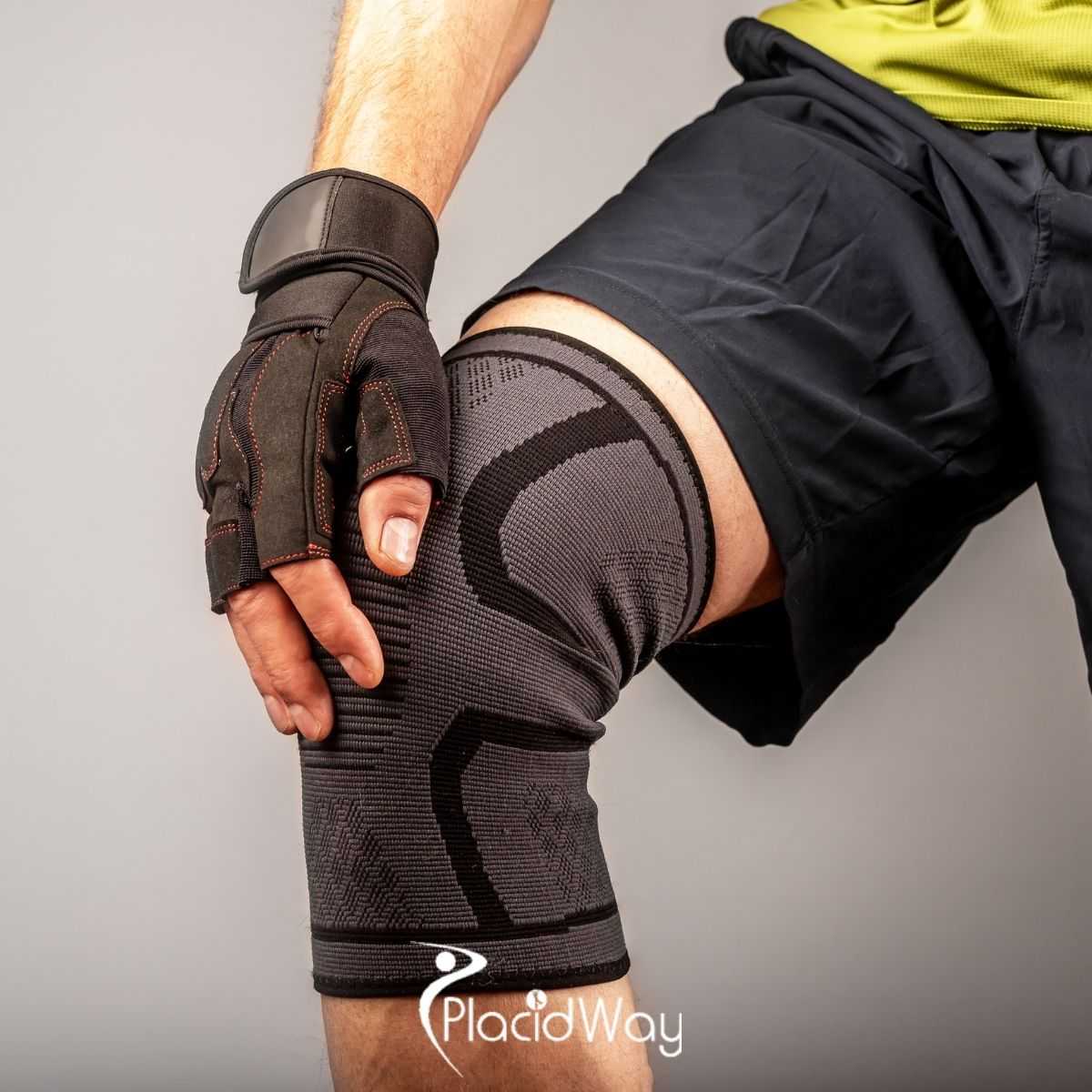
Many international patients travel for medical care to regain their mobility and independence. Orthopedic surgery focuses on treating conditions involving your musculoskeletal system, which includes your bones, joints, ligaments, tendons, and muscles. When conservative treatments like physical therapy or medications no longer provide relief, surgical intervention may be recommended by your doctor.
Istanbul has developed into a major hub for cross-border healthcare. The primary drivers for this include the availability of highly trained medical professionals, state-of-the-art surgical technology, and comprehensive care packages. Patients often combine their surgical recovery with the hospitality and supportive infrastructure designed specifically for international medical travelers.
Before traveling, it is crucial to understand the medical landscape. You are not just choosing a destination; you are choosing a healthcare ecosystem. Evaluating the regulatory standards and the types of procedures offered will help you set realistic expectations for your treatment journey.
Patient Tip: Begin your research by requesting your complete medical records, including recent X-rays or MRI scans, from your local doctor. Turkish orthopedic surgeons will need these diagnostic images to determine your initial eligibility for surgery before you travel.
International Patient Demographics for Orthopedic Surgery in Turkey
The demographic profile of patients traveling to Turkey for musculoskeletal treatments provides valuable insight into global healthcare patterns. According to recent clinical registry data and medical tourism reports from 2024 to 2025, patients seeking orthopedic care in Turkey primarily originate from the United Kingdom, the United States, Canada, and various Middle Eastern countries.
Patients traveling for major joint replacements generally fall into the 55 to 75 age bracket. These individuals frequently cite the desire to maintain an active lifestyle and the need to bypass extensive waiting lists in their home countries' public health systems. Conversely, patients traveling for sports medicine procedures, such as ACL reconstruction or meniscus repair, typically represent a younger demographic, usually between 25 and 45 years of age.
Age Distribution of International Joint Replacement Patients (2024 Data)
The data highlights that the majority of patients traveling for major orthopedic interventions are in their prime retirement or pre-retirement years. This specific demographic requires careful pre-operative cardiovascular screening and robust post-operative rehabilitation protocols, which established hospitals in Istanbul are equipped to provide.
International Patient Volume Trends for Orthopedic Procedures in Turkey (2024-2026)
Common Types of Orthopedic Surgery Performed in Istanbul
Surgeons in Turkey routinely perform a wide spectrum of procedures ranging from minimally invasive arthroscopy to complex spinal revisions. The exact surgical approach your doctor recommends will depend entirely on your specific diagnosis, the severity of joint damage, and your overall health profile.
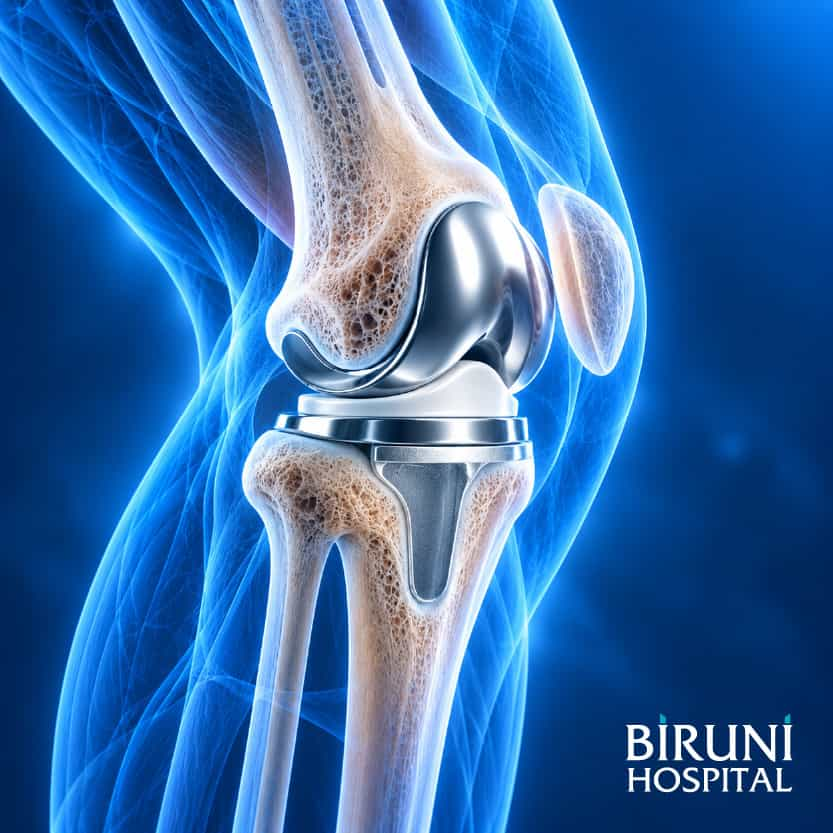
Total Knee Replacement (Arthroplasty) and Total Hip Replacement are among the most frequently sought procedures. During these surgeries, the damaged bone and cartilage are carefully removed and replaced with prosthetic components made of advanced metal alloys, ceramics, or high-grade plastics. Spinal surgeries, including laminectomy and spinal fusion, are also common for patients suffering from severe disc herniation or spinal stenosis.
| Procedure Category | Primary Clinical Goal | Typical In-Patient Hospital Stay |
|---|---|---|
| Total Knee/Hip Replacement | Relieve pain and restore joint function in severe osteoarthritis. | 3 to 5 days |
| Spinal Fusion / Decompression | Stabilize vertebrae and relieve nerve root pressure. | 4 to 7 days |
| Arthroscopic Surgery (Knee/Shoulder) | Minimally invasive repair of torn ligaments or cartilage. | 1 to 2 days (often outpatient) |
| Rotator Cuff Repair | Reattach torn tendons in the shoulder joint. | 1 to 2 days |
Comparing the Cost of Orthopedic Surgery in Istanbul vs Abroad
Understanding the financial commitment is a vital step in your decision-making process. The cost of orthopedic surgery varies significantly depending on the specific joint involved, the type of prosthetic implant required, the surgeon’s expertise, and the length of hospital stay required for initial recovery.
In many cases, the pricing structure in Istanbul is presented as an all-inclusive package. This typically covers the surgeon's fees, operating room charges, standard prosthetic devices, hospital accommodation, and initial post-operative medications. It is important to request a fully itemized written quote to understand exactly what is included and what might incur additional fees, such as specialized implants or extended physical therapy sessions.
| Orthopedic Procedure | Estimated Cost in Istanbul (USD) | Estimated Cost in US/UK (USD) |
|---|---|---|
| Total Knee Replacement | $5,000 - $8,500 | $30,000 - $45,000 |
| Total Hip Replacement | $5,500 - $9,000 | $32,000 - $45,000 |
| Spinal Fusion (Single Level) | $7,000 - $12,000 | $60,000 - $90,000 |
| Knee Arthroscopy / ACL Repair | $3,500 - $5,500 | $10,000 - $20,000 |
Always keep in mind that these figures are general estimates. Your actual costs may be higher if you have underlying medical conditions that require specialized monitoring in the Intensive Care Unit (ICU), or if you opt for a premium, custom-fitted prosthetic implant.
Choosing a Certified Hospital for Orthopedic Surgery in Istanbul
Patient safety must be your absolute priority when traveling abroad for major surgery. The regulatory environment for healthcare facilities in Turkey is overseen directly by the Turkish Ministry of Health. Hospitals must adhere to strict national licensing protocols regarding hygiene, surgical protocols, and emergency care infrastructure.
When evaluating where to have your procedure, look for facilities that possess a valid Ministry of Health operating license. Additionally, many top-tier hospitals participate in the national Standards in Health (SAS) accreditation program. While international accreditations such as Joint Commission International (JCI) can be a positive indicator of quality, national licensing and specialization in orthopedics are the most critical baseline requirements.
Essential Facility Checklist: Ask your prospective clinic if they have an on-site Intensive Care Unit (ICU), an in-house physical therapy department, and a 24/7 medical emergency response protocol in case complications arise during your post-operative recovery phase.
How to Verify Your Orthopedic Surgeon in Turkey
The success of your surgery is heavily dependent on the skill, experience, and clinical judgment of your surgeon. It is vital to look beyond marketing materials and focus strictly on verified medical credentials. In Turkey, the path to becoming an orthopedic specialist requires completing a medical degree followed by a rigorous, multi-year residency program in orthopedics and traumatology.
To ensure you are in safe hands, verify that your surgeon is officially registered with the Turkish Medical Association (Türk Tabipleri Birli?i - TTB). Furthermore, active membership in the Turkish Society of Orthopaedics and Traumatology (TOTBID) demonstrates that the doctor remains engaged with national clinical standards and ongoing medical education.
Some highly qualified surgeons may also hold certifications from international bodies, such as the European Board of Orthopaedics and Traumatology (EBOT) or have completed fellowship training in North America or Western Europe. During your consultation, ask your surgeon about their specific annual case volume for the exact procedure you require.
Evaluating Prosthetics and Medical Devices Used in Turkey
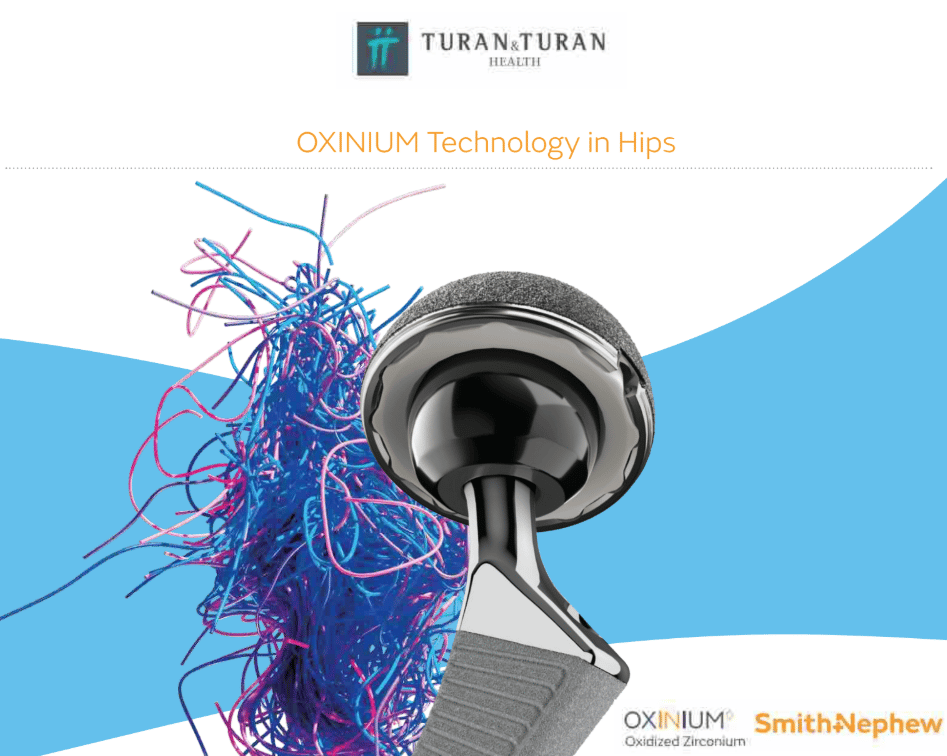
For joint replacement surgeries and spinal fusions, the quality of the prosthetic implant or surgical hardware is just as important as the surgeon's skill. Reputable hospitals in Istanbul utilize implants manufactured by globally recognized biomedical companies. These are the exact same FDA-approved or CE-marked medical devices used in hospitals across the United States, Canada, and the United Kingdom.
Before agreeing to surgery, ask your doctor for the brand name, model, and material composition of the proposed implant. Whether it is a titanium-alloy hip stem, a highly cross-linked polyethylene knee spacer, or specialized pedicle screws for spinal fusion, understanding what is going into your body provides peace of mind. Your surgeon should explain why a specific device is medically appropriate for your bone density and activity level.
Important Warning: Never choose a clinic solely based on the lowest price. Unusually low quotes may indicate the use of older-generation implants, limited post-operative physical therapy, or hidden fees that will be added to your final bill.
The Patient Consultation and Pre-Operative Assessment in Istanbul
Your medical journey begins long before you enter the operating room. Most reputable clinics in Turkey offer remote video consultations to review your MRI or X-ray scans and discuss your medical history. However, a comprehensive in-person pre-operative assessment is mandatory once you arrive in Istanbul.
During this pre-operative phase, you will undergo a series of diagnostic tests. These typically include comprehensive blood panels, an electrocardiogram (ECG) to assess heart function, chest X-rays, and updated joint imaging. You will also have consultations with an anesthesiologist and an internal medicine specialist. These steps are strictly required to ensure you are healthy enough to undergo general or regional anesthesia safely.
Treatment Timeline and Hospital Stay for Orthopedic Surgery
Understanding the chronological flow of your treatment helps reduce anxiety and allows for better logistical planning. Major orthopedic interventions require a structured timeline of admission, surgery, and monitored recovery. Below is a general overview of what you can expect during your stay in Istanbul.
In most cases, you will be admitted to the hospital either the day before or the morning of your surgery. Following the procedure, you will be monitored in the recovery room before being transferred to your private inpatient room. For major surgeries like joint replacements, physical therapy usually begins within 24 hours to promote blood circulation and prevent joint stiffness.
Days 1-2: Arrival & Testing
You arrive in Istanbul, settle into your accommodation, and attend the hospital for your comprehensive clinical evaluations, blood tests, and final surgical consultations.
Days 3-6: Surgery & Hospitalization
The procedure is performed. You remain in the hospital for pain management, wound care, and initial mobilization under the guidance of physical therapists.
Days 7-12: Outpatient Recovery
You are discharged to your hotel. You will return to the clinic for wound inspections, dressing changes, and ongoing physical rehabilitation sessions.
Day 14+: Medical Clearance
Your surgeon conducts a final evaluation, removes any remaining sutures, and provides medical clearance and documentation for your flight home.
Understanding the Risks of Orthopedic Procedures
No surgical procedure is entirely without risk. It is a fundamental part of informed consent to understand the potential complications associated with orthopedic surgery, regardless of where in the world the operation is performed. Serious complications are statistically rare, but they do require immediate medical management.
The most common risks include surgical site infections, bleeding, nerve damage, and Deep Vein Thrombosis (DVT), which are blood clots that can form in the legs after prolonged immobility. High-quality hospitals in Turkey follow stringent international protocols to mitigate these risks, utilizing sterile operating environments, prophylactic antibiotics, and blood-thinning medications.
| Potential Complication | Biological Process | Standard Prevention Protocol |
|---|---|---|
| Deep Vein Thrombosis (DVT) | Blood pools and clots in deep leg veins due to surgical trauma and immobility. | Early mobilization, compression stockings, anticoagulant medication. |
| Surgical Site Infection | Bacteria enter the surgical incision, potentially reaching the implant. | Pre-op antibiotics, sterile surgical suites, strict wound care guidelines. |
| Implant Loosening | Bone fails to bond with the implant or wears down over many years. | Precise surgical sizing, appropriate activity modification during healing. |
Post-Operative Physiotherapy and Rehabilitation in Istanbul
The success of your orthopedic surgery is fundamentally tied to your commitment to post-operative physical therapy. Surgery corrects the anatomical issue, but rehabilitation restores your muscle strength, flexibility, and overall functional mobility. Many medical packages in Turkey include preliminary physiotherapy sessions before you return home.
During your initial recovery period in Istanbul, physical therapists will guide you through specific exercises designed to safely bend the joint, bear weight appropriately, and improve circulation. You will be taught how to safely use mobility aids such as crutches or a walker. Your doctor will also provide a detailed rehabilitation protocol that you must hand over to your local physical therapist in your home country to continue your progress.
Medical Tourism Travel Planning and Visa Requirements for Turkey
Proper logistical planning is essential to minimize stress when traveling for medical care. Turkey requires a visa or an e-Visa for citizens of many countries, including the United States, Canada, and the United Kingdom. Obtaining an e-Visa online prior to your departure is typically a fast and straightforward process, but you should verify the current entry regulations with the Turkish Ministry of Foreign Affairs based on your nationality.
When booking your flights, inform your airline that you are traveling for medical reasons. Most airlines offer dedicated assistance services, including wheelchair transport through the airport terminals and priority boarding. It is highly recommended to book a direct flight if possible, as minimizing layovers greatly reduces physical strain and fatigue during your journey.
Navigating Istanbul with Limited Mobility After Surgery
Istanbul is a bustling, historic metropolis, which means it features a mix of modern infrastructure and older, cobblestone streets. Navigating the city immediately following orthopedic surgery requires careful planning. You will likely have mobility restrictions and will be using crutches, a walker, or a wheelchair.
Most medical tourism packages include VIP airport transfers and dedicated transportation between your hotel and the hospital using spacious, accessible vehicles. When selecting your hotel, confirm with your booking coordinator that the accommodation is fully accessible. Essential features include an elevator, a ground-floor room if an elevator is unavailable, a walk-in shower with grab bars, and no internal stairs required to access dining areas.
Returning Home Safely After Orthopedic Surgery in Istanbul
Flying home after major orthopedic surgery presents unique medical challenges, primarily regarding the increased risk of deep vein thrombosis (DVT). The combination of recent surgery and sitting in a pressurized cabin for extended periods requires strict adherence to your doctor's travel protocols.
Your surgeon will advise you on the exact timeframe required before it is medically safe to fly. For joint replacements, this is typically 10 to 14 days post-operation. During the flight, you must wear prescribed compression stockings, stay hydrated, take any prescribed blood-thinning medications, and perform simple leg exercises in your seat to promote blood flow. Always carry a written medical report from your Turkish surgeon detailing the procedure performed, the implant used, and clearance for air travel.
Frequently Asked Questions
How long do I need to stay in Istanbul after a knee replacement?
You will typically need to remain in Istanbul for 10 to 14 days following a total knee replacement. This timeframe allows for a 3 to 5 day hospital stay, initial physical therapy sessions, wound healing checks, and final medical clearance before it is safe for you to fly home.
Are the orthopedic implants used in Turkey high quality?
Yes, reputable hospitals in Turkey utilize globally recognized, FDA-approved, and CE-marked orthopedic implants from leading biomedical manufacturers. Your surgeon will discuss the specific brand and material of the prosthesis with you prior to the operation.
Is it safe to fly immediately after orthopedic surgery?
No, flying immediately after major orthopedic surgery significantly increases the risk of deep vein thrombosis (blood clots). Surgeons typically require a waiting period of 1 to 2 weeks, alongside the use of compression stockings and blood-thinning medication, before authorizing air travel.
What credentials should I look for in a Turkish orthopedic surgeon?
You should verify that the surgeon is registered with the Turkish Medical Association (TTB) and holds specialized certification or membership with the Turkish Society of Orthopaedics and Traumatology (TOTBID). High case volume and peer-reviewed experience are also vital indicators of expertise.
Can I arrange my physical therapy in Turkey?
Yes, initial post-operative physical therapy is almost always included in your surgical package. Therapists at the hospital will begin working with you within 24 hours of surgery to ensure safe mobilization before you transition to outpatient care in your home country.
Will language be a barrier at hospitals in Istanbul?
At major medical centers licensed for international tourism in Istanbul, English is widely spoken by surgeons and medical staff. Most clinics also provide dedicated patient coordinators or in-house interpreters to assist you throughout consultations and your hospital stay.
Are medical complications covered if something goes wrong in Turkey?
Policies vary by hospital. Some comprehensive treatment packages include medical complication insurance, while others require you to purchase it independently. It is critical to ask the clinic for their written policy regarding the financial and medical management of potential complications.
What happens if I need revision orthopedic surgery later?
If a revision is necessary years later due to natural implant wear, it can be performed in your home country or back in Turkey. To ensure seamless continuity of care, always secure a detailed operative report and the manufacturer details of your implant before leaving Istanbul.
Does standard health insurance cover surgery in Istanbul?
Most domestic health insurance plans in the US or Canada do not cover elective treatments performed abroad. However, patients typically pay out-of-pocket because the total cost in Turkey is often significantly lower than their domestic insurance deductibles or co-pays.
How do I start planning my orthopedic procedure in Istanbul?
Begin by obtaining your most recent X-rays and MRI scans. You can then contact a verified clinic or a medical tourism facilitator to arrange a remote consultation, receive an initial medical assessment, and review itemized cost estimates for your treatment plan.
Ready to take the next step toward pain-free mobility?
PlacidWay can help you safely compare certified providers, understand exact treatment costs, and request information from highly rated orthopedic clinics in Istanbul.
Request Free InformationDisclaimer: This information is for educational purposes only and does not replace professional medical advice. Always consult a qualified healthcare provider before making medical decisions.
References
- WHO Guidelines for Safe Surgery – World Health Organization
- General Directorate of Health Services (Licensing) – Republic of Turkey Ministry of Health
- National Orthopedic Standards and Surgeon Certification – Turkish Society of Orthopaedics and Traumatology (TOTBID)
- Medical Professional Registration and Ethics – Turkish Medical Association (TTB)
- International Patient Demographics and Healthcare Travel Data (2024-2025) – USHA? (International Health Services Inc., Turkey)
- Deep Vein Thrombosis Prophylaxis in Arthroplasty – National Institutes of Health (NIH) / PubMed




















Share this listing