
Deciding to undergo a combination plastic surgery abroad requires careful research, particularly when navigating language barriers and verifying international medical credentials. If you are researching a Mommy Makeover in Seoul, South Korea, this guide will help you understand exact surgical costs, identify hidden fees, and recognize the specific Korean Society of Plastic and Reconstructive Surgeons (KSPRS) certificates you must look for to ensure your safety. We will explore how to confidently select a licensed clinic, avoid unregistered brokers, and prioritize your well-being during your postpartum restorative journey.
Quick Summary for International Patients
- Estimated Cost: Typically ranges between $12,000 and $18,000 USD, depending on the specific combination of procedures.
- Safety Overview: South Korea offers highly regulated medical infrastructure, but patients must independently verify surgeon credentials to avoid unauthorized "ghost surgeries."
- Ideal Candidate: Women fully recovered from childbirth, at a stable weight, who do not plan on future pregnancies, and are cleared for prolonged travel.
- Recovery Time: Expect a minimum 10 to 14-day mandatory stay in Seoul before you are medically cleared for a long-haul return flight.
- Why Patients Choose Seoul: Access to world-renowned aesthetic precision, advanced 3D imaging technology, and comprehensive post-operative care facilities.
- Important Caution: Always verify that your surgeon holds current, valid certification from the Korean Society of Plastic and Reconstructive Surgeons (KSPRS).
Understanding Postpartum Plastic Surgery in Seoul, South Korea
Many women experience profound physical changes after pregnancy, childbirth, and breastfeeding. A Mommy Makeover is not a single operation, but a customized combination of surgical procedures designed to address these changes simultaneously. Patients increasingly look toward Seoul, South Korea for this treatment because the city is widely recognized as a global center for advanced aesthetic medicine.
Traveling for medical care can feel daunting, but understanding why international patients choose this destination can help you make an informed decision. South Korea blends deep surgical expertise with highly structured patient care models. The primary reasons patients travel to Seoul for this comprehensive procedure include:
- Highly specialized surgeons who perform a large volume of complex combination surgeries annually.
- Advanced clinical technology, including high-definition 3D body contouring simulators.
- Stringent clinical protocols focused on minimizing visible scarring and promoting natural-looking results.
- Dedicated post-operative recovery centers equipped with hyperbaric oxygen therapy and lymphatic drainage massage.
- Transparent package pricing that often includes translation services, airport transfers, and local accommodations.
Patients seeking this procedure in South Korea typically travel from the United States, Australia, Singapore, Japan, and the Middle East. Often, these patients compare South Korea against their home countries, weighing the balance of surgical precision, comprehensive aftercare, and overall medical expenses.
Demographics of Medical Travelers in South Korea
Analyzing patient demographics helps illustrate who is traveling for medical care and why. According to 2024 healthcare tourism reports from the Korea Health Industry Development Institute (KHIDI), the demographic profile for aesthetic surgery in Seoul heavily leans toward women between the ages of 30 and 55. This age bracket closely correlates with the postpartum period when women typically seek structural restorative procedures.
International patients often combine their medical journey with brief tourism, although major surgeries require prioritizing rest. The data highlights that patients from English-speaking countries and Southeast Asia are increasingly favoring Seoul due to its established infrastructure for international medical coordination.
Age Distribution of International Plastic Surgery Patients (2024 Data)
Source: Interpolated from Korea Health Industry Development Institute (KHIDI) 2024 aesthetic medical travel demographics.
Procedures Included in a Mommy Makeover in Seoul, South Korea
Because every woman’s body heals differently post-pregnancy, surgeons in South Korea tailor the procedure to your specific anatomical needs. The goal is structural restoration rather than simple volume reduction. During your consultation, your medical team will evaluate your abdominal muscle laxity, skin elasticity, and breast tissue volume.
Typically, this major surgery combines two to three distinct procedures performed under a single general anesthesia session. Combining procedures reduces your overall exposure to anesthesia and condenses your recovery timeframe into one period, though it does place a higher initial physical demand on your body.
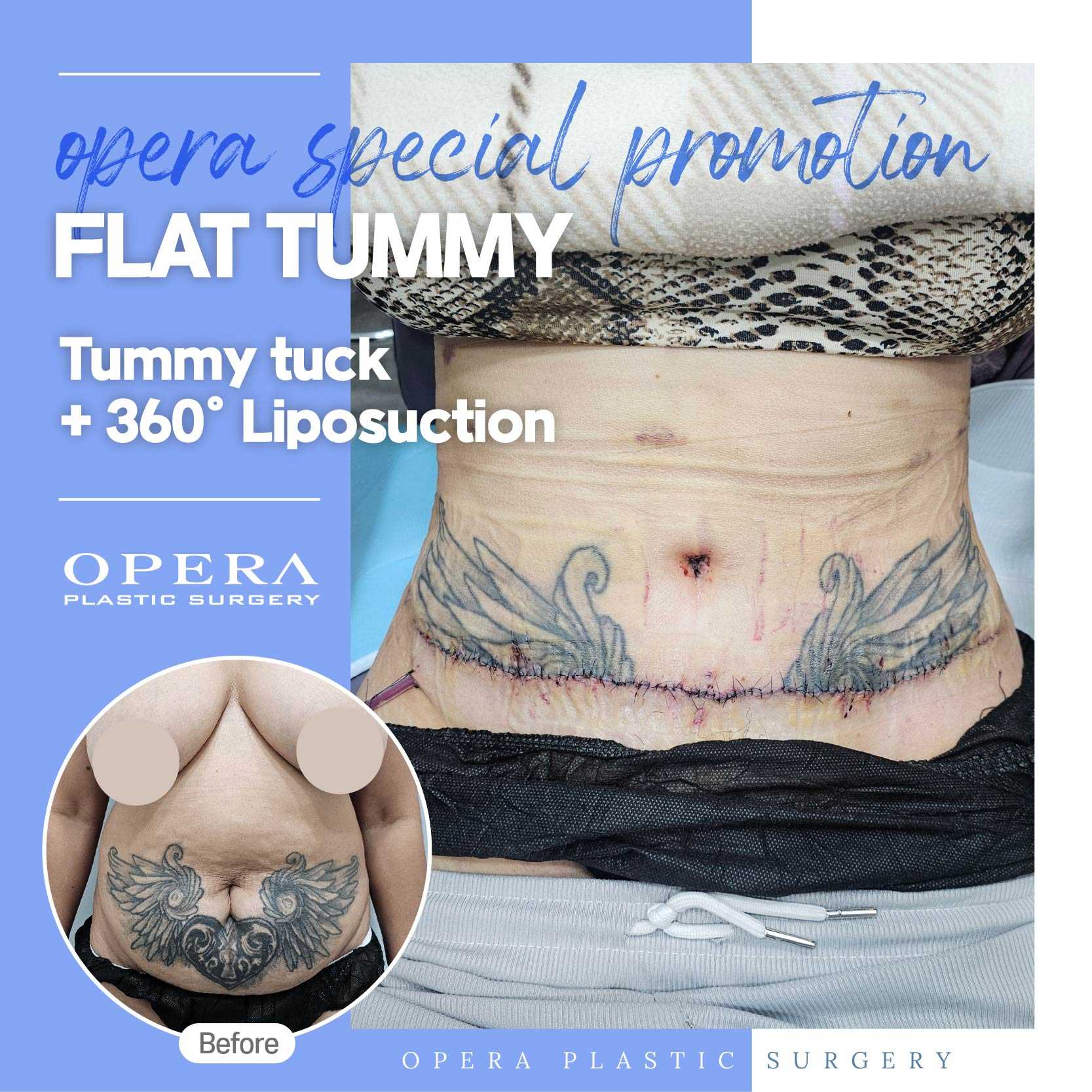
Abdominoplasty (Tummy Tuck)
Pregnancy can cause diastasis recti, a condition where the abdominal muscles separate. Surgeons repair this muscular wall and remove excess, stretched skin from the lower abdomen.
Breast Surgery
Depending on volume loss and ptosis (sagging) from breastfeeding, your doctor may recommend a mastopexy (lift), augmentation (implants or fat transfer), or a combination of both.
Liposuction
This is often utilized to refine the waistline and flanks, ensuring a smooth contour that blends naturally with your repaired abdominal area.
Cost of Mommy Makeover in Seoul, South Korea
Understanding the financial commitment is a vital step in your decision-making process. The cost of a Mommy Makeover in Seoul, South Korea varies widely based on the complexity of your surgical plan, the seniority of your surgeon, and the facility's location (such as the prestigious Gangnam district). You must obtain a formalized, written quote before traveling.
Package prices in South Korea often bundle surgical fees, anesthesia, overnight hospital stays, and follow-up care. However, patients must proactively ask about potential hidden expenses, such as compression garments, prescription medications, pre-operative blood panels, and medical translation fees.
| Procedure Combination | Estimated Cost (USD) |
|---|---|
| Mini Tummy Tuck + Breast Lift | $9,500 - $12,500 |
| Full Tummy Tuck + Breast Augmentation | $12,000 - $16,000 |
| Full Tummy Tuck + Breast Lift with Implants + Liposuction | $15,000 - $19,500 |
| Pre-operative Medical Clearance Tests | $150 - $300 |
| Specialized Post-op Compression Garments | $100 - $250 |
International Cost Comparison for Postpartum Surgery
Many patients compare the cost of treatment in Seoul against domestic prices in North America or Australia. While South Korea offers competitive pricing, it is rarely the cheapest global destination. Patients typically choose Seoul for the high standard of safety and advanced surgical skill rather than seeking the lowest possible price.
When reviewing these estimates, factor in the cost of long-haul flights and a mandatory two-week hotel stay. Even with travel expenses included, many patients find that undergoing a Mommy Makeover in Seoul, South Korea presents a strong balance of clinical excellence and overall value.
| Country | Average Estimated Cost (USD) |
|---|---|
| United States | $18,000 - $28,000 |
| Australia | $16,000 - $25,000 |
| United Kingdom | $15,000 - $22,000 |
| South Korea (Seoul) | $12,000 - $18,000 |
How to Choose a Safe Hospital in Seoul, South Korea
Patient safety must dictate your choice of medical facility. South Korea has a robust national healthcare system, but medical tourism is largely handled by private clinics. You must verify that the clinic you select operates legally and holds appropriate licenses to treat international patients.
The Korean Ministry of Health and Welfare regulates medical facilities. Look specifically for clinics certified by the Korean Accreditation Program for Hospitals Serving Foreign Patients (KAHF). This government-backed accreditation ensures the facility meets stringent safety protocols, infection control standards, and legal dispute resolution frameworks. While Joint Commission International (JCI) accreditation is excellent, KAHF is the primary domestic standard for international care.
Warning: Preventing "Ghost Surgeries"
A historical concern in the Korean plastic surgery industry is the practice of "ghost surgery," where an unverified doctor performs the operation while the patient is anesthetized. To protect yourself:
- Choose clinics that mandate real-time CCTV recording in operating rooms (a legal requirement in Korea as of 2023).
- Demand a written contract specifying the exact name of your operating surgeon.
- Ensure the clinic has an in-house, board-certified anesthesiologist present for the entire duration of the procedure.
Verifying Your Plastic Surgeon’s Credentials in South Korea
Your surgical outcome relies entirely on the skill and experience of your doctor. In South Korea, any licensed medical doctor can legally open a clinic, which makes verifying specific specialty board certification absolutely critical for major procedures like a Mommy Makeover.
You must confirm that your doctor is a recognized specialist in plastic surgery, not a general practitioner offering cosmetic procedures. A legitimate plastic surgeon in Seoul will have completed specialized residency training and passed rigorous examinations.
Surgeon Vetting Checklist
- Medical License: Registered with the Korea Medical Association (KMA).
- Board Certification: Must be an active member of the Korean Society of Plastic and Reconstructive Surgeons (KSPRS).
- Anesthesia Team: Verify they employ a board-certified anesthesiologist from the Korean Society of Anesthesiologists (KSA).
- Experience: Ask for their annual case volume specifically for abdominoplasty and breast reconstruction.
Assessing Your Eligibility for Postpartum Surgery
Not every woman is an immediate candidate for a Mommy Makeover in Seoul, South Korea. Surgeons require patients to meet specific physiological criteria to ensure surgical safety and optimize the longevity of the results. Because this involves general anesthesia and significant tissue manipulation, your overall health must be excellent.
Doctors typically recommend waiting at least six to twelve months after you have finished breastfeeding before undergoing breast surgery, allowing the glandular tissue to stabilize. Furthermore, patients should be at or near their ideal body weight, as significant weight loss or subsequent pregnancies post-surgery can reverse the surgical outcomes.
During your initial online consultation, your Korean coordinator will likely request comprehensive medical history forms, photographs, and details regarding any previous surgeries or chronic conditions.
Medical Risk Management and Surgical Complications
All surgical interventions carry inherent medical risks. Because a Mommy Makeover combines multiple operations, the risk profile is higher than a single isolated procedure. It is imperative that you understand these risks before traveling to Seoul, South Korea for treatment.
Common risks include infection, hematoma (blood pooling), seroma (fluid accumulation), poor wound healing, and adverse reactions to anesthesia. Traveling adds an additional layer of risk, specifically Deep Vein Thrombosis (DVT). Sitting on a long-haul flight shortly after abdominal surgery significantly increases the risk of dangerous blood clots. For this reason, Korean surgeons strictly prohibit flying for at least 10 to 14 days post-operation.
Projected Clinical Post-Operative Complication Resolution (Days 1-21)
Source: Standardized post-operative physiological recovery indices (2024 Clinical Care Guidelines).
Advanced Surgical Techniques Used in South Korea
The medical ecosystem in South Korea places a strong emphasis on continuous innovation. Surgeons frequently utilize advanced technologies to enhance surgical safety and refine aesthetic outcomes. When planning your Mommy Makeover in Seoul, South Korea, inquire about the specific technologies your chosen clinic utilizes.
Many top-tier clinics employ 3D Vectra scanning, which allows surgeons to map your anatomy precisely and generate realistic simulations of your potential results. Additionally, South Korean surgeons often utilize endoscopic techniques for breast augmentation, which can minimize incision length and reduce tissue trauma, leading to a smoother recovery.
High-definition ultrasonic liposuction (like VASER) is also commonly integrated into the procedure. This technology breaks down fat cells gently before removal, preserving surrounding tissues and minimizing post-operative bruising.
Preparing for Your Trip to Seoul
Thorough preparation ensures your medical journey is safe and stress-free. Your pre-operative requirements will begin weeks before you board your flight. Korean clinics typically require baseline blood work, an ECG, and sometimes a chest X-ray to clear you for general anesthesia.
You must stop smoking and consuming all nicotine products at least four weeks prior to surgery. Nicotine constricts blood vessels, severely impeding wound healing and drastically increasing the risk of tissue necrosis, particularly following a tummy tuck. Similarly, you should cease taking aspirin, herbal supplements, and certain vitamins that can thin your blood.
Travel Planning Timeline
- 3 Months Before: Finalize clinic selection, confirm dates, and book flights. Check visa requirements for South Korea (K-ETA may be required).
- 1 Month Before: Undergo local medical clearance exams. Stop smoking and discontinue blood-thinning medications.
- 2 Weeks Before: Finalize accommodation (consider a dedicated post-op recovery house in Gangnam).
- Arrival: Plan to arrive in Seoul at least 1-2 days before surgery to rest and attend your in-person consultation.
Your Comprehensive Recovery Timeline in South Korea
Recovery from a combined procedure demands patience, rest, and strict adherence to your surgeon's aftercare protocol. When you undergo a Mommy Makeover in Seoul, South Korea, your medical team will provide a detailed recovery schedule. The initial days are physically demanding, and you will require assistance with basic mobility.
Most patients spend one to two nights in the clinic's inpatient ward for close monitoring. Following discharge, you will return to your hotel or recovery house. You will have several follow-up appointments scheduled during your mandated 10 to 14-day stay in Seoul for drain removal, incision checks, and specialized treatments like deswelling therapy.
| Timeframe | Clinical Process | Patient Sensation | Action Required |
|---|---|---|---|
| Days 1-3 | Acute inflammatory phase; surgical drains active. | Significant soreness, fatigue, tightness in abdomen. | Complete rest. Walk slightly bent over to reduce tension. |
| Days 4-7 | Fluid accumulation peaks; initial healing of muscle repair. | Swelling and bruising become highly visible. | Attend clinic for drain removal and lymphatic massage. |
| Days 10-14 | Incision edges fuse; acute swelling begins to subside. | Improved mobility, itching around incision sites. | Medical clearance for flight home. Wear compression garments continuously. |
| Weeks 4-6 | Deep tissue remodeling; breast implants settle. | Energy levels return; tightness subsides. | Gradual return to light cardiovascular exercise (no heavy lifting). |
Post-Surgical Aftercare and Medical Support
The standard of post-operative care is a major factor driving patients to Seoul. High-quality clinics provide structured aftercare programs designed to accelerate healing and minimize scar tissue formation. Aftercare is not an afterthought in South Korea; it is a core component of the surgical package.
During your stay, you may receive treatments such as LED light therapy, hyperbaric oxygen sessions, and specialized radiofrequency massages. These modalities help reduce edema (swelling) and promote better blood circulation to the surgical sites. Before you leave the country, your clinic will provide comprehensive instructions on scar management protocols, including the use of silicone sheets and scar gels, which you will continue using for several months at home.
Managing Long-Term Expectations
While a Mommy Makeover in Seoul, South Korea can dramatically restore your physical contours, it is important to maintain realistic expectations. The final results of your surgery will not be immediately visible. Your body will require up to a full year to completely heal, for internal swelling to dissipate entirely, and for incision lines to fade from red to pale silver.
Maintaining your results requires a commitment to a healthy lifestyle. Significant weight fluctuations can stretch the repaired abdominal muscles and skin, compromising the surgical outcome. Furthermore, while the surgery removes excess skin and fat, it does not stop the natural aging process.
Important Takeaway
Your safety and long-term satisfaction depend heavily on your compliance with your surgeon's aftercare instructions. Do not rush your recovery or engage in strenuous activities before your body is fully healed, regardless of how well you may feel.
Navigating Language and Cultural Differences
Effective communication with your medical team is absolutely essential for safe surgery. While Seoul is a highly cosmopolitan city, you should not assume every clinical staff member speaks fluent English. Miscommunications regarding medical history, allergies, or post-operative pain management can be dangerous.
Reputable clinics catering to international patients employ dedicated, in-house medical interpreters who specialize in anatomical and surgical terminology. When researching clinics, confirm that your assigned coordinator is directly employed by the hospital rather than acting as a third-party broker, ensuring clear, uninterrupted communication between you and your surgeon from consultation through recovery.
Essential Questions to Ask During Your Consultation
Your consultation is your opportunity to interview the surgeon and evaluate the clinic's professionalism. Do not hesitate to ask direct, clinical questions. A trustworthy doctor in South Korea will welcome your inquiries and provide transparent, evidence-based answers.
Always ask to see before-and-after photographs of patients with similar body types to yours. Inquire about their specific revision policy—what happens if you require a medical correction after returning to your home country? Ask where the surgery will be performed, how emergencies are handled, and whether the clinic has immediate access to an Intensive Care Unit (ICU) or a transfer agreement with a major university hospital in Seoul.
Frequently Asked Questions
If you are planning your Mommy Makeover in Seoul, South Korea, you likely have specific questions regarding travel, safety, and clinical protocols. Below are common questions addressed with medically accurate guidance.
How long do I need to stay in South Korea after a Mommy Makeover?
You typically need to stay in Seoul for 10 to 14 days post-surgery. This duration is strictly required by surgeons to monitor your initial healing, remove surgical drains, and ensure you are medically cleared to withstand the pressure changes and immobility of a long-haul flight.
Is it safe to fly after abdominal and breast surgery?
Flying immediately after major surgery poses a severe risk of Deep Vein Thrombosis (DVT). Once your surgeon clears you (usually around day 14), you should wear prescribed compression socks, stay hydrated, and walk the cabin aisle frequently during your flight back from South Korea.
How do I verify a Korean plastic surgeon's board certification?
You should verify that your surgeon is an active member of the Korean Society of Plastic and Reconstructive Surgeons (KSPRS). Legitimate clinics will proudly display these credentials and their Korea Medical Association (KMA) registration details on their profiles.
What are the risks of combining tummy tuck and breast procedures?
Combining surgeries increases the duration you are under general anesthesia, which can elevate the risks of blood clots, anesthesia reactions, and post-operative fatigue. Your surgeon will carefully evaluate your health to determine if combining them is medically appropriate for you.
Can I undergo this surgery if I plan to have more children?
Doctors strongly advise against undergoing a Mommy Makeover if you plan to become pregnant again. Future pregnancies will stretch the abdominal muscles and skin, reversing the surgical corrections made during your abdominoplasty and mastopexy.
Are medical translation services provided at Seoul clinics?
Yes, most major clinics in Seoul that cater to medical tourists provide dedicated, in-house English-speaking coordinators. It is highly recommended to confirm this service is included in your surgical package before you travel.
What causes "ghost surgeries" and how do I avoid them?
A ghost surgery occurs when an unverified doctor performs the operation while the patient is anesthetized. To prevent this, only select licensed KAHF-accredited clinics that enforce strict CCTV recording in their operating rooms and provide transparent surgical contracts.
When can I return to heavy lifting and exercise after treatment?
While light walking is encouraged immediately, you must avoid heavy lifting (including carrying small children) and strenuous exercise for at least 6 to 8 weeks to prevent tearing your internal abdominal muscle repair.
Will my scars from the surgery be visible?
Surgical scars are permanent, but Korean surgeons utilize precise suturing techniques to place incisions strategically (such as low on the bikini line). Consistent use of prescribed scar management treatments will help them fade significantly over 12 months.
What happens if I experience a complication after returning home?
Before surgery, ask your provider about their specific complication protocol. Many reputable international clinics offer medical complications insurance or provide documented medical records so your local physician can safely manage any delayed healing issues.
Ready to Plan Your Medical Journey?
Navigating international healthcare options can feel overwhelming, but you do not have to do it alone. PlacidWay can help you evaluate board-certified surgeons, compare treatment costs, and request detailed medical itineraries from licensed providers in Seoul.
Request Free InformationDisclaimer
Disclaimer: This information is for educational purposes only and does not replace professional medical advice. Always consult a qualified healthcare provider before making medical decisions.
References
- Korean Society of Plastic and Reconstructive Surgeons (KSPRS) – Certification Guidelines
- Global Survey on Aesthetic/Cosmetic Procedures 2024 – International Society of Aesthetic Plastic Surgery (ISAPS)
- Mommy Makeover Safety and Risks – American Society of Plastic Surgeons (ASPS)
- Medical Tourism Regulations and Patient Safety – Korea Health Industry Development Institute (KHIDI)
- Accreditation Standards for Hospitals Serving Foreign Patients – Korean Accreditation Program for Hospitals (KAHF)
- Clinical Safety and Complication Rates in Combination Aesthetic Surgery – PubMed
- Medical Licensing Verification and Safety Protocols – Korean Medical Association (KMA)
- Guidelines for Safe Travel and Medical Tourism – Centers for Disease Control and Prevention (CDC)
















Share this listing