
You may be looking into weight loss surgery abroad to escape high local costs, but making the right healthcare decision requires evaluating more than just the price. Navigating a gastric sleeve in Istanbul requires a clear understanding of what qualifications to verify, including the Turkish Ministry of Health's Health Tourism Authorization Certificate and Joint Commission International (JCI) accreditation. This guide walks you through realistic costs, essential safety checks, and what to expect before you book your bariatric consultation.
Quick Answer Summary
- Estimated Cost: Typically ranges from $3,000 to $4,500 USD, depending on the clinic and comprehensive package inclusions.
- Ideal Candidate: You generally need a BMI over 35, or a BMI over 30 with obesity-related conditions like type 2 diabetes or hypertension.
- Recovery Time: Most patients stay in Istanbul for 6 to 8 days; return to desk work usually happens within 2 to 3 weeks.
- Primary Reason for Choosing Istanbul: Access to highly experienced bariatric surgeons and modern, accredited facilities at a lower out-of-pocket cost compared to the US or UK.
- Certifications to Verify: Always look for the clinic's International Health Tourism Authorization Certificate and verify the surgeon's membership in the Turkish Surgical Association or IFSO.
- Important Caution: Never choose a provider based on price alone; prioritize clinics with comprehensive post-operative follow-up programs and intensive care units on-site.
Understanding the Gastric Sleeve Procedure in Istanbul, Turkey
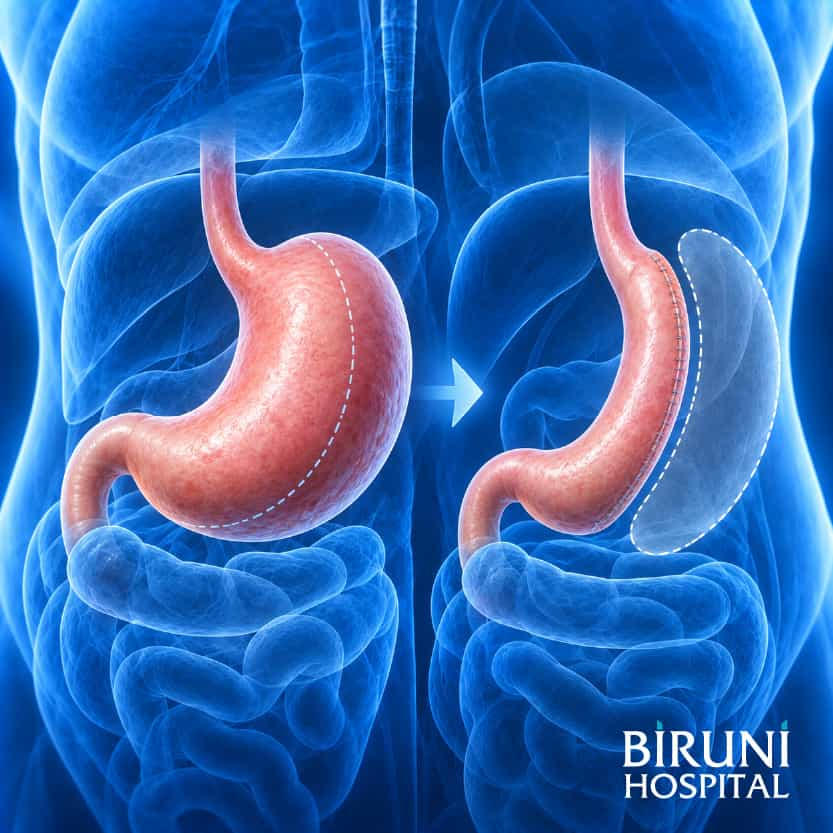
Laparoscopic sleeve gastrectomy, commonly known as a gastric sleeve, is a minimally invasive bariatric procedure. During the surgery, a specialist removes approximately 75 to 80 percent of your stomach. This leaves a narrow, banana-sized tube or "sleeve."
By reducing stomach capacity, the surgery physically limits how much food you can eat. It also removes the portion of the stomach that produces ghrelin, the hormone responsible for hunger. This biological change helps you feel full faster and reduces appetite.
Thousands of patients travel to Istanbul annually for this procedure. The medical infrastructure in Turkey has grown rapidly, focusing heavily on international patient care. Patients choose this destination for several specific reasons:
- Significant cost savings compared to North American and European healthcare systems.
- Shorter wait times for elective bariatric surgery compared to public health systems like the NHS in the UK.
- All-inclusive packages that often include hospital stays, hotel accommodations, and local VIP transfers.
- Access to surgeons performing a high annual volume of bariatric cases.
- Availability of modern hospitals equipped with advanced laparoscopic technology.
Medical Fact: Bariatric surgery is not a standalone cure for obesity. It is a powerful clinical tool that requires a lifelong commitment to dietary changes, vitamin supplementation, and routine exercise for sustained success.
Patient Demographics: Who Travels to Turkey for Weight Loss Surgery?
Medical tourism in Turkey has specific demographic patterns. Recent healthcare travel data from 2024 to 2025 highlights that the majority of patients seeking bariatric surgery in Istanbul originate from countries with long public healthcare waitlists or high private medical costs.
Patients from the United Kingdom, Ireland, Germany, and the United States make up a large portion of this inbound medical travel. These patients typically range in age from their late 20s to early 50s. Their primary clinical motivations include managing type 2 diabetes, resolving sleep apnea, and improving overall mobility.
The visual below illustrates the recent distribution of bariatric medical tourists in Turkey by age bracket, reflecting documented cross-border healthcare trends for 2024-2025.
Patient Age Distribution for Bariatric Travel (2024-2025 Trends)
Data reflects general medical tourism age distributions for metabolic surgery in Turkey. Source: Recent health tourism registry projections (2024-2025).
Cost of Gastric Sleeve in Istanbul Compared to Your Home Country
One of the main reasons you might search for treatment abroad is financial. Bariatric surgery costs vary significantly based on your home country's healthcare system. In places like the United States, patients without robust insurance coverage face steep out-of-pocket expenses.
In Istanbul, the cost structure is different. Clinics often provide all-inclusive pricing models. This means the quoted price typically covers the hospital stay, surgeon fees, anesthesia, pre-operative testing, and sometimes hotel stays and airport transfers.
However, you must be cautious of hidden costs. Always ask your prospective clinic for an itemized breakdown. Travel insurance, post-operative medications, special compression garments, and flights are rarely included in base packages.
| Country | Estimated Cost Range (USD) | Typical Wait Time |
|---|---|---|
| United States | $15,000 - $25,000 | Insurance dependent (often 3-6 months) |
| United Kingdom (Private) | $9,500 - $14,000 | 1-2 months |
| Canada | $14,000 - $19,000 | Often >1 year (Public) |
| Istanbul, Turkey | $3,000 - $4,500 | 2-4 weeks |
Prices are estimates based on 2024 averages. Exact costs vary by provider, surgical complexity, and specific patient medical needs. All prices are in USD.
What Should a Safe Bariatric Package Include?
When comparing different quotes for a gastric sleeve in Istanbul, you will notice variations in what clinics offer. A medically sound treatment package prioritizes your safety before, during, and after the operation.
A low price might indicate that essential pre-operative testing or comprehensive aftercare is missing. You should thoroughly review the inclusions before committing to any procedure.
Essential Inclusions
- Full pre-operative blood work
- Cardiology clearance (ECG/EKG)
- Pulmonary function tests
- Endoscopy prior to surgery
- At least 2-3 nights in the hospital
- Post-op medications for recovery
Red Flags (Missing Items)
- No pre-op endoscopy mentioned
- Discharging you to a hotel on day 1
- No access to an intensive care unit (ICU)
- Lack of a dedicated dietitian consult
- Refusal to provide an itemized quote
How to Choose a Safe Hospital for Gastric Sleeve in Istanbul
Selecting the right hospital is the most critical step in planning your gastric sleeve. Turkey has a highly regulated private healthcare sector, but not all facilities are equipped for complex bariatric procedures.
You must verify that the clinic or hospital holds the proper national licenses. The primary credential to look for is the International Health Tourism Authorization Certificate, issued directly by the Turkish Ministry of Health. This certificate proves the facility meets specific standards for treating foreign patients.
Additionally, review the hospital's infrastructure. Bariatric surgery requires specialized equipment, including reinforced operating tables, appropriately sized imaging machines, and a fully equipped Intensive Care Unit (ICU) on-site in case of emergencies.
Safety Warning: Do not choose small, standalone surgical clinics for bariatric procedures. Always ensure your surgery takes place in a full-scale, multi-specialty hospital with an ICU and emergency blood bank capabilities.
Verifying Your Bariatric Surgeon's Credentials
Your surgeon's skill directly impacts your safety and long-term results. In Turkey, medical professionals must be registered with the Turkish Medical Association (Türk Tabipleri Birli?i). However, general registration is not enough.
You need a specialist in general surgery who has dedicated training in bariatric and metabolic surgery. Look for surgeons who are active members of the Turkish Society for Bariatric and Metabolic Surgery (BMCD).
Many top bariatric surgeons in Istanbul also hold international memberships, such as with the International Federation for the Surgery of Obesity and Metabolic Disorders (IFSO). Ask your prospective surgeon about their complication rates, staple line leak rates, and annual case volume specifically for gastric sleeves.
Evaluating Your Patient Suitability and Eligibility
Not everyone who wants a gastric sleeve is a safe candidate for the procedure. Bariatric surgery is a major medical intervention reserved for individuals struggling with severe obesity that has not responded to traditional diet and exercise programs.
In most international clinical guidelines, you may be considered a candidate if your Body Mass Index (BMI) is 40 or higher. You may also qualify with a BMI of 35 or higher if you suffer from obesity-related comorbidities. These often include severe sleep apnea, type 2 diabetes, or high blood pressure.
Your surgical team in Istanbul will perform extensive psychological and physical evaluations upon your arrival. If they discover untreated eating disorders, severe cardiovascular issues, or significant hiatal hernias during your pre-op endoscopy, they may recommend a different procedure or cancel the surgery for your safety.
The Laparoscopic Sleeve Gastrectomy Procedure Explained
The gastric sleeve is performed under general anesthesia. It is a laparoscopic procedure, meaning the surgeon makes several small incisions in your abdomen rather than one large cut. This approach typically reduces pain and speeds up recovery.
Through these small incisions, the surgeon inserts a camera (laparoscope) and specialized surgical instruments. They separate the stomach from surrounding tissue and use a surgical stapler to divide the stomach vertically.
The larger portion of the stomach is entirely removed from the body. The remaining stomach is a narrow tube holding roughly 100 to 150 milliliters. The surgeon will typically leak-test the new staple line using a blue dye or air before closing the small incisions with sutures or surgical glue.
Gastric Sleeve Recovery Timeline and Post-Op Care in Turkey
Recovery starts the moment you wake up from anesthesia. The medical staff will encourage you to stand up and walk within a few hours. Early walking is crucial to prevent blood clots in your legs and to help dissipate the gas used during the laparoscopic surgery.
You will typically stay in the hospital for two to three nights. After discharge, most medical tourism packages require you to stay in an Istanbul hotel for an additional four to five days. This ensures your surgeon can clear you for a safe flight home.
| Timeframe | Clinical Process & Patient Sensation | Dietary Stage | Action Required |
|---|---|---|---|
| Days 1-3 | Incision soreness, gas pain in shoulders, fatigue. | Clear liquids only (water, broth, sugar-free jello). | Walk frequently, sip liquids slowly, stay in hospital. |
| Days 4-14 | Swelling decreases. Energy levels fluctuate as you adapt to low calories. | Full liquids (protein shakes, thin soups). | Fly home safely. Focus on hitting hydration and protein goals. |
| Weeks 3-4 | Incision healing almost complete. Hunger remains very low. | Pureed foods (blended meats, scrambled eggs). | Begin light exercise. Avoid heavy lifting. Take prescribed vitamins. |
| Month 2+ | Stomach restriction is very noticeable. Rapid weight loss phase begins. | Transition to solid, high-protein foods. | Eat slowly, chew thoroughly, separate liquids from meals. |
Potential Risks and Complications of Bariatric Surgery
All surgical procedures carry inherent risks, and gastric sleeve surgery is no exception. While minimally invasive, it involves permanently altering your digestive anatomy. You must understand these risks before traveling abroad for care.
The most serious immediate risk is a staple line leak. This occurs when stomach fluid escapes through the newly stapled edge of the stomach into the abdominal cavity, causing severe infection. Other risks include internal bleeding, deep vein thrombosis (blood clots), and adverse reactions to general anesthesia.
Long-term complications may include severe acid reflux (GERD), nutritional deficiencies from poor vitamin absorption, and gallstones resulting from rapid weight loss. Your doctor may recommend specific medications to manage acid reflux or prevent gallstones during your first year post-op.
Emergency Warning Signs: If you experience a persistent fever, sudden shortness of breath, severe abdominal pain, or a heart rate over 120 beats per minute after surgery, seek emergency medical care immediately. Do not wait to contact your clinic in Turkey.
Patient Success Rates and Long-Term Weight Loss Insights
The primary goal of a gastric sleeve is sustainable excess weight loss (EWL). Patients frequently ask how much weight they can expect to lose. Clinical data from recent 2024-2025 bariatric registries indicates a predictable weight loss curve.
Typically, you may lose between 55% to 70% of your excess body weight within the first 12 to 18 months. The success of this procedure relies heavily on your adherence to the post-operative diet and behavioral changes. Following the first two years, a slight weight regain is biologically common, stabilizing around the 5-year mark.
Expected Excess Weight Loss (EWL) Trajectory Over 5 Years
Data reflects general long-term excess weight loss curves documented in recent global clinical bariatric updates (2024-2025).
Comparing Istanbul to Other Medical Tourism Destinations
Istanbul is not the only destination for bariatric surgery. Many patients also compare options in Mexico, Thailand, and Eastern Europe. Each destination offers unique benefits and different healthcare regulatory environments.
Patients from North America frequently choose Mexico due to geographic proximity and lower flight costs. However, European and Middle Eastern patients strongly favor Turkey. Istanbul offers a unique geographic bridge, exceptional hospital infrastructure, and highly competitive pricing models driven by government-supported health tourism initiatives.
When comparing destinations, you should evaluate the total travel time. Long-haul flights immediately after abdominal surgery increase the risk of deep vein thrombosis (DVT). Choose a destination that balances high medical quality with a manageable travel route back to your home country.
Planning Your Medical Trip to Istanbul, Turkey
Organizing a surgery abroad requires meticulous planning. Once you have selected a licensed hospital and a qualified surgeon, you must prepare for the travel logistics. Ensure your passport is valid for at least six months beyond your travel date, and check if you require an e-Visa to enter Turkey.
It is highly recommended that you bring a travel companion. Navigating airports, managing luggage, and moving around a hotel post-surgery is physically exhausting. A companion provides crucial emotional and physical support.
Lastly, discuss your plans with your local primary care physician before you travel. You will need a local doctor in your home country willing to order post-operative blood tests, monitor your nutritional status, and assist with ongoing weight management once you return from Istanbul.
Travel Planning Checklist
- Verify clinic's Ministry of Health authorization.
- Confirm surgeon's credentials and society memberships.
- Secure an itemized written quote.
- Inform your local doctor of your surgery plans.
- Purchase specific medical complication travel insurance.
- Pack loose, comfortable clothing and slip-on shoes.
Frequently Asked Questions
Is a gastric sleeve in Turkey safe for international patients?
Yes, it can be safe if you choose a fully accredited hospital licensed by the Turkish Ministry of Health and a board-certified bariatric surgeon. Thoroughly researching your provider and ensuring they offer proper pre-op testing and an on-site ICU greatly minimizes risks.
How long do I need to stay in Istanbul for a gastric sleeve?
You should plan to stay in Istanbul for at least 7 to 8 days. This timeline includes your pre-operative consultations, 2 to 3 nights recovering in the hospital, and a few days resting at a hotel before getting medical clearance to fly home.
Can I fly home immediately after weight loss surgery?
No. Flying immediately after abdominal surgery significantly increases the risk of dangerous blood clots (DVT). Surgeons typically require you to rest locally for 4 to 5 days post-discharge before clearing you for air travel.
Will I have excess skin after a gastric sleeve procedure?
Many patients experience some loose or sagging skin following rapid weight loss. The amount of excess skin depends on your starting weight, age, genetics, and skin elasticity. Some patients opt for skin removal surgery 12 to 18 months later.
Are gastric sleeve prices in Istanbul all-inclusive?
Many clinics offer comprehensive packages, but you must ask for an itemized list. While packages typically cover the surgery, anesthesia, and hospital stay, things like flight tickets, travel insurance, and specialized post-op medications may cost extra.
What happens if there is a complication when I return home?
This is a vital consideration. You must secure a local primary care doctor or bariatric specialist in your home country before you travel. You should also consider purchasing medical tourism insurance that covers revision or emergency care abroad.
Do doctors in Turkey speak English?
Reputable medical tourism hospitals employ doctors and medical staff who speak English fluently. Furthermore, government-authorized health tourism clinics typically provide dedicated multilingual patient coordinators and interpreters for international visitors.
Will my stomach stretch back out after a gastric sleeve?
The remaining stomach tube can slightly dilate over time if you consistently overeat or ignore dietary guidelines. Adhering to portion control and working with a nutritionist helps prevent stomach stretching and weight regain.
Is a gastric sleeve reversible?
No, a laparoscopic sleeve gastrectomy is completely irreversible. Because 75% to 80% of your stomach is permanently removed from your body, the anatomy cannot be restored to its original state.
How soon can I exercise after bariatric surgery?
You will be encouraged to take short walks on the same day as your surgery. Light cardiovascular exercise can usually resume within a few weeks, but you must avoid heavy lifting or intense core workouts for at least 4 to 6 weeks to allow incisions to heal.
Need Help Finding a Trusted Clinic?
Navigating international healthcare options can be complex. PlacidWay can help you compare authorized clinics, verify surgeon credentials, and understand comprehensive treatment costs in Istanbul, Turkey.
Request Information TodayDisclaimer: This information is for educational purposes only and does not replace professional medical advice. Always consult a qualified healthcare provider before making medical decisions.
References
- Patient Guidelines for Bariatric Surgery – International Federation for the Surgery of Obesity and Metabolic Disorders (IFSO)
- Bariatric Surgery Procedures Explained – American Society for Metabolic and Bariatric Surgery (ASMBS)
- International Health Tourism Authorization and Regulations – Republic of Turkey Ministry of Health
- Long-Term Outcomes of Laparoscopic Sleeve Gastrectomy – National Center for Biotechnology Information (NCBI)
- International Patient Safety Goals – Joint Commission International (JCI)
- Medical Tourism Travel Information and Safety – Centers for Disease Control and Prevention (CDC)























Share this listing