

If you are struggling with loose abdominal skin after pregnancy or significant weight loss, traveling for a tummy tuck in Bangkok offers a practical way to access experienced specialists without the extreme expenses found at home. Before booking your procedure, it is critical to understand the full costs involved and verify that your chosen clinic holds accreditation from the Thai Medical Council and your surgeon is recognized by the Society of Plastic and Reconstructive Surgeons of Thailand (ThPRS). This guide helps you navigate your options, evaluate local safety standards, and make an informed healthcare decision.
Quick Answer Summary
- Estimated Cost: Typically ranges from $4,500 to $7,500 USD, depending on procedure complexity and facility type.
- Safety Overview: Generally safe when performed in licensed facilities by board-certified plastic surgeons, though deep vein thrombosis (DVT) and infection are universal surgical risks.
- Ideal Candidate: Healthy adults near their ideal weight with excess abdominal skin and weakened underlying muscles who do not plan future pregnancies.
- Recovery Time: Requires a minimum 10 to 14-day stay in Bangkok before being medically cleared to fly home.
- Why Patients Choose Bangkok: A strong combination of experienced specialists, JCI-accredited hospitals, and significant cost savings compared to Western healthcare systems.
- Provider Certifications to Look For: Society of Plastic and Reconstructive Surgeons of Thailand (ThPRS) membership, Thai Medical Council registration, and national hospital licensing.
Understanding Abdominoplasty in Bangkok
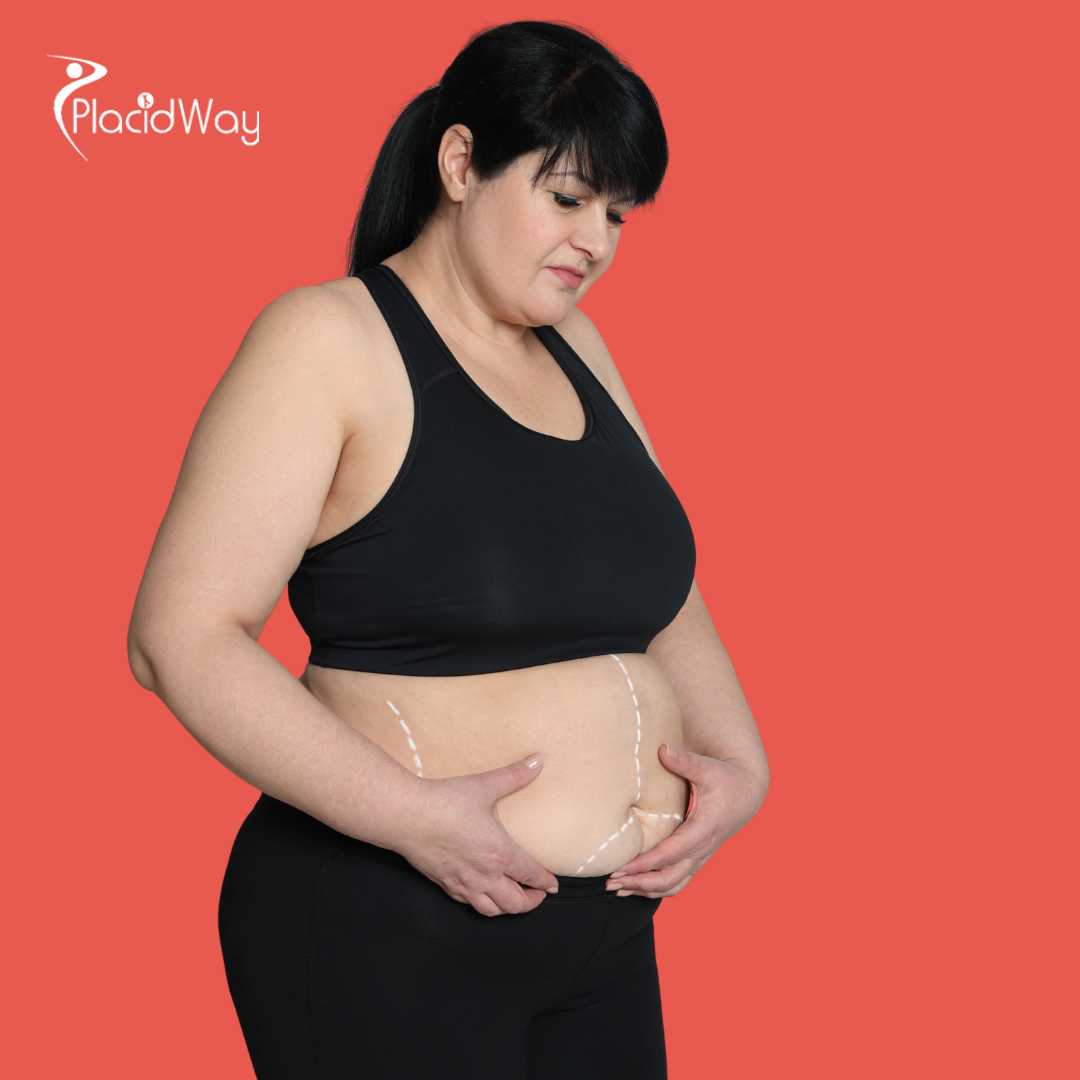
A tummy tuck, medically known as abdominoplasty, is a major surgical procedure designed to remove excess skin and fat from the abdomen while restoring weakened or separated muscles. Many international patients look to Bangkok for this procedure because the city has developed a highly regulated private healthcare sector focused on elective surgeries. Hospitals here routinely cater to international patients, providing multilingual staff and comprehensive medical care.
When researching this treatment abroad, it is essential to look beyond marketing claims. A successful outcome depends heavily on precise surgical technique and proper postoperative care. Bangkok offers access to surgeons who perform high volumes of abdominal contouring, but you must still rigorously vet your medical team.
Primary Reasons Patients Travel for This Procedure
- Affordability: Procedures typically cost 50% to 70% less than in the United States or Australia.
- Specialized Expertise: High concentration of surgeons specializing in post-bariatric and postpartum body contouring.
- Comprehensive Care: Many private hospitals bundle preoperative testing, surgery, and aftercare into transparent packages.
- Privacy: Recovering abroad allows patients to heal discreetly away from work and social obligations.
- Advanced Facilities: Access to modern surgical theaters equipped with intensive care units (ICU) for maximum safety.
Who is an Ideal Candidate for Surgery
Not everyone who wishes to flatten their stomach is medically suited for a tummy tuck. Abdominoplasty is not a weight-loss tool, and surgeons in Bangkok carefully screen patients to minimize surgical risks. The most successful outcomes typically occur in patients who have already achieved a stable weight through diet, exercise, or bariatric surgery.
A thorough consultation is required to assess your abdominal anatomy. Your surgeon will evaluate your skin elasticity, the amount of subcutaneous fat, and the condition of your abdominal fascia. If your primary issue is only localized fat without loose skin, your doctor may recommend liposuction instead.
Signs You May Be a Candidate
- You have localized excess skin due to aging or weight loss.
- Your abdominal muscles are separated (diastasis recti) from pregnancy.
- Your weight has been stable for at least six months.
- You do not smoke, or you can quit weeks before surgery.
Signs You Should Delay Surgery
- You are actively trying to lose a significant amount of weight.
- You plan to become pregnant in the future.
- You have severe unmanaged chronic conditions like diabetes.
- You have a body mass index (BMI) over the clinic's safety threshold (often 30 or 32).
Cost of Abdominoplasty Compared to Your Home Country
One of the primary drivers for medical travel to Thailand is the substantial difference in healthcare costs. While prices in Bangkok are lower, this does not inherently mean lower quality. The cost reduction is primarily due to the lower cost of living, reduced administrative overhead, and the structured nature of Thailand's private medical sector.
When reviewing price quotes from clinics in Bangkok, ask for an itemized breakdown. A trustworthy quote should specify what is included, such as anesthesia fees, operating room time, compression garments, medications, and follow-up visits. Be aware that travel expenses, accommodation, and food are usually separate from the clinical package.
| Country | Estimated Cost Range (USD) | Primary Cost Drivers |
|---|---|---|
| United States | $9,000 - $15,000+ | Facility fees, high anesthesia costs |
| Australia | $10,000 - $18,000+ | Surgeon demand, hospital rates |
| United Kingdom | $8,500 - $12,000+ | Private hospital premiums |
| Bangkok, Thailand | $4,500 - $7,500 | Procedure complexity, clinic reputation |
Types of Abdominal Contouring Procedures
The term "tummy tuck" covers several surgical variations. During your consultation, your surgeon in Bangkok will recommend a specific technique based on where your excess skin is located and the degree of muscle laxity. Understanding these differences helps you set realistic expectations for your incision placement and recovery timeline.
Patients with minor skin laxity below the navel may qualify for a less invasive approach, while those who have lost massive amounts of weight often require extensive contouring that extends to the hips and lower back.
| Procedure Type | Best Suited For | Incision Location |
|---|---|---|
| Mini Tummy Tuck | Patients with a small "pouch" of skin and fat exclusively below the belly button. | Short horizontal scar just above the pubic area; no incision around the navel. |
| Full Tummy Tuck | Patients with excess skin throughout the abdomen and separated abdominal muscles. | Hipbone to hipbone above the pubic area, plus a circular incision around the navel. |
| Extended Tummy Tuck | Patients who have experienced massive weight loss with skin laxity reaching the flanks. | Extends further around the hips and lower back, plus the navel incision. |
Demographics of Medical Tourists in Thailand
Recent data indicates a continued influx of international patients traveling to Southeast Asia for aesthetic procedures. According to verified 2024 global aesthetic registry insights, body contouring procedures rank among the top reasons for medical travel to Thailand. Understanding the demographic breakdown helps contextualize why certain hospital protocols are designed specifically for middle-aged international travelers.
The majority of these patients are women between the ages of 35 and 50, often seeking restorative surgery after childbirth or bariatric weight loss. The patient volume index for cross-border abdominal procedures has shown a steady upward trajectory from early 2024 into projected 2025 and 2026 data.
Patient Age Distribution for Body Contouring (Thailand 2024 Data)
Cross-Border Patient Volume Index (2024-2026 Trend)
How to Verify Surgeon Credentials and Hospital Quality
Choosing the right surgeon is the most crucial decision you will make. In Thailand, medical practice is strictly regulated, but cosmetic surgery is offered by doctors with varying levels of specialization. You must ensure your chosen doctor is a board-certified plastic surgeon, not just a general practitioner advertising cosmetic services.
To evaluate a clinic or hospital in Bangkok, look for specific national and international trust signals. Reputable private hospitals prominently display their licensing numbers. The gold standard for a plastic surgeon in Thailand is active membership in recognized national medical boards.
Checklist for Vetting Providers in Thailand
- Medical Council of Thailand: Verify that the doctor holds a valid, active medical license registered with the national government.
- ThPRS Membership: Ensure the surgeon is a member of the Society of Plastic and Reconstructive Surgeons of Thailand, indicating specialized training.
- Hospital Accreditation: Look for national healthcare accreditation or international markers like the Joint Commission International (JCI).
- Facility Equipment: Confirm the clinic has an on-site Intensive Care Unit (ICU) and a dedicated blood bank for emergencies.
- Language and Support: Ensure the clinic provides fluent English-speaking coordinators and transparent, written surgical quotes.
Important Safety Considerations and Potential Complications
While abdominal contouring is routinely performed with high success rates, it is a major surgical procedure carrying inherent medical risks. Patients traveling long distances face an elevated risk of deep vein thrombosis (DVT), a blood clot that can form during long flights. This is why strict travel timelines are mandated by reputable clinics.
Your surgeon will explain the potential complications during your consultation. You must be completely honest about your medical history, current medications, and lifestyle habits, as these directly impact your surgical safety and healing trajectory.
Surgical Warning Signs & Risks
You should be aware of the following potential complications associated with abdominoplasty:
- Infection: Can occur at the incision site, requiring antibiotics or further treatment.
- Seroma: Fluid accumulation under the skin, often managed by the temporary use of surgical drains.
- Poor Wound Healing: More common in patients who smoke or have unmanaged diabetes.
- Asymmetry or Scarring: While surgeons aim for symmetry, keloid or hypertrophic scarring can occur depending on your genetics.
- Numbness: Temporary or permanent changes in skin sensation around the abdominal area.
Step-by-Step Recovery Timeline
Healing from abdominal surgery requires patience and strict adherence to your doctor's postoperative instructions. When having this procedure in Bangkok, you will spend the initial part of your recovery in the hospital, followed by several days resting in a local hotel before you are cleared to fly.
You will need to wear a compression garment for several weeks to minimize swelling and support your healing tissues. You will also be instructed to walk slightly bent over initially to prevent placing tension on your incisions.
| Timeframe | Physical Sensation | Action Required |
|---|---|---|
| Days 1-3 | Significant soreness, tightness, and fatigue. | Rest in hospital or hotel. Walk short distances to promote circulation. Keep drains clean. |
| Days 4-10 | Bruising peaks; drains are typically removed. | Attend follow-up visits in Bangkok. Wear compression garment 24/7. |
| Weeks 2-3 | Swelling persists but pain decreases significantly. | Cleared for international flight. Resume light desk work. Avoid lifting. |
| Weeks 4-6 | Incision lines are red but starting to heal. | Gradually resume normal activities. Wait for doctor clearance for intense exercise. |
Combining Abdominoplasty with Other Procedures
Many patients traveling to Thailand opt to combine their abdominal surgery with other aesthetic enhancements to maximize their time away and minimize total anesthesia exposure. The most common combination is a "Mommy Makeover," which typically pairs a tummy tuck with breast augmentation or a breast lift.
Combining procedures can offer dramatic results and overall cost savings, but it also increases the surgical time and complicates the recovery process. Your surgeon will carefully evaluate your general health to determine if a combined operation is medically safe for your specific physiology.
Clinical Insight: Adding liposuction to the flanks (love handles) during a tummy tuck is highly common. This combined approach often provides a more contoured, hourglass silhouette rather than simply flattening the front of the abdomen. However, liposuction increases postoperative bruising and fluid drainage.
Planning Your Medical Trip to Bangkok
Organizing a medical trip involves more than just booking a surgery date. You must coordinate your flights, specialized medical visas (if required depending on your nationality), and comfortable accommodation suited for a recovering patient. Bangkok's medical tourism infrastructure makes this relatively straightforward, but careful planning is essential.
Plan to arrive at least one or two days before your scheduled surgery for in-person blood tests, EKG, and a final surgical consultation. You must plan to stay in the city for a minimum of 10 to 14 days post-surgery before attempting a long-haul flight, reducing the risk of altitude-related complications.
Travel Planning Checklist
- Confirm your passport is valid for at least six months from your entry date.
- Book a hotel near the hospital with elevators and accessible, walk-in showers.
- Arrange private ground transportation; avoid taking public transit immediately after surgery.
- Pack loose-fitting, front-buttoning clothing and slip-on shoes.
- Research travel health insurance that explicitly covers medical complications from elective procedures.
Frequently Asked Questions About Tummy Tuck in Bangkok
Before confirming your procedure, it is natural to have questions regarding the logistics and medical realities of undergoing surgery abroad. Below are answers to common concerns shared by international patients.
How long do I need to stay in Bangkok after a tummy tuck?
You typically need to stay in Bangkok for 10 to 14 days after your surgery. This timeframe allows your surgeon to remove drains, check your incisions, and medically clear you for the physical stress of a long-haul flight.
Will I have a visible scar after abdominoplasty?
Yes, a tummy tuck leaves a permanent scar, usually running horizontally across the lower abdomen. Surgeons strategically place the incision low enough so it can be concealed by most underwear or bikini bottoms. The scar will fade over 12 to 18 months.
Is it safe to fly home to Australia or the US after a tummy tuck?
Flying is generally safe once you are cleared by your surgeon, usually after two weeks. To minimize deep vein thrombosis (DVT) risks during the flight, you must stay hydrated, wear compression socks, and walk up and down the aisle periodically.
Can I combine liposuction with my tummy tuck in Thailand?
Yes, combining liposuction of the flanks and back with a tummy tuck is frequently performed by Thai surgeons. This approach helps create a more unified body contour, though it may extend your surgery time and increase initial swelling.
What happens if I experience a complication after returning home?
Before leaving Bangkok, ask your clinic about their complication policy. You should also establish a relationship with a local general practitioner in your home country who can handle minor issues like wound dressings or prescribe local antibiotics if necessary.
Do Thai plastic surgeons speak fluent English?
In major internationally accredited private hospitals in Bangkok, leading plastic surgeons and medical coordinators typically speak fluent English. Many have completed fellowships or training programs in the US, UK, or Australia.
How long until I see the final results of my abdominal contouring?
While your abdomen will appear flatter immediately, post-surgical swelling takes time to resolve. You will see a significant difference within six weeks, but it can take six to twelve months for all residual swelling to dissipate and scars to mature.
Are drainage tubes required during recovery in Bangkok hospitals?
In many cases, surgeons use temporary drainage tubes to prevent fluid buildup under the skin. These are typically removed in the clinic within three to seven days post-surgery, depending on your fluid output.
Can I get pregnant after having a tummy tuck in Thailand?
Yes, a tummy tuck does not affect your ability to get pregnant. However, doctors strongly recommend waiting until you have finished building your family before undergoing the procedure, as pregnancy will stretch the abdominal muscles and skin again.
Does the cost estimate usually include anesthesia?
In highly rated Bangkok clinics, quotes are often presented as all-inclusive surgical packages that cover the surgeon's fee, operating room, general anesthesia, and standard hospital stay. Always request a written itemized quote to confirm inclusions.
Ready to Plan Your Medical Journey?
Navigating international healthcare can be complex. PlacidWay can help you compare board-certified surgeons in Bangkok, review transparent treatment costs, and ask the right questions before making a decision.
Request Information & Compare ProvidersDisclaimer: This information is for educational purposes only and does not replace professional medical advice. Always consult a qualified healthcare provider before making medical decisions.
References
- ISAPS Global Survey on Aesthetic/Cosmetic Procedures (2024 Updates) – International Society of Aesthetic Plastic Surgery
- Society of Plastic and Reconstructive Surgeons of Thailand (ThPRS) – Official Verification Board
- National Medical Practitioner Registration Guidelines – The Medical Council of Thailand
- Abdominoplasty Safety, Risks, and Complications – American Society of Plastic Surgeons
- JCI Accredited Healthcare Organizations in Thailand – Joint Commission International
- Medical Tourism Travel Health Risks and Prevention – Centers for Disease Control and Prevention (CDC)























Share this listing