

Deciding to enhance your appearance is a deeply personal journey, and finding a destination that offers both surgical excellence and transparent pricing can greatly ease your concerns. Bangkok, Thailand combines advanced medical expertise with compassionate care, allowing you to undergo cosmetic surgery safely while saving significantly compared to costs in the US, UK, or Australia. Before booking your travel, you must understand exact procedure costs and know how to verify essential credentials—such as registration with the Medical Council of Thailand (TMC) and national hospital licensing—to ensure you receive the safest, highest-quality care available.
Quick Summary: What You Need to Know
- Estimated Cost: Typically ranges from $2,500 to $15,000 USD, depending entirely on procedure complexity, combined surgeries, and clinic amenities.
- Safety Overview: Generally highly safe when performed in facilities licensed by the Thai Ministry of Public Health and by surgeons registered with the national medical board.
- Ideal Candidate: Healthy adults with realistic expectations, stable psychological health, and sufficient time to stay in Bangkok for mandatory follow-up appointments.
- Recovery Time: Requires staying in Bangkok for 7 to 14 days post-surgery to allow for initial healing, suture removal, and medical clearance to fly.
- Why Patients Choose Bangkok: The unique combination of world-class surgical precision, highly structured postoperative hospitality, and up to 60% savings compared to Western healthcare systems.
- Important Caution: Always verify that your chosen doctor holds membership with the Society of Plastic and Reconstructive Surgeons of Thailand (ThPRS) before making any financial deposits.
Why International Patients Choose Cosmetic Surgery in Bangkok, Thailand
You may be wondering why thousands of individuals cross the globe each year for aesthetic enhancement in Southeast Asia. The decision typically stems from a combination of financial practicality and the desire for specialized, high-level medical care. Healthcare systems in North America, Europe, and Australia often feature prohibitive costs for elective surgeries, pushing patients to seek high-quality alternatives abroad. Bangkok, Thailand has proactively built a robust medical infrastructure designed specifically to cater to international patient needs.
Beyond the financial aspect, patients are drawn to the deep cultural emphasis on hospitality and patient care. Undergoing surgery can feel isolating and intimidating, but hospitals here integrate dedicated international departments, in-house translators, and concierge recovery services. This highly supportive environment reduces travel anxiety and allows you to focus entirely on your healing process.
- Cost-to-Quality Ratio: Achieve significant financial savings without sacrificing surgical safety, facility hygiene, or technological advancement.
- Specialized Expertise: Access to surgeons who perform high volumes of complex procedures, often holding fellowships from international institutions.
- Comprehensive Packages: Clinics frequently bundle airport transfers, hotel accommodations, medication, and nursing care into one transparent price.
- Advanced Technology: Leading hospitals utilize 3D imaging, state-of-the-art operating theaters, and modern anesthetic protocols.
- Privacy and Discretion: Traveling abroad allows you to recover away from the social pressures of your home environment.
Tip for International Travelers: When communicating with clinics, always ask if the quoted price is for the procedure only, or if it is an all-inclusive package that covers anesthesia, facility fees, and postoperative garments. Transparent clinics will provide an itemized written quote.
Patient Demographics and Global Travel Trends for Bangkok, Thailand
Understanding who travels for these procedures provides valuable context for your own journey. Recent medical travel data from 2024 indicates a steady influx of patients arriving primarily from Australia, the United States, the United Kingdom, and neighboring Asian nations. These patients travel primarily to bypass long wait times for specialized consultations and to access elective treatments that their domestic insurance policies do not cover.
Clinical motivations vary significantly by age bracket. Younger demographics often pursue facial contouring, rhinoplasty, and breast augmentation. Conversely, patients in their forties and beyond typically seek anti-aging interventions, such as facelifts, blepharoplasty (eyelid surgery), and comprehensive body contouring following significant weight loss or pregnancy.
Age Distribution of Inbound Aesthetic Patients in Thailand (2024 Verified Data)
Source: 2024 Demographic Reports on Inbound Medical Tourists to Thailand (See References).
Projected Growth of Cross-Border Aesthetic Care in Thailand
The volume of patients traveling specifically for elective aesthetic care continues to rise. Following post-pandemic healthcare restructuring, the Thai government implemented rigorous new safety guidelines in 2024 to protect international patients. This commitment to regulated, high-quality care has fueled confidence among prospective patients.
Recent clinical registries note that international patients now account for a significant portion of all aesthetic surgeries performed in major metropolitan hospitals. This sustained growth directly correlates with the country's aggressive expansion of specialized clinical wings dedicated entirely to plastic and reconstructive disciplines.
International Patient Volume for Aesthetic Procedures (2024–2026 Trend)
Source: 2024 Healthcare Sector Forecasts for Inbound Clinical Travel.
Common Cosmetic and Plastic Surgery Procedures Addressed in Bangkok, Thailand
The specialized clinics in the region perform a vast array of surgical interventions. Before you travel, it is crucial to understand which treatments are most commonly performed and supported by extensive clinical experience. Surgeons typically categorize these into facial rejuvenation, breast surgery, and body contouring.
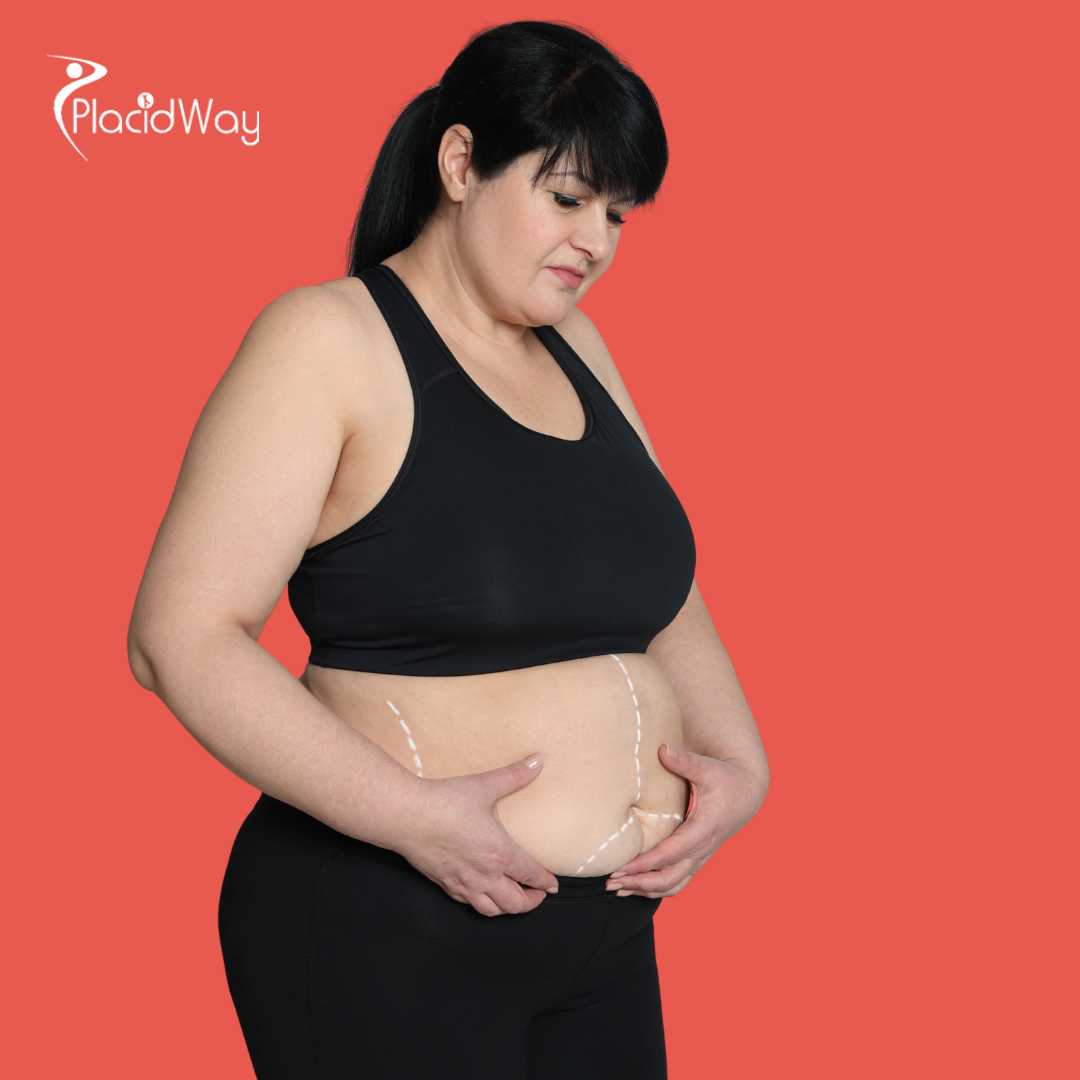
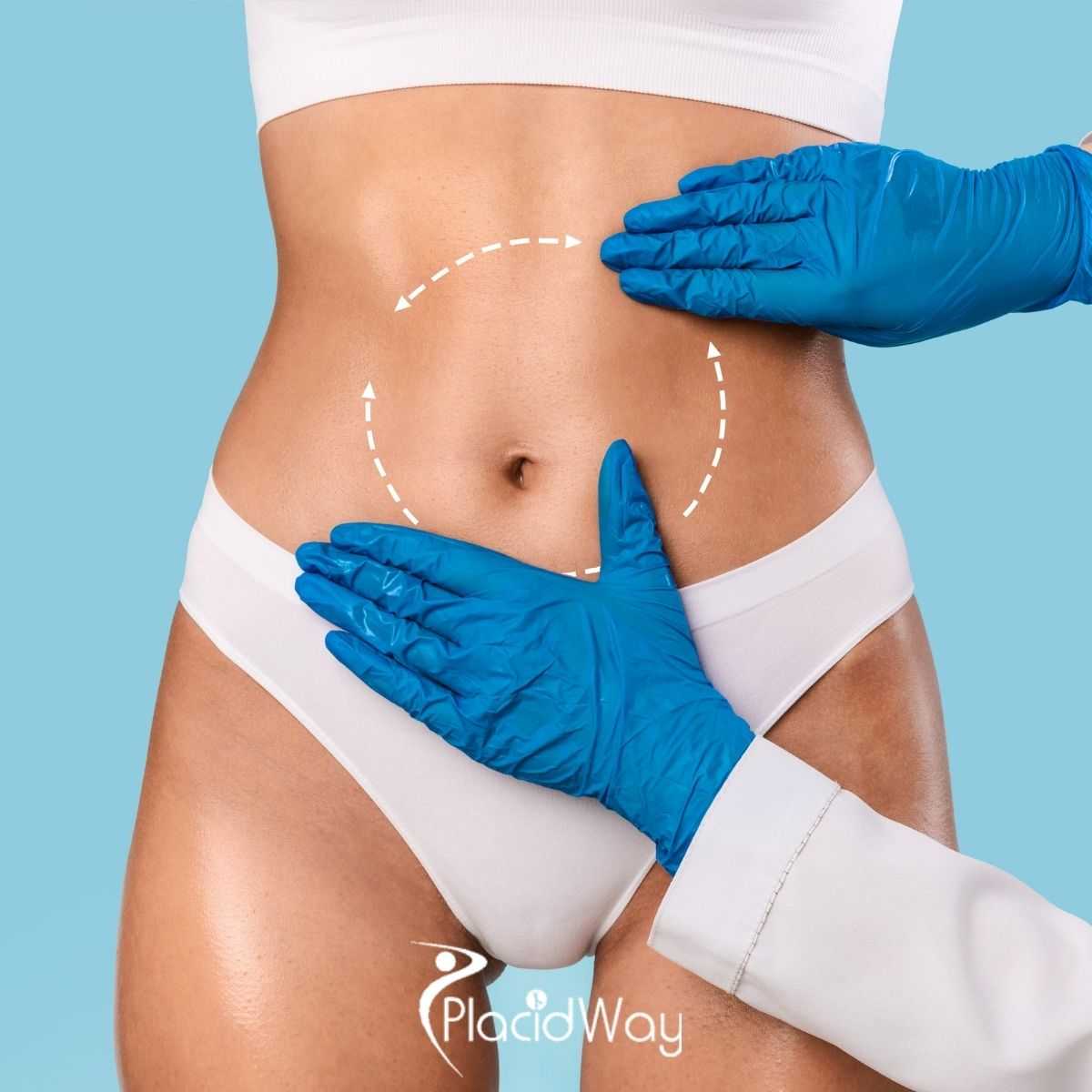
Facial surgeries, such as rhinoplasty and facelifts, require precise anatomical knowledge of facial nerve structures to avoid complications. Body contouring, including liposuction and abdominoplasty (tummy tuck), involves managing fluid shifts and monitoring cardiovascular health during prolonged anesthesia. Many patients opt to combine procedures, such as a "mommy makeover," to utilize a single recovery period.
Facial Procedures
- Rhinoplasty (Nose Reshaping)
- Blepharoplasty (Eyelid Lift)
- Rhytidectomy (Facelift)
- Mentoplasty (Chin Augmentation)
Body & Breast Procedures
- Breast Augmentation / Lift
- Abdominoplasty (Tummy Tuck)
- Liposuction / Fat Grafting
- Gluteal Augmentation
Cost Estimates for Plastic Surgery in Bangkok, Thailand
Financial transparency is critical when planning your medical journey. While exact pricing depends on your anatomical diagnosis, the surgeon’s experience, and the facility's tier, Bangkok consistently offers substantial cost advantages compared to Western markets. You must remember that lower costs here reflect lower national costs of living, administration, and medical liability insurance, rather than a reduction in surgical quality or safety standards.
When reviewing quotes, ensure you understand hidden costs. Anesthesia fees, operating room charges, overnight hospital stays, preoperative blood tests, and postoperative medications can sometimes be billed separately. Always demand a comprehensive, itemized breakdown in USD before transferring any funds.
| Procedure | USA (Avg. USD) | Australia (Avg. USD) | Bangkok, Thailand (Avg. USD) |
|---|---|---|---|
| Breast Augmentation | $6,500 - $9,000 | $8,000 - $11,000 | $3,000 - $4,500 |
| Rhinoplasty | $7,000 - $12,000 | $9,000 - $14,000 | $2,500 - $4,000 |
| Facelift (Full) | $12,000 - $20,000 | $15,000 - $25,000 | $5,000 - $8,000 |
| Tummy Tuck (Abdominoplasty) | $8,000 - $15,000 | $10,000 - $18,000 | $4,500 - $6,500 |
*Note: Prices vary widely based on individual patient requirements, hospital tier, and exchange rates. Information not available for guaranteed exact pricing without a clinical consultation.
Navigating Healthcare Regulations in Bangkok, Thailand
Patient safety relies on strict regulatory oversight. In Thailand, the medical sector is heavily regulated by government bodies to ensure high standards of care, particularly for facilities treating international patients. The primary regulatory authority is the Ministry of Public Health (MoPH), which oversees the licensing and operation of all public and private hospitals, clinics, and surgical centers.
Before any facility can operate, it must pass rigorous inspections regarding hygiene, emergency protocols, and medical equipment standards. Additionally, the Medical Council of Thailand (TMC) acts as the governing body for individual doctors. The TMC ensures that practitioners meet stringent educational and ethical requirements before they are granted a license to practice medicine within the country.
Warning: Never proceed with treatment in an unregistered clinic or "medi-spa" operating out of a residential or commercial building without a visible Ministry of Public Health operating license. Authentic clinics will proudly display their 11-digit license number.
How to Choose a Licensed Cosmetic Surgery Hospital in Bangkok, Thailand
Selecting the right facility is just as vital as choosing the right surgeon. Your safety during major surgery depends heavily on the hospital’s infrastructure, particularly in the event of an unexpected medical complication. Focus first on national accreditations before looking at international marketing badges.
Start by verifying that the facility holds Hospital Accreditation (HA) from the Healthcare Accreditation Institute of Thailand. This national certification ensures the hospital complies with strict patient safety and quality improvement standards. While international accreditations like the Joint Commission International (JCI) are excellent indicators of standardized global care protocols, many highly reputable, safe, and modern clinics operate successfully purely under stringent national Thai regulations.
Hospital Selection Checklist
- Verify the clinic's active Ministry of Public Health license number.
- Ensure the facility has an on-site Intensive Care Unit (ICU) or a documented transfer protocol with a nearby major hospital.
- Check for 24/7 emergency medical support on the premises.
- Confirm the availability of dedicated, certified anesthesiologists (not just nurses) for your procedure.
- Ask about the hospital's specific infection control rates and complication management policies.
Verifying Surgeon Credentials for Plastic Surgery in Bangkok, Thailand
Your surgical outcome rests primarily in the hands of your operating doctor. It is absolutely essential to differentiate between a general practitioner who performs cosmetic procedures and a board-certified plastic surgeon who has undergone years of specialized reconstructive and aesthetic training. In Thailand, this distinction is strictly maintained by professional medical societies.
You must verify that your prospective surgeon is registered with the Medical Council of Thailand (TMC). Furthermore, look for active membership in the Society of Plastic and Reconstructive Surgeons of Thailand (ThPRS). Membership in ThPRS guarantees that the surgeon has completed recognized residency training specifically in plastic surgery, passed rigorous examinations, and adheres to strict ethical standards. Some top-tier surgeons may also hold international memberships, such as with ISAPS, which further highlights their commitment to global best practices.
Takeaway: Do not be afraid to ask for your doctor's full legal name and specific board certifications during your initial consultation. A trustworthy surgeon will gladly provide their credentials and case volume statistics for the exact procedure you are requesting.
Travel Planning and Preparation for Bangkok, Thailand
Traveling across borders for medical care requires meticulous logistical planning. You are not just booking a vacation; you are managing a preoperative health phase and a delicate postoperative recovery period. Depending on your nationality, you may be eligible for a visa exemption, but for longer recovery times, a specific medical tourist visa (Non-Immigrant MT visa) may be required.
Preparation begins weeks before your flight. Your surgeon will require blood tests, an ECG, and possibly a chest X-ray to ensure your cardiovascular and respiratory systems can handle anesthesia. You must cease smoking and stop taking certain supplements, such as fish oil, vitamin E, and aspirin, as these can thin your blood and significantly increase the risk of surgical bleeding.
| Timeline | Action Required by Patient |
|---|---|
| 4-6 Weeks Prior | Complete virtual consultations, pay deposits, book flights, and arrange medical leave from work. Stop smoking. |
| 2 Weeks Prior | Complete required blood work in your home country or arrange to do it upon arrival. Stop blood-thinning medications. |
| Arrival Day | Arrive in Bangkok. Rest at your hotel to recover from jet lag. Do not schedule surgery on the day you land. |
| 1 Day Prior | Attend in-person preoperative consultation. Fast from food and water starting at midnight. |
Recovery Expectations After Cosmetic Surgery in Bangkok, Thailand
Healing is a biological process that cannot be rushed, and your environment plays a massive role in your recovery. Following surgery, your body enters an inflammatory phase characterized by swelling, bruising, and discomfort. Your surgical team will provide pain management medication, antibiotics to prevent infection, and specific instructions on wound care.
You must stay in Bangkok until your surgeon officially clears you to fly. Air travel too soon after surgery drastically increases the risk of Deep Vein Thrombosis (DVT) and pulmonary embolism due to cabin pressure changes and prolonged immobility. Most procedures require a minimum stay of 7 to 14 days to allow for the removal of surgical drains and sutures.
| Timeframe | Biological Process | Patient Sensation | Action Required |
|---|---|---|---|
| Days 1-3 | Acute inflammation and fluid retention. | Tightness, moderate pain, fatigue. | Strict bed rest, take prescribed medications, hydrate heavily. |
| Days 4-7 | Cellular repair begins; swelling peaks then subsides. | Itching around incisions, decreasing pain. | Light walking to promote circulation, attend follow-up clinic visits. |
| Days 8-14 | Suture removal, incision sealing. | Increased energy, visible bruising fades. | Receive fit-to-fly certificate, maintain compression garments. |
Surgical Risks and Patient Safety Considerations
No surgical procedure is entirely risk-free, regardless of how skilled the surgeon is or where the operation takes place. Making an informed decision means acknowledging potential complications and understanding how they are mitigated. Common risks include infection, adverse reactions to anesthesia, hematoma (blood pooling beneath the skin), and asymmetrical healing.
Your doctor may recommend specific interventions based on your diagnosis to minimize these risks. For instance, using sequential compression devices during surgery reduces the likelihood of blood clots. It is imperative that you disclose your complete medical history, including any previous surgeries, current medications, and illicit drug use, as omissions can lead to life-threatening intraoperative complications.
Potential Complications
- Surgical site infections
- Hematoma or seroma
- Poor wound healing or thick scarring
- Deep Vein Thrombosis (DVT)
Prevention Strategies
- Strict adherence to postoperative antibiotic protocols
- Using surgical drains as directed
- Avoiding nicotine and alcohol entirely
- Early ambulation (light walking) to prevent clots
Frequently Asked Questions About Cosmetic Surgery in Bangkok, Thailand
To help you solidify your decision, review these common questions asked by international patients considering aesthetic treatments abroad. These answers provide cautious, medically sound guidance based on standard clinical practices.
How long do I need to stay in Bangkok after my cosmetic surgery?
Your doctor will typically recommend staying for at least 7 to 14 days. This timeframe allows for necessary follow-up appointments, suture removal, and close monitoring to ensure you do not develop infections or blood clots before receiving clearance to fly home.
Is it safe to travel alone for plastic surgery in Thailand?
While many clinics offer dedicated nursing care and airport transfers, having a companion is highly advised. The initial 48 hours post-surgery can involve limited mobility and fatigue, making a support person invaluable for your emotional and physical comfort.
How can I be sure my Thai plastic surgeon is qualified?
You must verify that they are registered with the Medical Council of Thailand (TMC) and are active members of the Society of Plastic and Reconstructive Surgeons of Thailand (ThPRS). These organizations ensure the surgeon has completed legitimate, specialized training.
Will there be a language barrier at the hospital?
Top-tier facilities catering to international patients typically employ fluent English-speaking surgeons and staff. Additionally, reputable hospitals provide in-house interpreters for multiple languages to ensure clear communication regarding your medical care.
Can I combine multiple cosmetic procedures in one trip?
In many cases, surgeons can combine procedures like a tummy tuck and breast augmentation safely. However, this depends entirely on your overall health, the combined estimated surgical time (usually capped at 6 hours for safety), and blood loss considerations.
What happens if I experience a complication after returning home?
Before treatment, inquire about the clinic's revision policy. While rare, complications can occur. You should establish a relationship with a local general practitioner in your home country who is aware of your surgery and can assist with minor post-operative issues if needed.
Do clinics in Bangkok use safe, FDA-approved implants?
Licensed, reputable hospitals utilize international, highly regulated medical devices, including implants approved by the US FDA or European CE marks. Always ask your surgeon to provide the serial number and brand documentation of any implants used.
Does travel insurance cover cosmetic surgery complications?
Standard travel insurance strictly excludes elective cosmetic procedures. You must purchase specialized medical tourism insurance that specifically covers medical complications, extended hospital stays, and delayed flights due to surgical issues.
Can I go sightseeing in Bangkok after my plastic surgery?
Your primary focus must be recovery. High heat, humidity, and physical exertion can increase swelling and risk of infection. Light walking in an air-conditioned environment is fine, but extensive sightseeing is strongly discouraged during the initial healing phase.
Are the results of plastic surgery permanent?
No cosmetic surgery stops the natural aging process. While procedures like rhinoplasty offer long-lasting changes, body contouring and facelifts are subject to future weight fluctuations, gravity, and skin elasticity over time. Maintaining a healthy lifestyle extends the longevity of your results.
Take the Next Step With PlacidWay
Navigating international healthcare can be complex, but you do not have to do it alone. PlacidWay can help you compare licensed providers, understand detailed treatment costs, and request specific credential information from top clinics in Bangkok, Thailand.
Request Information NowDisclaimer
Disclaimer: This information is for educational purposes only and does not replace professional medical advice. Always consult a qualified healthcare provider before making medical decisions.
References
- International Survey on Aesthetic/Cosmetic Procedures 2024 – International Society of Aesthetic Plastic Surgery (ISAPS)
- Healthcare Regulations and Hospital Licensing – Ministry of Public Health, Thailand
- Verification of Medical Practitioners – Medical Council of Thailand (TMC)
- Board Certified Member Verification – Society of Plastic and Reconstructive Surgeons of Thailand (ThPRS)
- Hospital Accreditation Standards – Healthcare Accreditation Institute (Public Organization) Thailand
- Patient Safety and Medical Tourism Guidelines – Centers for Disease Control and Prevention (CDC)
- Search Accredited Organizations in Thailand – Joint Commission International (JCI)






















Share this listing