

Struggling with a patchy beard or facial scars can deeply impact your confidence, prompting many men to explore permanent restoration options abroad. When you research a beard transplant in Istanbul, Turkey, understanding the real costs, verifying a surgeon's Turkish Medical Association credentials, and knowing what to expect during recovery are crucial for a safe experience. By carefully evaluating Ministry of Health-approved clinics rather than settling for unregulated technicians, you can achieve a dense, natural-looking beard that frames your face perfectly.
Quick Answer Summary
- Estimated Cost: Typically ranges from $1,500 to $3,500 USD, depending on graft count and clinic credentials.
- Safety & Credentials: Always look for facilities licensed by the Turkish Ministry of Health (Sa?l?k Bakanl???) and surgeons registered with the Turkish Medical Association (TTB).
- Ideal Candidate: Men with patchy facial hair, facial scarring, or genetic hair loss who have sufficient healthy donor hair on the back of the scalp.
- Recovery Time: Most redness and swelling subside within 7 to 10 days, while final growth results take 9 to 12 months.
- Why Istanbul: The city offers a high concentration of experienced Follicular Unit Extraction (FUE) specialists operating in highly regulated, state-of-the-art hospitals.
- Important Caution: Avoid clinics that allow unlicensed technicians, rather than qualified doctors, to perform the surgical incisions and graft placements.
Understanding the Basics of Facial Hair Restoration
A facial hair restoration procedure involves relocating healthy hair follicles from a donor area to your face. In most cases, the donor site is the back of your scalp, where hair is genetically resistant to thinning. The procedure targets the cheeks, mustache, goatee, and sideburns to create a fuller, continuous facial hair profile.
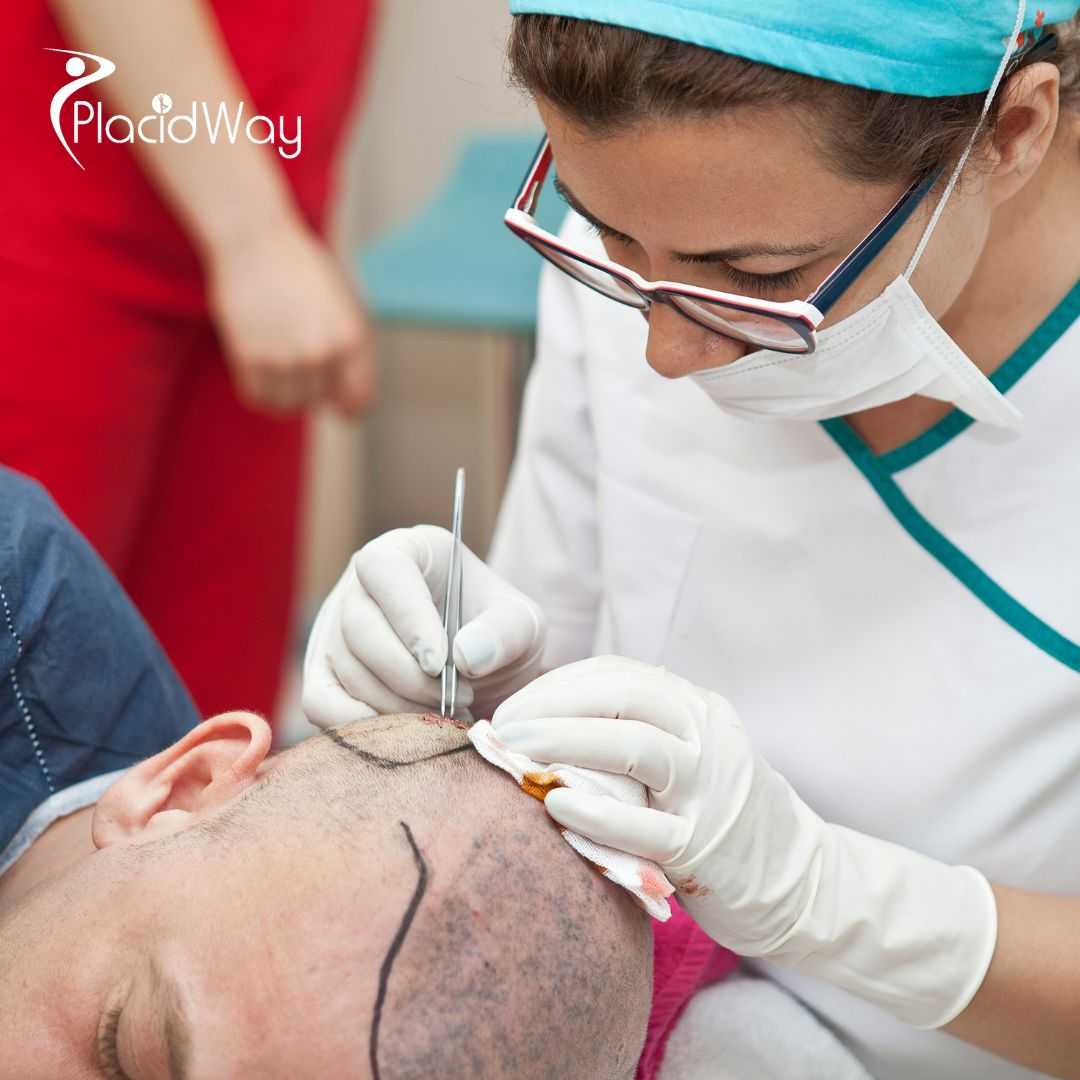
Surgeons extract these follicles individually and implant them into tiny incisions made on your face. The angle, depth, and direction of these incisions are vital. Facial hair grows flat against the skin in specific patterns, completely different from how hair grows on the top of your head.
When you consult with a specialist, they will map out a customized design that complements your facial structure. The goal is not just to add density, but to ensure the transplanted hair blends seamlessly with any existing facial hair.
Clinical Tip for Patients
Before traveling, ask your local dermatologist to evaluate your donor hair density. If your scalp hair is very fine or thinning significantly, you may require alternative donor sites, such as the neck or under the chin.
Primary Reasons Patients Travel for This Procedure
International patients look beyond their home borders for facial hair restoration for several intersecting reasons. High domestic healthcare costs frequently make elective cosmetic procedures inaccessible. Men seeking this treatment often experience frustration with topical treatments that yield inconsistent results.
Patients choose to travel for a beard transplant in Istanbul, Turkey, primarily due to the exceptional concentration of specialized medical expertise. The region has developed a robust infrastructure dedicated entirely to hair restoration.
- Cost Transparency: The availability of inclusive pricing models helps patients budget accurately without fear of hidden hospital fees.
- Surgical Volume: Surgeons in this region perform a remarkably high volume of FUE cases annually, refining their manual dexterity and aesthetic judgment.
- Technological Access: Top clinics utilize the latest micro-motor punches and specialized implantation pens (Choi pens).
- Comprehensive Care: Medical travel packages often include post-operative medications, special washing lotions, and dedicated follow-up care.
- Regulatory Oversight: The stringent guidelines enforced by national health authorities provide a structured safety net for international visitors.
Patient Demographics and Global Travel Trends
Understanding who travels for facial hair restoration provides valuable context for your own journey. According to 2024 healthcare mobility reports analyzing cross-border cosmetic treatments, the demographic profile for this specific procedure is highly distinct from standard scalp hair restoration.
Patients seeking facial hair procedures are typically younger. The primary motivation is usually aesthetic enhancement rather than combating age-related hair loss. Many patients travel specifically to address genetic predispositions to patchy beards or to cover cleft lip and acne scars.
Recent 2024 data indicates that patients from the United Kingdom, the United States, and Western Europe make up the largest outbound market for these specialized aesthetic procedures. The visual representation below illustrates the age distribution of men traveling to Turkish clinics specifically for facial hair transplantation, based on 2024 demographic patient registries.
2024 Age Distribution of Facial Hair Transplant Patients
Evaluating Your Eligibility for Surgery
Not every patient qualifies for a facial hair restoration procedure. A thorough clinical assessment is required to determine your physiological suitability. Your surgeon will evaluate the density of your donor area, the elasticity of your skin, and your underlying medical history.
Certain dermatological conditions, such as active alopecia areata or severe chronic skin infections, may act as contraindications. If you suffer from bleeding disorders or uncontrolled diabetes, your doctor may recommend against the surgery due to compromised healing capabilities.
Realistic expectations play a massive role in candidate selection. A transplant can significantly enhance density, but it is limited by the number of viable grafts available on your scalp.
Ideal Candidates Usually Have:
- Sufficient hair density at the back of the scalp
- Stable overall health with no autoimmune skin conditions
- Realistic expectations regarding coverage and density
- Commitment to following strict post-operative care
Poor Candidates May Have:
- Severe, progressive scalp hair loss
- Uncontrolled diabetes impacting wound healing
- Active skin infections in the beard area
- A history of keloid scarring
Comparing FUE and Extraction Techniques
When researching your options, you will frequently encounter two primary surgical techniques: Follicular Unit Extraction (FUE) and Hair Transplant . Both methods utilize the same extraction principle but differ significantly in how the grafts are implanted into your face.
In standard FUE, the surgeon uses a micro-blade to open tiny channels in your facial skin. Afterward, technicians use forceps to carefully place the grafts into these pre-made channels. This method is highly effective for covering large areas, such as full beard restorations.
employs a specialized tool known as a Choi Implanter Pen. This device allows the surgeon to simultaneously puncture the skin and implant the follicle. offers exceptional control over the angle and direction of the hair, making it highly preferred for precision work like mustache or dense goatee restoration.
| Feature | FUE (Follicular Unit Extraction) | (Hair Transplant) |
|---|---|---|
| Implantation Method | Channels opened first, grafts placed with forceps | Simultaneous opening and placement via Choi Pen |
| Best Suited For | Large coverage areas, full beard restoration | High-density areas, detailed mustache work |
| Procedure Time | Generally faster for large graft counts | More time-consuming due to precision loading |
| Bleeding Risk | Minimal, but slightly more than | Very minimal due to exact needle sizing |
Estimating the Cost of a Beard Transplant in Istanbul, Turkey
Cost is a primary driving factor for medical travel. Healthcare systems in North America and Western Europe often price cosmetic restorations at a premium due to high clinical overhead and labor costs. In contrast, the medical infrastructure in this region operates with a different economic model, supported by government incentives for health tourism.
It is crucial to understand that lower prices do not automatically indicate inferior medical quality. The lower cost of living and favorable exchange rates directly influence treatment pricing. However, prices can still vary based on the surgeon's expertise, the hospital's licensing level, and the complexity of your specific case.
When evaluating quotes, always ask if the price is fixed or if it fluctuates based on the exact number of grafts required. Transparent clinics will provide an itemized breakdown of what your payment covers.
| Country / Region | Estimated Procedure Cost (USD) | Consultation Fees |
|---|---|---|
| United States | $5,000 - $15,000 | Often charged separately ($100 - $300) |
| United Kingdom | $4,500 - $10,000 | Often charged separately ($150 - $250) |
| Canada | $6,000 - $12,000 | Often charged separately ($100 - $200) |
| Istanbul, Turkey | $1,500 - $3,500 | Usually included in the package |
Understanding What Is Included in Treatment Packages
Medical tourism works best when logistical friction is minimized. To accommodate international patients, facilities typically offer comprehensive packages that cover far more than just the surgical time. This approach ensures you are not navigating a foreign city's transportation or pharmacy systems immediately after surgery.
A standard package usually covers all preoperative blood tests, the surgical procedure itself, and local anesthesia. It should also include a post-operative care kit containing specific shampoos, lotions, neck pillows, and required medications like antibiotics and anti-inflammatories.
Logistical inclusions normally feature airport transfers in private vehicles, transportation between your hotel and the clinic, and two to three nights in an affiliated hotel. Always confirm these details in writing before booking your flight.
How to Choose a Licensed Clinic and Hospital
The safety of your procedure heavily depends on the facility where it is performed. While aesthetic centers may seem appealing, medical procedures should occur in heavily regulated environments equipped to handle emergencies.
When searching for a provider, your primary filter should be national regulation. Verify that the clinic holds a current operating license from the Turkish Ministry of Health (Sa?l?k Bakanl???). This government body conducts regular inspections covering hygiene, equipment sterilization protocols, and staff qualifications.
For added assurance, ask if the procedure is performed in a fully equipped hospital setting rather than a commercial office building. Access to emergency resuscitation equipment and intensive care units, while rarely needed for facial hair transplants, represents a high standard of patient care.
Facility Vetting Checklist
- Does the clinic display a valid Ministry of Health license?
- Is the procedure room equipped with proper monitoring devices?
- Do they have a dedicated sterilization room for surgical tools?
- Is there an in-house medical interpreter fluent in your language?
- Does the facility have a clear, written policy for managing potential complications?
Verifying Your Surgeon's Credentials and Expertise
The aesthetic success of your procedure rests entirely in the hands of the medical team. Unfortunately, the high demand for hair restoration has led to a rise in unauthorized technicians performing incisions without direct physician oversight. Protecting yourself means verifying credentials.
Ensure your lead doctor is registered with the Turkish Medical Association (Türk Tabipleri Birli?i - TTB). The operating physician should be a specialist in dermatology or plastic and reconstructive surgery. Membership in international societies, such as the International Society of Hair Restoration Surgery (ISHRS), serves as a strong indicator that the doctor follows global clinical guidelines.
During your consultation, ask exactly which parts of the surgery the doctor performs. The lead physician should always be responsible for planning the hairline, administering anesthesia, and making the recipient incisions.
Clinical Safety and Understanding Potential Risks
While generally considered safe, relocating hair follicles is a medical procedure carrying inherent surgical risks. Acknowledging these risks allows you to recognize complications early and seek appropriate medical intervention if necessary.
Infection is a risk with any procedure that breaches the skin barrier. Following the clinic's strict hygiene and washing protocols drastically reduces this risk. You may also experience temporary numbness along your jawline or cheeks, which typically resolves as nerve endings heal.
A specific aesthetic risk is "cobblestoning," where small raised bumps form around the transplanted hairs. This usually occurs if grafts are implanted too deeply or at improper angles, highlighting the necessity of choosing an experienced, board-certified surgeon.
Warning Signs to Report to Your Doctor
Contact your healthcare provider immediately if you experience severe pain, excessive bleeding, unusual facial swelling that worsens after day three, or localized heat and pus indicating an infection. Do not attempt to treat surgical complications with unprescribed home remedies.
Graft Survival and the Biological Healing Cycle
Understanding the biological life cycle of a transplanted follicle helps manage your expectations. When a graft is removed from the scalp, it is temporarily deprived of blood supply. After implantation, the body must establish new vascular connections to feed the follicle.
Around two to four weeks post-surgery, you will likely experience "shock loss." This is a completely normal shedding phase where the transplanted hairs fall out. The essential follicle root remains securely embedded beneath the skin, entering a resting phase.
New, permanent hair growth typically begins around the third or fourth month. By tracking clinical data published in 2024 dermatological studies regarding FUE graft survival rates in facial tissue, we can visualize the typical timeline of visible hair retention and subsequent regrowth.
2024 Clinical Baseline: Graft Growth & Retention Timeline
Step-by-Step Recovery and Aftercare Timeline
Proper aftercare dictates the survival of your grafts. The facial region is highly mobile and prone to bacterial exposure from eating and speaking. Following your clinic’s specific post-operative instructions is non-negotiable for a dense result.
You must sleep on your back with your head elevated for the first few nights to prevent swelling and accidental graft dislodgement. Eating soft foods during the first 48 hours limits excessive jaw movement, which can disturb grafts placed around the mustache and chin.
Scabbing is a natural part of the healing process. Tiny crusts will form around each implanted hair. Under no circumstances should you pick or scratch these crusts, as doing so can permanently pull out the newly implanted follicle.
| Timeframe | Biological Process | Patient Sensation & Visuals | Required Action |
|---|---|---|---|
| Days 1-3 | Grafts anchoring into tissue | Redness, slight swelling, tiny scabs forming | Sleep elevated, eat soft foods, avoid touching face |
| Days 4-7 | Swelling subsides, skin healing | Itchiness, crusts hardening | Begin gentle lotion washing as instructed by clinic |
| Days 8-14 | Crusts detaching naturally | Flaking skin, beard looks like short stubble | Continue gentle washing, avoid intense physical exertion |
| Weeks 2-4 | Shock loss phase (normal shedding) | Transplanted hairs fall out, face looks patchy | Remain patient, protect face from direct sunlight |
| Months 3-6 | New hair shafts pushing through | Fine, soft hairs begin to emerge and thicken | Maintain general skincare hygiene |
Planning Your Medical Travel and Logistics
Traveling for a medical procedure requires careful logistical coordination to minimize physical stress before and after surgery. You should plan to stay in the country for at least three to four days. This allows time for the initial consultation, the surgery day, and the critical first wash and check-up.
Depending on your nationality, you may need to secure an e-Visa before entering the country. Ensure your passport is valid for at least six months beyond your planned travel dates. Many clinics assist with providing necessary medical documentation if required by border control.
Pack comfortable, button-down shirts. Pulling a tight t-shirt over your head after surgery poses a severe risk of dislodging your new facial grafts. Hydration and rest are vital upon arrival to counter travel fatigue before entering the operating room.
Preparing for Your Initial Consultation
Your journey usually begins with an online consultation before you even book a flight. Clinics will ask for clear, well-lit photographs of your face from the front and sides, as well as pictures of the back of your head (the donor area).
Be entirely honest about your medical history during this phase. Disclose all medications you currently take, including over-the-counter supplements like vitamins and blood thinners, which must typically be paused before surgery.
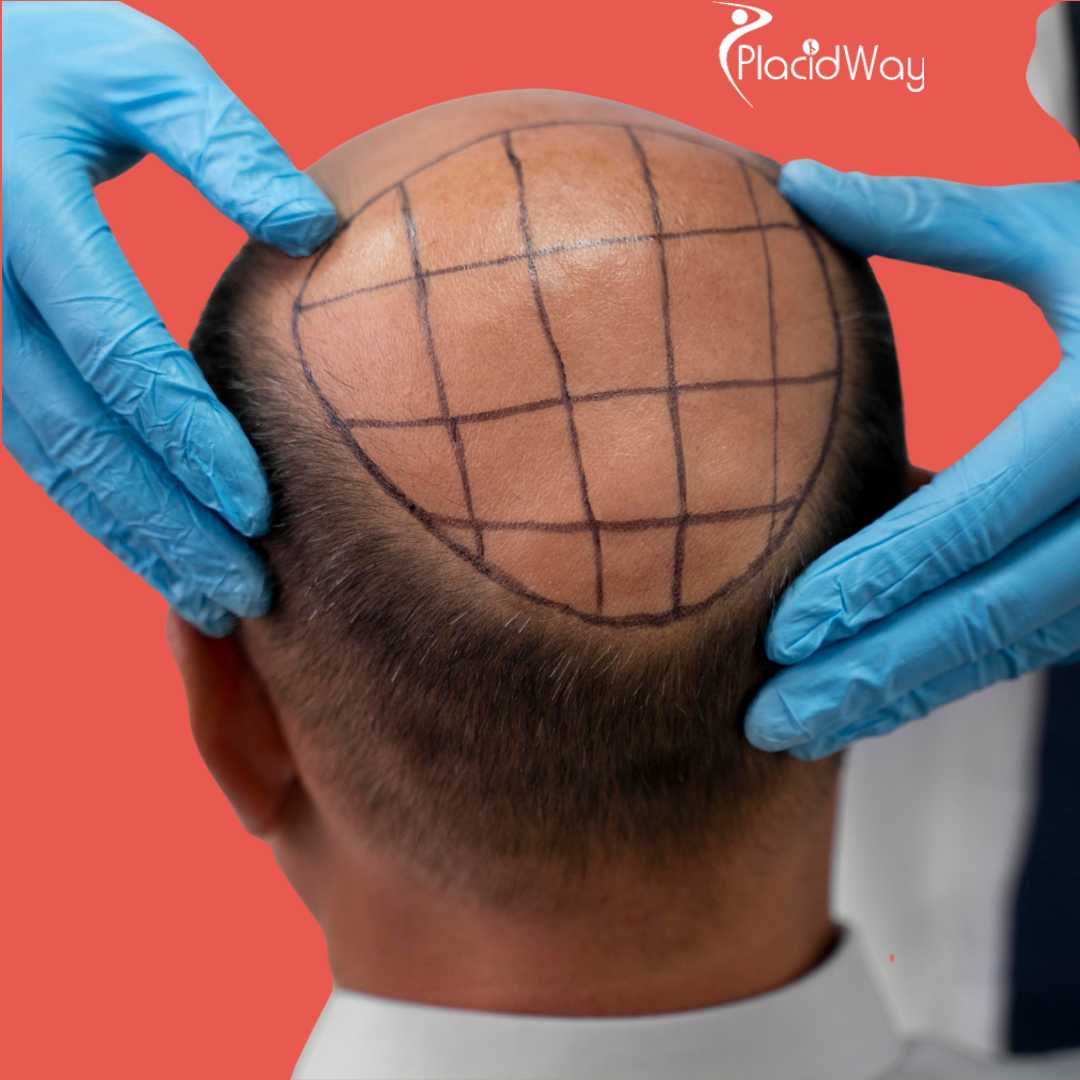
Once you arrive in person, the surgeon will draw a physical baseline on your face. This is your opportunity to review the aesthetic plan. Do not hesitate to discuss density limits and ensure the drawn lines match your expectations for a natural look.
Long-Term Maintenance and Final Results
A facial hair restoration is a permanent procedure. The hairs transplanted from the back of your scalp are genetically programmed to resist shedding. However, it takes nearly a full year to see the final, mature results of the surgery.
Once the transplanted hairs grow in, they will behave exactly like normal facial hair. You can trim, shave, and style your new beard. Keep in mind that scalp hair can sometimes have a slightly different texture than natural beard hair, though this usually softens and blends over time.
Maintaining the health of the underlying skin is crucial. Using high-quality beard oils and keeping the skin moisturized will improve the visual quality of the hair. Your doctor may also recommend specific vitamins to support ongoing hair health.
Alternative Treatments to Consider
Surgery is a significant commitment and should only be pursued after evaluating less invasive options. If you have fine, vellus hairs on your face, topical solutions like Minoxidil may help thicken existing hair without surgery.
Microneedling combined with topical treatments has shown some efficacy in stimulating blood flow to the facial hair follicles. Additionally, correcting underlying hormonal imbalances through endocrinological treatment can sometimes resolve patchy beard growth.
Discuss these alternatives with a board-certified dermatologist before booking a surgical procedure abroad. Surgery should be viewed as the definitive solution when non-invasive therapies have proven ineffective.
Frequently Asked Questions
Is a beard transplant in Istanbul, Turkey safe?
Yes, the procedure is generally safe when performed in a facility licensed by the Turkish Ministry of Health and executed by a board-certified surgeon registered with the Turkish Medical Association. Adhering to clinical guidelines drastically reduces complication risks.
How much does a beard transplant cost on average?
The estimated cost typically ranges from $1,500 to $3,500 USD. This price often encompasses the surgery, local anesthesia, post-operative medications, and hotel accommodations, though exact pricing depends on the number of grafts required.
Will the transplanted facial hair look natural?
When an experienced surgeon carefully controls the angle, depth, and direction of the implanted follicles using FUE or techniques, the final results blend naturally with your existing facial hair growth patterns.
Do they use hair from my head for my beard?
Yes, surgeons typically extract donor follicles from the back of your scalp. This hair is genetically resistant to hair loss and adapts well to the facial region, though it may take a few months for the texture to soften and match.
Is the extraction and implantation painful?
The surgery is performed under local anesthesia, meaning the actual extraction and implantation should be painless. You may feel initial pinching during the anesthetic injections and some soreness in the days following the procedure.
How many days do I need to stay in the country?
You should plan for a minimum stay of 3 to 4 days. This timeframe allows for the preoperative consultation, the surgery day, rest, and the vital first post-operative hair wash before your medical clearance to fly.
Can I shave normally after a facial hair restoration?
Yes, once the transplanted follicles have fully healed and matured—usually around the 6-month mark—you can treat them like natural facial hair. You may shave, trim, or let the beard grow out.
What is shock loss and is it normal?
Shock loss is a completely normal physiological response where the transplanted hair shafts shed between two to four weeks post-surgery. The follicle roots remain healthy beneath the skin and will generate new hair within a few months.
Will there be visible scars on my face?
Modern FUE and methods use micro-punches (typically 0.7mm to 0.9mm) that leave virtually invisible micro-scars on the face. Once healed, these microscopic marks are generally unnoticeable to the naked eye.
What qualifications should I look for in a doctor?
Ensure your surgeon is board-certified, registered with the Turkish Medical Association, and ideally affiliated with the International Society of Hair Restoration Surgery (ISHRS). Avoid clinics where unlicensed technicians perform the actual surgery.
Need Help Finding a Certified Clinic?
Navigating international healthcare can feel complex. PlacidWay can help you compare licensed providers, understand customized treatment costs, and request essential medical records directly from trusted specialists.
Request Free InformationDisclaimer: This information is for educational purposes only and does not replace professional medical advice. Always consult a qualified healthcare provider before making medical decisions.
References
- 2024 Practice Census Results – International Society of Hair Restoration Surgery (ISHRS)
- Health Tourism and Licensing Regulations – Republic of Turkey Ministry of Health
- Efficacy and Safety of FUE in Facial Hair Restoration (2024 Clinical Update) – National Center for Biotechnology Information (PubMed)
- Physician Registration and Ethical Guidelines – Turkish Medical Association (TTB)
- Guidelines on Hair Restoration Surgery (2024 Updates) – Journal of the German Society of Dermatology (JDDG)
- Travel Health Notices for Turkey – Centers for Disease Control and Prevention (CDC)

















Share this listing