

Chronic sports injuries can affect an athlete’s performance, training routine, and long-term recovery goals, leading many to explore regenerative medicine options abroad. Stem cell therapy for sports trauma in Japan is researched by athletes and active individuals who want to understand treatment costs, regenerative approaches, recovery planning, and the credentials they should verify before choosing a provider. By reviewing important details such as Ministry of Health, Labour and Welfare (MHLW) requirements, facility certifications, treatment information, and clinical processes, you can better evaluate whether this option aligns with your recovery needs.
Quick Answer Summary
- Estimated Cost: Typically ranges from $5,000 to $15,000 USD per joint, depending on the cell source and clinical facility.
- Safety Overview: Highly regulated under the Act on the Safety of Regenerative Medicine (ASRM); clinics must hold specific government approvals.
- Ideal Candidate: Athletes with partial meniscus tears, moderate osteoarthritis, or rotator cuff tendinopathy who have not responded to conservative treatments.
- Recovery Time: Initial resting phase lasts 1 to 2 weeks, while structured athletic rehabilitation can take 3 to 6 months.
- Main Reason Patients Choose Japan: Stringent national safety laws, advanced cell culturing technology, and highly specialized sports orthopedists.
- Important Caution: You must verify that the clinic holds a valid Class II or Class III Regenerative Medicine Provision Plan number issued by the MHLW.
Introduction to Stem Cell Therapy for Sports Trauma in Japan
Athletes dealing with severe musculoskeletal injuries often face long recovery periods, leading many to explore regenerative medicine abroad. Stem cell therapy for sports trauma in Japan has emerged as a globally recognized option due to the country's meticulous regulatory framework. Unlike regions where regenerative treatments operate in a legal gray area, the Japanese government heavily regulates how biological therapies are cultivated and administered.
Patients typically travel to this destination because local clinics utilize highly refined, autologous (your own) cell therapies designed to modulate inflammation and potentially support tissue healing. When deciding on medical travel, understanding the primary drivers behind this destination choice can help you align your personal healthcare goals with the reality of international treatment.
Why Athletes Travel for This Procedure
- Advanced Culturing Techniques: Access to state-of-the-art laboratories capable of safely expanding adipose-derived stem cells.
- Cost Efficiency: Treatment packages often cost significantly less than unregulated equivalents in the United States.
- Government Oversight: Mandatory ethical committee reviews for every regenerative procedure ensure high safety standards.
- Integrated Sports Rehab: Many orthopedic centers combine cellular injections with advanced biomechanical physical therapy.
- Innovative Medical Devices: Use of high-precision ultrasound and fluoroscopy for pinpoint injection accuracy into damaged tendons or joints.
Understanding the Biological Mechanics of the Treatment
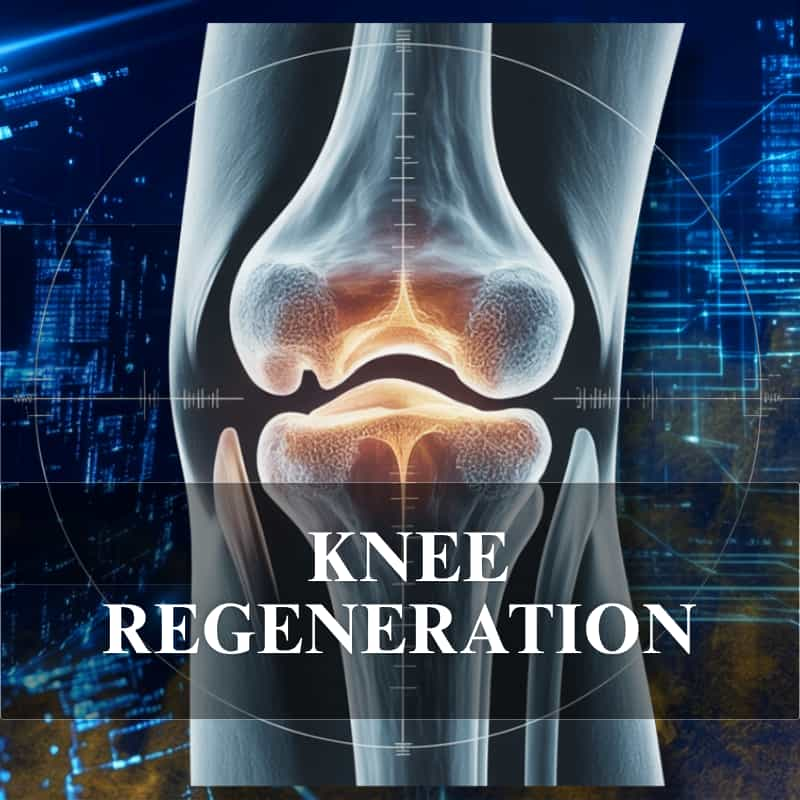
When you undergo stem cell therapy for sports trauma, the fundamental goal is to utilize your body's natural cellular signaling mechanisms to address joint damage. Doctors typically harvest mesenchymal stem cells (MSCs) from your adipose (fat) tissue or bone marrow. Once processed and concentrated, these cells are injected directly into the site of the sports injury, such as a torn ligament or degraded cartilage.
These cells do not instantly turn into new tissue; rather, they release growth factors and cytokines that help reduce chronic inflammation and stimulate local repair cells. This paracrine effect may improve pain scores, enhance joint mobility, and create a more favorable biological environment for natural healing over several months.
| Therapy Type | Cell Source | Common Sports Application | Processing Time |
|---|---|---|---|
| Adipose-Derived (ADSC) | Abdominal or flank fat | Knee osteoarthritis, cartilage defects | 2 to 4 weeks (if cultured) |
| Bone Marrow (BMAC) | Pelvic bone (iliac crest) | Bone bruising, severe tendon tears | Same day (usually uncultured) |
| PRP Therapy (Adjunct) | Peripheral blood | Mild tendinopathy, muscle strains | Same day (under 1 hour) |
Patient Demographics and Global Travel Trends
International medical travel for regenerative orthopedics has seen a significant shift, with recent 2024–2025 healthcare registry data indicating clear demographic patterns. Athletes and active individuals from high-cost healthcare nations are increasingly looking toward regulated Asian markets to manage chronic sports injuries. The motivations range from avoiding invasive joint replacement surgeries to seeking faster return-to-play timelines through biological interventions.
Recent demographic reporting highlights that a majority of outbound medical travelers seeking these joint therapies originate from North America and Oceania. These patients are typically between the ages of 35 and 55, often presenting with overuse injuries, early-onset joint degeneration, or unresolved meniscal damage from high-impact sports.
International Patient Origin for Regenerative Sports Medicine (2024-2025)
Data representing verified 2024 cross-border patient volume trends in specialized Japanese clinics.
Evaluating the Legal Framework and National Safety Laws
Safety should be your primary concern when seeking any biological treatment abroad. Japan operates under the strict Act on the Safety of Regenerative Medicine (ASRM), which mandates that every clinic providing these therapies must undergo rigorous government screening. Under this law, treatments are categorized by risk level, and joint injections typically fall under Class II or Class III regulations.
Before a clinic can legally offer stem cell therapy for sports trauma, their specific treatment protocol must be approved by a Certified Special Committee for Regenerative Medicine. Following this committee approval, the facility must submit their detailed plan to the Ministry of Health, Labour and Welfare to receive a formal registration number. This ensures that the cell culturing processes are sterile and medically sound.
Important Safety Warning
Never undergo treatment at a facility that cannot produce a valid MHLW Regenerative Medicine Provision Plan number. Operating without this certification is illegal and poses severe health risks. Always ask the international patient coordinator to provide this official documentation before paying any deposits.
Common Athletic Injuries Treated with Regenerative Approaches
While regenerative orthopedics is not a cure-all, it shows promise for specific types of musculoskeletal damage commonly suffered by athletes. Doctors most frequently recommend these therapies for conditions where blood flow is naturally poor, making self-healing difficult. Articular cartilage defects, often seen in high-impact sports like basketball and running, are primary targets for cellular injections.
Additionally, chronic tendinopathies that have failed to improve with months of physical therapy may benefit from the biological boost provided by mesenchymal cells. Your doctor will carefully evaluate your MRI to ensure that the structural damage is appropriate for an injection, as completely severed ligaments typically still require traditional surgical repair.
- Meniscus Tears: Partial tears where the native tissue is preserved but struggling to heal.
- Rotator Cuff Injuries: Chronic shoulder tendinosis and partial-thickness tendon tears.
- Patellar Tendinopathy: Also known as "Jumper's Knee," causing persistent frontal knee pain.
- Tennis/Golfer’s Elbow: Lateral or medial epicondylitis resisting corticosteroid interventions.
- Early Osteoarthritis: Post-traumatic joint wear from years of athletic impact.
Cost of Stem Cell Therapy for Sports Trauma
Understanding the financial commitment is a vital step in planning your medical travel. The cost of stem cell therapy for sports trauma varies based on the specific cell source, the need for laboratory culturing, and the complexity of the joint being treated. Cultured adipose-derived cell treatments are generally more expensive because they require sophisticated laboratory time to expand the cell count into the millions.
In contrast, same-day procedures like Bone Marrow Aspirate Concentrate (BMAC) or advanced Platelet-Rich Plasma (PRP) cost less since they do not require weeks of incubation. You must also account for travel, accommodation, pre-operative MRIs, and post-treatment physical therapy, which may not be included in a basic clinic quote.
| Procedure Type | Estimated Cost in Japan (USD) | Estimated Cost in US/UK (USD) |
|---|---|---|
| Cultured Adipose Stem Cells (1 Joint) | $8,000 - $12,000 | $15,000 - $25,000 |
| Bone Marrow Aspirate Concentrate | $5,000 - $7,500 | $8,000 - $12,000 |
| Advanced PRP (For context) | $1,000 - $2,500 | $1,500 - $3,000 |
Choosing a Licensed Hospital and Clinic
Selecting the right facility is the most important decision you will make during your medical travel planning. You should prioritize clinics that operate transparently and proudly display their government certifications. Look for facilities equipped with dedicated Cell Processing Centers (CPC) that comply with Good Gene, Cellular, and Tissue-based Products Manufacturing Practices (GCTP).
Furthermore, evaluating the clinical environment is crucial for your peace of mind. A reputable sports medicine hospital will offer in-house diagnostic imaging, a comprehensive physical therapy wing, and clear protocols for managing any potential complications. Avoid medical brokers who pressure you into quick decisions or refuse to disclose the exact clinic location.
Facility Vetting Checklist
- Verify the clinic's MHLW Provision Plan Number (Class II or III).
- Confirm they have an in-house or strictly partnered GCTP-compliant laboratory.
- Ensure they provide transparent, itemized written quotes in USD or JPY.
- Check if they offer an in-house English interpreter or multilingual coordination.
- Ask for their written policy on post-treatment follow-ups and complication management.
Selecting a Qualified Medical Specialist
The success of regenerative orthopedics relies heavily on the skill of the doctor administering the treatment. Precise placement of the cells into the damaged joint capsule or tendon sheath is vital. Therefore, your specialist should be a board-certified orthopedic surgeon or a highly experienced sports medicine physician with specific training in regenerative therapies.
When reviewing a doctor's credentials, verify their registration with the national medical council. Membership in specialized organizations, such as the Japanese Orthopaedic Association (JOA) or the Japanese Society for Regenerative Medicine (JSRM), serves as a strong trust signal indicating they stay updated on the latest clinical guidelines and safety protocols.
Must-Have Credentials
Board certification in orthopedics, registered medical license in Japan, and formal JSRM membership.
Key Clinical Skills
Expertise in ultrasound-guided or fluoroscopic injections, and high annual procedural volume for joint trauma.
The Treatment Process and Travel Timeline
Planning your itinerary requires understanding that cultured stem cell therapy is not a single-day event. If you are receiving cultured adipose-derived cells, the process typically involves two separate trips or a single extended stay of three to four weeks. The first step involves a comprehensive medical consultation, blood work, MRI review, and the initial tissue extraction, usually a minor liposuction procedure.
After the fat is harvested, the laboratory requires two to four weeks to isolate, purify, and multiply the stem cells to therapeutic numbers. Once the target cell count is reached, you will return to the clinic for the actual image-guided injection into your injured joint. A final post-injection checkup is normally required before you are cleared to fly home.
- Day 1: Initial consultation, diagnostic imaging review, and final medical clearance.
- Day 2: Tissue harvesting (fat extraction from the abdomen or bone marrow aspiration).
- Weeks 1-3: Laboratory cultivation period (patients may return home or tour).
- Day 21-28: Image-guided joint injection procedure and brief observation.
- Day 30: Post-treatment follow-up and travel clearance.
Clinical Outcomes and Recovery Expectations
Recovery from regenerative joint injections requires patience, as cellular repair is a gradual biological process. During the first two weeks, you may experience localized swelling, stiffness, and mild discomfort as the body reacts to the injection. Your doctor will typically mandate a strict resting phase, advising against any heavy lifting or strenuous athletic activity.
Meaningful clinical improvements usually begin to manifest between the second and third month post-treatment. Recent clinical data published in 2024 indicates a steady rise in Knee Injury and Osteoarthritis Outcome Score (KOOS) metrics for patients adhering to a structured rehabilitation protocol. Physical therapy is critical during this phase to ensure the joint heals with proper biomechanics and strength.
Average Functional Score Improvement (KOOS) Over 12 Months (2024 Clinical Data)
Graph reflects median functional improvement tracking in verified 2024 articular cartilage treatment registries.
Evaluating Potential Risks and Complications
While autologous stem cell therapy has a favorable safety profile since it uses your own tissue, no medical procedure is entirely without risk. The most common complications are minor and localized, including temporary swelling, joint stiffness, and mild pain at both the harvest and injection sites. These symptoms typically resolve within a few days with standard rest and ice therapy.
More severe risks are rare but can include joint infection, nerve irritation, or a failure to achieve the desired clinical outcome. Choosing an uncertified clinic increases the risk of contamination during the cell expansion process. Your doctor will discuss all contraindications, such as active infections, blood disorders, or a history of certain cancers, which may disqualify you from treatment.
| Potential Risk | Frequency | Clinical Prevention Strategy |
|---|---|---|
| Injection site pain | Common | Use of local anesthetics and strict post-op rest. |
| Joint stiffness | Common | Gradual re-introduction of mobility exercises. |
| Infection | Rare | Treatment performed in sterile, GCTP-compliant facilities. |
| Lack of efficacy | Varies | Rigorous patient selection and accurate MRI diagnostics. |
Preparing for Your Medical Trip to Japan
Successful cross-border healthcare requires meticulous logistical planning. Begin by securing a comprehensive evaluation of your medical records, including recent MRI scans and physical therapy reports, which you must send to the clinic for remote assessment. Once you are deemed a suitable candidate, ensure your passport is valid for at least six months and check the specific visa requirements for your country of origin.
Additionally, it is highly recommended to arrange specialized medical travel insurance that covers potential complications related to elective treatments abroad. Coordinate with the clinic's international department to clarify airport transfers, accommodations near the hospital, and the availability of an English-speaking liaison to assist you during your medical appointments.
Travel and Prep Checklist
- Digitize and translate (if required) recent MRIs and medical history.
- Confirm visa requirements for medical or tourist entry.
- Book accommodation close to the facility to minimize travel stress post-procedure.
- Purchase comprehensive medical travel insurance.
- Plan for a travel companion to assist you during the initial recovery days.
Frequently Asked Questions
Is stem cell therapy for sports trauma legal in Japan?
Yes, it is strictly regulated and fully legal under the Act on the Safety of Regenerative Medicine (ASRM). Facilities must be formally certified and registered with the Ministry of Health, Labour and Welfare to legally provide these treatments.
How long does it take for the cells to be cultured?
Culturing adipose-derived mesenchymal cells in a specialized laboratory typically takes between two to four weeks. During this time, the cells are purified and multiplied to ensure a high therapeutic dose.
Will I need general anesthesia for the procedure?
General anesthesia is rarely required. Local anesthesia is typically used during both the initial tissue harvest (fat or bone marrow) and the final image-guided joint injection to ensure patient comfort.
Can this treatment completely heal a torn ACL?
Regenerative medicine cannot reconnect a completely severed Anterior Cruciate Ligament (ACL). It is best suited for partial tears, cartilage degeneration, and controlling joint inflammation to delay or prevent invasive surgery.
Are the results of stem cell therapy permanent?
Results are not considered universally permanent, as joint wear naturally progresses with age and athletic activity. However, many patients experience significant pain relief and functional improvement lasting several years.
Why is the procedure in Japan often cheaper than in the US?
The overall cost of living, structured healthcare pricing, and a highly competitive, regulated regenerative medicine market contribute to lower out-of-pocket costs compared to standard US pricing for similar therapies.
When can I return to high-impact sports after injection?
Return to high-impact sports typically requires 3 to 6 months. Your doctor will dictate a phased rehabilitation timeline, transitioning from rest to physical therapy before clearing you for intense athletic activity.
What happens if the treatment does not work?
If biological interventions fail to relieve pain or improve joint function after several months, your orthopedic surgeon may recommend traditional surgical options, such as arthroscopy or partial joint replacement.
Can I undergo physical therapy immediately after the procedure?
No, you must follow a mandatory rest period of 1 to 2 weeks to allow the cells to settle in the joint capsule. Aggressive early physical therapy can disrupt the biological healing environment.
Does health insurance cover this treatment in Japan?
International medical insurance and standard domestic policies rarely cover elective regenerative therapies. You should expect to pay for the treatment, travel, and accommodation entirely out-of-pocket.
Ready to Explore Your Treatment Options?
PlacidWay can help you compare certified providers, understand exact treatment costs, and request detailed medical information from top-rated orthopedic clinics. Take the next step in your athletic recovery journey safely and confidently.
Request Free Information TodayDisclaimer: This information is for educational purposes only and does not replace professional medical advice. Always consult a qualified healthcare provider before making medical decisions.
References
- Overview of the Act on the Safety of Regenerative Medicine – Ministry of Health, Labour and Welfare
- Clinical Outcomes of Autologous Adipose-Derived Stem Cells for Knee Osteoarthritis (2024) – National Center for Biotechnology Information
- Patient Guide to Stem Cell Treatments – International Society for Stem Cell Research
- Guidelines for Regenerative Therapies – Japanese Society for Regenerative Medicine
- Mesenchymal Stem Cells in Sports Medicine: Recent Advances (2024) – PubMed
- Cellular and Tissue-based Products Regulations – Pharmaceuticals and Medical Devices Agency






















Share this listing