
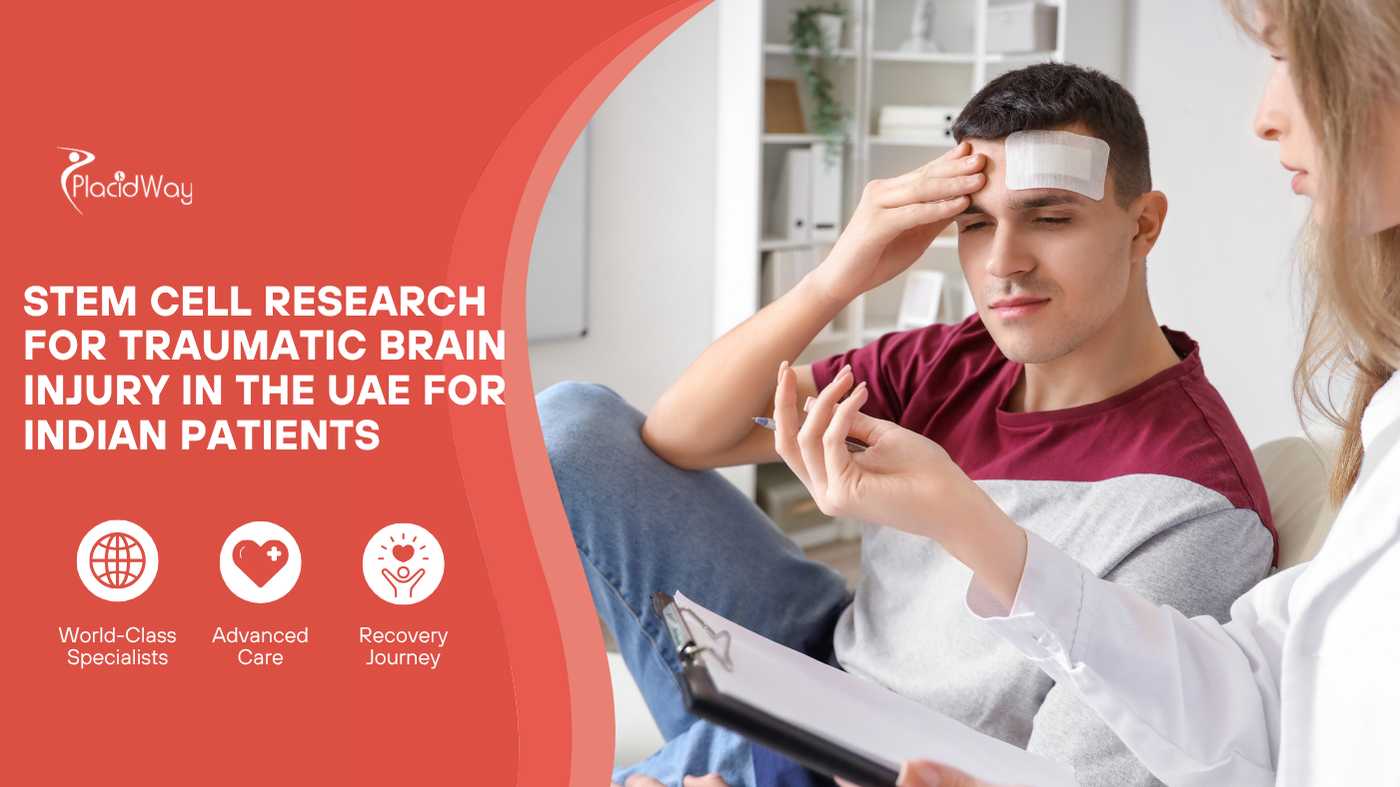
For Indian patients exploring stem cell research for traumatic brain injury (TBI) in the UAE, understanding the science, clinical evidence, and regulatory environment is essential before considering treatment abroad. Traumatic brain injury can affect movement, memory, communication, emotions, and daily functioning, and researchers worldwide are studying whether stem cells may support neurological repair processes. However, stem cell approaches for TBI remain under investigation and are not established as a guaranteed treatment or cure.
The UAE has developed healthcare research frameworks for regenerative medicine and clinical studies, but patients should carefully verify whether a proposed stem cell intervention is part of an approved research pathway or a commercially offered treatment. Indian patients should review provider credentials, regulatory approvals, scientific evidence, and long-term follow-up plans before traveling.
Quick Summary: Stem Cell Research for Traumatic Brain Injury in the UAE
- Research status: Stem cell therapy for traumatic brain injury is an emerging research field. Clinical studies are investigating safety and possible neurological effects, but more evidence is needed before routine use.
- Who may explore this option: Patients with traumatic brain injury may seek research information depending on injury severity, medical history, recovery stage, and specialist evaluation.
- Why Indian patients consider UAE: Some patients explore the UAE because of advanced healthcare infrastructure, international medical services, and access to specialized consultations.
- Safety consideration: Patients should understand possible risks, uncertain outcomes, and the difference between clinical research and approved treatments.
- Provider verification: Review UAE healthcare licensing, research approvals, ethics oversight, physician qualifications, and laboratory standards before treatment.
- Cost factors: Costs depend on medical evaluation, research or treatment pathway, hospital services, travel, accommodation, and follow-up requirements.
Understanding Stem Cell Research for Traumatic Brain Injury in the UAE
Traumatic brain injury occurs when an external force causes damage to the brain. Causes may include falls, vehicle accidents, sports injuries, or other physical trauma. Depending on the injury, patients may experience difficulties with movement, speech, memory, concentration, emotional regulation, or independence.
Stem cell research for traumatic brain injury focuses on whether certain types of cells may influence biological processes involved in healing, inflammation regulation, or communication between cells. Researchers are investigating whether stem cells may have supportive roles in neurological repair, but current evidence does not establish them as a standard replacement for rehabilitation or established neurological care.
| Research Area | What Scientists Study | Patient Meaning |
|---|---|---|
| Neural Repair Mechanisms | Researchers examine whether cells may support damaged neurological pathways. | Research findings do not guarantee functional recovery. |
| Inflammation Response | Studies investigate how cells may affect inflammatory processes after injury. | The role of inflammation in TBI remains complex. |
| Functional Recovery | Clinical studies monitor neurological and functional outcomes. | Results can vary significantly between patients. |
Why Indian Patients Explore Traumatic Brain Injury Stem Cell Research in the UAE
Some Indian patients explore medical options in the UAE when seeking additional neurological opinions, access to specialized healthcare facilities, or participation in emerging regenerative medicine discussions. The UAE has invested in healthcare research infrastructure, including systems for reviewing human subject research and stem cell-related activities.
However, traveling internationally for an investigational therapy requires careful planning. Patients should compare the scientific evidence, regulatory status, expected follow-up, and total costs rather than choosing a destination based only on availability.
- Patients may seek additional neurological evaluations after traumatic brain injury.
- Families may explore regenerative medicine research programs.
- Some patients compare healthcare systems between India and the UAE.
- International patients may look for multidisciplinary neurological support.
- Patients should plan continued care after returning to India.
Current Clinical Research Status of Stem Cell Therapy for Traumatic Brain Injury
Clinical research into stem cells for traumatic brain injury is ongoing. Researchers are evaluating different cell types, delivery methods, safety outcomes, and possible effects on neurological recovery. Some studies have explored mesenchymal stem cells and other cell-based approaches, but results remain under evaluation.
A major challenge in TBI research is that injuries vary widely. Factors such as injury location, severity, time since injury, age, rehabilitation participation, and overall health can influence outcomes. Because of this variation, researchers continue working to identify which approaches may be appropriate for specific patient groups.
| Research Stage | Purpose | Current Understanding |
|---|---|---|
| Laboratory Studies | Study cell behavior and biological effects. | Provides scientific information but not direct patient outcomes. |
| Early Clinical Studies | Evaluate safety and feasibility. | Requires further validation. |
| Future Larger Trials | Compare outcomes using controlled research methods. | Needed before widespread clinical adoption. |
Stem cell research findings should not be interpreted as proof that a treatment will restore brain function or reverse traumatic brain injury. Patients should discuss evidence, risks, and alternatives with qualified healthcare professionals.
UAE Regulatory Framework for Stem Cell Research and Traumatic Brain Injury Treatment
Indian patients considering stem cell research for traumatic brain injury in the UAE should understand the country's regulatory environment before making healthcare decisions. The UAE has developed healthcare oversight systems that regulate medical facilities, research activities, and advanced therapies. The specific requirements may differ depending on the emirate, healthcare authority, and whether the activity is classified as research or clinical care.
Stem cell-related activities require careful oversight because they involve biological materials and potential risks. Patients should confirm whether a proposed intervention has approval from relevant UAE authorities, whether it is part of a registered clinical study, and whether ethical review has been completed where required.
| UAE Authority / System | Role | Patient Relevance |
|---|---|---|
| Ministry of Health and Prevention (MOHAP) | Federal healthcare oversight and regulation. | Patients can verify healthcare standards and regulatory requirements. |
| Department of Health – Abu Dhabi (DoH) | Regulates healthcare services and research activities in Abu Dhabi. | Important for facilities located in Abu Dhabi. |
| Dubai Health Authority (DHA) | Regulates healthcare facilities and professionals in Dubai. | Patients should verify facility licensing in Dubai. |
| Research Ethics Committees | Review ethical aspects of human research. | Important for experimental stem cell studies. |
Estimated Stem Cell Treatment Cost Comparison for Traumatic Brain Injury
$8k-$25k
$15k-$35k
$40k-$80k+
$5k-$20k
Illustrative TBI Stem Cell Recovery Monitoring Timeline
Assessment Cell
Administration Rehabilitation Functional
Monitoring Long-Term
Follow-Up
Ask whether the stem cell approach is an approved medical treatment, a clinical trial, or an experimental procedure. These categories have different levels of evidence and oversight.
Clinical Findings in Stem Cell Research for Traumatic Brain Injury
Research into stem cells for traumatic brain injury has focused on understanding whether certain cells may support neurological repair processes. Scientists are studying possible mechanisms including reduced inflammation, support of damaged neural environments, and promotion of recovery pathways.
Some early clinical studies have investigated safety and possible neurological changes after stem cell administration. However, differences in study design, patient characteristics, cell types, and measurement methods make it difficult to draw broad conclusions. Larger and carefully controlled studies are still needed.
| Clinical Research Area | What Researchers Evaluate | Current Limitation |
|---|---|---|
| Safety | Monitoring adverse events and procedure-related concerns. | Long-term effects require continued study. |
| Neurological Function | Changes in movement, cognition, or daily function. | Results may differ significantly among patients. |
| Cell Delivery Methods | Researchers compare different approaches. | No universally accepted treatment protocol exists. |
Patient Demographics: Indian Patients Exploring TBI Stem Cell Research in the UAE
Indian patients considering traumatic brain injury stem cell research in the UAE may include individuals recovering from accidents, sports injuries, falls, or other causes of brain trauma. Some patients explore international options when seeking additional medical opinions, advanced rehabilitation programs, or access to emerging research discussions.
There is no publicly available comprehensive database showing the exact number of Indian patients traveling specifically for TBI stem cell research in the UAE. Patient decisions often depend on injury severity, available treatment options in India, family support, financial considerations, and medical recommendations.
| Patient Profile | Why They May Explore UAE Options | Important Consideration |
|---|---|---|
| Patients After Severe TBI | Seeking additional neurological opinions or rehabilitation support. | Medical stability and rehabilitation needs must be assessed. |
| Patients With Long-Term Symptoms | Exploring emerging research options. | Experimental treatments require realistic expectations. |
| Families Seeking Additional Opinions | Comparing international healthcare pathways. | Continuity of care after returning to India is essential. |
Choosing Hospitals for Stem Cell Research for Traumatic Brain Injury in the UAE
Choosing a healthcare facility requires evaluating regulatory compliance, medical expertise, research transparency, and patient safety systems. Patients should not rely only on marketing information or treatment availability. A suitable facility should explain the scientific basis of the proposed approach, provide information about responsible physicians, clarify regulatory status, and discuss realistic expectations.
| Verification Point | Why It Matters |
|---|---|
| Healthcare License | Confirms the facility is authorized to provide healthcare services. |
| Research Approval | Important when treatment involves clinical investigation. |
| Specialist Team | TBI management may require neurologists, rehabilitation specialists, and other experts. |
| Emergency Capability | Patients should understand available emergency support. |
- Confirm healthcare authority licensing.
- Ask whether the treatment is research or approved care.
- Review physician qualifications.
- Request information about laboratory standards.
- Understand follow-up arrangements after returning to India.
Cost Considerations for Stem Cell Research for Traumatic Brain Injury in the UAE
The cost of exploring stem cell research for traumatic brain injury in the UAE varies depending on the patient's medical condition, evaluation requirements, healthcare facility, specialist involvement, research pathway, rehabilitation needs, and length of stay. Since stem cell approaches for TBI remain investigational, there is no universal treatment price applicable to all patients.
Indian patients should request a detailed written estimate before traveling. A transparent cost discussion should explain whether charges relate to medical consultations, diagnostic assessments, research participation, procedures, rehabilitation services, accommodation, or additional follow-up care.
Patients should avoid making healthcare decisions based only on price. The scientific evidence, regulatory status, medical team qualifications, and follow-up planning are equally important.
Possible Expenses for Traumatic Brain Injury Stem Cell Research in the UAE
| Expense Category | Possible Inclusions | Factors Affecting Cost |
|---|---|---|
| Neurological Evaluation | Specialist consultation, medical history review, neurological assessment. | Complexity of injury and specialist requirements. |
| Diagnostic Testing | Imaging studies, functional assessments, laboratory investigations. | Existing medical records and additional tests required. |
| Stem Cell Research-Related Services | Cell processing, medical monitoring, research-related procedures where applicable. | Protocol requirements and regulatory classification. |
| Rehabilitation Services | Physical therapy, occupational therapy, neurological rehabilitation. | Duration and intensity of rehabilitation. |
| Travel Expenses | Flights, accommodation, transportation, caregiver costs. | Length of stay and patient support requirements. |
Comparing Traumatic Brain Injury Care Costs Between India and the UAE
Indian patients may compare UAE healthcare options with available treatment pathways in India. Cost comparisons should consider not only medical expenses but also regulatory standards, specialist access, travel requirements, rehabilitation continuity, and long-term follow-up.
| Factor | India | UAE |
|---|---|---|
| Healthcare Costs | Often lower overall treatment costs compared with many international destinations. | Costs may be higher due to healthcare infrastructure and international patient services. |
| Specialist Access | Large healthcare network with neurological and rehabilitation services. | Access to internationally oriented healthcare facilities. |
| Travel Requirements | Domestic travel may be simpler for Indian patients. | Requires international travel planning and follow-up arrangements. |
| Research Evaluation | Availability depends on specific institutions and research programs. | Patients should verify regulatory status of specific programs. |
Risks and Limitations of Stem Cell Approaches for Traumatic Brain Injury
Stem cell research for traumatic brain injury involves scientific uncertainty. While researchers are investigating possible neurological benefits, patients should understand that outcomes cannot be predicted with certainty and that risks may vary depending on the treatment approach.
| Risk or Limitation | Explanation | Patient Consideration |
|---|---|---|
| Limited Evidence | Many applications remain under clinical investigation. | Ask for peer-reviewed research supporting the approach. |
| Variable Outcomes | TBI severity and patient factors affect recovery. | Avoid providers promising predictable results. |
| Procedure-Related Risks | Medical procedures may carry risks depending on method. | Understand possible complications before treatment. |
| Follow-Up Challenges | International patients may need ongoing monitoring. | Plan continuing care in India. |
Stem cell research should not be presented as a guaranteed way to repair brain damage, restore lost abilities, or replace established traumatic brain injury rehabilitation.
Recovery Expectations After Stem Cell Research Procedures for TBI
Recovery after a stem cell therapy related intervention depends on the patient's injury characteristics, overall health, rehabilitation participation, and the specific procedure involved. Because these approaches remain under study, recovery timelines are not standardized.
| Timeframe | Clinical Focus | Patient Action |
|---|---|---|
| Before Treatment | Medical evaluation and eligibility assessment. | Provide complete medical history. |
| Early Follow-Up | Monitoring health and treatment response. | Attend follow-up appointments. |
| Long-Term Monitoring | Assessment of neurological function and rehabilitation goals. | Continue recommended rehabilitation. |
Travel Planning Checklist for Indian Patients Visiting UAE for TBI Stem Cell Research
| Planning Stage | Recommended Steps |
|---|---|
| Medical Preparation | Collect imaging reports, diagnosis records, rehabilitation notes, and medication history. |
| Provider Verification | Confirm licensing, research approval status, and physician qualifications. |
| Post-Travel Care | Arrange follow-up with healthcare providers after returning to India. |
Choosing Doctors for Stem Cell Research for Traumatic Brain Injury in the UAE
Selecting the right medical team is an important step for Indian patients exploring traumatic brain injury stem cell research in the UAE. Because TBI involves complex neurological changes, patients should look for physicians with appropriate training in neurology, neurosurgery, rehabilitation medicine, or related specialties depending on their individual condition.
Doctors involved in regenerative medicine should provide balanced information about potential benefits, scientific limitations, risks, and available alternatives. A responsible medical professional should explain whether the approach is experimental and whether evidence supports its use for the patient's specific injury.
| Credential to Review | Why It Matters |
|---|---|
| Professional License | Confirms the physician is authorized to practice within the UAE healthcare system. |
| Neurology or Related Specialty Training | Shows relevant expertise in brain injury management. |
| Research Experience | Important when discussing experimental stem cell approaches. |
| Transparent Communication | Doctors should explain evidence, uncertainties, and realistic expectations. |
- Is this stem cell approach approved or investigational?
- What scientific evidence supports this treatment?
- What are the possible risks and limitations?
- Who will manage follow-up after returning to India?
- What rehabilitation plan is recommended after treatment?
Role of Rehabilitation After Traumatic Brain Injury Stem Cell Research
Rehabilitation remains a central part of traumatic brain injury recovery. Even when patients explore emerging therapies, rehabilitation programs may continue to support improvements in mobility, communication, cognitive skills, independence, and daily activities.
A multidisciplinary rehabilitation plan may involve neurologists, physiatrists, physical therapists, occupational therapists, speech therapists, psychologists, and other healthcare professionals depending on the patient's needs.
| Rehabilitation Area | Purpose | Patient Benefit |
|---|---|---|
| Physical Therapy | Support movement, strength, and coordination. | Helps patients work toward functional goals. |
| Occupational Therapy | Improve daily living skills. | Supports independence. |
| Speech and Cognitive Therapy | Address communication and cognitive challenges. | Supports recovery goals based on individual needs. |
Frequently Asked Questions About Stem Cell Research for Traumatic Brain Injury in the UAE
Is stem cell therapy for traumatic brain injury approved in the UAE?
The approval status depends on the specific stem cell approach, medical condition, and regulatory pathway. Patients should confirm whether a treatment is approved, part of research, or experimental.
Can stem cells repair brain damage after traumatic brain injury?
Researchers are studying whether stem cells may support neurological repair mechanisms, but current evidence does not prove that stem cells can fully repair brain damage or guarantee recovery.
Why do Indian patients consider TBI stem cell research in the UAE?
Some Indian patients explore UAE options for additional medical opinions, access to specialized healthcare facilities, or information about emerging regenerative medicine research.
How much does stem cell research for traumatic brain injury cost in the UAE?
Costs vary depending on evaluation requirements, medical services, research pathway, rehabilitation, travel, and follow-up needs. Personalized estimates are required.
What documents should Indian patients prepare before traveling?
Patients should prepare medical records, brain imaging reports, diagnosis information, rehabilitation history, medication details, and previous specialist evaluations.
What risks should patients understand before stem cell therapy?
Possible concerns may include uncertain outcomes, procedure-related risks, immune reactions, and limited information about long-term effects.
Should patients stop rehabilitation before stem cell treatment?
Patients should not stop established rehabilitation programs without discussing changes with their healthcare team.
Explore Traumatic Brain Injury Treatment Options With PlacidWay
Exploring advanced medical options internationally requires careful research and informed decisions. PlacidWay helps patients compare healthcare providers, understand treatment considerations, review important questions, and request information from medical facilities.
Disclaimer
This information is for educational purposes only and does not replace professional medical advice. Always consult a qualified healthcare provider before making medical decisions.
References
- Standards for Stem Cell Services – Dubai Health Authority
- Research and Clinical Studies – Department of Health Abu Dhabi
- Clinical Trials Database – National Library of Medicine
- Guidelines for Stem Cell Research and Clinical Translation – International Society for Stem Cell Research
- Stem Cells – World Health Organization






















Share this listing