
An Ethiopian patient’s claim-checking ledger
Knee Replacement in Istanbul, Turkey: What Five Common Claims Leave Out
“The hospital will handle everything, including when you fly home. Isn’t that what the package means?”
That message from a skeptical relative is a composite, not a quotation from a real patient. It captures a fair concern. If you live in Ethiopia and are thinking about surgery in Istanbul, you need more than an attractive price and a photograph of a hospital. You need to know who will operate, what the quote covers, how long you may need near the hospital and who will help if your knee needs attention after you return.
This ledger follows the decisions you are likely to make, from choosing a surgical team to arranging care back home. Each claim receives a verdict. A partly true claim keeps the useful part rather than dismissing it.
Before choosing a hospital · Claim 01
“A big Istanbul hospital name is enough to prove my operation will be safe.”
Verdict: Wrong
A hospital’s size, reputation or international-patient desk can make arranging care easier. None is a substitute for checking the surgeon, the specific hospital where the operation will happen and the plan for your particular health risks. Knee replacement is major surgery. Infection, blood clots, bleeding, stiffness, persistent pain and complications related to anesthesia are real possibilities. Your own risk depends in part on your health, the procedure and the care you receive before and after it.
Ask for the operating surgeon’s full name, orthopedic qualifications and experience with the procedure being proposed. Confirm the actual hospital and whether it holds current accreditation from a recognized body. Accreditation is one useful check of organizational processes, not a promise about your individual result. Ask how the team prevents infection and blood clots, how it responds to an unexpected complication and whether you will have access to urgent assessment outside routine appointment hours.
Documented outcomes deserve careful questions rather than impressive-sounding percentages without context. A provider may be able to share how it records infections, readmissions, revisions and patient-reported improvement. Ask what period the figures cover, how many comparable knee replacements they include and whether complications after international patients return home are captured. If comparable figures are unavailable, that does not automatically rule out a provider. It does mean you should not treat an unsupported claim of exceptional results as evidence.
This matters particularly if you have diabetes, heart or lung disease, kidney problems, anemia or medicines that affect bleeding. Arrange a review with your clinician in Ethiopia before committing to travel. The Istanbul team should review your records and decide what testing or specialist clearance is needed. If language support matters to you or a family member, ask who can interpret during consent and postoperative instructions rather than assuming an international desk provides clinical interpretation.
Caution: Choose a named surgical team and a documented safety plan, not a hospital label alone.
When discussing the operation · Claim 02
“If I pay for the most expensive implant, the result will take care of itself.”
Verdict: Mostly wrong
Implant quality and suitability matter. Price alone does not tell you whether a particular design is right for your knee, nor does it replace sound surgical technique, infection prevention and rehabilitation. For many people with advanced arthritis, total knee replacement aims to reduce pain and improve everyday function. The degree of improvement varies. Some people continue to notice discomfort, limited bending or difficulty kneeling even after a technically successful operation.
An orthopedic surgeon should first confirm that surgery is appropriate. Bring recent imaging and a list of treatments you have already tried, such as exercise-based therapy, medicines or injections. Ask whether the recommendation is for a total or partial replacement, and why. A partial replacement is suitable only for certain patterns of joint damage. If your knee was replaced before, tell the team immediately. Revision surgery is not the standard primary replacement described in the price ranges on this page and usually needs a different assessment and quote.
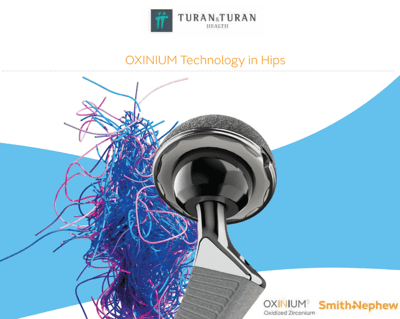
Before paying a deposit, request the implant manufacturer, model and proposed materials in writing. Ask whether the quoted implant is the one the surgeon expects to use, what could make that choice change during surgery and what any alternative would cost. A written implant record after the operation may help future clinicians in Ethiopia identify what was used. You can also ask how the team assesses alignment, stability and mobility, and what it expects you to be able to do during the first weeks of recovery.
A family member may have heard of a particular brand through relatives abroad. That is a reasonable starting point for a question, not a basis for choosing a device without a clinical assessment. Discuss your walking goals honestly. Being able to shop, use stairs or attend family and community events may matter more to you than a marketing claim about an implant’s design.
Reassurance: You can ask for the exact implant details and the surgeon’s reasoning before agreeing to the procedure.
Before paying a deposit · Claim 03
“A knee replacement package covers the whole trip.”
Verdict: Partly true
The true part: A standard package may include the implant, surgeon, anesthesia, hospital stay and initial inpatient care. It can simplify comparison once every inclusion is written down.
For a standard unilateral primary total knee replacement in Istanbul, an approximate package planning range is $8,000–$15,000. That is a starting estimate, not a promise of your final bill. Flights, a companion’s costs and extended accommodation are usually separate. Outpatient physiotherapy, extra tests, specialist reviews, medicines after discharge, extra hospital nights or treatment of complications may also be outside a quoted package. What is included varies by provider.
If you earn and save in Ethiopian birr but receive a quote in US dollars, calculate the amount you will actually need to pay using the exchange rate and payment method available to you. Ask whether the hospital accepts your intended card or transfer method, when payment is due, what currency it invoices in and what happens if your bank’s conversion rate changes. Do not assume a locally advertised birr equivalent will remain fixed. If you have private insurance, obtain written confirmation of any overseas benefit and preauthorization requirements. Do not assume that a package advertised to self-pay patients is covered by an Ethiopian policy.
Request an itemized quote with the expected implant, hospital nights, anesthesia, medicines, routine physiotherapy, preoperative tests and follow-up visits listed. Ask for the price of an additional night and the policy if the surgeon recommends a different implant or if travel must be postponed after the preoperative assessment. If you are considering both knees, do not double a unilateral quote and assume it describes the plan. Staged and simultaneous procedures have different clinical considerations, recovery demands and prices.
Your total trip budget also needs a realistic place to stay after hospital discharge, transport to follow-up appointments and food for you and any companion. A companion may be especially useful during the first days outside hospital, when shopping, collecting medicines and moving around an unfamiliar building are tiring. Ask what assistance is available if you travel alone. Your clinician and surgical team should help decide what level of support is appropriate.
Caution: Treat the advertised package as one part of the trip budget until you receive a complete written quote.
A comparison before you commit
Put Istanbul’s quote beside four real alternatives
A lower package estimate is useful information, but it cannot rank clinical safety or predict your recovery. The ranges below are approximate planning figures for a standard unilateral primary total knee replacement. They generally describe routine hospital-based care, not the entire journey from Ethiopia and back. Providers must confirm current prices, exclusions and whether your case qualifies for the quoted package.
| Destination | Estimated package | What to clarify |
|---|---|---|
| Istanbul, Turkey | $8,000–$15,000 | Implant, surgeon, anesthesia, hospital stay and initial inpatient care are generally included. Flights and extended accommodation are usually separate. |
| Ankara, Turkey | $7,500–$14,000 | Check what routine inpatient care covers and how you would reach the hospital from Ethiopia. |
| New Delhi, India | $5,000–$9,000 | Basic inpatient rehabilitation may be included. Confirm the outpatient plan and travel time. |
| Chennai, India | $4,500–$8,500 | Initial physiotherapy may be included. Ask how many sessions and where they take place. |
| Dubai, United Arab Emirates | $12,000–$25,000 | A routine inpatient stay is typically included. Compare accommodation and the complete travel budget. |
There is insufficient comparable nationwide private-sector price data to give a reliable Ethiopia baseline for the same package. Ask local providers directly if treatment closer to home is an option for you.
When comparing destinations, give the greatest attention to documented orthopedic outcomes and clinical safety. Then examine surgeon qualifications and hospital accreditation, rehabilitation and follow-up support, total cost transparency, travel access from Ethiopia, and implant quality and hospital resources. Those are comparison priorities, not scores assigned to the cities above. A city cannot earn a meaningful clinical ranking without evidence about the specific providers and the care offered to you.
For travel access, check actual itineraries from Addis Ababa rather than assuming every route is direct or equally convenient. Flight schedules, connections, entry requirements and mobility assistance can change. A cheaper hospital quote may be less useful if it requires a difficult connection soon after surgery or a longer unsupported stay. Conversely, a higher quote does not by itself demonstrate better outcomes. Compare written answers to the same questions across providers.
Planning the journey home · Claim 04
“Once I’m discharged, I’m ready to fly to Addis Ababa.”
Verdict: Partly true
The true part: Discharge means the hospital team believes you no longer need that level of inpatient care. It does not automatically mean a flight is the safest next step.
After knee replacement, your team will usually encourage appropriate early movement and begin rehabilitation. You may still need help walking, managing stairs, taking medicines and checking the wound. A long period seated on a plane adds practical difficulties and may add to concerns about blood clots, especially soon after surgery. Only your treating team can assess when you are fit to fly, taking into account your recovery, other health conditions, the flight and any complication.
Before booking a return date, ask the surgeon when the first postoperative review is planned and which findings must be satisfactory before travel. Confirm who will check the wound, when any dressings or stitches need attention and whether your medicines include blood-clot prevention. Ask for your individual instructions about exercises, walking, swelling and warning signs. Do not change or stop prescribed medicines to suit a flight schedule without speaking to your clinician.
Think through the route from the hospital door to your home in Ethiopia. Istanbul airport can involve long distances on foot. Arrange airline mobility assistance in advance if you need it and ask about the airline’s rules for recent surgery. A seat that allows easier access to the aisle may be more practical, but your clinician should advise on movement during the journey. If you have a connection, consider the walking distance and time between flights. Keep essential medicines and discharge papers in your hand luggage, subject to airline and security rules.
It may feel costly to keep accommodation flexible, particularly if a relative has taken time off work to accompany you. A booking that can be extended may protect you from the harder choice of flying before you are cleared or losing the entire cost of a fixed ticket. Ask the hospital whether it can help arrange transport, what assistance is available after discharge and whether a recommended place to stay has a lift and a suitable bathroom. These details have a direct bearing on comfort during early recovery.
Seek urgent medical assessment for symptoms such as chest pain, shortness of breath, a painful or markedly swollen calf, fever, worsening wound redness or drainage, or a sudden major change in knee function. Your surgical team should give you its own emergency instructions and contact numbers before you leave.
Caution: Book your flight home around clinical clearance and a follow-up plan, not the hospital discharge date alone.
Before returning to Ethiopia · Claim 05
“After I leave Turkey, nobody can help with my new knee.”
Verdict: Mostly wrong
Continuity of care across borders takes preparation, but it is possible. You can ask an orthopedic clinician or physiotherapist in Ethiopia to review your proposed plan before surgery. If they are available to see you afterward, they can assess your progress in person and address issues that a video call cannot. The Istanbul team may offer remote follow-up for routine questions, although the format, duration and response times vary. Neither team should be assumed to provide a service that has not been agreed in advance.
Ask for a discharge packet you can share with your clinician at home. It should identify the procedure and side operated on, implant details, medicines and doses, wound-care instructions, rehabilitation guidance, any restrictions, test results relevant to follow-up and how to contact the surgical team. Request copies in a format you can access without relying on a hospital app that may not work for you in Ethiopia. If your local clinician prefers printed records, carry a paper copy as well.
Agree on who will handle different questions. Your Istanbul surgeon may be best placed to explain the operation or a change in its original plan. A local clinician is better placed to examine a hot, swollen leg or a wound that looks different in person. Physiotherapy often continues after the initial hospital sessions. Ask what goals and exercises are appropriate for your stage of recovery and how your local therapist can contact the surgical team if the instructions are unclear.
One practical issue is timing. If you live outside Addis Ababa and will need another long journey after landing, discuss that second leg with your treating team. Arrange a suitable way to get home and identify where you would seek medical assessment nearby if a problem developed. A relative can help coordinate records and appointments, but give the clinicians your own priorities and make sure you understand the plan yourself.
Remote follow-up is useful for reviewing progress and answering questions. It cannot replace urgent in-person assessment when concerning symptoms arise. Before leaving Istanbul, write down both the hospital’s contact route and the local service you would use for urgent care. If a provider offers “lifetime follow-up,” ask exactly what that means, which clinician responds, how quickly and whether any appointment or investigation costs extra.
Reassurance: A named clinician in Ethiopia and clear records from Istanbul can make follow-up a shared, workable plan.
A way to test what you are told
Turn reassuring claims into checkable answers
You do not need to become an orthopedic specialist to compare offers. You do need enough specific information to let your own clinician review the proposal and to understand what happens if recovery does not follow the expected course. Use the same questions with every provider so that differences become visible.
- Confirm the people and place. Request the surgeon’s name and qualifications, the hospital’s name and current accreditation details. Verify those details through the relevant professional or accreditation organization rather than relying only on a sales message.
- Ask what the clinical claims measure. If you receive an infection, revision or satisfaction figure, request its source, time period, patient group and method of follow-up. An unqualified number is not a reliable comparison.
- Match the quote to your case. Ask whether it covers your proposed implant, tests, hospital nights, physiotherapy and expected reviews. Request written prices or policies for likely additions, cancellations and changes to the plan.
- Make recovery a named responsibility. Find out who assesses fitness to fly, who answers postoperative questions and which clinician in Ethiopia can see you after you return.
- Check travel requirements directly. Verify current Turkish entry rules through official channels, then check the airline’s recent-surgery and mobility-assistance rules before purchasing a nonrefundable ticket.
If a claim is difficult to verify, ask for a written explanation rather than treating uncertainty as proof that it is either true or false. Take the answers to your own clinician, especially if you have several medical conditions or are unsure whether replacement is the right next treatment.
Your next decision
Build a plan that still works after the flight home
Start with your medical records and an honest account of daily life. Tell the orthopedic team how far you can walk, what stairs are like, which treatments you have tried and what you hope surgery will change. Bring a current medicine list and disclose previous operations and health conditions. A surgeon may recommend more evaluation, a different procedure or continued nonsurgical care. That is useful clinical advice, not a failure of your travel plan.
Next, compare written proposals rather than headlines. A practical choice balances safety information, the surgeon and hospital, a clear implant and rehabilitation plan, a total budget you can manage, and a route back to Ethiopia that suits your recovery. There is no universal number of days that every patient must spend in Istanbul. Ask the treating team to propose a stay based on your health, the operation and the follow-up it wants to complete before you fly.
Finally, set up local care before departure. Know which clinician can review you in Ethiopia, what records they need and where you would go if a concern required prompt examination. This preparation lets you weigh Istanbul as a treatment option without asking an international trip to solve every part of recovery on its own.
The relative’s message at the start is a composite used to illustrate a common concern. No individual patient’s experience is presented here as evidence of an outcome.
References and official checks
These sources explain general knee replacement care and provide official places to check accreditation, travel requirements and airline assistance. They do not verify any individual provider or package quote.
American Academy of Orthopaedic Surgeons — Total Knee Replacement
Joint Commission International — Accredited Organizations
Republic of Türkiye Ministry of Foreign Affairs — Visa Information for Foreigners






















Share this listing