



Quick Summary: PRP and Stem Cell Therapy in Malaysia
- Estimated cost: Malaysia has no official national price schedule for PRP or stem cell procedures. A safe estimate is not available without the diagnosis, treatment route, product details, number of injections, imaging, and aftercare plan. Request a written quote in USD.
- Safety: PRP uses a concentration prepared from your own blood. Cell-based products have more complex manufacturing, traceability, infection-control, immune, and regulatory considerations.
- Who may be considered: A qualified clinician may assess selected musculoskeletal problems such as knee osteoarthritis or tendon conditions after reviewing your diagnosis and standard options. It is not a universal solution for pain or tissue damage.
- Recovery: After an injection, many people need a short period of relative rest, but activity and rehabilitation plans depend on the joint, tendon, procedure, and your clinician’s advice.
- Malaysia checks: Verify the clinician in MMC MeRITS, specialist listing in the National Specialist Register where applicable, facility licensing, and MSQH accreditation if the facility holds it.
- Important caution: Do not accept a promise that cells will regrow cartilage, cure disease, or replace an appropriate surgical or medical evaluation.
Why Patients Consider PRP and Stem Cell Therapy in Malaysia
Patients usually look beyond their home country when symptoms have lasted longer than expected, a recommended option feels costly, or they want a second clinical opinion before choosing surgery. Malaysia may be considered because it has a regulated private healthcare sector, English is widely used in many clinical settings, and Kuala Lumpur has international flight connections. Those practical factors do not establish whether an injection is appropriate for you.
The useful question is not “Which regenerative treatment is strongest?” It is “What is causing my symptoms, what is the evidence for each option in my specific condition, and how will this clinic measure whether it helped?” A careful consultation should begin with your history, examination, imaging when clinically necessary, medicines, prior treatment, goals, and ability to complete follow-up at home.
Reasons international patients commonly ask about Malaysia:
- They want a documented clinical opinion and a written treatment plan before travelling.
- They are comparing a PRP injection with physiotherapy, medication, surgery, or another injection option.
- They may live in Southeast Asia, Australia, the Gulf, the United Kingdom, or North America and can travel by air.
- They want clarity about the cells, route of administration, and laboratory controls rather than vague “regeneration” language.
- They need a plan for rehabilitation and home-country follow-up.
- They want transparent inclusions, exclusions, cancellation terms, and complication arrangements.
Who Travels for PRP and Stem Cell Therapy in Malaysia
There is no current public Malaysian registry that reports international PRP or stem-cell patients by country, age, or gender. It would therefore be misleading to present a demographic percentage or a “typical patient” as national data. In consultations, the patient profile is driven more by diagnosis and goals than by passport or gender. Any provider claiming exact Malaysia-wide patient-demographic figures should identify the source, timeframe, population, and method before you rely on them.
Adults with knee osteoarthritis, tendon pain, sports injuries, or persistent musculoskeletal symptoms may ask about PRP. People with more advanced disease or complex medical conditions may ask about cell-based options, often after other treatments have not met their goals. A clinician should explain why an intervention fits your case, not simply your age group.
Often compare travel time, interpreter support, medical records, and return-flight timing.
Often ask whether recovery affects mobility, desk work, driving, and rehabilitation access.
Often ask about return to training, recurrence risk, and whether a diagnosis has been confirmed.
Need extra assessment for blood disorders, infection, cancer history, immune issues, or medicines.
Figure note: This is a decision-oriented illustration, not a patient-volume, age, gender, or country-of-origin dataset.
How PRP Therapy in Malaysia Works and What Evidence Can Support
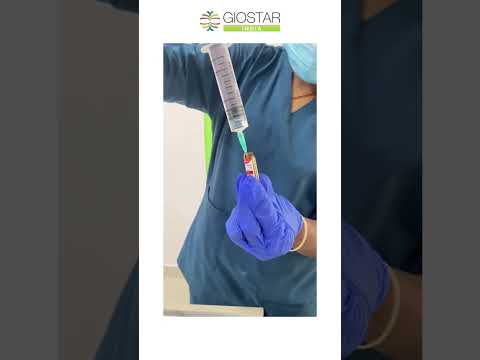
Platelet-rich plasma, or PRP, is made by drawing your blood and processing it to concentrate platelets in plasma. Platelets contain signalling proteins involved in tissue repair. The final preparation can vary in platelet concentration, white-blood-cell content, activation method, injection volume, and whether ultrasound or another imaging method guides placement. Those differences help explain why one clinic’s PRP is not automatically comparable with another’s.
For some knee osteoarthritis questions, recent systematic reviews and meta-analyses report symptom and functional improvements with PRP versus selected comparators. Results vary by disease severity, PRP preparation, outcome measured, study design, and follow-up. Evidence for one condition should not be used to promise the same result for a different joint, tendon, spinal condition, neurologic disease, or general wellness goal.
| PRP question | What you should receive | Why it matters |
|---|---|---|
| What is being treated? | A named diagnosis and body site, with imaging findings when relevant. | Pain alone is not a diagnosis. |
| What is in the preparation? | The intended PRP type, preparation system, and injection plan. | Protocols differ, so results may differ. |
| How is it delivered? | Whether image guidance is planned and why. | Accurate placement may matter for selected targets. |
| How will progress be judged? | Baseline symptoms, function, goals, and follow-up timing. | It prevents vague claims of “success.” |
What “Stem Cell Therapy” in Malaysia Can Mean
“Stem cell therapy” is a broad label, not a diagnosis or a single procedure. It may refer to haematopoietic stem-cell transplantation for blood disorders, which has established clinical roles, or to investigational and emerging cell-based approaches for other conditions. It may also involve cells from a person’s own tissue, donor-derived cells, or a manufactured cell therapy product. Each pathway has different evidence, risks, and regulation.
For non-haematological uses, do not assume that the presence of a laboratory, a cell count, or a brochure proves clinical benefit. Malaysia’s NPRA explains that cell and gene therapy products need regulatory consideration because living cells can raise risks such as immune reactions, tumour formation potential, movement within the body, and limited reversibility after administration. The medical team should explain the product source, handling, testing, intended use, and the evidence specific to your condition.
Important caution for stem cell treatment in Malaysia: A GMP-compliant manufacturing facility is an important quality signal for manufacturing controls, but it does not by itself prove that a particular treatment is effective or appropriate for your diagnosis. Ask separately about product regulatory status, clinical evidence, clinician oversight, and the clinic’s adverse-event plan.
Who May or May Not Be a Candidate for Regenerative Treatment in Malaysia
Appropriate candidacy depends on the condition, tissue involved, disease stage, overall health, prior treatment, and your goals. A good evaluation does not begin with a package. It begins with confirming the problem and discussing evidence-based alternatives, including activity modification, rehabilitation, medicines, conventional injections, surgery, or referral when needed.
When a Malaysia PRP or cell consultation may be reasonable
- You have a documented diagnosis and realistic functional goal.
- You understand the proposed treatment is one option, not a guarantee.
- You can follow the rehabilitation and review plan.
- You can share imaging, medical history, and medication details safely.
When a Malaysia clinician may delay or decline treatment
- There is an active infection, unexplained symptoms, or an urgent diagnosis has not been excluded.
- Blood, immune, cancer, pregnancy, anticoagulant, or other health factors require specialist review.
- The plan conflicts with a safer, better-established treatment need.
- The clinic cannot identify the product, protocol, risks, or follow-up responsibilities.
PRP and Stem Cell Therapy Costs in Malaysia and International Comparisons
There is no official Malaysian national price list for PRP or stem cell therapy, and a medically responsible all-in estimate cannot be calculated without a diagnosis and treatment proposal. Cost can differ substantially by city, target area, PRP preparation, imaging guidance, cell source, laboratory handling, regulatory pathway, number of visits, monitoring, and inclusions. “All-inclusive” must be defined in writing.
For that reason, the comparison below deliberately does not present invented price ranges for Malaysia, Australia, the United Kingdom, the United States, or Gulf countries. Ask each provider to quote the same clinical plan in USD. A lower quote may omit medical review, imaging, laboratory testing, rehabilitation, medication, travel, complications, or a needed transfer to hospital.
| Cost component | Ask if included in the Malaysia quote | Comparison point for home-country quotes |
|---|---|---|
| Clinical assessment | Consultation, record review, exam, and interpretation. | Does a remote opinion become an extra in-person fee? |
| Procedure | Number and type of injections; imaging guidance; facility fee. | Are all planned sessions included? |
| Cell-based product | Source, processing, testing, storage/transport, and documentation. | Is it a defined product and what regulation applies? |
| Aftercare and travel | Follow-up, records, emergency instructions, hotel, transport, and flights. | Which costs remain your responsibility at home? |
Safety, Recovery, and Warning Signs After PRP or Stem Cell Therapy in Malaysia
Recovery is diagnosis- and procedure-specific. After an injection, you may have temporary discomfort, swelling, bruising, or reduced function around the treated area. Infection, bleeding, nerve or tissue injury, and failure to improve are possible procedural risks. Cell-based products can have additional product-related risks and may require a more extensive monitoring plan.
Your clinician should provide written instructions for activity, wound care if relevant, travel timing, expected symptoms, scheduled follow-up, and who to contact after you leave Malaysia. Do not wait until you are abroad to ask how a complication will be managed. Confirm whether the provider can arrange urgent assessment, has hospital-transfer access, and will share records with your local doctor.
| Timeframe | Biological or clinical process | Patient sensation | Activity level | Action required |
|---|---|---|---|---|
| Before treatment | Diagnosis and suitability assessment. | Anxiety or uncertainty is common. | Normal unless advised otherwise. | Share records, medicines, allergies, and travel plan. |
| First days | Local response after the procedure. | Soreness or swelling may occur. | Follow your clinician’s restrictions. | Use only the supplied, individualized instructions. |
| Weeks after | Rehabilitation and response evaluation. | Symptoms may change gradually or not at all. | Progress only under the agreed plan. | Attend follow-up and share outcome records. |
Malaysia Regulation for PRP and Stem Cell Therapy
Malaysia’s Ministry of Health oversees healthcare policy and private healthcare facilities. The Malaysian Medical Council regulates medical practitioner registration and professional conduct. The National Specialist Register is the public route for checking recognised specialists. For cell and gene therapy products, the National Pharmaceutical Regulatory Agency publishes a 2025 second-edition regulatory guidance document and maintains a list of facilities with valid GMP compliance status.
PRP prepared and administered as part of a clinical procedure does not become the same thing as a manufactured cell and gene therapy product. The provider should explain which rules apply to the proposed procedure and product. If a cell product is being used, ask for its exact name, source, whether it is autologous or donor-derived, the manufacturing premises, chain-of-custody information, product status, and the basis for the proposed use.
Regulation and clinical suitability answer different questions. A facility can be legally operating while a particular treatment is still not the right choice for you. Equally, a clinician may propose an evidence-informed treatment but need to postpone it because your diagnosis is incomplete, a medicine needs review, or you need a more suitable specialist. Your consent discussion should describe the intended benefit, the uncertainty, material risks, practical alternatives, and what happens if your response is limited.
Ask the clinic to identify the exact site where the procedure will occur. If cells are processed or supplied elsewhere, ask who is responsible for donor screening where relevant, testing, transport, storage, patient identification, traceability, and recall communication. The formal documentation will differ by product type, so an honest provider should explain what is available rather than substituting broad phrases such as “FDA-grade,” “international standard,” or “approved worldwide.” Those descriptions do not replace Malaysian regulatory information.
Practical records to request: the clinician’s full name and MMC number; specialist registration number if applicable; facility licence or registration details; the proposed treatment plan; product information where relevant; a dated, itemized quote; consent documents; complications contact; and a commitment to supply discharge and follow-up records. Keep copies before travelling.
Declared product scopes on 8 listed GMP-status facilities
How to Choose a Malaysia Hospital or Clinic for PRP or Stem Cell Therapy
Start with legal operation and clinical capability, then examine the proposed treatment. In Malaysia, ask the facility for its licence or registration information under the Ministry of Health’s private healthcare framework. MSQH accreditation is a meaningful national quality signal when a facility holds it; JCI, ACHSI, or Temos may also be relevant at some facilities, but international accreditation is not a substitute for local legal licensing and is not automatically required.
| Verify before booking | What to ask for | Red flag |
|---|---|---|
| Facility authority | Licence/registration number, issuing body, and procedure location. | The provider will not identify the legal facility. |
| Quality systems | Current MSQH or relevant accreditation status; sterile-procedure process. | A logo replaces a verifiable certificate or date. |
| Emergency readiness | Written complications pathway, 24/7 contact, and hospital transfer access. | “Nothing can go wrong” or no after-hours plan. |
| Quote and records | Itemized USD quote, exclusions, cancellation terms, and full medical records. | Pressure to pay before records or plan are shared. |
How to Verify a Malaysia Doctor for PRP or Stem Cell Treatment
The clinician’s relevant training should match the clinical problem. For a knee or tendon issue, you may be assessing an orthopaedic, sports medicine, rehabilitation, pain, or other appropriate specialist depending on the case. For cell-based treatment, the expertise and the setting must match the proposed route and level of risk. A title on a social profile is not the same as verified registration or recognised specialist status.
- Search the clinician in the Malaysian Medical Council’s MeRITS public register and confirm identity, registration, and practice location.
- Use the National Specialist Register when the clinician says they are a recognised specialist.
- Ask about experience with your exact diagnosis and procedure, not simply “stem cell experience.”
- Ask who performs the procedure, who reviews complications, and who covers absences.
- Request a documented explanation of alternatives, evidence limits, expected follow-up, and revision or non-response policy.
- For a cell product, ask for product source, manufacturing site, traceability, and the regulatory documentation relevant to that product.
Malaysia Travel Planning and Questions for Your PRP or Stem Cell Consultation
Book travel only after you receive a provisional clinical plan and understand whether a physical examination, new imaging, blood tests, multiple visits, or observation is required. Ask how soon you may fly after the procedure, whether you will need mobility support, and how your home doctor or physiotherapist will receive records. Your travel insurance may exclude planned treatment or complications, so check the policy wording before purchase.
Questions to ask about PRP and stem cell therapy in Malaysia
- What diagnosis are you treating, and what supports that diagnosis?
- Why are you recommending PRP, a cell-based approach, or neither for my case?
- What established alternatives should I consider first or alongside this treatment?
- For PRP, what preparation and injection method do you use, and why?
- For cells, what is the source, product name, processing pathway, and regulatory status?
- What evidence applies specifically to my condition and planned route of administration?
- What outcomes are realistic, and how will you measure them?
- What complications have you planned for, and who is available after hours?
- Which licence, registration, GMP, or accreditation documents can I verify?
- What does the written quote include and exclude in USD?
- When can I fly, start rehabilitation, and return to work or sport?
- How will you coordinate records and follow-up with my clinician at home?
Frequently Asked Questions About PRP and Stem Cell Therapy in Malaysia
How much does PRP therapy cost in Malaysia?
An official Malaysia-wide PRP price is not available. Your quote should state the diagnosis, number of injections, preparation method, imaging guidance, consultation, follow-up, and exclusions. Compare written USD quotes for the same clinical plan rather than accepting a single headline figure.
What does stem cell therapy cost in Malaysia?
Cost depends on the condition, type and source of cells, laboratory and product controls, administration route, monitoring, and number of visits. No official national rate applies. Ask for an itemized USD quote and the documents that identify the specific cell product.
Is PRP therapy in Malaysia safe?
PRP uses your own blood but still involves an injection procedure and potential risks such as pain, bleeding, infection, or no improvement. Safety depends on appropriate diagnosis, sterile technique, clinician skill, medicines, and a clear plan for complications.
Is stem cell treatment in Malaysia regulated?
Malaysia has an NPRA regulatory framework for cell and gene therapy products, alongside Ministry of Health and medical-practice requirements. The exact pathway depends on the product and procedure. Ask the provider to explain which rules apply to your proposed treatment.
Can PRP regrow cartilage in knee osteoarthritis?
You should not assume PRP regrows cartilage. Some evidence supports symptom and function improvements for selected knee osteoarthritis patients, but study protocols and results vary. Your clinician should discuss disease severity, alternatives, goals, and evidence limits for your knee.
How can I check a doctor for regenerative therapy in Malaysia?
Search the clinician in the Malaysian Medical Council’s MeRITS register. If they describe themselves as a specialist, also check the National Specialist Register. Confirm the identity, place of practice, relevant specialty, and experience with your diagnosed condition.
What certificates should a Malaysian stem cell clinic show?
Ask first for Ministry of Health facility licensing information and the doctor’s MMC registration. MSQH accreditation may be relevant for a facility. If a manufactured cell product is involved, ask about NPRA-related documentation and the manufacturing facility’s applicable GMP status.
How long should I stay in Malaysia after PRP or stem cell therapy?
There is no safe universal stay length. It depends on the injection site, procedure, observation needs, mobility, and your clinician’s travel advice. Confirm the follow-up schedule and return-flight timing in writing before booking a non-refundable itinerary.
Can I combine PRP and stem cell treatment in Malaysia?
A combined plan should not be assumed to be more effective. Ask why each component is being proposed, what evidence supports the combination for your diagnosis, added risks and cost, and whether a staged or conventional option is more appropriate.
What records should I bring for Malaysia PRP or stem cell treatment?
Bring your diagnosis, imaging reports and files if available, surgery history, medication and allergy list, prior treatment details, and relevant lab results. Ask the clinic how to transfer records securely and request a complete post-treatment summary for your home clinician.
Compare PRP and Stem Cell Therapy Options in Malaysia
Medical Disclaimer for PRP and Stem Cell Therapy in Malaysia
This information is for educational purposes only and does not replace professional medical advice. Always consult a qualified healthcare provider before making medical decisions.
References for PRP and Stem Cell Therapy in Malaysia
- Guidance Document and Guidelines for Registration of Cell and Gene Therapy Products in Malaysia, Second Edition (September 2025) – National Pharmaceutical Regulatory Agency
- Search for Registered Doctor – Malaysian Medical Council MeRITS
- Specialist Search – National Specialist Register of Malaysia
- MSQH Overview and National Accreditation Role – Malaysian Society for Quality in Health
- Efficacy and Safety of Platelet-Rich Plasma Injections for Knee Osteoarthritis: Systematic Review and Meta-analysis – PubMed
- Platelet-Rich Plasma and Stem Cell Therapies for Musculoskeletal Rehabilitation: Current Evidence – PubMed Central
- Medical Tourism – Centers for Disease Control and Prevention
-(4).png)







.png)
.png)
.png)


-(6).png)
-(1).png)
-(3).png)









Share this listing