


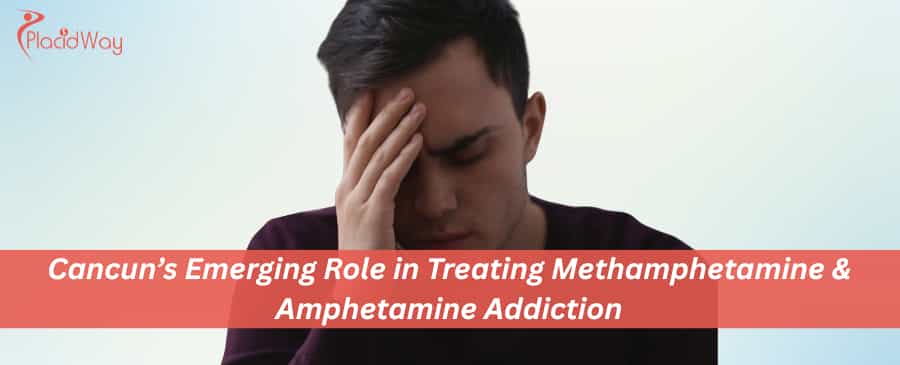
Over the past decade, the demand for methamphetamine addiction treatment in Cancun has grown significantly among international patients seeking effective recovery solutions. This coastal Mexican destination has emerged as a supportive sanctuary, blending serene natural surroundings with highly structured therapeutic care. Individuals battling severe substance use disorders often find that removing themselves from familiar, stressful triggers is a crucial step toward sustained healing. By choosing an environment completely detached from their usual daily routines, patients can typically focus entirely on their personal rehabilitation journey.
While overcoming stimulant dependency is a complex and highly individualized process, medical tourism for addiction recovery offers a viable alternative to domestic programs. Comprehensive facilities in the region are meticulously designed to address the psychological, physical, and emotional challenges associated with amphetamine abuse. Care teams generally incorporate evidence-based behavioral therapies aligned with global medical standards to facilitate safe detoxification and long-term sobriety. Most patients experience a profound sense of privacy and dedicated attention, which are widely considered vital components of a successful recovery strategy.
Changing your physical environment is often cited by behavioral psychologists as a highly effective catalyst for breaking habitual cycles of severe substance abuse.
Understanding Amphetamine Rehabilitation Options in Mexico
Navigating the various pathways to sobriety requires a clear comprehension of available therapeutic methodologies and clinical frameworks. An effective amphetamine rehabilitation program in Mexico typically encompasses a multifaceted approach, integrating medical intervention with intensive psychological counseling. Professionals generally conduct thorough intake assessments to tailor specific treatment protocols matching the unique biological and emotional needs of the individual. This personalized strategic planning is essential because stimulant addiction alters brain chemistry in ways that demand specialized, targeted psychiatric care.
Prospective patients and their families should understand that successful recovery is rarely a linear process and results generally vary based on personal commitment. The core of these interventions normally revolves around cognitive behavioral restructuring, helping individuals identify and alter destructive thought patterns. Supportive therapies also typically focus on rebuilding the nervous system, which is frequently depleted by prolonged methamphetamine exposure. Most participants experience gradual improvements in cognitive function and emotional regulation as they progress through these carefully monitored clinical stages.
- Medically Supervised Detoxification: A safe environment to manage acute withdrawal symptoms.
- Cognitive Behavioral Therapy (CBT): Structured sessions aimed at modifying harmful behaviors.
- Group Counseling Dynamics: Facilitated peer interactions to foster mutual support and empathy.
- Nutritional Replenishment: Diet plans specifically formulated to restore physical health.
Why Choose Medical Tourism for Addiction Recovery in Cancun
The decision to travel abroad for deeply personal healthcare needs is often driven by a desire for enhanced privacy and confidentiality. Choosing international medical tourism for substance abuse allows individuals to undergo intensive treatment far from the social stigmas sometimes present in their local communities. Cancun, in particular, offers an intrinsically calming coastal atmosphere that many behavioral health experts believe naturally lowers cortisol levels and anxiety. This peaceful geographic isolation generally provides a restorative backdrop that encourages deep introspection and uninterrupted therapeutic engagement.
Furthermore, the standard of care accessible in this region frequently rivals or exceeds the quality found in traditional North American institutions. Many specialists practicing addiction recovery in Cancun have trained internationally, bringing a wealth of cross-cultural medical expertise to their clinical practice. Facilities are typically equipped with modern amenities that foster a comfortable, dignified healing experience rather than a sterile hospital environment. Ultimately, most patients experience a holistic integration of advanced medical oversight and compassionate hospitality that accelerates the psychological healing process.
When planning your recovery journey abroad, ensure your passport is valid for at least six months beyond your planned stay to avoid any travel disruptions during a critical time.
Affordable Methamphetamine Addiction Treatment Cost in Cancun
The financial aspect of healthcare often acts as a significant barrier for those seeking comprehensive behavioral health interventions in North America. By exploring the affordable methamphetamine addiction treatment cost in Cancun, individuals can access premium rehabilitation services without compromising their financial stability. The pricing structures in Mexico typically reflect lower administrative and operational overhead rather than any reduction in the quality of clinical care. This distinct economic advantage allows patients to commit to longer, more intensive programs that are generally essential for overcoming severe stimulant dependency.
When comparing these expenses internationally, prospective patients discover that therapeutic packages often include a wide array of holistic and psychological services. An international substance abuse recovery program provides transparent estimates that help families plan their financial commitments effectively and without undue stress. Most patients experience substantial savings, even when accounting for the full spectrum of detoxification, inpatient therapy, and structured aftercare planning. Understanding these cost variations empowers individuals to make informed, highly rational decisions about their long-term health and lifelong wellness journey.
| Treatment Phase / Procedure | Average Cost in Cancun (USD) | Estimated Cost in US/Canada (USD) |
|---|---|---|
| Medical Detoxification (7-10 Days) | $2,500 - $4,500 | $5,000 - $10,000+ |
| Standard Inpatient Rehab (30 Days) | $6,000 - $12,000 | $15,000 - $35,000+ |
| Dual Diagnosis Inpatient Care (30 Days) | $8,000 - $15,000 | $20,000 - $45,000+ |
| Intensive Outpatient Program (IOP) per month | $1,500 - $3,000 | $3,500 - $8,000+ |
Comprehensive Detoxification for Amphetamine Use Disorder in Mexico
The initial and arguably most critical phase of overcoming stimulant dependence is the complete elimination of toxic substances from the body. Undergoing medical detoxification for amphetamine use disorder ensures that this delicate biological transition is managed with the utmost medical precision. Because sudden cessation of methamphetamines typically induces severe psychological distress and physical exhaustion, continuous professional monitoring is generally considered mandatory. Expert clinical teams are heavily focused on mitigating discomfort, stabilizing vital signs, and ensuring the patient’s overall safety throughout this vulnerable period.
Attempting this withdrawal process without structured medical intervention is highly discouraged due to the acute risks of severe depression and extreme cravings. In specialized Mexican facilities, psychiatrists and nurses generally employ supportive pharmacological protocols to ease these harsh withdrawal symptoms safely. Once the physiological dependency is stabilized, the mind typically begins to regain the clarity required to participate meaningfully in psychological therapy. Most patients experience a significant reduction in physical agitation after the first week, paving the way for deeper therapeutic engagement.
Supervised detoxification is critical. Abrupt withdrawal from high-dose methamphetamines can trigger severe psychiatric symptoms, including extreme paranoia, psychosis, and profound depression, necessitating immediate medical intervention.
Inpatient Rehab Programs for Substance Abuse in Cancun
Following a successful detoxification, transitioning into a residential setting provides the immersive care necessary to rebuild a sustainable, substance-free lifestyle. Inpatient rehab programs for substance abuse offer highly structured daily schedules that replace the chaotic routines often associated with active addiction. Participants typically engage in multiple daily sessions of individual psychotherapy, psychoeducational workshops, and peer support group meetings designed to foster self-awareness. This comprehensive scheduling generally leaves little room for idle time, helping to significantly reduce immediate urges and psychological cravings.
The residential environment serves as a highly protective microcosm where patients can securely practice new coping mechanisms without real-world temptations. Clinical experts focusing on methamphetamine recovery in Cancun emphasize the importance of identifying specific emotional triggers and developing robust defensive strategies. Healing the brain’s reward circuitry requires substantial time, patience, and consistent reinforcement of positive behavioral modifications. Most patients experience profound personal growth during this intensive phase, building the psychological resilience needed for long-term sobriety.
Research generally indicates that individuals who remain engaged in highly structured inpatient programs for 90 days or longer have significantly lower instances of relapse compared to those in shorter programs.
Dual Diagnosis Treatment for Methamphetamine Dependency in Mexico
Substance use disorders rarely exist in a vacuum; they are frequently intertwined with underlying, often undiagnosed, mental health conditions. Engaging in dual diagnosis treatment for methamphetamine dependency ensures that both the addiction and co-occurring disorders, such as anxiety or PTSD, are addressed simultaneously. Treating only the chemical dependency while ignoring profound psychological distress typically leads to incomplete healing and a heightened risk of relapse. Comprehensive psychiatric evaluations are generally standard practice upon admission to identify any overlapping mental health complexities.
Integrating psychiatric care with addiction counseling allows medical professionals to formulate a highly cohesive and dynamic treatment blueprint. Specialists providing behavioral health services in Mexico utilize targeted therapies designed to stabilize mood fluctuations while simultaneously teaching essential emotional regulation skills. When depression or trauma is expertly managed, the compulsion to self-medicate with powerful stimulants generally decreases significantly over time. Most patients experience a tremendous sense of relief once they finally understand the psychological roots driving their compulsive substance use.
A substantial percentage of individuals suffering from severe stimulant use disorders are concurrently battling clinical depression, making integrated dual-diagnosis care an essential component of modern recovery.
Holistic Therapies for Amphetamine Addiction Recovery in Cancun
Traditional clinical psychology forms the backbone of recovery, but integrating complementary practices often elevates the overall healing experience. Incorporating holistic therapies for amphetamine addiction recovery addresses the profound spiritual and physical toll that long-term stimulant abuse inflicts on the human body. Modalities such as therapeutic yoga, mindfulness meditation, and specialized art therapy are generally woven into the core medical curriculum to promote comprehensive wellness. These alternative interventions typically help patients reconnect with their physical bodies, fostering a calm, centered state of mind.
By balancing rigorous clinical psychology with natural healing practices, recovery centers provide a highly well-rounded approach to lasting sobriety. Engaging in holistic wellness programs in Cancun empowers individuals to discover healthy, sustainable ways to naturally generate endorphins and manage daily stress. Learning to quiet the mind through structured mindfulness generally improves sleep quality, which is frequently disrupted during early methamphetamine abstinence. Most patients experience enhanced emotional clarity and a renewed sense of personal peace through these deeply restorative, non-pharmacological interventions.
Mindfulness meditation has been clinically shown to typically reduce the intensity of psychological cravings by retraining the brain's response to acute stress triggers.
Outpatient and Aftercare Addiction Services in Mexico
Completing a residential program is a monumental achievement, yet it represents merely the beginning of a lifelong commitment to sobriety. Transitioning into outpatient and aftercare addiction services is absolutely vital for maintaining the behavioral gains achieved during intensive inpatient therapy. High-quality centers generally design robust discharge plans that include ongoing virtual counseling, local support group referrals, and continuous psychiatric follow-ups. This carefully structured transitional support typically serves as a crucial bridge between the sheltered rehab environment and the complex realities of everyday life.
A proactive approach to post-rehabilitation life significantly fortifies an individual’s defenses against potential behavioral relapses. Engaging in an international addiction aftercare program ensures that patients retain access to their core clinical team, even after returning to their home countries. Regular accountability check-ins and continued skill-building workshops are generally integrated into long-term relapse prevention strategies. Most patients experience far greater confidence in their sustained recovery when they actively participate in an organized, structured aftercare network.
Before completing your inpatient program, work closely with your therapists to identify specific local or online support groups you will attend within the first 48 hours of returning home.
Risks and Considerations for Addiction Rehabilitation in Cancun
While the prospect of healing abroad is promising, it is imperative to approach medical tourism with realistic expectations and thorough preparation. Evaluating the risks and considerations for addiction rehabilitation ensures that prospective patients make safe, medically sound decisions regarding their physical travel. Relocating during acute psychological distress is not suitable for everyone, and individuals with highly unstable, severe psychiatric conditions are generally advised against international travel. Full transparency regarding one's medical history is typically required to determine if a patient is a safe candidate for an overseas recovery journey.
Furthermore, medical professionals emphasize that absolutely no therapeutic program can explicitly guarantee permanent results or lifetime sobriety. Navigating methamphetamine recovery protocols in Mexico requires profound personal dedication, and outcomes typically depend heavily on the individual's long-term commitment to aftercare. Patients generally must be physically healthy enough to endure travel and fully willing to adhere to the strict rules governing residential treatment. Most patients experience smooth transitions when they maintain open, honest communication with their chosen clinical coordinators prior to departure.
- Travel Stress: Navigating airports can induce anxiety, requiring proper logistical planning.
- Language Barriers: Ensure the facility provides fluent, certified translation or native-speaking therapists.
- Medical Clearances: Severe cardiovascular issues resulting from stimulant use may strictly contraindicate flying.
- Aftercare Transition: The shift from an isolated resort setting back to everyday life demands rigorous planning.
Success Rates for Methamphetamine Treatment Programs in Mexico
Evaluating clinical efficacy requires understanding that addiction is widely classified as a chronic, relapsing brain disease requiring continuous management. The success rates for methamphetamine treatment programs are typically measured by sustained improvements in life functioning, emotional stability, and prolonged periods of abstinence. Facilities adhering to international best practices generally exhibit positive outcome metrics comparable to highly respected institutions located in the United States and Canada. Data typically suggests that comprehensive methodologies blending psychiatric care, holistic support, and lengthy aftercare yield the most enduring results.
It is important to acknowledge that a single instance of relapse does not indicate a complete failure of the therapeutic intervention. Assessing the long-term effectiveness of substance abuse care involves looking at the patient’s regained ability to maintain employment, repair family dynamics, and self-regulate emotions. Programs that prioritize intense family involvement and comprehensive dual diagnosis generally show marked enhancements in these critical post-treatment metrics. Most patients experience a profoundly transformed quality of life when they fully integrate the cognitive tools acquired during their residential stay.
Addiction medicine statistics typically demonstrate that patients completing rigorous 90-day residential programs followed by structured outpatient care have up to a 60% higher rate of sustained long-term sobriety.
Patient Experiences with Amphetamine Recovery in Cancun
Listening to the journeys of those who have navigated the challenging path of recovery provides invaluable perspective for prospective patients. Firsthand accounts detailing patient experiences with amphetamine recovery frequently highlight the compassionate, non-judgmental care received from multidisciplinary medical teams abroad. Many individuals express initial apprehension about seeking therapy in a foreign country, but these fears are generally alleviated shortly after arrival. The serene environment and highly personalized attention typically foster a deep sense of trust, allowing patients to vulnerable engage in their healing.
The demographic of individuals seeking this type of specialized intervention is remarkably diverse, spanning various ages, professions, and geographic locations. Testimonials regarding international medical tourism for addiction consistently reflect themes of profound personal rebirth, improved familial relations, and renewed mental clarity. While individual outcomes inherently vary, the collective narratives generally underscore the life-saving potential of stepping out of a toxic environment. Most patients experience an overwhelming sense of gratitude for the dedicated clinicians who helped them reclaim autonomy over their own lives.
A Journey to Clarity
After struggling with severe stimulant dependency for years, an international patient chose a specialized inpatient program in Mexico. They typically report that the immersive environment and dedicated dual-diagnosis care finally helped them address the underlying anxiety driving their addiction.
Finding Peace Away from Home
A professional from North America sought therapy abroad to ensure complete privacy. They generally describe the experience as transformative, noting that being removed from daily stressors was crucial for their successful detoxification and mental reset.
Healing the Mind and Body
Following a comprehensive 60-day residential stay, a recovering individual highlighted the benefits of holistic integration. They typically mention that combining cognitive therapy with structured mindfulness exercises deeply improved their emotional resilience.
Rebuilding Family Trust
A patient dealing with co-occurring depression and amphetamine abuse participated in an extended international rehab program. Most of their feedback centers on the excellent psychiatric support that generally enabled them to repair fractured familial relationships upon returning home.
How PlacidWay Assists Your Addiction Treatment Journey in Cancun
Navigating the complex landscape of international healthcare can be an overwhelming endeavor, particularly when dealing with acute behavioral health challenges. Utilizing a specialized medical tourism facilitation platform generally streamlines the research process, connecting individuals with reputable, highly vetted clinical programs. A structured approach typically ensures that patients receive transparent, accurate information necessary to make informed choices regarding their therapeutic options. Families generally find great comfort in having an organized system to evaluate the clinical expertise and safety protocols of various international institutions.
By offering a comprehensive directory of globally recognized care providers, the process of finding specialized therapeutic help is significantly demystified. Focusing purely on the medical and clinical aspects of the journey generally allows the patient to dedicate their mental energy strictly to recovery. Facilitation platforms typically bridge the critical communication gap between international patients and specialized clinical teams. Most patients experience a much smoother transition into treatment when utilizing these dedicated informational resources.
- Providing detailed, objective information on various international medical options.
- Facilitating direct communication with accredited healthcare facilities and clinical teams.
- Offering access to transparent cost estimates for comprehensive therapeutic procedures.
- Assisting in gathering medical records and necessary intake documentation.
- Delivering valuable educational resources about international healthcare standards.
Frequently Asked Questions About Rehab in Cancun
Empowering prospective patients with clear, accurate information is a fundamental step in initiating the recovery process. Reviewing frequently asked questions about rehab in Cancun generally helps demystify the international medical experience and alleviates common anxieties. Addressing concerns related to treatment duration, safety protocols, and post-care support typically allows individuals to set realistic expectations. Clear answers to these inquiries generally build the necessary confidence to commit fully to the therapeutic journey ahead.
While specific clinical advice must always be obtained directly from licensed medical professionals, general knowledge provides an excellent starting point. Understanding the baseline parameters of an overseas substance abuse program typically aids families in planning logistics and providing appropriate emotional support. Individuals are generally encouraged to ask detailed questions during their initial clinical consultations to ensure the program aligns with their specific needs. Most patients experience greater peace of mind when they thoroughly understand the structure and guidelines of their chosen rehabilitation pathway.
What is the typical duration of a methamphetamine rehab program in Cancun?
Most patients experience the best outcomes with programs lasting between 30 to 90 days. The exact duration typically depends on the individual's specific psychological and physical recovery needs.
Do treatment centers in Mexico meet international medical standards?
Yes, many established rehabilitation facilities in this region adhere to strict global healthcare protocols. They generally employ licensed medical professionals and internationally certified addiction counselors.
Is a medical visa required to undergo addiction treatment in Mexico?
Citizens from the US, Canada, and many European countries typically do not need a special medical visa for stays under 180 days. A standard tourist entry is generally sufficient for participating in residential recovery programs.
How is the withdrawal phase managed during amphetamine detox?
Detoxification is generally managed through 24/7 medical supervision to mitigate severe withdrawal symptoms. Physicians typically utilize supportive medications and specialized therapies to ensure patient safety and comfort.
Are family members allowed to visit during inpatient rehabilitation?
Most programs incorporate dedicated family therapy sessions and designated visitation periods. However, early phases of treatment typically restrict contact to help patients focus entirely on their initial healing.
What languages are spoken at these recovery centers?
Facilities catering to international medical tourists generally provide fully bilingual care in English and Spanish. This ensures clear communication during complex psychological evaluations and daily therapy sessions.
Can dual diagnosis patients receive appropriate care in Cancun?
Absolutely, co-occurring mental health disorders are typically treated alongside substance dependency. Psychiatrists generally develop integrated care plans addressing both addiction and underlying conditions like depression or anxiety.
How does the cost of rehab in Mexico compare to the United States?
Patients generally find that comprehensive treatment programs in Mexico cost 40% to 60% less than equivalent programs in the US. This reduction in price typically does not compromise the quality of medical or therapeutic care.
What kind of aftercare support is provided once the program ends?
Reputable programs typically offer extensive discharge planning, including virtual counseling sessions and local support group referrals. This continuous engagement generally helps mitigate the risk of relapse upon returning home.
Is the therapeutic environment safe for international patients?
Recovery centers are typically located in secure, gated environments prioritizing patient confidentiality and safety. Security measures are generally stringent to provide a tranquil and highly protected healing space.
Ready to start your journey towards recovery with affordable, world-class care?
References
- National Institute on Drug Abuse (NIDA). Methamphetamine DrugFacts. https://nida.nih.gov/research-topics/methamphetamine
- World Health Organization (WHO). Clinical management of substance use disorders. https://www.who.int/publications/i/item/international-standards-for-the-treatment-of-drug-use-disorders
- National Center for Biotechnology Information (NCBI). Cognitive-Behavioral Therapy for Substance Use Disorders. https://www.ncbi.nlm.nih.gov/pmc/articles/PMC2897895/
- Wikipedia. Medical tourism. https://en.wikipedia.org/wiki/Medical_tourism






.png)
.png)
.png)








Share this listing