
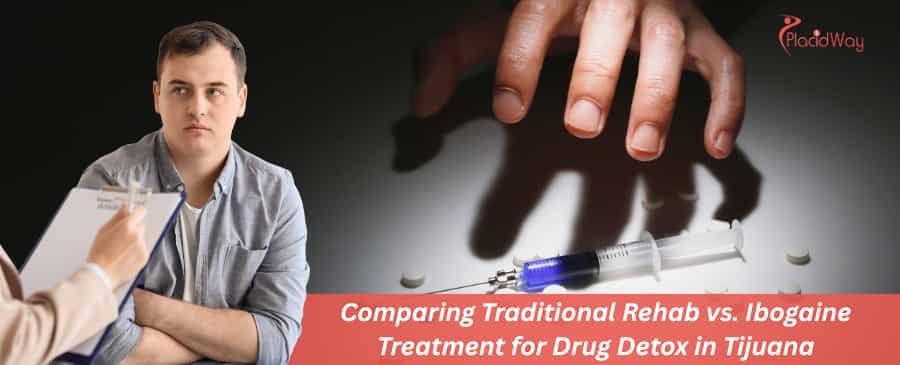
The landscape of addiction treatment in Mexico offers diverse therapeutic pathways, attracting international patients seeking effective recovery options. Many individuals struggling with substance use disorders find themselves comparing standard protocols with alternative modalities. Tijuana has emerged as a central hub for these services, providing accessible care just across the United States border. Patients must carefully evaluate their specific medical needs, psychological readiness, and long-term recovery goals before committing to a program.
Two primary modalities dominate the medical tourism sector for addiction: conventional inpatient rehabilitation and specialized psychedelic therapy. Traditional rehab focuses on gradual detoxification, group counseling, and behavioral restructuring over several weeks or months. Conversely, patients exploring Ibogaine treatment in Tijuana are often seeking a rapid interruption of physical withdrawal symptoms and profound psychological introspection. Understanding the fundamental differences between these approaches is the crucial first step in making an informed healthcare decision.
Tijuana hosts over two million medical tourists annually, making it one of the most prominent healthcare destinations globally for specialized treatments not broadly available in North America.
The Clinical Science Behind Ibogaine Therapy in Mexico
Ibogaine is a naturally occurring psychoactive alkaloid derived from the root bark of the Tabernanthe iboga shrub, native to West Africa. In the context of clinical application, medical professionals utilize it to address severe chemical dependencies, particularly involving opioids. The substance works by simultaneously interacting with multiple neurotransmitter systems in the brain, including serotonin and dopamine pathways. This complex pharmacological action generally resets neural pathways, which typically mitigates the acute physical distress associated with standard withdrawal.
Beyond alleviating physical dependence, the therapy induces a profound, dream-like visionary state that lasts for several hours. During this phase, patients often process repressed traumas, deep-seated emotional blockages, and the root psychological causes of their addiction. While researchers continue to study its exact mechanisms, evidence suggests it promotes neuroplasticity, allowing the brain to adapt and heal from chemical damage. However, because of its intense physiological impact, drug detox in Tijuana utilizing this alkaloid requires highly specialized, multidisciplinary medical oversight.
Ibogaine is known to bind to the nicotinic acetylcholine receptors in the brain, which researchers believe plays a significant role in interrupting craving pathways.
How Traditional Addiction Treatment Centers in Tijuana Operate
Conventional rehabilitation models rely on structured, evidence-based psychological frameworks that have been refined over decades. Upon entering traditional addiction treatment centers in Tijuana, patients typically undergo a medically assisted taper using approved pharmaceutical medications to manage withdrawal safely. This initial physical stabilization phase is closely monitored by nursing staff to ensure patient comfort and medical safety. Once the body is clear of toxins, the clinical focus shifts entirely to comprehensive behavioral health strategies.
The core of traditional rehab involves intensive cognitive behavioral therapy (CBT), dialectical behavior therapy (DBT), and extensive group counseling. Patients participate in rigid daily schedules designed to rebuild healthy habits, identify personal triggers, and develop robust coping mechanisms. These programs generally span 30, 60, or 90 days, providing a safe, trigger-free environment away from the patient's usual stressors. The extended duration allows most patients to slowly rebuild their physical stamina and emotional resilience before returning to daily life.
The Substance Abuse and Mental Health Services Administration (SAMHSA) notes that extended traditional care programs (90+ days) generally correspond with higher rates of sustained long-term sobriety.
Affordable Ibogaine Treatment Cost in Tijuana Compared to Traditional Rehab
Financial considerations play a significant role for individuals exploring medical tourism in Mexico for substance abuse recovery. The cost of inpatient healthcare in the United States and Canada can be prohibitively high, often driving patients to seek more economical alternatives abroad. Pricing structures between alternative alkaloid therapy and standard long-term rehabilitation differ vastly due to program length, staffing requirements, and specialized medical equipment. Transparency in these financial expectations helps international patients plan their medical journeys without unexpected financial burdens.
When analyzing the affordable Ibogaine treatment cost in Tijuana, it is important to factor in the intensive, short-term nature of the clinical care provided. Traditional rehabs charge for long-term room, board, and continuous daily therapies, whereas psychedelic interventions require highly specialized cardiological monitoring, localized emergency equipment, and specialized medical staff for a condensed period. The table below illustrates the typical market ranges international patients can expect when comparing these options.
| Treatment Type | Average Cost in Tijuana (USD) | Average Cost in US/Canada (USD) |
|---|---|---|
| Medical Ibogaine Detox (7-10 Days) | $5,000 - $9,000 | N/A (Unregulated) |
| Traditional Inpatient Rehab (30 Days) | $4,000 - $12,000 | $15,000 - $35,000 |
| Traditional Inpatient Rehab (90 Days) | $10,000 - $25,000 | $40,000 - $80,000+ |
Evaluating Success Rates of Alternative Drug Detox Programs in Mexico
Measuring the efficacy of addiction treatments is inherently complex, as recovery is a lifelong, non-linear journey influenced by numerous personal factors. Standard rehabilitation success is generally evaluated through patient retention rates during the program and sobriety milestones achieved post-discharge. Drug detox clinics in Tijuana offering alternative psychedelic therapies typically observe rapid initial interruption of substance dependence. However, sustained success requires patient commitment far beyond the initial physiological detoxification phase.
Most patients experience a significant reduction in post-acute withdrawal symptoms immediately following alkaloid therapy, which can provide a powerful window of opportunity for psychological healing. Conversely, traditional rehab builds incremental resilience through steady psychological conditioning, which benefits patients who need strict, long-term structural support. It is imperative to understand that neither approach offers a magical cure; they are simply different medical tools designed to address severe chemical dependence. Sustained recovery ultimately depends on rigorous aftercare and personal dedication.
No medical procedure can guarantee a permanent cure for addiction. Be highly cautious of any international facility that promises absolute success rates or minimizes the necessity of continuous, long-term psychological aftercare.
Patient Safety Protocols for Ibogaine Detox Facilities in Tijuana
Medical safety is the paramount concern when undergoing potent alternative detoxification therapies. The administration of this specific plant medicine carries well-documented cardiovascular risks, particularly the potential for QT interval prolongation, which can induce severe cardiac arrhythmias. Because of these risks, authoritative Ibogaine detox facilities in Tijuana enforce strict contraindications and comprehensive pre-screening protocols. Patients with pre-existing heart conditions, liver impairment, or certain psychiatric disorders are typically excluded from this type of treatment.
Standard safety protocols dictate that patients undergo extensive blood work, continuous electrocardiogram (EKG) monitoring, and thorough psychological evaluations prior to intake. During the acute treatment phase, the patient must be observed continuously by advanced cardiac life support (ACLS) certified medical professionals. An emergency medical plan, including immediate access to advanced defibrillation and emergency transport, must be standard operating procedure. Transparency regarding these medical risks allows patients to prioritize their safety over speed.
Always request detailed information about the clinic's medical staff credentials. Ensure that a licensed cardiologist or an ACLS-certified physician is physically present during the administration of any intensive alternative detox therapy.
Duration and Recovery Timeline for Addiction Treatment in Mexico
The commitment of time required for recovery varies drastically between standard and alternative methodologies. Individuals participating in a conventional rehabilitation program typically commit to a minimum of 30 days, though 60 to 90 days is frequently recommended for severe dependencies. This extended period allows the central nervous system to heal gradually while the patient learns to navigate daily stressors without chemical coping mechanisms. For many medical tourists, taking multiple months away from work or family obligations requires significant life restructuring.
In contrast, medical travel for addiction recovery in Mexico using psychedelic interventions is heavily condensed into a shorter timeline. A typical clinical stay lasts between seven to ten days, encompassing medical stabilization, the acute visionary phase, and initial physical recovery. While the physiological detox is rapid, patients generally require an additional one to two weeks of rest in a low-stress environment upon returning home. The intense emotional processing initiated during the therapy often continues for months following the actual clinical procedure.
- Preparation Phase: Includes medical clearance and psychological readiness (1-2 weeks).
- Alternative Detox Stay: Acute clinical supervision and therapy (7-10 days).
- Traditional Rehab Stay: Continuous therapy and medical support (30-90 days).
- Post-Treatment Integration: Vital ongoing counseling (6-12+ months).
Psychological Support Following Psychedelic Therapy in Tijuana
The period immediately following an intensive detox procedure is highly sensitive, often described by clinical professionals as a state of heightened neuroplasticity. During this window, patients are remarkably open to behavioral changes, making immediate psychological support critically important. Without proper integration therapy, the profound insights gained during Ibogaine treatment in Tijuana can quickly fade, leaving the individual vulnerable to relapse. Integration involves working with specialized therapists to translate visionary experiences into actionable, daily lifestyle changes.
Quality treatment centers recognize that the clinical procedure is only a catalyst for healing, not the finish line. Reputable facilities collaborate with patients to design robust discharge plans that include virtual counseling, local peer support groups, and continued psychiatric care in their home countries. Many patients experience a renewed sense of clarity and emotional lightness post-treatment, but maintaining this state generally requires daily dedication to psychological wellness and relapse prevention strategies.
The concept of "afterglow" following alternative therapies refers to a temporary period of reduced anxiety and elevated mood, which clinicians utilize to help patients establish healthy new routines.
Legal Status of Medical Tourism for Drug Detox in Mexico
The decision to travel internationally for healthcare is largely driven by the regulatory environments of the patient's home country. In the United States and several European nations, certain psychedelic plant alkaloids remain classified as Schedule I controlled substances, halting broad clinical application. However, the legal framework in Mexico operates differently, permitting the use of these substances under specific clinical research and medical guidelines. This distinct regulatory landscape has firmly established Mexico as a primary destination for alternative medicine.
While the substance is not criminalized, the oversight of Ibogaine clinics in Tijuana falls under general medical regulations rather than specialized psychedelic frameworks. This means the quality of care, adherence to medical safety standards, and operational ethics can vary significantly from one facility to another. International patients must conduct rigorous due diligence, understanding that they are operating outside the protective medical malpractice jurisdictions of their home countries. Seeking accredited facilities with transparent operational histories is strictly advised.
- Verify the facility holds valid Mexican medical operating licenses (COFEPRIS).
- Ensure clinical staff possess active medical board certifications.
- Review all international travel advisories prior to booking medical procedures.
Choosing Certified Ibogaine Clinics in Tijuana
Selecting the appropriate healthcare provider requires a meticulous evaluation process that goes beyond reviewing a facility's website marketing. Prospective patients should actively interview potential clinics, requesting comprehensive details regarding their medical protocols, staff-to-patient ratios, and emergency response capabilities. A trustworthy provider will gladly share the credentials of their attending physicians, cardiologists, and onsite nursing staff. Transparency is the hallmark of ethical medical tourism in Mexico, particularly for treatments carrying known cardiovascular risks.
It is generally advisable to avoid facilities that operate out of residential homes or lack the infrastructure of a proper medical clinic. The ideal facility mimics a boutique hospital environment, prioritizing sterility, patient monitoring technology, and clinical professionalism over luxury vacation amenities. Most patients experience higher satisfaction and safety levels when choosing clinics that maintain a strict, medically focused approach to alternative detox.
Tijuana's proximity to San Diego allows many premier clinics to utilize cross-border medical partnerships, sometimes flying blood work to US labs for advanced pre-screening analysis.
Preparing for Your Medical Travel for Addiction Recovery in Mexico
Thorough preparation significantly influences the overall safety and success of international medical interventions. Patients must ensure they possess a valid passport, understand local entry requirements, and coordinate secure transportation across the border. From a medical perspective, clinics typically require patients to transition onto short-acting opiates and cease the use of specific psychiatric medications well before arrival. These strict pharmacological adjustments mitigate the risks of dangerous drug interactions during the clinical procedure.
Mental and emotional preparation is equally vital when pursuing profound psychological therapies. Patients are encouraged to establish clear intentions, practice grounding techniques, and arrange their home environment to be stress-free upon their return. Involving a trusted family member or companion in the planning process often alleviates travel anxiety and provides essential emotional support. Comprehensive preparation ensures the patient arrives at the clinic medically stabilized and psychologically ready to engage in the healing process.
Organize your post-treatment care team—including a specialized integration therapist and primary care doctor—before you depart for your medical trip to ensure a seamless transition back home.
Real Experiences with Ibogaine and Traditional Rehab in Tijuana
Patient testimonials provide valuable anecdotal insight into the diverse realities of undergoing addiction treatment in Mexico. Reading about the experiences of others helps prospective medical tourists set realistic expectations regarding the physical discomfort of detox and the emotional intensity of recovery. While clinical data is essential, the human element of shared experience often guides patients toward the modality that best aligns with their personal temperament.
The following summaries reflect common themes reported by international patients who have utilized different recovery pathways in Tijuana. It is important to remember that individual biological responses vary greatly, and these summaries represent personal perspectives rather than guaranteed clinical outcomes. Each journey underscores the critical importance of proper medical oversight and dedication to long-term aftercare.
Michael's Journey with Traditional Rehab
After struggling with severe alcoholism, Michael chose a 60-day traditional rehab program in Tijuana. He noted that the strict daily routine, combined with intensive group therapy, provided the slow, steady structural support he needed to relearn how to cope with everyday stress without relapsing.
Sarah's Experience with Alternative Detox
Dealing with long-term prescription opioid dependence, Sarah opted for a medically supervised alternative clinic. She reported a dramatic reduction in physical withdrawal symptoms within days, allowing her to focus intensely on trauma-informed therapy upon returning home to Canada.
David's Perspective on Medical Safety
David traveled from the UK for psychedelic therapy but was initially denied treatment due to an irregular EKG during pre-screening. After spending a week stabilizing his heart condition under local cardiological care, he completed the treatment safely, praising the clinic's strict adherence to medical protocols over profit.
Elena's Focus on Aftercare Integration
Following her 10-day specialized detox in Mexico, Elena emphasized that the real work began at home. She attributes her ongoing three-year sobriety to the rigorous post-treatment integration coaching she set up prior to her medical travel.
How PlacidWay Assists Your Ibogaine Treatment Medical Tourism Journey in Tijuana
Navigating international healthcare systems can be complex, particularly when seeking highly specialized addiction therapies. PlacidWay serves as a premier medical tourism platform, connecting international patients with accredited healthcare providers across the globe. By leveraging a comprehensive network of vetted facilities, the platform empowers patients to make informed, safe, and autonomous healthcare decisions.
Our commitment to transparency and patient education ensures that individuals seeking drug detox in Tijuana can thoroughly evaluate their medical options. PlacidWay facilitates direct communication between patients and international medical professionals, streamlining the preliminary stages of healthcare discovery. Below are the key ways our platform supports your medical journey:
- Providing access to detailed profiles of internationally accredited medical facilities and clinics.
- Facilitating direct communication channels with specialized healthcare providers and clinical directors.
- Supplying comprehensive price comparison tools to help patients evaluate varying medical costs.
- Offering extensive educational resources regarding medical safety protocols and provider credentials.
- Empowering patients to request customized medical quotes based on their specific health profiles.
- Ensuring transparent access to patient reviews and facility outcome data.
Frequently Asked Questions About Drug Detox in Tijuana
International patients naturally have numerous inquiries when considering cross-border medical procedures. Gaining clear, concise answers to operational, legal, and medical questions is a vital part of the research phase. Gathering this information helps demystify the medical tourism experience and builds confidence in the chosen healthcare path.
Below is a compilation of the most frequently asked questions regarding traditional and alternative addiction treatments in Mexico. These answers aim to provide foundational knowledge, though individuals must always consult directly with qualified healthcare professionals regarding their unique medical situations.
Is Ibogaine treatment legal in Tijuana?
Yes, Ibogaine is not currently scheduled as a controlled substance in Mexico, allowing specialized clinics to operate legally. Medical tourists often seek addiction treatment in Mexico because the substance remains highly restricted in countries like the United States.
How long does a typical traditional rehab program take?
Traditional addiction treatment centers in Tijuana generally require a commitment of 30 to 90 days. This duration allows patients to undergo medically supervised detox followed by extensive cognitive behavioral therapy.
What are the main cardiac risks associated with Ibogaine?
Ibogaine therapy carries known cardiovascular risks, specifically the potential for QT interval prolongation which can lead to arrhythmias. This makes comprehensive EKG screening and constant cardiac monitoring essential safety protocols.
How much does Ibogaine treatment cost in Tijuana?
The affordable Ibogaine treatment cost in Tijuana typically ranges from $5,000 to $9,000 depending on the facility and the patient's medical needs. This is often significantly lower than extended inpatient traditional rehab in North America.
Can I travel alone for medical detox in Mexico?
While you can travel alone, many international medical tourists choose to bring a companion for emotional support. Top-rated clinics typically provide airport transfers and dedicated patient coordinators to assist individuals traveling solo.
Does Ibogaine guarantee a cure for addiction?
No treatment guarantees a cure for addiction, and patients should be wary of any facility making absolute promises. Ibogaine is typically viewed as a profound interrupter of withdrawal symptoms, requiring ongoing aftercare for long-term success.
What is included in traditional rehab costs?
Costs for traditional rehab usually cover medical detox, daily psychological counseling, room and board, and group therapy sessions. Many facilities also include holistic therapies and initial aftercare planning in their pricing.
Do I need a passport to seek drug detox in Tijuana?
Yes, international patients traveling from the United States, Canada, or Europe must hold a valid passport to enter Mexico. It is highly recommended to check current visa requirements based on your country of citizenship before planning your medical journey.
How soon can I return to work after treatment?
Recovery timelines vary greatly; patients undergoing Ibogaine therapy generally need one to two weeks of rest before slowly resuming normal activities. Traditional rehab patients typically transition back to work after their 30 to 90-day program concludes.
What type of follow-up care is necessary?
Regardless of the chosen method, long-term psychological support and integration therapy are vital for relapse prevention. Most patients experience higher sustained recovery rates when engaging in continuous counseling and peer support groups back home.
Ready to explore your options for safe and effective addiction treatment? Let PlacidWay connect you with top-rated medical facilities in Tijuana. Start your journey toward recovery today.
References
- National Institute on Drug Abuse (NIDA). Treatment Approaches for Drug Addiction. https://nida.nih.gov/publications/drugfacts/treatment-approaches-drug-addiction
- National Center for Biotechnology Information (NCBI). Ibogaine in the Treatment of Substance Dependence. https://www.ncbi.nlm.nih.gov/pmc/articles/PMC4382526/
- Centers for Disease Control and Prevention (CDC). Medical Tourism: Getting Medical Care in Another Country. https://wwwnc.cdc.gov/travel/page/medical-tourism
- Multidisciplinary Association for Psychedelic Studies (MAPS). Ibogaine Therapy. https://maps.org/research/ibogaine-therapy/






.png)
.png)
.png)
.png)



.jpg)
.jpg)
.jpg)
.jpg)








Share this listing