


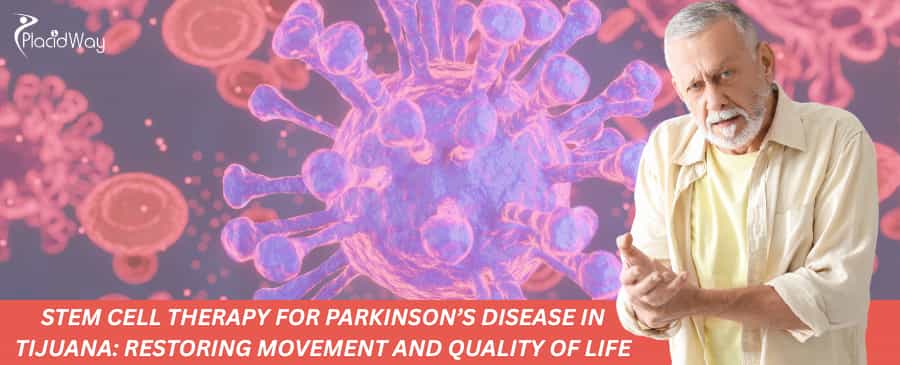
The global landscape of healthcare is evolving rapidly, and stem cell therapy for Parkinson's disease in Tijuana has emerged as an area of intense clinical interest. For individuals living with neurodegenerative conditions, standard dopaminergic medications often lose their efficacy over time or produce challenging side effects. This reality drives many families to explore alternative therapeutic avenues that focus on managing symptoms from a cellular level. Tijuana has positioned itself at the forefront of this movement, offering advanced medical facilities located just minutes from the United States border.
Regenerative medicine seeks to utilize the body's natural healing mechanisms to target the underlying cellular distress associated with Parkinson’s disease. While it is crucial to understand that there is currently no cure for this condition, therapeutic protocols involving expanded mesenchymal cells aim to promote neuroprotection and modulate inflammation. Most patients experience varying degrees of response, making comprehensive preliminary consultations an essential part of the process. Medical professionals in Baja California are dedicated to evaluating each case thoroughly to establish highly realistic expectations.
Tijuana is home to specialized medical border crossings, commonly known as medical lanes, which significantly reduce wait times for international patients returning to the United States after their procedures.
- Focus on neuro-inflammation: Therapy attempts to alter the harsh inflammatory environment in the brain.
- Cellular support: The introduced cells release neurotrophic factors intended to support existing neuronal health.
- Complementary care: Treatments are typically integrated with standard neurological protocols, not replacing them entirely.
How Regenerative Medicine Targets Parkinson’s Symptoms
The progression of Parkinson’s disease is heavily linked to the steady loss of dopamine-producing neurons located in the substantia nigra region of the brain. When utilizing regenerative therapies for neurological conditions, the primary goal is not necessarily to replace these lost neurons directly, but rather to alter the biological environment surrounding them. The administered biological agents naturally migrate toward areas of acute tissue damage and systemic inflammation. Once localized, they initiate complex cellular signaling processes that are vital for neurorestoration.
Patients exploring Parkinson's treatment options in Mexico often learn that these cells act primarily as immunomodulators and secretory agents. By releasing specific proteins and growth factors, they may help preserve the surviving dopamine neurons and stimulate internal repair mechanisms. The physiological response varies, but the objective remains to delay disease progression and mitigate symptoms like tremors, rigidity, and bradykinesia. This multifaceted approach highlights the complexity and potential of modern cellular science.
Mesenchymal stem cells (MSCs) are multipotent stromal cells that have demonstrated significant ability to cross the blood-brain barrier under certain clinical administration methods, allowing them to directly reach central nervous system tissues.
- Angiogenesis promotion: Encouraging the formation of new blood vessels to improve blood flow to the brain.
- Apoptosis prevention: Helping to prevent the premature programmed cell death of vital nerve cells.
- Immune system regulation: Calming overactive immune responses that contribute to neurodegeneration.
Why Choose Medical Tourism in Tijuana for Neurological Care
The decision to pursue medical tourism in Tijuana is often driven by a combination of geographic convenience, financial feasibility, and access to modern therapeutic protocols. As a major border city, Tijuana offers a unique ecosystem of specialized healthcare facilities catering explicitly to North American and international patients. The proximity to San Diego means patients can easily fly into Southern California and cross the border safely via organized clinic transport. This logistical ease drastically reduces the travel fatigue typically associated with long-haul medical travel.
Furthermore, the regulatory environment in Mexico allows established medical professionals to implement safe, innovative, and ethically approved cellular protocols that might still be in prolonged clinical trial phases elsewhere. Regenerative clinics in Tijuana employ board-certified specialists who frequently train internationally and hold dual certifications. Patients benefit from English-speaking medical staff, state-of-the-art diagnostic equipment, and a level of personalized hospitality that prioritizes patient comfort and dignity.
Always verify that the clinic you are visiting in Tijuana has dedicated bilingual patient coordinators. Clear communication regarding medical history and post-procedure care is absolutely critical for neurological treatments.
- Geographic accessibility: Easily reachable via short flights to San Diego followed by a quick cross-border transfer.
- Advanced facilities: Access to modern laboratories operating under strict sterile and regulatory guidelines.
- Multidisciplinary teams: Care protocols often include neurologists, immunologists, and physical therapists working collaboratively.
Cost Comparison for Stem Cell Therapy for Parkinson’s in Tijuana
One of the most compelling reasons individuals research this topic is the substantial difference in the cost of Parkinson's treatment in Mexico compared to the United States or Canada. In North America, specialized cellular interventions can be prohibitively expensive, often entirely out-of-pocket as they are generally not covered by standard health insurance plans. Tijuana offers a financially transparent alternative without compromising on the quality of the biological materials or clinical safety standards. Facilities achieve these competitive prices through lower administrative overhead and differences in regional economic structures.
When evaluating pricing, it is crucial to understand that an affordable stem cell therapy in Tijuana typically operates within realistic market ranges rather than offering suspiciously low rates. Treatment packages are highly customized based on the necessary cell count and specific delivery methods required for neurological impact. A detailed breakdown allows patients to plan their medical budgets effectively while ensuring they receive comprehensive care that includes necessary pre-screening and initial follow-up diagnostics.
| Procedure / Sub-Treatment Name | Average Cost in Tijuana (USD) | Average Cost in US/Canada (USD) |
|---|---|---|
| Standard Intravenous (IV) Stem Cell Protocol | $4,500 - $6,500 | $12,000 - $20,000 |
| Intrathecal (Lumbar Puncture) Administration | $6,000 - $8,500 | $18,000 - $28,000 |
| Comprehensive Parkinson's Package (Multi-dose) | $8,500 - $12,000 | $25,000 - $45,000 |
Medical tourists traveling to Mexico for specialized regenerative medicine can generally expect to save between 50% to 70% on total procedure costs compared to equivalent clinical care in the United States.
The Science Behind Mesenchymal Stem Cells in Neurological Treatments
The foundation of neurological stem cell care lies predominantly in the use of Mesenchymal Stem Cells (MSCs). These specific types of cells are widely favored in clinical settings because they are naturally immunoprivileged, meaning they typically do not trigger adverse immune rejection responses in the patient's body. These cells are ethically sourced, most often harvested from donated human umbilical cord tissue (Wharton's Jelly) following healthy, full-term pregnancies. The laboratory expansion of these cells ensures a high concentration of potent, viable biological material.
Once administered, MSCs employ a mechanism known as paracrine signaling to interact with the patient's existing neural networks. They secrete a rich cocktail of cytokines, chemokines, and growth factors that create a highly restorative microenvironment. For individuals looking into advanced medical procedures in Baja California, understanding this mechanism helps frame realistic expectations. The therapy is designed to mitigate the toxic buildup of misfolded proteins and reduce the oxidative stress that aggressively damages dopamine neurons over time.
Umbilical cord-derived MSCs have a higher proliferation rate and are generally considered more robust than stem cells harvested from a patient's own bone marrow or adipose (fat) tissue.
- Immunoprivileged nature: Significantly reduces the risk of Graft-Versus-Host Disease (GVHD).
- Ethical sourcing: Utilizes tissue that would otherwise be discarded as medical waste.
- High cell viability: Laboratory expansion ensures maximum potency at the time of clinical application.
Patient Eligibility for Parkinson’s Regenerative Treatments in Mexico
While regenerative medicine offers promising potential, not every individual is a suitable candidate for stem cell therapy for Parkinson's disease in Tijuana. Reputable medical professionals adhere strictly to comprehensive screening protocols to ensure patient safety and optimize potential outcomes. During the preliminary evaluation phase, doctors thoroughly review the patient’s neurological history, current medication regimen, mobility scores, and overall metabolic health. This diligent vetting process is a hallmark of trustworthy medical facilities operating on a global standard.
There are strict medical contraindications that typically disqualify a patient from receiving cellular interventions. Maintaining transparent risk disclosures is essential; therefore, clinics must rigorously screen for underlying conditions that could react adversely to immunomodulatory treatments. Ideal candidates are generally those in the mild to moderate stages of Parkinson's disease, whose bodies are robust enough to endure minor medical procedures and actively participate in mandatory physical rehabilitation post-treatment.
Patients with active systemic infections, untreated malignancies (cancer), severe blood clotting disorders, or end-stage heart/kidney failure are strictly contraindicated for this procedure. Thorough medical clearance is mandatory.
- Required assessments: Comprehensive blood panels, MRI scans, and neurological baseline scoring.
- Medication review: Evaluating current dopaminergic drugs to ensure they do not interfere with cellular uptake.
- Physical baseline: Assessing the patient's current capacity for post-treatment physical therapy.
What to Expect During Your Stem Cell Procedure in Tijuana
The clinical journey for patients undergoing Parkinson's regenerative therapy in Mexico is generally designed to be as stress-free and streamlined as possible. Upon arrival at the clinic, patients undergo a final in-person medical consultation, vital sign checks, and a detailed explanation of the treatment timeline. The actual administration of the cells is typically an outpatient procedure, meaning the patient does not need to stay overnight in a hospital room, though they will remain under close observation for several hours post-application.
The delivery mechanism depends entirely on the neurologist's tailored protocol. Most Parkinson’s protocols utilize an intravenous (IV) drip combined with an intrathecal injection (a highly specialized lumbar puncture) to bypass the blood-brain barrier directly. The entire process is generally performed under local anesthesia or mild sedation to ensure maximum comfort. The medical team continuously monitors the patient to manage any immediate, albeit typically mild, reactions to the biological agents.
Wear loose, comfortable clothing on the day of your procedure and ensure you stay thoroughly hydrated in the 24 hours leading up to your appointment to facilitate easier intravenous access.
- Initial intake: Re-evaluation of vital signs and final consent forms.
- Administration phase: IV drip taking approximately 1 to 2 hours; intrathecal application taking about 30 minutes.
- Observation: A mandatory 2 to 4-hour resting period in a comfortable recovery suite before being discharged to the hotel.
Navigating Recovery and Follow-Up Care After Neurological Treatment
The immediate recovery phase following cellular therapies for Parkinson's disease is generally quite mild, allowing patients to travel back to their home countries within a few days. Patients may experience temporary side effects such as fatigue, localized soreness at the injection sites, or a low-grade fever, which typically resolve within 24 to 48 hours. It is imperative that patients adhere strictly to the post-care guidelines provided by their treating physicians, which almost always include a period of dedicated rest and avoidance of strenuous activities.
Long-term follow-up is a critical component of assessing the efficacy of medical travel for neurological conditions. Most reputable international clinics implement a structured remote follow-up schedule, connecting with patients at the one, three, and six-month marks via telehealth consultations. During these critical months, patients are strongly encouraged to integrate specialized physical therapy, occupational therapy, and nutritional counseling into their daily routines to maximize the potential neuroprotective benefits of the treatment.
- Immediate care: Prioritizing sleep, hydration, and avoiding intense physical exertion for the first two weeks.
- Medication management: Continuing all prescribed Parkinson’s medications unless expressly adjusted by a primary neurologist.
- Holistic integration: Participating in ongoing physical rehabilitation to promote neuroplasticity and maintain muscle strength.
Evaluating Success Rates and Realistic Expectations
Navigating the complex landscape of clinical outcomes requires a grounded, heavily evidence-based perspective. When researching stem cell treatments for movement disorders, patients must understand that biological responses are profoundly individualized. Success is typically defined not by a complete reversal of the condition, but rather by the stabilization of symptoms, a reduction in the required dosage of traditional medications, and a tangible improvement in the patient’s overall quality of life. Medical professionals will never guarantee results, as neurodegeneration is a highly unpredictable process.
Most patients experience a gradual shift rather than an immediate transformation. Improvements, if they occur, generally begin to manifest between the three to six-month post-treatment window. Patients may report subtle positive changes such as decreased tremor severity, improved sleep architecture, enhanced facial expression, and a reduction in "off" periods associated with levodopa usage. Framing these outcomes appropriately prevents emotional fatigue and allows the patient to appreciate the nuanced benefits of the regenerative therapies in Baja California.
Clinical observations suggest that patients who actively combine cellular therapy with intensive physical rehabilitation programs report a 30% to 40% higher satisfaction rate regarding their mobility improvements.
- Timeline of efficacy: Cellular integration and tissue repair processes take several months to manifest clinically.
- Symptom management: Focuses heavily on reducing rigidity and improving overall energy levels.
- Personalized outcomes: Results are heavily dependent on the patient's age, disease progression, and overall metabolic health.
Essential Safety Standards for Regenerative Clinics in Tijuana
Safety should always be the uncompromising priority for anyone pursuing safe medical tourism in Mexico. The regenerative medicine sector in Tijuana is overseen by COFEPRIS (The Federal Commission for the Protection against Sanitary Risk), Mexico's equivalent to the US FDA. Reputable clinics operate under stringent federal guidelines, ensuring that their laboratory facilities utilize comprehensive sterile techniques and maintain flawless cold-chain logistics for cellular storage. Patients should actively seek out facilities that are transparent about their licensing and operational protocols.
Furthermore, evaluating the medical board certifications of the treating physicians is a non-negotiable step in the research process. The best Parkinson's treatment clinics in Tijuana will readily provide documentation regarding the source, viability, and exact cell count of the biological material being used. They will also provide a Certificate of Analysis (CoA) from independent third-party laboratories, confirming that the utilized stem cells are entirely free of bacterial, viral, or fungal contamination.
High-quality cellular laboratories utilize flow cytometry technology to guarantee that the mesenchymal stem cells maintain at least a 95% viability rate prior to clinical administration.
- Regulatory compliance: Ensure the facility holds current COFEPRIS operating licenses for regenerative medicine.
- Transparency of materials: Request a Certificate of Analysis for all administered cellular products.
- Clinical environment: Treatment rooms should adhere to international standards for sterility and emergency preparedness.
Transforming Lives Through Regenerative Medicine in Mexico
Understanding the clinical science is essential, but reading about the lived experiences of individuals provides invaluable context for those considering stem cell therapy for Parkinson's disease in Tijuana. Patient narratives often highlight the profound, everyday impact that symptom stabilization can have on family dynamics and personal independence. While individual outcomes vary widely, these summaries reflect the common themes reported by international patients navigating this journey.
These generalized case summaries demonstrate the holistic approach taken by healthcare providers in Mexico, focusing heavily on patient dignity, comprehensive medical care, and continuous support. Below are examples of typical patient experiences following their neurological medical travel.
Michael D., United States
After five years of progressively worsening rigidity, Michael traveled to Tijuana for an intrathecal protocol. By month four, he reported a noticeable decrease in his morning stiffness, allowing him to resume light gardening and reducing his reliance on his walking aid.
Sarah T., Canada
Sarah experienced severe medication-induced dyskinesia. Post-treatment in Baja California, she noted that her "on" periods became more predictable and lasted longer, providing her with the stability needed to actively engage in her daily physical therapy routine.
Robert W., United Kingdom
Traveling internationally was daunting for Robert, but the seamless border logistics eased his anxiety. Six months post-procedure, his primary neurologist back home noted a plateau in his disease progression and a slight improvement in his vocal projection and swallowing mechanics.
Elena M., USA
Elena sought treatment primarily for chronic fatigue and depressive symptoms associated with her Parkinson's diagnosis. Following her comprehensive IV protocol, she experienced a significant boost in her baseline energy levels, vastly improving her overall mood and family interactions.
Preparing for Your Medical Journey to Baja California
Proper preparation is the cornerstone of a successful international medical experience. When planning for neurological treatments in Tijuana, compiling a comprehensive medical dossier is the very first step. Patients must gather all recent MRI reports, blood work, specialist diagnostic notes, and a complete, up-to-date medication list. Having this documentation digitized and translated, if necessary, ensures the receiving medical team has a holistic view of the patient’s physiological status before arrival.
Mental and logistical preparations are equally important. Patients should communicate openly with their primary care physicians at home about their decision to seek alternative therapies abroad, ensuring a collaborative approach to post-procedure care. Securing valid passports, coordinating local transportation through the designated clinic representatives, and planning for a supportive travel companion will make the medical travel experience in Mexico immensely more comfortable.
The San Diego International Airport (SAN) is located roughly 20 miles from the San Ysidro border crossing, making it an incredibly convenient transit hub for medical tourists traveling to Tijuana.
- Document organization: Compile all medical records, neurologist notes, and imaging files securely.
- Financial planning: Understand the clinic's payment policies and notify your banking institution of impending international transactions.
- Travel companion: Always travel with a trusted friend or family member who can assist with mobility and emotional support.
How PlacidWay Assists Your Stem Cell Therapy Medical Tourism Journey in Tijuana
Navigating the global healthcare landscape requires reliable guidance, particularly when managing complex neurological conditions. PlacidWay serves as an essential bridge, connecting international patients with accredited, high-quality medical providers globally. Our objective is to empower patients with transparent information, enabling them to make highly informed healthcare decisions that align with their specific clinical needs and financial boundaries.
By utilizing our comprehensive platform, individuals looking into regenerative options can securely access essential data regarding medical facilities, ensuring a safe and thoroughly evaluated healthcare experience.
- Verified provider networks: Access to an extensively vetted directory of regulated and accredited medical centers in Tijuana.
- Customized quotation access: Streamlined facilitation to request personalized treatment plans and pricing estimates directly from medical providers.
- Detailed clinic profiles: Comprehensive insights into physician credentials, medical board certifications, and clinical accreditations.
- Patient education resources: Objective, evidence-based content guiding you through the realities and protocols of regenerative medicine.
- Direct communication channels: Facilitation of initial telehealth consultations between you and top-tier international neurologists.
Frequently Asked Questions About Parkinson’s Treatment in Tijuana
When considering crossing borders for advanced healthcare, patients naturally harbor numerous questions regarding logistics, safety, and medical efficacy. Thoroughly researching the nuances of the destination and the procedure is a crucial step in alleviating anxiety. Understanding exactly what the process entails helps build a foundation of trust and sets the stage for a positive clinical experience.
Below are some of the most common inquiries international patients have regarding the pursuit of regenerative therapies in Baja California. These answers provide concise, medically grounded insights to assist in your ongoing research process.
Is stem cell therapy a cure for Parkinson’s disease?
Stem cell therapy is not a cure for Parkinson’s disease. It is typically utilized as an alternative or complementary approach intended to manage symptoms and potentially slow disease progression.
How much does Parkinson’s treatment cost in Mexico?
The cost of stem cell therapy for Parkinson's disease in Tijuana generally ranges from $4,500 to $12,000. Pricing depends on the specific protocol, number of cells administered, and inclusion of supportive therapies.
Are regenerative clinics in Tijuana safe for international patients?
Yes, many established clinics in Tijuana follow rigorous international safety protocols and are regulated by COFEPRIS. Patients should always verify facility accreditations and medical board certifications before traveling.
What type of stem cells are used for neurological conditions?
Most clinics in Mexico utilize ethically sourced, expanded mesenchymal stem cells (MSCs) derived from Wharton’s jelly or umbilical cord tissue. These are generally preferred for their immunomodulatory properties and safety profile.
How long do I need to stay in Tijuana for this procedure?
Patients typically need to stay in Tijuana for 3 to 5 days, depending on the comprehensive nature of the treatment protocol. This allows adequate time for initial consultations, the procedure, and preliminary follow-up.
When will I notice improvements from the treatment?
Results vary significantly among individuals, with some noticing changes within a few weeks, while others may take up to three to six months. Realistic expectations and ongoing neurological evaluations are essential.
Can I continue taking my regular Parkinson’s medication?
Yes, patients generally continue their prescribed dopaminergic medications during and after regenerative therapy. Any adjustments to traditional medication should only be made by your primary neurologist.
Do I need a special medical visa to enter Mexico for treatment?
Most patients traveling from the United States, Canada, and the European Union do not require a special medical visa for short stays. A standard tourist visa or valid passport is typically sufficient for entering Tijuana.
What are the common side effects of stem cell applications?
Common side effects are usually mild and may include temporary fatigue, low-grade fever, or localized soreness at the injection site. Severe adverse reactions are rare when proper medical protocols are strictly followed.
Who is considered ineligible for this type of regenerative therapy?
Patients with active infections, untreated cancers, or severe end-stage medical complications are generally strictly contraindicated for stem cell treatments. A thorough medical evaluation is always required to determine candidacy.
Take the next step in your medical journey. Contact PlacidWay today to connect with top-rated stem cell clinics in Tijuana and explore your personalized treatment options.
Medical Disclaimer: This article is for informational purposes only and is not medical advice. Always consult a qualified healthcare provider before any medical decisions. Results may vary. Read Full Disclaimer here.
References
- Parkinson's Foundation. Understanding Parkinson's: Treatment. https://www.parkinson.org/understanding-parkinsons/treatment
- National Institutes of Health (NIH). Mesenchymal Stem Cells and Neuroregeneration in Parkinson's Disease. https://pubmed.ncbi.nlm.nih.gov/23542820/
- Mayo Clinic. Stem Cell Therapy: What it is and what it does. https://www.mayoclinic.org/tests-procedures/bone-marrow-transplant/in-depth/stem-cells/art-20048117
- Michael J. Fox Foundation. Stem Cells and Parkinson's Disease. https://www.michaeljfox.org/stem-cell-research-and-parkinsons-disease
- World Health Organization (WHO). Neurological Disorders: Public Health Challenges. https://www.who.int/news-room/fact-sheets/detail/parkinson-disease

















Share this listing