


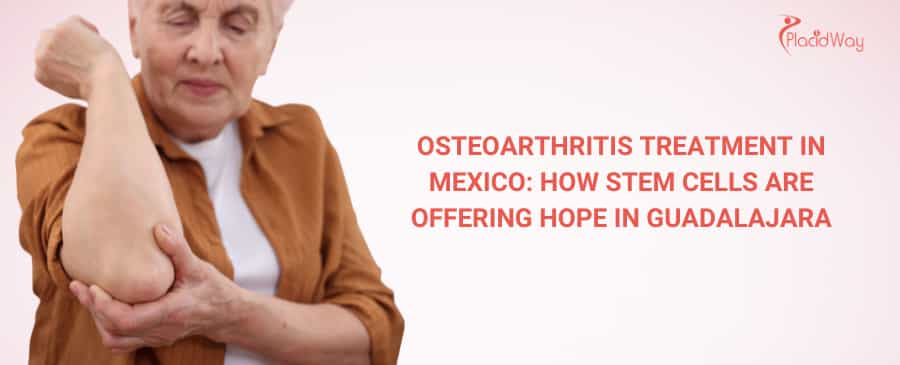
Osteoarthritis is a progressively debilitating joint condition that affects millions of people globally, causing the protective cartilage that cushions the ends of bones to wear down over time. For many individuals facing chronic pain and restricted mobility, finding an effective osteoarthritis treatment in Mexico has become an appealing alternative to traditional, highly invasive surgical procedures. By addressing the root cause of inflammation and tissue degradation, modern medical approaches seek to improve the overall quality of life for those suffering from joint wear and tear.
In recent years, regenerative medicine has fundamentally shifted the paradigm of orthopedic care. Stem cell therapy for osteoarthritis leverages the body's natural healing mechanisms to potentially repair damaged tissues and reduce systemic inflammation within the joint capsule. While it is not a miraculous cure, this innovative biological approach generally provides significant symptom management, helping patients delay or sometimes avoid joint replacement surgeries while reclaiming their active lifestyles.
Stem cells are characterized by their unique ability to self-renew and differentiate into various specialized cell types, including chondrocytes, which are the building blocks of healthy joint cartilage.
- Minimally invasive approach with a lower risk profile than traditional open surgeries.
- Focuses on modifying the joint's microenvironment to reduce chronic inflammation.
- Typically performed as an outpatient procedure, allowing for a quicker return to daily routines.
Why Guadalajara is a Top Destination for Regenerative Medicine
Guadalajara has rapidly emerged as a premier hub for international medical travelers seeking high-quality healthcare services. Often referred to as the "Silicon Valley of Mexico," the city combines advanced technological infrastructure with a robust network of modern, internationally accredited hospitals. Patients traveling for stem cell therapy in Guadalajara find a medical environment that rivals top-tier institutions in North America, staffed by highly specialized physicians who have often trained globally.
Beyond the clinical excellence, the city offers a highly supportive environment for recovery and medical tourism. The geographical proximity to the United States and Canada ensures short flight times, while the local healthcare infrastructure caters specifically to the needs of international patients. This combination of accessibility, rigorous medical standards, and comprehensive patient care makes the region an ideal setting for pursuing regenerative medicine in Mexico.
Guadalajara is home to multiple hospitals accredited by the Joint Commission International (JCI) and local regulatory bodies, ensuring that safety and quality protocols meet stringent global requirements.
- Direct flights available from major US and Canadian metropolitan airports.
- Bilingual healthcare professionals ensuring seamless communication with patients.
- A temperate climate year-round that supports a comfortable and relaxing post-procedure recovery.
How Stem Cell Treatment for Osteoarthritis in Mexico Works
The core philosophy behind regenerative joint treatment is to harness potent biological cells and introduce them directly into the degenerated area. When considering stem cell treatment for osteoarthritis in Mexico, the procedure typically begins with a thorough diagnostic evaluation to map the exact severity of cartilage loss. Utilizing state-of-the-art imaging technology, specialized doctors pinpoint the precise locations within the knee, hip, or shoulder that require targeted cellular intervention.
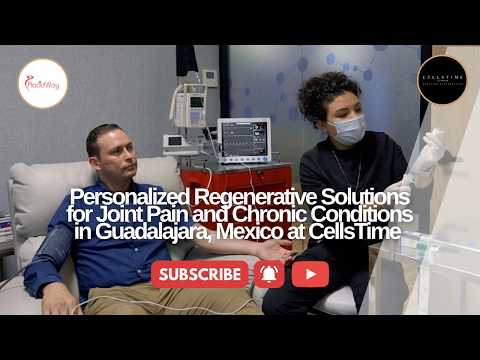
Once the treatment plan is established, the biological material is prepared in a highly sterile, certified laboratory environment. The cells are then administered directly into the affected joint capsule, usually under ultrasound or fluoroscopic guidance to ensure perfect placement. Most patients experience minimal discomfort during this localized injection, and the entire protocol is designed to maximize the survivability and integration of the cells into the surrounding tissue.
Patient Case Summary: Robert's Knee Therapy
Robert, a 62-year-old avid golfer from Texas, was facing bilateral knee replacement due to severe osteoarthritis. Opting for regenerative joint therapy in Guadalajara, he reported a significant reduction in chronic swelling and pain within eight weeks post-injection, allowing him to return to the golf course with much-improved mobility.
- Precise diagnostic imaging ensures accurate diagnosis and treatment planning.
- Advanced laboratory protocols maintain the high viability of the regenerative cells.
- Image-guided injection techniques maximize the therapeutic efficacy at the target site.
Affordable Osteoarthritis Treatment Cost in Guadalajara Mexico
One of the primary driving factors for the influx of medical tourists to this region is the incredibly competitive pricing structure for advanced healthcare. The affordable osteoarthritis treatment cost in Guadalajara Mexico allows patients to receive cutting-edge regenerative therapies without the prohibitive price tags common in North America. This cost efficiency is strictly due to lower overhead expenses and administrative costs in the country, not a reduction in medical quality or safety standards.
When analyzing the overall financial investment, medical tourists often save between 50% and 70% compared to domestic healthcare providers. This drastic reduction in out-of-pocket expenses empowers patients to pursue comprehensive joint therapy in Mexico, sometimes even allowing them to treat multiple joints or combine stem cells with Platelet-Rich Plasma (PRP) therapies for enhanced healing outcomes.
Always request a comprehensive, itemized quote before traveling. Ensure the price includes pre-procedure consultations, laboratory tests, the actual cellular therapy, and necessary follow-up care to accurately budget your trip.
| Procedure / Treatment Protocol | Average Cost in Mexico (USD) | Estimated Cost in US/Canada (USD) |
|---|---|---|
| Stem Cell Injection (Single Joint) | $3,500 - $5,000 | $8,000 - $15,000 |
| Stem Cell Injection (Bilateral / Two Joints) | $5,500 - $8,000 | $14,000 - $25,000 |
| Platelet-Rich Plasma (PRP) Add-on | $500 - $800 | $1,500 - $3,000 |
Types of Stem Cells Used for Joint Therapy in Mexico
Understanding the biological components utilized in these procedures is crucial for any prospective patient. Specialists providing regenerative medicine in Mexico typically utilize Mesenchymal Stem Cells (MSCs), which are highly regarded for their robust anti-inflammatory and immunomodulatory properties. These specific cells are instrumental in signaling the body’s intrinsic repair mechanisms, creating an environment conducive to joint tissue stabilization.
There are generally two primary sources for these cells: autologous (derived from the patient’s own bone marrow or adipose fat tissue) and allogeneic (ethically sourced from donated umbilical cord tissue). Umbilical cord-derived cells are increasingly popular in stem cell therapy for knees in Guadalajara because they are youthful, highly robust, and eliminate the need for a painful harvesting procedure from the patient's own body.
Allogeneic umbilical cord stem cells are considered immune-privileged. This means they generally do not trigger a rejection response from the patient's immune system, making them a safe option for joint injections.
- Autologous cells utilize your body's own fat or marrow but require an extraction procedure.
- Allogeneic cells offer a high concentration of potent, youthful cells without patient extraction pain.
- Medical specialists determine the optimal cell type based on the patient's age and joint condition.
Who is an Ideal Candidate for Regenerative Joint Therapy
While biological treatments offer significant promise, proper patient selection remains the cornerstone of clinical success. The ideal candidates for stem cell therapy for osteoarthritis are typically individuals suffering from mild to moderate joint degeneration who have not found adequate relief from conservative treatments like physical therapy, NSAIDs, or corticosteroid injections. These patients still have a viable structural framework within the joint that the cells can help stabilize.
Conversely, patients with severe "bone-on-bone" osteoarthritis or significant mechanical joint deformities may not achieve the desired functional outcomes from injections alone. A comprehensive medical consultation and recent MRI evaluations are critical steps in determining whether a patient will truly benefit from regenerative joint therapy in Mexico.
Stem cell treatments are strictly contraindicated for individuals with active systemic infections, certain active cancers, or severe blood clotting disorders. Always provide your complete medical history to your evaluating physician.
- Best suited for early to moderate stages of joint cartilage degeneration.
- Ideal for patients looking to delay invasive joint replacement surgeries.
- Requires patients to have realistic expectations regarding pain management versus a total cure.
Evaluating the Success Rates of Stem Cells for Joint Degeneration
Navigating clinical outcomes requires a clear understanding of what "success" means in the context of regenerative orthopedics. For individuals exploring osteoarthritis treatment in Mexico, success is generally defined as a significant reduction in localized pain, decreased joint stiffness, and a measurable improvement in the patient's daily functional capacity. Data indicates that a large majority of appropriately screened patients experience meaningful relief that can last for several years.
The efficacy of the treatment relies heavily on the quality of the cellular product, the precision of the injection, and the patient's adherence to post-procedure rehabilitation guidelines. While individual outcomes inherently vary, patients receiving stem cells in Guadalajara under the care of specialized orthopedic experts report high satisfaction rates, particularly regarding the restoration of their quality of life.
Clinical observations in regenerative orthopedics suggest that up to 75-80% of ideal candidates report a noticeable decrease in joint pain and functional improvement within 3 to 6 months following MSC injections.
Patient Case Summary: Elena's Hip Arthritis
Elena, a 55-year-old teacher, struggled with persistent hip pain that made walking difficult. After receiving minimally invasive stem cell therapy in Mexico, she reported a gradual but significant decrease in morning stiffness and joint pain. Eight months later, she successfully returned to her favorite hiking trails without requiring daily pain medications.
- Success heavily depends on accurate diagnosis and proper patient screening.
- Improvement is gradual as the biological healing process takes several weeks to initiate.
- Outcomes are significantly improved when combined with tailored physical therapy.
What to Expect During Your Medical Tourism Experience in Guadalajara
Embarking on a healthcare journey abroad can seem daunting, but specialized clinics have streamlined the process for international visitors. When you arrive for medical tourism in Guadalajara, you are typically greeted by dedicated patient coordinators who guide you through the initial clinical assessments. This concierge-level approach ensures that patients feel comfortable, informed, and supported long before they enter the treatment room.
The overall itinerary for osteopathic care in Mexico usually involves a stay of around three to five days. This timeframe comfortably accommodates initial blood work, diagnostic imaging, the actual injection protocol, and a comprehensive post-treatment evaluation to clear you for safe travel back home. The city's modern infrastructure makes navigating this medical schedule both stress-free and efficient.
Pack loose, comfortable clothing and supportive footwear for your trip. Since you will be receiving joint injections, avoiding tight or restrictive garments will make your clinical visits and immediate recovery much more comfortable.
- Pre-trip digital consultations establish a baseline understanding of your medical needs.
- On-the-ground support staff assist with hospital navigation and language translation if necessary.
- Sufficient recovery time built into the travel itinerary ensures medical safety before flying.
Recovery Timeline After Stem Cell Knee Injections
Understanding the post-procedure trajectory is vital for setting realistic expectations and planning your return to normal activities. Following stem cell therapy for knees in Guadalajara, patients typically experience mild localized soreness or swelling at the injection site for a few days. This is a natural physiological response indicating that the targeted biological activity has commenced within the joint capsule.
While the actual downtime is remarkably short compared to orthopedic surgery, the cellular healing phase is a marathon, not a sprint. Most patients are advised to engage only in light, low-impact activities for the first few weeks. As the cells work to reduce inflammation and modulate the immune response, patients generally start noticing the more profound benefits of their osteoarthritis treatment in Mexico within four to eight weeks, with continued improvements over several months.
Patient Case Summary: Mark's Shoulder Recovery
Mark suffered from degenerative changes in his right shoulder due to years of manual labor. Following his cellular injection procedure, he adhered strictly to his post-care instructions. He noted that the initial mild ache subsided in 48 hours, and by week six, his range of motion had improved drastically, allowing him to sleep comfortably through the night.
- Avoid high-impact sports and heavy lifting for at least 4 to 6 weeks post-procedure.
- Use prescribed supportive braces or joint off-loading devices if recommended by your physician.
- Maintain open communication with your medical team for long-distance follow-up assessments.
Navigating the Safety Standards of Regenerative Medicine in Mexico
Safety is understandably the primary concern for any patient traveling internationally for complex healthcare services. The regulatory framework governing regenerative medicine in Mexico is administered by COFEPRIS (the Federal Commission for the Protection against Sanitary Risk), which acts similarly to the FDA in the United States. Reputable medical facilities operate under strict compliance with these federal guidelines, ensuring ethical cell sourcing, sterile laboratory environments, and standardized injection protocols.
Furthermore, leading clinics catering to international patients actively pursue global accreditations to demonstrate their commitment to excellence. By prioritizing facilities that transparently showcase their laboratory certifications and the credentials of their board-certified specialists, patients can safely access high-quality affordable osteoarthritis treatment in Mexico with confidence and peace of mind.
Laboratories cultivating stem cells for medical use in certified Mexican clinics operate inside strict ISO-certified cleanrooms, preventing any external contamination and ensuring the highest cellular viability.
- COFEPRIS oversees and regulates the processing and administration of biological therapies.
- Medical tourism platforms meticulously vet clinics to ensure international safety compliance.
- Transparency in medical licensing and laboratory practices is a hallmark of trustworthy providers.
Comparing Traditional Surgery vs Stem Cell Therapy for Arthritis
When assessing options for severe joint deterioration, the debate between surgical intervention and biological preservation is a highly personal medical decision. Traditional joint replacement surgery involves excising the damaged bone and cartilage and implanting a metal or plastic prosthesis. While highly effective for end-stage arthritis, it requires extensive rehabilitation, carries risks of surgical complications, and demands a lengthy, painful recovery period.
In contrast, pursuing stem cell treatment for osteoarthritis focuses on joint preservation. It acts as a powerful anti-inflammatory and immunomodulatory tool designed to salvage existing tissue. For patients seeking joint therapy in Guadalajara, this minimally invasive route avoids the trauma of surgery, significantly reduces recovery time, and preserves the natural biomechanics of the joint, though it generally requires the patient to still have a foundational cartilage structure intact.
Patient Case Summary: Susan's Alternative to Surgery
Advised to undergo a total knee arthroplasty, 68-year-old Susan wanted to exhaust all non-surgical options first. She chose regenerative therapy abroad. While she still experiences occasional mild stiffness on very active days, the treatment successfully mitigated her severe chronic pain, allowing her to confidently cancel her scheduled surgical intervention.
- Surgery replaces the joint entirely, while stem cells aim to preserve natural joint anatomy.
- Regenerative therapy eliminates the risks associated with general anesthesia and large surgical incisions.
- Stem cell protocols offer a significantly faster return to baseline daily activities compared to major surgery.
Combining Stem Cell Therapy with Comprehensive Joint Rehabilitation
To maximize the clinical benefits of biological injections, leading specialists strongly advocate for a multimodal approach to joint health. Receiving osteoarthritis treatment in Mexico is merely the critical first step; the subsequent physical rehabilitation is what secures the long-term functional gains. Targeted physical therapy helps to strengthen the surrounding musculature, thereby off-loading mechanical stress from the newly treated joint capsule.
Doctors often coordinate with the patient's local physical therapists back home to ensure continuity of care. This synergy between advanced regenerative medicine in Mexico and structured functional rehabilitation creates an optimal environment for the cells to work, ultimately improving joint stability, enhancing flexibility, and prolonging the pain-relieving effects of the treatment.
Clinical studies indicate that patients who combine regenerative joint injections with a dedicated physical therapy regimen demonstrate a 40% higher improvement in overall joint mobility scores.
Maintaining a healthy body mass index (BMI) can drastically improve stem cell outcomes; every 1 pound of weight loss relieves roughly 4 pounds of mechanical pressure from the knee joints.
- Physical therapy improves blood flow, aiding the delivery of nutrients to the healing joint.
- Strengthening adjacent muscles provides crucial mechanical support to degenerated cartilage.
- Dietary modifications to reduce systemic inflammation further support biological healing.
How PlacidWay Assists Your Osteoarthritis Medical Tourism Journey in Guadalajara
Planning international healthcare requires meticulous organization, trusted resources, and verified provider networks. Relying on an experienced medical tourism facilitator removes the uncertainty from finding highly specialized stem cell therapy in Guadalajara. PlacidWay connects international patients with accredited facilities that adhere strictly to top-tier global medical protocols.
By offering personalized guidance and transparent communication, patients are empowered to make highly informed healthcare decisions. Accessing safe and affordable osteoarthritis treatment in Mexico becomes a structured, supportive experience designed around clinical excellence and patient empowerment.
- Connects patients directly with board-certified regenerative medicine specialists and accredited facilities.
- Facilitates the seamless transfer of medical records and MRI imaging for accurate pre-consultations.
- Provides transparent, itemized medical quotes to ensure complete financial clarity for your procedure.
- Offers dedicated patient coordination to navigate clinic communications effectively.
- Ensures all partnered medical centers comply with stringent international safety and hygiene standards.
Frequently Asked Questions About Stem Cell Therapy for Osteoarthritis in Mexico
Is stem cell therapy for osteoarthritis safe in Mexico?
Yes, regenerative medicine is generally considered safe when performed at certified medical facilities. Stem Cell Therapy for Osteoarthritis clinics in Guadalajara adhere to stringent international safety standards and regulatory guidelines to ensure patient wellbeing.
How much does stem cell therapy cost in Guadalajara?
The cost typically ranges from $3,500 to $8,000 depending on the number of joints treated and the specific protocol. This represents a significant saving compared to prices in the United States or Canada.
Are the results of stem cell therapy permanent?
Stem cell therapy is not a permanent cure for osteoarthritis, but it typically provides long-lasting relief. Most patients experience reduced inflammation and improved mobility for several years before requiring additional care.
What type of stem cells are used for joint therapy?
Most protocols utilize Mesenchymal Stem Cells (MSCs), which are ethically sourced from the patient’s own body (autologous) or from donated umbilical cord tissue (allogeneic). Your physician will recommend the best option based on your condition.
Do I need a special visa for medical treatment in Mexico?
Patients from the US, Canada, and many European countries typically do not need a special medical visa for short stays. A standard tourist permit provided at entry is generally sufficient for the duration of the procedure and initial recovery.
How long does the stem cell procedure take?
The actual injection procedure is generally an outpatient treatment taking only a few hours. However, international patients typically stay in the city for 3 to 5 days to allow for comprehensive pre-evaluations and post-treatment follow-ups.
Is the treatment painful?
The procedure involves minimally invasive injections and is generally well-tolerated by most patients. Local anesthesia is typically applied to the injection site to minimize any temporary discomfort during the administration.
Can stem cells regenerate lost cartilage completely?
While stem cells have regenerative properties, they generally do not completely regrow lost cartilage in severe bone-on-bone cases. Their primary benefit lies in modifying the joint environment to reduce pain, lower inflammation, and delay disease progression.
When will I notice improvements after the treatment?
Recovery timelines vary, but patients typically begin to notice a reduction in pain and improved joint function within 4 to 12 weeks. The cellular healing process continues to progress over several months following the initial injection.
How do I ensure the clinic in Guadalajara is reputable?
It is essential to look for facilities with international accreditations and board-certified regenerative medicine specialists. Medical tourism platforms meticulously vet these providers to ensure they meet high-quality global healthcare standards.
Ready to take the first step towards a pain-free life? Let PlacidWay guide your journey to world-class osteoarthritis treatment in Guadalajara.
Medical Disclaimer: This article is for informational purposes only and is not medical advice. Always consult a qualified healthcare provider before any medical decisions. Results may vary. Read Full Disclaimer here.
References
- Mayo Clinic. Osteoarthritis - Diagnosis and Treatment. https://www.mayoclinic.org/diseases-conditions/osteoarthritis/diagnosis-treatment/drc-20351930
- Arthritis Foundation. Stem Cell Therapy for Arthritis. https://www.arthritis.org/science/events-publications/stem-cell-guidance
- National Institutes of Health (NIH). Mesenchymal Stem Cells in Osteoarthritis Therapy. https://pmc.ncbi.nlm.nih.gov/articles/PMC4949411/
- U.S. Food and Drug Administration (FDA). Important Patient and Consumer Information About Regenerative Medicine Therapies. https://www.fda.gov/vaccines-blood-biologics/consumers-biologics/important-patient-and-consumer-information-about-regenerative-medicine-therapies
- OrthoInfo (AAOS). Alternative Treatments for Osteoarthritis. https://orthoinfo.aaos.org/en/diseases--conditions/osteoarthritis/


















Share this listing