
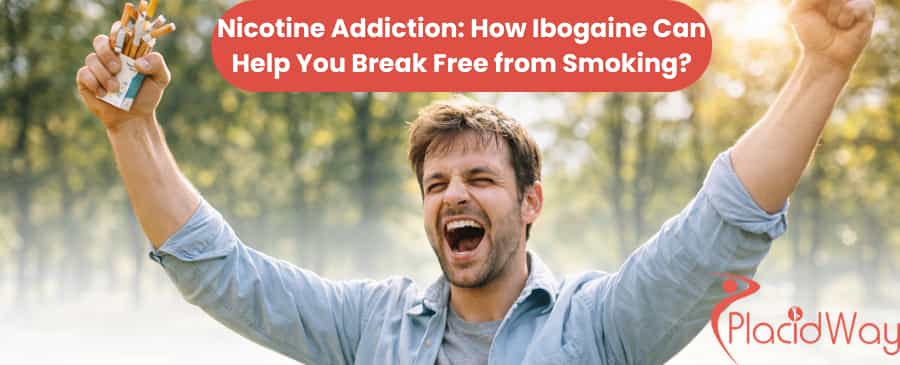
For millions of individuals worldwide, the grip of severe nicotine dependence feels impossible to break. Despite the availability of patches, gums, prescription medications, and cognitive behavioral therapy, relapse rates for smokers remain staggeringly high. Nicotine fundamentally alters brain chemistry, creating deep-rooted neural pathways that demand continuous stimulation, making the process of quitting feel like an insurmountable physical and psychological battle.
Enter a groundbreaking alternative that is changing the landscape of addiction medicine: psychedelic therapy for substance abuse. Specifically, Ibogaine, a naturally occurring psychoactive alkaloid, is emerging as a powerful catalyst for smoking cessation. By traveling to medically advanced, regulated clinics in Mexico, international patients are discovering a safe, clinically supervised way to reset their brain's reward circuitry, bypass agonizing withdrawal symptoms, and finally reclaim their health from the devastation of tobacco.
Key Takeaways:
- Rapid Withdrawal Elimination: Ibogaine interacts with brain receptors to significantly reduce or completely eliminate the physical withdrawal symptoms associated with quitting nicotine cold turkey.
- Comprehensive Medical Packages: Treatment in Mexico typically includes pre-screening (EKG/bloodwork), a medically supervised flood dose, luxurious accommodations, and post-care integration.
- Substantial Cost Savings: Patients save up to 60-70% compared to luxury inpatient rehabs in the US or Europe, with premium packages offering superior personalized care.
- Average Global Costs for Addiction Retreats:
- Mexico (Ibogaine Clinic): $4,500 – $8,500
- Costa Rica (Alternative Plant Medicine): $5,000 – $9,000
- US/Canada (Standard Inpatient Rehab - Ibogaine not available): $15,000 – $40,000+
Understanding the Grip of Nicotine and the Ibogaine Alternative
Nicotine hijacks the brain's reward center, making traditional cessation methods a grueling uphill battle. Ibogaine offers a revolutionary neurological reset, interrupting the cycle of dependency at its biological core.
Nicotine is notoriously known as one of the most addictive substances on the planet, often compared to heroin or cocaine in terms of how difficult it is to quit. When you inhale tobacco smoke, nicotine rushes to your brain within seconds, binding to nicotinic acetylcholine receptors. This triggers a massive release of dopamine—the "feel-good" neurotransmitter—creating a brief sense of euphoria and relaxation. Over time, your brain develops a profound chemical dependency, requiring more nicotine just to feel normal. When deprived, the brain triggers severe withdrawal symptoms: anxiety, irritability, insomnia, and intense, overwhelming cravings.
Traditional nicotine replacement therapies (NRTs) merely substitute the delivery method, keeping the addiction alive while slowly tapering the dose. For chronic smokers, this slow taper is often agonizing and leads directly back to smoking. Ibogaine, however, approaches the problem differently. It acts as a profound pattern interrupt. Administered in a highly controlled, clinical environment, it addresses both the physical dependency and the deep-seated psychological habits that keep you reaching for a cigarette.
"What makes Ibogaine unique in the realm of holistic addiction treatment is its dual-action mechanism. It doesn't just block receptor sites to stop physical withdrawals; it induces a deep, dream-like state of introspection. This allows patients to confront the underlying trauma, stress, or emotional triggers that fuel their smoking habit. You are treating the mind and the body simultaneously, which is why facilities in Cancun and Tijuana are seeing such remarkable success rates."
How Does Ibogaine Work to Reset the Brain's Receptors?
Through a complex interaction with multiple neurotransmitter systems, Ibogaine promotes neuroplasticity and repairs dopamine pathways damaged by years of chronic smoking.
The science behind Ibogaine is fascinating and deeply rooted in its ability to promote neuroplasticity. When a patient ingests a medical "flood dose" of Ibogaine, the alkaloid breaks down into noribogaine in the liver. Noribogaine remains in the system for weeks, continuing to heal the brain long after the initial psychoactive experience has concluded. It specifically targets the brain's dopamine and serotonin pathways, essentially returning them to a "pre-addiction" state.
Furthermore, research suggests that Ibogaine increases the expression of Glial cell line-derived neurotrophic factor (GDNF). GDNF is a protein that promotes the survival and regeneration of neurons. By boosting GDNF levels, Ibogaine helps repair the neural circuitry that has been hijacked by continuous nicotine use. This biological reset is the primary reason patients wake up from an Ibogaine treatment reporting a complete absence of physical cravings. The overwhelming urge to smoke simply vanishes, giving the patient a clean slate to begin their life anew.
Ibogaine is derived from the root bark of the Tabernanthe iboga shrub, native to the Congo basin in Central Africa. While indigenous Bwiti tribes have used it for centuries in spiritual initiation rites, its anti-addictive properties were only accidentally discovered in the 1960s by a young scientific researcher seeking a way to cure his own substance dependence.
Why Choose Mexico for Your Ibogaine Retreat?
Mexico offers a fully legal framework for Ibogaine administration, combining luxurious retreat settings with highly advanced, internationally accredited medical oversight.
Because Ibogaine has psychoactive properties, it is classified as a Schedule I substance in the United States and is heavily restricted in many European countries. However, in Mexico, Ibogaine is an unregulated prescription medication, which means it can be legally administered by licensed medical doctors. This legal distinction has transformed cities like Tijuana, Rosarito, Playa del Carmen, and Cancun into global epicenters for alternative addiction medicine.
By traveling to Mexico, international patients are not seeking an underground experience; they are accessing state-of-the-art medical facilities. The best clinics operate like boutique hospitals. They employ cardiologists, certified anesthesiologists, and emergency medical technicians to monitor patients 24/7. This robust medical infrastructure ensures that the treatment is not only effective but remarkably safe. Furthermore, the cost of healthcare operations in Mexico allows these clinics to provide luxury accommodations, holistic therapies, and continuous medical supervision at a fraction of what a standard, non-psychedelic rehab would cost in the West.
Ibogaine Therapy vs. Global Alternatives
Evaluating the financial investment of Ibogaine therapy in Mexico reveals immense value when compared to the high costs of traditional inpatient facilities in North America.
When considering the cost of treatment, it is essential to factor in the lifelong financial burden of a smoking habit, alongside the potential medical costs of smoking-related illnesses. While Ibogaine is an out-of-pocket expense not typically covered by Western insurance, the comprehensive nature of the packages in Mexico provides exceptional value. Let's compare the costs of inpatient medical detox and alternative treatments globally.
| Treatment Type / Procedure | Location | Price Range (USD) | Typical Inclusions | Duration |
|---|---|---|---|---|
| Clinical Ibogaine Retreat | Mexico (Tijuana/Cancun) | $4,500 – $8,500 | Pre-medical screening, EKG, flood dose, luxury lodging, 24/7 doctor care, meals, integration therapy. | 5 – 7 Days |
| Alternative Plant Medicine | Costa Rica | $5,000 – $9,000 | Retreat setting, holistic therapies, ceremonial approach, standard medical standby. | 7 – 10 Days |
| Clinical Ibogaine Retreat | Bahamas | $8,000 – $12,000 | Medical screening, private rooms, specialized coaching, clinical environment. | 7 Days |
| Standard Inpatient Rehab | United States / Canada | $15,000 – $40,000+ | Talk therapy, NRT patches, group counseling. (No psychedelic therapies included). | 30 – 90 Days |
The Step-by-Step Treatment Journey
A successful Ibogaine journey is meticulously structured to ensure patient safety, psychological readiness, and maximum efficacy for long-term cessation.
Step 1: Comprehensive Medical Pre-Screening
Rigorous cardiovascular and psychological evaluations are paramount before treatment can begin.
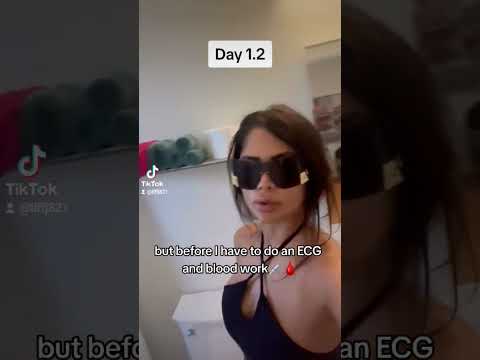
Because Ibogaine temporarily slows the heart rate (bradycardia), ensuring the patient has a healthy cardiovascular system is non-negotiable. Upon arrival at the clinic, patients undergo extensive blood work, liver function tests, and a 12-lead electrocardiogram (EKG). A medical doctor reviews these results to clear the patient for the procedure, ensuring they meet strict international safety protocols.
Step 2: The Flood Dose and Acute Phase
The core of the therapy involves a deeply introspective, medically supervised psychedelic journey.
Administered in a quiet, darkened room while attached to continuous cardiac monitors, the patient consumes the calculated "flood dose" of Ibogaine. Within 45 minutes, the acute phase begins. Patients experience intense visual phenomena and deep introspection, often revisiting old memories and examining the root causes of their addictive behaviors. This phase lasts between 8 to 12 hours. Throughout this time, nurses and doctors remain at the bedside to monitor vital signs and ensure complete physical comfort.
Step 3: The Gray Day and Integration
The immediate aftermath involves rest, neuro-recalibration, and professional psychological processing.
The day following the flood dose is commonly referred to as the "Gray Day." The patient is physically exhausted and remains introspective as the noribogaine continues to work on the brain's neurotransmitter receptors. Over the next few days, patients work with integration therapists, psychologists, and holistic coaches to unpack their experience. This is crucial for bridging the gap between the clinical breakthrough and returning to daily life without relapsing into old smoking habits.
"The biggest misconception is that Ibogaine is a magic pill. While it miraculously removes the physical agony of nicotine withdrawal, the true healing occurs in the integration phase. Top-rated facilities in Mexico emphasize post-care coaching. Without developing new coping mechanisms for stress, a patient might pick up a cigarette months later purely out of psychological habit, despite having zero physical cravings."
Safety, Medical Protocols, and Facility Accreditations
Reputable Mexican Ibogaine clinics adhere to strict global medical standards, ensuring your journey is guided by highly trained experts.
When traveling abroad for an advanced medical procedure, verifying the facility's credentials is the most important step a patient can take. The most trusted clinics in Mexico operate at standards comparable to North American hospitals. They do not operate in the shadows; they are fully registered medical businesses. You should actively look for centers that employ doctors with ACLS (Advanced Cardiovascular Life Support) certification.
Furthermore, premier medical retreat centers often boast ISO-certifications or adhere to guidelines set forth by the Global Ibogaine Therapy Alliance (GITA). These facilities guarantee that the Ibogaine hydrochloride utilized is laboratory-tested for purity, dosed exactly to your body weight, and administered in an environment equipped with crash carts, defibrillators, and emergency medications. This medical safety net transforms what was once an underground ritual into a modernized, clinical breakthrough for treating severe substance use disorders.
Medical tourism in Mexico is highly regulated and incredibly advanced. Cities like Tijuana border San Diego and have developed a massive infrastructure dedicated to international patients. Millions of Americans cross the border annually not just for alternative medicine, but for highly complex bariatric, dental, and orthopedic surgeries, relying on the exceptional quality of Mexican healthcare facilities.
Preparing for Your Ibogaine Retreat in Mexico
Proper mental and physical preparation before arriving in Mexico maximizes the effectiveness of your treatment and minimizes potential discomfort.
Preparing for your journey goes beyond simply booking a flight to Baja California or the Riviera Maya. Leading up to your treatment, your chosen clinic will provide a strict preparatory protocol. You will likely be asked to abstain from alcohol, certain prescription medications (especially SSRIs or antidepressants), and recreational drugs for weeks prior, as these can severely interact with Ibogaine and endanger your heart.
Psychologically, it is beneficial to set clear intentions. Understand why you want to quit smoking and what triggers your heaviest usage. Engaging in light meditation, clean eating, and journaling in the weeks prior can prime your neurochemistry and mental state, allowing the plant medicine to work more efficiently during the clinical flood dose.
Frequently Asked Questions
Clear, evidence-based answers to the most common queries international patients have regarding Ibogaine therapy in Mexico.
Is Ibogaine legal in Mexico for addiction treatment?
Yes, Ibogaine is unregulated and legal to administer by licensed medical professionals in Mexico. This legal status has allowed the country to develop world-class, clinically supervised treatment centers.
How long does the Ibogaine treatment for smoking take?
A standard clinical Ibogaine retreat lasts between 5 to 7 days. This provides ample time for comprehensive medical screening, the acute flood dose experience, and several days of crucial medical observation and integration.
Can Ibogaine completely cure my nicotine addiction?
While no treatment is a magic cure, Ibogaine acts as a powerful pattern interrupt that eliminates physical withdrawal symptoms and resets dopamine pathways. Long-term success requires combining this neurological reset with sustained lifestyle changes and aftercare.
Is Ibogaine safe for older smokers with health issues?
Safety depends heavily on your cardiovascular health, which is why EKG and blood panels are mandatory before treatment. Patients with severe heart conditions or arrhythmias may not be medically cleared for the procedure.
What are the common side effects of the Ibogaine flood dose?
During the active phase, patients commonly experience ataxia (loss of motor coordination), nausea, light tremors, and intense visual or introspective psychological journeys. Medical staff manage physical discomfort with anti-nausea medications and IV fluids.
Will I experience nicotine withdrawal after the treatment?
Most patients report a near-complete absence of physical nicotine withdrawal symptoms post-treatment. The medicine effectively blocks nicotinic acetylcholine receptors, bypassing the typical physical agony of quitting cold turkey.
How much does Ibogaine treatment for nicotine cost in Mexico?
Comprehensive medical packages in Mexico typically range from $4,500 to $8,500. This is highly cost-effective when compared to prolonged traditional rehab or the lifetime cost of purchasing tobacco products.
Are the medical clinics in Mexico accredited?
The top-rated facilities treating international patients adhere to strict international standards, often holding ISO certifications or equivalent accreditations. They are staffed by certified anesthesiologists, emergency room doctors, and specialized nurses.
Do I need to stop smoking before arriving at the clinic?
Clinical protocols vary, but many centers allow you to continue your normal habits until your arrival. The medical team will guide you on exactly when to stop nicotine intake prior to administering the treatment.
What happens if I crave a cigarette after leaving Mexico?
While physical cravings are usually eliminated, psychological triggers may still arise. Premium treatment packages include comprehensive post-treatment integration coaching to help you navigate triggers and maintain your newfound sobriety.
Ready to Break Free from Nicotine?
Don't let smoking dictate your health, your longevity, or your finances any longer. PlacidWay partners with the top accredited, medically supervised Ibogaine clinics in Mexico to bring you world-class addiction treatment packages tailored for international patients.
Get a free, no-obligation quote today and speak directly with our medical care team to safely plan your journey toward a smoke-free life.
Get a Free Quote for Treatment in Mexico




.png)
.png)
.png)
.jpg)
.jpg)
.jpg)
.jpg)








Share this listing