


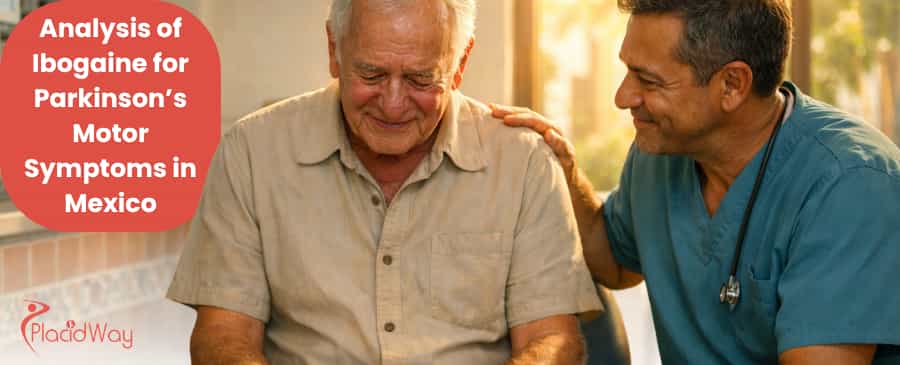
The exploration of ibogaine for Parkinson’s motor symptoms in Mexico has gained significant traction among international patients seeking alternatives to conventional pharmaceutical management. Derived from the root bark of the Tabernanthe iboga plant, this naturally occurring alkaloid is being researched for its unique neuroprotective properties and its ability to potentially reset neurological pathways. As traditional treatments often focus solely on dopamine replacement, ibogaine offers a different perspective by targeting the underlying neuroplasticity of the brain.
In Mexico, the regulatory environment allows for the administration of ibogaine under medical supervision, making it a global destination for this specific therapy. Patients traveling for Parkinson’s disease alternative therapy in Mexico often seek relief from debilitating tremors, muscle stiffness, and loss of balance. While the treatment is intense and requires rigorous medical screening, the educational analysis of its effects on the motor cortex continues to provide hope for those looking for a multidimensional approach to wellness.
Ibogaine is known as a "oneirogen," meaning it can induce a dream-like state while awake, which many researchers believe assists in the psychological processing of chronic illness alongside its physical effects.
Mechanism of Ibogaine Treatment for Parkinson’s
Understanding the mechanism of ibogaine for neurodegeneration is crucial for any patient considering this journey. Ibogaine is believed to stimulate the production of Glial Cell Line-Derived Neurotrophic Factor (GDNF) in the brain. GDNF is a protein that supports the survival and function of dopaminergic neurons, which are the primary cells affected by Parkinson’s disease. By promoting the health of these neurons, ibogaine may help stabilize the motor system more effectively than temporary chemical boosters.
Furthermore, ibogaine interacts with various neurotransmitter systems, including glutamate and acetylcholine, which play roles in motor control and cognitive function. This broad-spectrum interaction is why ibogaine therapy for motor symptoms is often described as a "reset" for the central nervous system. Most patients experience a profound shift in their physiological awareness, which can lead to improved coordination and a reduction in the "off-periods" commonly associated with traditional Parkinson’s medications.
Research suggests that ibogaine's ability to increase GDNF expression can last for weeks after a single administration, potentially offering a window of enhanced neuroplasticity for physical therapy.
Benefits of Educational Ibogaine Therapy
The benefits of ibogaine for Parkinson’s patients extend beyond simple symptom suppression. Many individuals report a significant reduction in resting tremors and a noticeable increase in manual dexterity shortly after treatment. Because the therapy is often conducted in a holistic setting in Mexico, patients also benefit from nutritional support, detoxification, and psychological counseling, which addresses the emotional toll that chronic motor disorders can take on a person and their family.
In addition to motor improvements, patients frequently describe a "clear-headedness" that helps them manage the cognitive fog often associated with the disease. The holistic ibogaine approach in Mexico encourages a total lifestyle shift, integrating the physical benefits of the alkaloid with sustainable wellness practices. This comprehensive focus helps patients maintain the gains made during the acute phase of the treatment long after they return home to their primary care routines.
Case Summary: Improved Mobility
A 62-year-old patient from Canada traveling for ibogaine reported that their "freezing" episodes—where feet feel stuck to the floor—decreased by roughly 60% in the three months following therapy, allowing for more consistent daily exercise.Ibogaine Cost for Parkinson’s in Mexico
When discussing the cost of ibogaine treatment in Mexico, it is important to look at the value provided by comprehensive care packages. While the treatment is an investment, it is often more accessible than long-term experimental therapies in other parts of the world. Mexico’s proximity to the United States and Canada makes it a cost-effective choice for those seeking high-quality medical supervision without the astronomical price tags associated with domestic private care.
Typically, affordable ibogaine for Parkinson’s packages include the medication, expert nursing care, cardiac monitoring, and post-treatment integration. Below is a comparison table showcasing the average market ranges for these services in Mexico versus other potential regions where such therapies might be explored or are being researched in clinical settings.
| Treatment Component | Average Cost in Mexico (USD) | Comparison (US/UK/Canada) |
|---|---|---|
| Full Ibogaine Protocol (5-7 Days) | $5,500 – $8,500 | $12,000+ (Experimental Only) |
| Medical Screening (EKG, Labs) | Included in Package | $800 – $1,500 Out of Pocket |
| Post-Treatment Integration | $500 – $1,200 | $2,000+ (Specialized) |
Medical Tourism for Ibogaine
Mexico has established itself as a premier destination for medical tourism for ibogaine. The country offers a blend of sophisticated medical infrastructure and a welcoming atmosphere that is conducive to healing. Most patients choose facilities located in coastal regions, where the tranquil environment assists in the physical and mental recovery required after an ibogaine session. The expertise of Mexican doctors in this specific field is often unmatched, as they have years of experience refining protocols for neurodegenerative cases.
The ease of travel to ibogaine centers in Mexico is a major draw for international patients. With direct flights from major hubs and clinics often providing transportation from the border or the airport, the logistical stress is minimized. This allow patients to focus entirely on their educational analysis of ibogaine and their personal health goals. The combination of cultural warmth and professional medical care creates an environment where patients feel supported through a challenging but rewarding process.
When traveling to Mexico, ensure your passport has at least six months of validity. Most patients find that arriving two days early helps in acclimatizing to the local environment and reducing travel-related fatigue before treatment.
Patient Selection and Safety Protocols in Mexico
Safety is the paramount concern when undergoing ibogaine for motor symptoms. Reputable Mexican clinics implement strict screening protocols to ensure that patients are physically capable of handling the cardiac stress that ibogaine can cause. This typically includes a comprehensive EKG (Electrocardiogram), liver function tests, and a review of the patient's full medical history. Most patients experience a significant change in heart rate and blood pressure during the session, which is why 24/7 medical monitoring is a standard requirement.
Not everyone is a candidate for this therapy. Contraindications include pre-existing heart conditions, severe liver disease, or certain psychiatric disorders. The safe ibogaine protocols in Mexico involve a multi-disciplinary team that assesses each patient individually. This rigorous selection process ensures that the risks are minimized and that the treatment is administered in a controlled, clinical environment where emergency intervention is readily available if necessary.
Never attempt to use ibogaine without professional medical supervision. Ibogaine can cause life-threatening heart arrhythmias if cardiac health is not strictly monitored by ACLS-certified professionals during the entire duration of the treatment.
Case Summary: Cardiac Safety
An 55-year-old patient with early-stage Parkinson’s was initially rejected for treatment due to an irregular EKG. After two months of supervised cardiovascular improvement and clearance from a cardiologist, they safely underwent the procedure with full bedside monitoring.Ibogaine Treatment Clinics for Parkinson's
The best ibogaine clinics in Mexico are characterized by their commitment to medical excellence and patient comfort. These facilities are often designed to feel less like a hospital and more like a retreat center, which can significantly reduce the anxiety associated with intensive medical procedures. They are staffed with experienced physicians, nurses, and integration specialists who understand the specific needs of Parkinson's patients, such as mobility assistance and medication timing.
When researching Parkinson’s clinics in Mexico, it is essential to look for transparency in their medical team’s qualifications. Authoritative clinics will openly discuss their emergency protocols and the specific concentrations of ibogaine used. This level of professionalism ensures that international patients receive a standard of care that matches or exceeds global expectations, making the journey to Mexico a viable and trustworthy option for neurological support.
Many Mexican clinics utilize "Flood Dosing" for Parkinson's, but some are now experimenting with lower "booster" doses to maintain neurotrophic levels over a longer period.
Navigating Legal and Regulatory Frameworks in Mexico
The legal status of ibogaine in Mexico is a key factor in its availability. Unlike in the United States, where it is classified as a Schedule I substance, ibogaine is not restricted in Mexico. This allows for legitimate medical facilities to operate and offer the treatment legally. However, patients should be aware that while the substance is legal to administer, the quality of the facility is not always standardized by a central authority, making personal research and choosing accredited platforms essential.
Regulatory frameworks in Mexico focus on the licensing of the medical professionals and the sanitation of the facility rather than the ibogaine alkaloid itself. This means that Mexico ibogaine regulations prioritize the safety of the medical practice. International patients are encouraged to verify that the clinic’s doctors are licensed by the COFEPRIS (Federal Commission for the Protection against Sanitary Risk), which is Mexico’s equivalent to the FDA.
Preparation for Ibogaine Therapy
Proper preparation for ibogaine treatment is vital for a successful outcome. Patients are typically required to undergo a period of "washout" where they taper off certain medications that could interact negatively with ibogaine. This includes SSRIs, some blood pressure medications, and specific Parkinson's drugs. This process must be done under the guidance of a physician to ensure that motor symptoms do not flare up uncontrollably during the transition period.
Beyond medication, physical and nutritional preparation is recommended. A diet rich in magnesium and potassium can support heart health, while staying hydrated helps the body process the alkaloid more efficiently. Mexico medical travel prep also involves mental preparation; patients are encouraged to set clear intentions for their treatment, as the psychological component of the ibogaine experience can be quite profound and taxing for those unprepared for its intensity.
Keep a "symptom diary" for two weeks before your trip. This helps the medical team in Mexico understand your specific motor patterns and "off" times, allowing for a more tailored treatment approach.
Integration and Post-Treatment Care for Parkinson's
The period following the administration is known as the integration phase, and it is arguably as important as the treatment itself. Post-ibogaine care in Mexico usually involves a few days of quiet recovery, often referred to as the "gray day" period, where the body feels physically exhausted but the mind is highly reflective. During this time, clinics provide nutritious meals, gentle massage, and counseling to help patients process the experience and plan for their return home.
Long-term integration for Parkinson’s motor symptoms involves incorporating new physical therapy routines while the brain is in a state of heightened neuroplasticity. Patients are often advised to engage in activities like Tai Chi, boxing for Parkinson’s, or swimming. Because ibogaine may have "reset" some of the motor pathways, this post-treatment window is the optimal time to retrain the body and solidify the improvements in gait and balance.
Case Summary: Sustained Motor Control
A 70-year-old patient noted that after their Mexico trip, they were able to reduce their daily Levodopa intake by 25% under their neurologist's supervision, maintaining better control over dyskinesia for six months post-treatment.Managing Motor Symptoms with Ibogaine in Mexico
The primary goal for many traveling to Mexico is managing Parkinson’s motor symptoms naturally. Patients frequently report that their "on-time"—the period when medication is working effectively—is extended, and the transition between doses becomes smoother. The rigidity that makes simple tasks like buttoning a shirt or walking through a doorway difficult often loosens, providing a renewed sense of independence and quality of life.
While ibogaine is not a cure, its role in motor symptom relief in Mexico is seen as a powerful adjunctive therapy. By addressing the neurological health of the substantia nigra, ibogaine offers a biological intervention that complements traditional pharmaceutical approaches. Most patients experience these benefits for several months, with some choosing to return for "maintenance" sessions once or twice a year to sustain their motor function and cognitive clarity.
Observational data from specialized clinics suggests that up to 70% of Parkinson's patients report a subjective improvement in motor fluidity during the first 30 days following ibogaine therapy.
Scientific Outlook on Ibogaine for Parkinson's
The science of ibogaine for neuroprotection is an evolving field. Current research focuses on the GDNF expression mentioned earlier, but scientists are also looking at how ibogaine might reduce neuroinflammation, a key driver in the progression of Parkinson’s. By calming the immune response in the brain, ibogaine may slow the rate at which dopaminergic neurons are lost. This makes it a significant subject of study for those interested in disease-modifying therapies rather than just symptom management.
Clinical trials are slowly catching up to the anecdotal evidence provided by patients in Mexico. While ibogaine research for Parkinson’s is still in the early stages in many Western countries, the data coming out of observational studies in Mexican clinics is invaluable. This real-world evidence helps refine dosages and safety protocols, moving the therapy closer to mainstream medical acceptance as a specialized tool for neurological health and motor symptom control.
Ibogaine is currently being studied not just for Parkinson's, but also for its potential to mitigate the symptoms of Traumatic Brain Injury (TBI) and Alzheimer's due to its neuro-regenerative properties.
Traditional Vs. Ibogaine Parkinson's Options
When comparing traditional Parkinson’s treatments vs. ibogaine, the primary difference lies in the frequency and nature of the intervention. Traditional treatments like Carbidopa-Levodopa require multiple daily doses and often lead to long-term side effects like dyskinesia (involuntary movements). In contrast, ibogaine is typically administered as a single "flood dose" or a short series of doses, aimed at creating a long-lasting biological change in the brain's environment.
However, ibogaine is not intended to replace standard care but to enhance it. Patients often find that ibogaine therapy in Mexico allows their traditional medications to work more effectively at lower doses. This synergistic approach can reduce the side-effect profile of standard drugs while providing the neuroprotective benefits of the ibogaine alkaloid, offering a more balanced and sustainable management strategy for chronic motor dysfunction.
Case Summary: Reduced Tremors
A 58-year-old artist who could no longer paint due to hand tremors found that after a session in Mexico, their resting tremor was reduced significantly. They were able to return to their hobby for four hours a day, a significant improvement from their previous 15-minute limit.How PlacidWay Assists Your Ibogaine Journey?
PlacidWay serves as a vital bridge for international patients navigating the complexities of medical tourism for ibogaine in Mexico. By providing a platform that connects patients with vetted facilities, PlacidWay ensures that individuals have access to the information they need to make an informed decision about their neurological care. The focus is on streamlining the process, allowing patients to focus on their health rather than the logistics of finding a reputable provider.
- Expert Curation: Connecting you with clinics that specialize in neurodegenerative protocols and ibogaine administration.
- Transparent Information: Providing detailed insights into the educational analysis of the procedure and what to expect during the stay.
- Patient Advocacy: Helping you understand the safety requirements, including the necessary cardiac and blood tests.
- Resource Access: Offering a wealth of educational content to help patients and families prepare for the journey.
- Streamlined Communication: Facilitating direct contact with medical teams in Mexico to discuss individual Parkinson’s cases.
- Quality Assurance: Focusing on facilities that demonstrate high standards of medical supervision and post-care integration.
Frequently Asked Questions (FAQ)
Ibogaine is not a scheduled substance in Mexico, allowing specialized clinics to provide it under medical supervision. This legal status makes Mexico a primary hub for international patients seeking alternative neurodegenerative therapies.
The acute phase usually lasts 24 to 36 hours, followed by several days of recovery and integration. Most medical tourism packages include a 5 to 7-day stay for full monitoring and stabilization.
Patients typically explore ibogaine for its potential effects on tremors, muscle rigidity, and bradykinesia. Many report a temporary reduction in these symptoms following the neurotrophic boost provided by the treatment.
Yes, ibogaine can cause QT interval prolongation, which affects heart rhythm. Strict cardiac screening, including EKGs and stress tests, is mandatory at reputable Mexican facilities.
Most international patients from the US, Canada, or the UK can enter Mexico on a standard tourist visa (FMM) for treatments lasting less than 180 days. Always check the latest entry requirements for your specific nationality.
The cost generally ranges from $5,000 to $9,000 USD. This typically includes medical screening, the ibogaine protocol, and professional nursing care throughout the process.
Most protocols require a supervised tapering or temporary pause of certain Parkinson's medications to avoid interactions. This must be managed strictly by the medical team on-site.
While the physical 'gray day' lasts about 48 hours, patients are usually advised to rest for 1-2 weeks before returning to high-stress work. Long-term integration of motor exercises is recommended.
Look for facilities that employ ACLS-certified staff, have on-site emergency equipment, and require comprehensive blood work and EKG screening before administration. Transparency regarding their medical protocols is essential.
Medical tourism hubs like Rosarito, Cancun, and Puerto Vallarta are generally safe for international visitors. Most clinics provide secure transportation from the airport to the facility to ensure patient safety.
Find the right path for your journey.
Explore top-rated clinics and medical professionals through PlacidWay today.
- Wikipedia. Ibogaine. https://en.wikipedia.org/wiki/Ibogaine
- PubMed. Neurotrophic factors in Parkinson's disease. https://pubmed.ncbi.nlm.nih.gov/25501559/
- MAPS. Ibogaine Therapy and Research. https://maps.org/research/ibogaine-therapy
- Medical Tourism Association. Mexico Healthcare Guide. https://www.medicaltourism.com/destinations/mexico
- Frontiers in Pharmacology. GDNF and Ibogaine Interactions. https://www.frontiersin.org/articles/10.3389/fphar.2018.00529/full






.png)

.png)
.png)














Share this listing