



In recent years, the landscape of global healthcare has shifted, prompting a significant increase in international patients seeking alternative medical solutions. A notable trend reveals that up to 70% of North American medical tourists are now looking toward specialized hubs for innovative care. The rising demand for advanced regenerative treatments for chronic diseases in Mexico highlights a critical turning point where patients are prioritizing accessible, cutting-edge therapies over traditional localized care. These advanced treatments, which focus on cellular repair and systemic inflammation reduction, are attracting individuals dealing with debilitating, long-term health challenges.
The core philosophy of this medical sector is to harness the body’s innate healing mechanisms rather than merely managing symptoms with lifelong pharmaceuticals. Through rigorous medical protocols and sophisticated laboratory techniques, specialists are providing robust options for patients who have exhausted conventional avenues. By opting for regenerative medicine medical tourism in Mexico, international visitors are gaining access to highly concentrated cellular therapies that are strictly regulated yet innovatively applied. Most patients experience a highly structured clinical environment designed specifically to cater to international medical standards.
- Mesenchymal Stem Cell (MSC) Therapy: Utilizing ethically sourced, lab-expanded cells to target tissue degeneration and modulate immune responses.
- Platelet-Rich Plasma (PRP) Injections: Concentrating the patient's own growth factors to accelerate localized healing, particularly in orthopedic conditions.
- Exosome Therapy: Administering extracellular vesicles that facilitate cell-to-cell communication to typically promote cellular regeneration and reduce inflammation.
- Advanced IV Nutritional Protocols: Often used as adjunctive therapies to optimize the biological environment before and after cellular treatments.
Mesenchymal Stem Cells (MSCs) are considered "immune-privileged," meaning they generally do not provoke an immune response or rejection when transplanted into a patient, making them highly versatile for advanced therapeutic applications.
Why North American Patients Prefer Regenerative Medicine in Mexico
The primary catalyst driving patients across the border is the distinct regulatory environment that allows for the safe, ethical expansion of cellular therapies. In the United States and Canada, regulatory bodies heavily restrict the cultivation and expansion of stem cells in laboratories, limiting the cellular yield available for treatments. Conversely, Mexico's health regulatory agency allows for the safe expansion of these cells under strict clinical guidelines. This means patients pursuing stem cell therapy in Mexico generally receive much higher cell counts, which specialists believe is crucial for treating systemic chronic conditions effectively.
Furthermore, the modern medical infrastructure in neighboring border cities and specialized medical hubs rivals that of top North American hospitals. These facilities are often staffed by internationally trained physicians who participate in global regenerative medical boards. The combination of geographic proximity, advanced medical technology, and highly personalized care creates a compelling pull factor. For patients suffering from chronic pain or autoimmune disorders, the opportunity to receive innovative cellular treatments abroad without enduring long wait times or exorbitant local out-of-pocket costs is incredibly appealing.
- Regulatory Flexibility: Legal permission to culture and expand cells, providing typically higher therapeutic doses.
- Geographic Proximity: Short flights or simple border crossings make travel manageable even for patients with mobility issues.
- World-Class Facilities: Clinics frequently feature state-of-the-art sterile labs and sophisticated patient monitoring equipment.
- Shorter Wait Times: The ability to schedule comprehensive consultations and procedures quickly compared to North American healthcare systems.
Medical tourism data indicates that approximately 1.2 million North Americans travel to Mexico annually for various medical treatments, with regenerative and cellular therapies becoming one of the fastest-growing sub-sectors.
Common Chronic Conditions Treated with Regenerative Therapy in Mexico
Regenerative medicine focuses on addressing the root cause of systemic degradation rather than simply masking symptoms. Patients suffering from long-term, debilitating conditions are increasingly seeking specialized chronic disease treatments in Mexico. These therapies are particularly noted for their immunomodulatory properties, making them highly relevant for autoimmune conditions where the body's immune system attacks its own tissues. By introducing regenerative elements, specialists aim to typically calm the hyperactive immune response and encourage natural tissue repair.
Orthopedic and neurodegenerative conditions also make up a large portion of the cases treated at these specialized international facilities. For joint degradation, targeted therapies aim to reduce joint inflammation and potentially stimulate cartilage repair, offering an alternative to invasive replacement surgeries. In neurodegenerative cases, while results cannot be guaranteed and treatments are not cures, most patients experience an improvement in their quality of life. The best regenerative clinics in Mexico employ multi-disciplinary approaches to ensure these complex conditions are managed comprehensively.
- Autoimmune Disorders: Conditions like Rheumatoid Arthritis, Lupus, and Multiple Sclerosis, where therapies aim to modulate the immune system.
- Orthopedic and Joint Issues: Osteoarthritis, degenerative disc disease, and chronic sports injuries seeking non-surgical intervention.
- Neurodegenerative Diseases: Parkinson’s disease and early-stage Alzheimer’s, focusing on neuroprotection and reducing neuroinflammation.
- Metabolic Syndromes: Advanced Type 2 Diabetes management and cardiovascular supportive therapies.
Always provide your international medical team with comprehensive, up-to-date medical records, including recent blood panels and MRI scans, so they can accurately determine if you are a suitable candidate for cellular therapies.
Cost of Regenerative Treatments in Mexico Versus the United States and Canada
The financial aspect of advanced healthcare is often the ultimate deciding factor for many individuals. Navigating the cost of regenerative treatments in Mexico reveals a stark contrast to North American pricing structures. Because these therapies are largely considered elective and experimental by major US and Canadian insurance providers, patients are typically burdened with 100% of the out-of-pocket expenses locally. In Mexico, the lower cost of living, reduced administrative overhead, and minimized malpractice insurance burdens allow clinics to offer these exact same, or technologically superior, treatments at a fraction of the cost.
It is crucial to understand that lower costs do not equate to inferior quality; rather, they reflect a different economic healthcare model. Patients searching for affordable stem cell therapy in Mexico will find that treatment packages often include extensive medical evaluations, the therapies themselves, and comprehensive follow-up plans. Below is a detailed comparative breakdown of typical market ranges for specific sub-treatments, illustrating the economic advantage of medical travel.
| Procedure / Sub-Treatment Name | Average Cost in Mexico | Average Cost in US/Canada |
|---|---|---|
| Intravenous (IV) MSC Stem Cell Therapy (Systemic) | $4,000 - $8,500 | $15,000 - $30,000+ |
| Targeted Joint PRP & Stem Cell Injection (Orthopedic) | $1,500 - $3,500 | $5,000 - $12,000 |
| Advanced Exosome IV Therapy | $3,000 - $6,000 | $8,000 - $15,000 |
| Comprehensive Anti-Aging Cellular Protocol | $5,000 - $10,000 | $20,000 - $40,000 |
Medical tourists traveling from the US to Mexico can generally save between 50% and 70% on advanced cellular therapies, allowing many patients to afford multiple rounds of treatment if required by their medical protocol.
The Science Behind Stem Cell Therapy and Regenerative Medicine in Mexico
To truly understand the value of these procedures, one must look at the underlying cellular science. The primary focus of advanced regenerative medicine abroad involves utilizing Mesenchymal Stem Cells (MSCs). These unique cells act as the body's natural management system for healing. When introduced into a patient's body—either intravenously or via targeted injection—they home in on areas of high inflammation. Once there, they begin releasing therapeutic proteins, growth factors, and cytokines that generally alter the local microenvironment, pushing the body from a state of degradation to one of repair.
Furthermore, the emergence of exosome therapy has revolutionized the field. Exosomes are the tiny messaging vesicles secreted by stem cells. In many medical tourism clinics in Mexico, specialists isolate these exosomes to deliver highly concentrated, cell-free regenerative signals directly to damaged tissues. This biological communication is what typically triggers the patient's own native cells to begin the healing process, reducing systemic inflammation and promoting healthy cellular regeneration without the need to permanently implant foreign tissue.
- Homing Mechanism: Stem cells naturally detect inflammatory signals and migrate to the sites of tissue damage.
- Immunomodulation: The cells interact with the patient's immune system to typically downregulate hyperactive responses, which is vital for autoimmune conditions.
- Paracrine Signaling: The secretion of growth factors that stimulate surrounding native cells to repair and regenerate damaged structures.
- Anti-apoptotic Effects: The prevention of premature cell death in compromised tissues, preserving organ and joint function.
Exosomes can cross the blood-brain barrier, making them a highly researched and promising vector for typically treating complex neurodegenerative conditions that traditional medications struggle to reach.
Safety Protocols and Regulatory Standards for Regenerative Clinics in Mexico
A paramount concern for any international patient is safety and medical legitimacy. The safe stem cell clinics in Mexico are strictly regulated by COFEPRIS (The Federal Committee for Protection from Sanitary Risks), which functions similarly to the FDA in the United States. COFEPRIS mandates stringent licensing for both the medical facilities administering the therapies and the laboratories cultivating the biological materials. Ethical clinics ensure that all cellular products undergo rigorous third-party testing for endotoxins, mycoplasma, and infectious diseases before they are ever cleared for patient use.
Furthermore, high-quality international clinics prioritize E-E-A-T (Experience, Expertise, Authoritativeness, and Trustworthiness) by employing board-certified specialists and maintaining international accreditation standards. The standard of care in a reputable Mexico medical tourism destination includes comprehensive pre-screening to ensure patient suitability and safety. While the regulatory environment allows for cellular expansion, it does not compromise on the sterile protocols required to administer these advanced treatments safely.
- COFEPRIS Certification: Mandatory government oversight for laboratories and clinical administration facilities.
- Strict Donor Screening: Extensive genetic and viral testing of all donated umbilical cord tissue used for cellular expansion.
- Cleanroom Environments: Laboratories must maintain ISO-certified cleanroom standards to prevent biological contamination.
- Transparent Viability Reports: Providing patients with detailed documentation showing the exact cell count and viability percentage prior to treatment.
Not all facilities adhere to international standards. It is critical to avoid clinics that make absolute guarantees of a cure or refuse to provide transparent laboratory viability reports. Always vet your chosen facility thoroughly.
What to Expect During Your Regenerative Treatment Journey in Mexico
Understanding the logistical and medical process helps alleviate the anxiety associated with traveling for healthcare. When embarking on a medical tourism journey in Mexico, patients are generally guided through a highly structured, patient-centric itinerary. The process begins long before the flight, involving comprehensive virtual consultations where medical records are reviewed. Once cleared, patients travel to the destination where they are often greeted by patient coordinators who manage local logistics, ensuring a seamless transition from the airport to the medical facility.
The actual clinical experience is typically conducted in a modern, outpatient setting. Depending on the personalized protocol, the administration of regenerative therapies for chronic pain or systemic diseases may take only a few hours. Patients are closely monitored by the medical staff during the infusion or injection process. Because these therapies are minimally invasive, hospitalization is rarely required, allowing patients to rest comfortably in their nearby accommodations shortly after the procedure.
- Initial Consultation: Comprehensive review of medical history and diagnostic imaging via telehealth.
- On-Site Evaluation: Final blood work, physical examination, and consultation with the attending specialist upon arrival.
- Treatment Administration: The targeted application of cellular therapies via IV, intrathecal, or localized joint injections.
- Observation and Discharge: A brief observation period to ensure stability, followed by clearance to return to local lodging.
The actual administration of an intravenous stem cell therapy typically takes less than two hours, making the physical procedure relatively stress-free compared to major surgical interventions.
Evaluating Success Rates and Realistic Outcomes for Regenerative Care in Mexico
When discussing advanced therapies, maintaining realistic expectations is crucial. Success rates for stem cell treatments vary significantly depending on the patient’s specific condition, age, overall health, and the severity of disease progression. Reputable medical professionals will never guarantee a cure. Instead, the goal of these treatments is generally to improve the quality of life, reduce chronic pain, halt the rapid progression of degenerative conditions, and promote systemic anti-inflammatory responses.
Typically, patients pursuing chronic disease management in Mexico do not experience immediate overnight results. Cellular regeneration is a biological process that takes time. Most patients experience a gradual improvement over a period of 3 to 6 months as the newly introduced cells integrate, communicate, and stimulate tissue repair. Long-term success is heavily dependent on the patient's commitment to post-treatment lifestyle modifications, including proper nutrition and physical therapy.
- Condition Severity: Early-stage interventions generally yield higher symptomatic improvement than end-stage disease treatments.
- Biological Response Time: Results are typically gradual, with peak improvements often noted around the 6-month mark.
- Patient Compliance: Adherence to recommended dietary, physical, and supplemental aftercare protocols strongly influences outcomes.
- Variable Efficacy: While many experience significant relief, a small percentage of patients may not respond biologically to the therapies.
Keep a daily health journal before and after your treatment. Documenting pain levels, mobility, and energy will help you and your physician accurately track the gradual biological improvements over several months.
Patient Experiences and Success Stories with Regenerative Therapy in Mexico
Hearing from individuals who have navigated this exact journey provides invaluable perspective for prospective patients. The decision to seek international regenerative medical care is often driven by stories of renewed mobility and reduced suffering. While individual results inevitably vary, these firsthand accounts highlight the profound impact that accessible, advanced care can have on a person's daily life, underscoring the compassionate care standard found in premium international clinics.
These case summaries reflect the common themes found among North American travelers. By choosing medical tourism in Mexico, these patients were able to reclaim aspects of their lives that chronic illness had stolen. Their experiences demonstrate the careful balance of medical expertise, patient support, and innovative therapies that define the region's leading healthcare providers.
Relief from Severe Rheumatoid Arthritis
A 55-year-old Canadian patient traveled for systemic MSC IV therapy after years of failed immunosuppressants. Within four months post-treatment, she generally experienced a drastic reduction in morning joint stiffness and a notable decrease in systemic inflammation markers, allowing her to resume gardening.
Avoiding Knee Replacement Surgery
Facing bilateral knee replacements, a 62-year-old American opted for targeted PRP and stem cell injections in Mexico. Most patients experience reduced pain over time; for him, six months post-procedure yielded sufficient cartilage support and pain reduction to confidently cancel his scheduled surgeries.
Managing Multiple Sclerosis Progression
A patient diagnosed with early-stage MS sought comprehensive cellular therapy to address rapid neurological decline. While not a cure, she reported stabilized symptoms, improved energy levels, and a reduction in chronic fatigue, significantly enhancing her day-to-day independence.
Reversing Chronic Back Pain
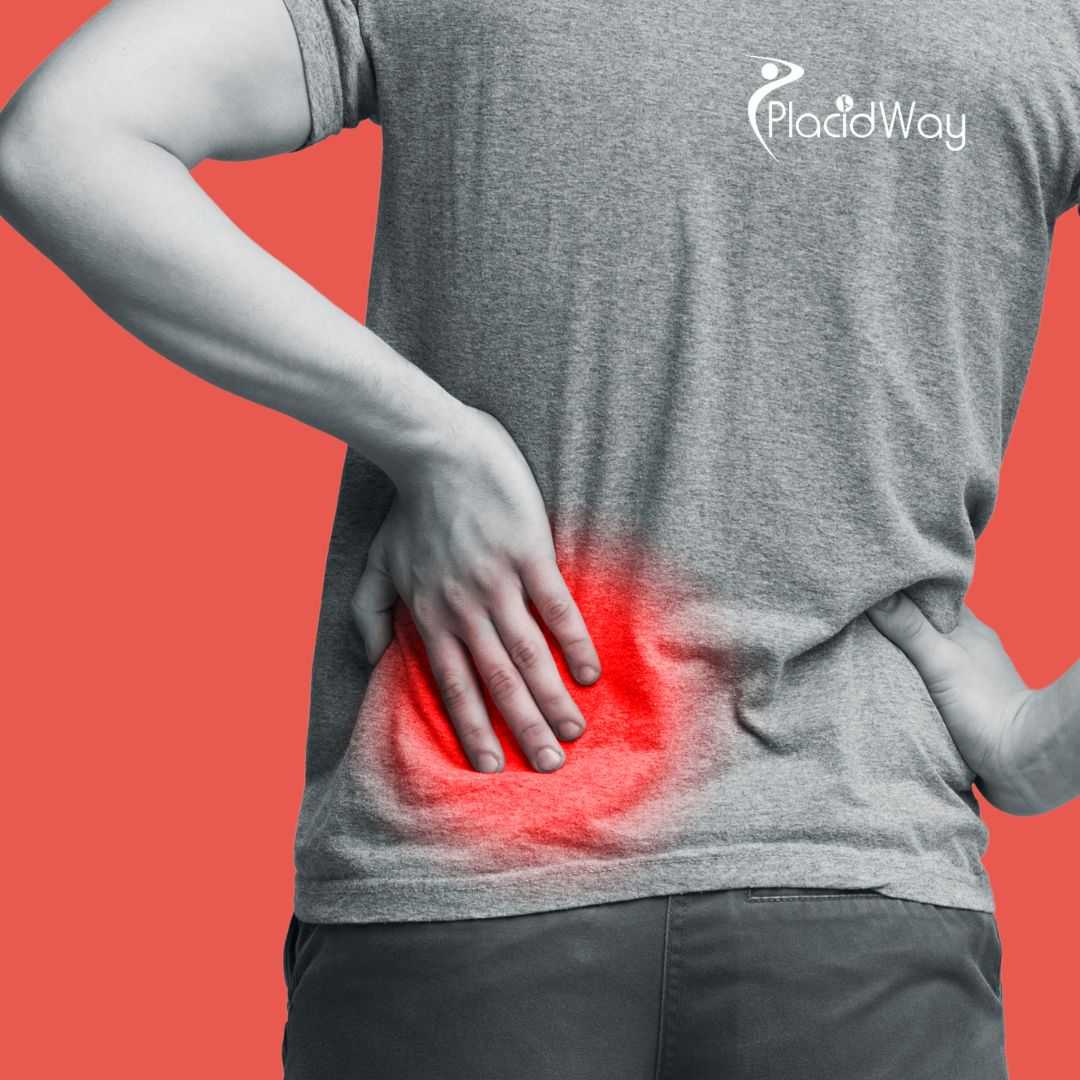
After decades of construction work left him with degenerative disc disease, a 48-year-old patient underwent advanced regenerative injections. He typically experienced steady relief, eventually weaning off daily pain medications and returning to an active lifestyle with his family.
Potential Risks and Contraindications for Regenerative Medicine in Mexico
Transparency regarding medical risks is a fundamental pillar of ethical healthcare. While regenerative treatments for chronic diseases are generally well-tolerated and minimally invasive, they are not entirely devoid of risk. Most patients experience minor, temporary side effects such as fatigue, mild fever, or localized soreness at the injection site as the body's immune system initially reacts to the cellular introduction. Severe adverse events are exceptionally rare but emphasize the need for strict clinical sterilization and professional administration.
Equally important is acknowledging strict contraindications. Ethical stem cell specialists in Mexico will refuse treatment to individuals who present certain medical red flags. Cellular therapies stimulate growth and cellular activity; therefore, ensuring that a patient does not have underlying conditions that could be negatively exacerbated by this biological stimulation is an absolute priority during the screening phase.
- Active Malignancies: Patients with active cancer or a recent history of cancer are strictly contraindicated, as growth factors could potentially stimulate tumor cells.
- Severe Systemic Infections: Active infections must be fully resolved before any cellular therapies can be safely administered.
- Advanced Organ Failure: End-stage renal or hepatic failure typically disqualifies a patient due to their inability to safely process biological therapies.
- Potential Side Effects: Generally limited to mild lethargy, low-grade fever, or temporary joint ache lasting 24 to 48 hours post-treatment.
Statistically, severe adverse reactions to ethically sourced, properly screened umbilical cord-derived MSCs are incredibly low, occurring in less than 1% of documented clinical cases globally when strict protocols are followed.
Preparing for Your Medical Tourism Trip for Regenerative Care in Mexico
Thorough preparation is the key to a stress-free and biologically optimal medical journey. When planning to receive regenerative therapies in Mexico, patients must prepare both their bodies and their travel logistics. Medical preparation often begins weeks in advance, requiring patients to adjust certain medications, cease smoking, and adopt an anti-inflammatory diet. This physiological optimization is designed to create the most receptive biological environment for the incoming stem cells.
Logistically, ensuring that your travel documentation is in order is essential. Because you are traveling for international medical treatments, carrying physical copies of your medical history, imaging, and a letter of medical necessity (if applicable) is highly recommended. By coordinating closely with patient facilitators, medical tourists can ensure they are well-prepared for both border entry and clinical requirements.
- Medical Optimization: Pausing NSAIDs and certain blood thinners (only under local doctor supervision) prior to cellular treatments.
- Dietary Adjustments: Implementing an anti-inflammatory diet rich in antioxidants to prime the body's immune system.
- Travel Documentation: Ensuring your passport is valid for at least six months and carrying all pertinent medical records.
- Support System: Arranging for a companion to travel with you to assist with luggage and provide post-procedure support.
Post-Treatment Care and Follow-Up for Regenerative Procedures in Mexico
The success of advanced cellular interventions relies heavily on what happens after the patient returns home. Post-treatment care for stem cell therapy is crucial for ensuring the survival and integration of the newly introduced cells. Immediately following the procedure, patients are generally advised to engage in profound rest, avoiding strenuous physical activities, extreme temperatures, and stress, which could prematurely deplete the body's energy reserves needed for cellular repair.
Leading regenerative medicine clinics in Mexico do not consider the treatment complete upon discharge. Comprehensive telemedicine follow-ups are typically scheduled at specific intervals (e.g., 1 month, 3 months, 6 months) to monitor symptomatic improvement and biological markers. Patients may be prescribed specialized nutritional supplements or physical therapy routines to support the ongoing regenerative process over the long term.
- First 48 Hours: Strict rest and hydration; avoiding alcohol, tobacco, and high-sugar foods.
- Weeks 1 to 4: Gentle mobilization; avoiding heavy lifting or high-impact cardiovascular exercises.
- Months 2 to 6: Integration of targeted physical therapy to rebuild strength around repairing joints or tissues.
- Ongoing Communication: Attending all scheduled virtual follow-ups with the international medical team to report progress.
How PlacidWay Assists Your Regenerative Medicine Medical Tourism Journey in Mexico
Navigating the complex world of international healthcare requires expertise, trust, and a structured approach. Choosing to pursue advanced regenerative treatments in Mexico is a significant decision, and having a reliable partner to guide you through the vetting and coordination process is invaluable. PlacidWay serves as a premier medical tourism facilitator, bridging the gap between North American patients and globally accredited medical providers.
By prioritizing patient education and safety, PlacidWay ensures that your journey toward wellness is supported by rigorous research and professional coordination. The platform acts as your advocate, connecting you with verified specialists who align with your specific medical needs and health goals.
- Verified Medical Network: Access to a curated selection of highly vetted, certified regenerative specialists and facilities.
- Streamlined Communication: Facilitating initial telehealth consultations and secure medical record transfers between you and the international physicians.
- Comprehensive Information: Providing detailed breakdowns of medical protocols, doctor credentials, and facility accreditations to empower informed decision-making.
- Customized Care Coordination: Assisting in tailoring your medical itinerary to perfectly match your specific diagnostic requirements.
- Patient Advocacy: Offering continuous guidance and support throughout the entire medical evaluation and treatment process.
Frequently Asked Questions About Regenerative Treatments in Mexico
Embarking on a medical journey abroad naturally prompts numerous questions. Patients seeking regenerative medicine in Mexico often share common concerns regarding safety, logistics, and clinical efficacy. Addressing these queries transparently is essential for building trust and ensuring that patients are fully educated before making any medical commitments.
Below is a curated list of frequently asked questions designed to provide concise, authoritative answers to the most common inquiries related to medical tourism for chronic diseases.
Are regenerative treatments in Mexico safe for international patients?
Yes, regenerative treatments in Mexico are generally safe when performed at certified facilities. Reputable medical tourism clinics adhere to strict COFEPRIS regulations, ensuring international safety protocols and high standards of patient care.
How much does stem cell therapy cost in Mexico compared to the US?
Stem cell therapy in Mexico typically costs between $3,500 and $8,000, depending on the specific protocol. This represents a significant savings compared to the United States, where similar advanced treatments can exceed $15,000 to $25,000.
Do I need a special visa for medical tourism in Mexico?
Most North American citizens do not require a special medical visa for treatments in Mexico. A standard tourist visa or a valid passport is typically sufficient for stays up to 180 days, which easily covers the treatment and initial recovery period.
How long is the recovery time for advanced regenerative treatments?
Recovery time is usually minimal, with most patients experiencing a return to light daily activities within a few days. However, full biological integration and noticeable symptomatic relief typically develop gradually over several weeks to months.
Can regenerative medicine cure chronic autoimmune diseases?
Regenerative medicine cannot guarantee a cure for chronic autoimmune diseases. Instead, it is typically used as a supportive therapy to help modulate the immune system, reduce widespread inflammation, and potentially improve the patient's overall quality of life.
Where do the stem cells used in Mexican clinics come from?
Ethical clinics in Mexico primarily use ethically sourced, lab-expanded Mesenchymal Stem Cells (MSCs) derived from donated umbilical cord tissue. These are heavily screened for safety, genetic abnormalities, and infectious diseases.
Will my domestic health insurance cover regenerative treatments in Mexico?
Most US and Canadian health insurance providers do not cover elective regenerative treatments abroad. Patients generally pay out-of-pocket, though the lower costs in Mexico still make the overall investment more affordable.
Is follow-up care provided after I return home from Mexico?
High-quality medical providers in Mexico typically offer structured telemedicine follow-ups. They monitor your progress virtually and can collaborate with your local primary care physician to ensure continuous, comprehensive care.
Who is not a good candidate for regenerative treatments?
Individuals with active malignancies, severe systemic infections, or advanced organ failure are generally contraindicated for regenerative therapies. A thorough pre-treatment medical evaluation is mandatory to determine eligibility.
How do I choose a legitimate clinic for regenerative care in Mexico?
Choosing a legitimate clinic involves verifying COFEPRIS licensing, reviewing the medical team's credentials, and reading verified patient testimonials. Utilizing a trusted medical tourism platform can help streamline this vetting process.
Take the First Step Toward Innovative Healing with PlacidWay
Medical Disclaimer: This article is for informational purposes only and is not medical advice. Always consult a qualified healthcare provider before any medical decisions. Results may vary. Read Full Disclaimer here.
References
- National Institutes of Health (NIH). Mesenchymal Stem Cells: Clinical Applications and Biological Characterization. https://pubmed.ncbi.nlm.nih.gov/15010324/
- Centers for Disease Control and Prevention (CDC). Medical Tourism: Travel for Medical Care. https://wwwnc.cdc.gov/travel/page/medical-tourism
- Frontiers in Immunology. The Immunomodulatory Properties of Mesenchymal Stem Cells. https://www.frontiersin.org/articles/10.3389/fimmu.2014.00148/full


















Share this listing