

Many individuals seeking gender reassignment surgery in Thailand do so to access exceptional medical expertise combined with culturally compassionate care. Over the past few decades, the country has built a highly specialized healthcare infrastructure entirely dedicated to transgender medicine. Patients generally find that the surgical teams offer highly refined techniques cultivated through years of focused practice. This profound level of specialization typically results in satisfying functional and aesthetic outcomes for international visitors.
Navigating a medical transition can be deeply personal and physically demanding, making a supportive environment a crucial factor for success. International patients often appreciate the comprehensive approach that encompasses both complex surgical intervention and emotional well-being. Modern gender affirming packages usually include dedicated nursing care and access to psychological support throughout the inpatient stay. This multidisciplinary strategy generally ensures a smoother and more reassuring recovery process for those traveling far from home.
Thailand has been a global pioneer in gender affirmation techniques since the 1970s, consistently refining microsurgical methods to improve patient outcomes and recovery times.
The Appeal of Holistic Gender Affirming Care in Thailand
The concept of holistic healthcare is deeply ingrained in the medical culture of Southeast Asia, offering much more than just a clinical procedure. When pursuing medical tourism in Thailand, individuals typically experience care models that address the mind, body, and spirit simultaneously. Facilities often integrate traditional nutritional support, specialized pain management, and mindful recovery spaces into their standard protocols. Most patients experience a profound sense of peace knowing their broader well-being is being actively monitored alongside their physical healing.
Australian and New Zealand patients often find this comprehensive care model lacking or financially inaccessible in their domestic healthcare systems. The holistic packages available overseas generally reduce the stress of coordinating multiple separate services during a vulnerable time. By consolidating surgical care, specialized nursing, and supportive therapies into one coordinated program, patients can focus entirely on rest. This seamless integration typically leads to an improved overall experience and a more positive perception of the surgical journey.
- Integrated Care Teams: Coordinated collaboration between surgeons, endocrinologists, and psychiatrists.
- Dedicated Recovery Environments: Hospital wards designed specifically for privacy and sensory comfort.
- Nutritional Support: Healing-focused meal plans tailored to promote tissue repair and reduce inflammation.
- Emotional Wellness: On-site counselors familiar with the unique psychological needs of transitioning individuals.
Why Australian and New Zealand Patients Travel for Surgery?
The decision to travel internationally for healthcare is rarely taken lightly, especially for procedures as significant as gender affirmation. For many Australians and New Zealanders, extensive waitlists in the public health sector create insurmountable barriers to timely care. Even within the private sector, there is often a distinct shortage of surgeons who specialize exclusively in transgender healthcare services. Consequently, traveling to an established international medical hub typically offers a much faster route to receiving necessary, life-affirming treatments.
Beyond the issue of wait times, the sheer volume of experience possessed by international surgeons is a major draw for patients from Oceania. Medical teams that perform hundreds of complex reconstructive procedures annually generally possess a nuanced understanding of aesthetic and functional balance. Most patients experience a higher degree of confidence knowing their chosen specialist dedicates their entire practice to gender transition surgeries. This combination of accessibility and profound surgical expertise remains the primary catalyst for the steady stream of patients flying to Southeast Asia.
According to regional medical tourism reports, the number of international patients seeking gender affirmation procedures in Southeast Asia has grown by an estimated 15% annually over the last decade.
Analyzing the Cost of Gender Reassignment Packages in Thailand
Financial accessibility is undeniably one of the most compelling reasons individuals explore international healthcare options for their transition. The cost of gender surgery in Australia and New Zealand can be prohibitively high, frequently requiring patients to empty their life savings. In contrast, international destinations typically offer highly competitive pricing structures without compromising on medical safety or facility quality. Most patients experience substantial financial relief when comparing the comprehensive bundled costs to the fragmented billing systems back home.
It is important to understand that affordable does not equate to substandard when discussing established medical tourism destinations. The favorable exchange rate and lower localized costs of living allow premier hospitals to offer world-class care at a fraction of Western prices. These affordable transgender surgery packages generally include hospital fees, surgical team costs, anesthesia, and immediate post-operative medications. Below is a realistic comparison of typical market ranges for these life-changing procedures.
| Procedure Name | Average Cost in Thailand (USD) | Average Cost in Australia/NZ (USD) |
|---|---|---|
| MTF Vaginoplasty | $10,000 - $15,000 | $25,000 - $35,000 |
| FTM Phalloplasty | $25,000 - $40,000 | $70,000 - $100,000 |
| Facial Feminization Surgery (FFS) | $15,000 - $25,000 | $30,000 - $50,000 |
| Top Surgery (Mastectomy) | $4,000 - $6,000 | $10,000 - $15,000 |
Comprehensive Pre-Surgical Consultations and Mental Health Support
The foundation of any successful gender affirming procedure begins long before the patient ever steps into the operating room. Comprehensive pre-surgical consultations in Thailand generally involve detailed digital communication between the patient and the medical team months in advance. This thorough preparation typically ensures that the surgeon fully understands the patient's anatomical realities and personal aesthetic goals. Most patients find that this exhaustive preliminary dialogue significantly reduces anxiety as their travel dates approach.
Additionally, mental health support is deeply integrated into the preliminary phases of international care packages. Adhering strictly to international guidelines, medical facilities generally require extensive psychiatric evaluations to ensure psychological readiness. Professional coordinators typically assist patients in organizing these necessary documents to meet all clinical prerequisites. This structured approach helps safeguard the emotional well-being of the patient throughout the demanding transition process.
Gather your medical history and psychiatric clearance letters well in advance of your travel date. Having these documents organized digitally will streamline your pre-admission process when arriving at your chosen international hospital.
Top Gender Reassignment Surgery Options in Thailand
The variety and complexity of procedures offered by international specialists are remarkably broad, catering to highly specific patient needs. Among the top gender surgery options, male-to-female (MTF) bottom surgeries, such as penile inversion vaginoplasty, remain incredibly sought after. Simultaneously, female-to-male (FTM) procedures, including metoidioplasty and complex phalloplasty, are performed with advanced microsurgical precision. These procedures are typically customized down to the smallest detail to align with the individual's unique body structure.
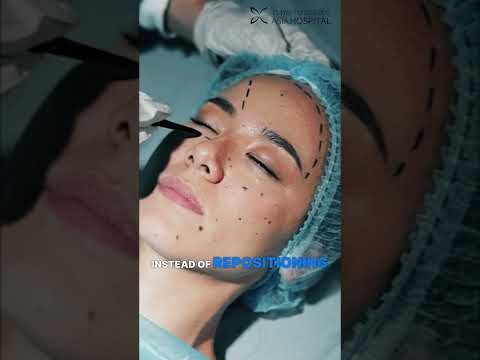
Beyond genital reconstruction, many patients utilize their time abroad to undergo complementary surgeries that enhance their overall transition. Facial Feminization Surgery (FFS) and body contouring are frequently combined into comprehensive operative plans to maximize the transformative results. Most patients experience better outcomes when these multifaceted surgeries are orchestrated by a single, cohesive medical team. This consolidated approach generally minimizes the need for multiple trips and repeated exposure to general anesthesia.
Advanced vocal cord surgeries are increasingly being included in comprehensive transition packages, helping patients achieve a vocal pitch that perfectly aligns with their true gender identity.
Navigating the Legal and Medical Requirements for Surgery
Embarking on a surgical transition journey requires strict adherence to international medical protocols and localized legal frameworks. Healthcare providers typically follow the World Professional Association for Transgender Health (WPATH) Standards of Care rigorously. These internationally recognized guidelines generally dictate the necessity of hormone therapy duration and documented psychological evaluations prior to surgery. Most patients experience a highly structured intake process that verifies all ethical and medical criteria have been met.
For Australian and New Zealand citizens, organizing these requirements before boarding a flight is an essential logistical step. Documentation usually needs to be translated or officially verified to ensure compliance with the destination country's medical regulations. Understanding these prerequisites is vital for ensuring that there are no unexpected delays once the patient arrives. Transparent communication with medical coordinators generally makes this complex bureaucratic process manageable and stress-free.
Always ensure your psychological evaluation letters explicitly state that you are a suitable candidate for the specific surgical procedure you are pursuing. Vague letters may be rejected by international medical boards, leading to immediate cancellation of your surgery.
The Role of Specialized Thai Clinics in Gender Transition
The architecture of healthcare in this region includes dedicated institutions that function solely to support the transgender community. These specialized transgender clinics are not merely standard hospitals; they are deeply empathetic environments designed to prevent medical trauma. Staff members, from the receptionists to the lead surgeons, are generally highly trained in gender-inclusive language and respectful care protocols. Most patients experience a profound sense of validation when interacting with medical professionals who truly understand their journey.
Furthermore, these dedicated centers typically house state-of-the-art diagnostic and surgical equipment tailored specifically for reconstructive procedures. Operating theaters are generally equipped with advanced microscopic tools necessary for nerve grafting and complex vascular work. This intense focus on specialized infrastructure significantly elevates the standard of care available to international visitors. Consequently, these clinics typically achieve high rates of patient satisfaction and low rates of surgical complications.
Specialized gender clinics in Southeast Asia often employ multi-generational surgical teams, where pioneer surgeons directly mentor the next generation in highly specific, proprietary reconstructive techniques.
Post-Operative Care and Recovery After Gender Surgery
The immediate days following a major reconstructive procedure are critical to the long-term success and aesthetic outcome of the surgery. Post-operative care in Thailand typically involves extended hospital stays compared to Western standards, ensuring patients are closely monitored. Skilled nursing staff generally manage pain, monitor vascular health in newly grafted tissues, and assist with initial mobility. Most patients find that this intensive inpatient monitoring provides a deep sense of security during the most vulnerable phase of recovery.
Once discharged from the primary hospital ward, patients generally transition into specialized recovery accommodations tailored for healing. These environments are usually equipped with necessary medical supplies, specialized bedding, and easy access to outpatient nursing assistance. A detailed regimen of wound care, dilation (if applicable), and hygiene protocols is typically taught patiently to the individual. This structured, step-down approach generally fosters independence while ensuring medical help remains immediately available if complications arise.
Pack loose, highly breathable clothing and slip-on shoes for your recovery period. Post-surgical swelling and mobility restrictions generally make standard clothing difficult and uncomfortable to manage during the first few weeks.
Healing Retreats and Holistic Therapies in Thailand
To further enhance the recovery experience, many comprehensive packages include access to serene healing environments away from busy clinical settings. These holistic recovery retreats are typically designed to soothe the nervous system and promote deep, restorative sleep. Integrating complementary therapies such as light lymphatic massage, meditation, and guided breathing exercises is a common feature of these programs. Most patients experience a significant reduction in post-operative stress when healing in a tranquil, resort-like atmosphere.
This phase of the journey is particularly beneficial for Australian and New Zealand patients adjusting to major physical changes far from their usual support networks. The holistic approach generally recognizes that emotional healing is just as vital as the physical closing of surgical wounds. Dietary programs featuring anti-inflammatory local ingredients are typically utilized to support the immune system naturally. These thoughtful touches generally transform a rigorous medical procedure into a profoundly restorative life event.
- Lymphatic Drainage: Gentle techniques typically used to reduce severe post-operative swelling and fluid retention.
- Aromatherapy and Mindfulness: Supportive practices generally implemented to manage anxiety and improve sleep quality.
- Dietary Wellness: Anti-inflammatory cuisine tailored to support rapid cellular repair and digestive health.
Safety Protocols and International Healthcare Standards
Safety remains the absolute highest priority for individuals traveling across the globe for complex surgical interventions. Facilities catering to medical tourists generally adhere to stringent international healthcare standards to ensure optimal patient outcomes. Many of these hospitals proudly hold Joint Commission International (JCI) accreditation, a globally recognized benchmark for medical excellence. Most patients experience peace of mind knowing that infection control, emergency protocols, and ethical standards are rigorously audited.
The dedication to patient safety in medical tourism extends deep into the surgical process, utilizing advanced pre-operative screening. Comprehensive blood panels, cardiovascular assessments, and detailed medical history reviews are typically mandatory before any procedure is green-lit. Additionally, intensive care units (ICUs) are generally on standby to handle any highly unlikely, yet possible, surgical complications. This robust safety net generally assures international patients that their well-being is protected by a world-class infrastructure.
The infection rates at top-tier internationally accredited hospitals in Southeast Asia are often lower than those recorded in many standardized Western public hospital systems.
Patient Experiences with Gender Reassignment in Thailand
Hearing directly from those who have successfully navigated this journey provides invaluable insight for prospective patients. Real-world accounts generally highlight the transformative nature of the procedures and the exceptional compassion of the medical staff. Testimonials frequently praise the meticulous attention to detail and the profound respect shown for their gender identity. Most patients experience a life-altering boost in confidence and dysphoria relief following their successful surgical transition.
These stories often reflect the common trajectory of initial anxiety transforming into profound gratitude. Australian and New Zealand patients routinely share how the supportive environment made their complex medical journeys manageable. By reviewing these diverse experiences, individuals can generally set realistic expectations regarding the recovery timeline and aesthetic outcomes. The following summaries capture the essence of what international patients typically encounter during their stay.
Sarah's Journey to Authenticity (Australia)
Sarah traveled from Sydney for MTF Vaginoplasty. She generally found the nursing staff incredibly attentive, noting that the comprehensive pain management protocol allowed her to start short walks within days. Her functional outcomes successfully aligned with her expectations.Leo's Transformative Top Surgery (New Zealand)
Facing a multi-year waitlist at home, Leo opted for FTM Top Surgery abroad. He typically appreciated the clear, daily communication from his surgical team. His scars are healing exceptionally well, and he generally feels an overwhelming sense of physical freedom.Chloe's Facial Feminization Experience (Australia)
Chloe pursued comprehensive FFS to alleviate severe dysphoria. She experienced deep comfort in the holistic recovery retreat provided post-surgery. The subtle, highly specialized bone contouring generally gave her the harmonious facial aesthetics she had always desired.Mark's Comprehensive FTM Package (New Zealand)
Mark underwent a multi-stage FTM reconstructive process. He generally felt supported by the psychiatric and medical coordination team who guided him through the complex legal requirements. His physical results have profoundly improved his overall quality of life.How PlacidWay Assists Your Gender Reassignment Journey in Thailand?
Planning an international medical procedure requires careful coordination, extensive research, and reliable connections to trusted healthcare providers. Facilitating this intricate process is where specialized medical tourism platforms provide immense value to prospective patients. Through extensive global networks, patients are generally connected only with vetted, highly reputable surgical centers that prioritize safety and ethics. Most patients experience significantly less stress when they rely on experienced professionals to bridge the communication gap.
Choosing to work with a dedicated platform ensures that your unique medical needs are matched with the appropriate specialist. Rather than navigating a foreign healthcare system alone, individuals generally benefit from structured guidance throughout the inquiry and booking phases. Our focus remains entirely on empowering you with the medical information required to make a confident, life-changing decision. By streamlining the preliminary stages, patients can typically focus their energy on emotional and physical preparation.
- Access to a curated network of internationally accredited medical facilities and specialized surgeons.
- Assistance with gathering and transmitting preliminary medical records and psychiatric evaluations securely.
- Facilitation of direct digital consultations with chosen surgical teams to discuss specific aesthetic goals.
- Provision of transparent, detailed cost estimates for various medical procedures and clinical services.
- Ongoing patient advocacy and communication support to ensure all clinical questions are answered promptly.
Frequently Asked Questions
When preparing for major overseas medical care, having clear, concise answers to common logistical and clinical questions is vital. Information regarding recovery timelines, legalities, and safety protocols is generally highly sought after by prospective medical tourists. A well-informed patient typically experiences less pre-surgical anxiety and is better prepared for the physical demands of recovery. Most patients find that reviewing standardized FAQs helps them formulate more personalized questions for their actual surgical consultations.
Below is a collection of common inquiries from Australian and New Zealand patients regarding their gender affirmation journeys. These answers generally reflect standard medical practices and typical international patient experiences. While these guidelines provide a solid foundation, individual medical advice should always be sourced directly from your chosen surgical team. Understanding these basic concepts typically ensures a much smoother and more predictable medical tourism experience.
Most patients typically stay between three to four weeks depending on the specific procedure performed. This duration generally allows for adequate post-operative monitoring and initial healing before flying home.
Yes, international medical guidelines usually require at least one, and sometimes two, psychiatric evaluation letters. These letters confirm that the patient is mentally prepared and meets the criteria for gender affirming surgery.
Patients generally save between 50% to 60% on gender reassignment procedures in Thailand compared to Australian private healthcare costs. This significant reduction includes the surgical procedure, hospital stay, and comprehensive care packages.
Many of the top hospitals catering to international medical tourists hold prestigious accreditations, such as the Joint Commission International (JCI). This accreditation typically ensures strict adherence to global safety and quality standards.
Yes, bringing a companion is highly encouraged and generally supported by international healthcare facilities. Having a trusted friend or family member often provides essential emotional support during the initial recovery phase.
Comprehensive packages usually include a detailed transfer of care plan for your local primary care physician or specialist. Most surgical teams also offer telemedicine follow-ups to monitor your progress and advise on minor concerns.
Australian and New Zealand citizens can typically enter Thailand on a standard tourist visa exemption for shorter stays. For longer recovery periods, patients may need to apply for a specific medical tourist visa prior to their departure.
Light walking is generally encouraged shortly after surgery to promote healthy circulation and healing. However, strenuous activities, heavy lifting, and intense exercise are typically restricted for at least six to eight weeks.
While immediate post-operative medications are included, long-term hormone replacement therapy is typically managed by your endocrinologist back home. Your surgical team will generally provide recommendations on when to resume your regular hormone regimen.
Integrative therapies like gentle acupuncture or specialized lymphatic drainage are generally safe when cleared by the primary surgeon. Most patients experience enhanced relaxation, but these treatments are always tailored to accommodate individual healing stages safely.
Ready to take the next step in your transition?
PlacidWay can connect you with top-tier, accredited specialists offering holistic care packages designed specifically for your needs.
References
- Wikipedia. "Sex reassignment surgery." https://en.wikipedia.org/wiki/Sex_reassignment_surgery
- World Professional Association for Transgender Health (WPATH). "Standards of Care." https://www.wpath.org/publications/soc
- Healthdirect Australia. "Gender affirming surgery." https://www.healthdirect.gov.au/gender-affirming-surgery
- Johns Hopkins Medicine. "Gender Affirmation Surgeries." https://www.hopkinsmedicine.org/health/wellness-and-prevention/gender-affirmation-surgeries
- Mayo Clinic. "Feminizing surgery." https://www.mayoclinic.org/tests-procedures/feminizing-surgery/about/pac-20385105
.png)

.png)


.png)

.png)
.jpg)


.jpg)
.jpg)
.jpg)
.jpg)








Share this listing