
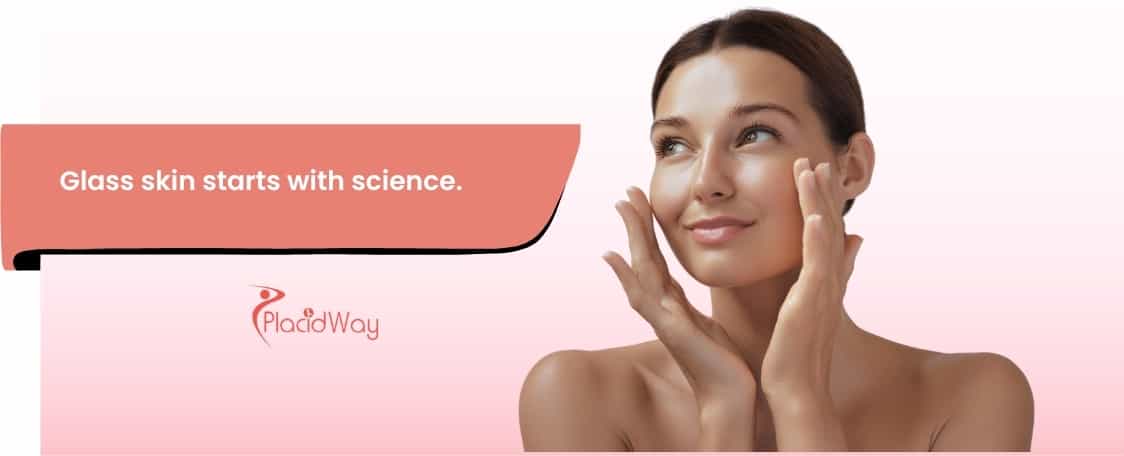
The pursuit of a flawless, luminous complexion has transcended simple cosmetic trends, evolving into a sophisticated medical discipline. Professional skin rejuvenation in South Korea has become the gold standard globally, offering treatments that go far beyond surface-level topical solutions. Southeast Asian patients, driven by the desire for the highly coveted "glass skin" aesthetic, are increasingly crossing borders to access the advanced dermatological science that Korean medical tourism provides.
This surge in cross-border healthcare is rooted in South Korea's unparalleled technological advancements and nuanced understanding of Asian skin profiles. Rather than relying on aggressive, one-size-fits-all procedures, specialists in this region typically employ multi-layered, synergistic protocols. These highly customized treatments are designed to repair the skin barrier, stimulate deep dermal collagen, and address complex pigmentation issues commonly experienced by patients living in tropical climates.
The term "Glass Skin" refers not to literal transparency, but to skin that is at its absolute healthiest—characterized by exceptional hydration, smooth texture, and an even tone that reflects light like a pane of clear glass.
The Science Behind the Glass Skin Phenomenon
Achieving glass skin is inherently a scientific process requiring the precise manipulation of cellular turnover and hydration at the molecular level. Skin rejuvenation clinics in South Korea focus on the deeper dermal layers, utilizing bio-stimulatory agents and light-based therapies to reprogram how skin ages and responds to environmental damage. The science dictates that topical creams alone cannot penetrate deeply enough to alter fundamental skin architecture.
Instead, professionals typically utilize microscopic precision to deliver active ingredients like hyaluronic acid, polynucleotides, and targeted laser energy directly into the dermis. This controlled micro-trauma generally triggers the body's natural healing cascade. As most patients experience, this results in the creation of new, healthy collagen and elastin fibers, fundamentally transforming the skin's structural integrity from the inside out.
Research shows that medical-grade fractional lasers can increase natural collagen production by up to 400% over a span of three to six months when combined with cellular skin boosters.
Why Southeast Asian Patients Choose South Korea for Dermatological Care
Patients from Southeast Asia, possessing Fitzpatrick skin types III to V, face unique dermatological challenges. Continuous exposure to intense UV radiation and high humidity frequently leads to stubborn melasma, enlarged pores, and hyperpigmentation. Medical tourism in South Korea has adapted specifically to these concerns. Korean practitioners possess a profound understanding of how melanin-rich Asian skin reacts to heat and energy, allowing them to formulate treatments that effectively address issues without triggering post-inflammatory hyperpigmentation (PIH).
Furthermore, the domestic markets in Southeast Asian countries may lack access to the latest generation of minimally invasive technologies. South Korea acts as a global testing ground for aesthetic dermatology; therefore, the clinics are routinely equipped with FDA-approved devices years before they become available elsewhere. This technological superiority, combined with deep clinical expertise, makes the journey highly appealing for discerning patients.
According to regional aesthetic industry reports, over 30% of inbound medical tourists seeking dermatological care in South Korea originate from Southeast Asian nations such as Thailand, Singapore, and Indonesia.
Testimonial Summary: Overcoming Stubborn Pigmentation
A patient traveling from Jakarta had struggled with melasma for years using local treatments. Seeking professional skin rejuvenation in South Korea, she underwent a customized multi-laser protocol. She typically reported a significant reduction in dark patches and achieved a more unified, radiant complexion within three months, praising the precision of the laser technology used.
Analyzing Skin Rejuvenation Cost in South Korea Versus Southeast Asia
When considering traveling abroad for aesthetic care, understanding the skin rejuvenation cost in South Korea is paramount. While one might assume that cutting-edge technology comes with an exorbitant price tag, the hyper-competitive nature of the Korean aesthetic market has resulted in highly stabilized, value-driven pricing. Patients often find that the comprehensive, multi-modality packages offered represent a significant return on investment.
To accurately evaluate the benefits of seeking affordable skin rejuvenation in South Korea, it is helpful to compare the average prices of high-end treatments with those in major Southeast Asian metropolitan hubs. The table below illustrates the typical market ranges, keeping in mind that actual costs fluctuate based on individual patient needs and the specific technologies utilized.
| Procedure Name | Average Cost in South Korea (USD) | Average Cost in Southeast Asia (Singapore/Thailand) (USD) |
|---|---|---|
| Pico Laser Toning (Per Session) | $150 - $350 | $250 - $500 |
| Polynucleotide Skin Boosters (e.g., Rejuran) | $300 - $600 | $600 - $1,000 |
| Exosome Cellular Therapy | $400 - $800 | $800 - $1,200 |
| Fractional RF Microneedling | $400 - $900 | $600 - $1,300 |
| Comprehensive Glass Skin Package (Multi-modal) | $1,000 - $2,500 | $2,000 - $4,500+ |
Popular Skin Rejuvenation Procedures in South Korea
The concept of "glass skin" is rarely achieved through a single procedure; rather, it is the result of a meticulously curated protocol. At premier skin rejuvenation clinics in South Korea, practitioners prioritize a holistic, multi-layered approach. They combine various modalities that work synergistically to clear pigmentation, smooth textural irregularities, and deeply hydrate the skin matrix.
These popular procedures generally fall into three main categories: energy-based devices (lasers and radiofrequency), injectable bio-stimulators, and advanced dermal infusions. By blending these treatments, medical professionals can target both the superficial epidermis and the deep dermis simultaneously, maximizing the overall rejuvenating effect while actively managing patient downtime.
Testimonial Summary: Achieving the Ultimate Glow
A medical tourist from the Philippines documented her experience receiving a specialized glass skin package. Combining subtle laser toning with deep hydration therapy, she noted that while she experienced mild redness for two days, the resulting luminosity and refined pore size she achieved upon returning home was unprecedented compared to her previous local treatments.
Advanced Laser Skin Rejuvenation in South Korea
Laser technology remains the cornerstone of professional skin rejuvenation in South Korea. The evolution from traditional ablative lasers to state-of-the-art picosecond and nanosecond devices has revolutionized how specialists treat Southeast Asian skin. These advanced lasers deliver energy in ultra-short bursts, effectively shattering pigment particles without generating excessive heat that could damage surrounding tissues.
Furthermore, fractional lasers and fractional radiofrequency systems are extensively utilized to address acne scarring and skin laxity. By creating microscopic thermal zones in the skin, these devices stimulate robust collagen production. Patients typically find that these targeted treatments refine skin texture significantly, creating the smooth canvas essential for the glass skin look.
When booking your trip, schedule your laser procedures toward the middle of your stay. This allows you a few days to explore the city before treatment, and ensures you have access to your specialist for immediate post-care evaluation before flying back.
The Role of Skin Boosters and Injectables in Medical Tourism in South Korea
If lasers are the architects of skin texture, skin boosters are the interior designers, responsible for the plumpness and deep hydration characteristic of glass skin. The role of specialized injectables is a massive driving force behind medical tourism in South Korea. Treatments utilizing polynucleotides (derived from salmon DNA), exosomes, and uncross-linked hyaluronic acid are exceptionally popular.
Unlike traditional dermal fillers designed to add volume or alter facial contours, these micro-injections are distributed evenly across the face. They generally work at a cellular level to repair damaged DNA, reduce inflammation, and flood the skin with moisture. Most patients experience a significant enhancement in skin elasticity and a reduction in fine lines, yielding a naturally youthful radiance.
Exosome therapy, a relatively recent breakthrough in regenerative aesthetics, utilizes stem cell-derived nanoparticles to communicate with aging skin cells, prompting them to regenerate and heal up to three times faster than normal.
Preparing for Your Skin Rejuvenation Journey in South Korea
Adequate preparation is vital for maximizing the results of your aesthetic journey. Before traveling for affordable skin rejuvenation in South Korea, patients should establish a baseline of skin health. It is typically advised to discontinue the use of harsh active ingredients, such as retinoids, AHAs, and BHAs, at least one to two weeks prior to the procedures to minimize the risk of heightened skin sensitivity.
Additionally, organizing your medical records and clearly defining your aesthetic goals can streamline the consultation process. Engaging in digital pre-consultations, where available, helps set realistic expectations regarding costs, recommended modalities, and necessary recovery time, ensuring a smooth and stress-free medical tourism experience.
Individuals with active skin infections, severe cystic acne flare-ups, or those who are pregnant or nursing are generally contraindicated for intensive laser therapies and certain injectable skin boosters. Always disclose your full medical history to your provider before booking treatments.
What to Expect During Skin Rejuvenation Clinics in South Korea Visits
Upon arriving at premium skin rejuvenation clinics in South Korea, international patients are typically greeted by a highly structured and technologically driven environment. The process almost always begins with a comprehensive, computerized skin analysis using advanced imaging systems. These devices map out hidden sun damage, vascular irregularities, and pore depth, allowing the medical team to formulate a precise, data-backed treatment plan.
During the treatment phase, comfort and safety are heavily prioritized. Clinics generally apply potent, medical-grade topical anesthetics to ensure the patient's comfort during multi-step procedures. A typical session might involve gentle cleansing, followed by targeted laser application, micro-injections of skin boosters, and culminating in soothing cryotherapy or LED light therapy to immediately calm the skin and jumpstart the healing process.
Testimonial Summary: A High-Tech Healing Experience
A professional from Singapore visited a specialized center and was amazed by the thoroughness of the initial assessment. She reported that the 3D skin imaging revealed underlying pigmentation she wasn't aware of. The resulting personalized treatment plan, combining pico lasers and DNA injections, was executed efficiently, and she appreciated the dedicated translation support that kept her informed every step of the way.
Recovery and Post-Care for Skin Rejuvenation in South Korea
Understanding the recovery phase is essential for anyone seeking professional skin rejuvenation in South Korea. Because glass skin protocols often combine multiple treatments, the immediate aftermath generally involves mild to moderate redness, slight swelling, and occasionally minor pinpoint bruising from injections. However, these side effects are typically temporary, usually subsiding within 3 to 7 days depending on the intensity of the procedures.
Post-care is just as critical as the treatment itself. Patients are universally advised to avoid direct sunlight, abstain from saunas or strenuous exercise, and apply specialized regenerative creams provided by the clinic. Most patients experience a peeling or flaking phase if ablative lasers were used; it is imperative to let the skin slough off naturally to prevent scarring and ensure optimal healing.
Pack a wide-brimmed hat, UV-protective sunglasses, and gentle, fragrance-free cleansers for your trip. The ambient air during flights can be incredibly dehydrating, so carry a medical-barrier cream approved by your specialist for the journey home.
Risks and Considerations for Aesthetic Treatments in South Korea
While the standard of care is exceptionally high, participating in medical tourism in South Korea for aesthetic procedures still carries inherent medical risks that must be transparently acknowledged. No medical intervention is entirely without potential complications. Patients generally need to be aware of the possibility of post-inflammatory hyperpigmentation, especially if post-procedure sun avoidance is not strictly adhered to.
Other potential, though less common, risks include prolonged erythema (redness), allergic reactions to topical or injectable agents, and in rare cases, superficial burns or infection if post-care hygiene is compromised. Choosing highly accredited facilities and adhering strictly to the doctor’s aftercare guidelines typically mitigates these risks substantially, ensuring a safe path to recovery.
Strictly adhering to a broad-spectrum SPF 50+ regimen post-procedure reduces the risk of post-inflammatory hyperpigmentation by over 80% in Southeast Asian skin types following laser treatments.
Long-Term Maintenance After Skin Rejuvenation in South Korea
The transformation achieved through skin rejuvenation clinics in South Korea is an investment that requires ongoing maintenance. Transitioning back to the high heat and humidity of Southeast Asia means patients must adapt their skincare routines to protect their newly refined complexion. The cellular turnover stimulated during the trip will continue for several months, requiring supportive care to maximize longevity.
To preserve the glass skin effect, dermatologists generally recommend integrating pharmaceutical-grade Vitamin C serums, deeply hydrating ceramides, and potentially scheduling mild, non-invasive maintenance facials in their home country. While the structural improvements from Korean treatments are long-lasting, environmental aging never stops, making diligent daily care the ultimate key to sustaining results.
The peak results of bio-stimulatory injectables and deep laser resurfacing are often not visible until 8 to 12 weeks post-procedure, as it takes time for the body to synthesize new structural collagen.
Testimonial Summary: Sustaining the Results
A patient from Malaysia who underwent a comprehensive rejuvenation package noted that while her initial glow was impressive, the true transformation became apparent three months later. By strictly following the provided post-care regimen and utilizing high-quality sunscreen, she successfully maintained her clear, glass-like skin texture despite her home country's tropical climate.
How PlacidWay Assists Your Skin Rejuvenation Medical Tourism Journey in South Korea
Navigating the complex landscape of international healthcare can be daunting. Engaging in medical tourism in South Korea requires careful planning and coordination to ensure a safe and successful outcome.
PlacidWay facilitates this process by offering comprehensive support tailored to the unique needs of medical travelers seeking professional skin rejuvenation in South Korea.
- Connecting patients with internationally accredited, top-tier dermatological facilities and board-certified specialists.
- Providing transparent cost estimates to help patients budget for affordable skin rejuvenation in South Korea.
- Facilitating secure and efficient digital pre-consultations between patients and medical professionals.
- Offering guidance on treatment protocols, recovery timelines, and expected medical outcomes.
- Assisting with overcoming language barriers by connecting patients with clinics that offer dedicated international patient departments.
- Ensuring all recommended medical centers adhere to strict international patient safety and hygiene protocols.
Frequently Asked Questions About Professional Skin Rejuvenation in South Korea
How long does a typical skin rejuvenation trip to South Korea take?
Most patients generally require a stay of 5 to 7 days. This allows adequate time for the initial consultation, the procedure itself, and crucial early follow-up appointments before flying home.
Is skin rejuvenation in South Korea safe for darker skin tones?
Yes, South Korean dermatologists are highly experienced in treating Fitzpatrick skin types III to V, which are common in Southeast Asia. They typically use specialized lasers that minimize the risk of post-inflammatory hyperpigmentation.
What is the downtime for glass skin treatments?
Downtime varies by treatment. Non-invasive skin boosters typically involve 1 to 3 days of mild redness, while more intensive laser resurfacing may generally require 5 to 7 days of social downtime.
Are skin boosters like Rejuran painful?
Most patients experience mild discomfort during skin booster injections. Clinics generally apply a potent topical numbing cream for 30 to 45 minutes beforehand to minimize pain.
Do I need a medical visa to get aesthetic treatments in South Korea?
Many Southeast Asian nationalities can enter South Korea visa-free or with a standard tourist visa (K-ETA) for short visits. However, for extended medical stays, a specific medical visa may be required.
When will I see the final results of my skin rejuvenation?
Results typically begin to appear within two weeks as skin heals and cellular turnover increases. The full effects of collagen-stimulating treatments generally peak at 2 to 3 months post-procedure.
Can I combine multiple treatments in one visit?
Yes, specialists frequently create customized packages combining lasers, injectables, and advanced facials to maximize results safely within a single trip.
How do I maintain my results in a tropical climate?
Maintenance typically requires strict sun protection with high SPF, utilizing medical-grade skincare, and avoiding excessive heat exposure immediately following the procedure.
Will there be a language barrier at the clinic?
Facilities catering to international medical tourists typically provide in-house translators or dedicated English-speaking medical coordinators to ensure clear communication.
Can I fly immediately after laser treatments?
It is generally recommended to wait at least 48 to 72 hours before flying after intensive treatments to allow initial swelling to subside and avoid dry cabin air irritating the healing skin.
Ready to start your journey towards radiant glass skin? Connect with trusted specialists in South Korea through PlacidWay today.
References
- American Society of Plastic Surgeons. Skin Rejuvenation and Resurfacing. https://www.plasticsurgery.org/cosmetic-procedures/skin-rejuvenation-and-resurfacing
- National Library of Medicine (PubMed). Laser Treatments for Skin of Color: A Review of Safety and Efficacy. https://pubmed.ncbi.nlm.nih.gov/21197520/
- International Society of Aesthetic Plastic Surgery (ISAPS). Global Survey Statistics on Aesthetic Procedures. https://www.isaps.org/discover/about-isaps/global-statistics/
- Dermatology Times. The Emerging Role of Exosomes in Aesthetic Dermatology. https://www.dermatologytimes.com/view/exciting-exosomes-in-aesthetic-dermatology
- Journal of Clinical and Aesthetic Dermatology (JCAD). Managing Post-Inflammatory Hyperpigmentation in Southeast Asian Patients. https://www.ncbi.nlm.nih.gov/pmc/articles/PMC2921758/

.png)
.png)

.png)
.png)
.jpg)
.png)
.png)


.jpg)
.jpg)
.jpg)
.jpg)








Share this listing