



In recent years, a significant shift has occurred in the landscape of global hair restoration, with thousands of British men exploring medical treatments abroad. Seeking top-tier clinical care without the high aesthetic pricing found at home, many are turning their attention to specialized centers situated in the medical hubs of Europe and Eurasia. Specifically, the demand for advanced DHI hair transplants in Turkey has surged, positioning the destination as a primary choice for international patients. This trend highlights a growing confidence in cross-border healthcare and the strong desire for minimally invasive follicular restoration techniques.
London has long been recognized for its prestigious medical facilities, but the high operational and administrative costs often translate into prohibitive fees for aesthetic procedures. Consequently, patients are discovering that they can access comparable, and sometimes superior, technological advancements by participating in medical tourism in Turkey. The combination of experienced surgical teams, structured post-operative protocols, and state-of-the-art clinical environments creates a highly attractive proposition for those facing male pattern baldness. As this movement continues to expand, understanding the nuances of these procedures becomes essential for informed patient decision-making.
The International Society of Hair Restoration Surgery typically notes a steady annual increase in global hair transplant procedures, with the Middle Eastern and European regions hosting a significant majority of international patients seeking advanced implantation techniques.
Understanding Direct Hair Implantation Techniques in Istanbul Clinics
Direct Hair Implantation, commonly referred to as DHI, represents a highly refined evolution in the field of follicular extraction and placement. Unlike older methodologies that require the surgeon to manually create recipient channels prior to graft insertion, DHI utilizes a specialized tool known as the Choi Implanter Pen. This sophisticated instrument allows medical professionals to simultaneously puncture the scalp and deposit the extracted hair follicle in a single, fluid motion. By minimizing the time a graft spends outside the body, the technique generally promotes enhanced graft survival rates and robust subsequent growth.
When investigating DHI hair transplant clinics in Turkey, prospective patients will notice a strong emphasis on the precision and density achievable with this method. The pen-like device provides surgeons with meticulous control over the angle, depth, and direction of the implanted hair, which is crucial for recreating a natural-looking hairline. Furthermore, because there is no need for widespread incisions in the recipient area, patients typically experience reduced surgical trauma and a comparatively smoother early recovery phase. This level of technical sophistication serves as a primary draw for individuals seeking long-lasting aesthetic improvements.
The Choi Implanter Pen was originally developed in South Korea and was designed to accommodate the typically thicker hair shafts of Asian patients. Over the years, the technology has been highly refined by international medical instrument manufacturers to effectively handle the varying hair textures found globally.
Why British Men Prefer Turkey Over London Hair Restoration Centers
For many residents of the United Kingdom, the decision to undergo elective aesthetic surgery requires carefully balancing financial investment with clinical quality and safety. London clinics undeniably offer exceptional medical standards, yet the local economic factors inherently drive up the baseline cost of any cosmetic intervention. By choosing affordable DHI hair transplants in Turkey, British men are able to access internationally trained dermatologists and highly specialized surgical teams without facing financial strain. The sheer volume of procedures performed abroad also means that surgeons there frequently accumulate vast, focused experience in specific micro-surgical techniques over a shorter timeframe.
Beyond the financial incentives, the holistic approach to patient care provided by international medical centers plays a significant role in this geographical shift. Facilities catering to medical tourists typically streamline the entire clinical experience, emphasizing comprehensive pre-operative consultations and detailed virtual follow-ups. This dedicated attention ensures that patients do not feel abandoned once they return home, fostering a deep sense of trust and reliability. Ultimately, the ability to undergo an advanced procedure in a high-volume, quality-driven environment makes the journey highly appealing to the modern British patient.
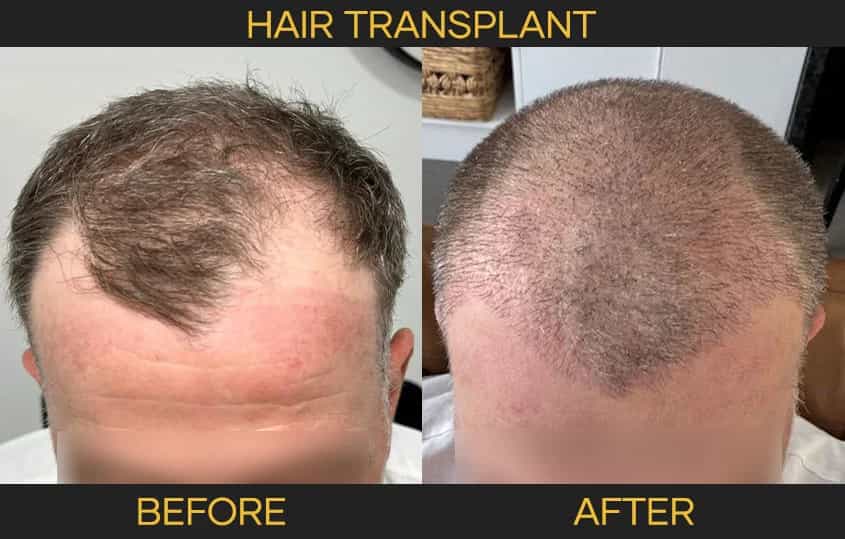
Always request to view detailed, standardized before-and-after photographs from your chosen clinic. Ensure these images feature consistent lighting and angles, and focus specifically on patients who have a similar hair loss pattern to your own to set realistic expectations.
Analyzing the Cost of DHI Hair Transplants in Turkey Versus the UK
Understanding the financial landscape is a vital component for anyone considering international medical travel for aesthetic enhancement. The DHI hair transplant cost in Turkey is structurally different from the pricing models found in British medical hubs, largely due to diverse operational overheads, favorable currency exchange rates, and lower local taxation. Clinics abroad typically offer comprehensive procedural packages that encompass the surgery itself, necessary clinical medications, and standard post-operative clinical washes. This transparent packaging contrasts with some domestic models where individual consultations, facility fees, and surgical time may be billed separately.
While prices will inherently fluctuate based on the specific clinic's reputation, the surgeon's expertise, and the complexity of the patient's individual case, a comparative analysis reveals substantial financial variances. Most patients find that they can obtain advanced micro-surgical techniques overseas for a fraction of the cost required in London. Below is an analytical table outlining realistic, average market estimates for various sub-treatments associated with the DHI procedure, designed to aid prospective patients in their preliminary financial planning.
| Procedure Name | Average Cost in Turkey | Average Cost in London (UK) |
|---|---|---|
| Advanced DHI (Up to 2,500 Grafts) | $2,000 - $3,500 | $6,500 - $9,000 |
| Advanced DHI (2,501 - 4,000 Grafts) | $3,000 - $4,500 | $8,500 - $12,000+ |
| Unshaven DHI Hair Transplant | $2,500 - $4,800 | $7,500 - $11,500 |
| DHI Procedure with PRP Therapy | $2,200 - $4,000 | $7,000 - $10,500 |
Evaluating Clinic Quality and Surgeon Expertise for Medical Tourism in Turkey
Navigating the sheer volume of international medical providers requires a methodical approach to evaluating clinical safety and surgical expertise. When seeking the best DHI hair transplants in Turkey, prospective patients must look beyond sophisticated marketing and delve into the facility's verifiable credentials. High-quality centers are typically accredited by rigorous international organizations, such as the Joint Commission International (JCI) or the International Organization for Standardization (ISO). These accreditations signify that the clinic adheres to strict global protocols regarding sterilization, patient safety, and emergency clinical preparedness.
Equally critical to the facility's standards is the background and ongoing education of the operating surgeon leading the medical team. Top-tier professionals in the field of hair restoration are often active members of respected global entities, such as the International Society of Hair Restoration Surgery (ISHRS). Patients are highly advised to review the surgeon's specific medical background, confirming their status as a board-certified dermatologist or plastic surgeon with a dedicated focus on follicular micro-surgery. Ensuring that the physician is deeply involved in the clinical planning and critical surgical phases is essential for mitigating risks and achieving optimal outcomes.
Clinics holding JCI accreditation are required to undergo rigorous re-evaluations every three years. This ongoing assessment ensures that the facility consistently maintains high international standards regarding infection control, clinical governance, and patient safety protocols.
The Step-by-Step Patient Journey for DHI Hair Transplants Abroad
Embarking on a cross-border clinical journey requires a structured and well-coordinated approach to ensure patient comfort and surgical success. The process typically initiates with a comprehensive digital consultation, where individuals submit clear images of their scalp and detailed medical histories to the selected hair transplant clinics in Turkey. During this remote evaluation, the medical team assesses the patient's donor area density, determines candidacy, and drafts a preliminary surgical blueprint. This early communication is vital for establishing realistic expectations regarding achievable coverage and the specific methodology that will be utilized.
Upon arriving at the clinical destination, patients generally undergo an exhaustive in-person physical assessment and preoperative screening. This involves standard blood testing, a physical examination of the scalp's vascularity, and an extensive discussion to finalize the desired hairline design. The clinical team maps out the exact extraction and implantation zones, ensuring the patient is completely comfortable with the aesthetic plan before proceeding to the operating theater. Following the procedure, structured clinical reviews and initial medical washes are conducted before the patient is cleared to safely return to their home country.
The hairline design phase is considered one of the most critical artistic elements of the procedure. Skilled surgeons use specific facial mapping techniques, taking into account muscle movements and natural aging patterns, to create a hairline that will look appropriate both now and decades in the future.
Essential Pre-Operative Guidelines for UK Hair Transplant Patients
Preparing the body for micro-surgery is an imperative step that directly influences the safety of the procedure and the viability of the transplanted follicles. Patients pursuing an advanced DHI hair transplant in Turkey will receive a strict set of clinical guidelines that must be adhered to in the weeks leading up to their appointment. Generally, physicians require the cessation of any blood-thinning medications, specific vitamin supplements, and herbal remedies at least seven to ten days prior to surgery. This precaution is critical for minimizing intraoperative bleeding, which can obscure the surgeon's field of vision and compromise graft placement.
Furthermore, lifestyle adjustments are strongly recommended to promote an optimal physiological environment for healing. Patients are typically advised to abstain from alcohol consumption and strictly avoid all forms of nicotine products, including vaping, for a minimum of one week prior to the procedure. Nicotine constricts blood vessels, significantly reducing the oxygen and nutrient flow to the scalp, which can severely hinder the survival rate of the newly implanted grafts. Adherence to these pre-operative clinical directives is a non-negotiable requirement for responsible medical tourists.
Patients with undiagnosed or unmanaged systemic conditions, such as severe hypertension or certain autoimmune disorders, may not be suitable candidates for elective hair restoration. Always provide your clinic with a completely transparent medical history to prevent severe intraoperative complications.
Navigating the DHI Procedure: What to Expect in the Operating Room
The operative day for a Direct Hair Implantation procedure is typically a lengthy but meticulously structured clinical process. The surgery begins with the administration of local anesthesia to both the donor and recipient areas of the scalp, ensuring the patient remains conscious but entirely free from localized pain. Once the scalp is sufficiently numbed, the surgical team begins the delicate extraction phase, utilizing a micromotor punch to carefully harvest individual follicular units from the safe donor zone at the back of the head. These delicate grafts are temporarily preserved in a specialized hypothermic solution to maintain their cellular integrity while awaiting implantation.
The distinctive phase of the DHI hair transplant procedure in Turkey is the implantation process. The surgeon loads the harvested follicles into the hollow needle of the Choi Implanter Pen. With precise movements, the surgeon punctures the skin and simultaneously delivers the graft into the scalp tissue. This method allows for exceptional control over the natural angle and dense packing of the hair, closely mimicking the original growth pattern. Because no pre-made incisions are required, patients generally experience significantly less capillary bleeding, which contributes to a cleaner surgical site and a potentially accelerated early healing timeline.
During a standard DHI procedure, the surgical team may utilize several Choi Implanter Pens simultaneously. Medical assistants rapidly load the devices with harvested grafts while the primary surgeon focuses entirely on the precise execution of the implantation, optimizing the time the grafts spend out of the body.
Post-Operative Recovery Timeline and Care for Turkish Hair Transplants
The period immediately following surgery is critically important for securing the newly implanted grafts and ensuring long-term aesthetic success. For those who have undergone medical tourism in Turkey for hair restoration, the first 48 to 72 hours demand strict adherence to clinical aftercare instructions. Patients typically experience mild to moderate swelling, localized redness, and the formation of small scabs around both the extraction and implantation sites. Medical teams will provide detailed protocols regarding how to sleep at an elevated angle and how to perform gentle, specialized clinical washes to prevent crust buildup and ward off potential bacterial infections.
Patience is the most crucial element of the long-term recovery timeline. It is entirely normal for patients to experience "shock loss"—a phase where the newly transplanted hairs shed between weeks two and six post-surgery. This physiological response is generally temporary, as the underlying follicular root remains secure beneath the skin. Visible, sustained new hair growth typically begins to emerge around the third to fourth month, gradually thickening over the subsequent seasons. Most patients require a full twelve to eighteen months to witness the completely matured, finalized results of their surgical investment.
Protecting your scalp from direct, prolonged ultraviolet radiation is essential during the first few months of recovery. Wear a loose-fitting, clinic-approved hat when outdoors to prevent hyperpigmentation and protect the vulnerable healing skin from sun damage.
Recognizing Potential Risks and Contraindications in Hair Restoration
While follicular micro-surgery is generally considered safe when performed by credentialed medical professionals, it remains an invasive procedure that carries inherent clinical risks. Patients seeking advanced DHI hair transplants in Turkey must be fully educated regarding potential, albeit uncommon, adverse outcomes. Standard surgical complications can include localized infections, excessive capillary bleeding, or adverse reactions to the administered local anesthetics. Furthermore, poor surgical execution can lead to unnatural aesthetic results, asymmetric hairlines, or an unacceptably low graft survival rate, which underscores the importance of stringent clinic vetting.
Not every individual experiencing hair loss is an ideal candidate for surgical intervention. Strict clinical contraindications apply, precluding specific demographics from undergoing the procedure safely. Patients suffering from active, severe inflammatory scalp conditions, unmanaged diabetes, or significant blood clotting disorders are generally advised against surgery due to highly elevated risks of infection and impaired healing. Additionally, individuals with insufficient donor hair density may not achieve a cosmetically satisfying result and should consult with an honest, ethical surgeon to explore non-surgical alternative therapies instead.
Comparing FUE and Advanced DHI Hair Transplants in Turkey
When researching options, patients will inevitably encounter discussions comparing Follicular Unit Extraction (FUE) and the Direct Hair Implantation (DHI) technique. It is important to clarify that DHI is essentially an advanced modification of the traditional FUE methodology. In both approaches, the initial extraction phase is virtually identical, relying on micromotor punches to harvest individual grafts from the donor zone. The primary divergence lies entirely within the recipient phase; while standard FUE requires the surgeon to meticulously slice microscopic channels into the scalp prior to inserting the grafts with forceps, DHI bypasses this step entirely.
By utilizing the specialized implanter pen, DHI hair transplant clinics in Turkey can implant follicles directly without the need for pre-made incisions. This generally results in less trauma to the surrounding native tissue, making it an excellent option for increasing density in areas where existing hair is still present. However, standard FUE is often highly efficient for covering massive areas of complete baldness quickly. The choice between the two techniques is highly individualized and should be based strictly on a comprehensive clinical assessment of the patient's unique hair loss pattern and overall aesthetic goals.
The DHI method frequently allows for an "unshaven" transplant, where only a small, concealable strip at the back of the head is trimmed for extraction. This makes the technique highly appealing to professionals who wish to return to work quickly without broadcasting their surgical procedure.
Patient Success Stories from British Men Traveling for Hair Restoration
The growing popularity of cross-border clinical care is heavily driven by the shared experiences and documented outcomes of those who have previously navigated the process. Many British men who once felt hesitant about international medical travel have found substantial confidence in the structured care provided by top-tier facilities abroad. By pursuing affordable DHI hair transplants in Turkey, these individuals have reported high levels of satisfaction regarding both the technical precision of the surgery and the rigorous standard of clinical hygiene observed during their visits.
Below are a series of generalized patient summaries that highlight the common experiences of men who have undergone this specific procedure. These accounts reflect typical clinical journeys, emphasizing the importance of extensive pre-operative research, diligent adherence to strict aftercare protocols, and maintaining highly realistic timelines for final hair regrowth.
Oliver's Focus on Precision
Oliver, a 34-year-old from London, sought treatment for a receding temporal hairline. He chose the DHI method due to its precise angulation capabilities. After adhering strictly to post-operative washing guidelines, he noted substantial, natural-looking density returning to his temples by his tenth month of recovery.
James's Unshaven Experience
As a corporate executive from Manchester, James required a discreet procedure. He opted for an unshaven DHI session to address mild crown thinning. While the procedure took slightly longer, his ability to conceal the donor extraction site allowed him to return to digital meetings within a week without obvious surgical signs.
Liam's Extensive Restoration
Liam, 42, required a dense packing of approximately 3,500 grafts across his mid-scalp. Traveling abroad allowed him to afford the specialized Choi pen methodology. Despite initial anxiety about the temporary shedding phase at week four, his regular virtual follow-ups with the clinic reassured him, leading to robust growth by month twelve.
Henry's Preventative Planning
Experiencing early-stage diffuse thinning, 29-year-old Henry utilized DHI to implant grafts closely between his existing native hairs without causing localized trauma. Combined with ongoing, medically prescribed preventative therapies, his proactive approach successfully fortified his overall scalp density without causing aggressive shock loss.
How PlacidWay Assists Your Advanced DHI Hair Transplant Medical Tourism Journey in Turkey
Navigating the complex landscape of international healthcare can be an overwhelming task, particularly when prioritizing clinical safety and surgical expertise. PlacidWay serves as a dedicated global medical tourism platform, empowering individuals to make informed, highly structured decisions regarding their elective healthcare choices. By facilitating direct connections between international patients and stringently vetted medical providers, the platform dramatically simplifies the process of seeking specialized care abroad.
When coordinating your medical tourism in Turkey for follicular restoration, comprehensive support and transparent information are critical components of a successful clinical experience. The platform prioritizes high-value assistance, ensuring patients have access to all necessary medical data prior to committing to cross-border travel.
- Facilitating direct, transparent communication between prospective patients and internationally accredited clinical facilities.
- Providing access to detailed surgeon profiles, specific medical credentials, and verified procedural history.
- Assisting with the secure transfer of medical records and preliminary scalp photographs for accurate digital consultations.
- Helping patients navigate and compare complex clinical quotes to ensure clarity regarding procedural inclusions and medical protocols.
- Coordinating remote preliminary evaluations to confirm clinical candidacy prior to any commitment.
Frequently Asked Questions About DHI Hair Transplants in Turkey
Why are DHI hair transplant clinics in Turkey popular among UK patients?
Many clinics in the region offer state-of-the-art medical technology alongside highly experienced surgical teams. The comprehensive care models typically provide high-quality outcomes at a fraction of the price found in London.
What is the typical recovery timeline for an advanced DHI hair transplant?
Patients generally experience mild swelling and scabbing during the first week, which typically resolves within ten days. Visible hair regrowth usually begins around the third or fourth month, though final results can take up to a year.
Are DHI hair transplants generally safe for all patients?
While considered minimally invasive, the procedure carries standard surgical risks like infection or poor graft survival. Patients with specific contraindications, such as active scalp infections or severe bleeding disorders, are generally not ideal candidates.
Do I need a special medical visa for hair restoration in Turkey?
British citizens typically do not require a visa for tourist visits lasting up to 90 days within a 180-day period. This standard entry allowance is generally sufficient for patients undergoing hair restoration procedures and initial recovery.
How does the Choi Implanter Pen improve DHI procedures?
The Choi pen allows surgeons to extract and implant follicles almost simultaneously without creating prior incisions. This generally enhances graft survival rates and provides precise control over the angle and depth of the implanted hair.
Can I receive follow-up care for my Turkish hair transplant in the UK?
Yes, many international clinics provide comprehensive digital follow-ups to monitor progress over the crucial first year. Additionally, patients can often consult local British dermatologists or trichologists for routine post-operative scalp check-ups.
Why is the DHI hair transplant cost in Turkey lower than in London?
The difference is primarily driven by lower local operational costs, labor wages, and favorable exchange rates. The high volume of procedures also allows medical centers to operate efficiently without compromising on clinical standards.
What happens if a patient experiences shock loss after DHI?
Shock loss is a temporary shedding of native or implanted hair that typically occurs a few weeks post-surgery due to surgical trauma. Most patients find that this hair regrows naturally as the follicles enter a new growth phase within a few months.
Is it mandatory to shave the entire head for a DHI hair transplant?
One of the advantages of the DHI technique is that it often allows for unshaven or partially shaven transplants. Generally, only the donor area at the back of the head needs trimming, making it a discreet option for many men.
How do I choose reputable DHI hair transplant clinics in Turkey?
Look for facilities with international accreditations such as JCI or ISO, and ensure the operating surgeon is registered with recognized medical boards. Reviewing transparent patient outcomes and detailed clinical protocols is also a crucial step.
Ready to explore top-tier DHI hair restoration options with internationally accredited specialists?
Medical Disclaimer: This article is for informational purposes only and is not medical advice. Always consult a qualified healthcare provider before any medical decisions. Results may vary. Read Full Disclaimer here.
References
- International Society of Hair Restoration Surgery (ISHRS). Hair Transplant Surgery General Information. https://ishrs.org/patients/treatments-hair-loss/hair-transplant-surgery/
- WebMD. What to Know About Hair Transplants. https://www.webmd.com/skin-problems-and-treatments/hair-loss/hair-transplants
- Healthline. DHI Hair Transplant: Procedure, Cost, and Recovery. https://www.healthline.com/health/dhi-hair-transplant
















Share this listing