


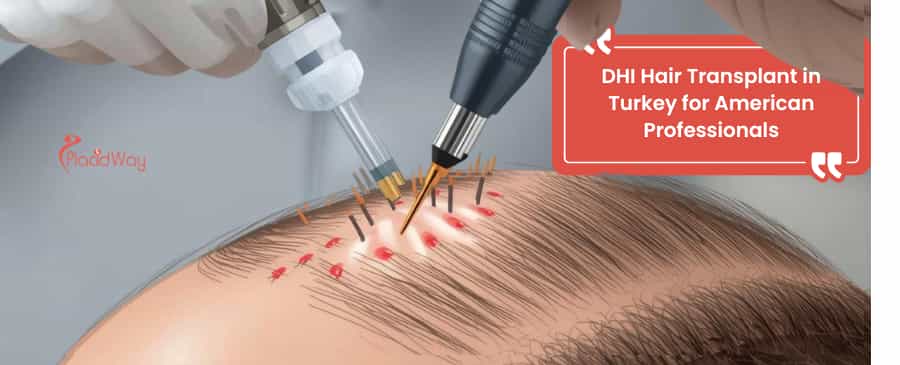
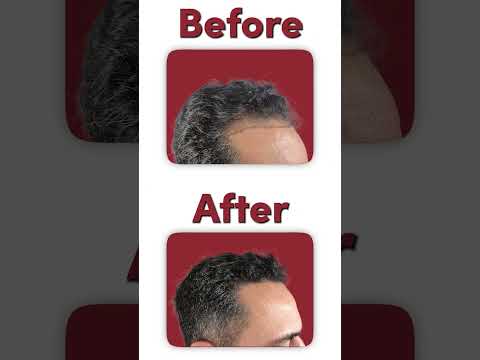
For the modern American professional, appearance is often intertwined with confidence and competitiveness in the boardroom. Hair loss can be a subtle but significant detractor from a youthful, energetic professional image. While hair restoration technology has advanced rapidly, the cost in the United States often remains prohibitive, with premium procedures like Direct Hair Implantation (DHI) commanding prices upwards of $15,000.
Turkey has emerged as the global capital for hair restoration, offering a compelling solution that combines world-class medical expertise with luxury hospitality. For executives seeking discretion, efficiency, and superior results, a DHI hair transplant in Istanbul or Antalya offers a "lunchtime procedure" appeal with an ROI that justifies the travel. By utilizing the advanced Choi Implanter Pen, Turkish specialists can restore density without the need for visible incisions or shaving the entire head, allowing you to return to business with minimal downtime.
Key Takeaways for International Patients
Planning a medical trip abroad requires confidence in the value proposition. Here are the critical advantages of choosing Turkey for your DHI procedure:
- ? Massive Cost Savings: American patients typically save 70-80% on procedure costs compared to US clinics, even after factoring in flights.
- ? All-Inclusive Luxury: Packages typically include 3 nights in a 5-star hotel, VIP airport transfers, and all medical medications—no hidden facility fees.
- ? The "No-Shave" Advantage: DHI allows for implantation between existing hairs, meaning many professionals can undergo surgery without shaving their recipient area (Unshaven DHI).
- ? Average Costs:
- Turkey: $2,500 – $4,500 (All-Inclusive)
- USA: $12,000 – $20,000 (Procedure Only)
- UK: £6,000 – £12,000 (Procedure Only)
Why DHI is the "Gold Standard" for Professionals?
Experience precision engineering applied to biology, offering high-density results that respect your busy schedule and need for discretion.
Direct Hair Implantation (DHI) is distinct from traditional FUE (Follicular Unit Extraction) because it combines the channel creation and implantation phases into one single step. Using a patented tool called the Choi Implanter Pen, the surgeon loads the extracted graft into a hollow needle and implants it directly into the scalp. This mechanism offers critical advantages for the working professional:
The Choi Pen Advantage
Because the Choi Pen creates the channel and places the follicle simultaneously, there is no need for pre-made incisions. This results in significantly less trauma to the scalp, reduced bleeding, and faster healing. For an executive, this means the tell-tale signs of surgery (redness and scabbing) subside much faster—often within 7-10 days—compared to the 2 weeks often required for traditional FUE.
High-Density Implantation
The precision of the DHI tool allows surgeons to plant follicles very close together. While standard FUE might achieve 35-45 grafts per square centimeter, DHI can achieve 50-60 grafts per cm² (depending on donor supply). This density is crucial for recreating a natural, youthful hairline that stands up to close scrutiny in face-to-face meetings.
The "Unshaven DHI" technique is a specific variation highly sought after by celebrities and executives. It allows the surgeon to implant new follicles between long, existing hair strands without shaving the top of the head. Only a small, concealable window is shaved in the donor area at the back, making the procedure virtually undetectable after a few days.
Cost Analysis: Turkey vs. USA ROI
Maximize your investment by accessing world-class care at a fraction of domestic prices, turning a medical necessity into a smart financial decision.
The primary driver for Americans traveling to Istanbul or Izmir is the undeniable value. In the US, hair transplant clinics often charge per graft, with DHI commanding a premium price of $6 to $10 per graft. In Turkey, pricing is typically package-based, capping the cost regardless of the graft count (usually up to 4,000-5,000 grafts). This creates a predictable financial model for patients.
| Feature | USA (Avg. Clinic) | Turkey (JCI Accredited) |
|---|---|---|
| Procedure Cost (3,000 Grafts) | $15,000 - $25,000 | $2,500 - $4,500 |
| Method Used | Often FUE (DHI is extra) | DHI / Sapphire DHI |
| Accommodation | Not Included ($200+/night) | Included (4-5 Star Hotel) |
| VIP Transfers | Not Included | Included (Airport/Clinic) |
| Medications & PRP | Billed Separately ($500+) | Included |
| Total Estimated Expenditure | $16,000 - $26,000+ | $3,500 - $5,500 (incl. flight) |
Step-by-Step Executive Journey
A seamless 3-day itinerary designed to move you from arrival to recovery with military precision and VIP comfort.
Medical tourism in Turkey is a well-oiled machine. Clinics understand that international patients, especially professionals, value time and organization. Here is the typical itinerary for a DHI patient in Istanbul:
- Day 1: Arrival & VIP Welcome. You land at Istanbul Airport (IST). A private chauffeur greets you at the gate and transports you to your 5-star hotel. You have the evening to rest or enjoy a light dinner.
- Day 2: The Procedure. A driver picks you up for the clinic. You undergo blood tests and a detailed consultation with the lead surgeon to design your hairline. Under local anesthesia (often needle-free), the procedure takes 6-8 hours. You watch movies or nap. Post-op, you are bandaged and returned to your hotel with a care kit.
- Day 3: Check-up & Leisure. You return to the clinic for a check-up and the first hair wash, where nurses teach you how to clean your scalp. The rest of the day is yours—many patients explore the Grand Bazaar or enjoy the Bosphorus, as you are physically fit to walk.
- Day 4: Departure. After a final check (if needed), your VIP transfer takes you back to the airport. You are cleared to fly immediately.
"The volume of surgeries performed in Turkey creates a unique 'mastery through repetition' effect. A top surgeon in Istanbul might oversee 5-10 DHI cases a day with a large team, whereas a US surgeon might do one. This intense specialization allows Turkish medical teams to perfect the art of graft placement, resulting in denser, more natural hairlines for American patients."
Safety, Accreditation & Hygiene Standards
Rest assured knowing that Turkey hosts one of the highest numbers of JCI-accredited healthcare facilities in the world.
A common misconception is that lower cost equals lower quality. In reality, the top clinics catering to international patients operate under strict European and International standards. When booking through a reputable platform, ensure the facility holds JCI (Joint Commission International) accreditation or ISO certification.
These accreditations guarantee that the clinic adheres to rigorous hygiene protocols, uses sterilized equipment (like single-use Choi pen needles), and maintains emergency medical infrastructure. Furthermore, reputable clinics ensure that a doctor—not just technicians—oversees the critical planning and channel opening stages of the surgery.
Recovery & Downtime for the Working Man
Minimize your time out of the office with a recovery timeline that aligns with corporate leave and remote work possibilities.
The DHI technique is minimally invasive, which accelerates the cosmetic recovery. Here is what to expect:
- Days 1-3: Mild swelling (sometimes moving to the forehead). A headband is provided to prevent this. Pain is minimal and managed with mild painkillers.
- Days 4-7: Crusting/scabbing forms where grafts were placed. You can work from home or a hotel desk comfortably.
- Day 10: Scabs typically fall off after the designated washes. The scalp looks pink but clean. Most patients feel comfortable attending video calls or meetings (possibly with a short haircut look).
- Weeks 2-4: "Shock loss" occurs—the transplanted hairs fall out. This is normal. The follicles remain alive under the skin.
- Month 3-4: Permanent growth begins.
To attract American patients, many top clinics in Antalya and Izmir have integrated "Bleisure" (Business + Leisure) concierge services. They can arrange private tours of historical sites like Ephesus or luxury yacht cruises on the Mediterranean, allowing you to turn your recovery days into a relaxing vacation before heading back to the grind.
Frequently Asked Questions
Common concerns from American professionals regarding DHI procedures in Turkey.
What is the difference between DHI and FUE?
In FUE, the surgeon cuts channels in the scalp first, then technicians place grafts into them manually. In DHI, the Choi Pen implants the graft directly without a prior incision. DHI allows for higher density and control over the angle of growth, leading to a more natural look.
Can I fly back to the USA immediately after surgery?
Yes, you can fly as soon as the day after surgery, though most doctors recommend waiting 2 days for the first wash. The cabin pressure does not affect the grafts, but you must be careful not to bump your head on overhead bins.
Is DHI better for hairline restoration?
Yes, DHI is widely considered superior for hairlines. The Choi Pen allows the surgeon to place hairs at precise angles that mimic natural growth patterns, creating a soft, irregular transition rather than a "pluggy" straight line.
Will I have a scar?
Both FUE and DHI are considered "scarless" compared to the old strip method (FUT). They leave tiny, dot-like micro-scars in the donor area (back of head) that are invisible even with very short haircuts (grade 1 or 2).
Does the package price change if I need more grafts?
Usually, no. Most Turkish clinics offer "maximum graft" packages, meaning they will transplant as many grafts as is safely possible (typically up to 4,000-4,500) for a fixed price. However, if you need two sessions for extensive baldness, that would be an extra cost.
Are the surgeons in Turkey qualified?
Yes, many are members of the ISHRS (International Society of Hair Restoration Surgery) and have decades of experience. Always choose a clinic where a doctor is actively involved in the surgery, not just technicians.
Is it safe to travel to Turkey for surgery?
Turkey is a major global tourism hub. Istanbul, Izmir, and Antalya are modern, safe cities. Clinics provide private VIP transfers, ensuring you are escorted safely between the airport, hotel, and hospital at all times.
What is "Shock Loss"?
Shock loss is a temporary shedding of the transplanted hair (and sometimes native hair) occurring 2-6 weeks after surgery. This is a normal part of the cycle. The roots are resting, and new growth will begin around month 3 or 4.
Does insurance cover hair transplants?
Generally, no. Hair transplants are considered cosmetic elective surgeries and are not covered by US health insurance. This makes the low cash-pay price in Turkey even more attractive.
Ready to Restore Your Confidence?
Don't let hair loss define your professional image. PlacidWay partners with the top JCI-accredited hair restoration centers in Turkey to bring you premium DHI packages tailored for American executives.
Get a free, no-obligation quote today and let our medical care team handle every detail of your journey—from VIP transfers to your 5-star stay.
Get a Free Quote for DHI in Turkey.png)











Share this listing